Cheap, toxic and easily accessible, a ‘new’ street substance known as suck-and-die is fast gaining notoriety among the youth. Marketed in secrecy and inhaled for its fleeting high, the chemical solvent is turning teenagers and young adults into addicts while exposing them to grave health risks and sudden death. In this report, GODFREY GEORGE examines the rise of this unconventional drug, its deadly grip on users, and what experts say must be done to stem the tide.
“It’s like a slow wind blowing inside your head. Your whole body just calms down, my brother. You feel alright, like your mind has finally settled.”
That was how 19-year-old Jacob described the dizzying sensation of inhaling a substance now ranked among the most dangerous highs for Nigerian youths.
Known on the streets as Sukudie, short for “suck-and-die”, the cheap, toxic narcotic has crept into back alleys, neighbourhood hangouts, and even school compounds, sinking its claws into vulnerable teenagers and young adults.
Jacob recalled first trying it before his 19th birthday. At the time, he was already weighed down by academic disappointments.
His first attempt at the West African Senior School Certificate Examination yielded only a single pass, a C in Civic Education, while the rest were outright failures.
Two years later, when he sat for the exam again, his entire centre’s results were seized by the West African Examinations Council over allegations of malpractice.
“Dem say we do malpractice for that centre. And make I no lie, my guy, we do. But that one no reach for dem to seize the whole paper,” he admitted with a shrug.
While his peers buried themselves in books and late-night study sessions, Jacob drifted further into a different kind of preparation. His days were often spent in a hidden den his friends nicknamed the bunker, tucked away in the Alapere area of Lagos, a place where smoke filled the air, cheap highs passed from hand to hand, and inhaling toxic substances became a daily ritual.
“There is really nothing we don’t smoke. But this one, they call suck-and-die, is my favourite because it does not involve smoking, and the effects are long-lasting. It just slows you down. It calms you down. Your body just begins to see better, clearer,” he explained, grinning as though reliving the sensation.
Although Jacob grew up in a household where money was not always scarce, his childhood was far from nurturing.
The only son of his mother in a polygamous family, he recalls a childhood clouded by constant reminders that he would never amount to anything.
“That stuff gets to me,” he said, his voice dropping. “Imagine your own parents telling you that kind of thing. It’s messy… it hurts. I think that’s how I turned to drugs. And besides, everyone around me was doing it.”
Investigations by Saturday PUNCH show that “suck-and-die” is consumed like other inhalants. Users inhale chemical vapours directly from open containers, sniff rags soaked in the substance, or practise “bagging”, trapping fumes inside a plastic bag and repeatedly inhaling them.
Each method produces a quick high by attacking the central nervous system, but all carry the risk of sudden unconsciousness, poisoning and death.
Jacob said his preferred method was bagging, which, he felt, attracted less suspicion.
“This one is my best. Nobody will know what you are doing. They will think you are just playing with a bag, not knowing you are getting high. Many teenagers do this even in front of their parents, and they will not know.”
He also described other methods, such as inhaling directly from jerry cans and bottles, or holding rags soaked in the chemical against the nose and mouth to speed up intoxication.
Experts have identified this as one of the leading causes of sudden collapse, brain damage, and even death.
Some users go as far as spraying the vapour in confined spaces like cars or small rooms until the air becomes saturated, then breathing it in. A few, Jacob added, pour the chemical onto clothing near the mouth to intensify the fumes. These improvisations, specialists warn, are even deadlier.
The rising use of this substance has alarmed advocates in the drug rehabilitation space, who fear its spread could undo years of work in curbing substance abuse and drag more young people into the cycle of addiction
One of them is Genesis Ayuka, a campaigner who has used social media to mobilise against narcotics and send several young people into treatment.
He said, “Drug education should be mandated in schools. The root is to prevent the youths from even trying drugs, which are increasingly becoming more addictive and hazardous to physical and mental health. Addiction is a disease, and it is extremely difficult to control, even more difficult to cure.”
Cheap, potent and hidden in plain sight, “suck-and-die” is quietly destroying futures, pushing children into addiction and leaving families devastated.
Some Adamawa-Taraba Customs officials during an anti-smuggling operation. Photo: Nigeria Customs
NDLEA raises the alarm
The National Drug Law Enforcement Agency in November 2024 sounded the alarm over a new wave of dangerous substances spreading among young people in Nigerian cities, concealed under chilling street names.
The agency’s Director of Media and Advocacy, Femi Babafemi, disclosed that recent drug seizures in Lagos and Kano exposed the troubling rise of New Psychoactive Substances, along with other concoctions that now dominate street corners. Among them are narcotics nicknamed “Suck & Die,” “Rubber Solution,” “Dead Man”, and “Gelato.”
Sharing a video of the confiscated contraband on X (formerly Twitter), he urged parents, guardians and community leaders to remain alert to these threats that often lurk in plain sight.
“Narco-trend update: Parents, shine your eyes! Latest seizures by @ndlea_nigeria officers in Lagos and Kano reveal scary names of some substances, including NPS, we should all watch out for in our homes and communities: Suck & Die, Rubber Solution, Dead Man, Gelato,” Babafemi wrote.
The NDLEA warned that the growing appeal of these substances, marketed with catchy, sinister names, is driving a culture of secrecy, addiction and heightened risk among the youth.
Junior is no stranger to drugs. Even before his teenage years fully took shape, he was already experimenting with marijuana.
“My uncle and I used to smoke together at the back of the house. I was not even in Senior Secondary School then. My mother was always busy with her business, and my father worked offshore as a chef with a maritime firm. I was always with my uncle. That was how it started,” he told this reporter.
By 2021, Junior, now in his 20s, encountered “suck-and-die” for the first time. The experience, he recalled, was unlike anything he had ever felt.
“The first time I tasted it, it felt as though my blood stopped running. I experienced a sudden pause. The world just froze, and then suddenly everything started spinning so fast. After a minute or so, it slowed down, and everywhere just went quiet. The feeling was crazy. I was so scared that I was going to die because I started vomiting at midnight, and no one was around. My uncle was already wasted. It was as if I was seeing things hovering above me. I told myself that I would never try it again,” he recounted.
No one had warned Junior about the terrifying side effects. He had only been told that it was no different from marijuana.
“They said it would make one calm down. That it was grass, herbs, and medicinal,” he recalled.
Yet medical experts disagree. While some research acknowledges limited medicinal value for marijuana under supervision, there is no scientific evidence to support its safe recreational use, and the product is outrightly banned in Nigeria. Studies have repeatedly linked excessive and unsupervised use to heightened risks of psychosis, paranoia, and dependency.
Sold for N250, N300 per bottle
In November 2024, the Bauchi State Police Command announced the arrest of one Kabiru Adamu, alleged to be a dealer in “Suck and Die,” the deadly street name for methylene chloride (A50).
According to the command’s spokesperson, SP Ahmed Wakil, operatives of the Rapid Response Squad led by CSP Suleiman M. Tambuwal raided Tudun Wadan Dan Iya, popularly known as Bayani Gari, and recovered large quantities of the substance.
Items seized included 19 bottles of “Suck and Die” (30ml each), 264 pieces of OSHN Diamond Rubber Solution, and 363 empty bottles believed to be used for distribution.
“During interrogation, the suspect admitted that he worked for a boss who supplied the drugs and paid him after each sale,” Wakil disclosed. Adamu confessed that each bottle of “Suck and Die” sold for N300, while the rubber solution fetched N250 per piece.
The police described the raid as part of ongoing efforts to choke the supply lines of dangerous drugs fuelling addiction and crime in Bauchi metropolis.
NDLEA raids ‘suck-and-die’ joints in Kano
In a sweeping two-day operation in August 2025, the NDLEA in Kano State arrested 49 suspects and dismantled several drug hotspots across the city.
The raids, conducted between August 7 and 8, targeted notorious joints at Masallacin Idi, Fagge Plaza, Kofar Mata, Kofar Wambai, Kofar Dan’agundi, Ladanai, Zage, and Tashar Rimi in Rimi Market.
NDLEA operatives also stormed Kano Line Motor Park and Na’ibawa’s Tashar Rami Motor Park.
Recovered substances included cannabis sativa, pregabalin, diazepam, codeine syrup, Rohypnol, rubber solution, and bottles of “Suck and Die.” Locally made weapons were also seized.
The NDLEA State Commander, Abubakar Idris-Ahmad, warned that traffickers would face relentless pursuit. “This operation is part of our strategy to dismantle drug joints and disrupt dealer networks. Investigations are ongoing and suspects will face prosecution,” he said.
That same month, the Nigeria Customs Service, Adamawa/Taraba Area Command, reported intercepting industrial chemicals, including dichloromethane, which is widely sold on the streets under the name “Suck and Die,” during anti-smuggling operations.
The seizures, valued at N33.99m, also included over 36,000 litres of petroleum products. Area Controller, Comptroller Garba Bashir, told reporters in Yola that the substances were confiscated at multiple smuggling flashpoints.
“These chemicals, which have found their way into the wrong hands as deadly recreational drugs, have been handed over to the NDLEA,” Bashir said. He vowed that smugglers and illegal traders would find “no breathing space” in the zone.
Rise of non-conventional drugs
A growing number of young Nigerians are turning to substances that were never designed for recreational use but are increasingly abused for their psychoactive effects.
Experts describe these as non-conventional psychoactive substances or chemicals not traditionally recognised as drugs yet consumed for their ability to alter mood, perception, or consciousness.
At a recent presentation, a Public Health Physician, Dr Emmanuel Essien, explained that these substances are often grouped into categories such as emerging drugs, designer drugs, legal highs, synthetics, and “combination highs.”
Each, he said, reflects a different route through which experimentation and abuse thrive.
Emerging drugs include substances like ketamine, an anaesthetic agent misused for its euphoric effects.
Designer drugs are chemical tweaks of older substances meant to escape legal restrictions, with MDMA (ecstasy) being a prime example. Legal highs, such as nitrous oxide and herbal mixtures, are packaged as safe but pose serious risks. Meanwhile, synthetic drugs, including fentanyl analogues and unregulated benzodiazepines, are lab-created, cheap, and deadly.
Young people have also embraced combination highs, where substances are mixed to create new effects, which some call “DIY highs.”
One notorious case of such abuse is methylene chloride, locally known as suck and die.
A solvent ordinarily used in paint stripping and cleaning, it has become an unconventional drug of choice among some young Nigerians, often inhaled to induce brief hallucinations.
A 2016 study published in the International Neuropsychiatric Disease Journal by John David Ohieku and colleagues at the University of Maiduguri mapped the demographics of substance abusers in a Federal Neuropsychiatric Hospital in Nigeria. The findings were stark.
The study revealed that the majority of abusers fell within their twenties, with usage declining after age thirty. Substances like cannabis, tramadol, Rohypnol, diazepam, codeine, and suck and die were most frequently abused by those in their third decade of life. Students, artisans, and farmers were particularly vulnerable, often combining stimulants and depressants.
Educational background played only a marginal role in patterns of abuse, though abusers with secondary-level education accounted for the highest cases involving prescription drugs such as diazepam and nitrazepam. Civil servants, meanwhile, showed a higher tendency toward alcohol abuse.
The research also found that single people were far more likely to abuse drugs compared to those married or divorced, with odds ratios sharply tilted in favour of the unmarried.
“Substance abuse cuts across all age groups and occupations,” the study concluded, “but the critical ages of abusers are those in their third and fourth decades of life.”
Experts warn that without targeted interventions informed by such demographic insights, Nigeria’s battle against unconventional drug use risks spiralling further out of control.
The problem is no longer restricted to cannabis or codeine but increasingly involves everyday chemicals repurposed as silent killers in the country’s expanding shadow economy of drugs.
What is in ‘suck and die’?
The substance known on the streets as suck and die is, in fact, methylene chloride (CH₂Cl₂), also referred to as dichloromethane.
The Agency for Toxic Substances and Disease Registry describes it as a clear, colourless liquid with a sweet, ether-like odour, although experts warn that its smell is an unreliable safety signal.
Harmful levels can accumulate in the air long before the odour becomes detectable, making exposure all the more insidious.
At room temperature, methylene chloride evaporates quickly, releasing vapours that are readily absorbed when inhaled. According to the ATSDR, this is the most dangerous route of exposure.
Inhalation delivers the chemical directly into the lungs and, from there, into the bloodstream, where it exerts its toxic effects.
Ingestion can also cause acute poisoning and death, while prolonged skin contact, though slower in absorption, may lead to chemical burns and add to the body’s toxic burden.
Children face particular risks. Because of their smaller size and higher breathing rate, they absorb larger doses relative to body weight when exposed to the same concentrations as adults.
Worse still, methylene chloride vapour is heavier than air, meaning it tends to linger in low-lying areas, the very places children are most likely to breathe from.
Health effects can appear rapidly. The ATSDR notes that exposure can irritate the skin, eyes, and respiratory tract, but the more dangerous impact lies in its effect on the brain and central nervous system.
Even short encounters with high concentrations can cause headaches, dizziness, lightheadedness, slowed reaction times, drowsiness, confusion, and slurred speech. In more severe cases, victims may suffer a rapid loss of consciousness, seizures, coma, or death.
The danger does not come from the chemical alone. Once inside the body, methylene chloride is metabolised in part to carbon monoxide, a compound that binds to haemoglobin in the blood, reducing its ability to carry oxygen.
This combination can deprive the brain and heart of oxygen, with catastrophic consequences. Foetuses and newborns are especially vulnerable to this carbon monoxide effect.
The ATSDR also records evidence of methylene chloride’s longer-term consequences. Prolonged exposure has been linked to chemical burns, inflammation of the eyes, gastrointestinal ulceration and bleeding, and liver dysfunction.
Survivors of acute poisoning may live with permanent complications ranging from memory loss and difficulty walking to incontinence, often as a result of oxygen deprivation during intoxication.
The U.S. Occupational Safety and Health Administration sets a permissible exposure limit of only 25 parts per million over an eight-hour shift, a figure that underlines how little of the substance it takes to cause harm.
Yet recreational users of suck-and-die are often exposed to concentrations many times higher than this, sometimes enough to prove fatal in minutes.
Debilitating health effects
A Public Health Researcher at the Harvard T.H. Chan School of Public Health, Dr Olabiyi Olaniran, noted that methylene chloride was irritating to the skin, eyes, and respiratory tract.
The physician said these effects can result from inhalation or dermal exposure. Prolonged skin contact may cause chemical burns.
“Exposure by any route can cause central nervous system depression, while ingestion can lead to severe gastrointestinal irritation. Carbon monoxide, a metabolite of methylene chloride, may also contribute to delayed toxic effects. The fetus and neonates are particularly vulnerable to poisoning from carbon monoxide,” he added.
Dangers of acute exposure
Adverse health effects of methylene chloride, Olaniran said, result both from the parent compound and from carbon monoxide, its metabolite.
He said, “The precise mechanism of the neurotoxic effects of the parent compound remains unknown, though it may be linked to the compound’s lipophilic properties. Carbon monoxide induces the formation of carboxyhaemoglobin, depriving the brain of normal oxygen delivery and utilisation.
“Signs and symptoms of exposure to very high levels (greater than 750 ppm) may become evident within minutes, while less pronounced exposures may take hours before symptoms appear. Children do not always respond to chemicals in the same way as adults, and different protocols may be required for their care.”
Methylene chloride exposure, according to the expert, causes dose-related CNS depression.
Acute symptoms, appearing within minutes to hours, include headache, drowsiness, lightheadedness, slurred speech, decreased alertness, slowed reaction times, irritability, impaired gait, and stupor. Severe cases can progress to rapid loss of consciousness, seizures, coma, and death.
Another expert, Dr Tosin Olagoke, divided the effects into metabolic, cardiovascular, respiratory, gastrointestinal, hepatic, dermal, ocular, and potential sequelae.
For metabolic effects, he said methylene chloride is metabolised in the liver, in part to carbon monoxide, which produces elevated carboxyhaemoglobin levels and decreases the oxygen-carrying capacity of the blood.
“These levels may continue to rise for several hours after exposure has ceased. The fetus is particularly vulnerable to carbon monoxide poisoning. Because of their relatively higher metabolic rate, children may also be more susceptible to toxicants that interfere with basic metabolism,” Olagoke said.
For cardiovascular effects, the expert noted that methylene chloride may cause electrocardiographic changes resembling those seen in carbon monoxide poisoning.
Elevated carboxyhaemoglobin and carboxymyoglobin levels may restrict oxygen supply to the heart, especially in individuals with pre-existing coronary disease.
“Cases of angina, myocardial infarction, and cardiac arrest have been reported in association with methylene chloride inhalation, although no adverse cardiovascular effects have been consistently reported among occupationally exposed workers.
“Acute, high-level inhalation exposures may cause airway irritation, lung inflammation, and fluid accumulation in the lungs. Children may be especially vulnerable due to their relatively higher ventilation rate per kilogram of body weight and their reduced ability to evacuate contaminated areas promptly. Hydrocarbon pneumonitis has also been reported in children.
“There may also be nausea and vomiting. Gastrointestinal ulceration and bleeding have been reported following ingestion. Liver dysfunction may occur after acute, high-level exposure to methylene chloride.
“Methylene chloride causes skin irritation and blistering. Prolonged contact may lead to second or third-degree chemical burns. Because children have a relatively larger surface area-to-body weight ratio, they are more vulnerable to toxicants absorbed through the skin.
“High concentrations of methylene chloride vapour may cause eye irritation and tearing. Direct splashes can result in burning pain, surface inflammation, and iris damage,” Olagoke added.
The expert further said survivors of severe, acute exposure, such as cases involving coma, seizures, or respiratory arrest, may suffer permanent brain or heart damage from oxygen deprivation.
“High levels of methylene chloride exposure, leading to significant carbon monoxide formation, can cause lasting complications including mental deterioration, urinary and faecal incontinence, and gait disturbance. Most cases of delayed neurological sequelae are associated with loss of consciousness during the acute phase of intoxication,” he added.
Medical management
The United States Agency for Toxic Substances and Disease Registry outlines a tiered approach to methylene chloride emergencies.
Victims able to walk should be guided out of contaminated areas, while those incapacitated may need to be carried or transported on stretchers. Initial steps involve removing contaminated clothing, double-bagging personal items, and flushing exposed skin and eyes with water for several minutes.
For ingestion cases, emesis should not be induced. If patients are conscious and alert, activated charcoal may be administered to reduce absorption. Children may require improvised techniques, such as using a straw, to aid compliance.
In emergency departments, personnel must remain alert to secondary contamination risks.
Decontaminated patients, or those exposed solely to vapour without skin or eye irritation, can be moved directly into critical care. Severe cases demand continuous monitoring of airway, breathing, and circulation, with cardiac rhythm checks and supplemental oxygen administration. Endotracheal intubation or surgical airway creation may be required for those with respiratory compromise.
Bronchospasm can be managed with aerosolised bronchodilators, although clinicians are advised to weigh the cardiac risks of sensitising agents, especially in elderly patients. Children who develop stridor may benefit from racemic epinephrine aerosol, administered cautiously to avoid cardiac variability.
Delayed, long-term risks
Even after apparent recovery, patients may develop delayed complications, experts have noted. Cardiac arrhythmias, neurological deterioration, and chemical burns have been reported hours after exposure.
Severe cases may lead to permanent sequelae, including cognitive decline, gait disturbance, and incontinence. Importantly, ongoing metabolic conversion of methylene chloride to carbon monoxide can cause rebound poisoning, meaning patients cannot be discharged based solely on carboxyhaemoglobin levels.
Follow-up is critical. Severely exposed patients should be monitored for lung, heart, brain, and liver damage, while those with skin burns or corneal injuries require re-examination within 24 hours.
Reporting such incidents to public health authorities is mandatory in many jurisdictions, both to protect workers and to prevent future exposure.
Addiction and the way out
Health experts warn that substances like suck-and-die are not just dangerous because of their chemical toxicity but also because of their addictive potential.
Methylene chloride, when inhaled, produces a rapid high that fades quickly, pushing users into repeated use.
This cycle of short bursts of euphoria followed by sudden crashes fuels compulsive cravings.
A Clinical Psychologist based in Lagos, Dr Chimeremeze Odu, explained that the addiction risk is heightened because these substances alter the brain’s reward system.
“When a young person inhales solvents or synthetic mixtures, dopamine is released in large amounts. The brain remembers that ‘rush’ and begins to crave it again. That is how dependence builds up. With time, it takes larger doses or more frequent use to achieve the same effect, and withdrawal becomes unbearable,” she said.
Unlike traditional drugs such as cannabis or alcohol, which have relatively predictable patterns of abuse, unconventional substances are often mixed with unknown chemicals. This makes the addiction more complex and treatment more difficult.
From a psychologist’s perspective, solutions must go beyond punishment or short-term rehabilitation.
Odu noted three critical areas: early intervention, behavioural therapy, and support systems.
According to her, schools, communities, and parents must be trained to spot early signs of abuse, such as withdrawal, poor hygiene, frequent dizziness, or possession of chemical containers.
“The earlier the intervention, the easier it is to prevent full-blown addiction,” she stressed.
“Approaches like Cognitive Behavioural Therapy have been effective in breaking the thought patterns that drive drug use. It is about helping the individual unlearn destructive habits and replace them with healthier coping mechanisms.
“Many Nigerian youths relapse after rehabilitation because they return to the same environments that encourage substance abuse. Strong family support, peer mentorship, and community-based aftercare programmes are vital to sustain recovery.”
Odu also emphasised the need for government-backed mental health services tailored for young people.
“Addiction is not just about willpower. It is a mental health condition that requires structured treatment, patience, and compassion. Until we treat it as such, we will keep losing more young people to substances that were never meant for human consumption,” she added.
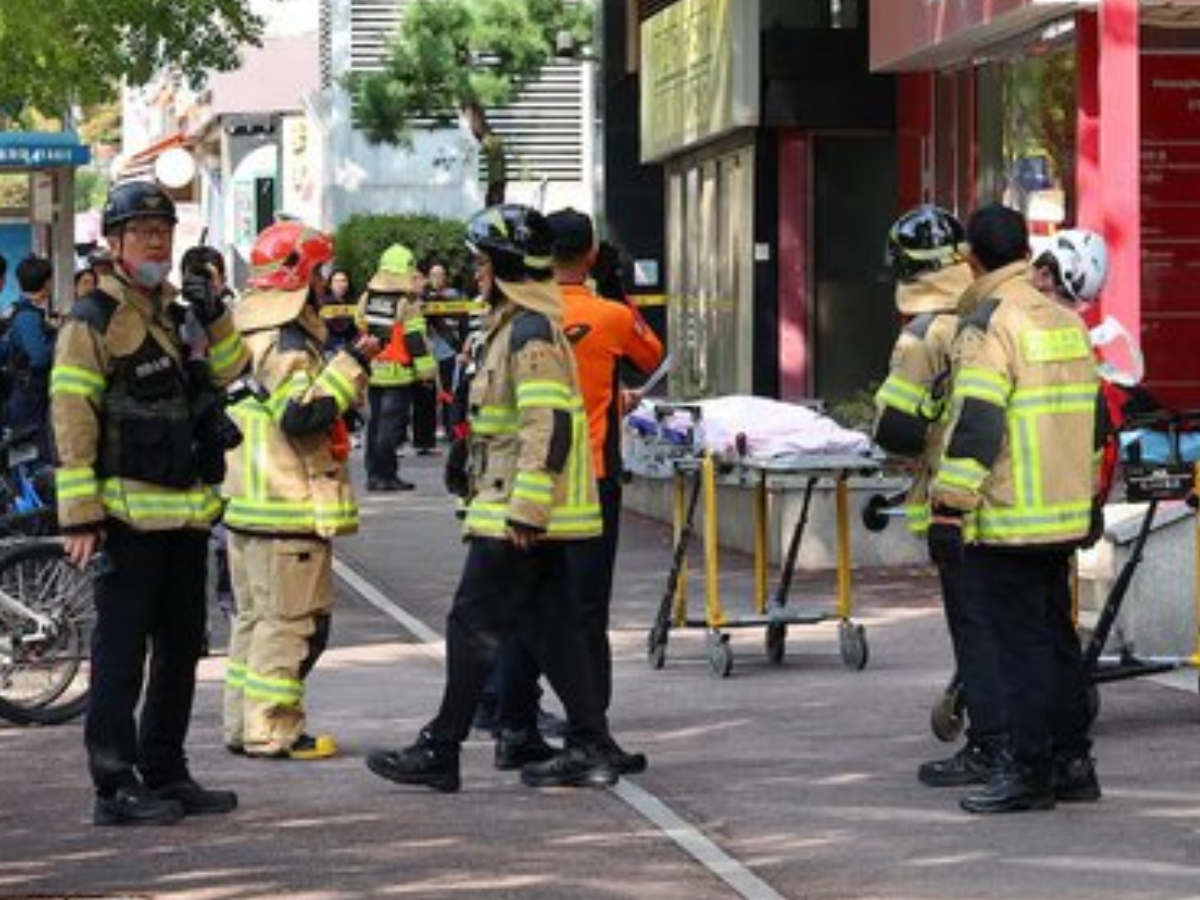
One person was in cardiac arrest and several others were wounded in a stabbing incident on Tuesday at a supermarket in South Korea’s coastal city of Incheon, authorities told AFP.
“One person is in cardiac arrest and around seven others have been injured,” an official from the Central Disaster and Safety Countermeasures Headquarters said.
Local media reported that a male suspect had been arrested.
South Korea is generally considered a safe country, with a homicide rate of 1.3 per 100,000 people in 2021, according to official statistics, well below the global average of about six per 100,000.
The country has, however, seen a number of stabbing attacks in recent years.
In May 2025, a man stabbed three police officers, while three people were stabbed to death at a Seoul pizza restaurant that September.
Police officers attached to the Ekiti State Command who were captured in a viral video during a confrontation with a motorcyclist are undergoing disciplinary proceedings at the Force Headquarters in Abuja.
The Police Complaint Response Unit disclosed this in an update posted on X on Tuesday, saying the action followed a directive by the Inspector-General of Police, Tunji Disu.
The update, linked to complaint tracking number CRU100953, read, “The officers in the viral video attached to Ekiti State Police Command are now at the Police Complaint Response Unit, Force Headquarters, Abuja, undergoing disciplinary actions as directed by the IGP, Tunji Disu.”
The development follows a complaint received by the Ekiti State Police Command on October 6 from representatives of the Biker Association, Federal University Oye-Ekiti chapter, over the alleged extortion and intimidation of one of its members.
In a statement issued on October 7, the command said the biker was allegedly intercepted by a police patrol team while riding alone from Itapa to Ikole-Ekiti and subjected to a demand for money under circumstances the complainants considered improper.
The command said it had identified the officers involved and taken them into custody for questioning as part of its investigation into allegations of extortion, intimidation, disobedience to lawful orders and other acts of unprofessional conduct.
It added that the investigation had been transferred to the State Police Headquarters in Ado-Ekiti for a comprehensive and impartial probe.
The Commissioner of Police, Ekiti State Command, Falade Micheal, directed that the officers be subjected to appropriate disciplinary procedures in line with police regulations, subject to the outcome of the investigation.
The command said, “The Commissioner of Police strongly condemns all forms of extortion, intimidation, abuse of authority and other conduct capable of undermining public confidence or bringing the Nigeria Police Force into disrepute.”
A yet-to-be-identified man has been shot dead by two suspected assailants near the back gate of the Yaba College of Technology in Lagos State.
PUNCH Metro learnt that the incident occurred on Saturday evening while the victim was riding a motorcycle in the area.
A community source, who spoke on condition of anonymity because of the sensitive nature of the incident, said the assailants crossed the victim’s path before opening fire on him.
“The incident happened in the evening, and the attack was sudden. He was on a motorcycle when two masked men emerged from nowhere, shot him and fled the scene,” the source said.
A police source told our correspondent on Sunday that an investigation had commenced to establish the circumstances surrounding the killing and identify those responsible.
“We received information about the incident and are working to establish what happened and identify those responsible. Although there are indications that the shooting is cult-related,” the source said.
The police source added that the deceased’s remains had been deposited in a morgue.
The state Police Public Relations Officer, Abimbola Adebisi, said she was not aware of the incident but promised to provide an update.
However, she had yet to do so as of the time this report was filed.