Connect with us

Lifestyle

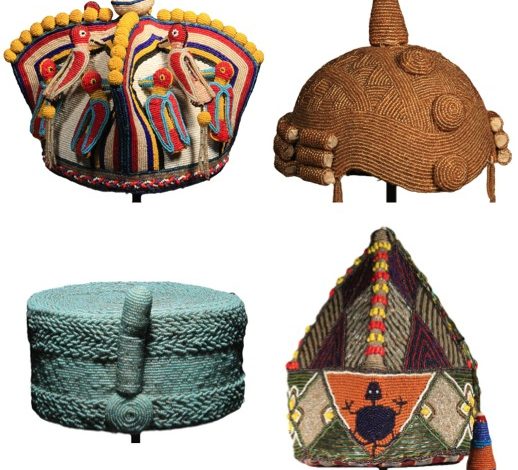
A LIST OF OBAS(KINGS) TRADITIONAL TITLES IN YORUBALAND (IN ALPHABETICAL ORDER)

Published

on

Aala of Ilala
Aale of Okelerin
Aare of Ago-Are
Aare of Sando Ofiki
Abodi of ikale land
Aboro of ibese land
Aboro of Ibooro land
Adeboruwa of Igbogbo
Afaji of Faji
Afonja of Ilorin
Aganmo of ganmo
Agbolu of Agbaje
Agbowu of Ogbaagbaa
Agura of Gbagura
Ajalorun of ife ijebu
Ajalorun of ijebu ife
Ajero of Ijero-Ekiti
Ajoriwin of Irawo
Akaran of Badagry
Akarigbo of Ijebu Remo
Akibio of Ilora
Akinyinwa of Ikinyinwa
Akire of Ikire
Akirun of Ikirun
Akosin of Ekosi
Akosin Of Ekosin
Alaafin of Oyo
Alaagba of Aagba
Alaawe of Awe
Alaaye of Aye
Alaaye of Oke-Ayedun
Alabere of Abere Ede
Alaboto of aboto
Alabudo of abudo
Alada of Ada
Alado of ado awaye
Alado of Ado-Awaye
Alaga of Aga-Olowo
Alagbeye of Agbeye
Alagbole of Agbonle
Alageere of Ago Are,
Alageere of Ofiki
Alagutan of Abegunrin land
Alaigbajo of arigbajo
Alaje of Ilu Aje
Alaje of Ilu-Aje
Alajede of Ijede
Alajinapa of Ajinapa
Alakaka of Akaka – Remo
Alakanran of Araromi
Alake of Egbaland
Alaketu of Ketu
Alakola of Akola
Alala of Ala-isin
Alamodu of Ago-Amodu
Alamonyo of Amonyo
Alana of Oke-ana
Alapa of Okin-Apa
Alaperu of Iperu Remo
Alapomu of Apomu
Alara of Aramoko-Ekiti
Alara of Igbokoda
Alara of Ilara – Remo
Alara of Ilara-Lagos
Alara of Ilara-Mokin
Alaran of Aran orin
Alararomi of Araromi Aperin
Alaremo of Aremo
Alasaba of Asaba
Alase of Ilasa Ekiti
Alasi of Asi
Alatori of Atorin Ilesha
Alawaye of Awaye
Alawe of Ilawe-Ekiti
Alaye of Aiyetoro
Alaye of Efon-Alaye Ekiti
Aláyégún of Ayégún
Alayegun of Ode-Omu
Alepata of Igboho
Alie of Ilie
Alofa of Ilofa
Aloffa of Ilofa
Apetu of Ipetumodu
Aragberi of Iragberi
Aragbiji of Iragbiji
Are of Ire
Aree of Ireeland
Aresa of Iresa (Aresapa of Iresa apa, Aresadu of Iresa Adu)
Aringbajo of Igbajo Ijesa
Arinjale of Ise Ekiti
Asaooni of Ora Igbomina
Asawo of Ayete
Aseyin of Iseyin
Asigangan of Igangan
Asu of Fiditi
Ataoja of Osogbo
Atapara of Iyeku
Attah of Ayiede Ekiti
Awara of Iwara- Iwo
Awara of Iwara-ijesa
Awaraja of Iwaraja
Awujale of Ijebuland
Ayangburen of Ikorodu
Deji of Akure
Deji of Arigidi Akoko
Ebumawe of Ago Iwoye
Ebumawe of Ago-Iwoye
Ẹbùrù of Ibà
Edemorun of Kajola
Ekesin of Ora igbomina
Eledidi of Edidi
Elegboro of Ijebu-Ijesha
Elegusi of Ikate
Eleju of Sanmora
Eleko of Eko
Elekusa of Ekusa
Elekuu of Odo eku-isin
Elepe of Epe
Elerin of Erin Ile
Elerin of Erin-ile
Elerin of Erinmope
Elero of Ilero
Eleruwa of Eruwa
Elesa Of Oke Ode
Elese of Ese Akoko
Elese of Ese Akoko
Elese of Igbaja
Elese of Ilese ijebu
Elesie of Esie
Eleyinpo of Ipapo
Eleyinpo of Ipapo
Ewi of Ado-Ekiti
Gbelepa of Gbelepa
Halu of Ode Aye
Jegun of Idepe
Jegun of Ile-Oluji
Lalupo of Gbagura
Lapoki of Igbolako
Laragunsin of Iyasan
Lumure of Ayeka
Moyegeso of Ijebu itele
Oba of Agboyi land
Oba of Jebba
Obaladi of Afon
Obalufon of Sepeteri
Obaro of Kabba
Obaro of Kabba
Obawara of Iwara-ife
Odemo of Isara
Odemo of Isara – Remo
Odemo of Ishara remo
Ogiyan of Ejigbo
Ogoga of Ikere Ekiti
Ogogo of Ifewara
Ogunsua of Modakeke
Ojomu of Ajiranland
Okere of Saki
Olaogboru Adimula of Ifeodan
Olisa of Imota
Oliyere of Iyere
Oloba of Oba ile
Oloba of Oba Osin
Oloba of Obaile
Oloba of Oba-isin
Oloba of Oba-oke
Oloba of USO land
Olobaagun of Obaagun
Olofa of Ofa
Olofun of Irele
Ologbagi of Ogbagi Akoko
Ologobi of Ogobi Ede
Ologotun of Ogotun-Ekiti
Olohan of Erijiyan Ekiti
Oloja of Epe
Oloja of Ikogosi Ekiti
Olojee of Oje-Owode
Olojoku of Ojoku
Olojudo of Ido Faboro Ekiti
Olojudo of Ido-Ekiti
Olokaka of Okaka
Olokaka of Okaka
Oloko of Ijebu imushin
Oloko of Oko
Olokua of Oku
Olokua of Okua
Olokuku of Okuku
Olokuku of Okuku
Olokuku Of Okuku
Olokusa of Okusa
Ololo of Oolo
Olomu of Omu aran
Olomu of Omupo
Olomun of Omuaran
Olona of Ada
Oloola of Ilara
Oloola of Ilara-Yewa
Olopanda of Oponda
Olopete of Opete
Olopete of Opete
Olopete Of Opete
Olora of Ora-Ekiti
Olore of Ore
Olorile of Orile Ifoland
Oloro Of Oro
Oloro of Oro
Olororuwo of Ororuwo
Oloru of Oru Ijebu
Olosan of Osan Ekiti
Olosi of Osi
Olota of Ota
Oloto of Are
Oloto of Ofiki
Oloto of Oto-Awori
Olowo of Owo
Olowu of Owu
Olowu of Owu-isin
Olowu of Owu-Kuta
Olowu of Telemu
Oloyan of Oyan
Oloyan of Oyan
Oloye of Oye-Ekiti
Oloyopo of Eggi-Oyoipo
Olu ifon of Ifon
Olu of Afowowa Sogaade
Olu of Ilaro
Olu of Ile-Ogbo
Olu of Imasayi
Olu of Itori
Olu of Mushin
Olu of Okeamu
Olu of Owode Ede
Olu of Owode Yewa
Olu of Sawonjo
Olu of Sekona Ede
Oluaso of Iberekodo land
Olubadan of Ibadan
Olubaka of Oka land
Olubara of Ibara
Olubeshe of Ibeshe Lagos
Olubosin of Ifetedo
Oludopo of Okeyapo
Olufi of Gbongan
Olugbo of Ugbo
Olugbon of Orile Igbon
Olugijo of Ogijoland
Olugunwa of Oke Amu
Oluigbo of Igbojaye
Olukoro of Ikoro Ekiti
Olumoro of Moro land
Olunisa of Inisa
Oluof Igbogila
Olu-oje of Ojenpetu Gadumo
Olupako of Shaare
Olupo Ajase-Ipo
Olupo of Ajassepo
Olupole of Ipole Ekiti
Oluresi of lresi
Olusi of Usi
Olusin of Ijara-isin
Olusin of Iji-irin
Olusin of Isanlu Isin
Olute of Ute
Oluware of Iware land
Oluwo of Iwo
Omola of Imala
Oni ilepa of Ilepa ilepa
Oni Irun of Irun Akoko
Onibeju of Ibeju-Lekki
Onibereko of Ibereko
Onidada of Dada
Onidere of Idere
Onidere of Idere
Onidiemin of Idi-emin
Onidigba of Iidigba
Onido of Iddo
Onidofa of Idofa
Onidofa of Idofa
Onidofian of idofian
Onidofin of Idofin
Onifaji of Faji
Onífẹ̀dẹ̀gbó of Fẹ̀dẹ̀gbóland
Onifo of Ifo
Onigando of Igando
Oniganmo of Ganmo
Onigbaja of Igbaja
Onigbamila of gbamila
Onigbaye of Igbaye
Onigbesi of Igbesi
Onigbeti of Igbeti
Onigbin of Oke-onigbin
Onigbope of Igbope
Onijabe of Ijabe
Onijaye of Ijaye
Onijoun of Ijoun
Onika of Ika
Onikereku of Ikereku
Onikogosi of Ikogosi
Onikoko of Koko
Onikole of Ikole kingdom
Onikosi of Ikosi
Onikoyi of Ikoyi
Onilado of Ilado
Onilai of Ilai
Onilala of Lanlate
Onila-odo of Ila-odo
Onilogbo of Ilogbo
Onilua of Ilua
Oniluju of Iluju
Onimaya of maya
Onimeko of Imeko
Onimeri of Imeri
Onimia of Imia
Onipapo of Ipapo
Onipara of Ipara-Remo
Onipopo of Popo
Oniro of Komu
Oniroko of Iroko land
Oniru of Iruland
Onirun of Irun Akoko
Onisaare of Ijannan
Onisaga of Isaga
Onisan of Isan Ekiti
Onisanbo of Ogboro
Onisemi of Isemi
Onisemi of Isemi-Ile
Oniseri of Iseri-Olofin
Onisiwo of Abagbo
Onitabo of Itabo
Onitede of Tede
Onitewure of Tewure
Oniwere of Iwere ile
Oniwere of Iwere-Ile
Oniwo of Odu-ore
Oniwo of Oke-aba
Oniwoye of Iwoye
Oniye of Iye-Ekiti
Onjo of Okeho
Onpetu of Ijeruland
Onpetu-Olojudo of Ife
Ooni of Ile-Ife
Oore of Moba land
Ooye of Iwoye
Orangun of Ila
Oree of Moba land
Oree of Otun Ekiti
Orimolusi of Ijebugbo
Orimolusi of Ijebu-Igbo
Orungberuwa of Ode-Erinje
Osemawe of Ondo
Oshinle of Okeona
Osile of Oke-Ona egba
Osolo of Isolo
Osolu of Irewe
Owa Ale of Ikare
Owa Obokun of Ijesha
Owá of Idanre
Owa of Igbajo
Owa of Ijesaland
Owa of Otan Ayegbaju
Owa Ooye of Okemesi-Ekiti
Owa Oroo of Agbado Ekiti
Owa-akinfin of Ikinfin
Owamiran of Esa-Oke
Owa-Oye of Oke-Imesi Ekiti
Owatapa of Itapa Ekiti
Sabiganna of Igana
Salu of Edunabon
San-o of kogga
Soun of Ogbomoso
Timi of Ede
Add yours if it is not there already.

See also  Why I Couldn’t Succeed In Nollywood – Ceec

Mayegun Research Team


Continue Reading
Click to comment

Leave a Reply

Your email address will not be published. Required fields are marked *

Lifestyle

53,000 dead, 50m sick yearly from unsafe food — FG

Published

on

The Federal Government on Monday raised fresh concerns over the growing burden of foodborne diseases in Nigeria, revealing that unsafe food causes more than 53,000 deaths and nearly 50 million illnesses annually across the country.

Minister of State for Health and Social Welfare, Dr Iziaq Salako, disclosed this in Abuja during a ministerial press briefing to commemorate the 2026 World Food Safety Day, themed “From Burden to Solutions – Safe Food Everywhere.”

Salako described food safety as a critical national development and health security issue, warning that the true cost of unsafe food extended beyond sickness and death to the loss of human capital, particularly among children.

According to him, Nigeria loses an estimated 4.26 million years of healthy life annually to foodborne diseases through illness, disability and premature death.

“Nigeria records nearly 50 million foodborne illnesses every year, and unsafe food causes more than 53,000 deaths annually in our country.

“Together, these illnesses and deaths result in a staggering 4.26 million years of healthy life lost to illness, disability or early death,” the minister said.

He noted that children under five account for more than 80 per cent of the country’s foodborne disease burden.

“Most of this burden falls heavily on children under five, who account for more than 80 per cent of all foodborne disease burden in Nigeria.

“The true cost of unsafe food in Nigeria is not only measured in sickness and death, but also in the lost cognitive, physical and developmental potential of our children,” Salako added.

The minister’s remarks came on the heels of newly released estimates by the World Health Organisation showing that unsafe food causes about 866 million illnesses and 1.5 million deaths globally each year, with Africa bearing the highest per-capita burden.

According to Salako, diarrhoeal diseases remained the leading cause of foodborne illnesses in Nigeria, with more than 40 million cases linked to pathogens such as Salmonella, Escherichia coli, Campylobacter, Shigella and rotavirus.

“Over 40 million diarrhoeal illnesses in Nigeria are linked to foodborne pathogens. These infections continue to be a major cause of hospitalisation, malnutrition and mortality among our youngest citizens,” he said.

He also warned of increasing exposure to chemical contaminants.

“Chemical hazards are also emerging as a serious concern, with lead exposure responsible for tens of thousands of healthy lives lost through contaminated grains, spices and water sources. These numbers underscore the urgency of strengthening food safety systems across the entire value chain,” he stated.

See also  Twitch suspends Carter Efe’s account for four months

Despite the challenges, Salako said Nigeria had made notable progress in building a stronger food safety system.

He said the country’s 2023 Joint External Evaluation recorded measurable improvements across all food safety indicators, while Nigeria’s 2025 State Party Annual Report score surpassed the World Health Organisation target for low- and middle-income countries.

“Nigeria is now one of the leading countries in the region in establishing functional systems for detecting, reporting and responding to foodborne disease events,” he said.

The minister, however, stressed that the latest figures should serve as a wake-up call.

“The new WHO estimates are a call to action. We must intensify surveillance for heavy metals and chemical contaminants. We must improve food safety practices in traditional and informal markets where most Nigerians buy their food.

“We must strengthen hygiene, water and sanitation infrastructure and ensure food business operators comply with national standards,” he said.

Salako also linked food safety to the country’s growing burden of non-communicable diseases, including hypertension, stroke, diabetes and obesity.

“Food safety is not only about preventing infections; it is also about ensuring that the food we eat does not contribute to the growing burden of non-communicable diseases,” he said.

He disclosed that Nigeria had developed National Guidelines for Sodium Reduction, while the National Agency for Food and Drug Administration and Control had finalised draft sodium reduction regulations aimed at reducing salt levels in processed foods.

According to him, the country was also implementing industrial trans-fat elimination regulations and strengthening efforts to improve the sugar-sweetened beverage tax and front-of-pack food labelling systems to encourage healthier food choices.

Salako urged food manufacturers, regulators, researchers and consumers to support efforts aimed at ensuring safer and healthier food for Nigerians.

“Food safety is everyone’s business. It saves lives, strengthens our economy and protects our children. These numbers show that food safety is not optional; it is a national health security priority,” he said.

The Director-General of NAFDAC, Prof Mojisola Adeyeye, said strengthening food safety systems remained critical to reducing the country’s burden of foodborne diseases.

Represented at the event by the Director of Food Safety and Applied Nutrition Directorate, Eva Edwards, Adeyeye described food safety as a public health, socioeconomic and development imperative.

See also  Francis Adekunle Fajuyi: A Symbol of Loyalty and Courage in Nigerian History

“The theme for the 2026 World Food Safety Day, ‘From Burden to Solutions – Safe Food Everywhere,’ reminds us that food safety is not merely a technical issue; it is a public health, socioeconomic and development imperative. Behind every statistic on foodborne disease is a child, a family, a community or a business affected by preventable illness and loss,” she said.

The NAFDAC boss said the agency remained committed to reducing foodborne diseases through stronger regulation, surveillance and stakeholder engagement.

“At NAFDAC, we remain firmly committed to contributing to reducing the burden of foodborne disease through science-based regulation, effective surveillance, strengthened food control systems and robust stakeholder engagement,” she said.

She added, “Our efforts continue to focus on ensuring that foods manufactured, imported, exported, distributed, advertised, sold and consumed in Nigeria meet acceptable standards of safety and quality.”

Adeyeye stressed that safe food was central to achieving the country’s nutrition and health goals.

“We recognise World Food Safety Day as an added opportunity to situate food safety as a significant issue of public health concern, especially in the light of safe, wholesome food being important for boosting immunity and improving the body’s natural defence in fighting diseases.

“Where food is unsafe, our nutritional goals cannot be achieved,” she said.

The NAFDAC Director-General further noted that addressing food safety challenges would require stronger collaboration among government agencies, industry players, researchers, development partners and consumers.

“The challenge before us is significant, but so too is our collective capacity to address it through evidence-based policies, effective regulation, responsible industry practices and sustained public awareness,” she said.

Adeyeye reaffirmed the agency’s commitment to strengthening food safety systems nationwide.

“At NAFDAC, we remain resolute in our unwavering commitment to playing our role in strengthening the national food safety system, upholding standards and regulations, and promoting best practices within industry and across society to assure a safe food supply,” Adeyeye said.

Meanwhile, the Corporate Accountability and Public Participation Africa called for stronger regulatory measures to address the growing burden of diet-related diseases in Nigeria.

In a statement issued on Monday to commemorate the 2026 World Food Safety Day, CAPPA warned that millions of Nigerians were increasingly exposed to health risks associated with excessive consumption of sugar, salt, unhealthy fats and ultra-processed foods.

The organisation argued that food safety should extend beyond concerns about contamination and foodborne diseases to include protection against products that contribute to non-communicable diseases.

See also  Funsho Williams: The Man Who Could Have Become Governor of Lagos

CAPPA Executive Director, Oluwafemi Akinbode, said, “Food safety is not only about preventing food poisoning. It is also about ensuring that the foods and drinks available to Nigerians do not slowly undermine their health and well-being.”

He warned that weak regulatory safeguards and aggressive marketing of unhealthy products were contributing to rising cases of hypertension, diabetes, obesity, stroke, kidney disease and certain cancers.

According to him, diet-related diseases were placing a growing burden on families, the healthcare system and the economy.

“Public health policies must be guided by science and the public interest, not by industries whose profitability depends on unhealthy consumption patterns,” Akinbode stated.

CAPPA welcomed the recent passage by the Senate of a bill seeking to strengthen Nigeria’s Sugar-Sweetened Beverage Tax regime, describing it as a critical intervention in efforts to reduce excessive sugar consumption and curb non-communicable diseases.

The organisation also urged the Federal Government to adopt national sodium reduction targets, implement Front-of-Pack Warning Labelling on packaged foods and beverages, and strengthen restrictions on the marketing of unhealthy foods to children.

“Truly, safe food should not only be free from contamination but should also protect consumers from preventable diseases and support long-term wellbeing,” he added.

World Food Safety Day is observed annually to raise awareness and inspire action to prevent, detect and manage food-related risks. The 2026 edition marks the eighth global observance of the event.

While food safety discussions have traditionally focused on microbial contamination and foodborne disease outbreaks, public health experts are increasingly drawing attention to the role of unhealthy diets in driving non-communicable diseases such as hypertension, diabetes, obesity, cardiovascular diseases and certain cancers.

In Nigeria, authorities have intensified efforts to strengthen food safety governance through the National Food Safety Management Committee, the National Integrated Guidelines for Foodborne Disease Surveillance and Response, sodium reduction initiatives, industrial trans-fat elimination regulations and improved food surveillance systems.

However, health advocates continue to push for stronger nutrition-focused policies, including enhanced sugar-sweetened beverage taxes, front-of-pack warning labels and tighter restrictions on the marketing of unhealthy foods to children.

punch.ng

FOLLOW US ON:

FACEBOOK

TWITTER

PINTEREST

TIKTOK

YOUTUBE

LINKEDIN

INSTAGRAM

Continue Reading

Lifestyle

PHOTOS: William Kumuyi Celebrates His 85th Birthday Today

Published

on

Birthday: William Kumuyi Turns 85 Today!

Happy 85th birthday to Deeper Life Pastor, William Kumuyi.

We thank God for your life of unwavering dedication to Christ, sound biblical teaching, and faithful leadership.

Your impact on countless lives across generations remains a testimony to God’s grace and faithfulness.

May the Lord continue to strengthen you, grant you good health, renewed vigor, and greater fruitfulness in His service.

Wishing you a joyful and blessed birthday celebration.

Happy Birthday, Sir!

FOLLOW US ON:

FACEBOOK

TWITTER

PINTEREST

TIKTOK

YOUTUBE

LINKEDIN

INSTAGRAM

See also  Nollywood actress Sarah Martins apologises for roadside cooking
Continue Reading

Lifestyle

How rescued orphaned elephant highlights Nigeria’s conservation fight

Published

on

As dawn breaks over Okomu National Park in Ovia South-West Local Government Area of Edo State, an exhausted wildlife caretaker prepares milk formula for Agbaibor, a month-old orphaned forest elephant rescued after wandering out of the rainforest alone.

“The baby elephant has to take two litres of this per meal,” said Joshua Aribasoye, one of those responsible for feeding and monitoring the calf around the clock in a makeshift pen at a ranger outpost inside the park in southern Edo.

Forest elephants, smaller and more elusive than their savannah cousins, are endangered and their population has collapsed in recent decades largely because of habitat loss and poaching.

Agbaibor—named after the ranger who helped rescue him—was found near a palm oil plantation bordering the protected forest late last year after being separated from the herd.

Rangers and conservationists tried to reunite the calf with its family by taking it back into the forest, but it soon wandered out again.

Fearing it would die alone or be attacked, park authorities and conservation group African Nature Investors (ANI) launched an emergency effort to nurse the animal, flying in elephant rehabilitation specialists from Zambia and assigning caretakers to raise him.

It has become a costly operation. ANI spends between four and five million naira (about 3,600) a month on his care, including 77 kilograms of milk powder, alongside oats and nutritional supplements.

Conservationists expect the rehabilitation process to take another three to five years. They are building a new enclosure deeper inside the park, within elephant habitat, where the calf will gradually be exposed to the sounds and movements of wild herds before an eventual reintroduction.

See also  Nollywood actress Sarah Martins apologises for roadside cooking

“The calf will be cared for there… until it is integrated into a group,” said ANI project manager Peter Abanyam.

200 remain

The International Union for Conservation of Nature (IUCN) lists forest elephants as critically endangered, with conservationists estimating only around 200 remain in the country.

Roughly 40 are believed to live in and around Okomu—one of Nigeria’s last remaining rainforest ecosystems, covering about 24,000 hectares.

“Okomu is critical for conservation in Nigeria,” said Abanyam.

“In a small ecosystem like this, housing 40 elephants is a huge number, and it needs to be protected at all costs.”

But pressure on the forest is intensifying.

Logging, poaching, farming and expanding human settlements have fragmented large parts of the reserve, shrinking elephant corridors and increasing contact between wildlife and nearby communities.

Godstime Christopher, 26, once helped transport illegally logged timber out of the forest before being recruited as a ranger by ANI.

Today, he works with the organisation’s biomonitoring team, using camera traps to track elephant movements and identify poachers.

“When I became a ranger, I thought I would use that to exploit logging,” he admitted. “But the training changed our mentality.”

‘Preserve what we have’

Conservation groups say engaging local communities is essential if endangered wildlife is to survive in one of Africa’s fastest-growing countries, where economic hardship often drives people deeper into protected forests in search of land, timber or bushmeat.

While the ranger programme appears to have helped drive down poaching in the area, hunting for other species still disturbs the elephants and degrades their habitat, Christopher warned.

See also  TWIN TOWNS IN YORUBALAND BUT MANY OF THEM ARE NOT YORUBA, AND NOT CONY CONY LIKE YORUBAS

Back at the rehabilitation centre, Agbaibor splashes in the mud, nudges his handler for attention and drinks from oversized bottles of milk formula.

For Aribasoye, the demanding work has become deeply personal.

“We are supposed to be like a mother to him,” he said.

“Seeing him eating and playing is part of the joy… because I know we are working to preserve what we have left.”

AFP

punch.ng

FOLLOW US ON:

FACEBOOK

TWITTER

PINTEREST

TIKTOK

YOUTUBE

LINKEDIN

INSTAGRAM
Continue Reading

Trending