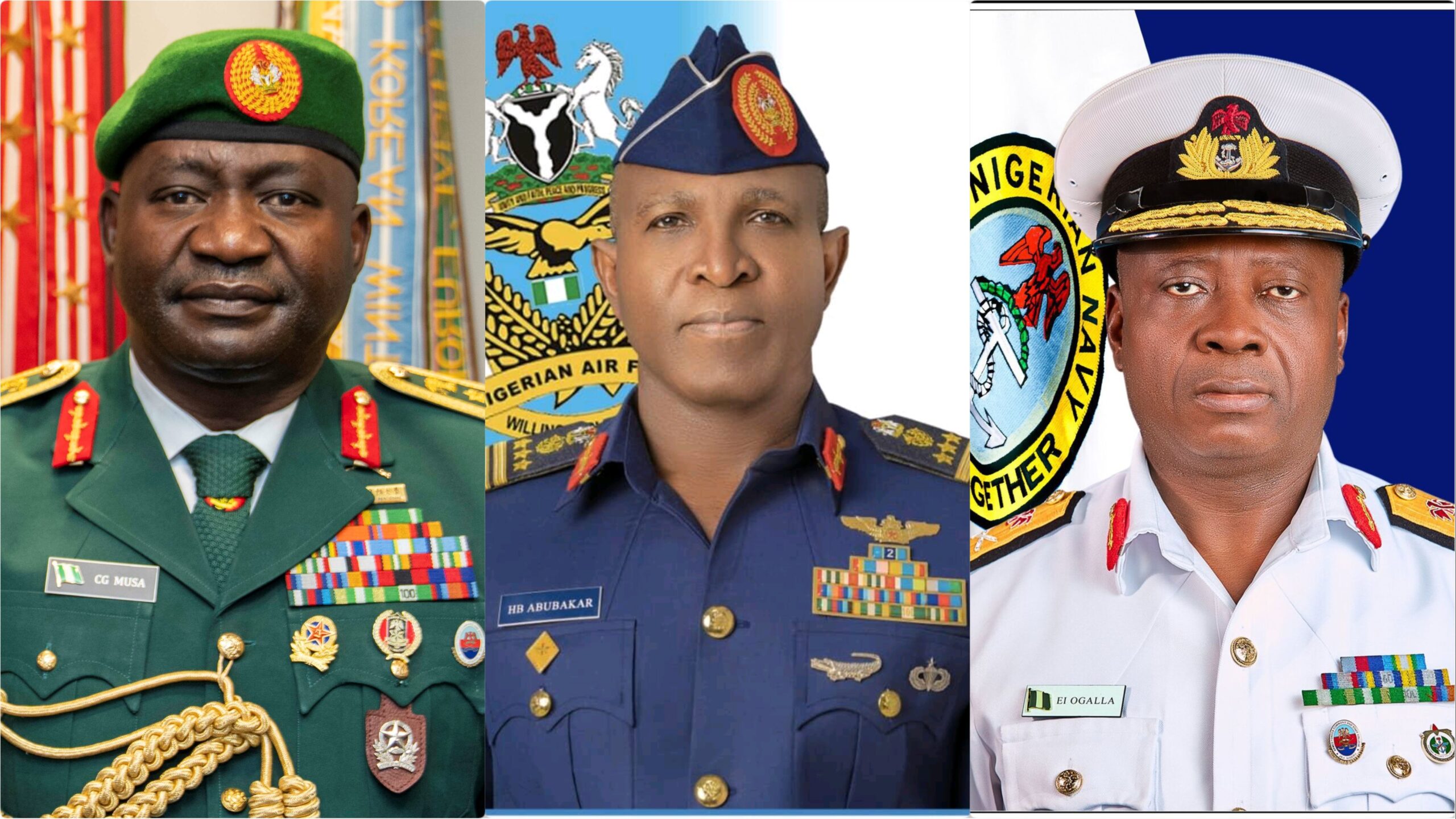
The former Chief of Defence Staff and the two other service chiefs, who were retired from Service by President Bola Ahmed Tinubu yesterday, will each go home with one bulletproof SUV and one Prado Jeep, or an equivalent vehicle as a backup.
These vehicles are to be maintained by the respective Services and replaced every four years.
According to the new Harmonised Terms and Conditions of Service (HTACOS) 2024, signed by President Bola Ahmed Tinubu — a copy of which was obtained by Sunday LEADERSHIP — the retired officers will also receive $20,000 per year for medical expenses.
The document, marked ‘Restricted’, also outlines the benefits due to retired generals and other senior officers of the Armed Forces upon leaving service.
President Bola Tinubu yesterday removed the service chiefs and appointed their replacements.
The statement announcing their removal, signed by Sunday Dare, the special adviser to the president on media and public communication, said the action was taken to further the federal government’s efforts to strengthen the national security architecture.
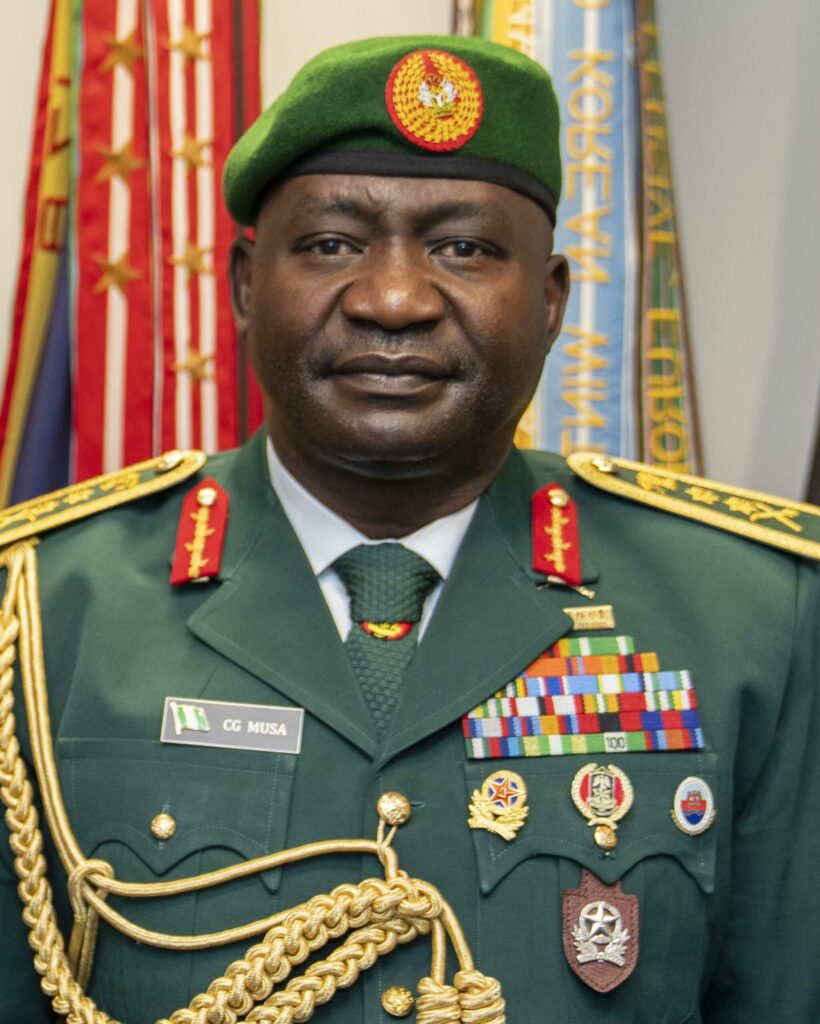
The President appointed former Army Chief, General Olufemi Oluyede, as the new Chief of Defence Staff, replacing General Christopher Musa. The new Chief of Army Staff is Major-General W. Shaibu, Air Vice Marshal S. K. Aneke becomes Chief of Air Staff, while Rear Admiral I. Abbas is the new Chief of Naval Staff.
The Chief of Defence Intelligence, Major-General E. A. P. Undiendeye, retains his position.
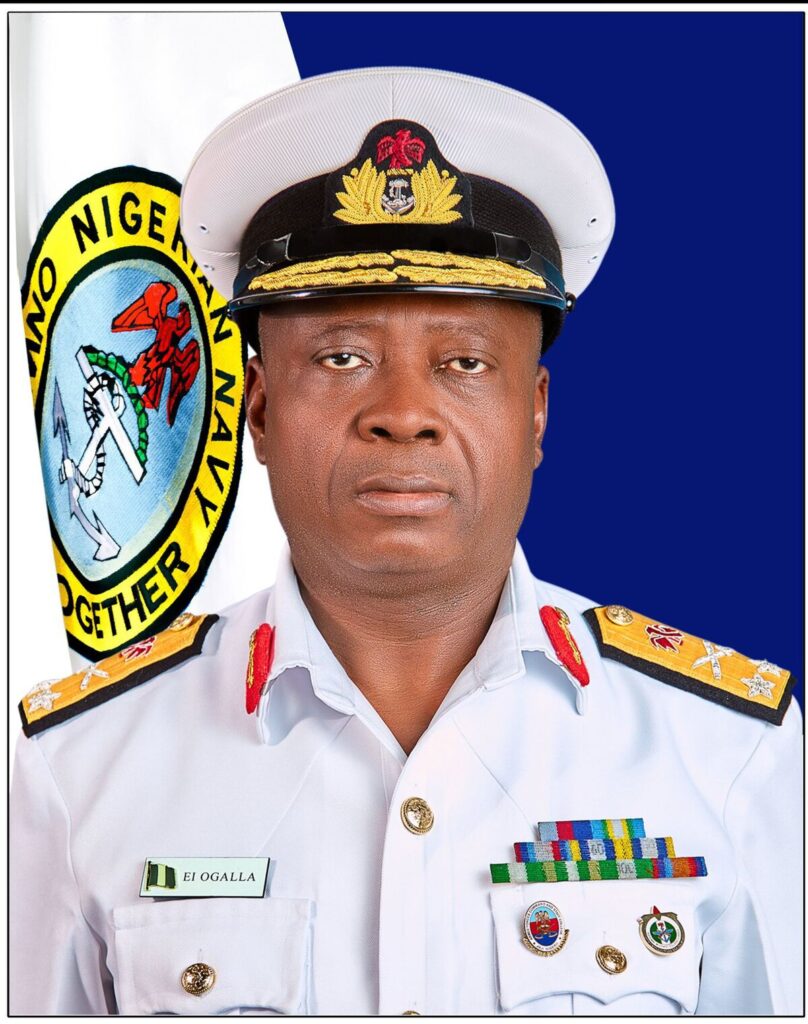
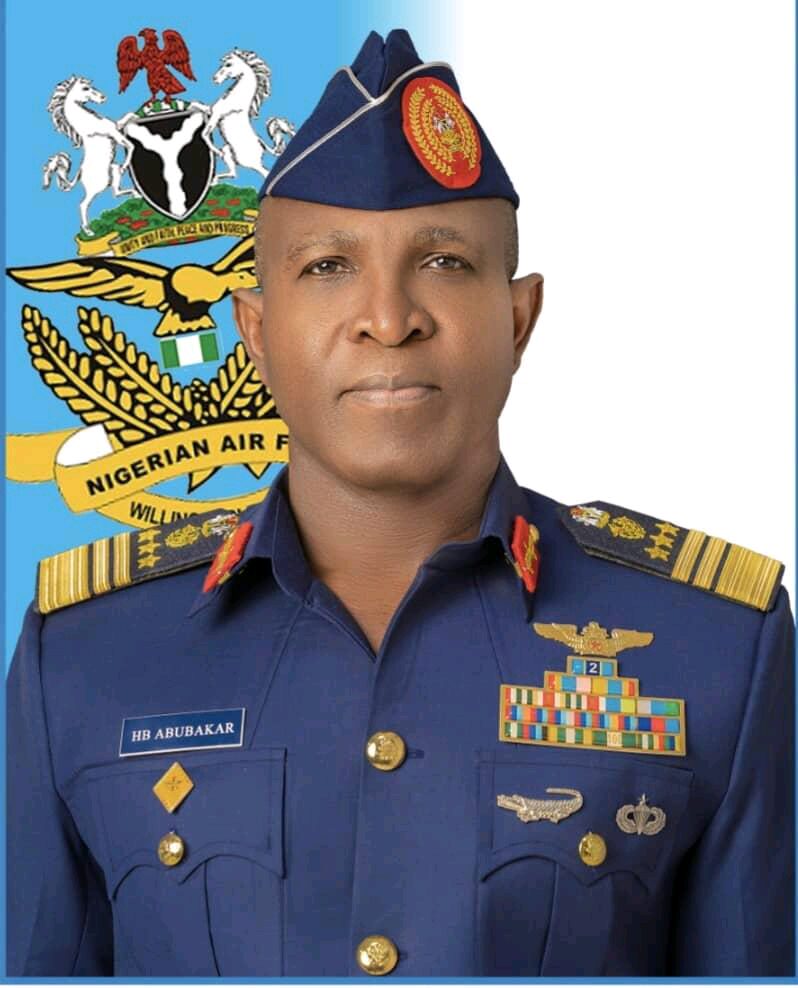
Those sacked alongside General Musa are the Chief of Naval Staff, Vice Admiral Emmanuel Ogalla, and the Chief of Air Staff, Air Marshal Hassan Abubakar.
Each of the service chiefs is also entitled to five domestic workers, one security officer, nine standard guards, three service drivers, firearms, and other benefits.
“The following benefits shall be the entitlements of the CDS and Service Chiefs: one bulletproof SUV or equivalent vehicle, to be maintained by the Service and replaced every four years; one Prado Jeep or equivalent backup vehicle; retention of all military uniforms and accoutrements to be worn for appropriate ceremonies; five domestic aides (2 x Service cooks, 2 x stewards, and 1 x civilian gardener); one Aide-de-Camp/Security Officer; one Special Assistant (Lt/Capt or equivalent) or one personal assistant (WO or equivalent); standard guard (9 soldiers); three Service drivers; one Service orderly; escorts (to be provided by appropriate military units/formations as the need arises); retention of personal firearms (to be retrieved by the relevant Service upon the officer’s demise); and free medical cover in Nigeria and abroad.”
According to the document, Lieutenant-Generals and equivalents are entitled to the following: one Toyota Hilux vehicle and one Toyota Land Cruiser or equivalent Jeep of the same value; two cooks, two stewards, four residential guards, one Service orderly, two Service drivers, and free medical care in Nigeria and abroad up to the value of $20,000 per year.
Furthermore, retiring Major-Generals, Brigadier-Generals, or their equivalents will be entitled to: one Toyota Land Cruiser or equivalent vehicle, one cook, one steward, two residential guards, one Service orderly, one Service driver, and free medical cover in Nigeria and abroad up to $15,000 per annum.
Similarly, officers of one-star rank are to enjoy the following: one Toyota Camry or equivalent vehicle, one Service driver, two residential guards, one Service orderly, and free medical cover in Nigeria and abroad up to $10,000 per annum.
Federal Government to Spend More on Other Retiring Generals
Yesterday’s retirement of the service chiefs is expected to trigger voluntary and forced retirements within the military hierarchy, as some senior generals who are contemporaries of the outgoing service chiefs may have to proceed on retirement in line with military tradition.
The new service chiefs, who are members of Course 40 and 41 of the Nigerian Defence Academy, replace their predecessors from Course 39, including the new Chief of Defence Staff, General Olufemi Oluyede.
By this appointment, generals from Courses 39, 40, and some from Course 41 across the Services will have to retire, as they are not expected to salute their juniors who have now been elevated above them.
LEADERSHIP Weekend earlier reported that members of Course 39 remain in active service, occupying strategic positions such as Principal Staff Officers (PSOs) at Service Headquarters and Commanders of tri-Service institutions.
Military sources, who initially said more than 50 such generals would have to voluntarily exit the Service to allow the new Service Chiefs to exercise effective control, now say the number could exceed that, since the new Chief of Army Staff is from Course 41.
“We will have more than 60 generals retiring. The new Army Chief is from Course 41. Those in service from Course 39 and even some from 41 will want to retire,” the source said.
With the retirement packages outlined above, the Federal Government will have to provide substantial funds to settle the retirees.
Senate May Confirm Nominations This Week
The Senate joint committee on Defence, Army and Navy is expected to commence the screening exercise of the newly-appointed service chiefs.
It is believed that the president would have written to the Senate at the weekend to intimate its leadership about the fresh appointments.
Their screening is expected to be done behind closed doors.
Expectedly, the nominees are expected to promise to tackle insecurity in the country.
Service Chiefs’ Change Strategic for Tinubu – Obono-Obla
Meanwhile, a former Chairman of the Special Presidential Investigative Panel on Recovery of Public Property (SPIP), Chief Okoi Obono-Obla, has described President Tinubu’s reshuffle of service chiefs as a strategic realignment aimed at entrenching deeper reforms as he moves towards completing his first four-year term.
The former special aassistant to the late ex-President Muhammadu Buhari on prosecution added that the change demonstrates a canny mastery of the push and pull of the country’s centripetal and centrifugal forces.
Obono-Obla said on Sunday that: “It reflects how he (Tinubu) has been able to navigate and manoeuvre through the complexities of governance. After settling into office, he engaged in midterm rumination — pondering and reflecting on the imperative of assembling a new team within the Armed Forces and security apparatuses.”
Obono-Obla explained that the move signals a strategic realignment and that it is time to assess performance in the military and security sectors.
“The shake-up and introduction of a new team — reinvigorated and with a fresh lease of life — aims to ensure that the security challenges which have grappled and confronted the country are dealt with decisively, using new gusto, fresh strategies, and dynamic trajectories.
“Mr President has also subtly used this opportunity to manoeuvre through the nuances and subtleties of the country’s fault lines, which have long dogged its progress.
In doing so, he has sought to balance geopolitical sensibilities and touch all potential flashpoints where cries of political marginalisation often emerge,” he said.
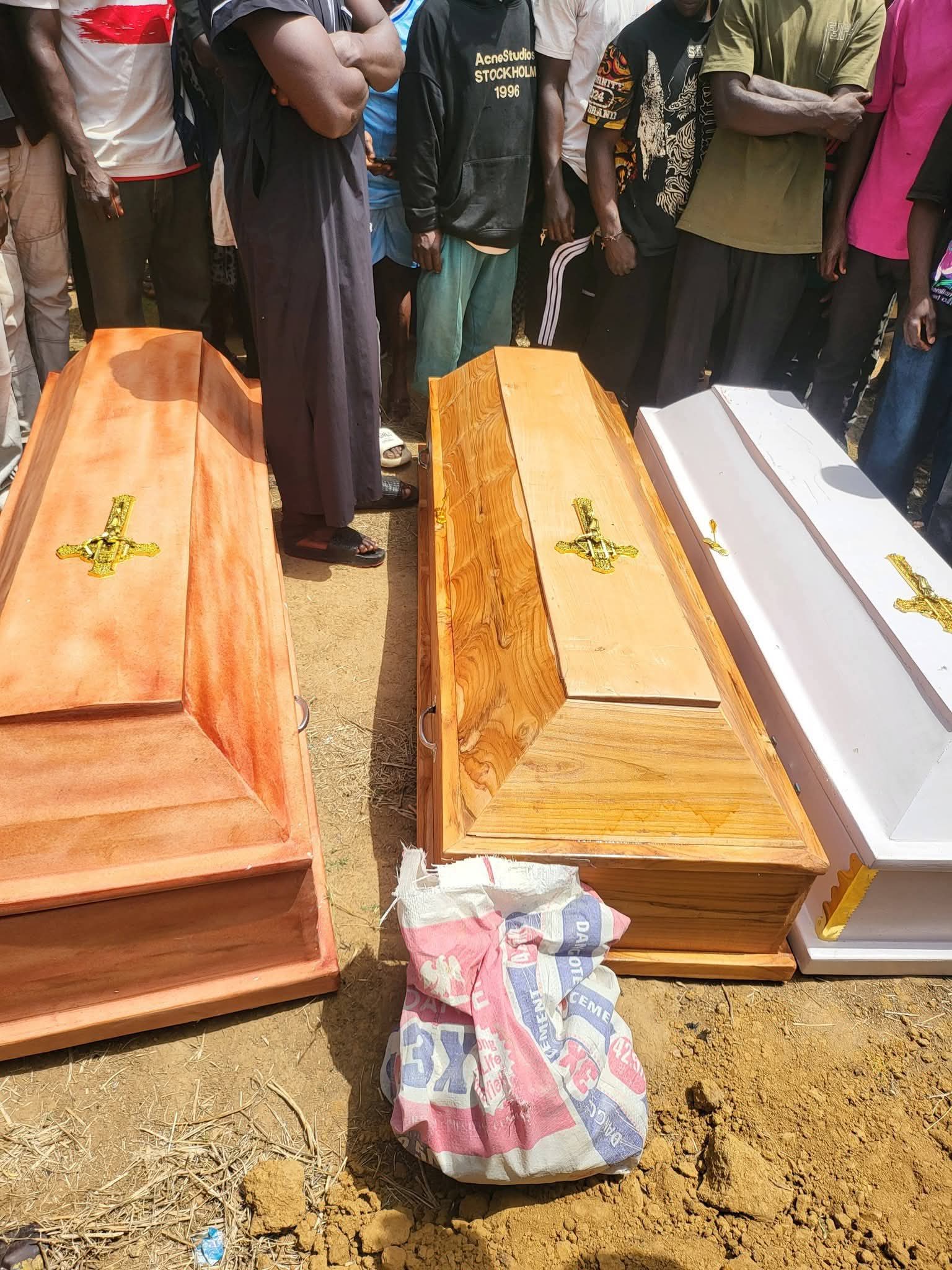
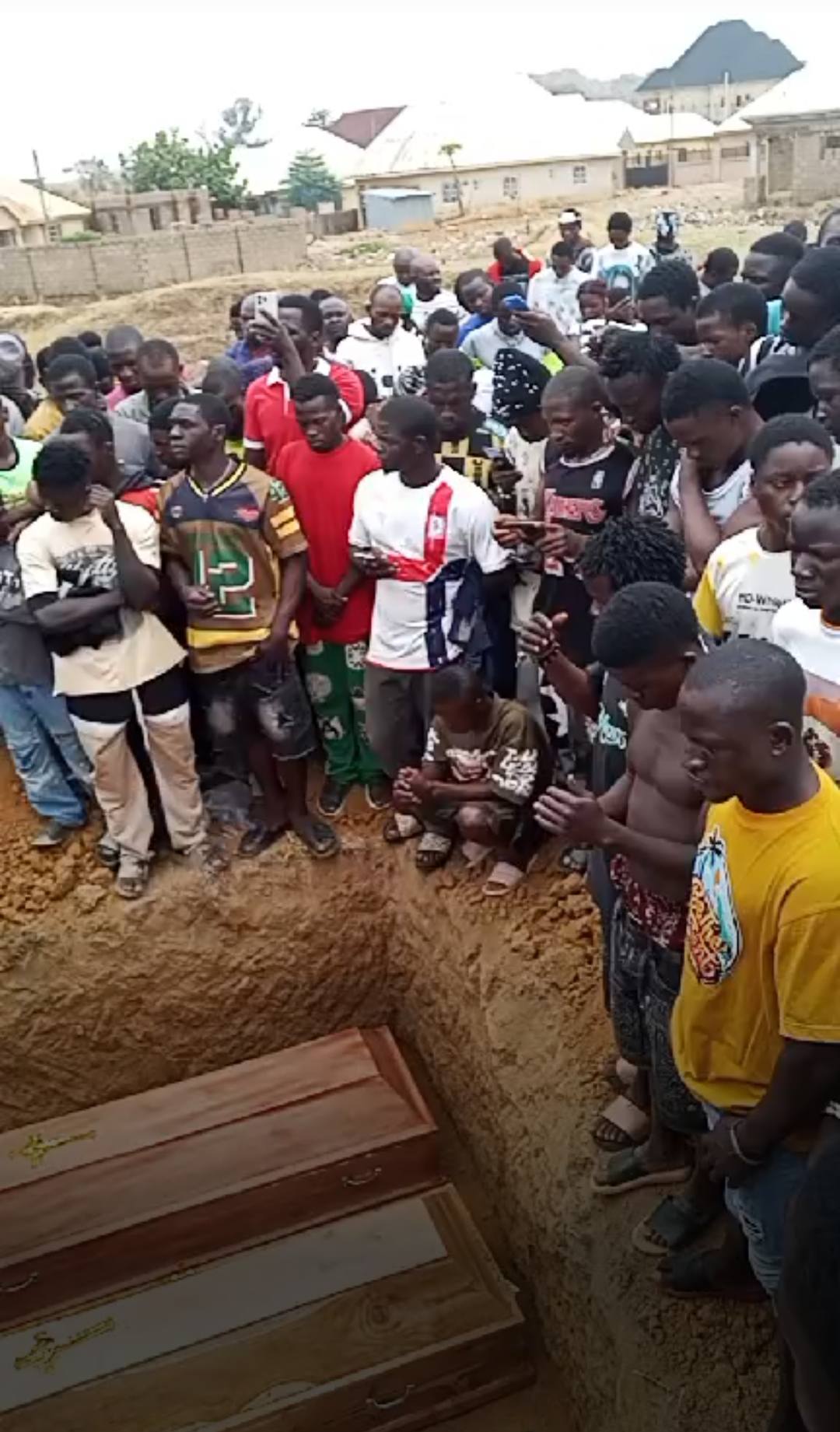
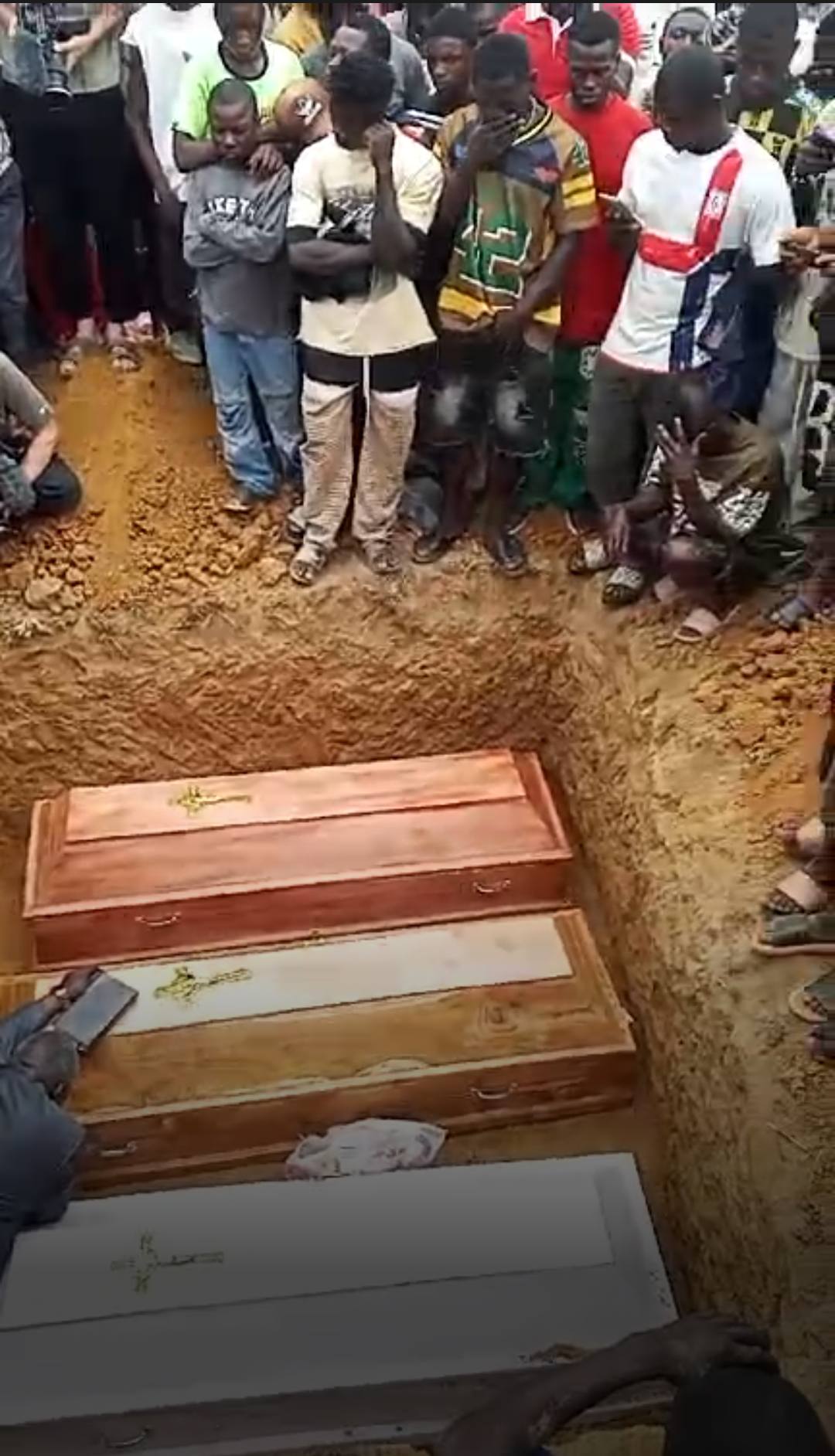
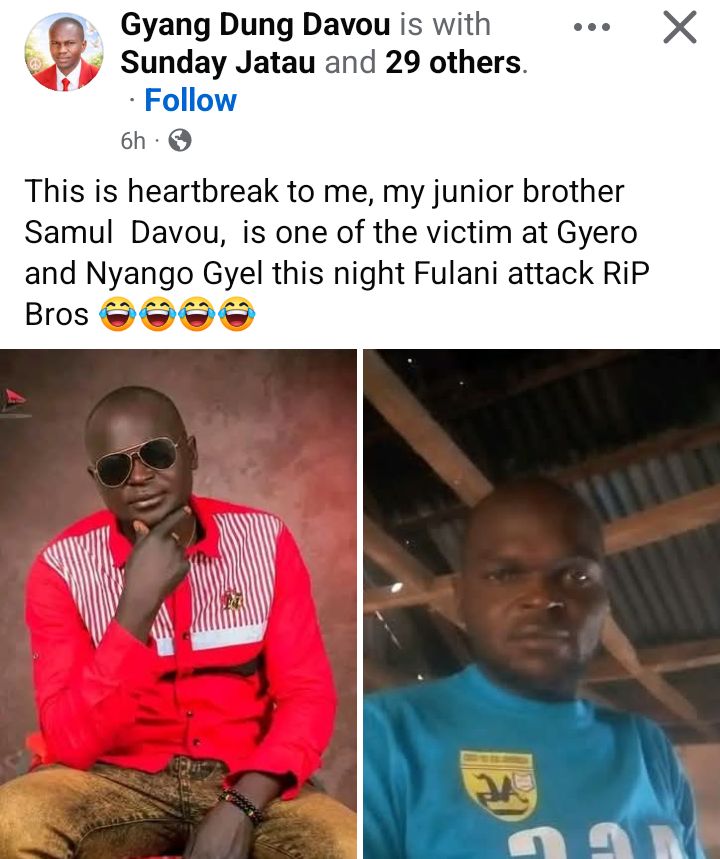
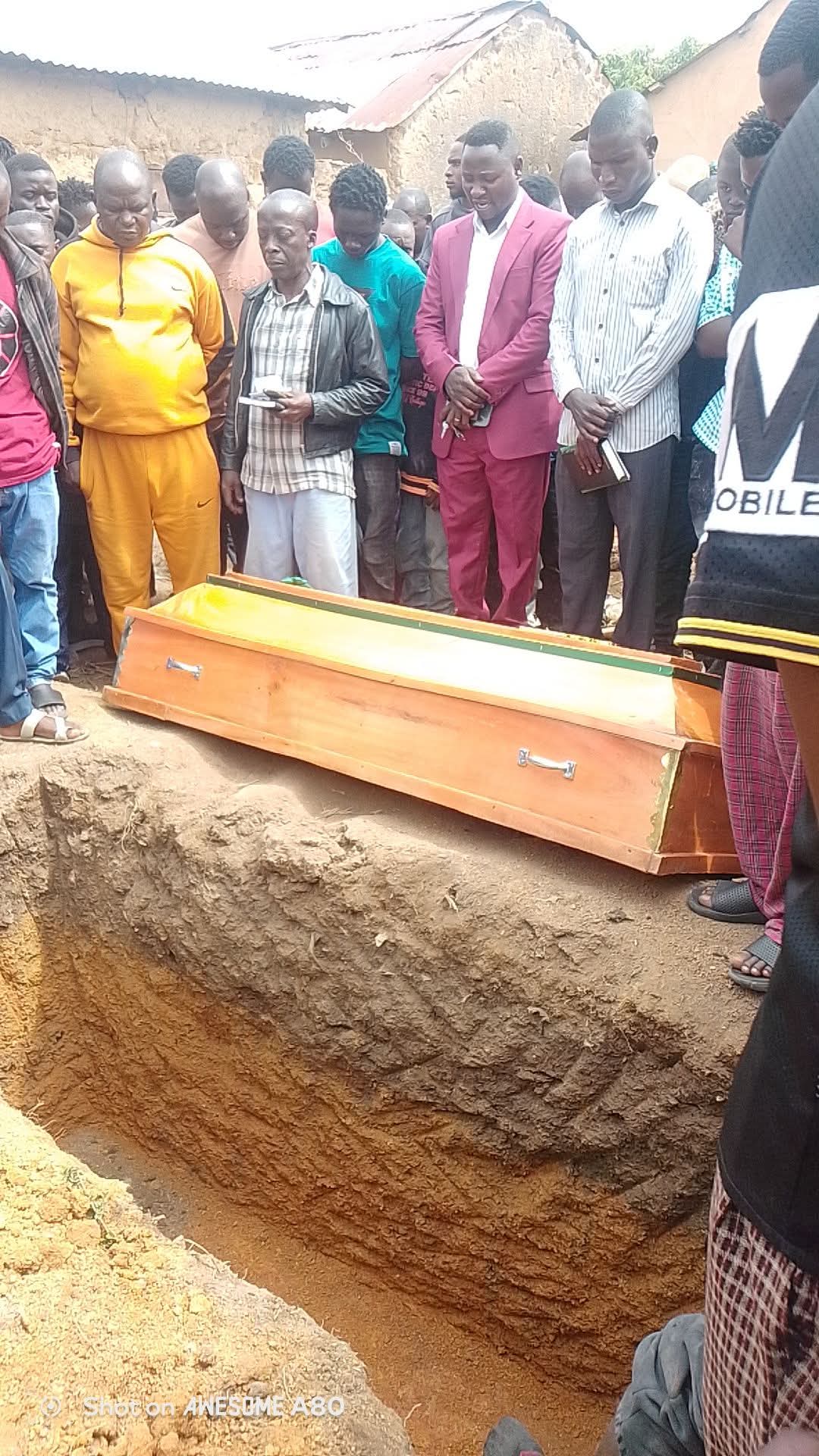
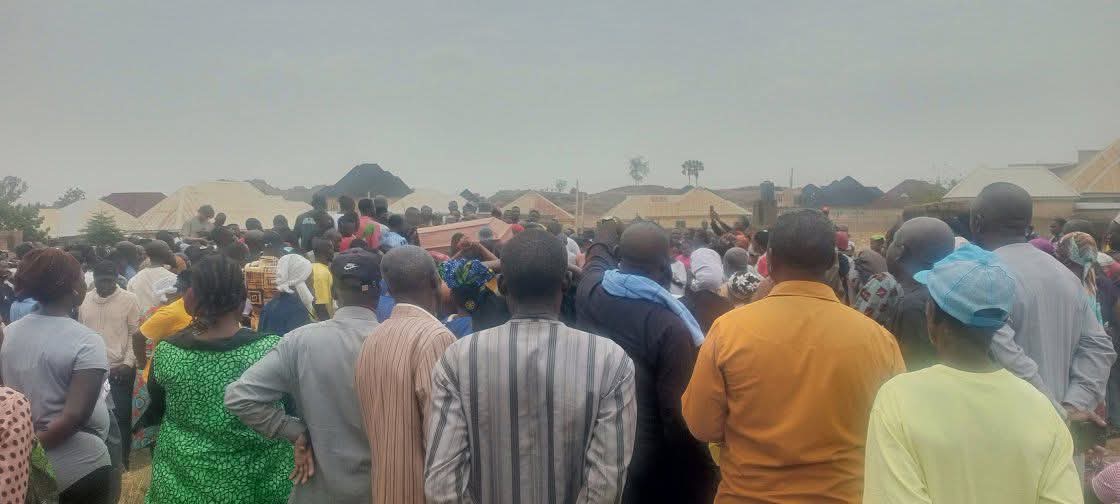
Armed assailants have k!lled three people and injured one in Gyel Nyango Community in Jos South Local Government Area of Plateau State.
The incident occurred on Friday, April 3, 2026.
It was gathered that the gunmen invaded the community, shooting sporadically before escaping into the darkness.
Residents said some locals sustained injuries during the attack which has heightened tension in the area.
Spokesman for the Berom Youth Moulders Association, Rwang Tengwong, confirmed the attack on Saturday, describing it as “one too many” senseless assaults on innocent citizens.
“Just yesterday night, some persons came to Gyel community, which resulted in the d3ath of three persons,” he said.
“This cycle of attacks on our rural communities must stop.”
He called on security agencies to swiftly apprehend the perpetrators and bring them to justice.
He urged residents of rural communities in Jos South, Riyom, and Barkin Ladi Local Government Areas to be vigilant.
The spokesperson for the State Police Command, Alfred Alabo, who confirmed the incident said the attack occurred at about 9:20 pm when the victims were returning from a mining site.
Alabo said the State Command immediately deployed a patrol team led by the Divisional Police Officer of ‘B’ Division Bukuru.
He noted that the injured victim was promptly evacuated to a hospital and is currently receiving treatment.
The PPRO explained that the State Commissioner of Police, Bassey Ewah, expressed deep condolences to the families of the deceased and the Community, describing the incident as a “senseless loss of lives.”
He added that the commissioner ordered the immediate enforcement of a statewide ban on night grazing and night mining, as well as the total ban on commercial motorcycles within the Jos-Bukuru metropolis.
Alabo also noted that a ban on commercial tricycles, popularly called Keke-Napep, had been imposed for Sunday, 5th April 2026.
He urged residents to comply with these directives and avoid unnecessary movements, particularly at night.
Iran executed two men on Sunday, convicted of acting on behalf of Israel and the United States during a wave of anti-government protests earlier this year, the judiciary said.
“Mohammad-Amin Biglari and Shahin Vahedparast were hanged after the case was reviewed and the final verdict was confirmed by the Supreme Court,” the judiciary’s Mizan Online website said.
The two men were involved in the anti-government protests that peaked in January, it added.
The demonstrations broke out in late December over rising living costs before spreading nationwide and evolving into anti-government protests that peaked on January 8 and 9.
Iranian authorities said the rallies began peacefully before turning into “foreign-instigated riots” involving killings and vandalism.
Iran has carried out multiple executions in recent days of people linked to the protests or opposition groups, including members of the banned People’s Mujahedin (MEK).
The executions come against the backdrop of Iran’s war with Israel and the United States, which erupted on February 28 with strikes that killed the Islamic Republic’s supreme leader, Ali Khamenei.
On Saturday, Iran executed two members of the MEK after four other convicted members of the group were put to death earlier in the week.
On Thursday, it also executed a man convicted of acting on behalf of Israel and the United States during the protests, following similar executions of three others last month.
Tehran has said more than 3,000 people were killed during the unrest, including members of the security forces and bystanders, attributing the violence to “terrorist acts”.
The US-based Human Rights Activists News Agency (HRANA), however, said it had recorded more than 7,000 deaths, the vast majority of them protesters, adding that the toll could be higher.
The Nigerian Association of Resident Doctors has declared an indefinite nationwide strike beginning at 12:00 a.m. on Tuesday, April 7, 2026, citing what it described as the Federal Government’s plan to halt the implementation of the revised Professional Allowance Table, a key component of agreements reached after its 2025 industrial action.
The decision, which threatens to disrupt healthcare services across public hospitals in Nigeria, was reached at the end of the association’s virtual extraordinary National Executive Council meeting held on Saturday.
Speaking on the outcome of the meeting, NARD National President, Dr Shuaibu Ibrahim, described the development as “unfortunate,” blaming the Federal Government of Nigeria for pushing doctors towards another industrial action.
“The National Executive Council was informed about the Federal Government’s decision to remove the Professional Allowance Table, a development deemed unfortunate,” he said.
“Following extensive deliberations, the NEC resolved to embark on a total industrial and comprehensive strike beginning at 12:00 am on Tuesday, April 7, 2026.”
The crisis stems from the implementation of a revised Professional Allowance Table negotiated between NARD and the Federal Government following a prolonged strike in 2025. The agreement included improved remuneration packages for resident doctors, covering call duty allowances, shift allowances, rural posting incentives, and non-clinical duty payments.
Although implementation was initially scheduled to commence in January 2026, delays pushed the rollout to February. However, NARD alleged that the government was planning to discontinue the process by April, a move the association said undermined trust and violated prior agreements.
Healthcare analysts note that disputes over allowances and welfare have been a recurring issue in Nigeria’s health sector, contributing to frequent strikes by medical unions, including the Nigerian Medical Association. These disruptions often reduce access to healthcare services, particularly in public hospitals that cater to the majority of Nigerians.
Outlining the association’s demands, Ibrahim called for the immediate reversal of the government’s decision and settlement of all outstanding entitlements.
“We demand the reversal of the decision to cease the implementation of the PAT starting in April 2026,” he said.
“There must be immediate payment of promotion arrears and salary arrears in affected centres, as well as the prompt conclusion of the process of paying the 2026 Medical Residency Training Fund.”
“We also insist on the immediate processing and payment of the outstanding 19 months’ arrears of the Professional Allowance.”
He further urged members of the association nationwide to remain united.
“The NARD leadership calls on its members to unite in the fight against this injustice and to pursue it to a logical conclusion,” Ibrahim added.
The planned strike raises concerns about the potential impact on Nigeria’s already strained health system. Resident doctors form the backbone of service delivery in tertiary hospitals, handling a large proportion of patient care.
According to health sector data, Nigeria faces a severe shortage of medical personnel, with doctor-to-patient ratios far below the World Health Organization (WHO) recommended standard of one doctor to 600 patients. Estimates suggest Nigeria’s ratio is closer to one doctor per 5,000 patients, particularly in underserved areas.
An indefinite strike could lead to the shutdown of outpatient services, delays in surgeries, and increased pressure on private healthcare facilities, raising concerns among patients and health advocates.