

Connect with us

News

Mali, Burkina Faso Join African Countries Barring US Citizens Over Trump Visa Ban

Published

on

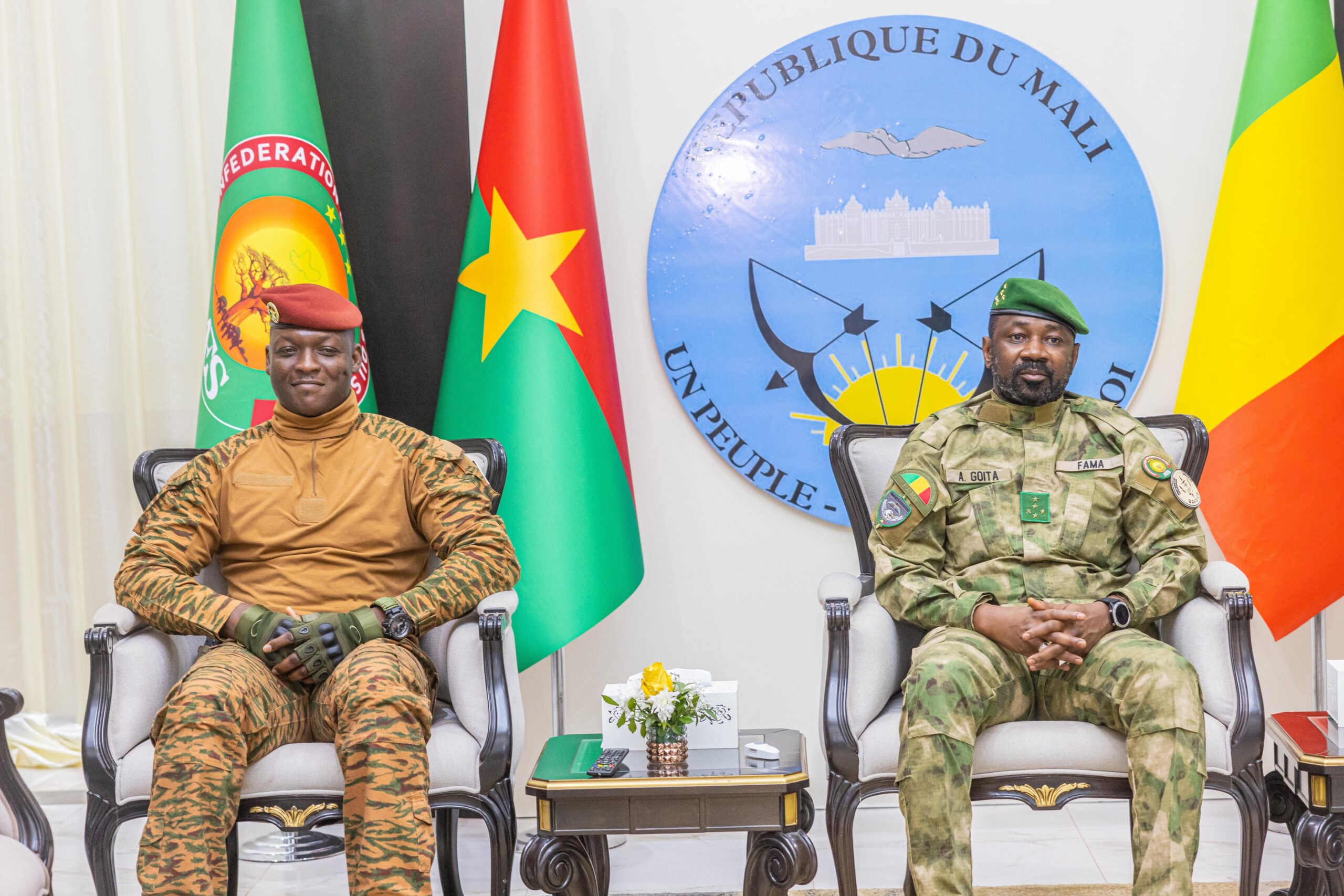
Mali and Burkina Faso have barred U.S. citizens from entering their territories in response to visa restrictions imposed by the Trump administration, bringing the number of African countries taking reciprocal action to four.

It was reports that the decisions were announced in separate statements issued by the foreign ministries of the two West African nations.

The backlash began on June 6, 2025, when Chad suspended visa issuance to American citizens. Chadian President, Mahamat Deby, via social media, stated that the move was implemented “in accordance with the principles of reciprocity,” stressing that the measure was about “national pride and dignity.”

On December 25, 2025, Niger followed suit, indefinitely halting visa issuance and barring US nationals from entry. An official government statement said, “[Niger] has completely and indefinitely suspended the issuance of all visas to citizens of the United States of America and has prohibited the entry of US nationals into the territory of Niger.”

On Tuesday, Burkina Faso’s Foreign Minister, Karamoko Traore, confirmed the country’s decision to impose a reciprocal ban.

“In response to the recent measures taken by the United States restricting entry for Burkinabe citizens, the Government of Burkina Faso is applying equivalent visa measures on United States nationals,” Traore stated.

Similarly, the Government of Mali confirmed the measure in an official statement, declaring, “In accordance with the principle of reciprocity and with immediate effect, the Government of the Republic of Mali will apply the same conditions and requirements to American nationals as those imposed by the American authorities on Malian citizens entering the United States of America.”

See also  Forgery scandal: Senate only confirms nominees, doesn’t screen them — Ndume

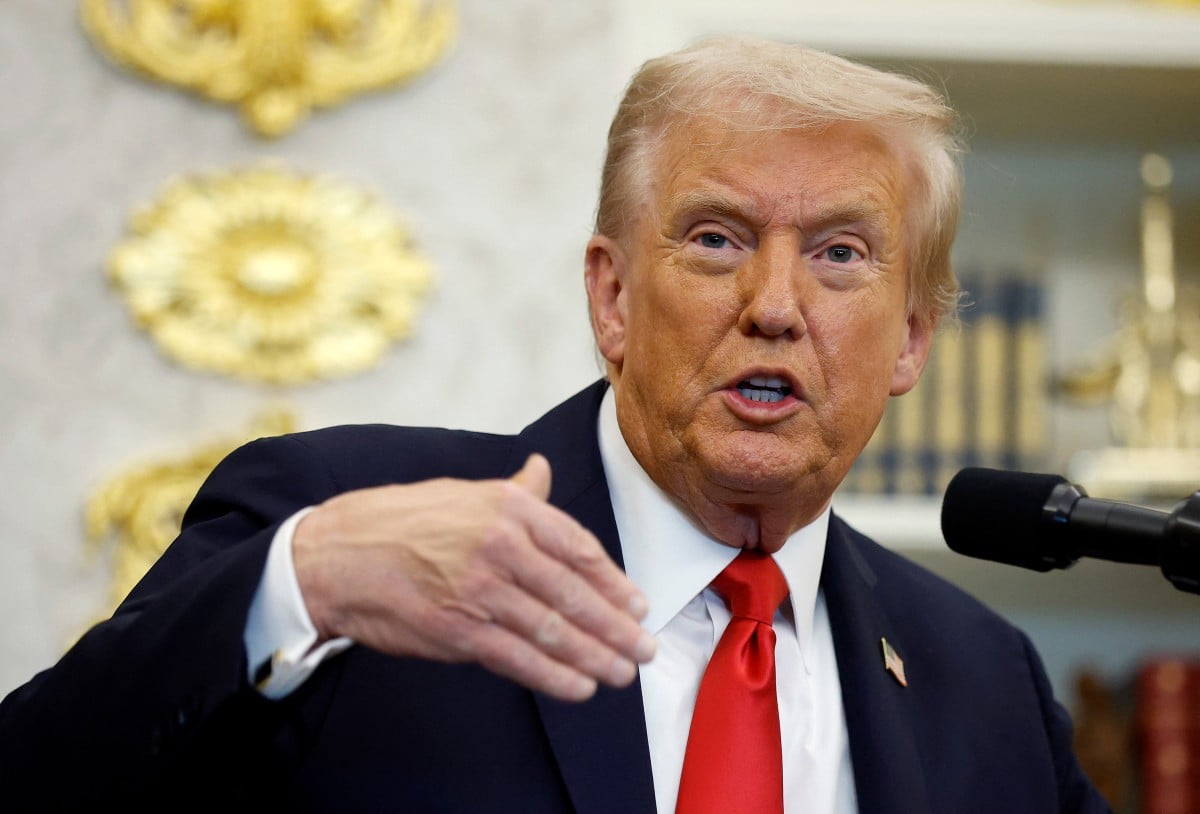
The series of reciprocal actions stem from Proclamation 10998, signed by US President, Donald Trump, on June 4, 2025, and effective from June 9, 2025. The order suspended entry for immigrants and non-immigrants from 12 countries, including Chad.

By December 16, 2025, the travel ban had expanded to include 19 nations. Eight additional countries, Burkina Faso, Laos, Mali, Niger, Sierra Leone, South Sudan, and Syria, were added to the full restriction list, effective January 1, 2026.

The proclamation also placed 20 other countries, including Nigeria, under a partial ban limiting immigration and travel to the United States. These include Angola, Benin, Côte d’Ivoire, Gabon, The Gambia, Malawi, Mauritania, Senegal, Tanzania, Togo, Venezuela, Zambia, and Zimbabwe, among others.

Despite the sweeping nature of the bans, the US proclamation allowed exemptions for certain categories, including diplomats, students, athletes, lawful permanent residents, and individuals already present in the US with valid visas.

The measures, part of Trump’s efforts to tighten US immigration standards, have sparked increasing diplomatic pushback from affected countries, particularly in West and Central Africa.

Mali, Burkina Faso, Chad, and Niger, all former French colonies and landlocked nations, now form a unified bloc in opposing what they see as discriminatory and unjustified travel restrictions by the United States.

FOLLOW US ON:

FACEBOOK

TWITTER

PINTEREST

TIKTOK

YOUTUBE

LINKEDIN

TUMBLR

INSTAGRAM

Continue Reading
Click to comment

Leave a Reply

Your email address will not be published. Required fields are marked *

News

Fake agency: ICPC grills Femi Gbajabiamila

Published

on

The Chief of Staff to the President, Femi Gbajabiamila, on Monday, July 21, went before the Independent Corrupt Practices and Other Related Offences Commission (ICPC) to answer questions over his alleged investigation into the controversial Presidential Foreign Investment Promotion Council (PFIPC).

The anti-graft agency is investigating the circumstances surrounding the operation of the purported council by Mr Adeniyi Adeyemi Matthew, who allegedly presented himself as its Director-General. Adeniyi had initially alleged that the fake agency was orchestrated by Gbajabiamila. He later retracted his claim and then alleged that it was his now deceased ally that related with Gbajabiamila when the fake agency was being set up.

President Bola Ahmed Tinubu had, on July 7, directed the ICPC to investigate the fake agency and submit its report within 30 days.

Gbajabiamila’s counsel, Jiti Ogunye, confirmed his client’s appearance before the commission in a statement yesterday.

“In full cooperation with the ICPC, acting on the directive of the President of the Federal Republic of Nigeria, I hereby confirm that my client, Femi Gbajabiamila, Chief of Staff to the President, responded to the invitation of the ICPC.

He appeared at about 3p.m on Monday as part of the ongoing investigation into the activities of the fake PFIPC, among other issues.

My client gave his testimony, responded to questions accordingly and has since returned to his duty post.”

Adeyemi Matthew, the self-acclaimed Director-General of the PFIPC, was arrested last week after a court issued a bench warrant for his arrest.

He is believed to be in police custody pending the conclusion of investigations.

See also  NDC seeks Gbajabiamila’s sack, independent probe on PFIPC scandal

FOLLOW US ON:

FACEBOOK

TWITTER

PINTEREST

TIKTOK

YOUTUBE

LINKEDIN

INSTAGRAM

Continue Reading

News

Russian warship carried out live firing exercise off UK coast

Published

on

A Russian warship carried out a live-fire artillery exercise approximately 46 miles off the coast of Plymouth on Monday, July 20, prompting close monitoring by the Royal Navy.

According to the UK Ministry of Defence, the Russian frigate Neustrashimy notified HMS Tyne, a Royal Navy offshore patrol vessel, of its intention to conduct the exercise before opening fire. A French military aircraft also contacted the vessel over radio to seek clarification on its activities.

The BBC reported that HMS Tyne was asked to move to a safer distance while the live-fire exercise took place, lasting about 30 minutes. The Ministry of Defence said it continues to closely monitor the vessel’s movements.

The incident is the latest involving Russian naval activity near UK waters. Russian warships regularly sail through international waters in the English Channel, although they do not enter British or French territorial waters. Last month, Royal Marine Commandos boarded a Russian “shadow fleet” oil tanker in the Channel during a six-hour operation, marking the first mission of its kind by UK armed forces.

In June, a retired British couple sailing a 40-foot yacht near the Isle of Wight became involved in an incident with the Russian frigate Admiral Grigorovich. Russia accused the couple of making a dangerous approach, while the couple insisted they were not on a collision course.

The couple said the warship sounded its horn before firing warning shots into the air, an action former Prime Minister Sir Keir Starmer described as “reckless”. The Russian Navy maintained it had attempted to contact the yacht through radio messages, flares and sound signals.

See also  Obi visits Olubadan-designate, harps on Nigeria’s unity

The Admiral Grigorovich had also been monitored continuously by Royal Navy patrol ships for an entire month earlier this year as it escorted Russian vessels through the North Sea, Western Approaches and other international waters.

Late last year, the Russian corvette RFN Stoikiy was intercepted by HMS Severn while transiting the Dover Strait before being handed over to a NATO ally near the French coast. Another Russian vessel, Yantar, which is used to map undersea cables, was also detected operating close to UK waters during the same period.

FOLLOW US ON:

FACEBOOK

TWITTER

PINTEREST

TIKTOK

YOUTUBE

LINKEDIN

INSTAGRAM

Continue Reading

News

Tinubu has not borrowed up to N80tn in three years– Nigerian Government

Published

on

The Federal Government has refuted reports alleging that President Bola Tinubu’s administration incurred approximately N80 trillion in debt within three years.

The FG clarified that the sweeping total is misleading, explaining that the figure predominantly stems from accounting adjustments and currency revaluations rather than fresh borrowing.

Finance Minister and Coordinating Minister of the Economy, Taiwo Oyedele, provided the clarification during an economic briefing with the Senate Committee on Finance Monday evening, July 20.

Lawmakers had raised questions regarding reports indicating that the present administration had added nearly N80 trillion to the N75 trillion debt burden it inherited upon taking office.

Addressing the committee, Oyedele stated that the widely circulated figures fail to reflect actual new loans taken by the government.

“When this administration came into office, public debt was around N75tn. Many people simply compare that figure with today’s debt stock and conclude that this government has borrowed massively,” Oyedele said.

The minister elaborated that the sharp devaluation of the naira significantly inflated the local currency equivalent of Nigeria’s existing external debt, given that national debt totals are officially calculated and reported in naira. NigerianFootball News

“However, following the reforms and the depreciation of the naira, the foreign currency component of our public debt had to be revalued because Nigeria reports its debt in naira. That accounting adjustment alone added more than ₦40tn to the public debt figure,” he explained.

Oyedele further noted that approximately N33 trillion was added to the national debt balance following the National Assembly’s approval to securitize Ways and Means advances.

See also  Nigerian Senate approves 10-year passport ban for Nigerians convicted abroad

He emphasized that this process did not constitute fresh borrowing, but rather represented the formal recognition of pre-existing obligations.

Meanwhile, members of the Senate Committee on Finance voiced concern over what they characterized as poor implementation of the capital projects outlined in the 2026 budget.

FOLLOW US ON:

FACEBOOK

TWITTER

PINTEREST

TIKTOK

YOUTUBE

LINKEDIN

INSTAGRAM

Continue Reading

Trending