Connect with us

Business

NUPRC opens 50 oil blocks for bidding

Published

on

The Nigerian Upstream Petroleum Regulatory Commission (NUPRC) has opened 50 oil and gas blocks across five sedimentary basins for bidding and exploration in the 2025 licensing round, warning that only technically competent and financially strong firms will be allowed to scale through the process.

The commission said the exercise is designed to eliminate speculative participation and reposition Nigeria’s upstream sector as a transparent, rules-based destination for long-term investment.

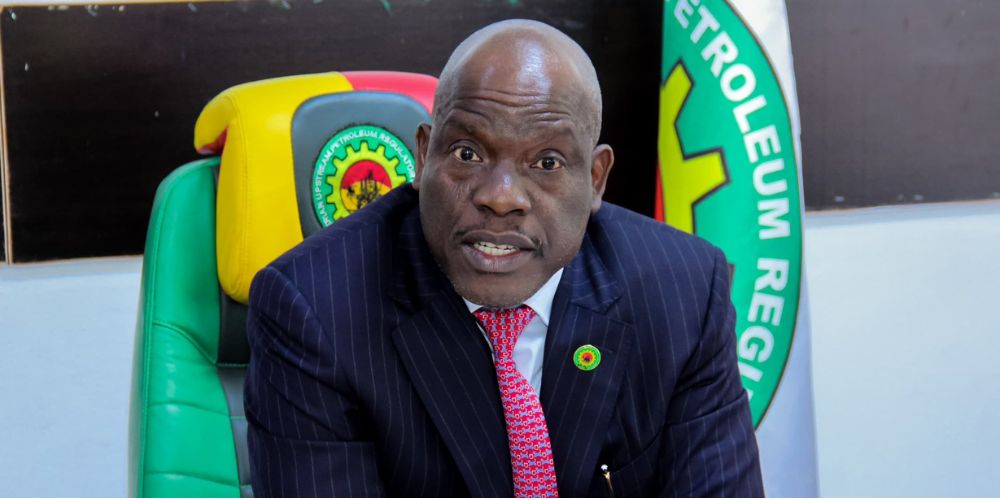
The Chief Executive of the NUPRC, Oritsemeyiwa Eyesan, made this known on Wednesday during the 2025 licensing round pre-bid webinar, where the regulator outlined the framework, evaluation criteria, and commercial terms guiding the bid process.

Eyesan said the licensing round should be viewed as a strategic intervention to grow reserves, improve production, and strengthen Nigeria’s energy security in a rapidly evolving global energy landscape.

“This upstream sector is serious business. It is for long-term investment, and it is an open invitation to partnership, transparency, and shared responsibility as we work together to shape the next phase of Nigeria’s upstream oil and gas industry,” she said.

According to her, the commission has adopted a strictly merit-based approach that places technical competence and financial capacity at the centre of the selection process.

“Only candidates with strong technical and financial credentials, professionalism, and credible plans will move forward. Winners will be chosen through a transparent, merit-based process that takes you from award to exploration, appraisal, and ultimately full production,” Eyesan stated.

She disclosed that the 50 oil and gas blocks on offer are spread across five of Nigeria’s seven sedimentary basins, giving investors access to both frontier and mature terrains.

“In this licensing round, 50 oil and gas blocks across Nigeria are available, allowing investors to access the country’s key basins and create long-term value,” she said.

See also  Nigeria, Benin deepen cross-border security, trade cooperation

Eyesan added that, with the approval of President Bola Tinubu, the Commission had reviewed the commercial structure of the bid round to lower entry barriers while discouraging unserious bidders.

She revealed that signature bonuses for the 2025 licensing round have been set within a $3m–$7m range, with greater emphasis placed on work programmes and speed to production.

The CCE said the new structure places greater emphasis on technical capability, credible work programmes, and speed to production, rather than aggressive cash bids, as Nigeria competes for mobile global capital amid tightening energy security and supply.

“With the approval of His Excellency, President Bola Tinubu, signature bonuses for the 2025 licensing round are now set within a value range of $3m–$7m that reduces entry barriers and places greater weight on what truly matters, technical capability, credible work programmes, financial strength, and the ability to deliver production within the shortest possible time,” she said.

According to her, the decision was informed by global capital mobility and the need to make Nigeria competitive in attracting serious, long-term upstream investors.

“This has been done deliberately to increase competitiveness and in response to capital mobility. The upstream sector is serious business. It is for long-term investment, and it is an open invitation to partnership, transparency, and shared responsibility,” Eyesan stated.

The NUPRC boss said the licensing round follows a five-stage process comprising registration and pre-qualification, data acquisition, technical bid submission, evaluation, and a commercial bid conference.

She stressed that the entire exercise would comply strictly with the Petroleum Industry Act 2021, with digital tools deployed to ensure transparency and public accountability.

“Let me emphasise clearly that the bid process will comply with the Petroleum Industry Act, promote the use of digital tools for smooth data access and remain open to public and institutional scrutiny through NEITI and other oversight agencies,” Eyesan said.

See also  CBN announces new withdrawal limit, removes deposit cap

She added that all licensing materials had been uploaded on the commission’s portal since December 1, 2025, with dedicated support channels created to respond promptly to investor enquiries.

Eyesan reaffirmed that the entire process would comply fully with the PIA 2021, with extensive use of digital tools to ensure transparency and public scrutiny.

“The bid process will comply strictly with the PIA, promote the use of digital tools for smooth data access, and remain open to public, international, and institutional scrutiny through NEITI and other oversight agencies,” she said.

The NUPRC boss concluded that the 2025 licensing round represents a strategic signal to global investors that Nigeria’s upstream sector has been re-engineered for long-term value creation.

“Let me emphasise clearly that the Nigeria 2025 Licensing Round is not merely a bidding exercise. It is a clear signal of a re-imagined upstream sector, anchored on the rule of law, driven by data, aligned with global investment realities, and focused on long-term value creation,” Eyesan said.

In a technical presentation to participants, the Director of Lease Administration, Exploration and Acreage Management at NUPRC, Amber Ndoma-Egba, said the 2025 licensing round cuts across the Chad Basin, Benue Trough, Anambra Basin, Bida Basin, and the Niger Delta Basin.

He explained that the technical evaluation would focus on subsurface understanding, exploration work programmes, development concepts, sustainability, host community plans, and lifecycle management.

“We look at your understanding of the block, your subsurface evaluation, your exploration work programme, your development and production concept, sustainability, decarbonisation objectives, and host community development. Technically weak firms will not scale through this process.

See also  FG’s workers transport allowance gulps N465bn, TUC rejects deal

“We have seven sedimentary basins in Nigeria. We have the Sokoto Basin, the Chad Basin. We have the Benin trough, Bida Basin, Anambra Basin, Benin Basin, and, of course, the mature Niger Delta Basin. This licensing round will take place across five of the seven sedimentary basins,” Ndoma-Egba said.

On commercial terms, Ndoma-Egba disclosed that the Commission, in a bid to support investment, had approved a minimum work performance security of one per cent, although bidders could voluntarily increase it to improve their technical score.

“The Commission Chief Executive, in the spirit of enablement and support for investment, has approved that the minimum work performance security should be one per cent. However, bidders may boost this if they want a higher weighting in their score,” he said.

He said bidders must clearly outline their exploration plans within the initial exploration period, three years for onshore assets and five years for deepwater and frontier blocks.

“We look at your understanding of the block, your subsurface evaluation, your exploration work programme, your development and production concept, evacuation and facilities planning, sustainability, decarbonisation objectives, and host community development

He also confirmed that final winners would emerge based on a weighted combination of technical and commercial scores, in line with the Petroleum Industry Act.

On December 1, 2025, the NUPRC announced the official commencement of the 2025 petroleum licensing round, targeting about $10 billion in new investments.

punch.ng

FOLLOW US ON:

FACEBOOK

TWITTER

PINTEREST

TIKTOK

YOUTUBE

LINKEDIN

TUMBLR

INSTAGRAM

Continue Reading
Click to comment

Leave a Reply

Your email address will not be published. Required fields are marked *

Business

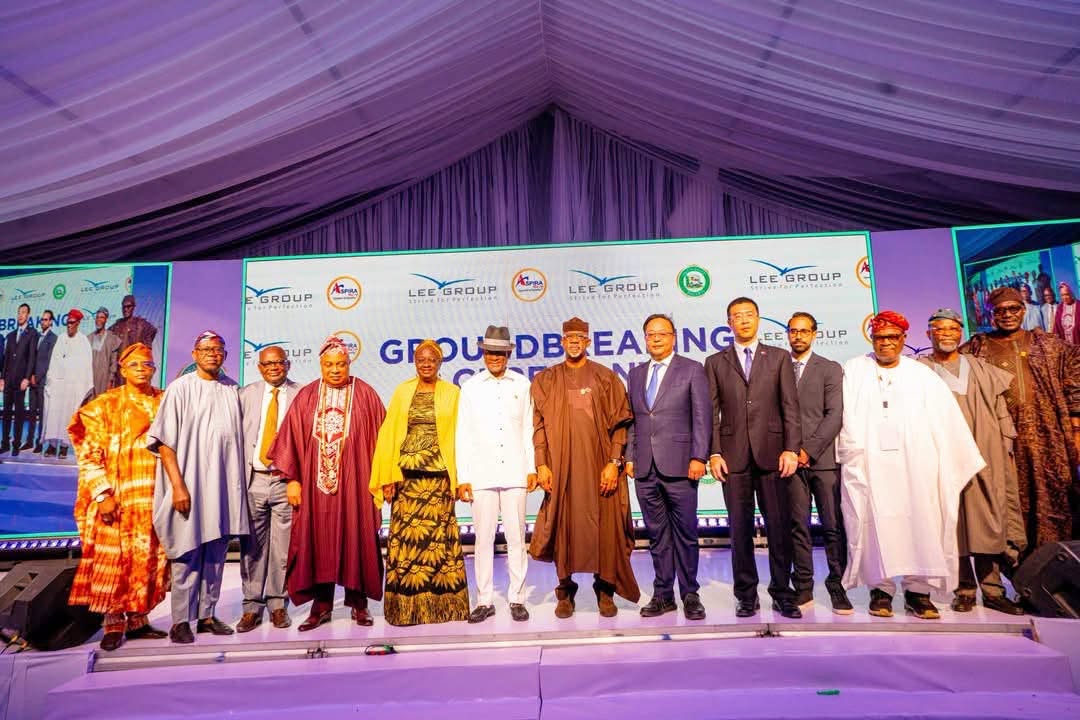
PHOTOS: Lee Group’s industrial park targets 15,000 jobs, 29 factories

Published

on

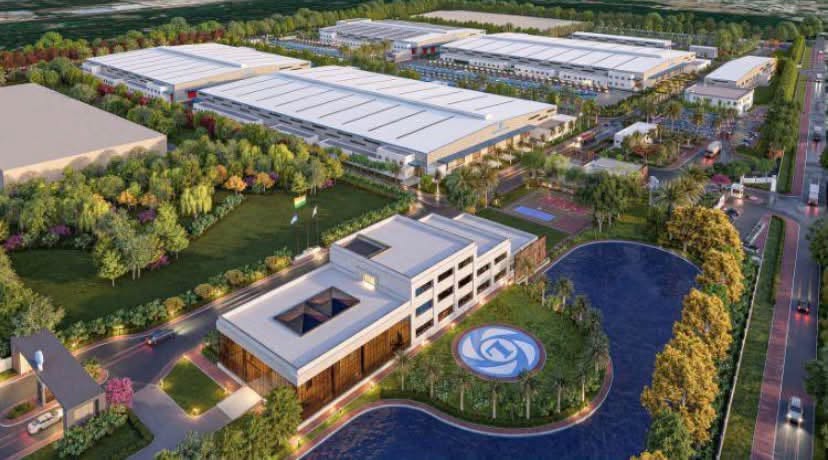
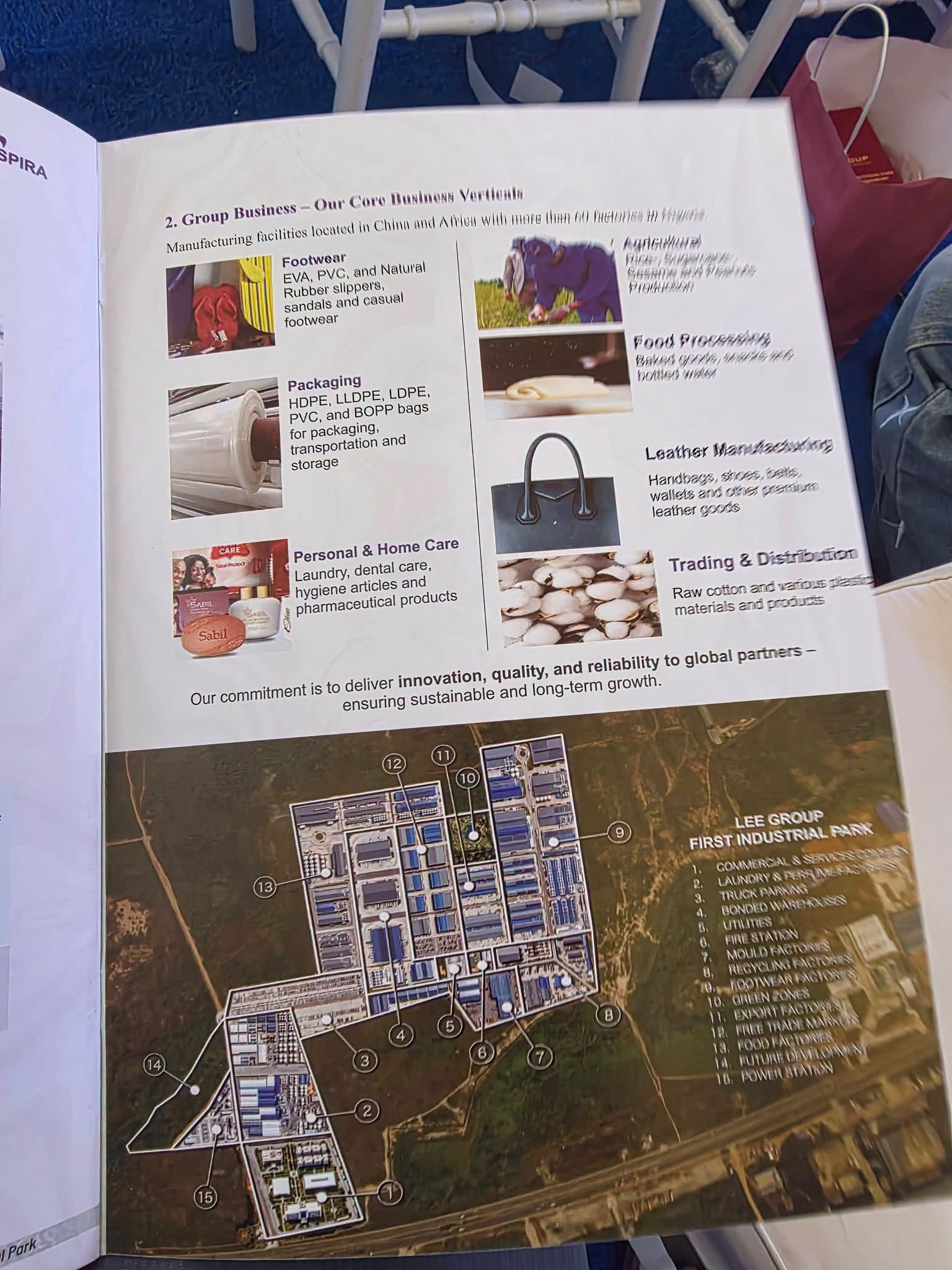
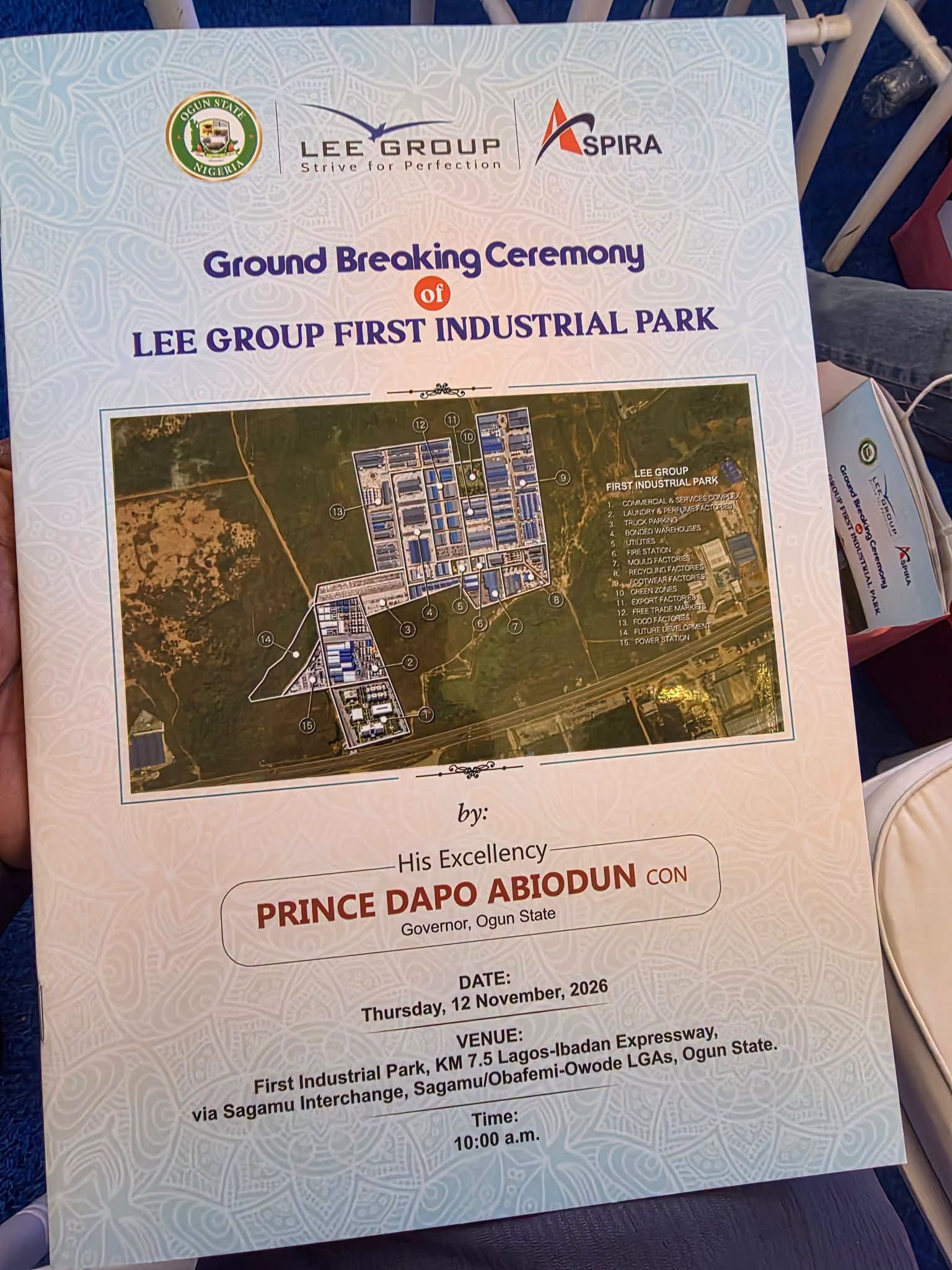
The Lee Group of Companies has commenced the development of a $1.8bn industrial park in Ogun State, with plans to establish more than 29 manufacturing facilities and generate about 15,000 direct and indirect jobs upon completion.

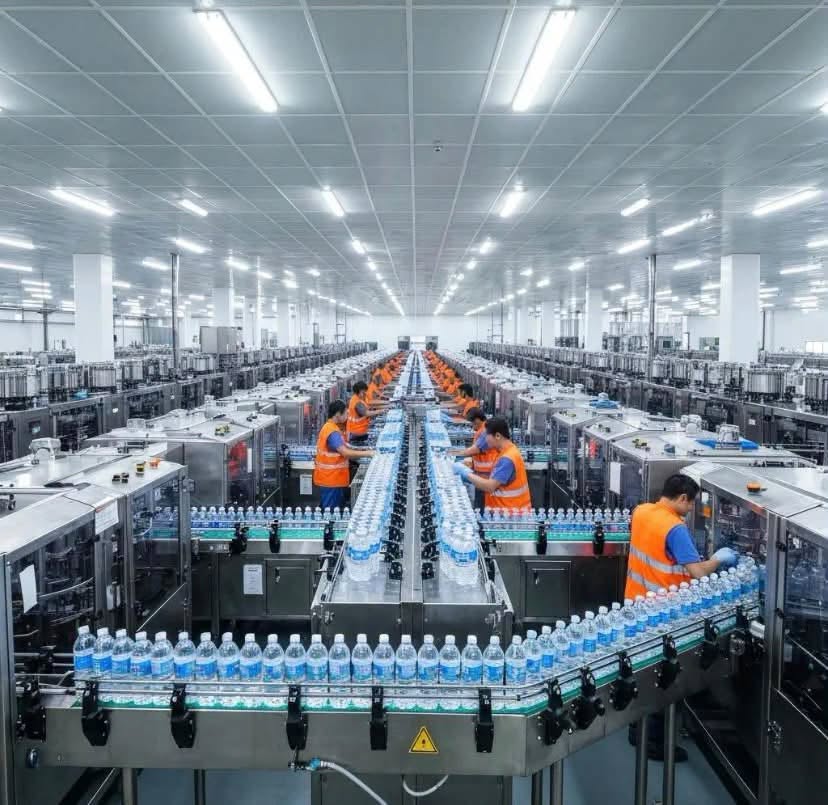
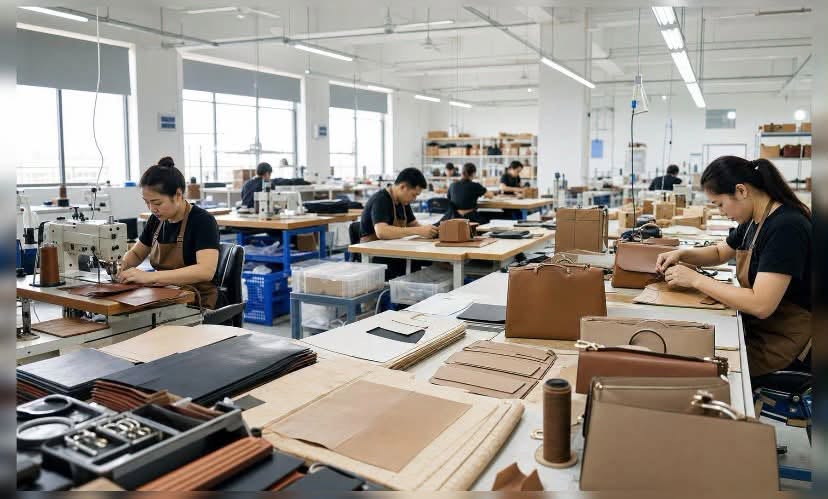
The 450-hectare industrial park, located at Makun Bridge, near the Sagamu Interchange along the Lagos-Ibadan Expressway, is expected to accommodate manufacturing businesses covering food and beverages, footwear, leather processing, detergents, personal care products, automotive components, plastics and recycling.

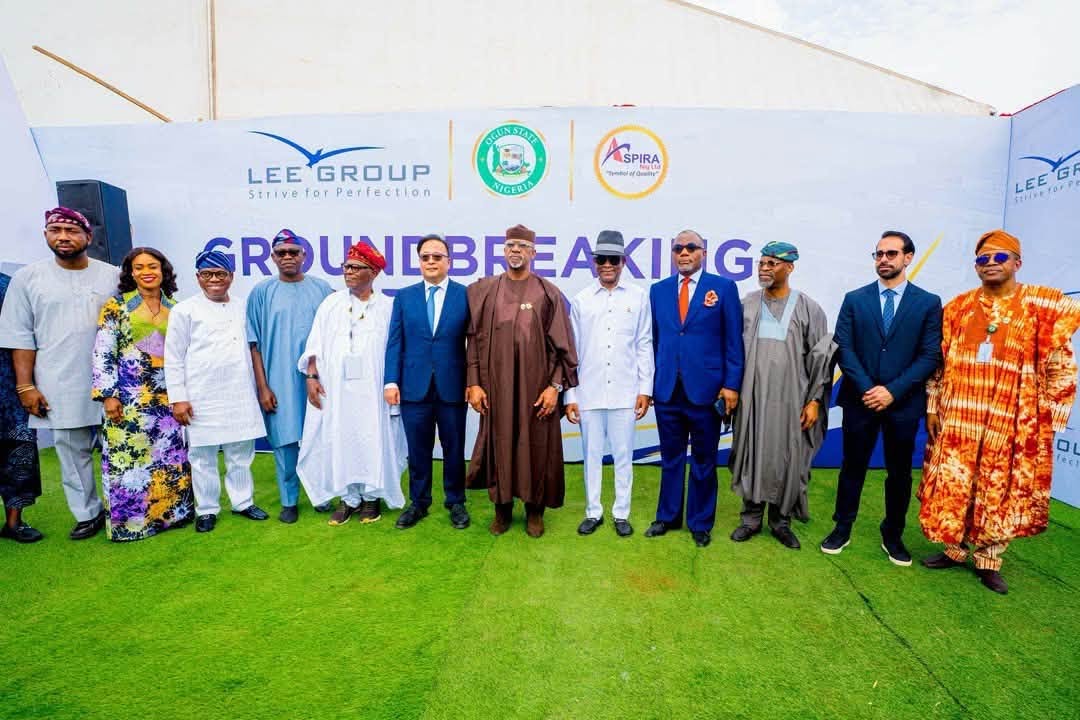
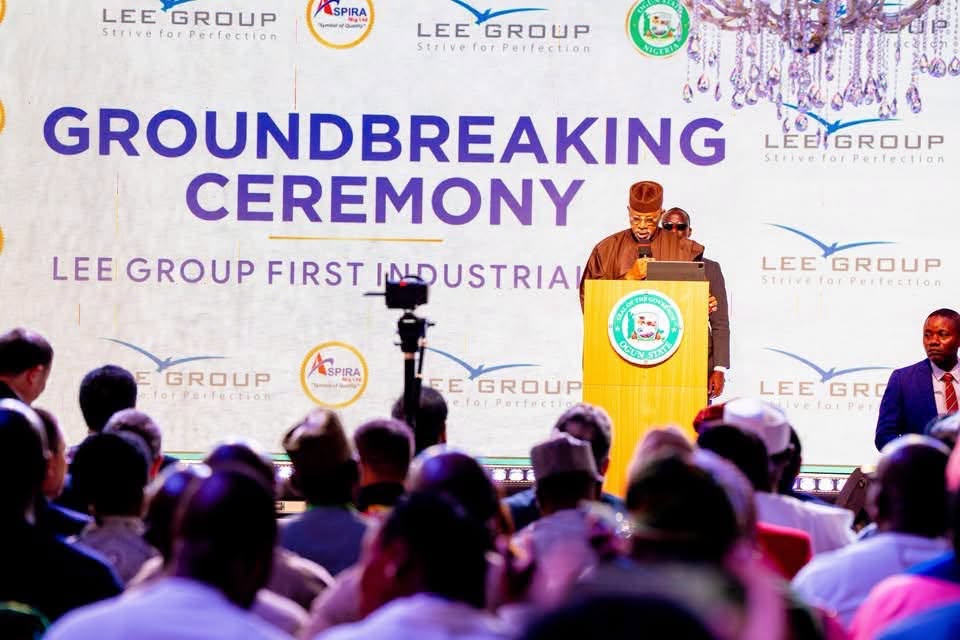
The Chairman of Lee Group, Mr Sheau Lee, disclosed this on Thursday during the groundbreaking ceremony of the project, which he said was conceived in 2009 by his late father, Mr Man Lung Lee, as his final project in Africa.

Lee said the proposed development, which was initially planned for about 650 hectares, would have an estimated gross development value of $3bn when completed.

He explained that the investment would be implemented in phases, with more than 29 factories expected to be established on the site.

According to him, the industrial park is designed primarily to serve the Nigerian market through local manufacturing rather than the conventional model of developing industrial plots for resale or rental.

He said, “On this site, we envisage an investment of approximately $1.8bn over the coming years, with more than 29 manufacturing facilities planned, and approximately 15,000 direct and indirect jobs expected. The completed development is projected to have a gross development value of $3bn.

“This investment is founded on our confidence in the Nigerian market. The country’s population and domestic demand offer substantial opportunity for local production, while its location allows manufacturers to serve neighbouring countries as well.

See also  Nigeria’s exports fall 5.3% in Q4 2025, imports rise – NBS

“Our park will operate outside the Free Trade Zone system, with the focus of meeting Nigerian consumption through local manufacturing.”

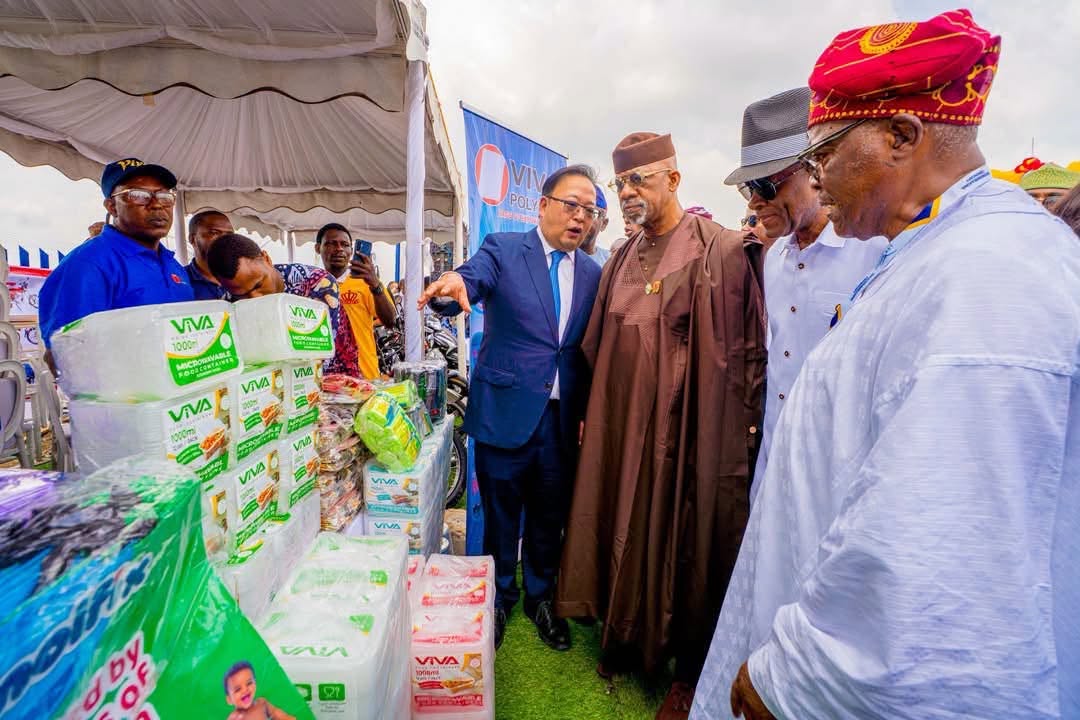
The chairman said the project would be driven by factories owned by the Lee Group and investments undertaken in partnership with other companies, particularly manufacturers from China.

He listed the proposed manufacturing activities to include food and beverages, footwear-related industries, detergent and personal care products, trucks, trailers, automotive activities, PVC leather production, mould manufacturing and plastic recycling.

The chairman, however, said the project had suffered years of delay due to misunderstandings about the company’s intentions, including perceptions that it was involved in land speculation.

He commended Governor Dapo Abiodun for his intervention, which he said helped resolve the issues and enabled the company to proceed with the development.

In his remarks, Abiodun described the groundbreaking as a defining moment in Ogun State’s industrialisation drive, saying the project represented a major vote of confidence in the state’s investment climate.

The governor said the development was particularly significant because it had been conceived several years before his administration but had remained unrealised until his government engaged the investors.

He said, “Today is a day of celebration of perseverance, focus and tenacity. These initiatives were procrastinated by others before me. But today, we’re here conducting this flag-off.

“It represents a very defining moment in our collective journey towards building a prosperous, industrialised and economically competitive Ogun State.

According to the governor, the proposed 450-hectare facility would significantly strengthen the state’s manufacturing base and attract additional commercial activities to the surrounding communities.

See also  Dangote blames marketers, IOCs for Lamu refinery protests

He said nearly 80 per cent of the land would be devoted to industrial production, while the remaining facilities would support commercial activities, exhibitions, bonded warehousing, road networks and other essential services.

The governor urged the company to prioritise local employment, skills development and technology transfer, assuring the investors of the state government’s continued institutional support.

He also described the project as an endorsement of President Bola Tinubu’s economic reforms, particularly the Federal Government’s efforts to promote local manufacturing and reduce dependence on imported goods.

Speaking at the event, the Minister of State for Industry, Trade and Investment, Senator John Enoh, described the project as an important step towards implementing Nigeria’s industrial policy, which prioritises productivity, value addition and economic transformation.

Enoh said the Federal Government had unveiled a new Nigerian Industrial Policy in February 2025, adding that the establishment of industrial parks and manufacturing clusters was central to achieving its objectives.

FOLLOW US ON:

FACEBOOK

WHATSAPP CHANNEL

TWITTER

PINTEREST

TIKTOK

YOUTUBE

LINKEDIN

INSTAGRAM

Continue Reading

Business

Widow sues Airtel, ATC for N232m over noise pollution

Published

on

A widow, Mrs Sarah Akinya, has filed suit against Airtel Networks Limited and ATC Nigeria Wireless Infrastructure Limited before the Lagos State High Court, demanding N232m in damages over alleged noise pollution, structural damage and environmental nuisance caused by a telecommunications mast near her residence in Okota, Lagos.

Akinya, who instituted the suit for herself and members of her household, is also seeking an order compelling the companies to dismantle and relocate the installation or restraining them from continuing operations allegedly affecting her property.

The suit, marked LD/970/2007, is before the Lagos Judicial Division of the High Court and presided over by Justice Bashua.

In her amended statement of claim, the widow alleged that the defendants’ telecommunications facility, identified as LAG 101 Base Station, had subjected her household to persistent noise, vibrations, smoke and fumes since its installation in 2004.

She said she had lived in her four-bedroom bungalow at 2, Alhaji Adeniran Street, off Moshobolaje Street, off Ago Palace Way, Okota, Lagos since December 1995.

According to her, the problem began in April 2004, when Airtel started construction on the adjoining property at 4, Alhaji Adeniran Street, Lagos.

She alleged that the installation, comprising a telecommunications mast, heavy-duty generators, an energy reservoir and fuel storage facilities, was situated about four metres from her property’s perimeter wall.

The claimant, through her lawyer, Ajibola Ajiboye of Fadeson Legal Practice, alleged that the generators’ continuous operation produced noise and vibrations that caused cracks in the walls of her building and boundary fence.

See also  CBN announces new withdrawal limit, removes deposit cap

She further claimed that smoke and fumes from the facility spread into her home, settling on furniture and floors and raising serious health concerns for members of her household.

Akinya demands N200m in damages for the alleged nuisance arising from noise, vibrations, noxious fumes, toxic smoke and radiation associated with the installation.

She is also seeking N32m in general damages for alleged annoyance, discomfort, illness, inconvenience, pain and suffering.

Apart from the financial claims, the widow wants the court to compel the defendants to dismantle the telecommunications installation and relocate it to a safer location.

Alternatively, she is seeking an injunction restraining the companies from continuing activities allegedly constituting a nuisance to her household.

The dispute also involves an allegation of negligence over damage to the claimant’s perimeter fence.

She alleged that a trailer conveying a generator to the telecommunications facility struck and damaged the fence in an incident witnessed by maintenance operators.

According to the court documents, the operators promised to repair the damaged section but failed to do so.

The claimant said the weakened fence subsequently collapsed during heavy rainfall, leaving her property exposed and creating security concerns for the occupants.

In support of her allegations, Akinya relied on an inspection reportedly conducted by the Lagos State Environmental Protection Agency, which found that noise levels around the facility exceeded the permitted limits for a residential neighbourhood.

The inspection report recorded noise levels of 71 decibels at the entrance of her property and 61 decibels at a distance of fivemetres.

The readings were reportedly above the prescribed residential limits of 55 decibels during the day and 45 decibels at night.

See also  FG’s workers transport allowance gulps N465bn, TUC rejects deal

LASEPA, under its General Manager, Dr Babatunde Ajayi, reportedly directed the facility’s operators to address the noise pollution, install soundproofing measures, redirect exhaust pipes and comply with relevant environmental regulations.

The claimant relied on the agency’s intervention to support her contention that the facility’s operation has interfered with her right to the peaceful enjoyment of her property.

The proceedings took another turn on January 15, 2026, when Justice Bashua ordered the joinder of ATC Nigeria Wireless Infrastructure Limited as the second defendant.

ATC, with an office on the 10th Floor, Alliance Place, 33A, Alfred Rewane Road, Ikoyi, Lagos, was joined on the grounds that it is currently responsible for managing and operating the telecommunications mast.

The claimant’s solicitors, Fadeson Legal Practice, also wrote to ATC’s management on September 2, 2026, concerning the dispute.

Copies of the correspondence were reportedly served on the Registrar of the High Court of Lagos State, Yaba Division.

Source: punchng.com

FOLLOW US ON:

FACEBOOK

WHATSAPP CHANNEL

TWITTER

PINTEREST

TIKTOK

YOUTUBE

LINKEDIN

INSTAGRAM

Continue Reading

Business

World Bank approves $500m Nigeria loan, read details

Published

on

The World Bank has approved $500 million in financing for Nigeria to tackle flooding, restore degraded agricultural land and reduce conflicts between farmers, herders and rural communities across the northern part of the country.

The funding, approved under the Agro-Climatic Resilience in Semi-Arid Landscapes Project, is expected to strengthen climate resilience, improve water management and support agricultural productivity in 19 northern states and the Federal Capital Territory.

According to a statement obtained by The PUNCH from the World Bank’s website on Wednesday, the additional financing will support the restoration of 1.4 million hectares of land and benefit approximately 6.6 million people by 2031.

The financing will also support watershed rehabilitation, erosion control and improved management of natural resources in communities vulnerable to climate-related disasters.

“The World Bank has approved $500m in additional financing for the Agro-Climatic Resilience in Semi-Arid Landscapes Project to help Nigeria scale up climate resilience, restore degraded landscapes, improve water management, and strengthen livelihoods across northern Nigeria.

“By 2031, this fund will help restore landscapes, rehabilitate watersheds, improve erosion and flood management, and build more resilient rural livelihoods, reaching 1.4 million hectares and benefiting 6.6 million people. This is expected to lead to an increase in household incomes, reduced farmer/community/herder conflicts, increases in vegetation health, reduced flooding and associated fatalities, improved soil health and agricultural productivity,” the statement read.

The World Bank explained that the intervention would build on the achievements of the existing ACReSAL project, which commenced in 2022 to address environmental degradation and climate vulnerabilities across northern Nigeria.

See also  DisCos reject FG’s free meter plan

According to the bank, the programme has introduced sustainable landscape management practices on approximately 550,000 hectares and reached more than 4.4 million beneficiaries.

It added that the project had already exceeded its target for improved catchment management, providing a foundation for expanding climate adaptation investments.

The World Bank Country Director for Nigeria, Mathew Verghis, said the additional financing would enable the government to expand interventions that had demonstrated positive results in vulnerable communities.

“ACReSAL has demonstrated that investments in climate-resilient landscapes can improve livelihoods, strengthen food and water security, and help communities in the parts of Nigeria most vulnerable to climate shocks,” Verghis said.

“This additional financing will help scale up proven solutions, restore more degraded land, increase agricultural productivity, and strengthen institutions that can sustain these gains over the long term.”

The bank explained that the project was designed to address interconnected challenges affecting rural communities, including land degradation, declining agricultural productivity, water insecurity and competition over natural resources.

By improving access to productive land and water resources, the intervention is expected to reduce pressures contributing to disputes among farmers, herders and other community groups.

The ACReSAL Task Team Leader, Iganya Agene, said the additional financing would help translate earlier planning and institutional reforms into larger investments capable of improving economic opportunities.

“The additional financing reflects the strong results achieved under ACReSAL and will focus on translating the planning and institutional foundations already established under the project into larger-scale investments that improve climate adaptation, food security, water security, jobs, and economic opportunities,” Agene said.

See also  CBN announces new withdrawal limit, removes deposit cap

The project is being implemented by the Federal Ministry of Environment in collaboration with the Federal Ministry of Water Resources and Sanitation and the Federal Ministry of Agriculture and Food Security.

It covers all 19 northern states and the FCT, where environmental degradation, flooding and pressure on agricultural resources continue to threaten livelihoods.

The World Bank explained that the additional funding would strengthen institutions responsible for managing natural resources while supporting sustainable economic activities in rural communities.

The intervention is also expected to improve food security by restoring agricultural landscapes, strengthening soil health and supporting more productive farming activities.

The latest approval comes about four months after the World Bank approved a $1.25bn financing package for Nigeria on 29 June, 2026, under the Nigeria Actions for Investment and Jobs Acceleration programme.

The earlier financing comprised a $750m credit from the International Development Association and a $500m loan from the International Bank for Reconstruction and Development, aimed at supporting economic reforms, private investment and job creation.

The fresh $500m approval also comes amid a sustained increase in Nigeria’s indebtedness to the World Bank under President Bola Tinubu.

An analysis of figures published by the Debt Management Office showed that Nigeria’s outstanding debt to the World Bank rose from $14.34bn in March 2023, shortly before Tinubu assumed office, to $20.73bn as of 30 June, 2026.

This represents an increase of approximately $6.39bn, or 44.6 per cent, within the period.

The latest debt stock comprised $19.12bn owed to the International Development Association and $1.61bn to the International Bank for Reconstruction and Development.

See also  FG’s workers transport allowance gulps N465bn, TUC rejects deal

Consequently, the World Bank accounted for approximately 38.02 per cent of Nigeria’s total external debt stock of $54.52bn at the end of June 2026, making it the country’s largest multilateral creditor.

The PUNCH earlier reported that the Federal Government is seeking a fresh $500m loan from the World Bank to establish an infrastructure financing platform, with the proposed approval scheduled for May 25, 2027, just four days before the inauguration of Nigeria’s next president.

Source: punchng.com

FOLLOW US ON:

FACEBOOK

WHATSAPP CHANNEL

TWITTER

PINTEREST

TIKTOK

YOUTUBE

LINKEDIN

INSTAGRAM

Continue Reading

Trending