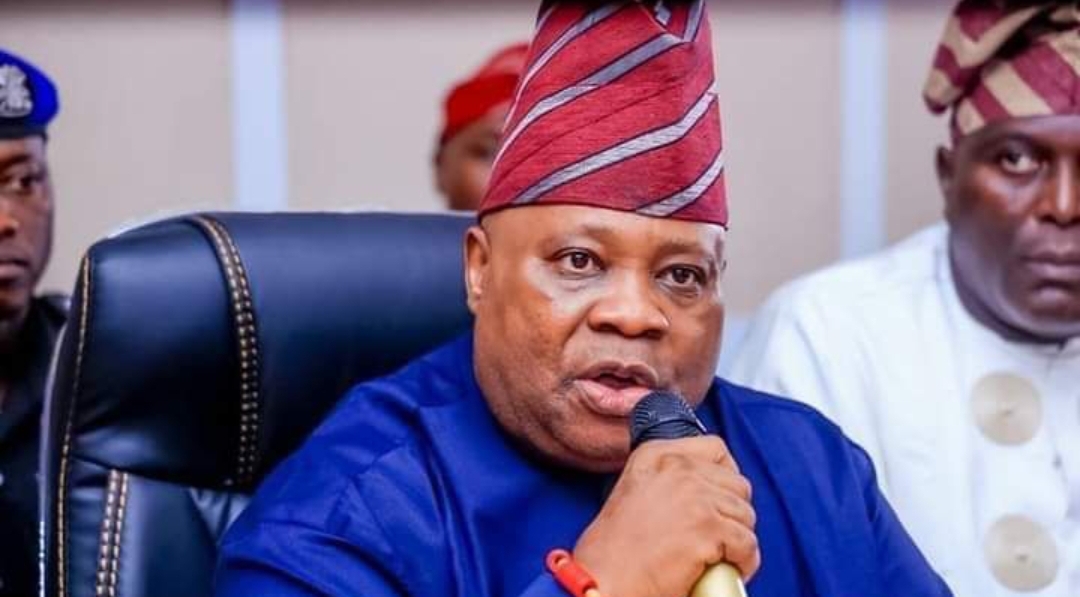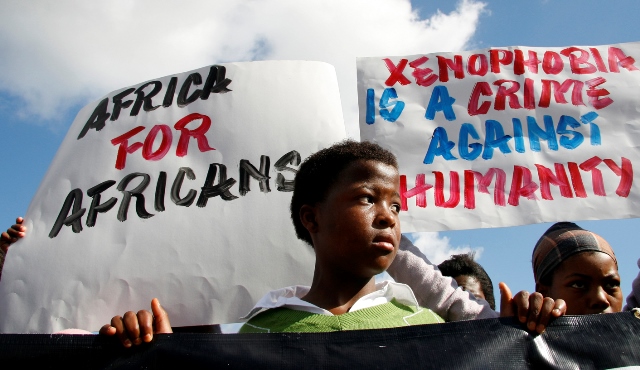
The spilling of Nigerian blood on the streets of Pretoria, Johannesburg, and Durban has become grimly routine. In May 2026, however, the response shifted through Xenophobic attacks. Senator Adams Oshiomhole, representing Edo North in Nigeria’s National Assembly, told the Senate what many Africans have long felt but rarely heard from an official platform: “When we have this balance of madness, I believe there’ll be sanity.”
His words were not mere provocations. They articulated a harder-edged diplomatic posture that may mark Nigeria’s most significant foreign policy shift toward South Africa since apartheid’s end. The era of only mourning citizens who suffer abroad is giving way to one of mutual respect enforced by consequences.
To understand why Oshiomhole’s “balance of madness” resonates, one must confront the long record of violence Nigerians have faced in South Africa—a pattern that has persisted for decades, often tolerated by state inaction.
In August 2000, xenophobic attacks on the Cape Flats left seven Africans dead, including two Nigerians. In 2008, riots turned Johannesburg into what many called a “war zone”, killing at least 62 and displacing some 6,000 people. In April 2015, attacks on Nigerian-owned property caused damage estimated at N21m. In 2016, roughly 20 Nigerians were reported killed, including Tochukwu Nnamdi, allegedly shot extrajudicially by police.
On February 18, 2017, Nigerians in Pretoria West watched as five buildings, a garage with 28 cars, and a church were looted and burned. In September 2019, coordinated attacks across Johannesburg and Pretoria again singled out Nigerian-owned businesses. A report to Nigeria’s House of Representatives noted that 116 Nigerians had been killed in South Africa in the previous two years. From 1999 to 2018, an estimated 118 Nigerians lost their lives to xenophobic violence.
This figure—118—represents families torn apart: children left without parents; spouses suddenly unprotected, their only “crime” being foreign nationality.
A 2018 Pew Research Centre poll found that 62 per cent of South Africans viewed immigrants as burdens and linked them to crime. When a clear majority of citizens see a group as a problem rather than people, violence becomes a predictable outcome.
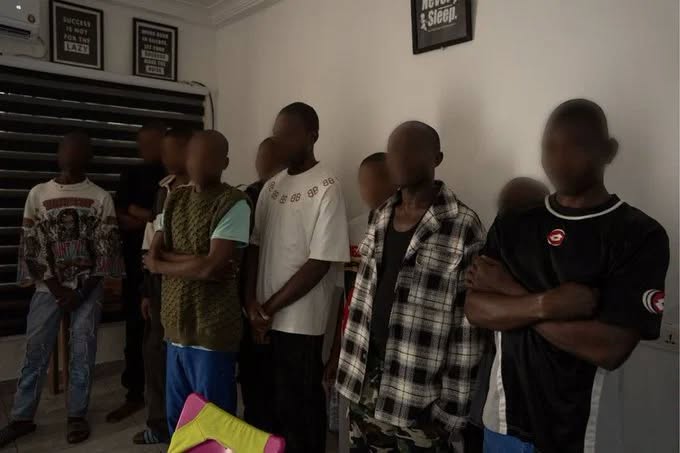
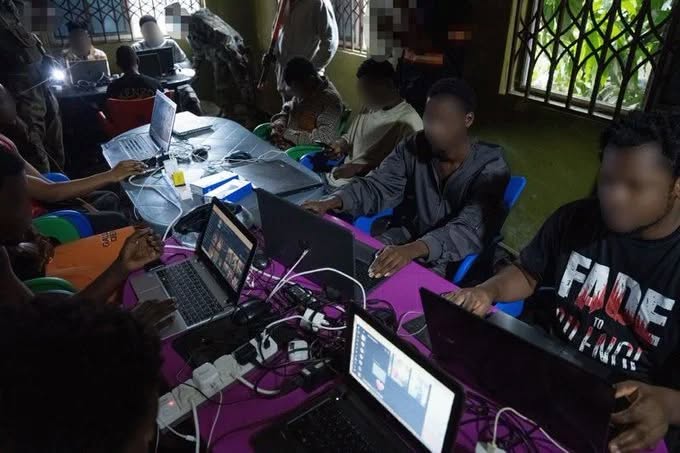
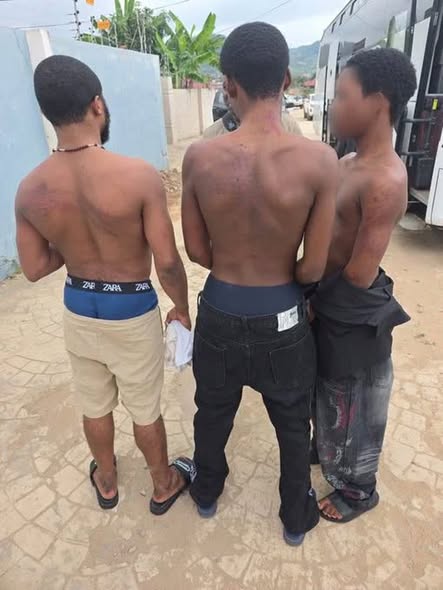
The attacks have continued. In January 2025, the Nigerian Union South Africa reported extensive property damage and seizures at the Navy House, Fatima Building, in Pretoria Central following a joint operation by South African authorities. In late April 2026, another wave of xenophobic violence hit major cities, leaving at least two Nigerians dead: Nnaemeka Matthew Andrew Ekpeyong, who died in police custody, and Kelvin Chidiebere Amaramiro, who died from injuries allegedly inflicted by South African National Defense Force personnel. Local media reported that, in total, five Ethiopians and two Nigerians were killed.
Unlike Ghana’s 1969 state-led expulsions under the Alien Compliance Order, South Africa’s xenophobic attacks are largely bottom-up. They are driven by ordinary citizens rather than direct state decrees, which makes them more chaotic and harder to control.
Economic desperation, political opportunism, and social frustration all play a role. In 2025, South Africa’s unemployment rate was about 32.1 percent, with youth unemployment above 60 per cent. In such conditions, migrants—especially Black Africans—are easily cast as competitors for scarce jobs and services.
Political and traditional leaders have often inflamed these resentments rather than calming them. In 2015, the late Zulu King Goodwill Zwelithini told immigrants to “pack their belongings”. His son, King Misuzulu Zwelithini, later used the slur “kwerekwere” for African migrants and called for their removal. Groups such as Operation Dudula (“to be removed by force”) and March on March grew rapidly in this climate.
Some South African leaders have pushed back. Opposition figure Julius Malema mocked the idea that immigrants “stole” jobs: “Unskilled men, with no skills at all, say someone took their jobs. Their only skill is to drink and act like revolutionaries.” The foreigner is not the thief of opportunity; he is the scapegoat for a state that has failed to deliver.
President Cyril Ramaphosa has repeatedly insisted that “South Africa is not xenophobic” and that “South Africans are not xenophobic”. But in the absence of firm enforcement and accountability, these assurances ring hollow. When killings persist, words without action look like tacit tolerance.
Against this backdrop, Oshiomhole used a Senate debate on xenophobic attacks to advance a new diplomatic doctrine:
“I don’t want this Senate to be shedding tears or sympathizing with those who have died. We didn’t come here to shed tears. If you hit me, I’ll hit you. That’s appropriate in diplomacy. It’s an economic struggle.”
He went beyond rhetoric, urging Nigeria to revoke the operating licences of major South African firms, including MTN Group and MultiChoice (parent company of DStv). He pointed out that MTN repatriates significant profits from Nigeria—in 2025 alone, it reportedly remitted over N878.7bn in taxes, levies, and duties—while Nigerians continue to die on South African soil.
“By the time we withdraw MTN’s licence, revoke DStv licence,” he argued, “those coming from South Africa will have good jobs to do here. When we balance this madness, there will be sanity. We must bite in a manner that they will come begging.”
Critics noted that MTN Nigeria is partly owned by Nigerian pension funds and retail investors, and that sudden nationalisation or licence revocation could spark costly arbitration and scare off foreign capital.
These risks are real. Yet focusing only on balance sheets is to miss Oshiomhole’s larger point.
For nearly three decades, conventional diplomacy has yielded little. South Africa has faced no serious penalty for repeated outbreaks of xenophobic violence. Nigeria has summoned ambassadors, signed agreements, issued communiqués, and expressed sorrow—without securing lasting safety for its citizens.
Oshiomhole argued that states responded to costs, not condolences. South Africa closely tracks the risks of capital flight, trade disruption, and reputational harm. Only when inaction carries real economic and political consequences will authorities find the will to act decisively against vigilantes. This is less cynicism than realism about how governments behave.
The Senate ultimately stopped short of Oshiomhole’s most drastic proposals. It rejected immediate nationalisation but sent a high-level delegation to Pretoria and restated demands for justice, reparations, and compensation. Senate President Godswill Akpabio emphasised diplomacy while leaving the door open to tougher measures.
Even so, the fact that such punitive steps were seriously debated is significant. For years, Nigeria has shown what one analyst called “diplomatic timidity”—a reluctance to confront South Africa, rooted in memories of anti-apartheid solidarity, even as that solidarity has been repaid with violence.
Nigeria’s new posture extends beyond parliament. Foreign Affairs Minister Bianca Odumegwu-Ojukwu summoned South Africa’s High Commissioner to protest the treatment of Nigerian citizens. The government has demanded thorough investigations into the deaths of Ekpeyong and Amaramiro, access to autopsy reports, and accountability for those responsible. At least 130 Nigerians in South Africa have registered for evacuation, a number that is likely to grow.
These actions matter, but they are only a start. Xenophobia in South Africa is deeply entrenched and will require systemic reforms: fairer enforcement of immigration law, constraints on abusive security forces, and better economic opportunities across the continent to reduce irregular migration. Such changes will take years. In the meantime, Nigerians living in South Africa need immediate protection.
Here, the “balance of madness” is a tool, not a destination. Nigeria must show that the price of South African inaction will exceed the political cost of intervention. That may mean targeted economic measures, trade adjustments, tighter visa reciprocity, or a comprehensive review of bilateral agreements. The clear message should be that African hospitality is not unconditional.
Some critics label Oshiomhole’s stance “anti-African” or a betrayal of pan-Africanism. This turns the idea of African solidarity on its head. The young Nigerians killed in Pretoria are as African as their attackers. The Ghanaian traders whose shops were burned in Johannesburg are as African as those who torched them. Genuine Pan-Africanism does not require one side to endure endless abuse in silence.
The African Union’s Agenda 2063 envisions a unified, prosperous, and peaceful continent. That vision crumbles whenever Africans deny other Africans basic safety and dignity. Xenophobic violence is not just a human rights violation; it is a repudiation of the solidarity that fueled Africa’s liberation struggles. As the Catholic bishops of Africa have warned, “Any violence directed against foreigners constitutes not only a grave violation of the human person but also a negation of the foundations of universal brotherhood and the Africa we want.”
Yet moral statements alone do not change police behavior or restrain mobs.
Oshiomhole has helped shift Nigeria—and potentially Africa—toward a diplomacy of consequences rather than a diplomacy of condolences. “When we reach this balance of madness,” he argued, “I believe sanity will follow.”
The phrase is unsettling by design. The violence Nigerians face in South Africa is itself a form of collective madness—a social breakdown in which marginalised communities strike at vulnerable neighbors instead of the structures that impoverish them. A carefully calibrated “balance of madness” does not mean abandoning ethics or embracing barbarism. It means using leverage, including economic pressure, to restore a minimum standard of safety.
Nigeria’s leaders increasingly recognize that moral appeals alone are insufficient. With a population of above 200 million and Africa’s largest economy, the country cannot accept repeated humiliation without response. Senator Victor Umeh captured this sentiment when he described the status quo as a betrayal of shared history. Nigeria stood by South Africa during the anti-apartheid struggle, even as many Western governments maintained cordial relations with Pretoria. That sacrifice cannot serve as an open-ended license for future victimization.
The road ahead carries risks. Economic retaliation has costs, and diplomatic tensions can flare. But the alternative—ongoing suffering, impunity, and the routine killing of Nigerians on South African streets—is no longer acceptable. More legislators should speak with Oshiomhole’s clarity. African states should coordinate their responses, making clear that regional unity depends on mutual respect and safety. And the African Union must move from statements to binding protocols on xenophobic violence, backed by meaningful penalties for states that fail to protect foreign nationals.
The era of unchecked xenophobia has lasted too long. It is time for a “balance of madness” that compels a return to reason.
Dr Ogunkoya, a diplomatic historian and lecturer, writes from Washington, the United States
punch.ng
FOLLOW US ON: