Connect with us

Politics

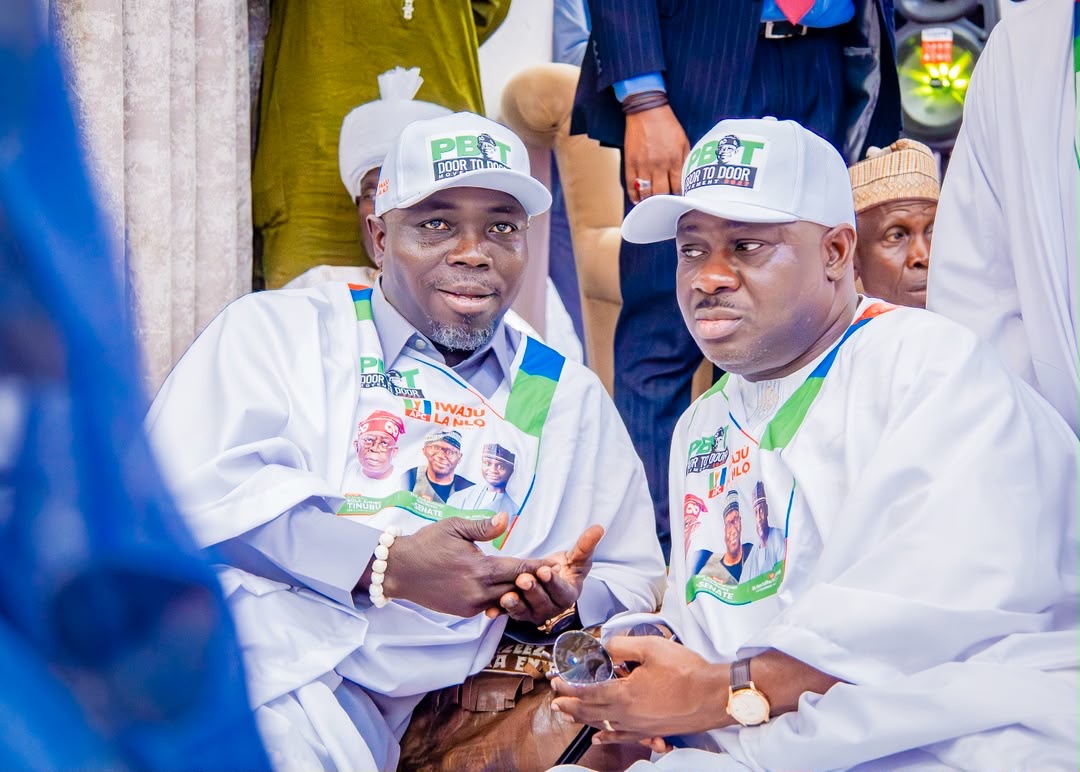
Tinubu unveils grassroots movement, defends economic reforms

Published

on

President Bola Tinubu has pledged not to betray the trust Nigerians placed in him, maintaining that his administration’s economic reforms are designed to build a stronger and more prosperous future for the country.

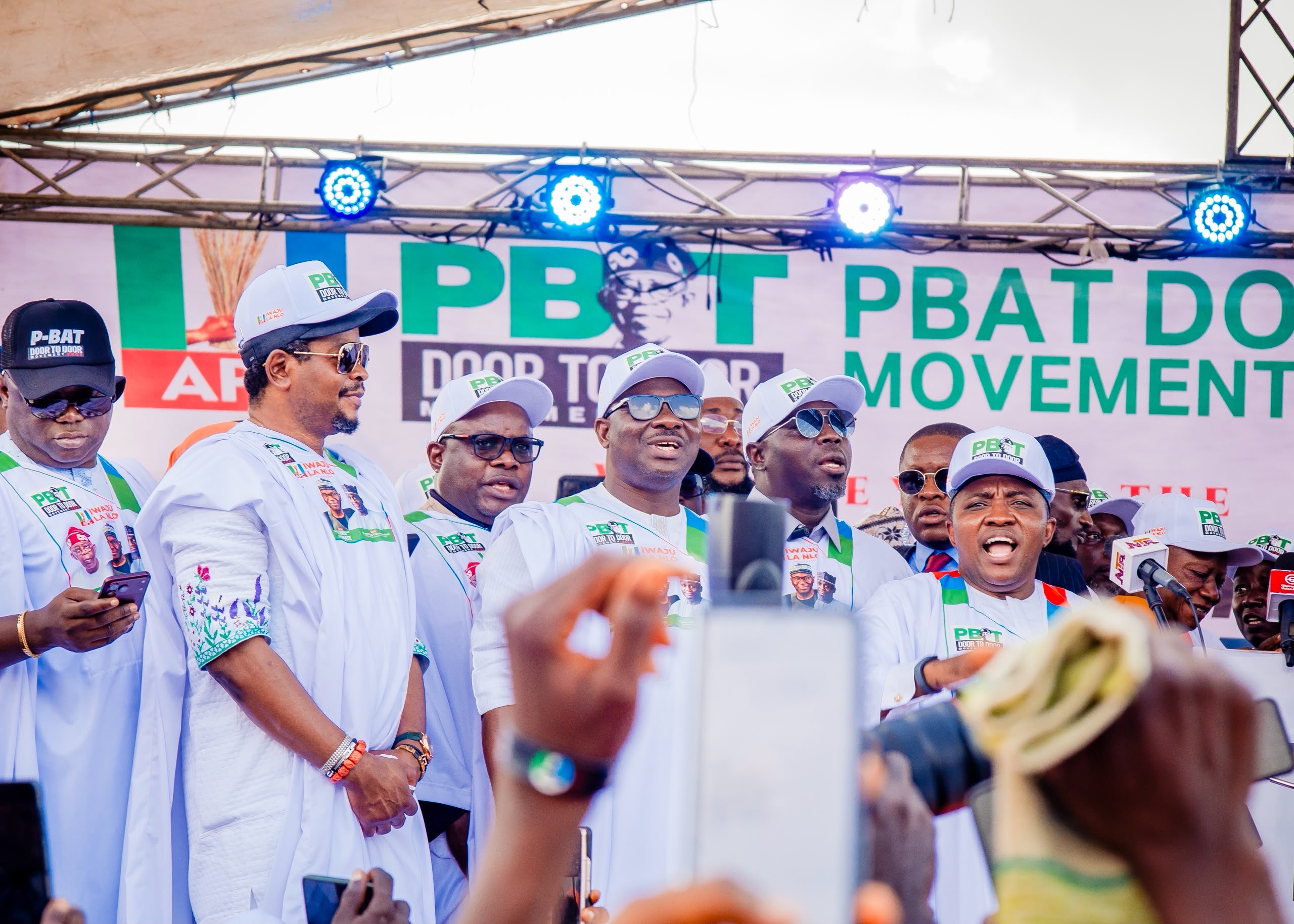
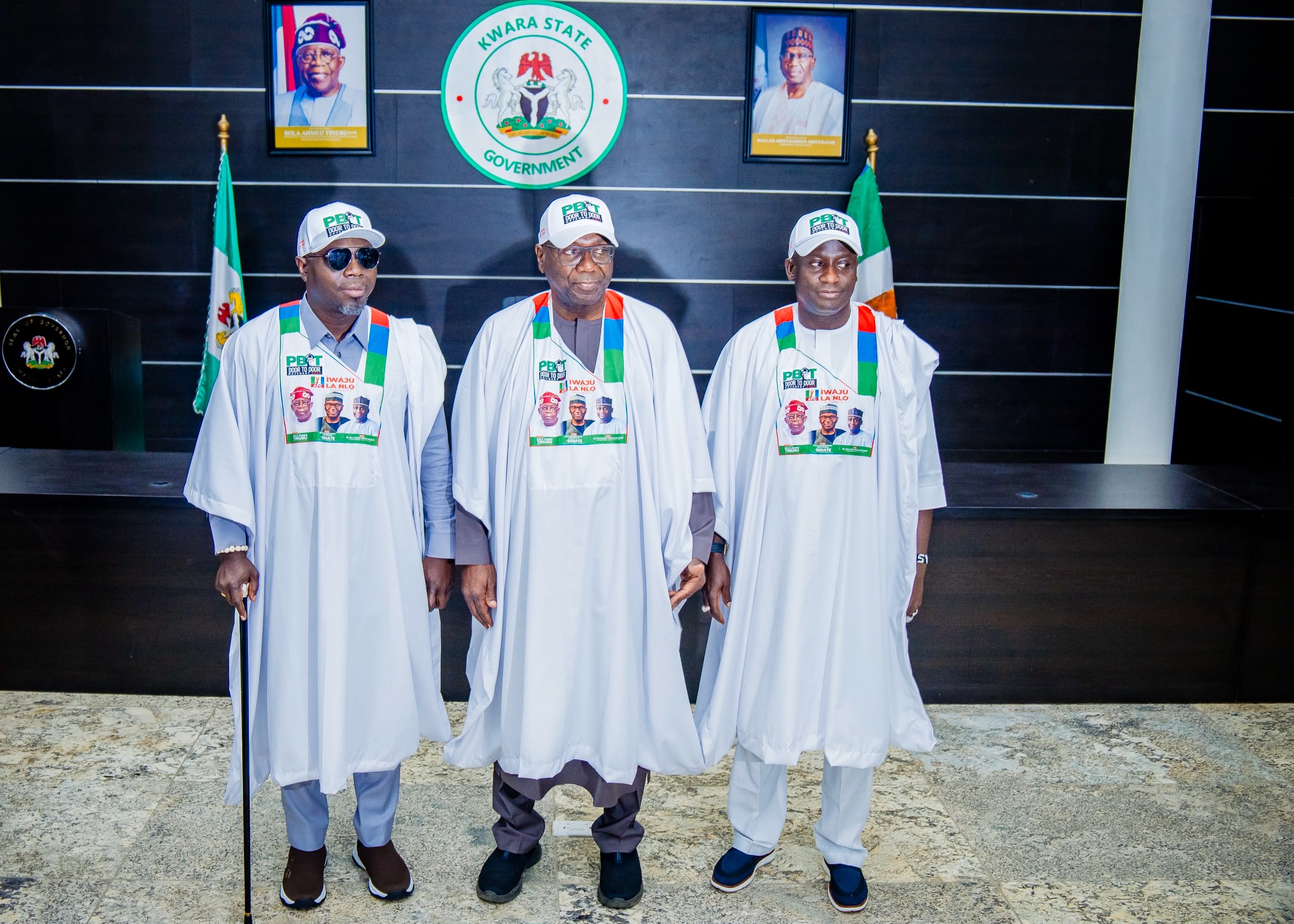
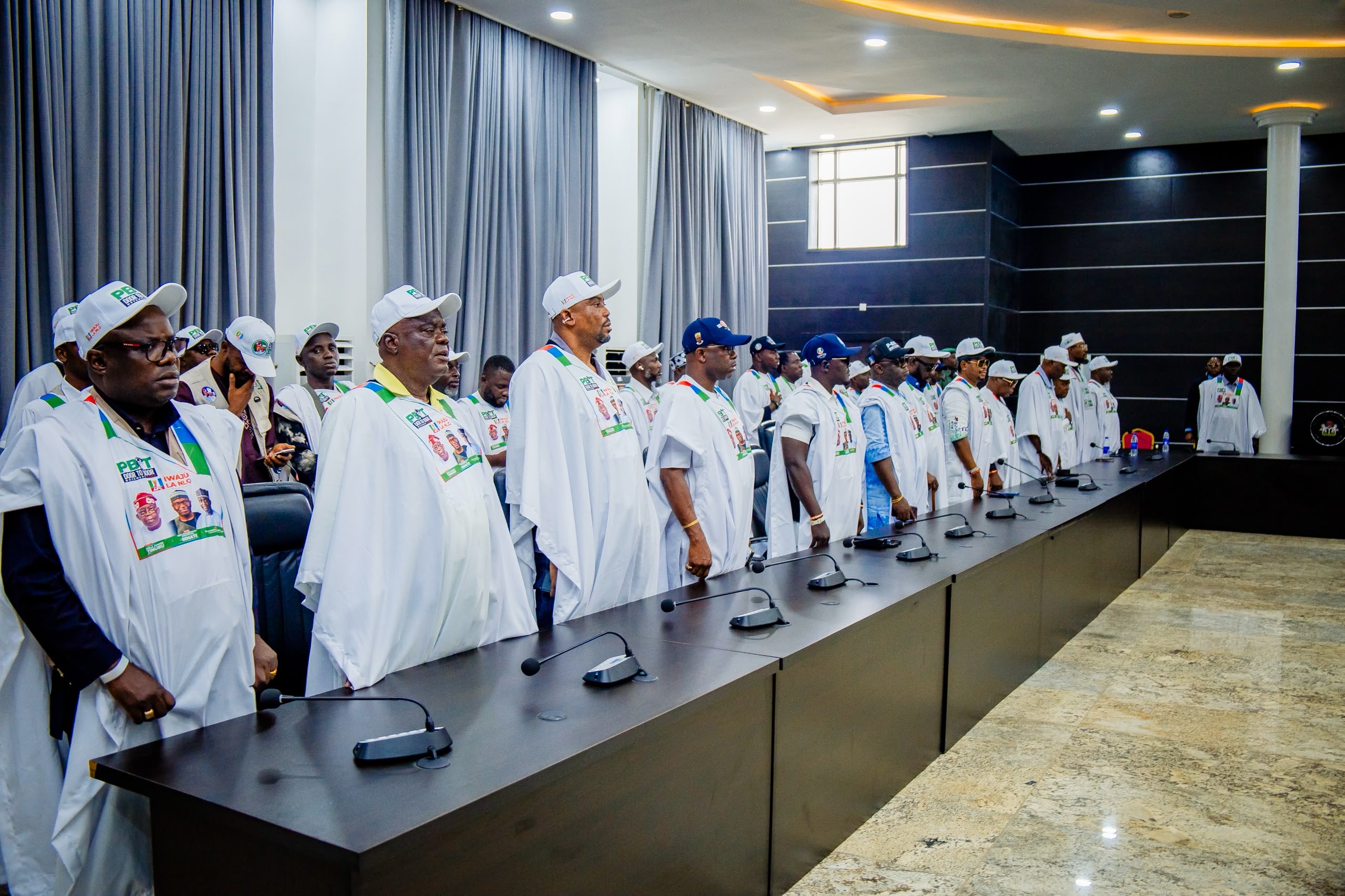
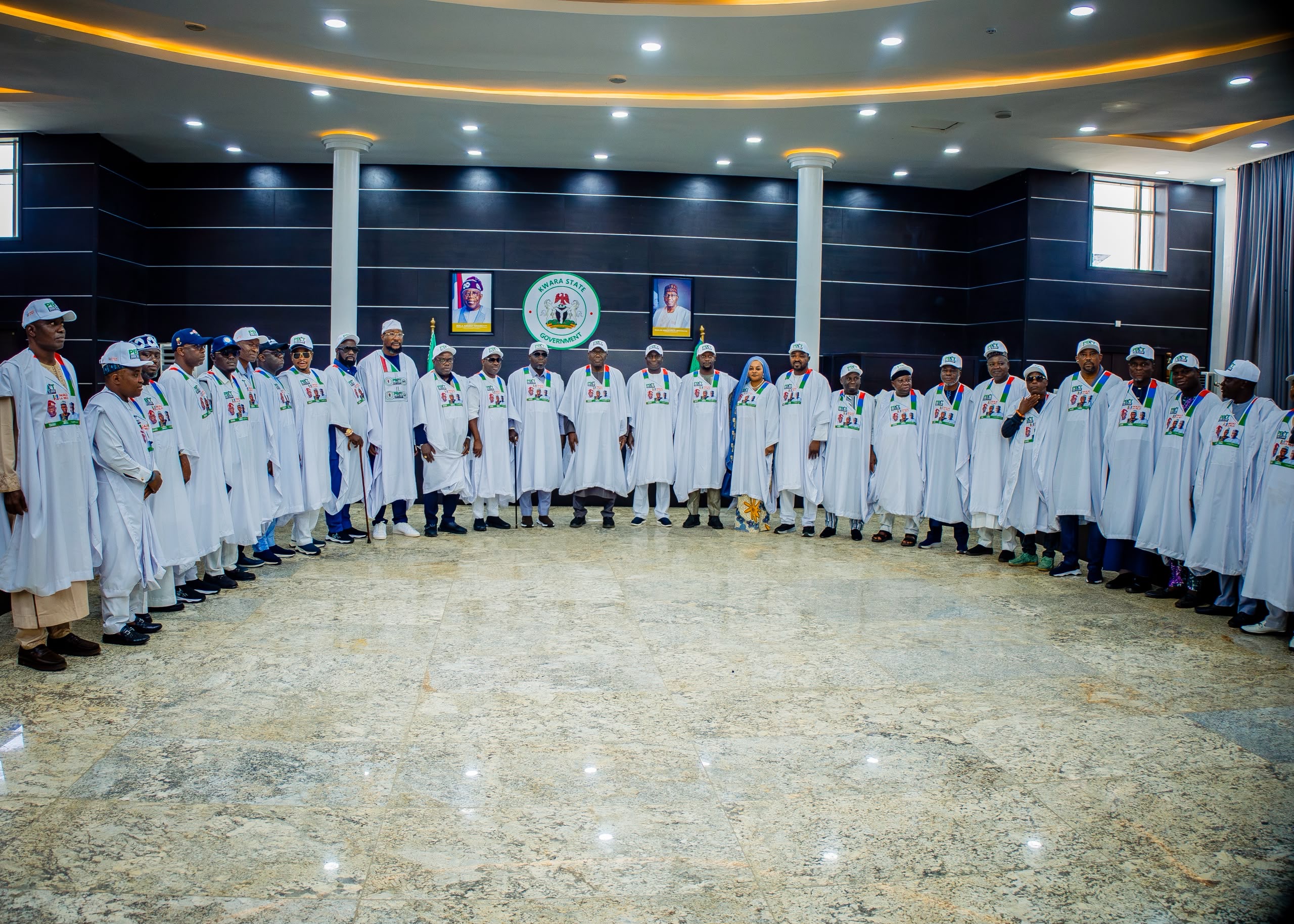
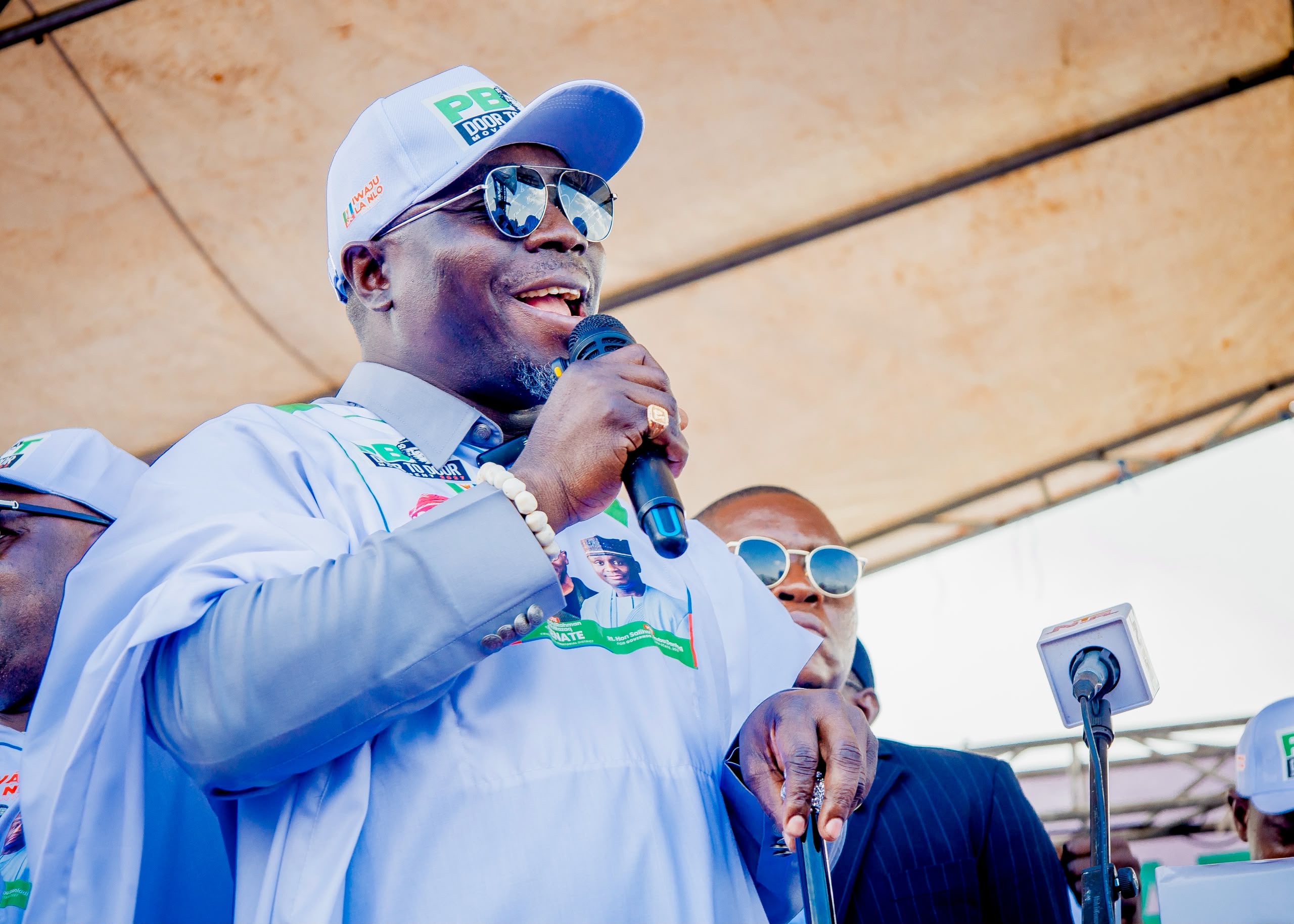
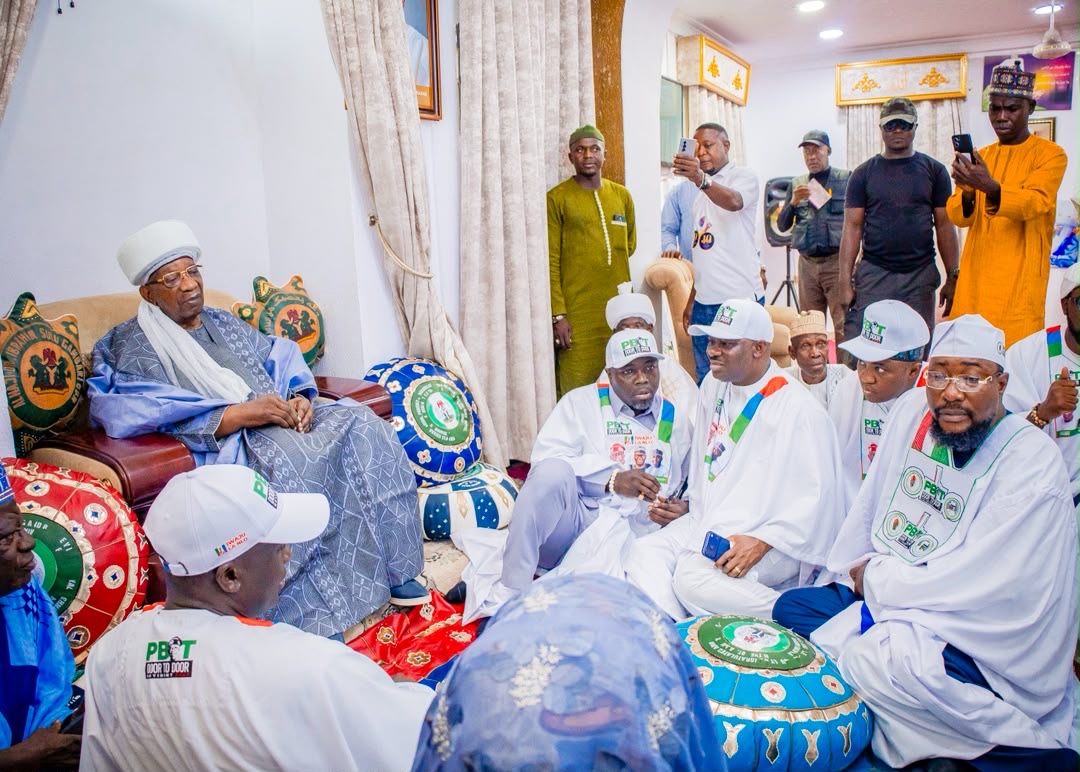
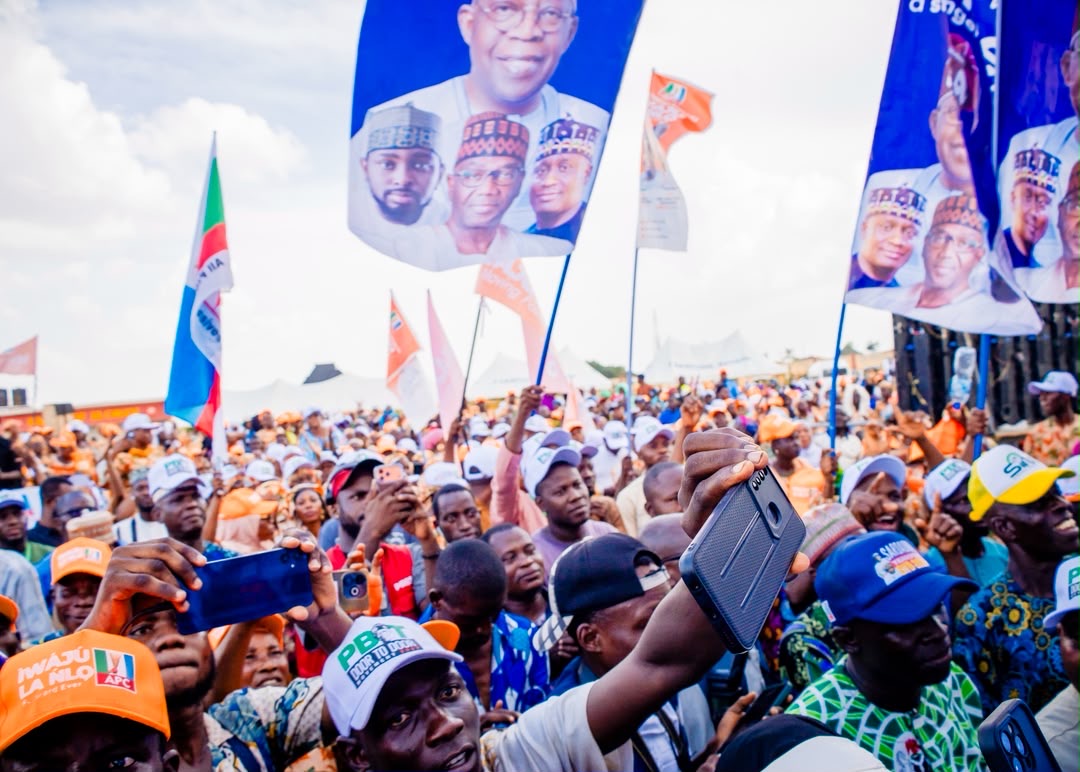
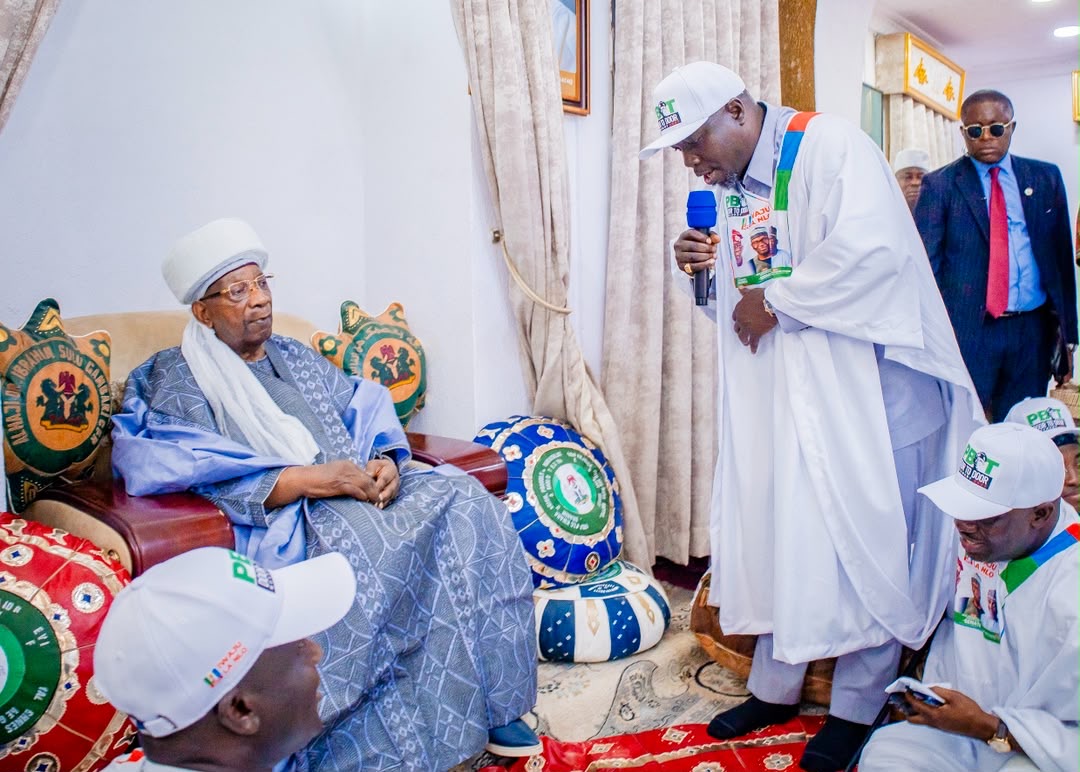
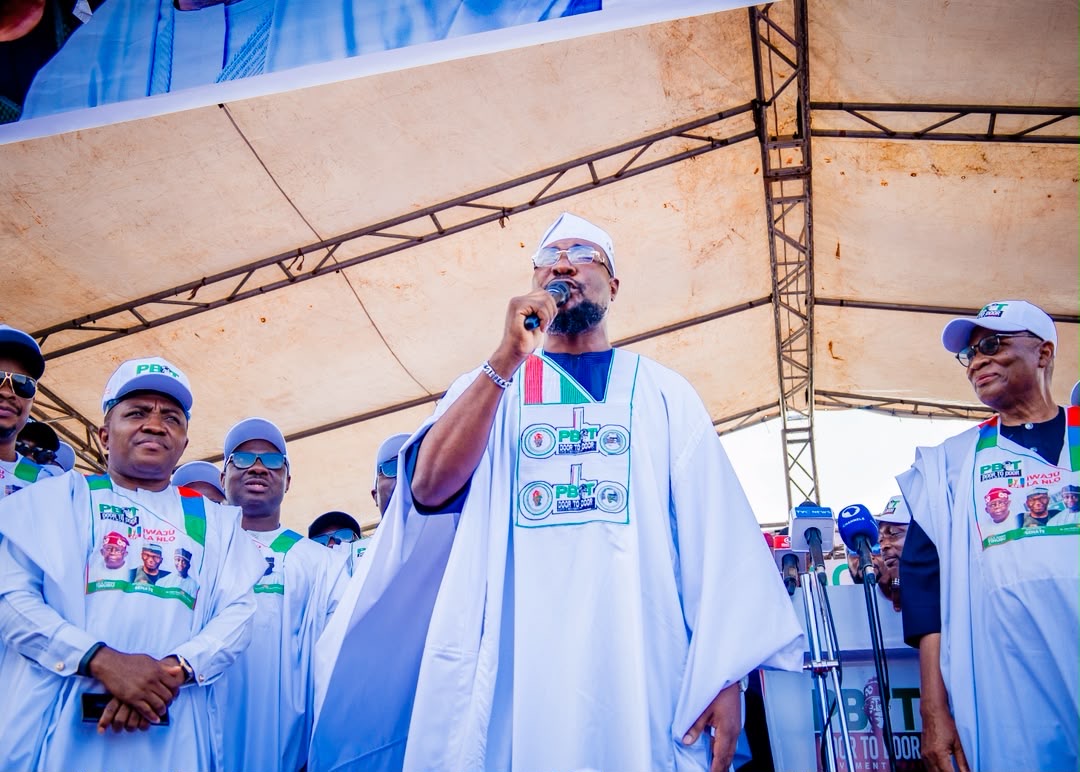
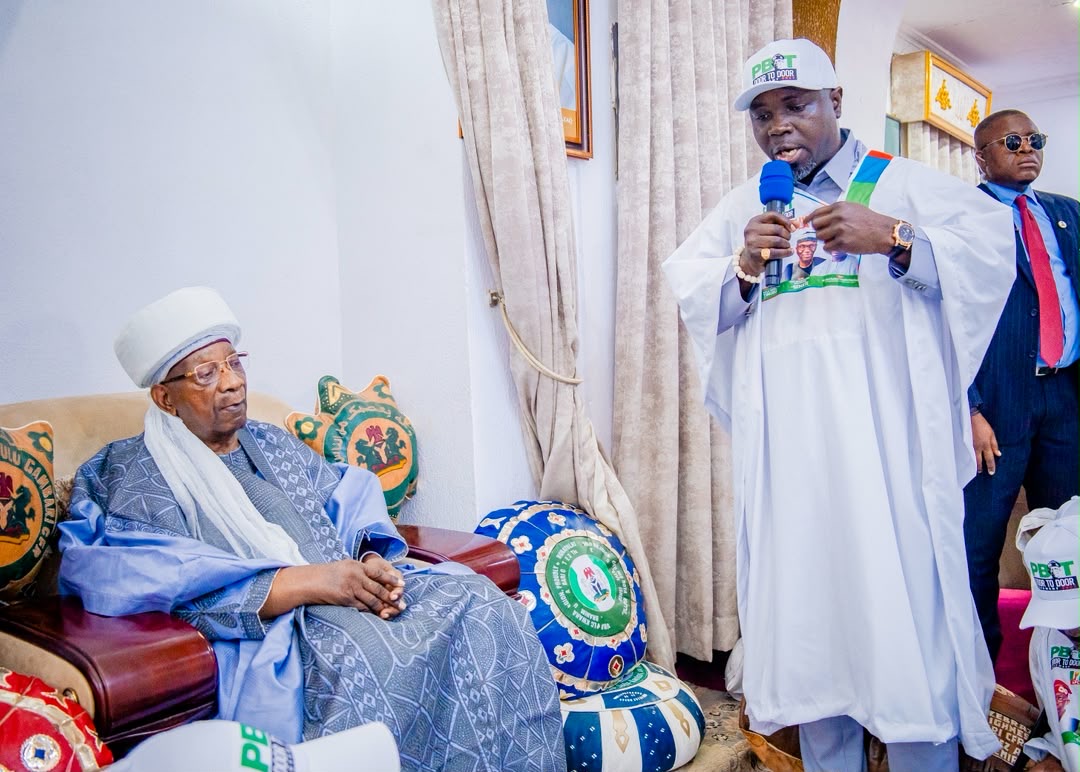
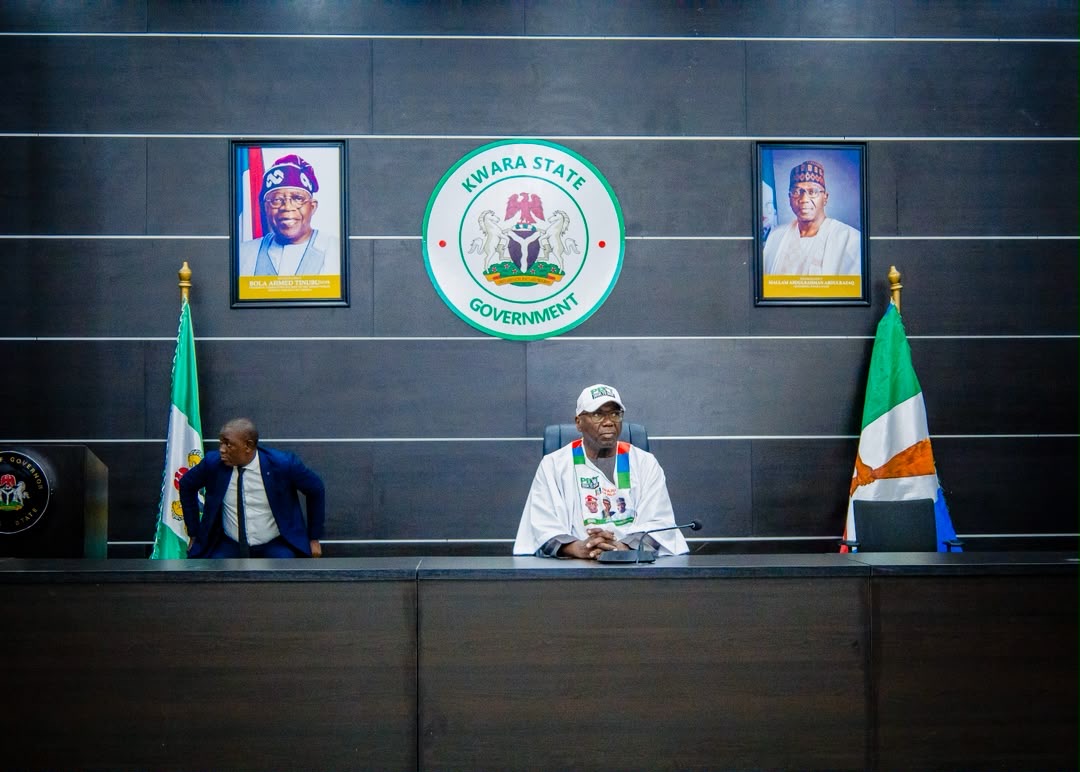
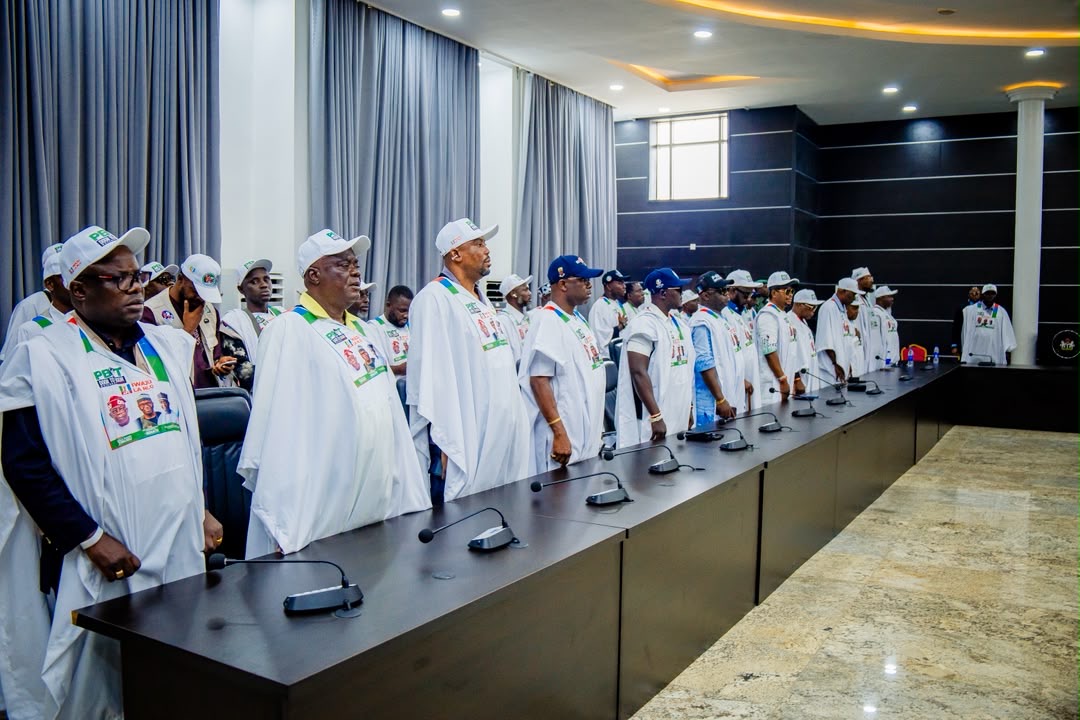
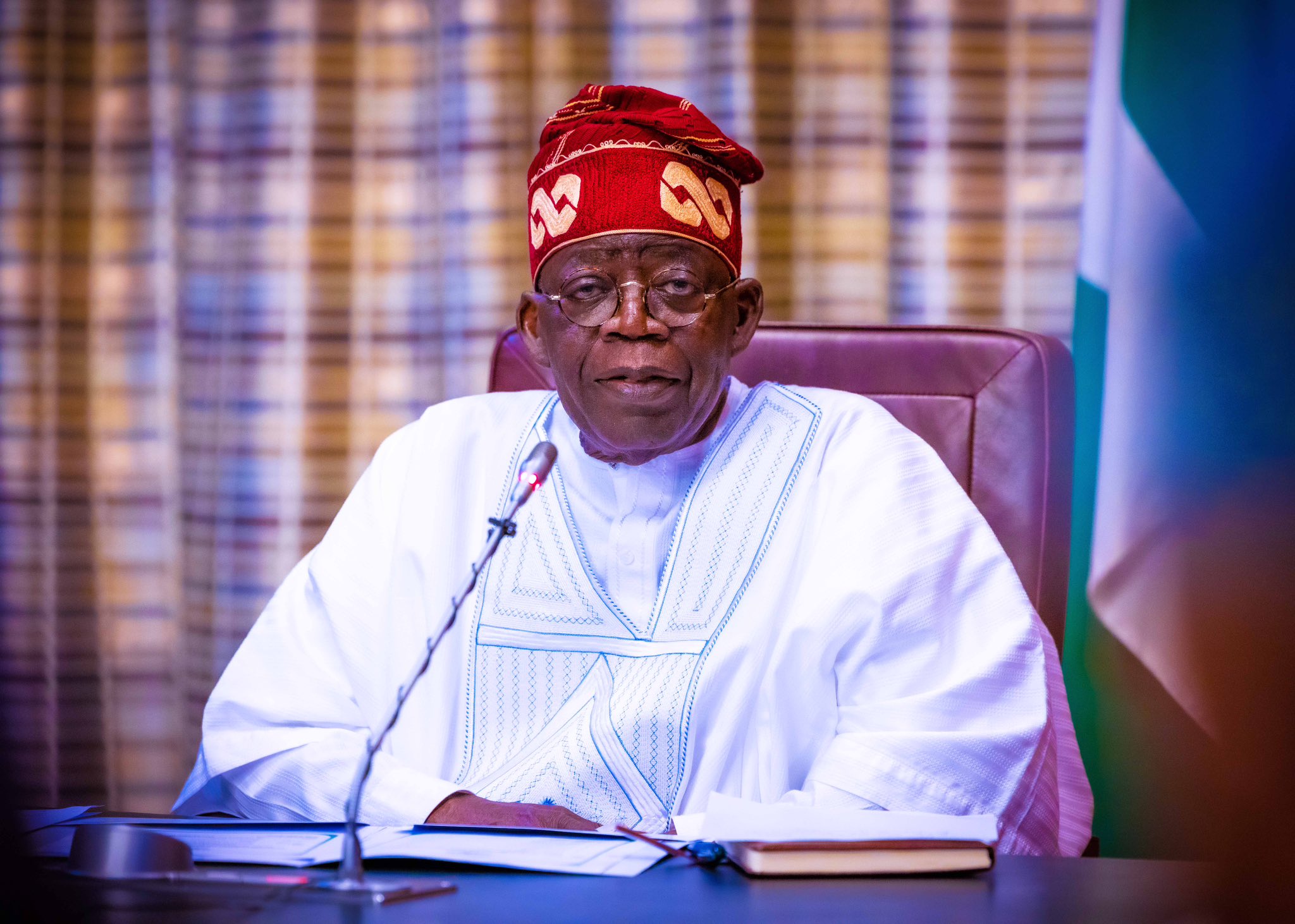
Tinubu, speaking through Senate President Godswill Akpabio at the inauguration of the PBAT Door-to-Door Movement executives on Thursday, said the grassroots mobilisation initiative would help promote the Renewed Hope agenda nationwide.

In his inaugural address on May 29, 2023, the President declared that “subsidy is gone,” formally ending Nigeria’s petrol subsidy regime.

The announcement, alongside other key reforms such as the unification of the foreign exchange market, led to a significant increase in fuel prices, higher transportation costs, and a rise in the cost of goods and services nationwide.

More than three years later, the APC-led Federal Government has maintained that the funds saved from the subsidy removal have been invested in programmes designed to improve citizens’ welfare and drive national development, while insisting that its broader economic reforms are beginning to produce positive outcomes.

Akpabio said Tinubu’s reforms had improved Nigeria’s economy, noting that monthly allocations to the three tiers of government had risen from less than N700bn to over N2tn.

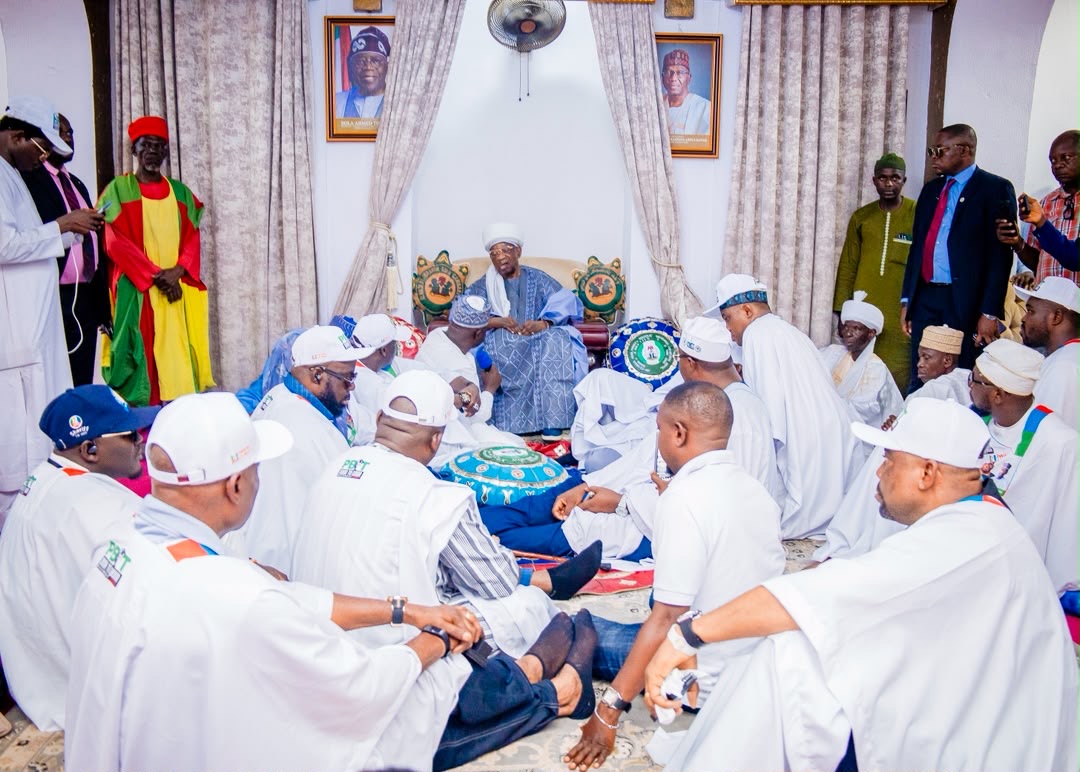
Speaking before political leaders, traditional rulers, civil society groups and other stakeholders, the President said his administration remained committed to strengthening the country despite the tough policy decisions taken since he assumed office.

“I am delighted to be here, to see what Nigerians are doing from their hearts for the development of the nation. I can see people interested in the future of the country,” the President said.

He added, “I am determined never to betray the trust of Nigerians and the vision of ensuring a better Nigeria.”

He stated, “Every great nation is built one citizen at a time, like a building block; one community at a time. Before there are crowds, there are households. Before there are victories at the ballot boxes, there are competitions at the doorsteps of every home.

“A movement that goes from door to door must do more than just seek support from every door it touches. It must carry truth, inspire confidence, listen to the people and household owners, and return to those same doors to tell them about the dividends of good governance after the goods. That is how democracies endure.

“The theme before us today speaks to one of the oldest truths in nation-building: every generation must decide whether it will choose the comfort of the familiar or the courage and discomfort of embracing necessary changes.

“Nations do not become great because they avoid difficult decisions. They become great because they confront difficulties with wisdom, patience, and patriotism.

“President Tinubu has repeatedly reminded us that reform is not an event, but a journey. The purpose of reform is not to make life difficult for the people, but to lay the foundation upon which future generations can build lives of greater dignity, prosperity, opportunities, and lasting progress. Lasting progress is rarely achieved without temporary sacrifice.”

Tinubu said all arms of government remained committed to supporting his administration’s reforms while prioritising Nigeria’s national interest and citizens’ welfare.

He continued, “Good governance succeeds when the executive, the legislature, and the Nigerian people move forward together. So we are working together to ensure that every Nigerian feels the impact of our reforms.

“Politics should never divide us beyond repair. Elections may produce winners and losers, but Nigeria must always emerge the ultimate victor.

“Our nation is greater than any political party. Nigeria is greater than any officeholder. Nigeria is greater than any election.

“We inherited this republic from those who toiled and built it before us, and we hold it in trust for those who will come after us. Many of them are in this hall. Let us therefore conduct ourselves in ways that future generations will remember with gratitude.”

See also  APC chairmen reject Wike’s coalition, demand defection, read details

Speaking to the executives of the movement, Tinubu said, “As you are inaugurated today, remember that you are ambassadors, not merely of a political movement, but of democratic engagement and process.

“Knock on every door with respect. Listen before you persist. Unite before you mobilise. Let every conversation strengthen faith in our democracy and confidence in Nigeria’s future.

“When politics is conducted with patriotism and service, every door opened becomes another gateway to national renewal. And every door leads to renewed hope for a greater Nigeria and, of course, a more prosperous nation.”

Akpabio, Speaker of the House of Representatives, Tajudeen Abbas, and the National Chairman of the All Progressives Congress, Prof Nentawe Yilwatda, said reforms introduced by Tinubu were repositioning Nigeria and setting the country on the path of economic recovery.

They said the President’s policies, including fuel subsidy removal, tax reforms and other initiatives, were products of collaboration between the executive and legislature aimed at achieving national development.

Akpabio added that the reforms had strengthened states’ finances and reduced reliance on oil revenue, expressing confidence that Nigeria’s future would continue to improve under the current administration.

He stated, “We appreciate the President for putting on a thinking cap and turning Nigeria around in just three years. A nation that had less than N700bn is now sharing over N2tn monthly with the states and the Federal Government.

“And the governors here can confirm, particularly Governor (Umaru) Bago and Governor Dapo (Abiodun), that they no longer borrow money because we have been able to build a non-oil economy.

“We are no longer a mono-economy dependent on oil because of the thinking of this President. So, you can imagine supporting him beyond 2027. I can see a brighter future.

“I will end not from the voice of the President, but from the voice of the National Assembly. I can see everything turning around for our good.”

In his comment, Abbas praised the PBAT Door-to-Door Movement for taking a political engagement, highlighting Tinubu’s reforms at the grassroots, saying collaboration between the executive and legislature had produced policies aimed at repositioning Nigeria.

“You have chosen to take politics back to where it belongs, to the people and the Nigerian citizens.

“Door-to-door, street-to-street, ward-to-ward. In an age when engagement is often reduced to slogans, you have chosen conversation over confrontation and contact over commotion.

“Democracy is not an abstract concept. It lives in our compounds and our markets. It lives in our town halls and our places of worship. It lives in the daily conversations of ordinary Nigerians.

“Let me say it plainly and without flattery: history will remember this President for his courage. He met a nation at a crossroads and chose the path of conviction over convenience.

“The fuel subsidy was removed, the exchange rate was unified, and the tax system was reformed from the ground up through the reform acts that took effect in January this year.

“These are not decisions taken for applause. They were decisions taken for posterity.

“Yes, the road has demanded sacrifice, and we do not take that sacrifice lightly. But the early dividends are visible: rising revenues, returning confidence, and a fiscal system that rewards production, not consumption,” he said.

The Speaker said the government’s major reforms were achieved through collaboration between the executive and legislature, with key policies receiving legislative input and approval in line with the Constitution.

He continued, “Renewal is not the burden of one man. However gifted or determined, it requires the confidence of the whole society: the President who leads, the legislature that refines and oversees, the judiciary that upholds the law, the local government that delivers, the civil service that implements, the private sector that creates, and citizens who participate, pay their taxes, hold leaders accountable, and keep faith with the Nigerian project.

“So when you knock on the door, you are not merely canvassing for a candidate. You are inviting a fellow citizen to share in the ownership of Nigeria’s new renewal.

“As a servant of the people and a student of history, I offer this counsel: mobilisation is a means, not an end. The strength of a movement is not measured by the size of its crowds, but by the quality of its conversations.

See also  APC first-term govs back Tinubu, seek continuity beyond 2027

“Make your engagement a two-way street. When you knock, do not only speak; listen. And when you have listened, report back.

“What you gather at the grassroots is valuable information that tells us where politics touches the ground and where it does not. By becoming a channel between citizens and the state, this movement will serve Nigeria far beyond any single election.”

The Speaker urged members of the movement to focus on issue-based campaigns, promote inclusiveness and engage Nigerians with facts ahead of the 2027 elections.

He charged the movement to take the message of renewal to communities across the country, saying members should listen to citizens, promote peaceful political participation and win support through dialogue rather than division.

Niger State Governor, Umar Bago, expressed confidence that the reforms introduced by the President would help reposition Nigeria, saying the administration would achieve more if given another opportunity.

Bago commended the PBAT Door-to-Door Movement as a strategic platform to support the APC’s campaign efforts, saying it would mobilise support for the party’s candidates from the presidency to state assemblies.

The national chairman, Prof Yilwatda, urged members of the PBAT Door-to-Door Movement to take the message of the Tinubu administration’s achievements to Nigerians at the grassroots.

Yilwatda said elections are won through direct engagement with citizens, urging members of the movement to reach out to communities, listen to their concerns and communicate the government’s policies and programmes.

He stated, “This group will brighten the entire country. They will awaken an army of people that will drive the support of Mr President across the nation.

“It is to begin a movement that will knock on every door, touch every heart, inspire every family, and carry the message of Renewed Hope from corner to corner until the entire country listens.

“We know elections are not won in television studios or by making comments on TV and social media. We know that we are not alone. We are not alone.

“Rather, elections are won in homes, in the homes of people. They are won in market spaces, where we have market women and where people transact.

“Who will tell our story as a government if we do not know the truth and remain silent? Who will speak of our progress if the builders refuse to speak? And who will defend the hope that we have? If this new hope remains silent, who will defend the hope that we have? If this new message is not told in homes, who will celebrate our achievements if others decide to bury our successes in misinformation?

“That is why PBAT Door-to-Door is a mission, a calling, and a particular responsibility given to you today to ensure that every Nigerian cares about the success story of the Renewed Hope Agenda.”

The APC chairman said Tinubu’s achievements had placed the economy on a positive path, noting that economic recovery is underway.

“The Nigerian economy is now returning from amber to green. Our GDP is growing at an average of 4 per cent. We are picking up from where we thought we would not grow again. Everybody’s confidence is building so that it grows globally. People now believe in us, and we must tell the story.

“We must inform people that our tax reforms, our health reform initiatives, have given more power to local governments, strengthened state governments, and supported the various projects across Nigeria.

“They are stories of the success of the reforms by the Federal Government. We must tell those stories. Those stories will be heard, and they must be heard.

See also  APC consensus push faces resistance in states ahead of primary elections

“Clearly, across Nigeria, you can see infrastructure rising across the country. From state governors to the Federal Government, you can see infrastructure across the country.

“The Lagos-Calabar Coastal Highway is connecting the maritime sector, connecting the economy, connecting the oil sector, and connecting the entire economic corridor across the country.

“The Sokoto-Badagry Superhighway, with over 300 dams for agricultural development, is creating a new food corridor and connecting commerce across our nation.

“The longest ever route to be constructed in Nigeria, the Trans-Saharan Superhighway, from Calabar to Ebonyi, Ebonyi to Enugu, Enugu to Benue, Benue to the FCT, the FCT back to Akwa Ibom and Nasarawa.

“The Trans-Saharan State route, from Nasarawa State to Jos, Jos to Bauchi, Bauchi to Gombe, Gombe to Yobe, and Yobe to Maiduguri, is over 1,300 kilometres of road.

“This will be the longest road ever connecting the South-South to the South-East, to the North-Central, and to the North-East, connecting four regions of Nigeria at the same time,” he said.

Yilwatda also listed Federal Government projects, including the AKK gas pipeline and rail infrastructure, adding that they would boost economic growth, support businesses, and create jobs across Nigeria.

He also praised the student loan scheme for expanding access to education, urging members of the movement to take the government’s achievements to Nigerians at the grassroots.

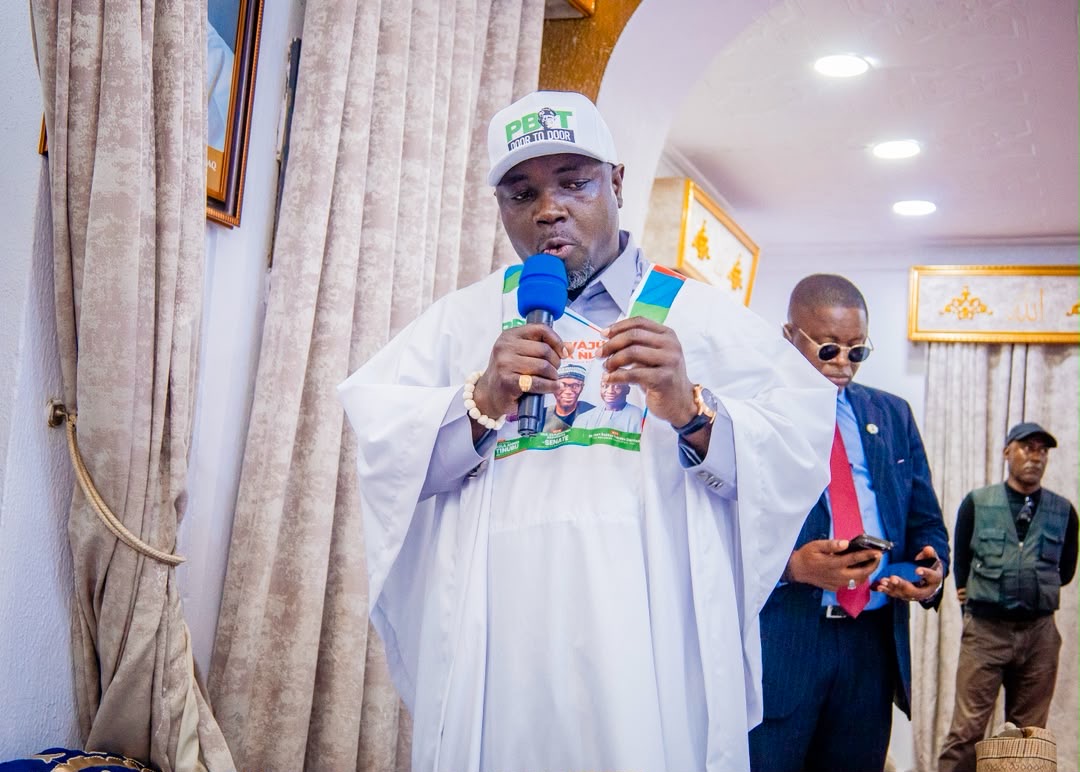
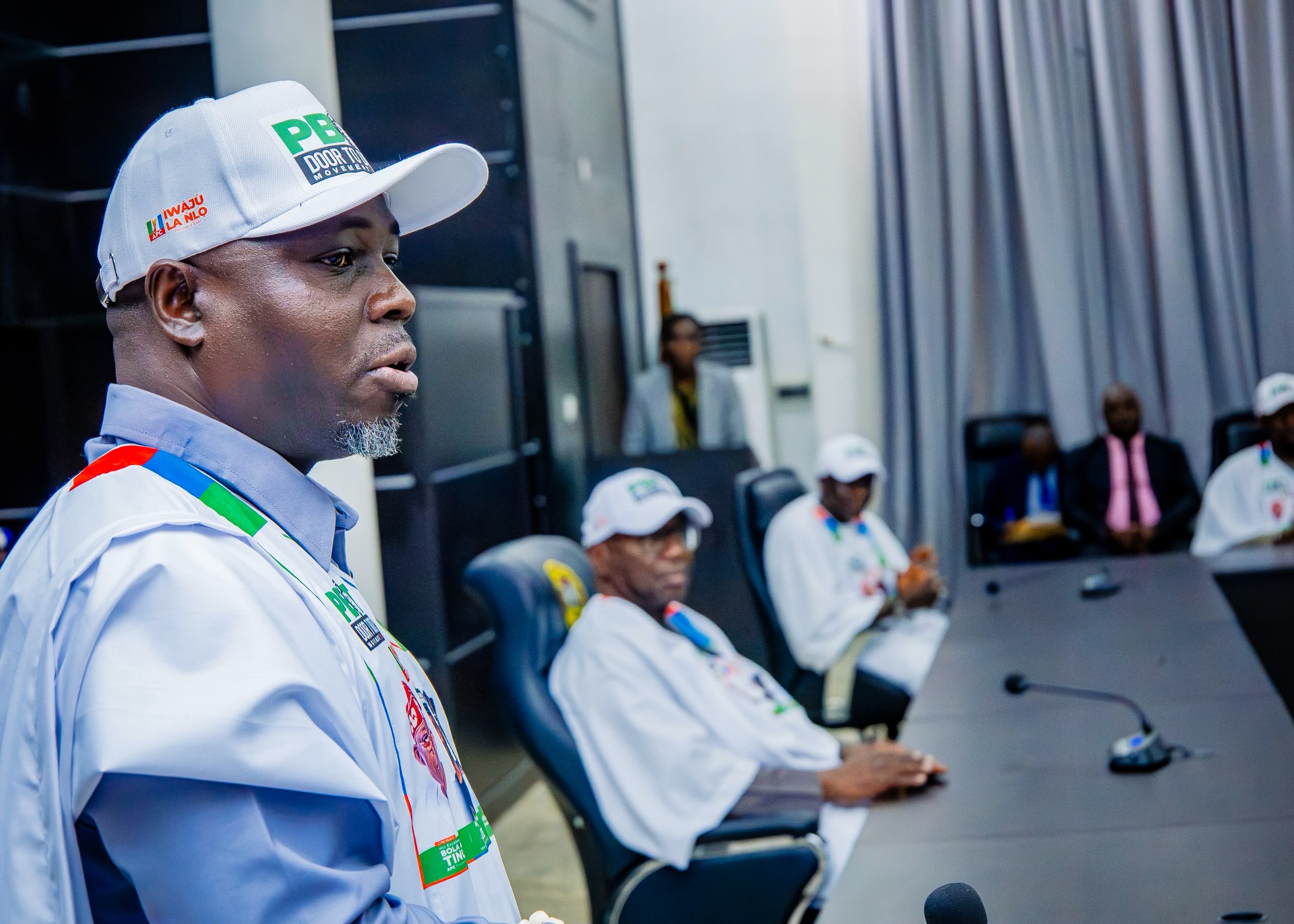
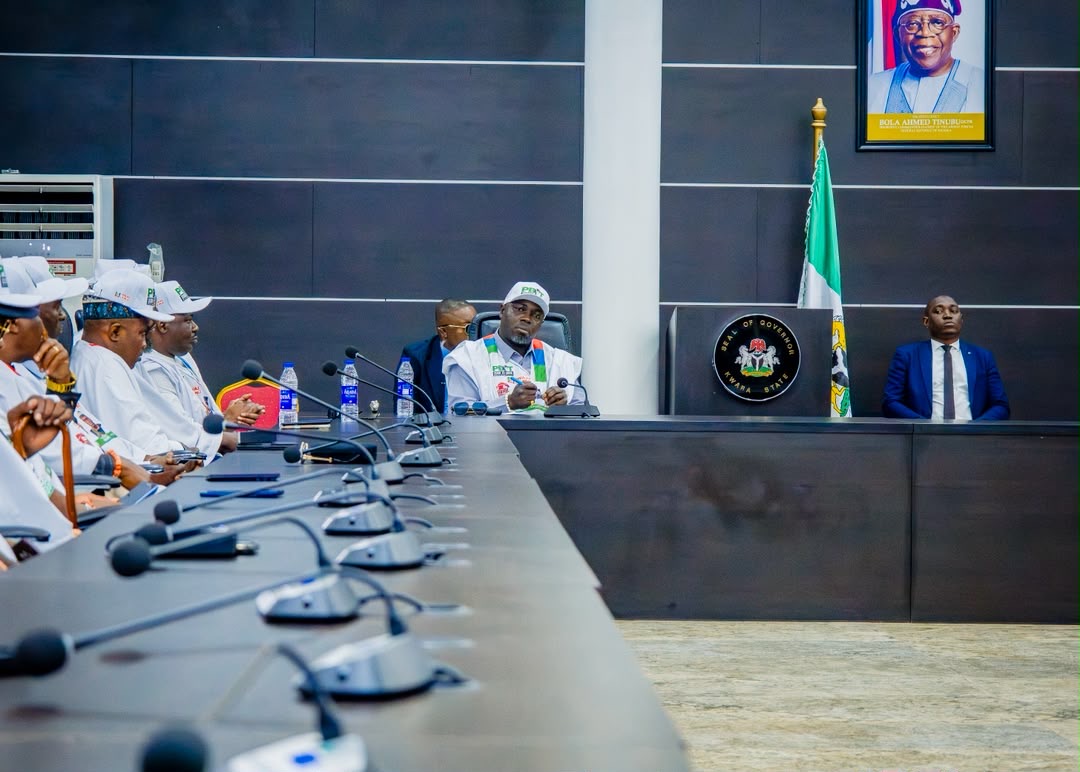
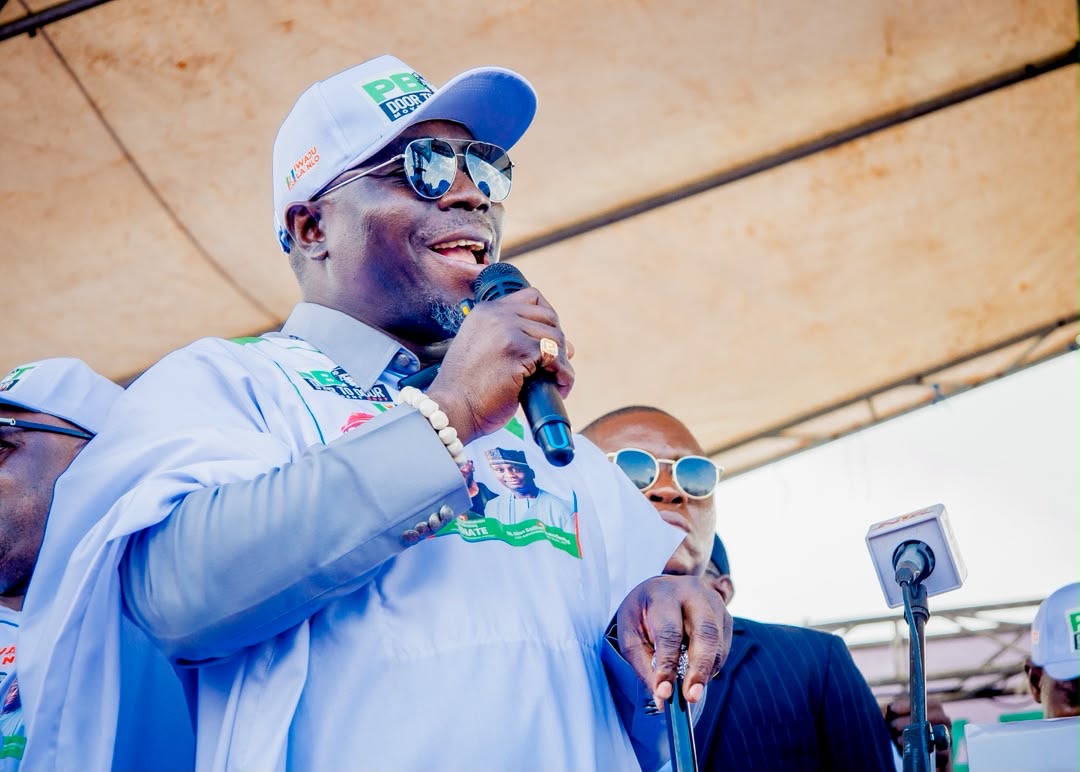
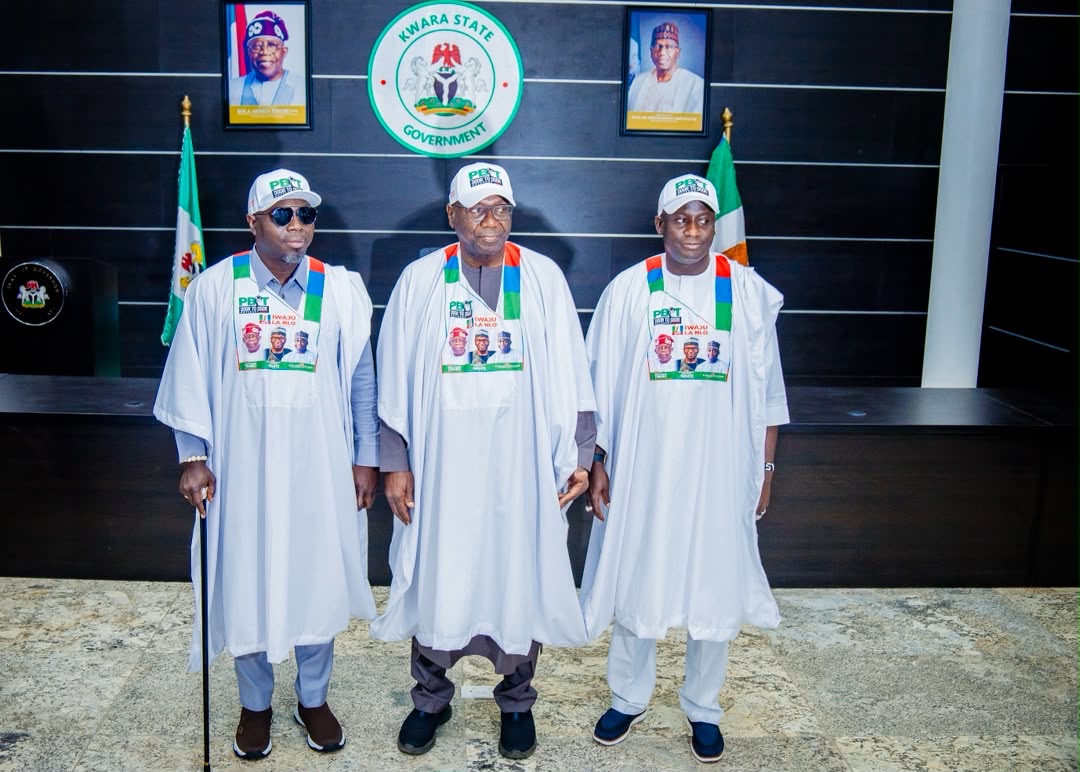
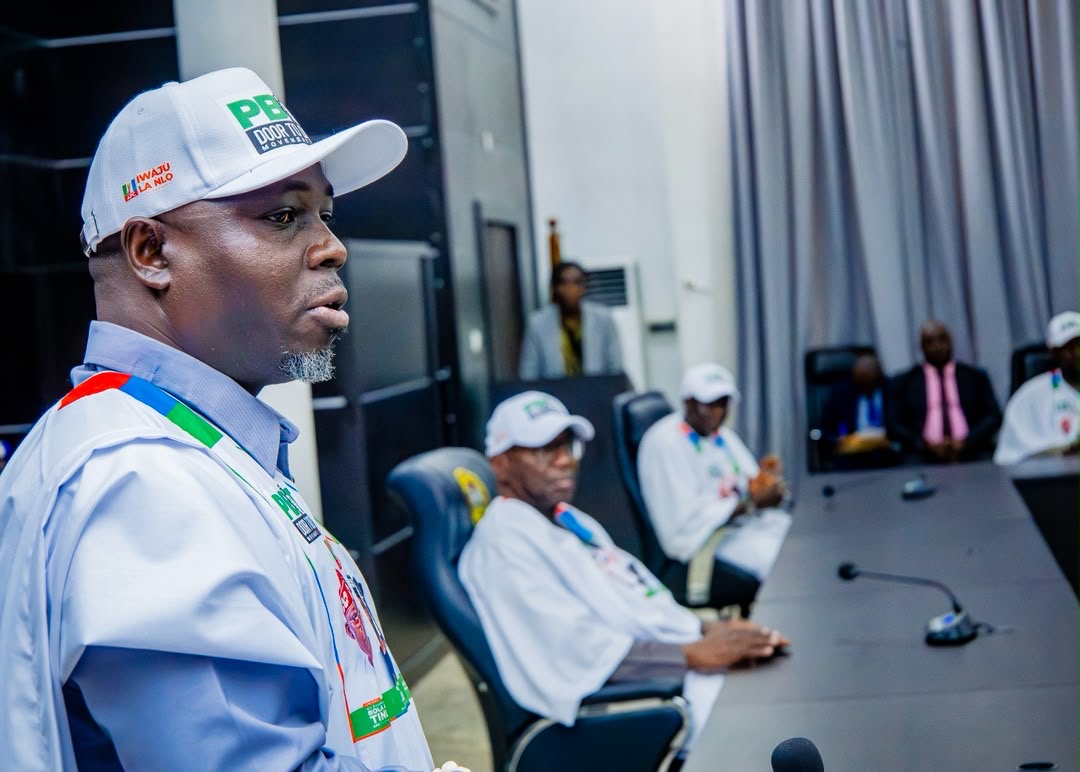
While inaugurating the National Executive Committee of the PBAT Door-to-Door Movement, the APC national chairman charged members to take their message directly to Nigerians through grassroots engagement.

Earlier in his remarks, the founder of the PBAT Door-to-Door Movement, Chief Government Ekpemupolo, popularly known as Tompolo, represented by Tantita Security Services Nigeria Limited Managing Director, High Chief Kestin Pondi, praised Tinubu’s reforms, describing them as evidence of purposeful leadership, and urged members to remain committed to grassroots mobilisation, national unity and development.

He stated, “President Bola Tinubu has demonstrated exceptional courage and visionary leadership through the bold reforms his administration has undertaken.

“To every Nigerian, we believe in the vision of a prosperous, united, and progressive nation. He represents purposeful leadership and renewed hope for a brighter Nigeria.

“The inauguration marks only the beginning of our journey. Together, we shall continue to mobilise at the grassroots, strengthen citizens’ engagement, and encourage constructive participation in nation-building.

“While the road ahead may be challenging, with unity, resilience, and determination, we are confident of reaching our destination.”

The National Coordinator of the PBAT Door-to-Door Movement, Sunday Asuku, pledged his commitment to advancing the vision of the movement and supporting Tinubu’s leadership.

Asuku, who stated this during his acceptance speech, expressed gratitude for the confidence reposed in him, saying he would work towards taking the message of the movement’s agenda to Nigerians across communities.

“Today, I stand before you with a heart full of gratitude, a mind committed to purpose, and a profound sense of the weight of the trust that has just been placed in my hands.

“I accept this appointment as the national coordinator of the PBAT Door-to-Door Movement 2027 with deep humility, unwavering commitment, and a clear understanding of what this moment demands of me.

“It is essential, therefore, to look at the political landscape of this nation and the opportunity we have been given to build this platform, not for personal benefits, but as an instrument of national service.

“It is on the foundation of your vision that I now stand, and I will not let you down. So, President Bola Ahmed Tinubu, I will not let you down.”

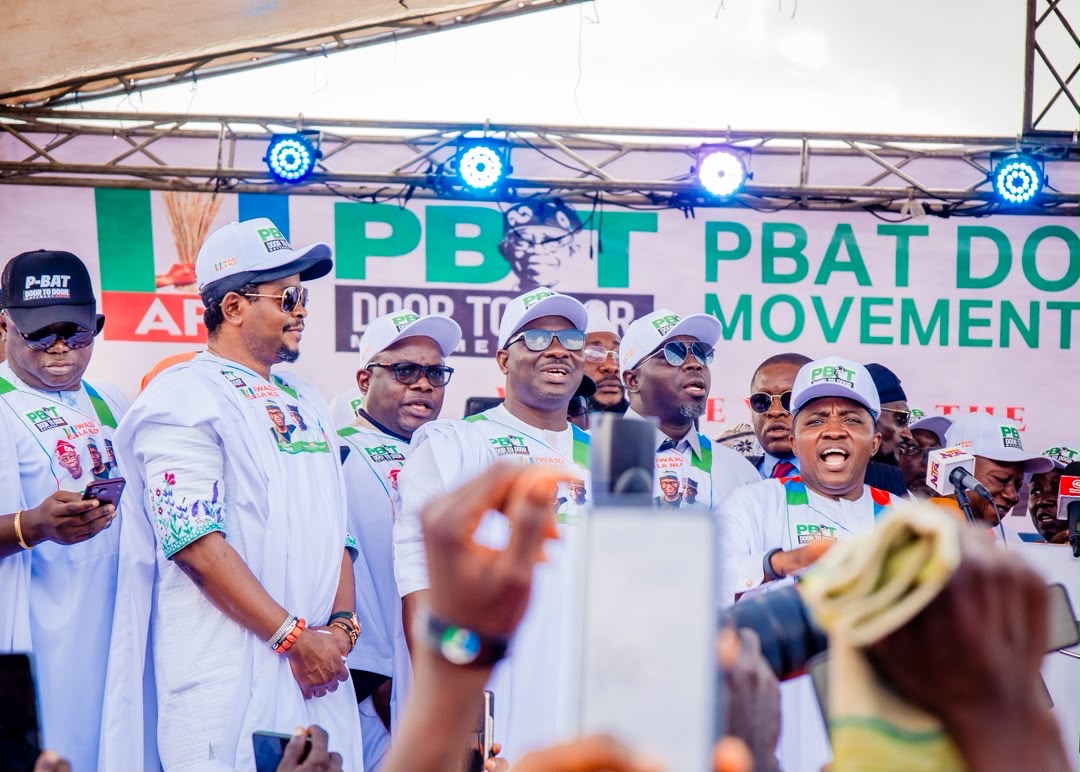
The event featured cultural performances, paper presentations, a documentary highlighting Tinubu’s achievements, the inauguration of the PBAT Door-to-Door Movement National Executive, and the unveiling of buses for officials across the 36 states and the Federal Capital Territory to support the movement’s activities.

punch.ng

FOLLOW US ON:

FACEBOOK

TWITTER

PINTEREST

TIKTOK

YOUTUBE

LINKEDIN

Continue Reading
Click to comment

Leave a Reply

Your email address will not be published. Required fields are marked *

Politics

Nigeria @66: No ambition worth setting Nigeria ablaze, Bamidele warns politicians

Published

on

The Senate Leader, Senator Opeyemi Bamidele, has warned politicians against inflammatory rhetoric and other actions that could threaten Nigeria’s peace ahead of the 2027 general elections.

Bamidele, who is also the Chairman of the South-West Caucus in the National Assembly, urged political parties and their candidates to conduct their campaigns peacefully and in accordance with the Electoral Act, 2026 and the 1999 Constitution, as amended.

The Ekiti lawmaker spoke in a statement issued in Abuja on Thursday to commemorate Nigeria’s 66th Independence Anniversary.

He acknowledged the right of political actors to exercise their political rights, but said such rights must be exercised within the confines of the law.

Bamidele warned that political freedom did not extend to hate speech, inflammatory comments or actions capable of triggering political unrest and ethno-religious violence before, during and after the elections.

He said, “The exercise of political rights at this defining moment should be guided by the rules of the electoral contest and not by the rules of the jungle. While every aspiration is legitimate in a democracy, it should be pursued with decorum, patriotism and utmost restraint.

“No ambition is worth setting the nation ablaze. As we mark our 66th anniversary of political freedom and prepare for the 2027 elections, political parties and their candidates must conduct their activities within the ambit of the law.

“Nigeria is our collective heritage. She is greater than the political ambition of any party or candidate. Our activities must be conducted to preserve our collective heritage and not destroy what we have sustainably built.

“As political parties and their candidates campaign across the states of the federation and unveil their agenda for the future of our fatherland, such an agenda must align with the wishes and aspirations of our founding fathers.”

See also  Makinde reveals reason for his fall out with Wike in PDP

The Senate Leader’s warning comes as political parties and their candidates intensify preparations for the 2027 elections, with campaigns expected to dominate the political space in the months ahead.

The electioneering period has also been accompanied by reports of intimidation and the activities of political thugs in some parts of the country, raising concerns over the conduct of the elections.

Bamidele therefore urged political actors to prioritise national unity and democratic stability over personal and partisan ambitions.

He said Nigeria’s 66 years of independence should remind political leaders of the need to protect the country’s unity and democratic institutions as they seek electoral mandates.

Source: punchng.com

FOLLOW US ON:
FACEBOOK

TWITTER

PINTEREST

TIKTOK

YOUTUBE

LINKEDIN

INSTAGRAM

Continue Reading

Politics

Wike reveals he’ll resign if Tinubu loses FCT, Rivers in 2027, read details

Published

on

The Minister of the Federal Capital Territory, Mr Nyesom Wike, has declared that he will step down from his cabinet position if President Bola Tinubu fails to secure victory in both the FCT and Rivers State in the 2027 presidential election.

Speaking during an engagement with leadership and members of the Apo Mechanics and Traders Association in Abuja, Wike stated that his continued tenure as a cabinet minister is directly tied to his ability to deliver political results for the President in his primary areas of influence.

In a statement issued on Wednesday by the Senior Special Assistant on Public Communication and Social Media to the minister, Lere Olayinka, Wike said that should the ruling party lose in the FCT and Rivers State at the presidential poll scheduled for January 16, 2027, he will formally tender his resignation the very next day.

“If I cannot deliver where I work, then I’m not worthy to be here,” Wike said, emphasising that his political mandate required concrete electoral success.

“If I lose FCT, I’m not supposed to be FCT Minister.

By January 17, 2027, I will announce my resignation as FCT Minister should the President lose in Rivers State and the FCT,” he added.

Outlining his political strategy for the territory, Wike revealed that the administration was building a multi-party coalition to secure victory across various elective offices in the FCT.

He explicitly endorsed candidates across legislative tiers while reiterating total support for the President’s re-election bid.

“Let us be clear on direction: for the Presidency, it is Bola Ahmed Tinubu! For the Senate, Philip Aduda is a man of the people, unlike those who only appear on television. The two House of Representatives candidates we are supporting are also here. They are former Area Council chairmen.

See also  Makinde reveals reason for his fall out with Wike in PDP

“In the FCT, we are running a unified coalition across parties to deliver results.

“If I cannot deliver FCT as minister, then I am not qualified to hold this office. We have a firm agreement, and today is the final affirmation,” Wike said.

Source: punchng.com

FOLLOW US ON:

FACEBOOK

TWITTER

PINTEREST

TIKTOK

YOUTUBE

LINKEDIN

INSTAGRAM

Continue Reading

Politics

Gombe 2027: Pantami, Mailantarki, Garry enter fresh PDP ticket battle

Published

on

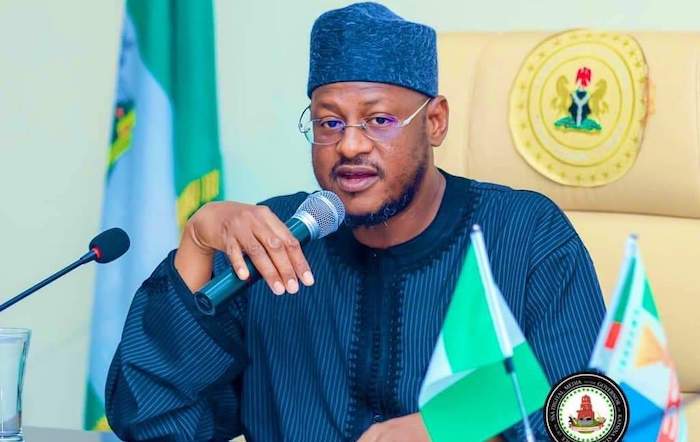
CHIMA AZUBUIKE examines the political dynamics surrounding the fresh Gombe State governorship primary holding Tuesday (today), which pits former minister Isa Pantami against Khamisu Mailantarki and Usman Garry

Today, former Minister of Communications and Digital Economy, Prof. Isa Pantami; businessman and politician Khamisu Mailantarki; and Usman Garry will again hit the field to battle for the Peoples Democratic Party governorship ticket in Gombe State for the 2027 election. The fresh governorship primary election complies with an order by the Federal High Court sitting in Gombe. The court, in a judgment on September 24, nullified the May 26 primary that produced Pantami, directing the PDP to conduct another exercise within 30 days, in compliance with its Constitution, guidelines and relevant electoral laws.

The judgment delivered by Justice Amina Mohammed followed a suit filed by Usman Garry, a PDP governorship aspirant, who challenged the process through which Pantami emerged as the party’s candidate. Garry objected to the affirmation of Pantami as the standard-bearer of the Abdulrahman Mohammed-led faction and eventually filed a suit against the former minister. Garry had asked the court to set aside Pantami’s emergence because the PDP did not conduct a valid governorship primary in accordance with its rules and applicable electoral laws.

The Federal High Court nullified the process that produced Pantami and ordered the PDP to conduct a fresh primary. The court found problems with the process that produced Pantami and directed the party to repeat the exercise in accordance with its guidelines and applicable electoral laws.

Before joining the PDP, the former minister had sought the governorship ticket of the All Progressives Congress. When the APC settled on Jamilu Gwamna as its consensus candidate, Pantami withdrew from the contest and subsequently moved to the PDP. His arrival immediately altered the calculations within the opposition party.

Pantami’s impending movement to the PDP circulated while Mailantarki, Saleh Abdulkadir, Garry and Monica Kaltho were preparing for the party’s governorship contest.

Pantami will again slug it out with other aspirants, Mailantarki and Garry, who reject the former minister’s entry into the governorship ticket race.

Between Pantami, Mailantarki, and Garry

Pantami enters Tuesday’s contest as a politician whose national profile gives the primary a significance beyond the ordinary competition for a party ticket. A former Director-General of the National Information Technology Development Agency and former minister, Pantami boasts supporters who argue that his experience, networks and resources make him capable of mounting a serious challenge against the APC candidate, Gwamna.

Mohammed Kudu, a PDP chieftain, dismissed the capacity of some of the other aspirants to confront the governing party, describing Mailantarki, Saleh Abdulkadir and Garry as weak to confront the APC candidate.

Kudu said, “Who among Khamisu Mailantarki, Saleh Abdulkadir, Garry Usman has what it takes to challenge the APC? We recognise that Jamilu Gwamna is grassroots; hence, the only person that can face him, man to man, is Malam (Ali Pantami). He has made money as former Minister of Communications and Digital Economy, and as former Director-General of NITDA and as a visiting lecturer. Maybe Saleh Abdulkadir, who seems genuine, but you know he is not as wealthy as he used to be.”

He added, “He (Ali Pantami) has the capacity to defeat Gwamna of APC in a fair contest because he has international connections and he has built enough capital in both human and other resources that translate into wealth. All that will count in the build-up to the election.”

Kudu’s comments reflect one side of the political argument surrounding the PDP contest: that the party needs a candidate with sufficient political, financial and organisational resources to confront the APC.

See also  Panic in ADC as EFCC goes after key members

But that argument is contested by opponents of Pantami’s emergence.

For them, the issue is not simply whether Pantami possesses the resources or profile to contest the 2027 election. They question the circumstances surrounding his entry into the PDP and his rapid movement from APC aspirant to PDP governorship candidate.

Dr Maryam Abubakar, a policy analyst, described what she called the “unprecedented desperation” surrounding Pantami’s political journey.

She said, “How can you once say politics is dirty, only for late President Muhammadu Buhari to appoint you from NITDA to cabinet minister, and you suddenly forget your sermons where you lashed politics and politicians.”

Abubakar also questioned Pantami’s relationship with the APC before his defection.

She said the former minister, despite developing an interest in politics, failed to support the governing party sufficiently.

“Even when his interest began to manifest, he refused to empower the party members or support the party to achieve its mandate in the state. Instead, we started hearing rumours that Malam (Ali Pantami) was funding African Democratic Congress in Gombe but refused to identify with them publicly because of court cases ADC faced and alleged possible witch-hunt by the anti-graft body,” she added.

“How can you contest this week in APC and next week become a PDP candidate? It’s the height of desperation. As a technocrat and Islamic scholar, we expected a new order in the way of doing things, not doing things like regular politicians who lack ideals and purpose. What was baffling was allowing yourself to be a product of a corrupt process.”

So, the PDP held the May 26 primary amid misgivings. The decision to challenge the primary was therefore not unexpected.

Gombe’s political landscape is shaped by local structures and established political networks, while national visibility and access to influential political actors can also affect a candidate’s campaign.

The PDP’s choice will therefore be watched beyond the immediate party contest.

The Gombe PDP primary has consequently evolved from an ordinary intra-party contest into a test of how political ambition, party organisation and electoral law intersect.

Today’s exercise is, therefore, a bid to correct issues of the past. The PDP is now conducting a new nomination process, creating a fresh opportunity for all three cleared aspirants.

Although Saleh Abdulkadir was prominent in the initial contest and was mentioned among those who challenged Pantami’s emergence, the PDP’s current list of cleared aspirants for Tuesday’s primary comprises Pantami, Mailantarki and Garry.

That means the field has narrowed considerably from the wider contest that preceded the May primary.

Abdulkadir’s absence from the fresh contest further concentrates the battle among three political camps.

For the PDP, this may make the primary easier to organise, but it does not necessarily make the political dispute less complicated.

The principal disagreement remains over the process that brought Pantami into the party’s nomination race and the question of whether the fresh exercise can finally settle the matter.

For Pantami, it provides the opportunity to seek a new mandate from the party after his first nomination was nullified.

For Mailantarki and Garry, it offers the opportunity to challenge Pantami through a fresh process in which they have been cleared to participate.

And for the PDP, it presents another opportunity to conduct a process that can withstand judicial scrutiny.

Circumventing legalities

The legal questions surrounding Tuesday’s contest became complicated on September 24 when the Supreme Court restored provisions of the Electoral Act 2026 dealing with party membership registers and the nomination of candidates. The apex court upheld the validity of Sections 77(5), 77(6), 77(7) and 84(2), reversing the earlier Court of Appeal position that had voided the provisions.

See also  INEC unveils gov, Assembly candidates Saturday ahead of 2027 polls

Section 77(5) requires that persons eligible to vote at party primaries must have their names contained in the membership register submitted to the Independent National Electoral Commission within the prescribed period.

The controversy followed the timing of Pantami’s movement from the APC to the PDP.

According to the account supplied by Gombe public affairs commentator, Chika Udenkwo, Pantami left the APC on May 19, while the APC primary was held on May 21 and the PDP primary took place on May 26.

Udenkwo therefore argues that the key question is not simply whether Pantami defected from the APC before the PDP primary.

The more precise question, he says, is whether Pantami’s name appeared in the PDP membership register submitted to INEC within the statutory period applicable to the May 26 primary.

He said, “Pantami left the APC on May 19. The APC primary followed on May 21. And on May 26, Pantami emerged from the PDP primary.”

He added, “The question now is not simply whether he had left the APC before joining the PDP. The more precise question is this: Was Pantami’s name contained in the PDP membership register submitted to INEC within the statutory period applicable to the May 26 primary?”

According to Udenkwo, if May 26 is used as the reference date, the 21-day period would take the relevant deadline back to May 5.

“That makes the documentary evidence critical. Was Pantami already a PDP member by that date? Was his name on the register submitted to INEC? When exactly was that register submitted? And was the same register actually used for the May 26 primary?” he asked.

Those questions, however, must be distinguished from the legal effect of the September 24 Supreme Court judgment itself.

The Supreme Court’s ruling restored the provisions; it did not, by itself, pronounce on Pantami’s individual eligibility for Tuesday’s Gombe primary.

As today’s fresh primary holds, one of the questions includes whether the party has complied with the applicable requirements for the new primary, including membership records, notice, screening, participation and its own guidelines.

The membership-register question could nevertheless become significant if a litigant argues that an aspirant or delegate was not properly qualified under the restored provisions.

On the contention, Udenkwo argued, “A victory on Tuesday would give Pantami a fresh nomination, not a reliance on the May 26 exercise that has already been nullified.

“But that victory would still have to survive any subsequent legal challenge—one based on compliance with the Electoral Act, the PDP Constitution, the court’s order, and the applicable membership register.”

He added, “In other words: winning the primary and establishing the legal validity of the nomination are related—but distinct—questions. That reasoning also applies to Mailantarki and Garry.

“If either defeats Pantami, the resulting nomination would equally be subject to the statutory and party requirements governing the fresh primary.”

For Mailantarki and Garry, Tuesday’s contest is an opportunity to reset a process that both have spent months challenging.

Their opposition to Pantami’s emergence was not limited to political statements. Their objections eventually formed part of the litigation that produced the Federal High Court’s order for a fresh primary.

The two now have to shift from challenging the previous process to competing within the new one. That presents a different political calculation.

Instead of asking the court to remove Pantami from a ticket already produced by the party, they must now persuade delegates or eligible party members to choose either of them over the former minister.

See also  APC chairmen reject Wike’s coalition, demand defection, read details

The question therefore becomes whether the legal challenge has translated into political momentum.

Mailantarki’s position has also been affected by the withdrawal of Kaltho, who had initially been part of the challenge before later aligning with Pantami.

Kaltho’s movement altered the political arithmetic around the opposition to Pantami, leaving Mailantarki, Garry and Abdulkadir among the figures challenging the earlier emergence.

Whether that change will have an effect on Tuesday’s voting remains a political question to be answered by the primary.

A primary under scrutiny

The September 29 exercise is also taking place under a level of scrutiny that the May primary did not successfully withstand.

The Supreme Court, in its judgment, restored statutory provisions concerning party membership registers and nomination procedures.

Political observers are consequently watching not only the outcome but the process.

Tuesday’s primary presents a credibility test for the PDP.

The party has already experienced the consequences of an internal nomination process that ended in litigation.

The Federal High Court’s order provides the party with an opportunity to correct the procedural issues that led to the nullification of the earlier exercise.

Udenkwo said, “The question becomes whether the PDP has complied with the requirements applicable to this fresh primary: the membership register, notice, screening, delegate participation, and the party’s own constitution and guidelines.”

He added, “And here, the Supreme Court’s ruling makes the membership register particularly significant. The law does not merely require a party to maintain a register. It requires that register to be submitted to INEC within the prescribed period—and it restricts participation in the primary to persons whose names appear in it.”

Today, the PDP will have to be able to demonstrate compliance with the court order and the applicable electoral framework.

The scrutiny will extend to the eligibility of delegates, the party’s register and the conduct of the exercise.

Udenkwo said, “The Supreme Court has now made the statutory validity of Sections 77 and 84 clear. What it has not done is determine the factual circumstances of every candidate or every primary conducted before its judgment.”

“That leaves room for litigation—where an aspirant believes a party failed to comply with the membership-register requirements or other statutory conditions,” he added.

For now, however, the PDP’s immediate responsibility is to conduct the fresh exercise ordered by the Federal High Court.

For Pantami, Tuesday offers a second opportunity to secure the party’s ticket through a fresh primary. For Mailantarki and Garry, it offers a second opportunity to challenge him directly rather than through the previous process. For the PDP, it offers the chance to close a chapter that has already generated substantial internal disagreement and legal action.

But whether Tuesday finally closes that chapter will depend not only on who wins, but on how the party conducts the exercise.

The 2027 question

Tuesday’s primary cannot be viewed entirely in isolation from the wider 2027 contest.

The APC has already positioned Jamilu Gwamna as its candidate.

The contest is therefore framed along the line of having a candidate that can challenge the APC in the general election.

For Kudu, Pantami’s national profile and network give him the capacity to confront Gwamna.

But the argument also exposes one of the central issues before PDP delegates: whether the choice of candidate should be determined primarily by political experience, organisational structure, personal resources, grassroots networks, national connections or some combination of these factors.

Source: punchng.com

FOLLOW US ON:
FACEBOOK

TWITTER

PINTEREST

TIKTOK

YOUTUBE

LINKEDIN

INSTAGRAM

Continue Reading

Trending