Connect with us

Politics

Appeal Court restores ADC, Atiku, Mark, Adeleke celebrate

Published

on

The judgment by the Court of Appeal sitting in Abuja, which set aside the June 15 judgment of the Federal High Court ordering the Independent National Electoral Commission to deregister the African Democratic Congress (ADC), Action Alliance, Action Peoples Party, Accord and Zenith Labour Party, has sparked jubilation among opposition leaders.

Vice President Atiku Abubakar’s camp, the ADC national chairman, David Mark, Osun State Governor, Ademola Adeleke, Action Alliance presidential candidate, Adekunle Omoaje and other stakeholders hailed the appellate court’s verdict, describing it as a major victory for constitutional democracy, the rule of law and Nigeria’s multiparty political system.

The Court of Appeal ruled that the trial court lacked jurisdiction to entertain the suit seeking the deregistration of the ADC and others.

Delivering the lead judgment, Justice Abba Mohammed held that the lower court wrongly assumed jurisdiction over a suit instituted by the National Forum of Former Legislators, which the appellate court ruled was not a juristic person with the legal capacity to sue.

The court held that there was no competent suit before the Federal High Court to warrant the consequential order directing INEC to deregister the affected political parties.

It further faulted the trial court for failing to properly evaluate evidence before it, noting that documentary evidence showing the parties had won elective offices in previous elections was ignored.

The appellate court also condemned Justice Lifu for proceeding with the case despite an earlier order directing him to stay proceedings pending the determination of an interlocutory appeal.

It described the action as “a form of judicial impertinence,” adding that the Supreme Court had previously held that a judge who acts in such a manner “is unfit for the bench, as the conduct amounts to judicial rascality.”

The court consequently restored the legal status of all five political parties and awarded costs against the National Forum of Former Legislators, which instituted the suit.

Justice Lifu had, in his June 15 judgment, ordered INEC to deregister the five political parties after holding that they failed to satisfy the constitutional requirements for continued registration.

He also restrained the electoral commission from recognising the parties or accepting candidates sponsored by them for future elections.

The National Forum of Former Legislators argued that the parties failed to meet the electoral performance thresholds prescribed under Section 225A of the 1999 Constitution (as amended).

The Attorney General of the Federation and Minister of Justice, Lateef Fagbemi (SAN), who was joined as a defendant, supported the plaintiffs’ position.

Dissatisfied with the judgment, the affected political parties and INEC separately approached the Court of Appeal, which on Tuesday allowed their appeals and nullified the judgment in its entirety.

Reacting to the judgment, the ADC said the findings of the Court of Appeal raised fundamental questions about judicial accountability and the integrity of the justice system.

See also  Abia LP chieftains set up strategic committees, reaffirm support for Otti

In a statement signed by its National Publicity Secretary, Mallam Bolaji Abdullahi, the party said the appellate court found that Justice Lifu “concocted evidence” in reaching his conclusions and proceeded with the case despite a subsisting stay of proceedings.

“We consider this finding by the Court of Appeal extraordinary. It goes to the very heart of the integrity of the judiciary and the judicial process,” the party stated.

The ADC questioned whether a judge so strongly criticised by a superior court should remain on the Bench.

“We, therefore, wonder whether such a roundly discredited judge should be allowed to sit on the Bench even for a day longer,” it added.

The party welcomed the appellate court’s finding that the plaintiffs lacked the legal standing to institute the suit and said the judgment reaffirmed the rule of law and constitutional democracy.

According to the ADC, the appellate court also accepted INEC’s evidence that the party met the constitutional requirements for continued registration and rejected the trial court’s conclusion that elected ADC officials had defected to another political party without any supporting evidence.

“The Court of Appeal concluded that the African Democratic Congress satisfies the constitutional threshold for recognition as a political party and remains fully entitled to continue its political activities under the Constitution and the Electoral Act,” the statement read.

“Atiku, Mark hail

The Atiku Media Office described the appellate court’s judgment as a landmark victory that had removed every legal obstacle to the ADC’s participation in the 2027 general elections.

The office said that, taken together with an earlier Federal High Court judgment affirming the Senator Mark-led National Executive Committee of the party, all legal disputes surrounding the ADC’s status and leadership had now been resolved.

“With this Court of Appeal judgment validating the legal status of ADC plus the judgment of Hon Justice Liman of the Federal High Court, Abuja Division, affirming the election of Senator David Mark-led executive of the ADC, the leading opposition party has finally navigated its way to the ballot for the 2027 general elections as there’s no suit pending that challenges its leadership again,” the statement read.

It commended the Court of Appeal for what it described as courage and fidelity to the Constitution.

“We warmly welcome the landmark judgment of the Court of Appeal, which set aside the erroneous judgment of the Federal High Court that sought to remove the African Democratic Congress and other political parties from Nigeria’s democratic space.

“We congratulate the learned Justices of the Court of Appeal for their courage, fidelity to the Constitution and unwavering commitment to justice.

“Their judgment is a reassuring affirmation that the judiciary remains the last hope of the common man and the ultimate guardian of constitutional democracy,” the statement further read.

See also  Prepare To Return To Lagos In 2027 – Dalung Sends Warning To Tinubu

The Atiku Media Office also warned against using the courts and state institutions to undermine political competition ahead of the 2027 elections.

“As the nation moves steadily towards the 2027 general election, political contests must be settled by the votes of Nigerians, not by contrived lawsuits designed to achieve through the courtroom what cannot be won at the ballot box,” it added.

Similarly, Mark welcomed the judgment, describing it as a victory for democracy, constitutionalism and the rule of law.

According to him, the decision restored public confidence in the judiciary and reaffirmed the courts’ role as guardians of democratic values.

In a statement issued by his Special Adviser, Media and Publicity, Kola Ologbondiyan, the former Senate President said, “The verdict is a reassuring reminder that our judiciary can still rise above pressure and protect democracy, political pluralism and the constitutional rights of citizens and political parties.”

He urged ADC members and supporters to channel the momentum from the legal victory into grassroots mobilisation ahead of the 2027 elections.

“Our attention now returns fully to building a stronger, more united and people-oriented political platform that will offer Nigerians a credible alternative in 2027.

“We must remain steadfast, disciplined and committed to the task ahead,” he added.

Adeleke celebrates victory

Adeleke, who is the Accord candidate for the Osun State governorship election scheduled for August 15, urged members and supporters of the party to intensify grassroots mobilisation ahead of the election after the Court of Appeal affirmed the party’s legal standing.

Adeleke, in a statement shared on his X account on Tuesday, described the ruling as a victory for democracy and the rule of law, urging supporters to remain focused on the August 15 governorship election.

He said the judgment had reaffirmed that Accord remained “strong, lawful and fully prepared” for the poll.

“Again, Accord is victorious — democracy and the rule of law have prevailed.

“I congratulate every member and supporter of our great Accord family as the Court of Appeal has affirmed what we have always known: our party remains strong, lawful and fully prepared for the August 15 governorship election,” Adeleke wrote.

The Accord candidate thanked supporters for their resilience despite what he described as attempts to create confusion and fear around the party.

“I thank you for your steadfastness despite every attempt to create confusion and fear. Now, let us put this distraction behind us and return our full focus to the people,” he added.

AA welcomes judgment

On his part, the 2027 presidential candidate of the AA,  Adekunle Omoaje, welcomed the judgment, describing it as a triumph for constitutional democracy and the rights of political parties.

“This judgment is a victory for democracy, constitutionalism and the rights of political parties to exist and participate in Nigeria’s democratic process,” Omoaje said.

He added that the ruling preserved the voices of millions of Nigerians who identify with smaller political parties and strengthened the country’s multiparty democratic system.

See also  Coalition demands Atiku and Obi’s full membership on 2027 Presidency

“As the presidential candidate of the Action Alliance, I welcome this landmark judgment, which ensures that our party remains on the register of the Independent National Electoral Commission and can continue mobilising Nigerians, particularly at the grassroots, ahead of future elections,” he said.

In his contribution, the counsel for the Action Peoples Party, Peter Abang, described the verdict as a victory for democracy and a reaffirmation of respect for the hierarchy of courts.

“This is a victory for democracy in Nigeria. In the administration of justice, the hierarchy of courts in Nigeria must be respected because they establish an unbroken chain of command,” he said.

IPAC hails ruling

The Inter-Party Advisory Council on Tuesday described the verdict as a courageous reaffirmation of constitutional democracy and the rule of law.

The umbrella body of all registered political parties in Nigeria also renewed its call on the National Judicial Council to investigate judicial officers whose judgments are inconsistent with the provisions of the Constitution, saying such decisions have the potential to trigger constitutional crises and undermine public confidence in the judiciary.

In a statement issued on Tuesday, IPAC National Publicity Secretary, Egbeola Martins, said the appellate court’s verdict restored confidence in the judiciary and reinforced constitutional guarantees of political participation and freedom of association.

He said, “The appellate court’s decision is a courageous reaffirmation of constitutional democracy, the rule of law, and the sanctity of Nigeria’s multi-party democratic system.

“It restores confidence in the judiciary as the last hope of the common man and demonstrates that the constitutional guarantees of political participation and freedom of association remain protected under our democratic order.”

According to the council, the judgment had reassured Nigerians that democratic institutions remained capable of protecting constitutional rights despite occasional judicial missteps.

“This judgment reinforces the confidence of patriotic stakeholders in the Nigerian project and assures citizens that all hope is not lost in our collective quest to build a just, democratic, and inclusive nation governed by the rule of law,” it added.

IPAC said it had consistently maintained that democracy could only thrive where constitutional provisions were respected, and judicial decisions strictly reflected the law.

“As the umbrella body of all registered political parties in Nigeria, IPAC has consistently maintained that democracy can only flourish where constitutional provisions are respected and judicial pronouncements are anchored strictly on the law rather than on extraneous considerations.

“The Court of Appeal has once again demonstrated the indispensable role of the appellate courts in safeguarding constitutionalism and correcting judicial errors capable of undermining democratic institutions,” he stated.

punch.ng

FOLLOW US ON:

FACEBOOK

TWITTER

PINTEREST

TIKTOK

YOUTUBE

LINKEDIN

Continue Reading
Click to comment

Leave a Reply

Your email address will not be published. Required fields are marked *

Politics

My father’s political career inspired my senatorial ambition – Olunloyo

Published

on

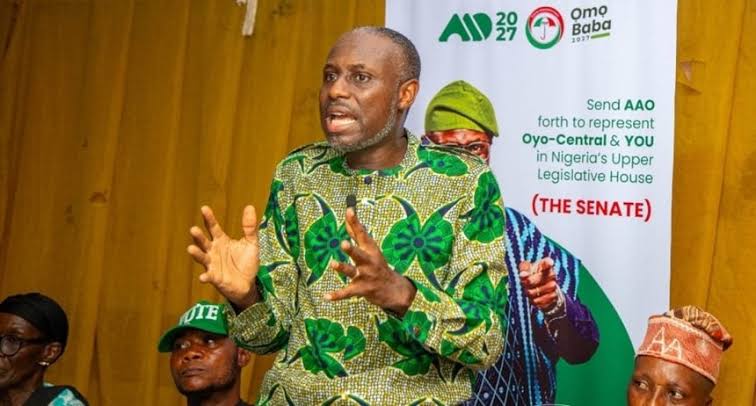
The Peoples Democratic Party’s senatorial candidate for Oyo Central, Ayobami Olunloyo, has said his late father’s political career inspired his ambition to serve the people and address the challenges facing his constituency.

Olunloyo, whose late father, Dr Omololu Olunloyo, was a former governor of Oyo State, said his early exposure to politics helped him understand its potential to improve people’s lives, hence his senatorial ambition.

Olunloyo’s father, who died on April 6, 2025, aged 89, was a renowned mathematician, engineer, politician and administrator who held several public offices.

The PDP candidate said he had been involved in politics for years, describing his participation as largely behind the scenes, while his current ambition offered him an opportunity to put his preparation for public office into practice.

Speaking with journalists in Ibadan, the Oyo State capital, Olunloyo said that, although he had been involved in politics behind the scenes, he had also prepared for public office by attending the School of Politics, Policy and Governance.

This combination, he said, had given him the necessary experience, exposure and expertise to vie for public office.

He said, “Politics has never been something that has been far from me. I’ve always been close to politics. And my father’s opportunity in politics was really one of my inspirations because, at a very, very early part of my life, I recognised that politics has the means to change lives.

“But beyond my family name, I also realised that I must take responsibility and attend to the several needs of the people of my constituency.”

See also  Supreme Court Reserves Judgment In PDP, ADC Leadership Crises

Speaking on the challenges he intended to address, Olunloyo identified security, healthcare and education as fundamental needs of Oyo Central Senatorial District.

He said his policy framework was built around six pillars: work, education, food, healthcare, security and heritage, which, he said, should translate into tangible benefits rather than legislation without a direct impact on citizens.

On healthcare, he claimed that statistics showed that somebody died every 30 minutes in Oyo Central, attributing the deaths to factors including healthcare challenges and accidents. He did not identify the source of the figure.

He said the claim underscored the need to improve healthcare provision in the district, particularly primary healthcare services, so residents would not have to travel long distances to access care.

“Every 30 minutes, someone passes away in Oyo Central as a result of serial social issues of lack of basic social amenities. Before you refer somebody to University College Hospital, there must be a healthcare centre close enough to them,” Olunloyo said.

On education, Olunloyo said improving access should not be limited to building new schools but should include expanding existing facilities and increasing the number of children they could accommodate.

“Education is the antidote to poverty, so it must be accessible,” Olunloyo said.

He also identified security as a priority, arguing that effective responses to insecurity required stronger intelligence gathering, capable law enforcement and a police force sufficiently close to communities facing threats.

On flooding and drainage, the candidate said interventions should reflect the different needs of the district’s 11 local government areas.

He identified Akinyele and Oluyole as areas where, he said, flood and flash-flood warnings had been issued.

See also  APC Reps fight back after ticket losses during Primaries

“We will address issues in order of priorities. The 11 LGAs would be my focus. Each of the 11 local government areas has peculiar issues,” Olunloyo said.

He, however, acknowledged that a senator could not directly perform the functions of the executive arm, saying the role would include understanding the underlying problems, pursuing appropriate policies and working with relevant authorities.

Olunloyo said he would seek to make his representation accessible and accountable if elected, promising regular opportunities for constituents across the 11 local government areas to engage with him.

He said that within six months of being elected, the public would be able to assess a register of projects completed and those proposed.

On how he intended to defeat the incumbent senator, who is seeking re-election on the platform of the All Progressives Congress, he said his focus was on campaigning to constituents, whose votes would determine the outcome.

“The incumbent is not our focus. The people are our focus,” he said, adding that voters would decide whether they wanted to retain the existing style of representation or opt for a different approach.

He added, “The people should test us for accountability. We are promising radical transparency. We have values to serve the people, not ourselves.

“There is nothing bad in disclosing to constituents how much is allocated for constituency projects. People should see how their money is being spent,” he said.

While acknowledging his responsibility to deliver constituency projects, he said he would prioritise transparency in their implementation.

He argued that constituency projects should address practical needs, including healthcare, education, water and other basic amenities, while legislation should create longer-term opportunities for development.

See also  Prepare To Return To Lagos In 2027 – Dalung Sends Warning To Tinubu

On why he chose the PDP despite the party’s challenges, Olunloyo described it as a party with a record of governance and said he believed it had more to offer the country.

“The PDP is one of the only parties right now that is turmoil-free. The PDP is stable. The PDP is one of the greatest parties that Nigeria has experienced, and it is committed to returning to government to serve Nigerians,” Olunloyo said.

He said his choice of the PDP was based on his belief in the party and its capacity to serve the people, adding that his immediate focus was securing the opportunity to represent Oyo Central.

However, the claim comes amid recurring leadership disputes within the party.

In 2026, rival camps aligned with Nyesom Wike and Tanimu Turaki (SAN) contested control of the party, with court proceedings and disputes over recognition by the Independent National Electoral Commission forming part of the crisis.

INEC recognised the Wike-aligned leadership in March, while the Turaki camp continued to challenge the situation.

Source: punchng.com

FOLLOW US ON:
FACEBOOK

WHATSAPP CHANNEL

TWITTER

PINTEREST

TIKTOK

YOUTUBE

LINKEDIN

INSTAGRAM

Continue Reading

Politics

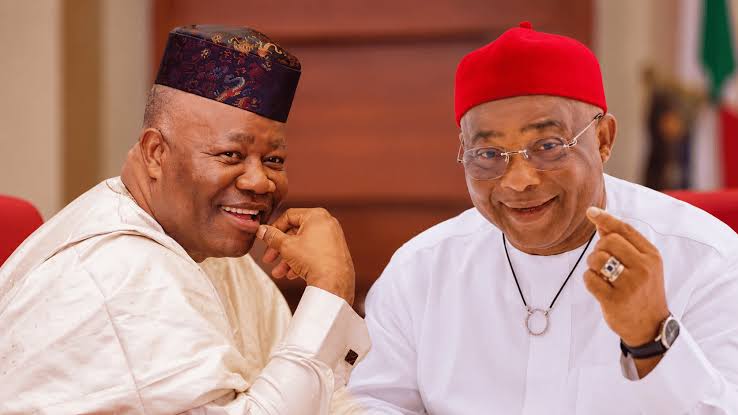
Who gets the gavel of the 11th Senate – Akpabio or Uzodimma?

Published

on

The battle for the presidency of the 11th Senate is gathering momentum ahead of the 2027 general elections, with incumbent Senate President Godswill Akpabio seeking another term, Imo State Governor Hope Uzodimma positioning himself for a return to the National Assembly, and the ruling All Progressives Congress facing competing interests over who should lead its legislative caucus, writes LAOLU AFOLABI

The race for the 11th Senate presidency is already generating political tensions, with incumbent Senate President Godswill Akpabio declaring “no vacancy,” Federal Capital Territory Minister Nyesom Wike opposing Imo State Governor Hope Uzodimma’s reported ambition, and Senator Adams Oshiomhole challenging a controversial amendment to the Senate Standing Orders that raised questions about eligibility for the coveted seat.

Former Zamfara State Governor Abdulaziz Yari, who challenged Akpabio for the Senate presidency in 2023, is also a significant figure in the unfolding political calculations. His appointment as Director-General of the APC Presidential Campaign Council for President Bola Tinubu’s 2027 re-election bid places him in a prominent position within the ruling party’s structure.

Although Akpabio has received public expressions of support from some serving senators, the contest for the next Senate presidency will ultimately depend on the composition of the 11th National Assembly and the votes of senators-elect when the chamber is inaugurated in June 2027.

Changing Senate leadership

Since the return to democratic rule in 1999, Nigeria’s Senate has had nine presidents: Evan Enwerem, Chuba Okadigbo, Anyim Pius Anyim, Adolphus Wabara, Ken Nnamani, David Mark, Bukola Saraki, Ahmad Lawan and Akpabio.

The frequent changes in the chamber’s leadership during the early years of the Fourth Republic reflected the political pressures and internal disagreements that have often accompanied the emergence of its presiding officers.

Enwerem, who became the first Senate President of the Fourth Republic in June 1999, was replaced by Okadigbo in November of the same year. Okadigbo was himself removed in August 2000, paving the way for Anyim, who served until 2003. Wabara succeeded Anyim but resigned in 2005, after which Nnamani led the chamber until 2007.

Mark’s emergence in June 2007 marked a period of relative continuity. He served through the sixth and seventh National Assemblies, from 2007 to 2015, becoming the first Senate President in the current democratic era to retain the position across two consecutive assemblies. His eight-year tenure remains the longest by any Nigerian Senate President.

Since Mark’s departure, the office has changed hands at four-year intervals. Saraki presided over the eighth Senate from 2015 to 2019, Lawan led the ninth from 2019 to 2023, and Akpabio emerged as Senate President when the 10th National Assembly was inaugurated in June 2023.

Akpabio’s ambition to return in 2027 would therefore put him in pursuit of a second consecutive term, a feat last achieved by Mark. If successful, he would become the second Senate President of the Fourth Republic to lead two successive assemblies.

2023 contest

Ahead of the inauguration of the 10th National Assembly, the APC endorsed Akpabio as its preferred candidate for the Senate presidency, being a Christian, since Tinubu and Vice President Kashim Shettima are both Muslims. Yari, a former governor of Zamfara State and senator representing Zamfara West, a Muslim, nevertheless pursued his ambition, attracting support from lawmakers who questioned aspects of the party’s leadership arrangement and its distribution of political offices.

Some analysts believe that Akpabio’s decision to become the first presidential aspirant to openly step down for Bola Tinubu during the APC presidential primaries in 2022 paved the way for his emergence as Senate President. His move reportedly opened the door for other contestants, including Kayode Fayemi and Ibikunle Amosun, to endorse Tinubu.

The contest for the Senate presidency culminated in a secret ballot on June 13, 2023, when Akpabio secured 63 votes against Yari’s 46 to emerge as Senate President.

“No vacancy” message

Akpabio has made it clear that he wants to retain the Senate presidency. At the inauguration of the APC Presidential Campaign Council in Abuja on October 14, he appealed to Tinubu to support his return and urged the President to discourage governors from seeking other political offices before completing their current responsibilities.

Although he did not name Uzodimma, the remarks came against the backdrop of reports that the Imo governor was positioning himself to succeed him.

Some serving senators have since declared their support for Akpabio’s return. During plenary on Thursday, October 15, Senate Chief Whip Tahir Monguno and Cyril Fasuyi expressed confidence that the incumbent and other principal officers would return to their positions after the elections, with Monguno declaring that there was “no vacancy” in the Senate presidency.

See also  Oyebamiji meets Sanwo-Olu, Aiyedatiwa, Akande, South-West APC leaders ahead of Osun poll; read details

Wike vs Uzodimma

Uzodimma’s entry into the Imo West senatorial race has brought his reported Senate presidency ambition into sharper focus. The governor, who chairs the Progressive Governors’ Forum, secured the APC ticket for the district ahead of the 2027 elections.

His political standing gives him access to governors and influential party figures. His second term as governor is due to end in January 2028, while the 11th National Assembly is expected to begin in June 2027. He could contest the senatorial election while still in office, but if elected and intending to take his Senate seat at the inauguration of the new assembly, he would have to address the constitutional restriction against a governor simultaneously holding another public office. His decision would therefore involve leaving the governorship before the end of his term.

The political dispute has been sharpened by Wike’s opposition. In September, the FCT minister declared that he would not support Uzodimma’s reported bid for the Senate presidency. He accused some governors of seeking to influence the emergence of the next National Assembly leadership by determining which candidates enter the legislature.

For Uzodimma, the immediate requirement is to win the senatorial election and establish the support needed to pursue a leadership position. For Akpabio, it is to defend his incumbency in a contest that could involve lawmakers and political interests beyond the current Senate leadership.

Oshiomhole’s rules controversy

The controversy over the Senate Standing Orders in May 2026 introduced another dimension to the contest.

The Senate amended its rules to restrict eligibility for presiding and principal offices to lawmakers who had served at least two consecutive terms. The change came as speculation grew that former governors and other political figures were considering a return to the Senate in 2027, with some reportedly interested in the presidency of the chamber.

The amendment attracted opposition from Oshiomhole, the senator representing Edo North, who challenged the procedure and its implications for prospective candidates. His confrontation with Akpabio during plenary brought the disagreement into public view.

Oshiomhole subsequently called on Akpabio to resign, arguing that the process and substance of the amendment raised questions about fairness and the integrity of the Senate’s leadership arrangements.

The Senate later rescinded the amendments following concerns that some provisions could conflict with the 1999 Constitution, particularly its provisions governing the election of presiding officers.

The reversal did not settle the contest for the 11th Senate presidency. It removed the disputed restrictions but left the broader political question unresolved: which candidates will win Senate seats in 2027, and which of them will secure the votes required to lead the chamber?

S’South/S’East permutation

The South-East and South-South regions took a particularly hostile position against the All Progressives Congress in the build-up to the 2015 general elections, largely because of the political tensions surrounding the late President Muhammadu Buhari, Bola Tinubu and other prominent APC figures.

In both regions, the party was heavily demonised as the Peoples Democratic Party, led by then President Goodluck Jonathan, sought to retain power.

Jonathan’s defeat by Buhari in the 2015 presidential election deepened the political divide, particularly in the South-East, where the PDP had enjoyed considerable support. More than a decade later, however, there appears to be a difference in how the two regions have related to the APC. While the South-South seems to have gradually softened its opposition to the ruling party, the South-East remains a difficult political terrain for it, with criticism of the APC and its leaders frequently featuring in the region’s political discourse.

The party’s electoral performance in the South-East illustrates the scale of the challenge. In the 2015 National Assembly elections, the APC failed to win a single seat in the region. Its fortunes improved in 2019, when it secured 12 seats — two in the Senate and 10 in the House of Representatives. In 2023, it won 13 seats, comprising six Senate seats and seven House of Representatives seats.

Its presidential vote also fluctuated significantly, rising from about 200,000 in 2015 to approximately 405,000 in 2019 before falling to around 127,000 in 2023. The figures suggest that the APC has made some gains in legislative representation, though translating those gains into sustained support in presidential elections remains a major challenge.

See also  Prepare To Return To Lagos In 2027 – Dalung Sends Warning To Tinubu

Winning more seats in the National Assembly is a starting point, but consolidating those gains will depend on whether the party can build a broader appeal beyond its existing supporters.

The votes from the regions may likely be a factor in the 2027 election. Wike, at the inauguration of the APC Presidential Campaign Council, challenged the governors to win their states for Tinubu. While the South-South is leaning more towards the ruling party, the South-East seems indifferent. Akpabio is from Akwa Ibom in the South-South, while Uzodimma is from Imo in the South-East.

Akwa Ibom State Governor Umo Eno, while declaring support for Akpabio, argued that the state should support the incumbent rather than encourage another aspirant from the Ikot Ekpene Senatorial District to replace him.

Eno said he would support another candidate from the district only if the person could assure him of becoming Senate President, a prospect he suggested was unlikely.

“This one that we have, let us support him,” the governor said, making a case for Akpabio’s return based on the possibility of continuity in the leadership of the upper chamber.

The governor’s position adds a state-level dimension to the contest. His argument also highlights the political value attached to the office in Akwa Ibom, where Akpabio’s return could preserve the state’s access to one of the country’s most influential legislative positions.

At a regional level, the South-South APC leaders had publicly expressed support for his leadership of the Senate. The question now is whether the leaders will continue in their support ahead of the 11th Senate.

Akpabio also framed his emergence as recognition for the South-South, noting that the region had not produced a Senate President for about 45 years before his emergence in 2023. At the APC South-South zonal congress in Asaba in March 2026, he urged the region to reciprocate the party’s support by delivering substantial votes for President Tinubu in the 2027 election.

Will Uzodimma ride on the support of South-East governors and the people of the region to emerge as Senate President? Will he count on the backing of fellow governors who are moving en masse to the Senate to unseat the incumbent Senate President?

Analysts weigh chances

A professor of Political Science and former Vice-Chancellor of the Federal University, Oye-Ekiti, Kayode Soremekun, believes the race for the presidency of the 11th Senate will depend largely on Tinubu’s preference, the political influence of the leading contenders and their ability to mobilise support among senators-elect.

Soremekun, who described the exercise as largely speculative at this stage, identified Akpabio, Uzodimma and Yari as figures whose political calculations could shape the contest.

He said Akpabio’s established presence in the Senate could give him an advantage over Uzodimma, who would be entering the chamber after serving as governor, should he win the Imo West senatorial seat and pursue the Senate presidency.

“The governor who is seeking to resign from his governorship and move into the Senate is a very interesting scenario. He will be coming in as an outsider, and to that extent, it is like he will be running against the wind,” Soremekun said.

He, however, cautioned against dismissing Uzodimma’s chances, arguing that financial resources and political networks could play significant roles in the contest.

“In Nigeria, what I can say is that money talks. The two of them, Akpabio on one hand and Uzodimma on the other, are heavily loaded,” he said, adding that their capacity to deploy political resources could influence the outcome.

He also identified Oshiomhole as a significant figure in the emerging contest, describing him as a visible presence in the Senate who combines membership of the political establishment with a public image of speaking for ordinary Nigerians.

Soremekun argued that Oshiomhole’s experience as a former governor and his political resources could make him relevant to the calculations surrounding the next Senate leadership.

The political scientist said Tinubu’s attitude towards the contenders would be one of the most important variables, particularly if the President secured re-election in 2027.

He suggested that the relationship between Tinubu and Akpabio could favour the incumbent if the President considered continuity more advantageous than a change in Senate leadership.

“The way he will go will depend on where his gratitude flows,” Soremekun said, referring to Tinubu’s possible preference between the contenders.

See also  Appeal Court reverses order deregistering ADC, four others

He described the relationship between the President and Akpabio as particularly close, arguing that the Senate President’s record of supporting the administration’s proposals could strengthen his case for another term.

“In football, they say you don’t change a winning team. Why would he want to change when most of the time, Akpabio has been known to endorse virtually all his proposals?” he asked.

Soremekun also considered the implications of Yari’s possible emergence, recalling that the former Zamfara governor challenged Akpabio in the 2023 Senate presidency election but lost.

He said Yari’s religious identity could become part of the political debate if he entered the contest, particularly in a country where questions of religious representation often influence perceptions of political appointments.

Soremekun argued that some Christians might view the prospect of a Muslim occupying the Senate presidency alongside a Muslim President and Vice-President as a further concentration of the country’s highest political offices in one religious group.

Such concerns, he noted, could influence the calculations of political actors who consider religious balance important. However, whether this would materially affect Yari’s prospects would depend on the candidates, the political climate and the priorities of senators-elect.

Beyond the identities and calculations of the contenders, Soremekun challenged journalists and political observers to examine the records of the politicians seeking the Senate presidency and what they had delivered to their constituents.

He said the debate should not be limited to the manoeuvres of political elites, arguing that the public interest required a closer assessment of the performance of the contenders in their respective constituencies and their contributions to improving Nigerians’ lives.

“What is their record? What is the performance of all these various people in their constituencies? Beyond these intra-elitist games, what have they been able to do for the Nigerian people?” he asked.

The professor also referenced a recent criticism of Nigeria’s political class by playwright and scholar, Prof. Femi Osofisan, who reportedly described the country’s leaders as self-loving and wicked. Soremekun said the continued frustration expressed by an elder intellectual of Osofisan’s standing should prompt reflection on the state of governance.

A former member of the House of Representatives, Oghene Egoh, in an interview aired on Arise TV, argued that the contenders and their supporters should wait until the 11th Senate is constituted before beginning an intense struggle for its leadership.

Egoh said he could hardly recall a precedent for a Senate presidency contest attracting such attention before the relevant senators had been elected, pointing to the involvement of prominent political figures, including Oshiomhole and Uzodimma.

He acknowledged that the incumbent Senate President Akpabio might feel compelled to deploy his political influence in response to moves by people outside the Senate who were positioning themselves for the next leadership contest.

Although Egoh said he did not agree with the actions of the politicians involved, he described the manoeuvres as part of the realities of politics. He maintained, however, that both camps should wait until the 11th Senate emerges before seeking to determine who would occupy the presiding officer’s seat.

Political commentator and founder of TAF Africa, Jake Epelle, took a stronger position, arguing that the Senate presidency should not be treated as an inherited privilege or a position that can be allocated before elections.

“The Senate is not a monarchy, nor is it a hereditary throne,” Epelle said, criticising Akpabio and those supporting him over what he described as a disregard for constitutional principles.

He questioned the propriety of attempting to settle the contest before voters had elected the senators who would constitute the next chamber, arguing that such manoeuvres risked undermining the democratic process.

Uzodimma’s reported ambition to enter the Senate has also prompted questions about the implications for his tenure as Imo State governor, which is scheduled to end on January 15, 2028.

Responding to a question on X about what would happen if Uzodimma won the Imo West senatorial seat, House of Representatives member Akin Alabi said the governor would resign on June 14, 2027, paving the way for his deputy to be sworn in as governor.

Alabi further suggested that if the deputy subsequently became the APC candidate in the November 2027 Imo governorship election and won, the deputy would serve only one term.

Source: punchng.com

FOLLOW US ON:

FACEBOOK

WHATSAPP CHANNEL

TWITTER

PINTEREST

TIKTOK

YOUTUBE

LINKEDIN

INSTAGRAM

Continue Reading

Politics

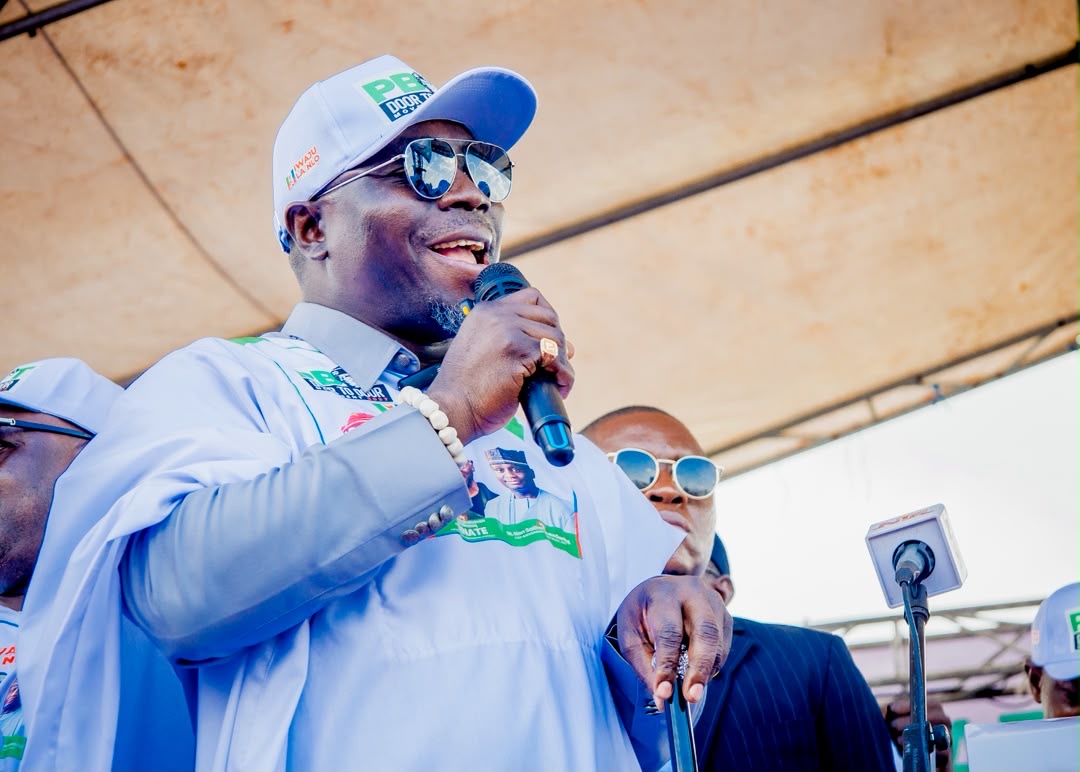
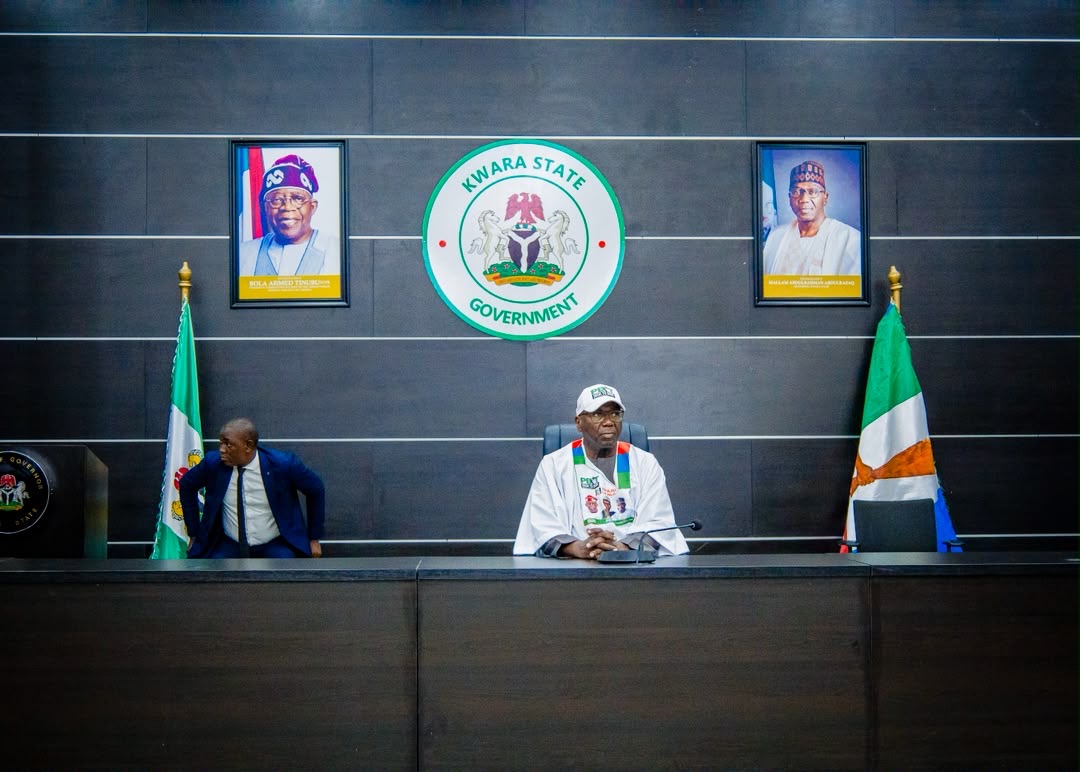
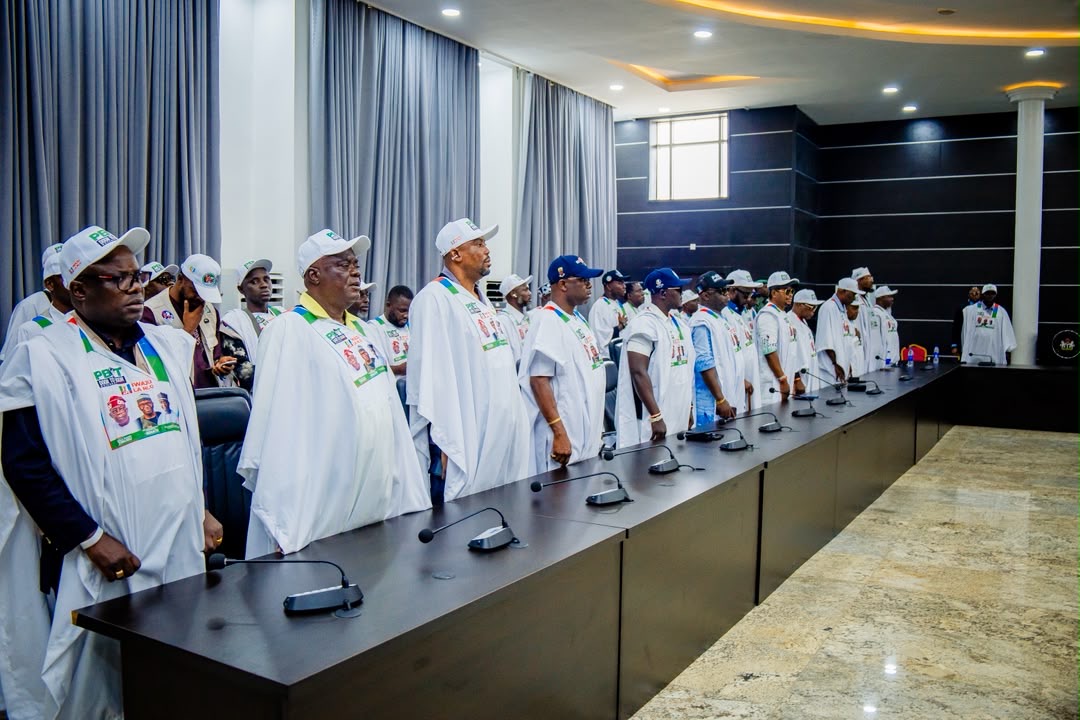
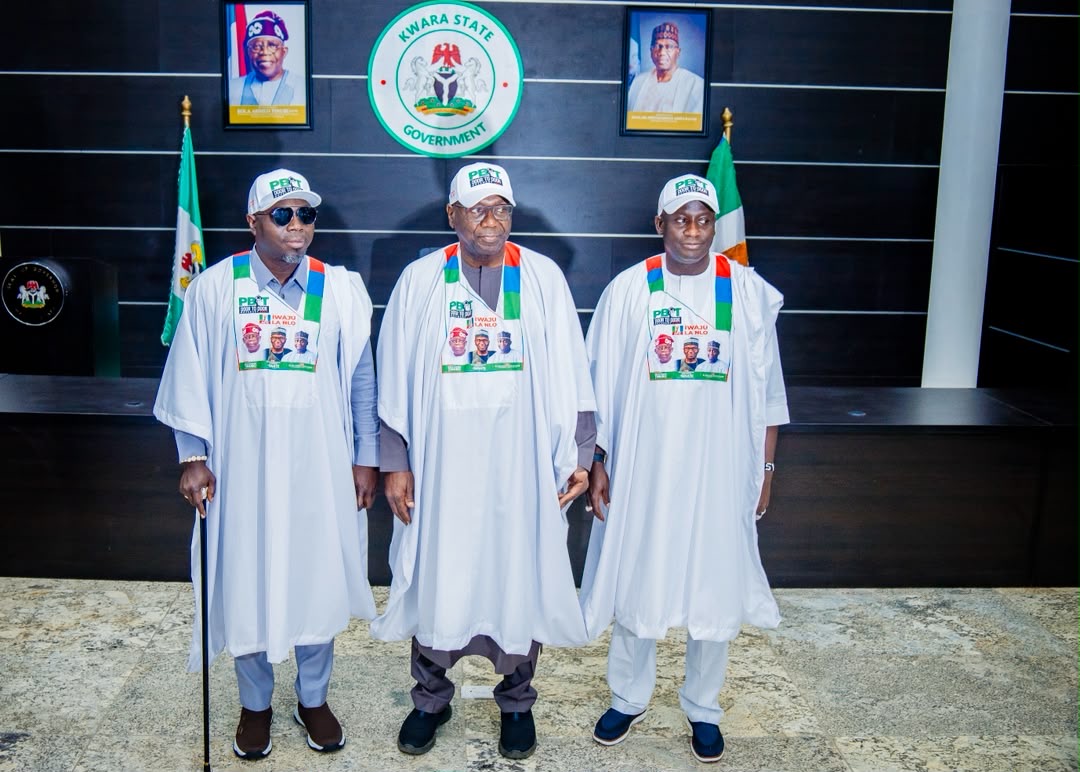
PHOTOS: Tompolo’s PBAT Movement Deploys 34 Campaign Vehicles to Kwara, Inaugurates State Executives

Published

on

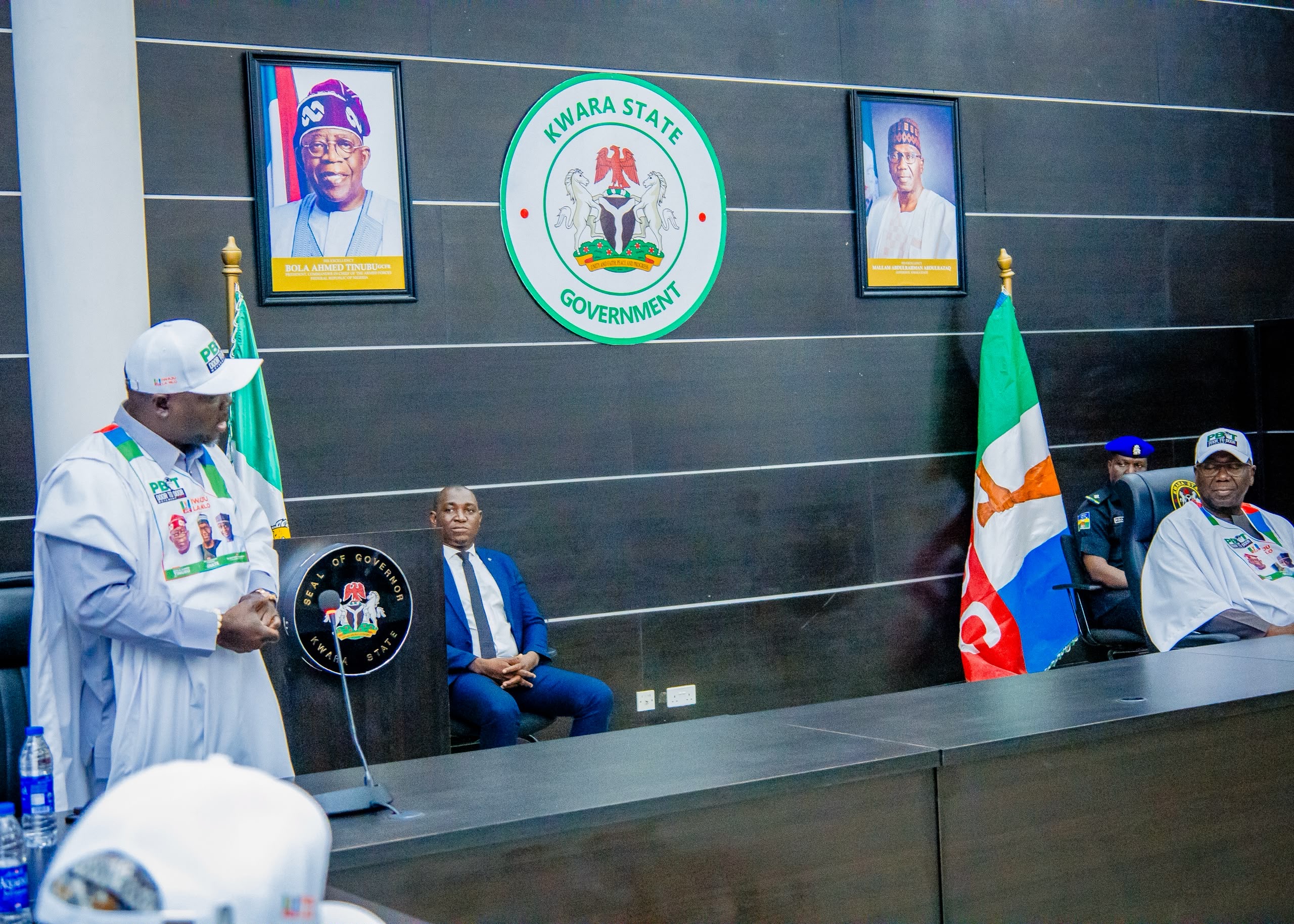
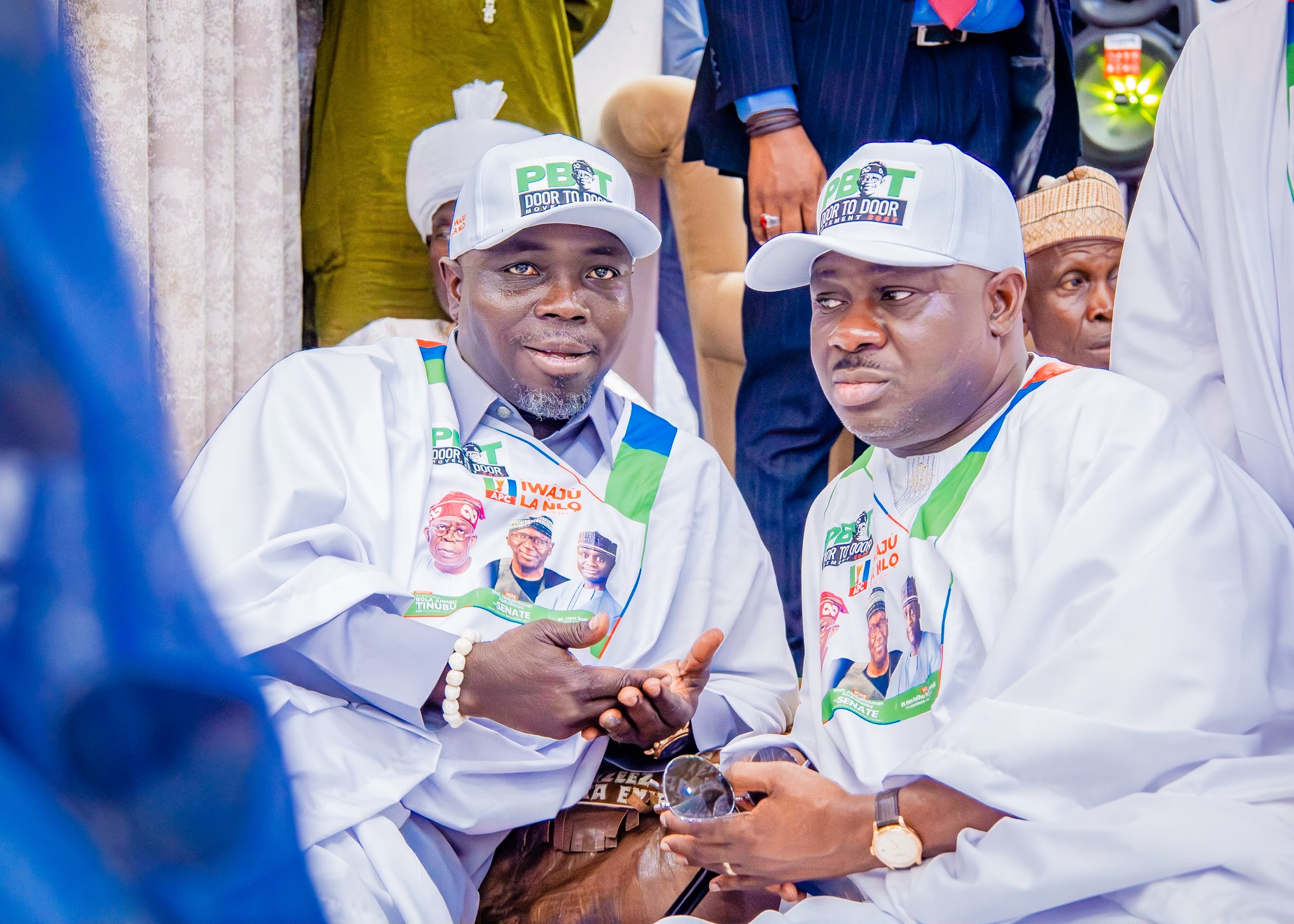
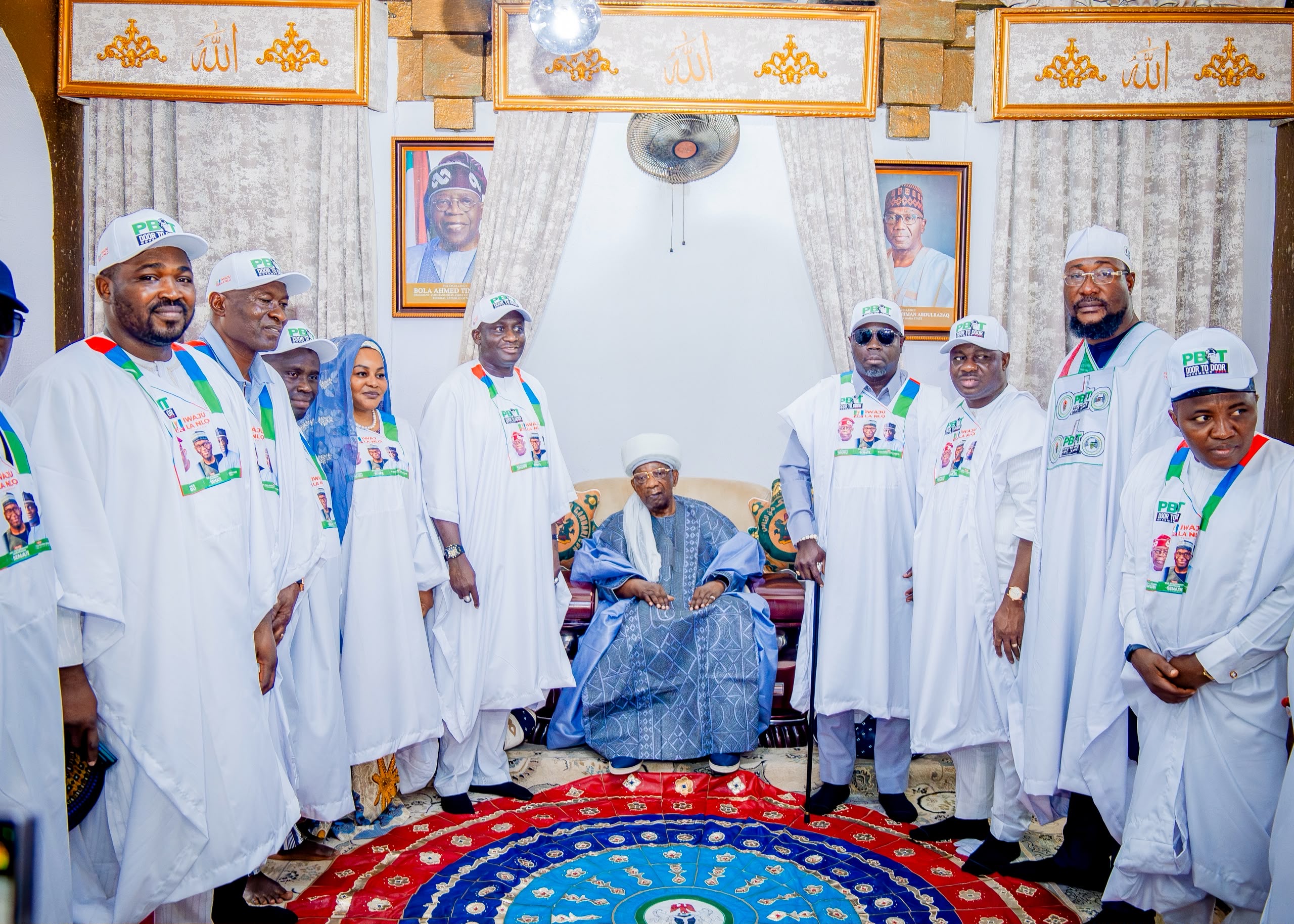
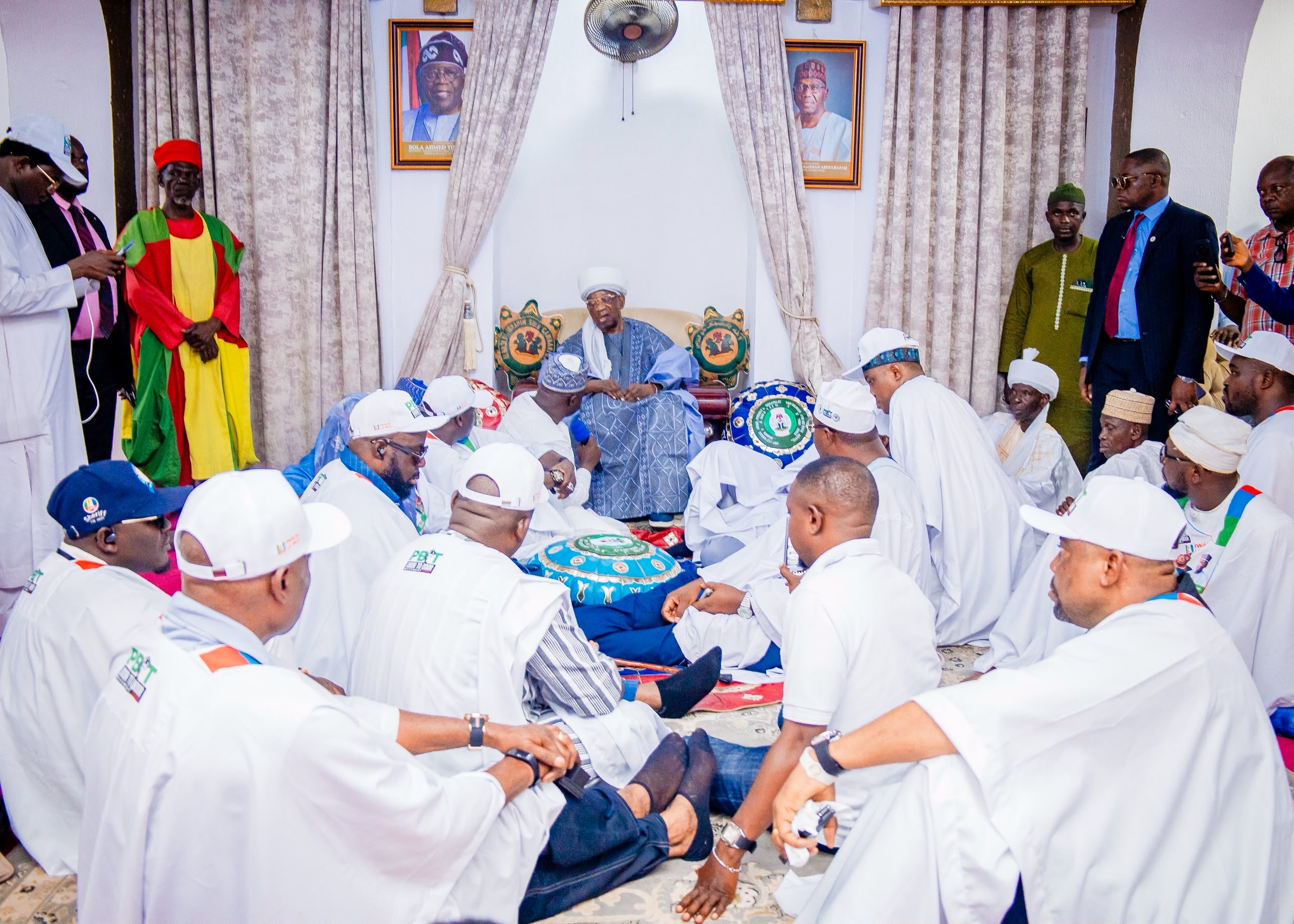
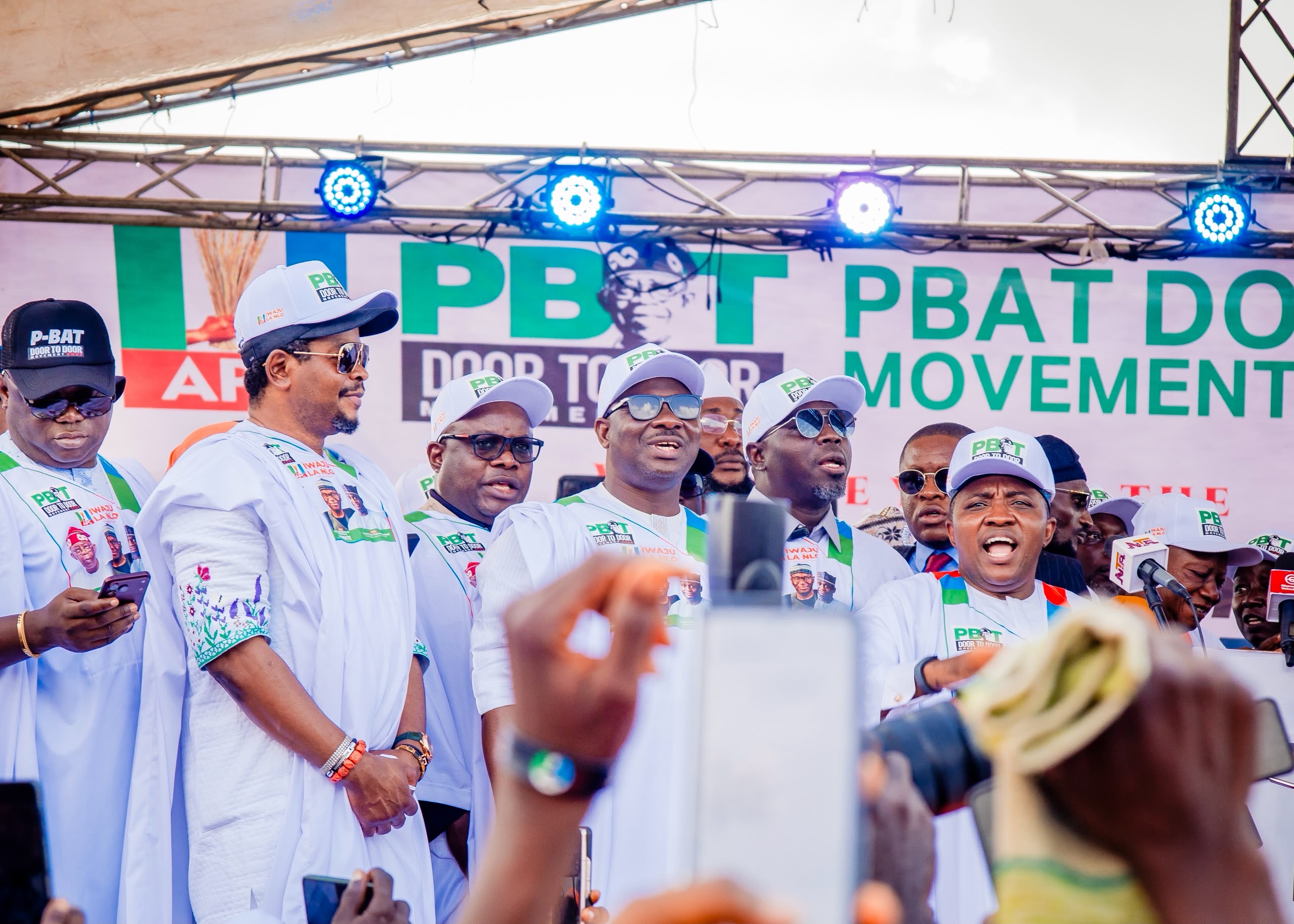
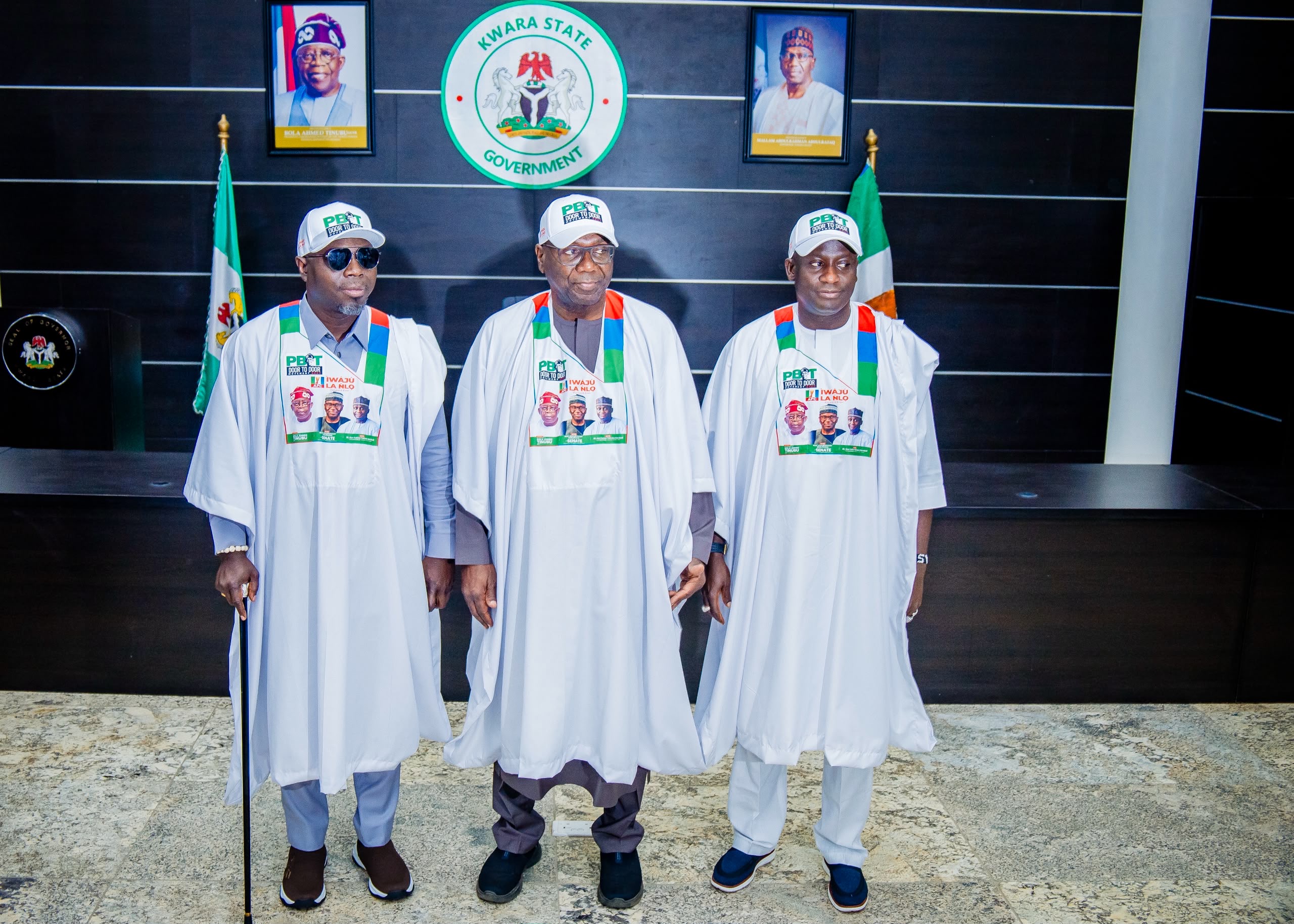
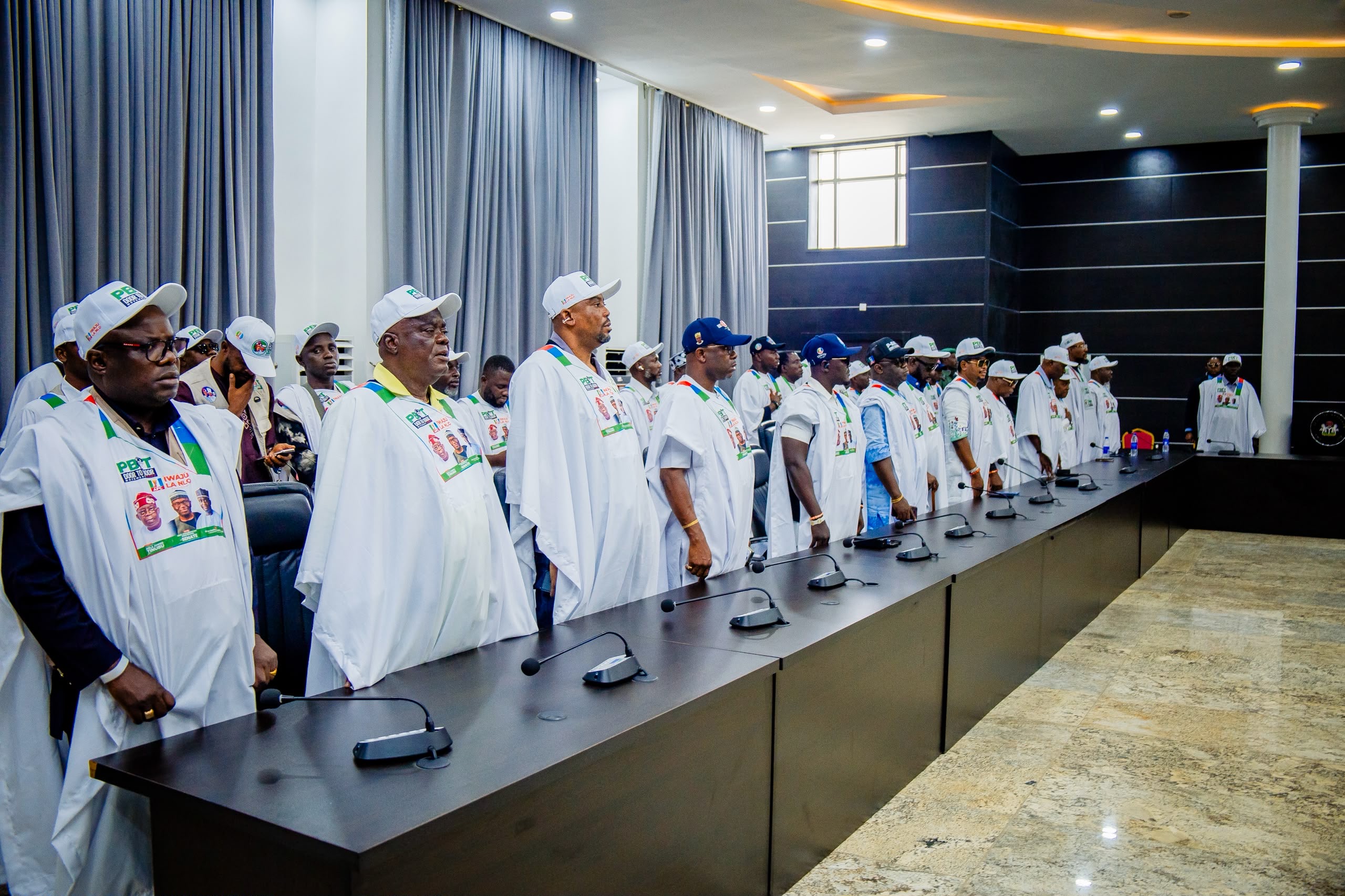
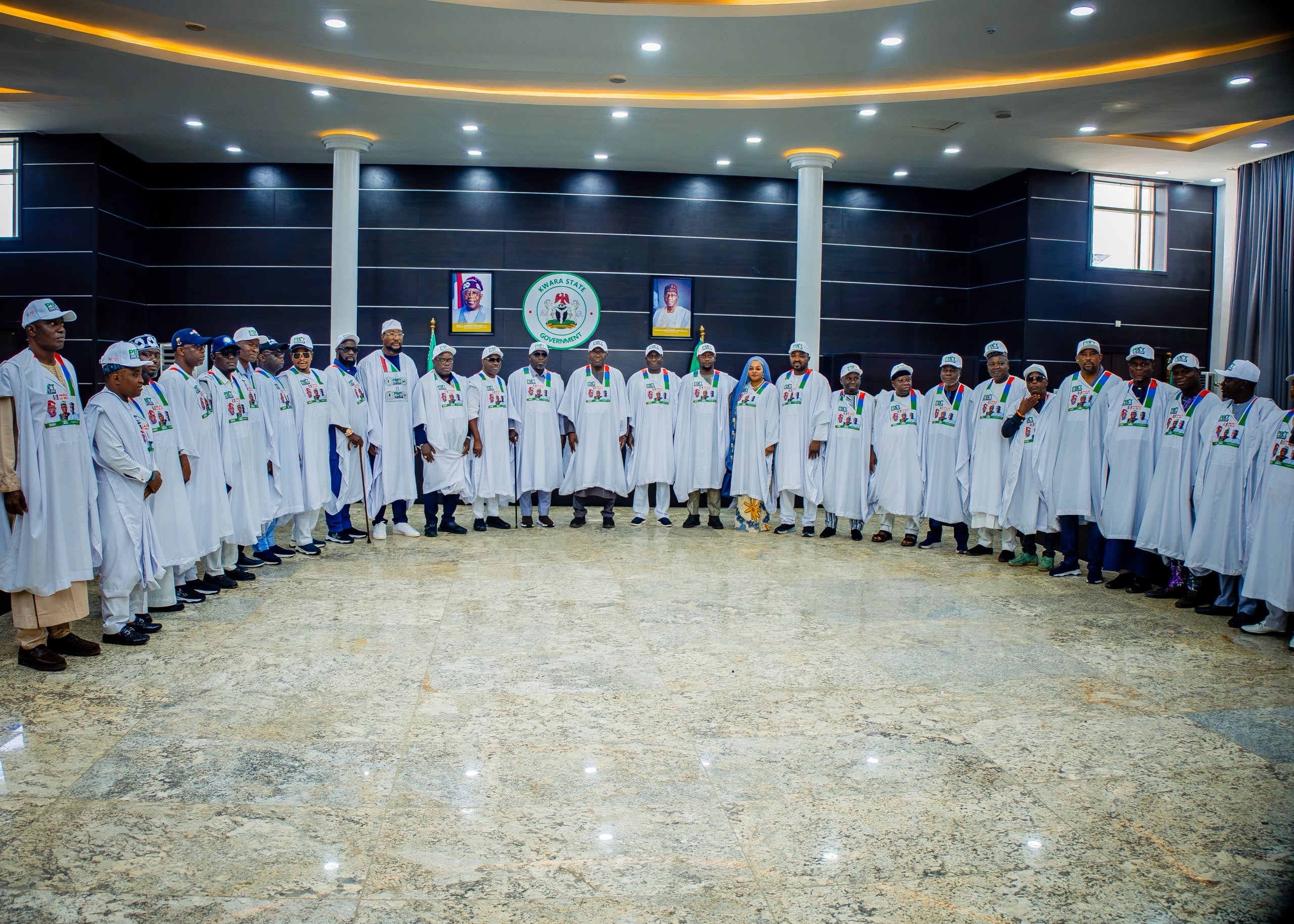
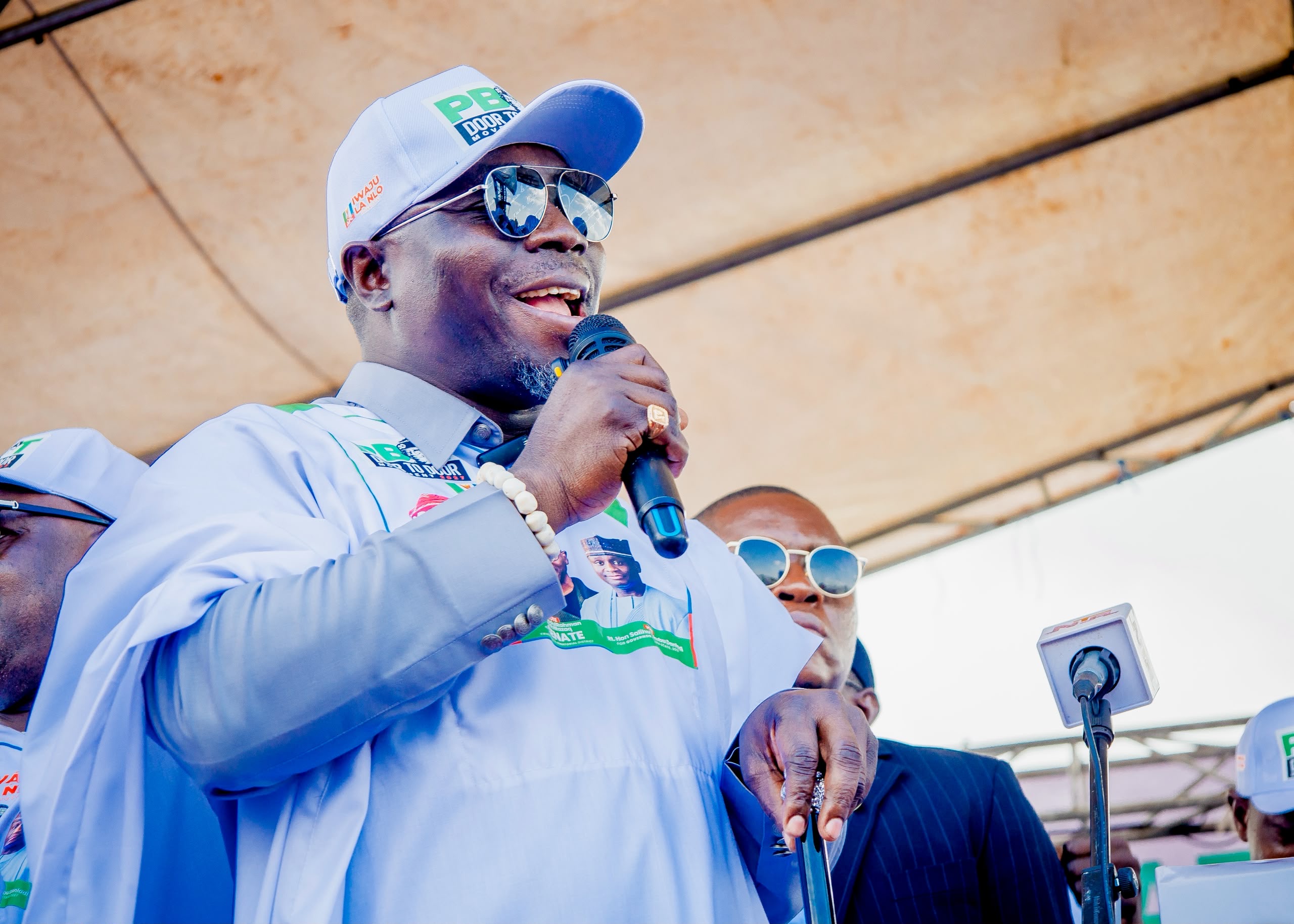
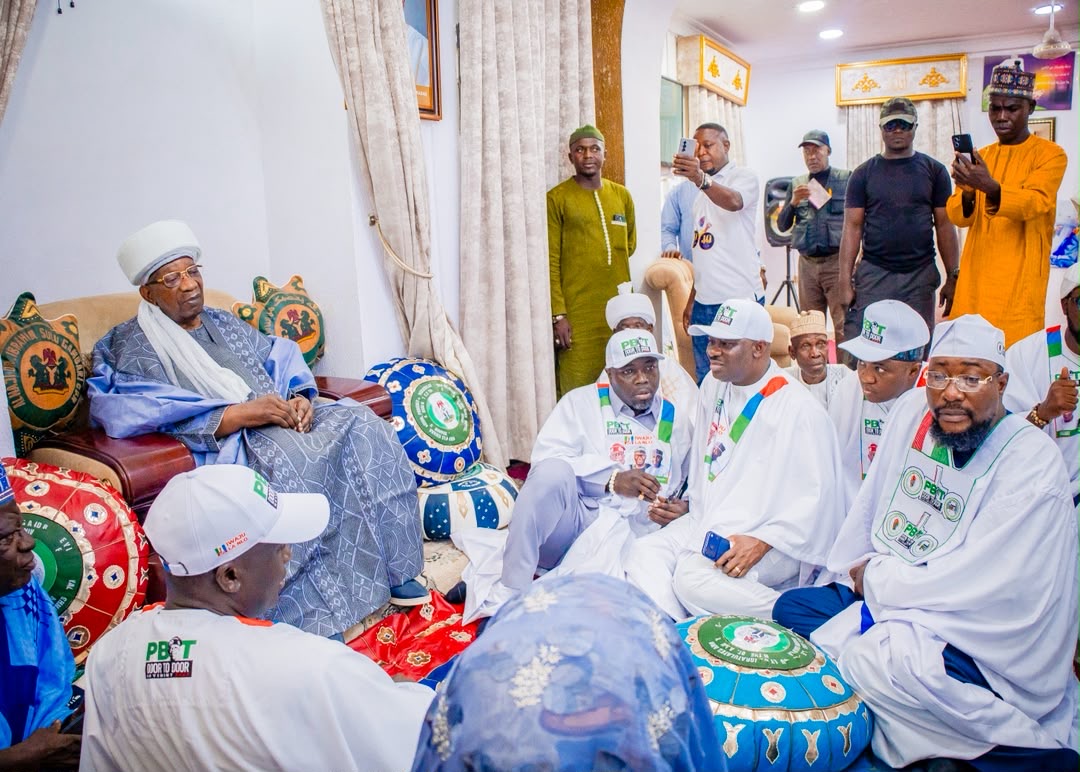
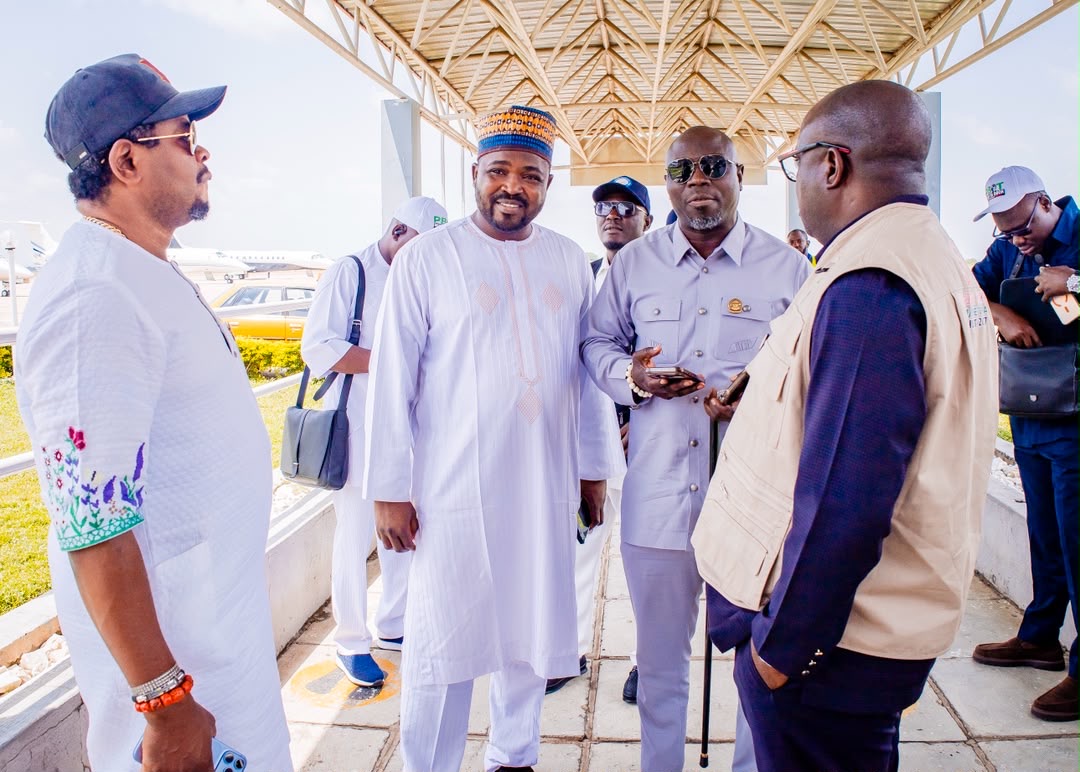
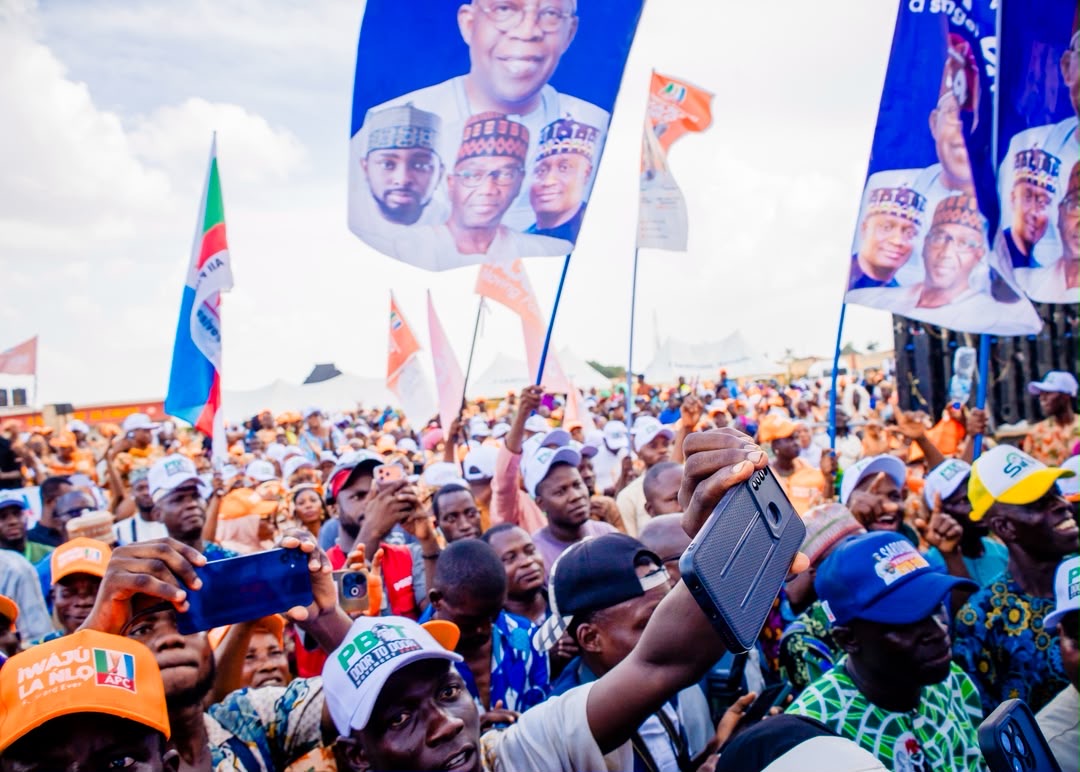
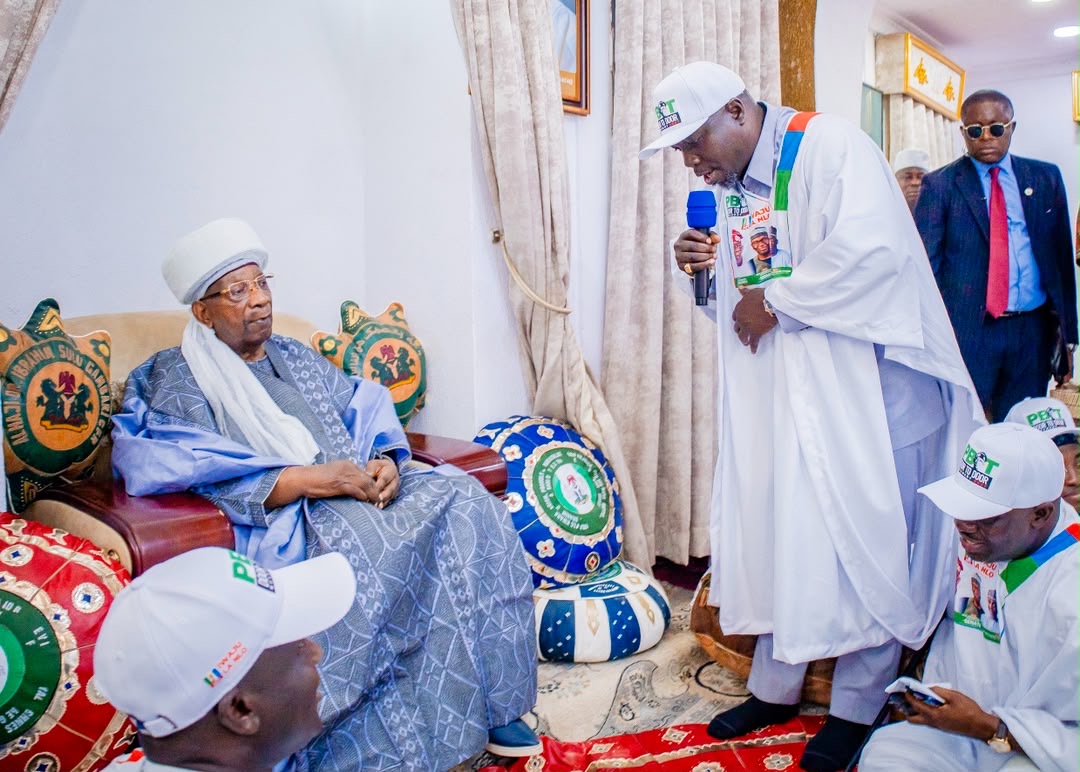
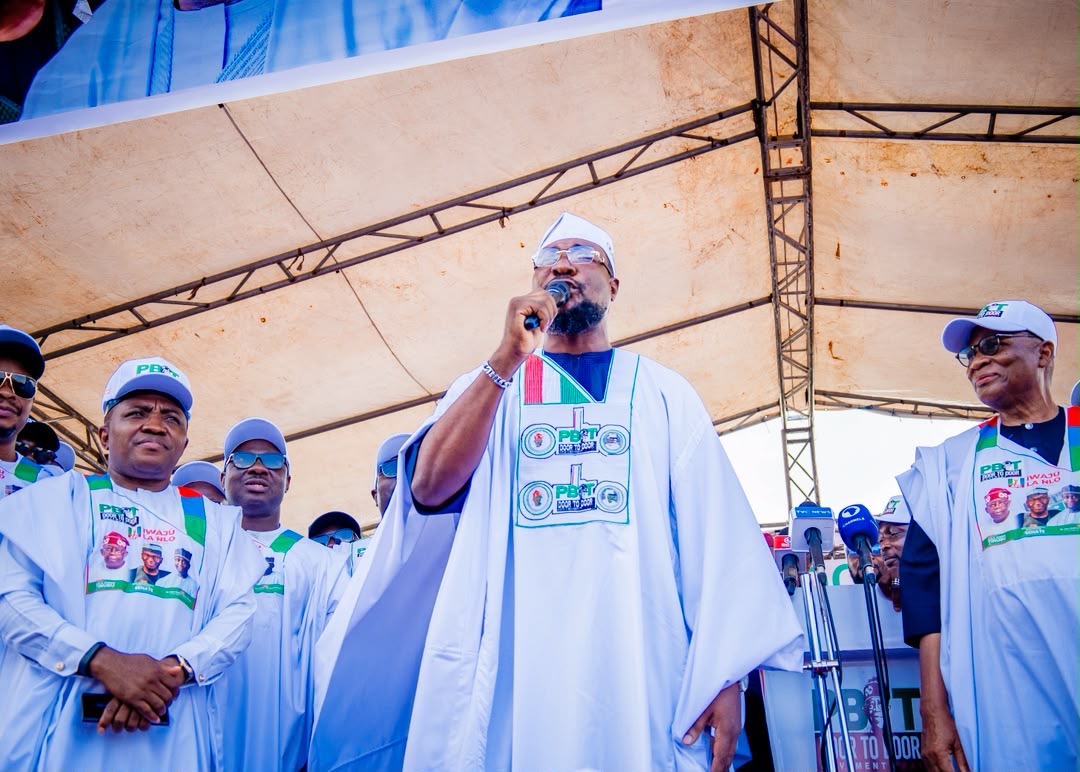
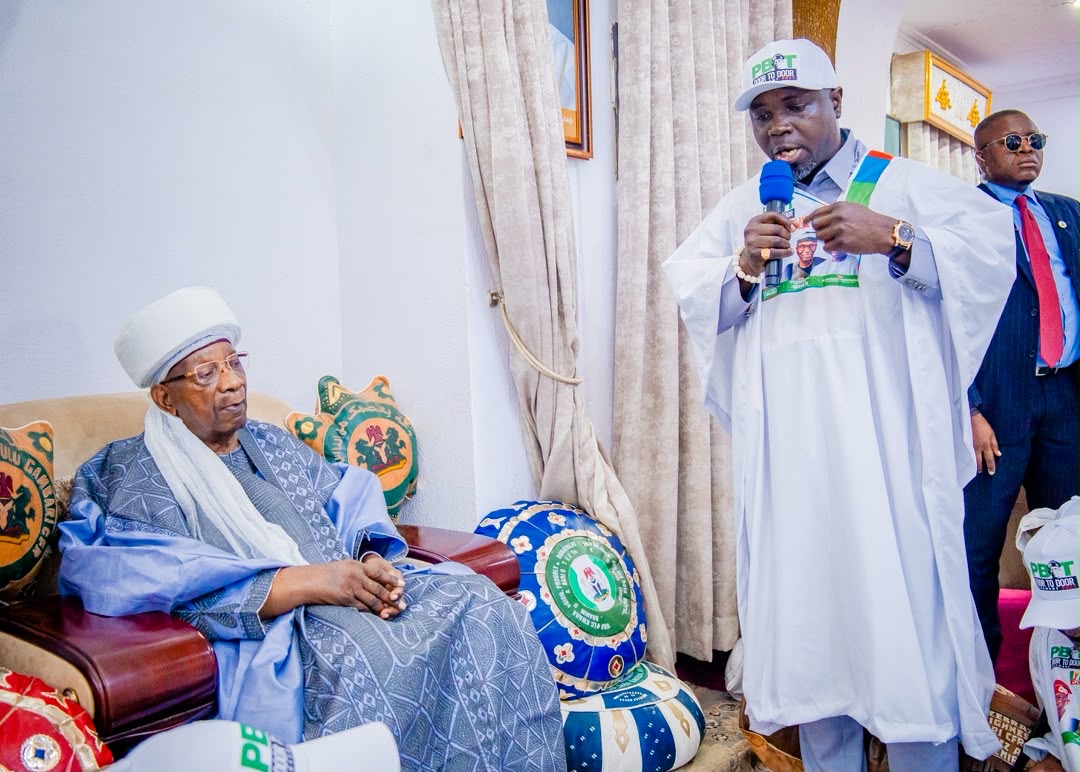
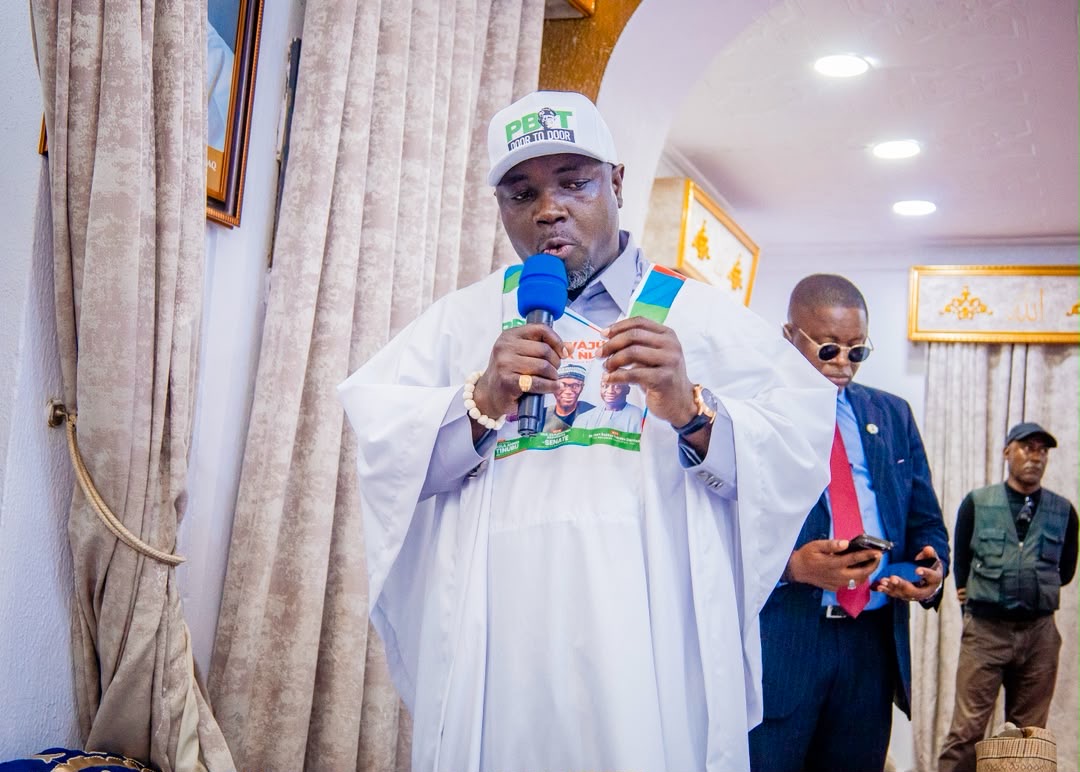
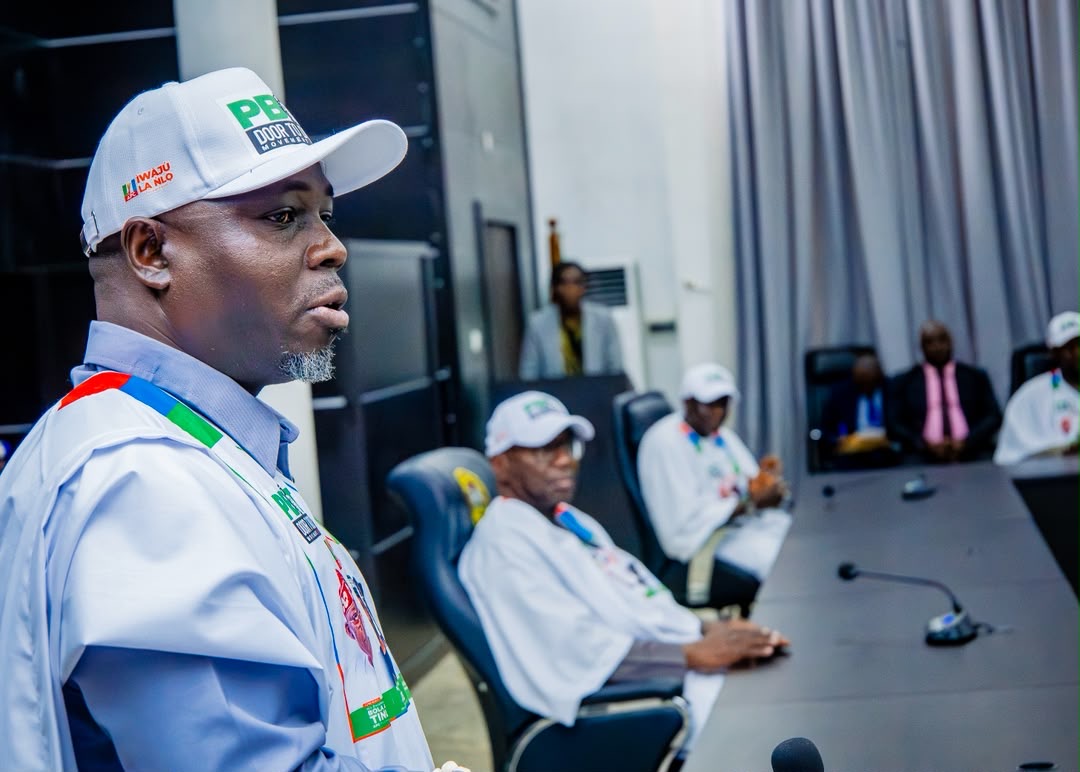
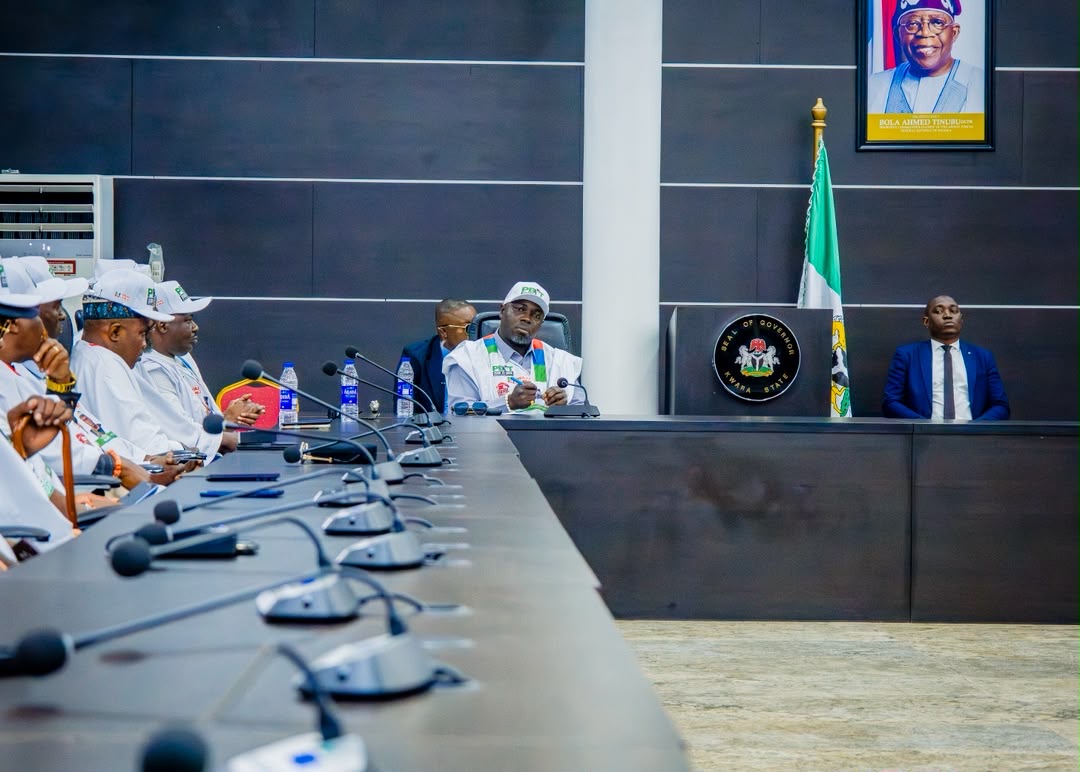
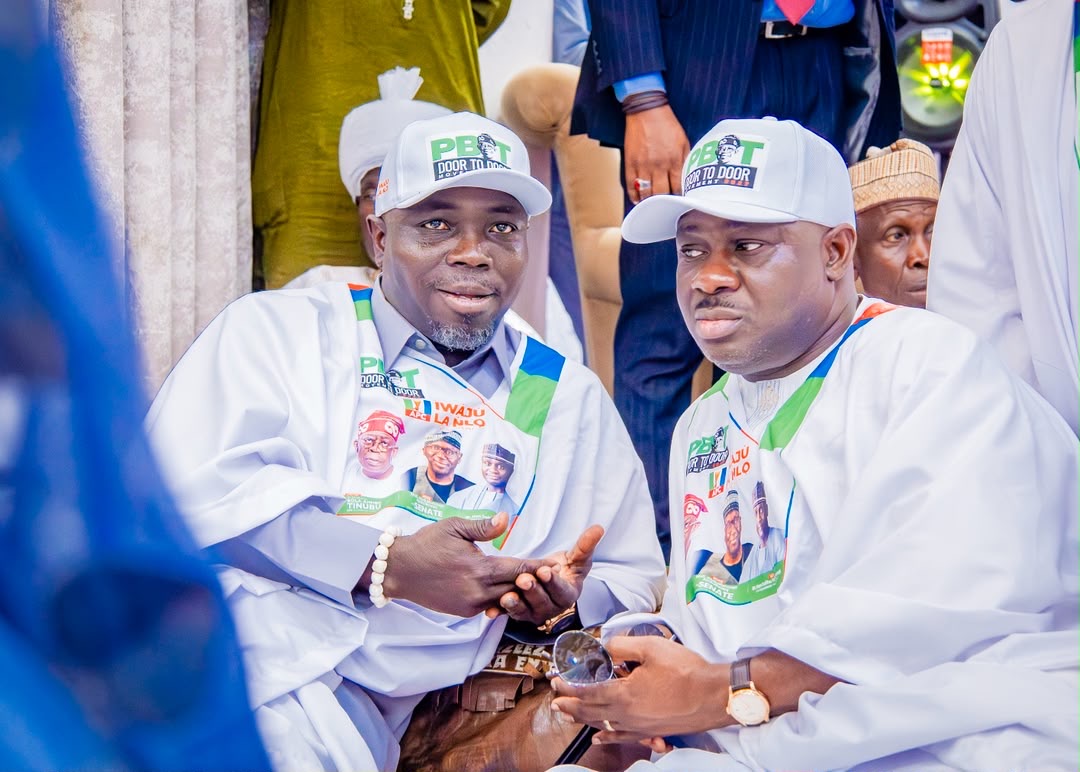
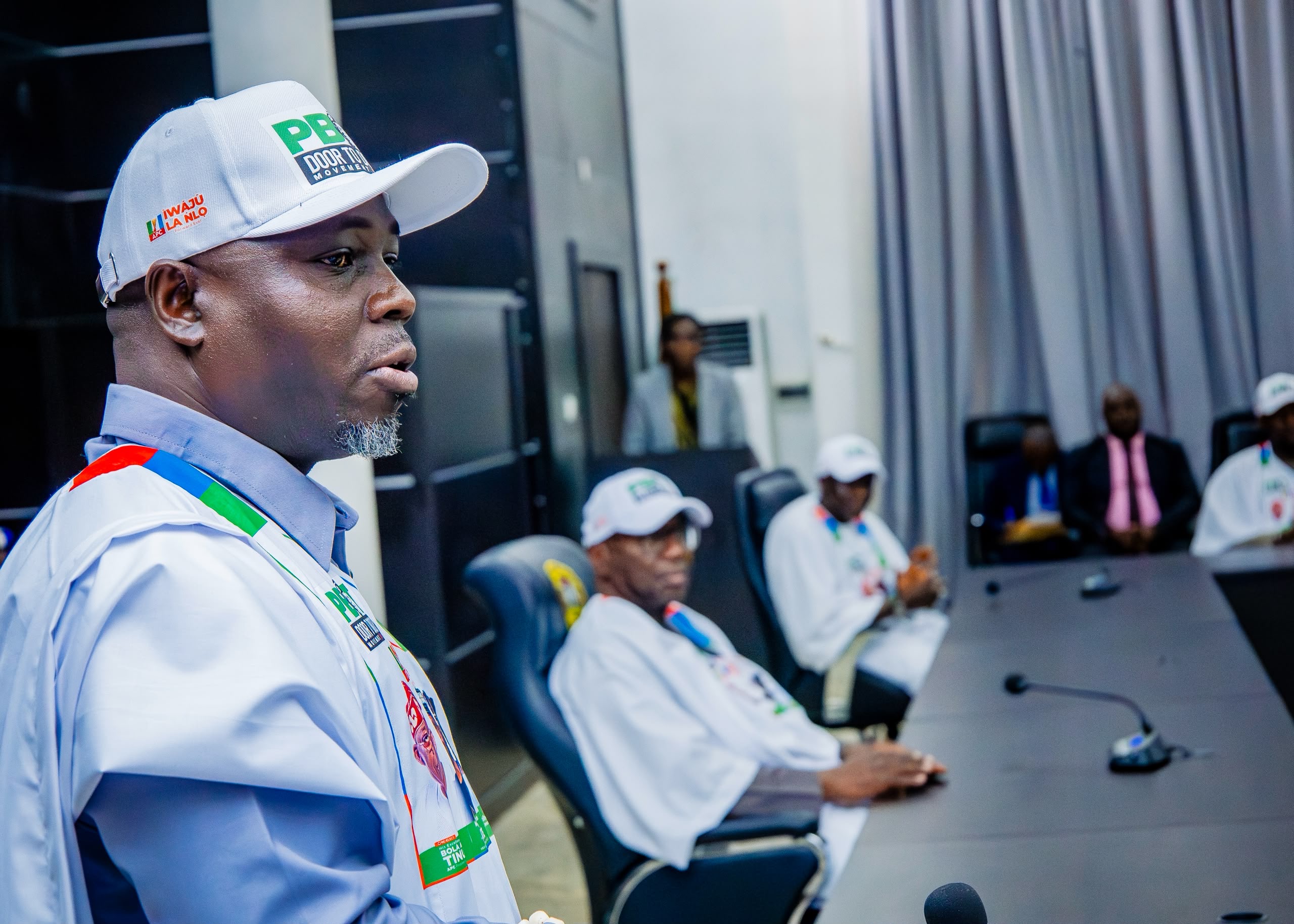
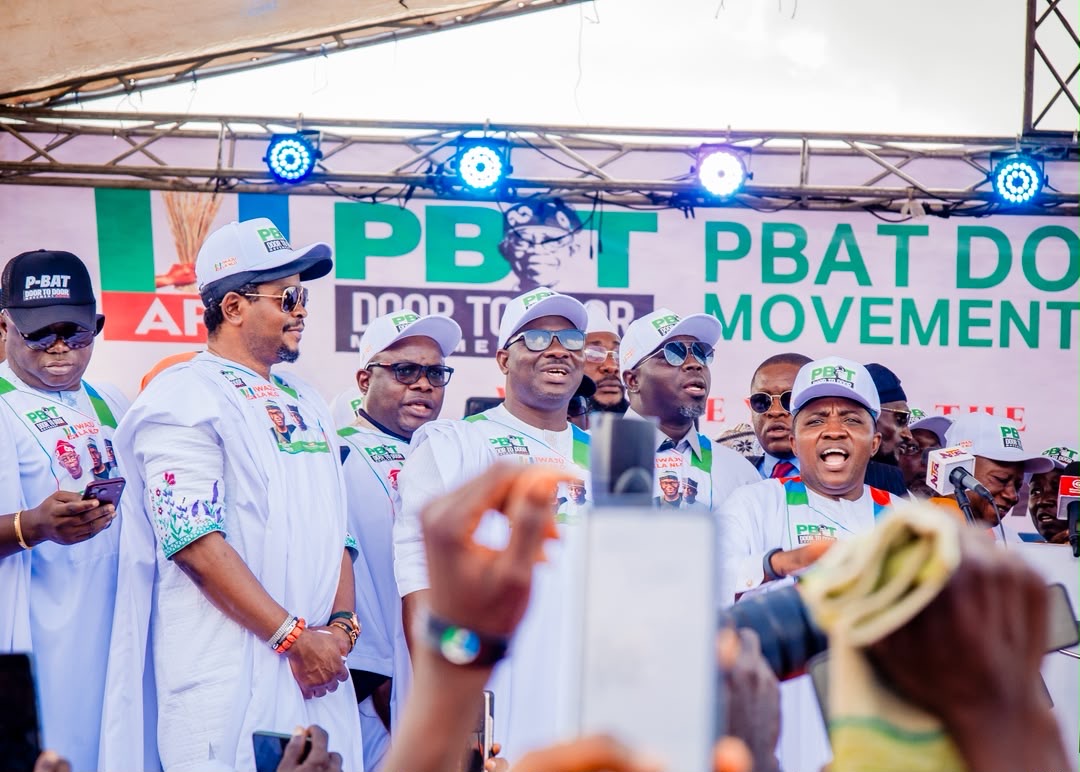
The PBAT Door-to-Door Movement, led by its Grand Patron, High Chief Government Oweizide Ekpemupolo, popularly known as Tompolo, has strengthened its presence in Kwara State with the deployment of 34 campaign vehicles and the inauguration of state executives ahead of the 2027 general elections.

The event, held in Ilorin, attracted political stakeholders, community leaders and supporters of President Bola Ahmed Tinubu.

Representing Tompolo, the Managing Director of Tantita Security Services Nigeria Limited, High Chief Kestin Pondi, said the vehicles would enhance the movement’s operational capacity, strengthen community engagement and extend its reach across the state’s 16 local government areas.

Kwara State Governor, AbdulRahman AbdulRazaq, congratulated the newly inaugurated executives, urging them to remain accessible to residents, address community concerns and uphold responsible leadership.

The National Coordinator, Hon. Sunday Adekanbi Asuku, reaffirmed the movement’s commitment to expanding its grassroots network in support of President Tinubu’s 2027 re-election bid. TrackExec Orders

The deployment marks another phase in the PBAT Door-to-Door Movement’s nationwide activities, with increased emphasis on ward-level coordination, political awareness and direct engagement with communities.

FOLLOW US ON:
FACEBOOK

WHATSAPP CHANNEL

TWITTER

PINTEREST

TIKTOK

YOUTUBE

LINKEDIN

INSTAGRAM

See also  Supreme Court Reserves Judgment In PDP, ADC Leadership Crises
Continue Reading

Trending