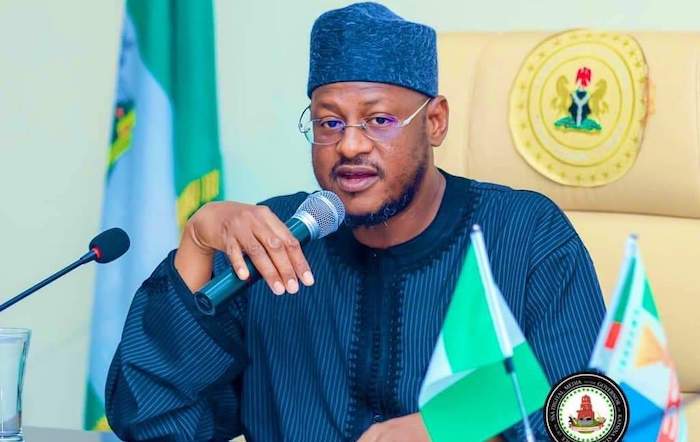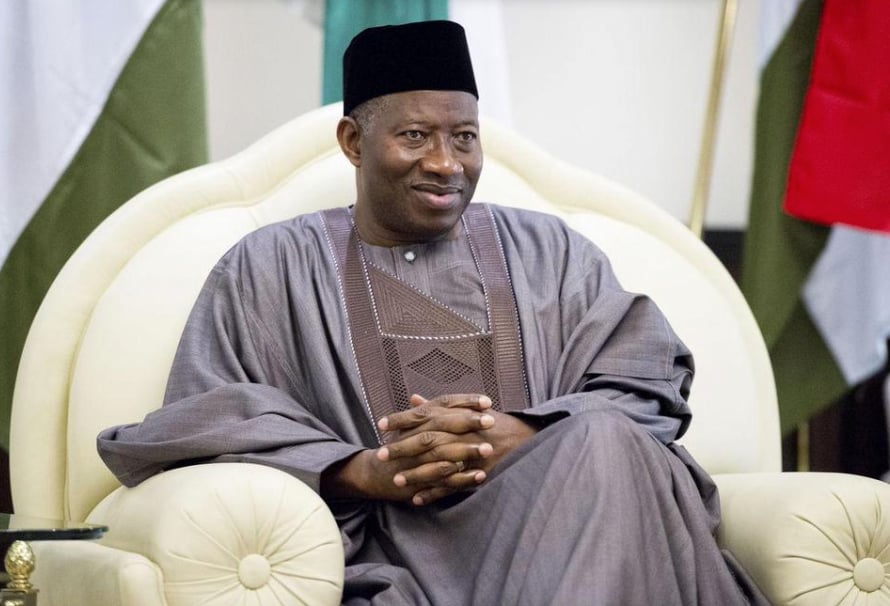
Former President Goodluck Jonathan, the Defence Minister, Gen Christopher Musa (retd.), and senior lawyers have called for reforms to Nigeria’s approach to election security, particularly in the massive deployment of security personnel and political mobilisation witnessed during off-cycle elections.
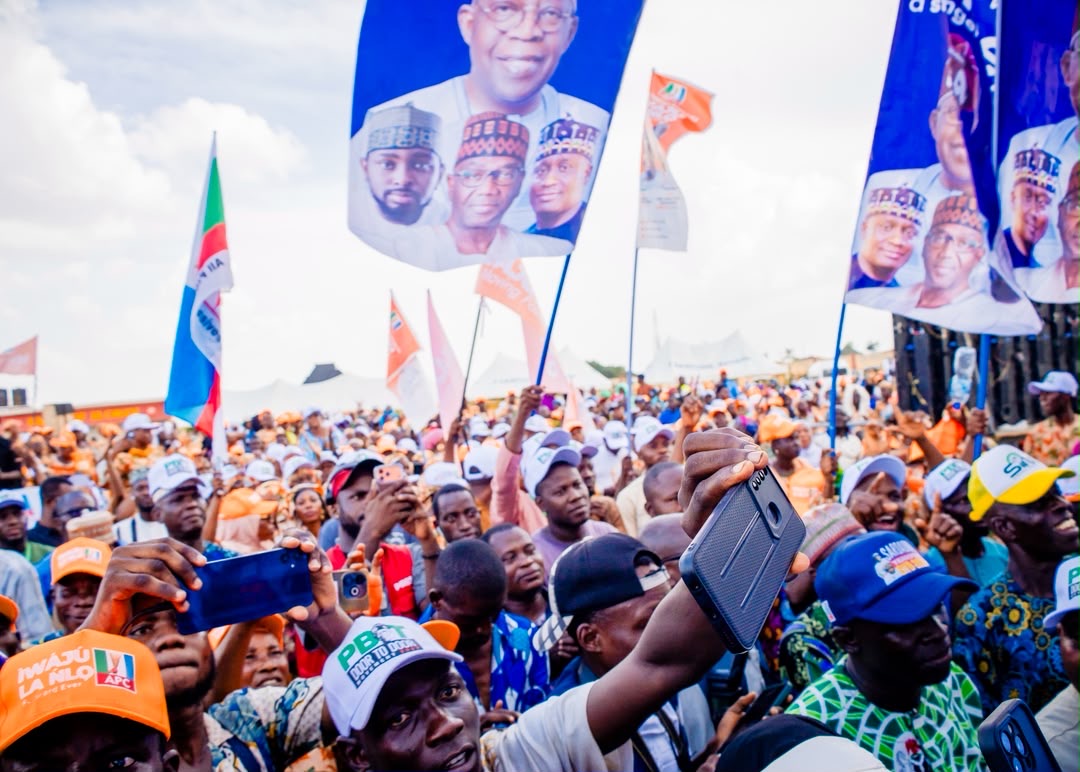
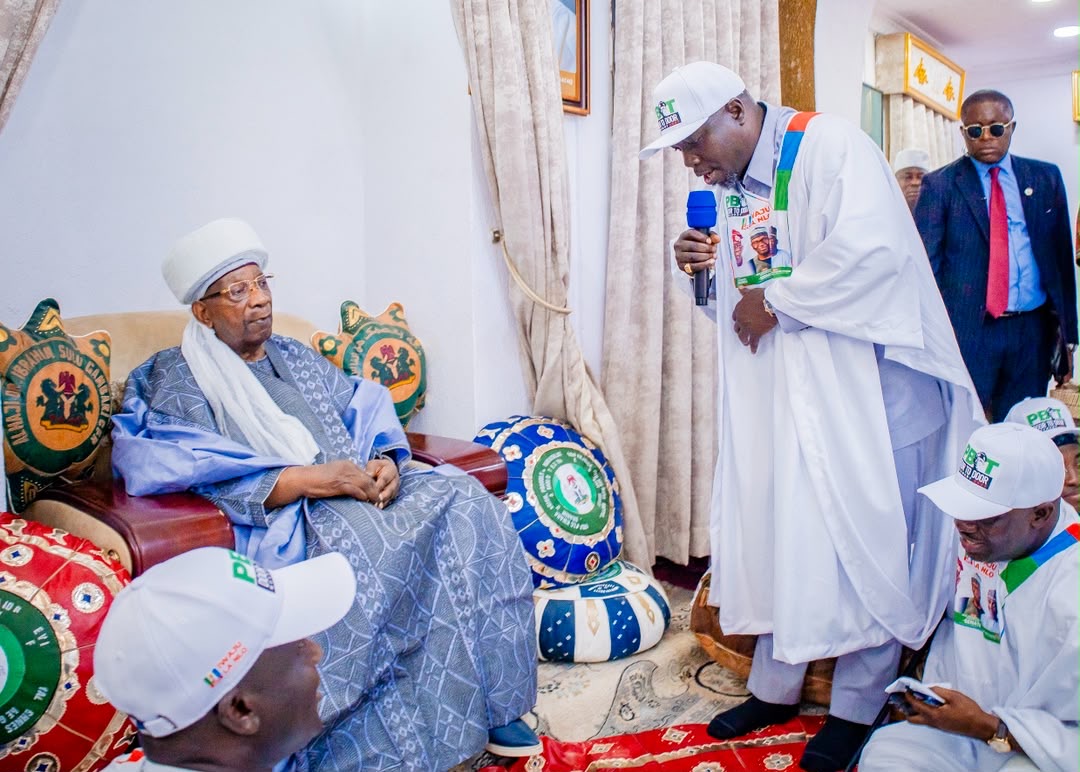
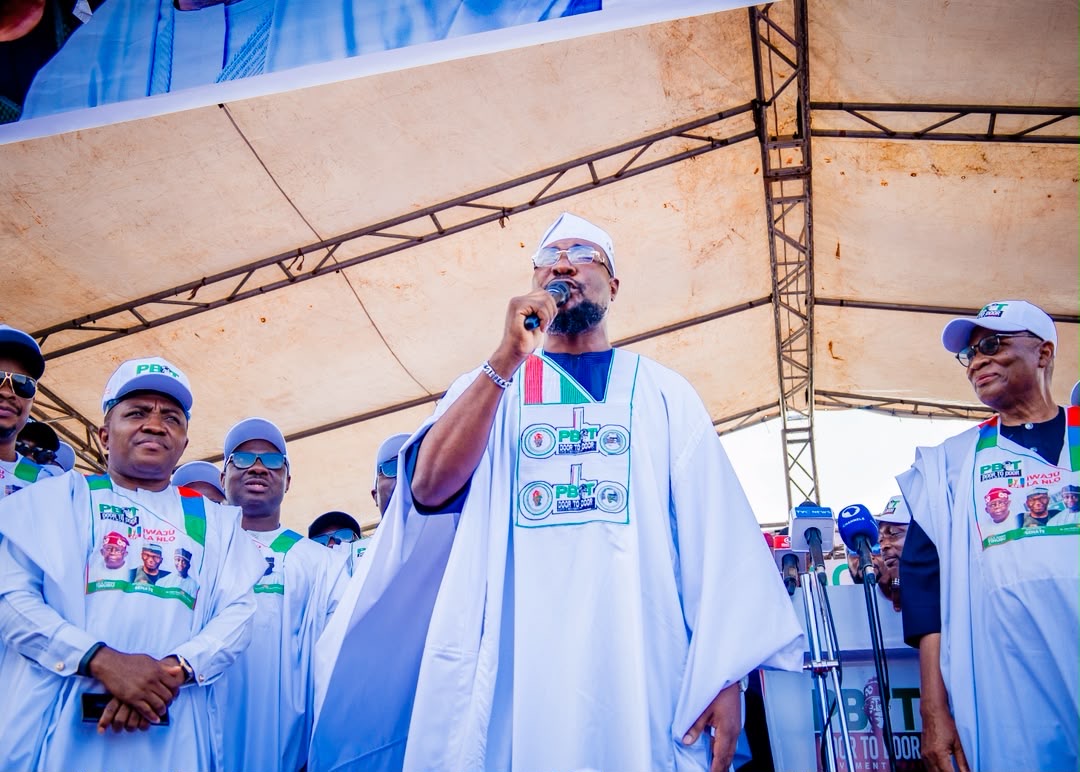
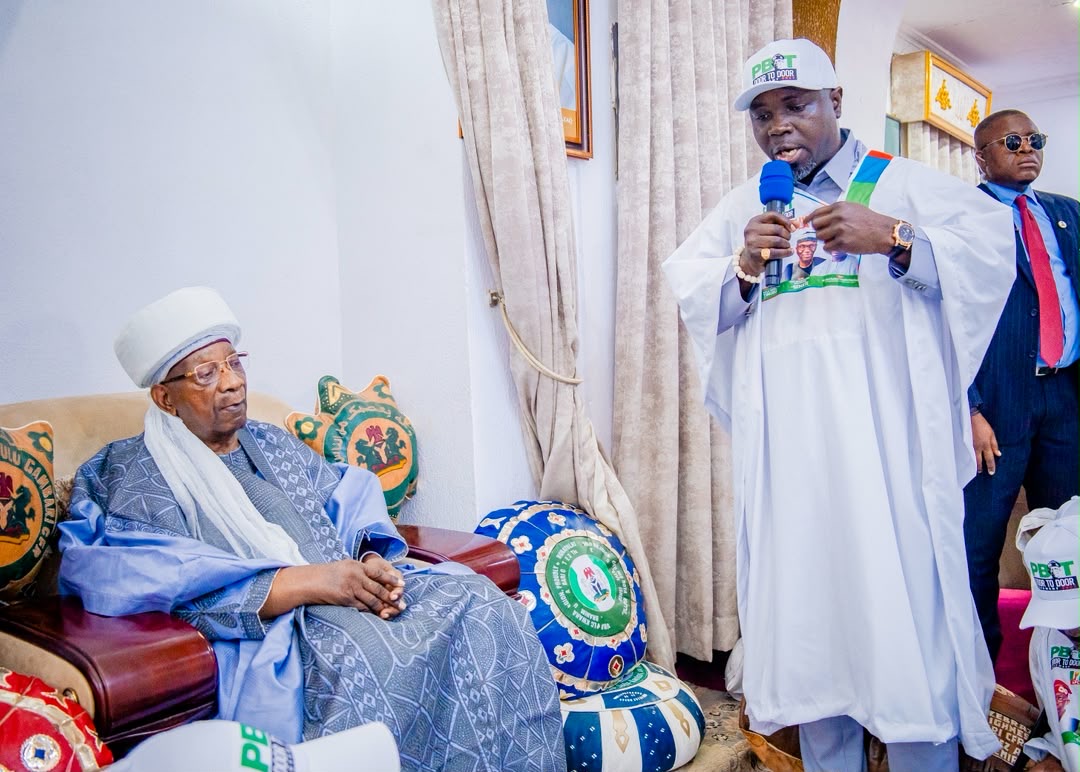
Their separate positions followed the August 15 Osun State governorship election, where over 15,000 police personnel were deployed ahead of the poll amid the presence of several governors, political leaders and other senior government officials.
Jonathan, in a statement titled, ‘Osun and the Need to Set New Boundaries for Political Conduct in Off-Cycle Elections,’ commended the Independent National Electoral Commission, security agencies, political parties and Osun voters for the peaceful conduct of the election.
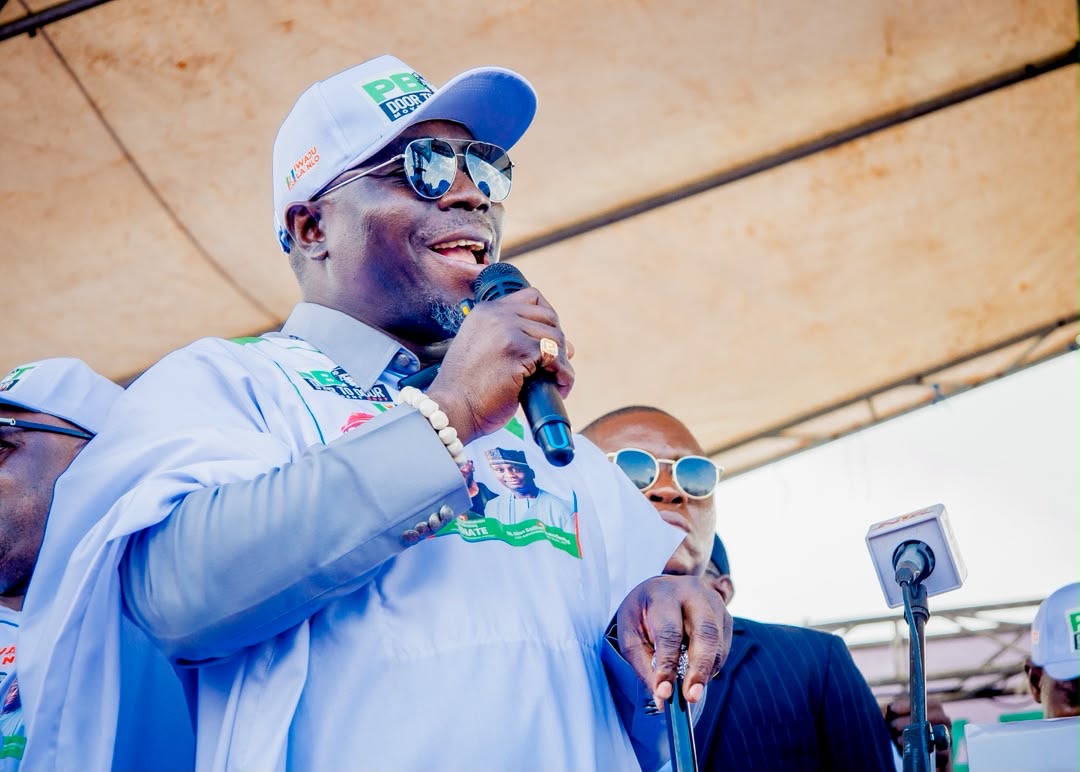
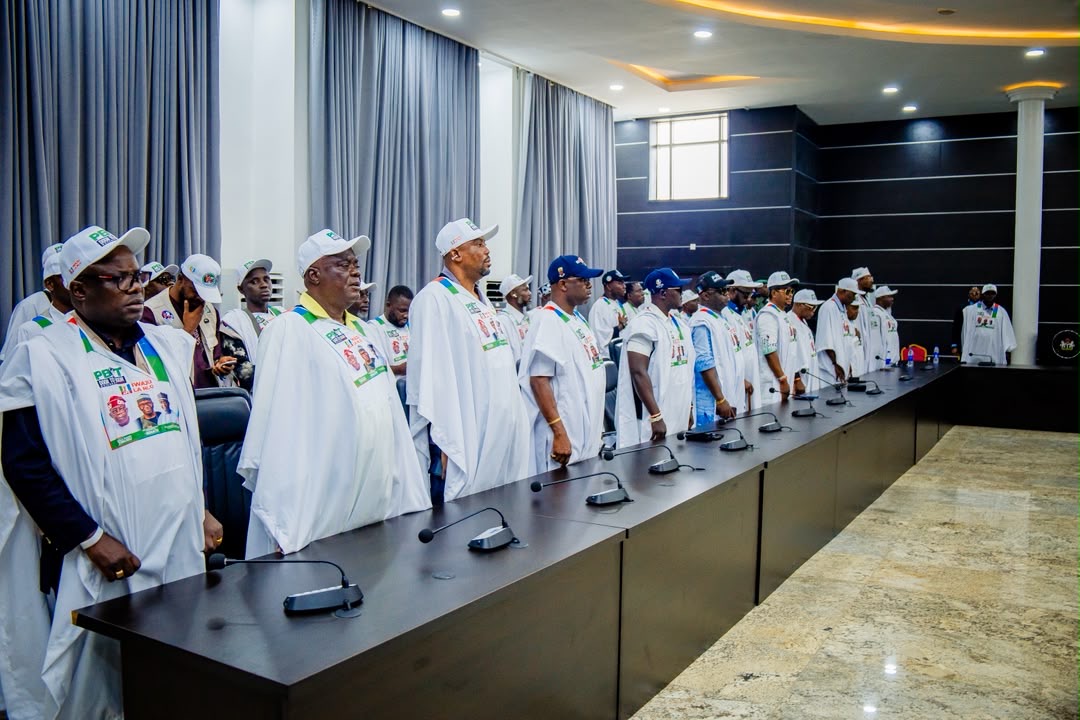
However, he raised concerns over what he described as a growing and “unwholesome” practice in which serving governors, senior political officeholders, party leaders and other influential government functionaries converge on states holding elections with large numbers of aides and security personnel.
Jonathan said, “The growing practice whereby serving governors, senior political officeholders, party leaders and other influential government functionaries, accompanied by large numbers of aides and heavy security details from outside a state, converge on states where elections are being conducted raises an issue that demands national attention.”
He said the conduct witnessed around the recent elections in Osun, Ekiti and Ondo states was unusual and “is not a practice that should become normal in a democratic society.”
The former President recalled that similar situations arose during the 2013 Anambra and 2014 Ekiti governorship elections when he was President.
“Upon being briefed, I ordered party leaders and senior government officials to leave the states immediately,” Jonathan said.
While acknowledging the right of political parties to campaign and mobilise supporters, he warned that excessive mobilisation by serving governors and senior public officials could create an atmosphere of intimidation.
“However, there is a point at which political mobilisation, particularly when it involves the overwhelming presence of serving governors, senior public officials and powerful political actors from across the country on election day, can create an atmosphere of apprehension, intimidation, bullying and undue pressure,” he said.
Jonathan questioned whether the practice was consistent with democratic competition, warning that elections should not become contests in which victory was pursued “at all costs.”
He further warned that if politicians from opposing parties began matching one another with governmental influence and security-backed mobilisation, the consequences could be damaging.
“Such a development would not strengthen our democracy. It would deepen political tensions and could make elections increasingly resemble battles for political survival rather than peaceful contests for the mandate of the people,” he said.
Musa, on his part, said election security should not be treated as an election-day operation.
Speaking in Abuja on Tuesday through his aide on policy and strategy, Maj Gen Olufemi Akinjobi (retd.), Musa said security agencies must abandon reactive approaches and adopt intelligence-led planning months before elections.
“The lesson is clear: successful election security is not achieved through last-minute deployments. It is achieved through months of planning, intelligence-led operations, inter-agency coordination, effective communication and continuous assessment of emerging threats,” he said.
He added, “Security should never be viewed as an event. It is a process that begins long before campaigns commence and continues long after the final vote has been counted.”
Musa said the changing nature of threats meant election security could no longer be limited to the physical protection of polling units.
“Today’s threats rarely announce themselves with uniforms or conventional weapons. They emerge through cyberspace, spread through manipulated information, exploit economic hardship, inflame ethnic and religious divisions, and undermine confidence in public institutions,” he said.
The minister identified strategic intelligence, cybersecurity, civil-military coordination, unified strategic communication, a responsible information environment and citizen engagement as key pillars of election security.
Also speaking, former Zamfara State Governor, Abdul’Aziz Yari, warned politicians against using insecurity as a political tool.
“Let us encourage all political parties to understand that insecurity is not something to be traded with for the purpose of winning the hearts of citizens,” Yari said.
He argued that security was a collective responsibility involving politicians, government officials, security agencies and citizens.
“Security is not the responsibility of the security agencies alone. It is not simply about security architecture. Politicians, elites and ordinary people on the streets are all part of the solution,” he said.
On the growing security deployment during off-cycle elections, Chief Mike Ahamba (SAN) and Sampson Erugo (SAN) advocated reforms that could reduce the need for such deployments.
Ahamba said Nigeria should consider a comprehensive constitutional review rather than continue making piecemeal amendments after every election.
“I believe that the time has come for us to call a constituent assembly. We can’t keep nibbling at this constitution. We don’t know where we are again,” he said.
The senior lawyer argued that Nigeria’s electoral problem was not necessarily the laws themselves but their implementation.
“The problem is not the document. The parchment. The problem is the selfishness of those who are running it, that’s all,” Ahamba said.
He added, “Every election, a new law. Every election, a new Act is brought forward. So is it the law that is the problem or the managers or the old law? I think it’s the managers of the law,” he said.
Ahamba said any amendment should instead focus on disciplining officials who failed to perform their duties properly, “not to change the law to accommodate another change and another change.”
Erugo, however, strongly supported the conduct of elections on the same day, saying the arrangement would reduce the security burden and political interference associated with staggered polls.
He said if the legislature ensured that all elections were held on one day, “that would indeed reduce this incidence of our use of security to intimidate opponents.”
Erugo also criticised the movement of governors between states during elections.
“You see governors from every corner of Nigeria going to another state, in an attempt to interfere with the electoral process, which is not fair. It’s not good for democracy,” he said.
He urged the National Assembly to amend the Electoral Act to allow elections to be held simultaneously, arguing that the current practice of holding presidential elections weeks before governorship polls created room for political interference.
“If you ask me, Nigerians should call on the National Assembly to quickly amend this Electoral Act so that all the elections will be held in one day,” Erugo said.
He added that simultaneous elections would force political actors to remain in their respective states and reduce opportunities for interference.
However, a Senior Advocate of Nigeria, Mofesomo Tayo-Oyetibo, offered a different perspective, arguing that there was nothing inherently wrong with heavy security deployment during off-cycle elections, provided the agencies remained neutral.
Tayo-Oyetibo said the concentration of political actors, security agencies and electoral resources in a single state was a peculiar feature of off-cycle polls, adding that the state had a responsibility to protect voters, electoral officials and election materials.
“There is nothing inherently wrong with deploying adequate security personnel to an election. The state has a responsibility to protect voters, electoral officials and materials,” he said.
He, however, stressed that the deployment must be proportionate and not used to intimidate voters or create an impression that state coercive powers were available to a particular political interest.
“The more important questions are whether the deployment is proportionate and, above all, whether the security agencies maintain strict neutrality,” he said.
The senior lawyer also said the presence of governors belonging to the All Progressives Congress or any other party at an election was not, by itself, unlawful.
According to him, political parties were entitled to mobilise their leaders to support candidates, but the situation became problematic when public office, resources or the security architecture of the state were deployed to give partisan advantage.
Tayo-Oyetibo also cautioned against assuming that the concentration of political and security presence would necessarily determine the outcome of an off-cycle election.
He cited the Osun poll, where the opposition party, despite controlling no other state, defeated the ruling party’s candidate amid intense political mobilisation.
“This demonstrates that the mere concentration of political and security presence around an off-cycle election does not necessarily determine its outcome,” he said.
On calls for all governorship elections to return to the general election cycle, Tayo-Oyetibo said this could not be achieved under the present constitutional arrangement.
He explained that governors’ tenure was constitutionally guaranteed, while the election of a successor was tied to the expiration of the incumbent’s tenure.
According to him, off-cycle elections in some states were largely consequences of earlier judicial decisions arising from disputed elections, which resulted in governors assuming office on different dates.
“Those states are therefore, in practical constitutional terms, permanently off-cycle under the present arrangement,” he said.
Tayo-Oyetibo said INEC could not simply realign election dates through an amendment to the Electoral Act because doing so would require either shortening or extending a governor’s constitutionally guaranteed tenure.
“Either course would violate the Constitution unless the Constitution itself is amended to permit the realignment,” he said.
He acknowledged that a constitutional amendment could provide a transitional mechanism for returning all governorship elections to a common cycle but said he was not convinced that such a reform was necessary.
“The more important objective should therefore not be uniformity of election dates for its own sake,” he said.
According to him, the priority should be ensuring that INEC and security agencies act independently and impartially, public resources are not deployed for partisan purposes, and all political parties and voters participate on an equal footing.
Source: punchng.com
FOLLOW US ON: