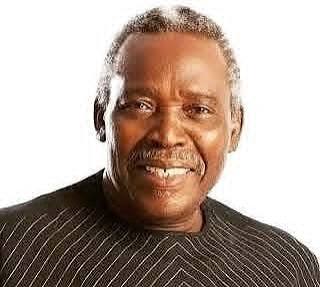
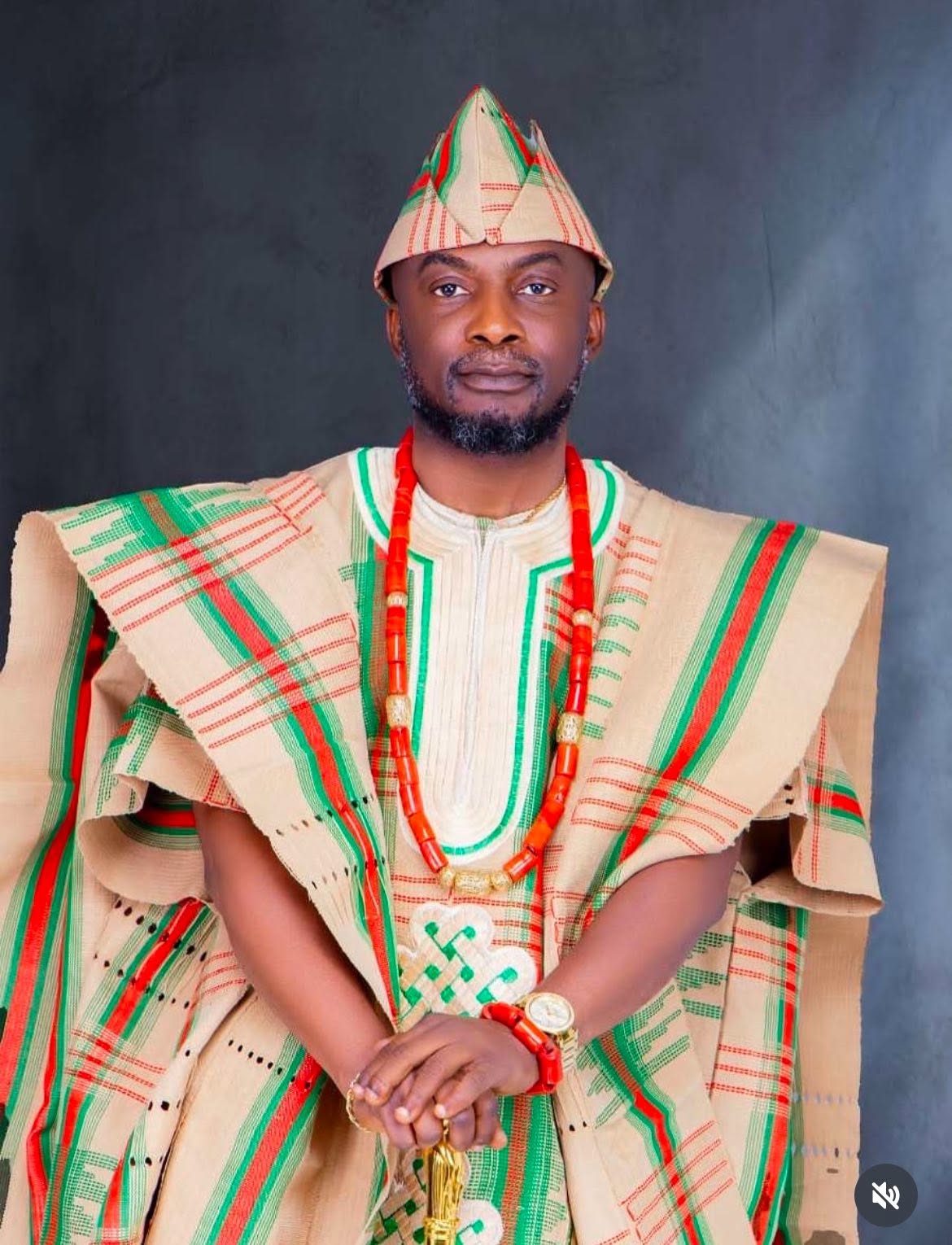
Veteran Nigerian actor and film executive, Oludotun Baiyewu Jacobs, popularly known as Olu Jacobs, has died at the age of 84.
His death was announced by his son, Olusoji Jacobs, on Instagram on Wednesday.
In the statement, the family described the late actor as “The Lion of Lufodo” and asked bloggers and social media influencers to respect its privacy.
“It is with gratitude to God for a life well lived and fought, that we announce the passing of our dear husband, father, grandfather and uncle. The Lion of Lufodo.
Oludotun Baiyewun Jacobs (MFR)
11/07/1942-16/09/2026
We call on all bloggers and social media influencers to respect our families privacy at this time.”
Jacobs was one of Nigeria’s veteran actors and was widely recognised for his contributions to theatre, television and film.
He trained at the Royal Academy of Dramatic Art in England and began his acting career in Britain, where he worked with repertoire theatres and appeared in British television productions and international films.
After returning to Nigeria, he became a prominent figure in the country’s film industry and was regarded as one of the veteran figures of Nollywood.
Jacobs won the Africa Movie Academy Award for Best Actor in a Leading Role in 2007. He also received the Industry Merit Award at the 2013 Africa Magic Viewers’ Choice Awards and the MAA Lifetime Achievement Award in 2016.
He was conferred with the national honour of Member of the Order of the Federal Republic in 2011.
Jacobs was married to fellow veteran actress, Joke Silva.
The president of the Nigeria Society of Physiotherapy, Dr. Oyinlola Felix Odusanya, speaking on the 2026 World Physiotherapy Day, talked about rising cardiovascular disease, exercise, medical rehabilitation gaps, and the need for a national medical rehabilitation policy, in this interview with Sade Oguntola.
How significant is the role of physical activity in preventing and managing cardiovascular diseases and stroke?
The theme for this year’s World Physiotherapy Day focuses on physical activity in the prevention, management, and rehabilitation of cardiovascular diseases and stroke. Studies have shown that physical activity helps reduce the risk of cardiovascular diseases, including stroke. Stroke is one of the commonest cardiovascular conditions we see around here, and its impact on our communities is huge.
For a stroke patient, the medical aspect of treatment has to be established first. The person may be on antihypertensive drugs or may have diabetes or high lipid levels. These risk factors may have been present before the stroke occurred.
Once the patient is stabilised, physiotherapy becomes important in restoring the person to useful function and helping them return to the family and community.
Stroke can leave a person unable to move, involving paralysis on one side of the body. Physiotherapists are movement experts, so our focus is to help the person function again—to use the hand, stand, walk, and, as much as possible, return to activities of daily living. If a stroke affects the head of a family, for instance, it can have a major impact on the entire household. We therefore play a major role in restoring people to independent function.
How many Nigerian hospitals currently have cardiac rehabilitation units run by physiotherapists?
At the moment, we do not have specific data to ascertain the number of cardiac rehabilitation centres in Nigeria. Cardiac rehabilitation itself is a broad term involving a multidisciplinary team combining exercise, education, lifestyle modification, risk-factor management, and psychological support. We have tertiary health institutions/teaching hospitals across Nigeria where specialist care is being offered, but only a few have dedicated cardiac rehabilitation programmes. For example, the University College Hospital, Ibadan, recently has a stroke unit dedicated to the multidisciplinary management of acute stroke cases, which is one of the commonest cardiovascular conditions we see till the point of community reintegration, and physiotherapy plays a very vital role in this.
However, there is no available national data to establish the number of cardiac rehabilitation centresacross Nigeria. In the absence of this, I will rather say a few cardiac rehabilitation services are available in Nigeria, but access remains far below what is required for a country with a growing cardiovascular disease burden. Inadequate resources and personnel, transportation costs, and limited expertise are important barriers. These lead to poor functional rehabilitation and make it more difficult for stroke survivors and other patients with cardiovascular diseases to reintegrate into society.
Why is rehabilitation still so limited in Nigeria?
Generally, Nigeria does not yet have what we can call a rehabilitation policy. Because there is no rehabilitation policy, issues relating to rehabilitation, especially medical rehabilitation, are not properly budgeted for or planned for. There are also limited training opportunities. That is a major concern.
The most important thing is for us to have a rehabilitation policy, which the Federal Government is beginning to look at. Once we have such a policy, we can properly plan for rehabilitation, create the institutions required, and address these gaps. There is no doubt that many patients need these services, but because the services are not sufficiently available, many of them are unable to access them.
What engagement is the Nigerian Society of Physiotherapy having with the health authorities to make physiotherapy part of the healthcare package for cardiovascular diseases?
We have engaged with the National Health Insurance Authority. Recently, if you look at one of the documents and the cost structure they brought out, you will see that physiotherapy features strongly in it.
There is also the WHO Rehabilitation 2030 Agenda. The purpose is for governments and health systems around the world to ensure that physiotherapy and other medical rehabilitation professions exist at every level of healthcare. As we speak, they are not available at every level.
Physiotherapy and medical rehabilitation are essential components of universal health coverage. That is why the conversation now includes creating a rehabilitation policy.
When you create a rehabilitation policy, you create the division that caters for it. That is where you create a budget and opportunities for training.
As we begin to have specialised training, we will also have experts required in different areas, including cardiopulmonary physiotherapy, orthopaedics, and paediatrics.
These are some of the conversations taking place with the Ministry of Health. Tentatively, we are hoping that the policy will be taken to the National Council on Health in November, at least for the first passage of the policy and strategic planning.
What is the recommended dose of exercise for preventing cardiovascular disease?
The truth is that exercise is medicine, and we should approach it from that perspective. Unfortunately, in Nigeria, we have not yet developed an exercise lifestyle. It is for everyone, not only people living with cardiovascular disease.
The WHO recommends an average of 150 minutes of moderate-intensity exercise daily. Exercise can be classified into low, moderate, and high intensity, depending on how rigorous it is. For someone with cardiovascular risk, I would advise aerobic exercise. Examples include walking and dancing, which are relatively inexpensive and accessible.
Walking, dancing, and cycling are good forms of aerobic exercise. You can aim for about 150 minutes per week, spread over five days or done on alternate days. However, exercise must be prescribed for each individual because we are not all the same.
Exercise prescription is based on your health status, age, and other factors that determine what the person is fit or able to do. On average, walking is a simple exercise I would recommend for anybody who can tolerate it. Walk to places where you can rather than always take a car or motorcycle.
Resistance exercises are also important. These include strengthening exercises or weightlifting. Weightlifting is not only for men who want to build muscle. It can also be beneficial for people with cardiovascular diseases because the effect is retained over time. Resistance exercises can be performed two to three times per week, including through body-weight exercises such as squats, lunges, and push-ups.
Flexibility exercises are also important because stretching helps maintain muscle length and can help prevent injuries. For elderly people and those with neurological disabilities, balance exercises are particularly important.
Swimming is another good form of exercise because it combines flexibility, aerobic, and resistance exercise. The buoyancy of the water enhances performance.
Dancing is also a very good form of exercise, particularly in Africa, where it forms part of our lifestyle. The important thing is that it should be intentional, structured, and consistent. It is not enough to dance at a party today and then do nothing for the next month. Exercise should be regular and appropriately prescribed.
Is being physically active at work enough?
Not necessarily. Some people believe that because they work rigorously or are physically active at work, they are getting enough exercise. That is not necessarily correct. That may simply be activity associated with daily living. This forms a baseline at which your heart functions. If you want exercise that is targeted towards your health, it has to be intentional, measured, and structured at a targeted heart rate.
There are many misconceptions that exercise is dangerous for people with high blood pressure or heart disease. How do you address this?
Physiotherapists screen, assess, prescribe, and monitor exercise. That is why you cannot simply tell a patient to go and exercise. Before telling anybody to exercise, you first screen them. There are conditions under which we do not want someone to exercise. For example, if someone has unstable angina, that is, severe chest pain that is not being managed, they are not a candidate for exercise until the condition is addressed.
The same applies to severe, uncontrolled hypertension. You should not exercise until the condition is controlled. Even patients who are admitted to the hospital have a level of exercise they may be able to perform, but it has to be monitored.
If you have cardiovascular disease or another condition you are managing, you should see an expert before beginning an exercise programme.
You should not simply walk into a gym and start lifting weights because somebody else is doing it. We are not all the same. The key word is uncontrolled. Exercise can be dangerous for someone with uncontrolled high blood pressure if they exercise without proper assessment and supervision.
What is the Nigerian Society of Physiotherapy doing to promote community-based physical activity programmes?
Community-based physical activity needs to be looked at from two perspectives. First, the private sector and partners who can make services available to communities. The second is a structured and organised community-based arrangement instituted by the government.
Some government secondary and tertiary hospitals, for example, have community physiotherapists who provide services to certain communities. However, these services are not structured or widely available because the government does not yet have a policy specifically addressing community-based physiotherapy or rehabilitation.
NGOs have also been providing community-based rehabilitation in some areas, while independent institutions and teaching hospitals with the capacity have also been doing the same.
But for these services to be available to everybody in the community, government intervention has to be part of the process. There must be government planning and funding, alongside support from partners. For now, these services are not widely available because they are not sufficiently structured and there are limited partners and funding.
However, annually in celebration of our World Physiotherapy Day, every 8th of September, the Nigeria Society of Physiotherapy, through its various state chapters and hospital units, always organises a community outreach programme nationwide. Yet, there is a need for a community-based rehabilitation government policy for adequate coverage.
Where can people get exercise prescribed according to their age and health condition?
For people with clinical conditions, you need to see a physiotherapist to have your exercises prescribed. An apparently healthy person—someone who has not been diagnosed with a health condition—may be able to exercise with an instructor in a gym.
But for people with cardiovascular disease or another condition they are managing, exercise should be prescribed. Having a disease does not mean you cannot move or exercise. It means the exercise needs to be supervised and appropriately prescribed.
Does this also apply to elderly people?
Yes, particularly elderly people with one or more comorbidities. There is a sub-specialisation known as geriatric physiotherapy. Elderly people may have balance issues and musculoskeletal problems such as arthritis limiting exercise performance.
These factors and every other comorbidity have to be considered in prescribing an exercise programme that is suitable and safe. Safety is key.
What about people who do not want to go to gyms, including for religious or other reasons? And what about exercises such as Tai Chi that people see on social media?
COVID-19 opened our eyes to how we can access health care without necessarily visiting a hospital. There are now many applications developed for tele-rehabilitation that provide demonstrations and guidance even for home-based exercises. But before doing any form of exercise, it is important to know your capacity and your health status.
Ideally, at the beginning, you should see a professional who can tell you which application or movements are appropriate for you.
Walking is a basic exercise that is cheap and easy and can be performed at your own pace. It can also be controlled easily. For elderly people, I encourage walking at their pace, noting how far they are able to go and gradually progressing. Those who require more specialised exercise can visit a physiotherapist. Safety is key.
What are the red flags people should watch out for while exercising?
If you experience sudden shortness of breath or sudden pain in your chest, you should stop exercising. If you suddenly feel dizzy, as though the surroundings are turning, you should stop exercising. If you suddenly feel unusually tired or weak, you should also stop. These are important warning signs.
What is the NSP doing to ensure that stroke survivors in rural and remote communities are not left behind?
We have specific programmes for communities, including activities carried out during World Physiotherapy Day. More broadly, we continue to engage government and advocate for these services to be made available at all levels of care. The number of people who need such services is increasing.
One of the major challenges in Nigeria is that the health system was initially built with a strong focus on infectious diseases. As we move towards dealing more with non-communicable diseases, government needs to put the appropriate structures in place.
What exactly should the government put in place?
The first thing is a rehabilitation policy. It is when there is a rehabilitation policy that you can have a rehabilitation division or department that starts planning. You must plan for personnel, institutions, training, and facilities located in areas where members of the community can easily access them. For those who need a referral, there must also be a system that ensures referral centres are not too far away. That is what we need to put in place so that people can access rehabilitation services.
Q: Many Nigerians still think physiotherapy is only for bone fractures or stroke. Is the profession changing that narrative?
A: Physiotherapy is not just about bones. Physiotherapy is about movement. We are movement experts and exercise experts. Our focus is not just fractures. We manage various health and disease conditions without medication; using physical means and exercise is just one such method. We have various specialisaton in physiotherapy: orthopedics or musculoskeletal, neurophysiotherapy and mental health, women’s health, cardiopulmonary, geriatric, pediatrics, sports, oncology and palliative care, and community physiotherapy.
The goal is to restore independence after a disease—to enable people to move, walk, and participate in activities of daily living.
Health is not simply about taking medication. If someone is still unable to move after a disease, treatment is not complete. When disease strikes, there can be disability and weakness. A person may spend a long time in bed during an admission. Part of completing the treatment process is getting that person moving again and helping them participate in the activities they used to do before the illness.
Physiotherapists play a major role in restoring that movement and function. Physiotherapy is therefore not just about bones. It is about ensuring that people remain physically active and are able to contribute to their environment, their children, and their families.
Q: Should exercise be incorporated into health insurance as a way of reducing the burden of cardiovascular disease and healthcare costs?
A: The evidence would have to be properly analysed and presented. It is something that can form part of the discussion around rehabilitation policy because rehabilitation policy also needs to be matched with insurance.
As we look at reducing healthcare spending, some people take antihypertensive medication every day, while others take medication for diabetes every month.
When people are assessed at the onset, exercise may form part of their management in appropriate cases. During that period, their health parameters would need to be monitored regularly. There are situations where exercise may help delay the point at which drug intervention becomes necessary.
Q: Will the Nigeria Society of Physiotherapy advocate for exercise to be incorporated into health insurance?
A: That is part of the advocacy we do every year. We would want to see it pushed. However, there is still the challenge of health insurance coverage. Many people access healthcare out of pocket.
One way to start is to encourage more people to enroll in health insurance. Once coverage increases, more hospitals may be willing to accept health insurance, particularly if financing and capitation improve.
The Nigerian government needs to look at consolidating health insurance in a way that accommodates people of different social statuses, including market women and farmers in rural communities.
Q: Finally, what is your message to Nigerians about movement, heart disease, and stroke?
A: You should not wait until you have a heart attack or a stroke before you start moving. We should move before that happens because the body is designed to move. The heart is a muscle, and it needs to be exercised.
Take the stairs instead of the elevator or lift. Walk to places you can instead of using a car or motorcycle. I also want to appeal to the government to make our roads more accessible for physical activity.
In the process of modernising our roads, we are taking over the walkways. We no longer have sufficient walkways for people to walk on.
The prevalence of motorcycles also makes it difficult for elderly people who normally engage in routine morning exercise. They can be put at risk, and there have been situations where people exercising have been hit by motorcycles.
Urbanisation is therefore eroding some of the opportunities for physical activity. As we urbanise and improve our infrastructure, we should be intentional about making our environment conducive to physical activity so that the people who use these facilities can live longer and enjoy them.
Veteran Nigerian rapper Olusegun Osaniyi, popularly known as Lord of Ajasa, has become a United States citizen, prompting an outpouring of congratulatory messages from fellow artistes, music producers and fans.
One of the pioneer of mainstream Yoruba rap shared clips, photographs and Instagram stories on his page, #lordofajasa, on Wednesday, holding his American citizenship certificate.
In another photograph, the rapper and his wife posed with the American flag, marking the milestone that quickly attracted attention from fans and entertainment platforms.
The development also revived conversations about Lord of Ajasa’s place in the history of indigenous Nigerian hip-hop, particularly his role in popularising Yoruba rap before the emergence of acts such as Dagrin, Olamide and Reminisce.
PUNCH Online reports that his long-time associates and contemporaries were among those who celebrated the milestone in the comment section of his Instagram post.
Music producer and Coded Tunes founder, Olumide Ogunade, popularly known as ID Cabasa, wrote, “Congratulations Lord Oshi.”
Lord of Ajasa replied, “Thanks Cabasa.”
His contemporary, singer Abolore Akande, popularly known as 9ice, also congratulated him, writing, “Congrats apase1”
Lord of Ajasa responded, “Thanks Baalè.”
Other social media users also joined the congratulatory messages as the post attracted renewed attention to the veteran rapper.
Music lovers and hip-hop enthusiasts have long recognised Lord of Ajasa as one of the early figures who helped establish indigenous-language rap as a prominent part of Nigeria’s mainstream music culture.
His songs, including “Le Fenu So,” “Esha Lo Bade,” and “Mai Lo,” have remained associated with throwback conversations about the early years of Yoruba hip-hop.
Lord of Ajasa’s name also frequently resurfaces during discussions about the evolution of Nigerian hip-hop, including conversations around the early indigenous rap movement and the Coded Tunes era.
His naturalisation has also put to rest years of speculation among fans about his frequent stays in the United States, where he has regularly performed at shows, events and other engagements, PUNCH Online reports.
Families across Nigeria continue to live with the deaths, trauma, financial losses and unanswered questions left behind by building collapses. As experts blame weak enforcement, quackery, substandard materials and poor construction practices, ANOZIE EGOLE examines why building collapses persist and what happens to the families left behind
For 50-year-old Saheed Akeredolu, the sound of a collapsing building will forever be associated with the loss of two of his children.
On May 27, 2025, Akeredolu’s 17-year-old son, Abdulmalik, and his younger daughter, Amirat, died when a residential building he was developing in Ikorodu, Lagos State, collapsed.
Abdulmalik, his only son, was preparing for his matriculation at the University of Lagos, while Amirat was his last child.
The tragedy occurred on Children’s Day, when a curfew in the area had altered the family’s routine.
“We all came from God, and we all return one day, but when one returns accidentally, it is somehow painful. We give all our hope to God Almighty. Initially, I had three children, a boy and two girls; I lost my only son and my last child, who is a girl, in the tragic incident,” he said.
The building was nearing completion when it collapsed.
Akeredolu said his children had gone into the building to pray after returning to the family compound. He later fell asleep, unaware that tragedy had struck.
“So that day, after we finished eating, the eldest told me he wanted to go to the main building so that no one would disturb him for what he wanted to do, and I said, “okay.” He later came to meet me and said it was time to go and pray. So he came back to call the junior ones that it was time for prayer, and they couldn’t go out because of the curfew in Ikorodu,” he recalled.
His surviving daughter could not leave the compound because she was menstruating.
“If not because the other girl was menstruating, so she couldn’t go out, I would have lost three of them,” he said.
Three people died in the collapse, including Akeredolu’s mother’s immediate elder brother.
The tragedy also left the family financially devastated.
“Since then, I just put my heart together even as I am speaking with you now; God can call me anytime. But I must confess to you, since that ugly incident, I just started life from scratch. I was wearing only boxers the day this happened,” he said.
Akeredolu also alleged that people he believed were government officials removed building materials from the site after the collapse.
“Someone who lost two children the same day — will that person look for property? Even the people who called themselves government agents came to carry the building materials, even the ones we haven’t used; nobody could challenge them. It is me who is crying for losing my children. So they took everything,” he alleged.
The family is also worried about losing the property.
“We are still lobbying so that the government will not take the land from us. Sometimes, my wife will somehow be emotional; I will still be the one to pet her. The shock is still very fresh in our minds; it is still affecting my only surviving daughter in her academics,” he said.
For the Akeredolu family, the tragedy did not end when the rubble was cleared.
Child lost beneath the rubble
Six years before Akeredolu lost his children, 53-year-old Mrs Omawunmi Balogun experienced a different but equally devastating building collapse.
On March 13, 2019, a school building on Massey Street, Ita-Faaji, Lagos Island, collapsed, killing several people, including Balogun’s eight-year-old daughter, Radiat.
Radiat was a Primary Two pupil and Balogun’s last child.
Balogun, a soft drinks seller on Lagos Island, said the disappearance of her daughter after the collapse triggered a health crisis from which she has yet to recover.
“She was about eight years old when she died on March 13, 2019; her name was Radiat Balogun. When the building collapsed, we started looking for her, but we couldn’t find her. After a few days, someone informed us that she was at the mortuary in Yaba,” she recalled.
The family eventually identified and buried the child’s remains.
“She was in Primary Two when the tragic incident happened, and she was my last child. Since then, I haven’t been feeling fine. The day the building collapsed and we couldn’t find her, I developed hypertension the next day. My blood pressure rose very high, and since then I haven’t been feeling fine,” she said.
Balogun said there had been little or no support from the school since the tragedy.
“And since then, there has never been any intervention from the school that collapsed; I don’t even know if the proprietor of the school is still alive,” she said.
She added that the site continued to be used for schooling.
Her experience raises a question that extends beyond individual grief: what happens to families after the headlines disappear?
Mrs Balogun (left) and her deceased daughter Radiat under the rubble
Most collapses occur in occupied buildings
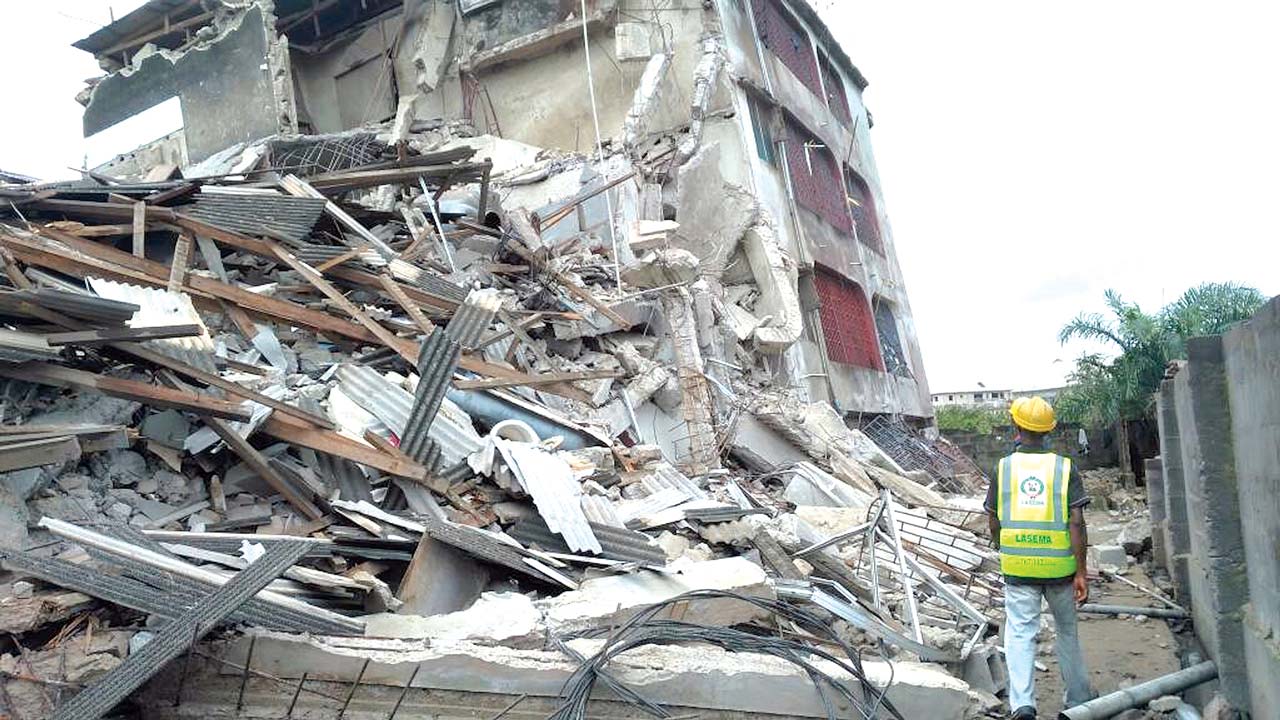
The human cost of building collapses was brought into sharp focus following the June 25, 2026, collapse of a four-storey building on Old Ojo Road, near Alakija Bus Stop, off the Lagos-Badagry Expressway in Satellite Town, Lagos.
Eight people died while 26 others were rescued from the rubble in the incident, which also triggered renewed concerns about the safety of occupied buildings across the state.
Speaking at a conference organised by the Building Collapse Prevention Guild, Amuwo-Odofin Cell, in Satellite Town, with the theme, “Building a Resilient Lagos Through Synergy,” quantity surveyor Oluwatomi Ogundare said available records showed that a significant proportion of building collapses occurred in structures that were already occupied.
Citing BCPG records in his presentation, Ogundare said 477 of the 817 building-collapse incidents recorded between October 1971 and July 27, 2026, occurred in Lagos State.
He said 325 of the Lagos incidents, representing 68.1 per cent, occurred while the buildings were occupied, while 121 incidents, or 25.4 per cent, occurred during construction. The remaining 31 incidents, representing 6.5 per cent, occurred at the end-of-life stage of the buildings.
The figures highlight the particular danger faced by residents of structurally compromised buildings, where defects may go undetected until a sudden failure puts occupants at risk.
They also bring into sharper focus the experiences of survivors and bereaved families, many of whom are left to deal with the loss of loved ones, homes and livelihoods long after the rubble has been cleared.
Recurring safety problem
Building collapses remain a major public safety concern in Nigeria, with Lagos accounting for a significant share of recorded incidents.
A January 2025 report by the Building Collapse Prevention Guild, published by The PUNCH, recorded 47 building collapse incidents across 14 states in 2024.
The guild also reported 640 recorded collapses from October 1974 to January 9, 2025.
A 2022 report by Jide & Co Onasali identified building collapse as a major obstacle to sustainable development and estimated that Nigeria had lost properties worth $3.2tn to building collapses over two decades.
The figures provide an indication of the scale of the problem, but the statistics tell only part of the story.
Behind every collapsed structure are families that may lose loved ones, homes, businesses and livelihoods, while survivors may carry physical or psychological injuries long after rescue operations end.
Recent incidents have continued to bring the problem into public focus.
More rubble, more questions
On July 27, 2026, The PUNCH reported the collapse of a three-storey student hostel, Elite Five Star Lodge, beside Tonimas Filling Station in Amokpala, Oko, Orumba North Local Government Area of Anambra State.
The building, reportedly containing about 60 rooms, collapsed while students were inside, trapping some occupants beneath the rubble.
An eyewitness, Ifeoma, said residents heard a loud noise shortly before the structure gave way.
“We heard a very loud noise before the building collapsed. The noise attracted many residents and students, who rushed to the scene to see what had happened. And within moments after the loud noise from the building, the occupants inside started shouting for help as the building fell,” she said.
The Anambra State Fire Service, the Anambra State Emergency Management Agency and other emergency responders participated in the rescue operation.
Police spokesman SP Tochukwu Ikenga confirmed the incident and said security agencies had secured the scene and coordinated rescue efforts.
The National Emergency Management Agency later suspended operations after at least 50 per cent of the debris had been cleared, with the search scheduled to resume the following day.
Two days later, residents of Ajuwon in Ogun State were thrown into mourning after a mixed-use building collapsed during a downpour.
The building, located around OGS Bus Stop on Baale Road, contained shops on the ground floor and residential apartments above.
Three people — an adult woman, a baby and a 75-year-old man — were reportedly recovered dead, while 12 others were rescued.
The Ogun State Government ordered a comprehensive investigation into the incident.
The cases underline the wider risk posed by structural failure: a collapsing building can kill not only its owners and occupants but also tenants, traders, workers and passers-by.
Ex-BCPG boss, Awobodu
Why do buildings keep collapsing?
For professionals in the built environment, the causes are well known and largely preventable.
The Honorary Publicity Secretary of the Nigerian Institute of Estate Surveyors & Valuers, Lagos State Branch, Mr Tokunbo Akinhanmi, attributed the persistent collapses to weak regulation and poor construction practices.
“The persistent cases of building collapse in Nigeria are largely attributable to poor regulatory enforcement, engagement of unqualified practitioners, use of substandard materials, structural defects, inadequate soil investigations, and the failure of some developers to comply with approved building specifications,” Akinhanmi said.
He called for stronger monitoring and enforcement, the use of registered professionals throughout construction and periodic structural assessments of ageing buildings.
He also urged sustained public education on the dangers of cutting corners.
“With strict adherence to professional standards, regulatory compliance, and proper maintenance, we can significantly reduce these tragic incidents and safeguard lives and investments,” he added.
His comments raise a central question: Nigeria has regulations and agencies responsible for enforcing them, but how effectively are those rules being implemented?
New push for forensic probe
The Federal Government has also begun a new effort aimed at improving the investigation of engineering failures, including building collapses.
The Certified Forensic Engineering Failure Investigator certification programme was launched in Abuja through a collaboration involving the Chartered Institute of Forensics and Certified Fraud Investigators of Nigeria, the Council for the Regulation of Engineering in Nigeria and the Nigeria Building and Road Research Institute.
Speaking at the launch, the President and Chairman of the Governing Council of CIFCFIN, Dr Iliyasu Gashinbaki, said the programme was informed by findings from a 2026 engineering study.
Gashinbaki said the study documented 111 validated building-collapse incidents between 2015 and 2025, resulting in 321 deaths and 344 injuries.
He said the figures represented an average of about 32 deaths and 34 injuries annually within the dataset.
He also cited an analysis of documented fire incidents between 2022 and 2025, which estimated the value of destroyed goods, properties and business assets at not less than N4.6tn.
Gashinbaki said the figures demonstrated the need for Nigeria to move beyond reactive responses towards evidence-based investigation and accountability.
“Where there is suspected negligence, fraud, malpractice or deliberate compromise of safety, properly conducted forensic engineering can preserve the technical evidence required,” he said.
He said the CEFFI programme would combine engineering, forensic science, law, regulation and investigation to improve the country’s ability to determine what caused engineering failures and establish responsibility.
When owners underestimate construction
The Pioneer National President of the Building Collapse Prevention Guild, Kunle Awobodu, identified another major problem: property owners’ failure to appreciate the complexity of construction.
“Any building going above the level of a bungalow needs professional input. Building is a long-term investment that should not be subjected to jeopardy before, during and after construction,” he warned.
Awobodu, who is also a member of the Ministerial Task Team on Building Collapse, called for greater public enlightenment and stronger monitoring of construction sites.
He also advocated an easier and more affordable approval process.
“Assessment fees should be made affordable, and the building approval process itself should be simplified and digitalised to avoid delays that are bad for project cost control and delivery timelines,” he said.
He further called for measures to eradicate quackery and reduce political interference in building control.
Foundation problem
Civil engineer and Managing Director of Omelis Empire Limited, Okey Emelibe, said structural problems could begin from the foundation.
“When it comes to building collapse, the major cause has always been wrong foundation,” Emelibe said.
He explained that foundation requirements vary according to the soil and the type and size of the building, adding that the foundation suitable for a bungalow could not simply be applied to a multi-storey structure.
He also identified inferior materials, poor supervision and unqualified workers as potential contributors to structural failure.
Emelibe urged government to strengthen regulatory oversight and ensure that qualified professionals and appropriate materials were used.
“The government should as well reduce the charges paid to get approvals and focus on using professionals for the jobs, as we see in the developed world,” he said.
Fear of renting a home
The recurring collapses have also changed how some residents approach the search for accommodation.
Harrison Chinaka, a Lagos resident, said renting an apartment now comes with anxiety over whether a building is structurally safe.
“As someone with a family, the thought of renting an apartment in Lagos now comes with a level of fear unlike before. While searching for accommodation now, I can’t help but wonder whether the building is truly safe,” he said.
Chinaka said he now pays greater attention to the age and condition of buildings, looking for visible cracks and considering whether an area is vulnerable to flooding.
He called for regular structural inspections and strict enforcement of building regulations.
“Only qualified professionals should be allowed to design and supervise buildings, while developers who cut corners or use substandard materials should face severe sanctions,” he said.
He also suggested that government publish information on certified safe buildings and educate residents about warning signs of structural defects.
“When people know that safety standards are being upheld and offenders are held accountable, families will be able to choose a home with confidence rather than fear,” he said.
Another Lagos resident, Timothy Chijiekwu, said the incidents had influenced his own housing preference.
“When renting my next apartment, I will be going for bungalows instead of storey buildings because bungalows are mostly not prone to collapse,” he said.
However, the safety of a building is determined by factors including its design, foundation, materials, construction quality, supervision, maintenance and compliance with approved standards, rather than simply whether it is a bungalow or multi-storey structure.
Beyond the rubble
The immediate response to a building collapse is usually urgent and visible: emergency workers arrive, debris is removed, and survivors are rescued.
For families such as the Akeredolus and Baloguns, however, the crisis continues long after the rescue operation ends.
Akeredolu is left to rebuild his life after losing two children. Balogun continues to live with the consequences of losing her last child.
Their experiences expose a less visible side of the building-collapse crisis: the lives left behind after the rubble has been cleared.
For victims, the questions are not only about what caused a building to fall. They also want to know whether anyone will be held responsible, whether victims will receive meaningful support, whether unsafe buildings can be identified before disaster strikes and whether the same failures will claim more lives.
The experts interviewed for this report broadly agree on the solutions: stronger enforcement, qualified professionals, proper materials, adequate supervision, effective building approval processes, structural inspections, public awareness and accountability.
What remains less clear is whether those measures are being implemented effectively.
That gap between what the rules require and what happens on construction sites may determine whether Nigeria’s building-collapse tragedies remain recurring headlines or become preventable failures of the past.