Connect with us

News

States get 30-day deadline for constitution amendment

Published

on

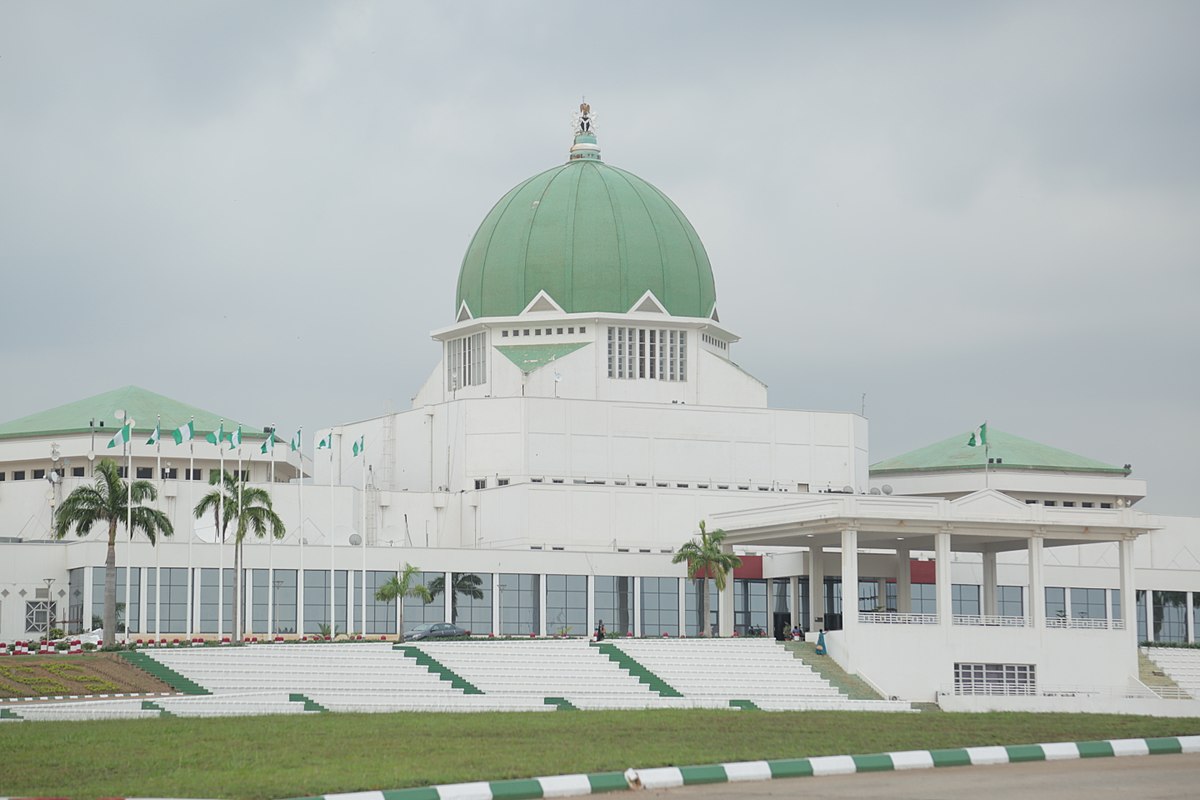
The National Assembly has transmitted the 2026 Constitution alteration bill to the 36 state Houses of Assembly for consideration, asking them to communicate their resolutions within 30 days.

It also clarified that the timeframe is administrative and not a constitutional deadline.

The transmission, effected on Wednesday by the Clerk to the National Assembly, Kamoru Ogunlana, followed a directive from the leadership of the National Assembly.

The development marks the commencement of the next critical phase of the constitutional amendment process, with the proposed alterations now before the state legislatures whose approval is constitutionally required before the exercise can proceed.

In a statement issued on Wednesday, Ogunlana said the transmission was made pursuant to Section 9 of the 1999 Constitution, as amended.

He said, “The National Assembly has commenced the next stage of the constitutional alteration process with the transmission of the Constitution of the Federal Republic of Nigeria, 1999 (Sixth Alteration) Bill, 2026 to the Houses of Assembly of the 36 States of the Federation for their consideration and approval.”

Section 9 requires a constitutional alteration bill to secure the approval of not less than two-thirds of the 36 State Houses of Assembly.

Ogunlana stated, “Section 9 of the Constitution provides, among other requirements, that either House of the National Assembly shall not pass a Bill for the purpose of altering the provisions of the Constitution unless it is approved by resolution of not less than two-thirds of the Houses of Assembly of the 36 States of the Federation.”

Build-up to transmission

The transmission followed the passage of the proposed alterations by both chambers of the National Assembly.

See also  Dino Melaye faults presidential pardon granted to 70 drug lords by Pres. Tinubu

Under the constitutional procedure, an alteration bill must be considered and passed by at least a two-thirds majority of all members of both the Senate and House of Representatives. Where a bill originates in one chamber, it must be transmitted to the other for concurrence, with both chambers required to agree on the same text before it can be sent to the state legislatures.

At least 24 of the 36 state Houses of Assembly must subsequently approve a constitutional alteration before the process can advance.

The state legislatures are now expected to consider the proposals in accordance with their respective legislative procedures and communicate their resolutions to the National Assembly.

Although the state legislatures have been given an expected 30-day period to respond, the Clerk stressed that the period was not prescribed by the Constitution.

He said, “The Clerk to the National Assembly has requested the state Houses of Assembly to give the Bill the requisite consideration in accordance with their respective legislative procedures and to communicate their resolutions to the National Assembly upon conclusion of their consideration.

“It is noted that the Constitution does not prescribe a specific period within which the state Houses of Assembly are required to communicate their resolutions on a constitutional alteration Bill.

“Nevertheless, in the interest of an orderly, coordinated and timely conclusion of the constitutional alteration process, the state Houses of Assembly are expected to consider the Bill and communicate their respective resolutions to the National Assembly within 30 days of receipt.

“For clarity, the 30-day period is an expected administrative timeframe and does not constitute a constitutional deadline,” the statement added.

See also  Photos: Jonathan Visits Tinubu At Presidential Villa

The National Assembly also stressed that the transmission was not intended to influence or dictate how the state legislatures should consider the proposals.

“The National Assembly recognises the constitutional responsibility vested in the state Houses of Assembly and respects their independence in the consideration of the Bill. The transmission is intended to facilitate the orderly discharge of their constitutional role in the process.”

Ogunlana said the National Assembly remained committed to complying with the constitutional requirements governing the alteration exercise.

He said, “The National Assembly remains committed to ensuring that the constitutional alteration process is conducted in strict compliance with the Constitution and in accordance with the principles of due process, institutional cooperation and respect for the legislative responsibilities of all tiers of the legislature.”

He added, “Upon receipt of the resolutions of the State Houses of Assembly, the National Assembly will proceed with the necessary steps in accordance with the provisions of the Constitution.”

2027 deadline concerns

The transmission comes about two weeks after the Senate assured Nigerians that the constitutional amendment process would be completed before the expiration of the 10th National Assembly in June 2027.

The assurance followed concerns that the review could be overtaken by preparations for the 2027 general elections and suffer the fate of previous constitutional reform exercises that failed to secure the required legislative support.

Critics have also questioned the resources committed to previous amendment exercises and raised concerns over the possibility of another unsuccessful attempt at constitutional reform.

However, the Chairman of the Senate Committee on Media and Publicity, Yemi Adaramodu, told The PUNCH that the Senate leadership was determined to conclude the process within the lifespan of the current Assembly.

See also  ‘Obi of Lagos’ N1.5bn palace unveiling was a scam– Police give update

Adaramodu said, “The proposed constitution amendments, already started by the 10th National Assembly, shall be passed in the life of this current Assembly.

“However, January is not the terminal date of the 10th National Assembly, but June 2027.

“The Electoral Act, recently passed, has taken care of the January 2027 general elections.”

The Senate President, Godswill Akpabio, had also assured that preparations for the 2027 elections would not prevent the National Assembly from performing its legislative responsibilities.

Akpabio said lawmakers had the capacity to balance their political activities with their constitutional duties.

The constitutional review is expected to cover proposals relating to governance, political restructuring and other aspects of Nigeria’s constitutional framework.

Unlike ordinary legislation, constitutional alteration requires compliance with the special procedure prescribed by Section 9, including approval by both chambers of the National Assembly and endorsement by at least two-thirds of the state Houses of Assembly.

Previous constitutional amendment exercises have generated extensive public debate, with several proposals failing to secure the required legislative support despite the time and resources committed to them.

The transmission has now placed the 36 state Houses of Assembly at the centre of the next phase of the process, with their resolutions expected to determine whether the proposed amendments can advance before the 10th National Assembly winds down in June 2027.

Source: punchng.com

FOLLOW US ON:

FACEBOOK

TWITTER

PINTEREST

TIKTOK

YOUTUBE

LINKEDIN

INSTAGRAM

Continue Reading
Click to comment

Leave a Reply

Your email address will not be published. Required fields are marked *

News

PHOTOS: Nigeria to Begin Large-Scale Local Production of Military Hardware Within One Year – Defence Minister

Published

on

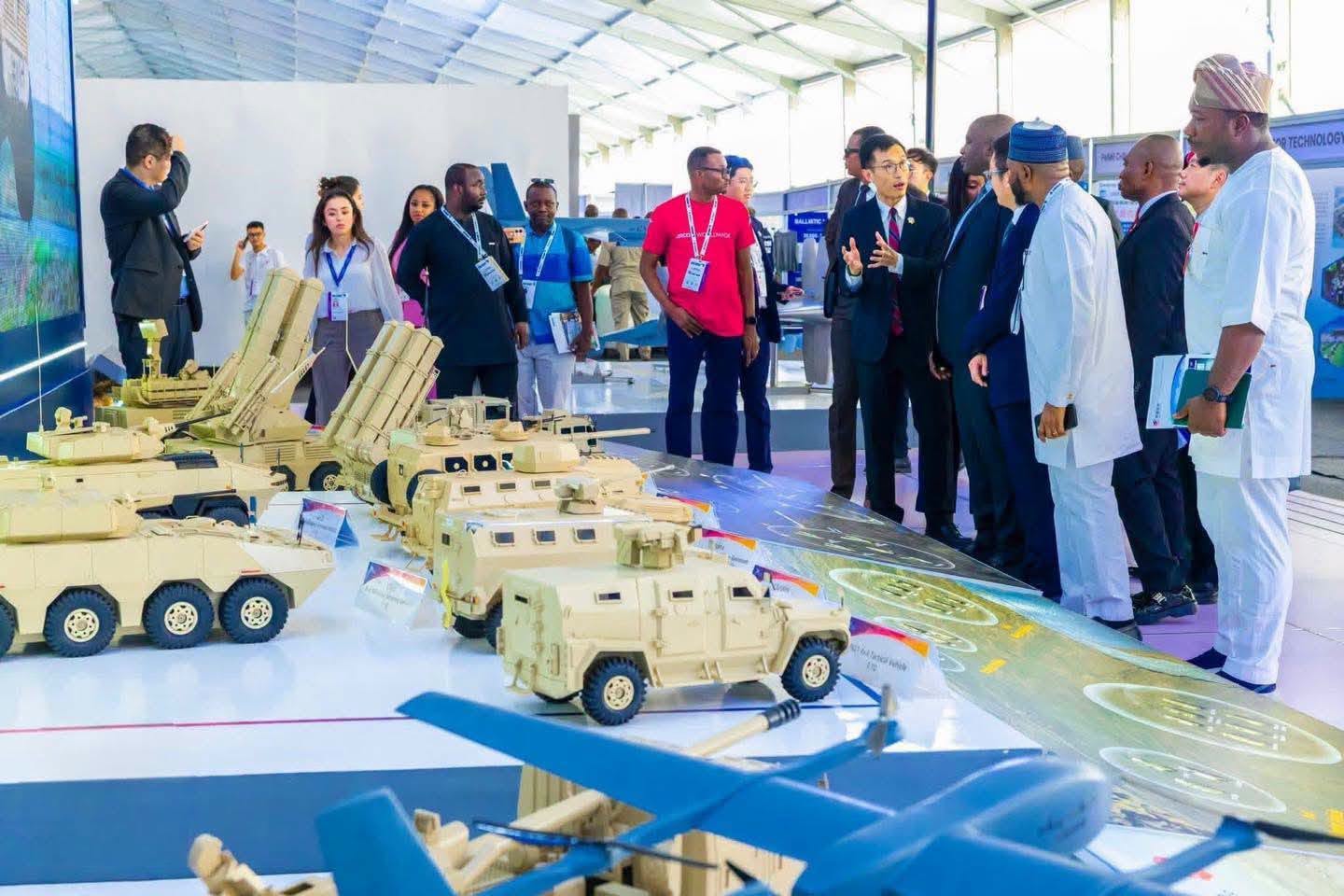
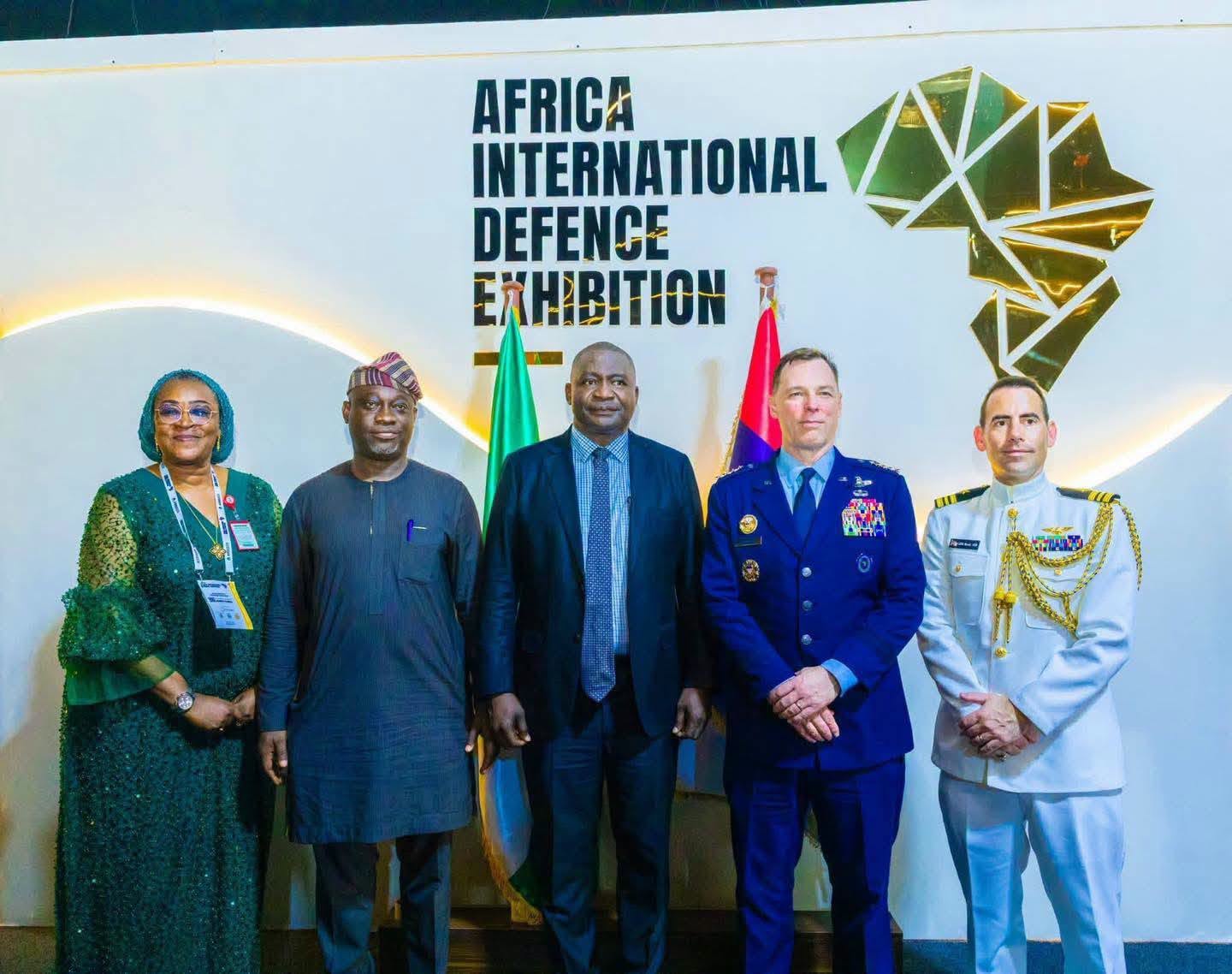
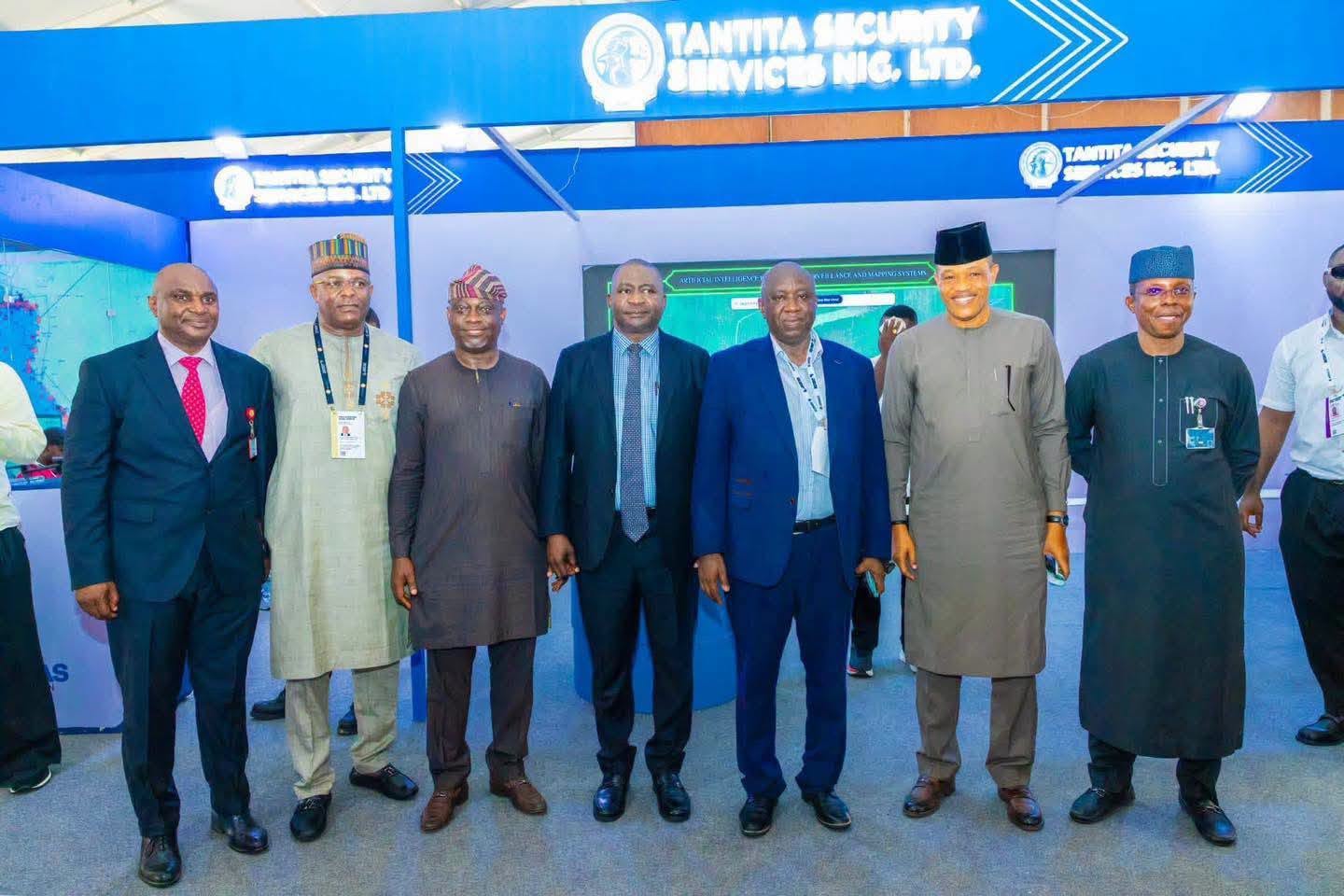
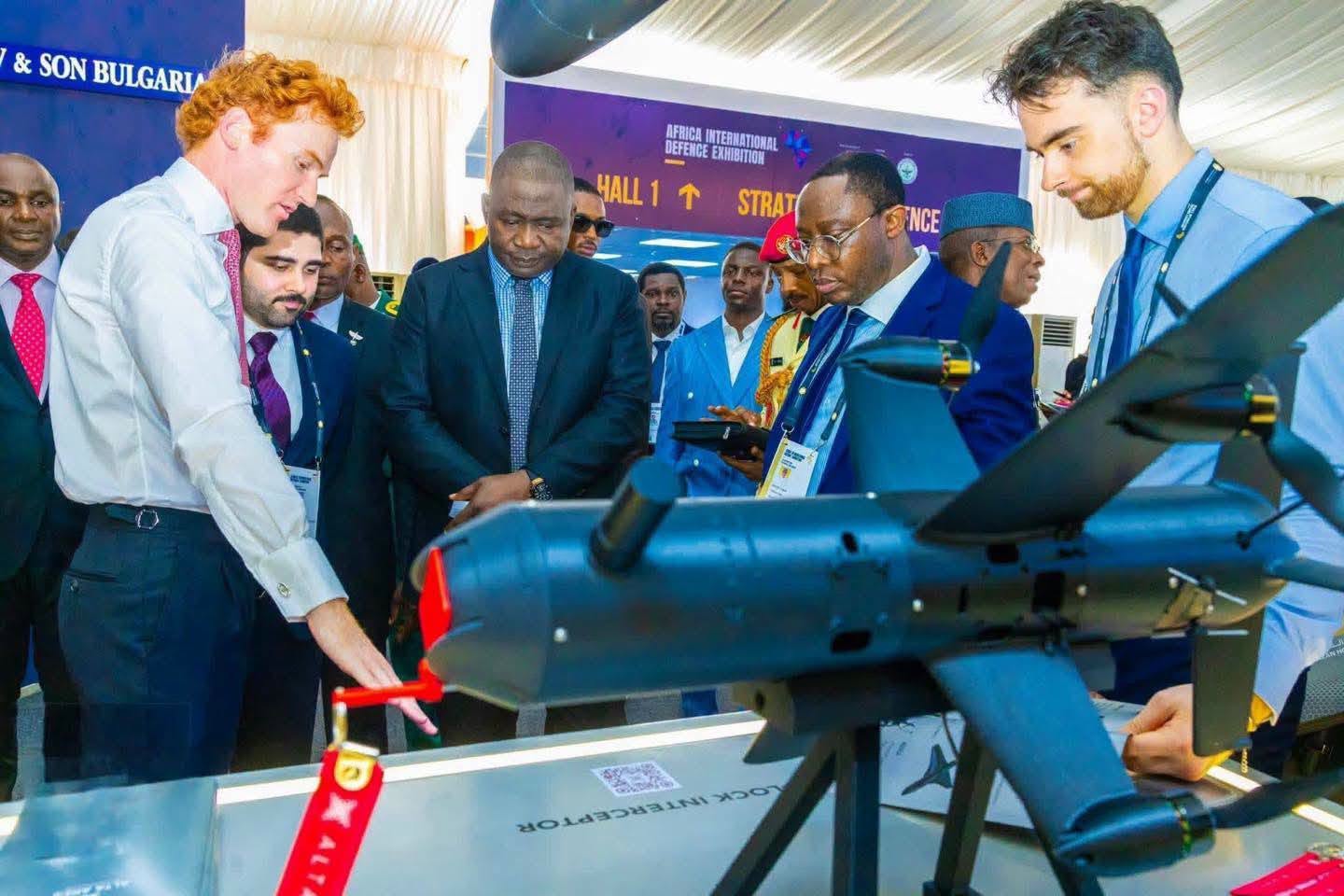
Nigeria will begin large-scale local production of military hardware within the next year as the Federal Government moves to reduce dependence on imported defence equipment and strengthen the country’s domestic defence industry.

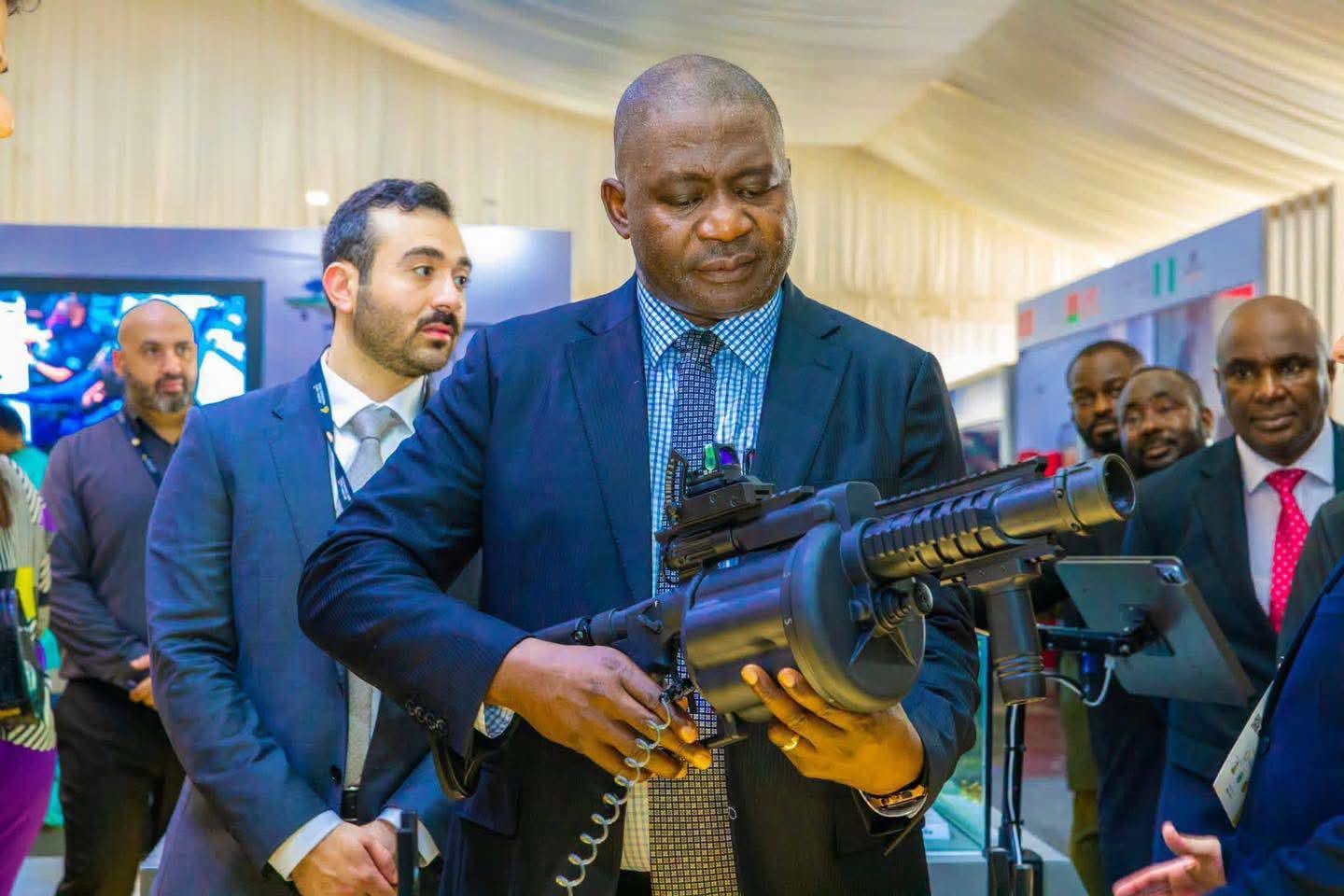
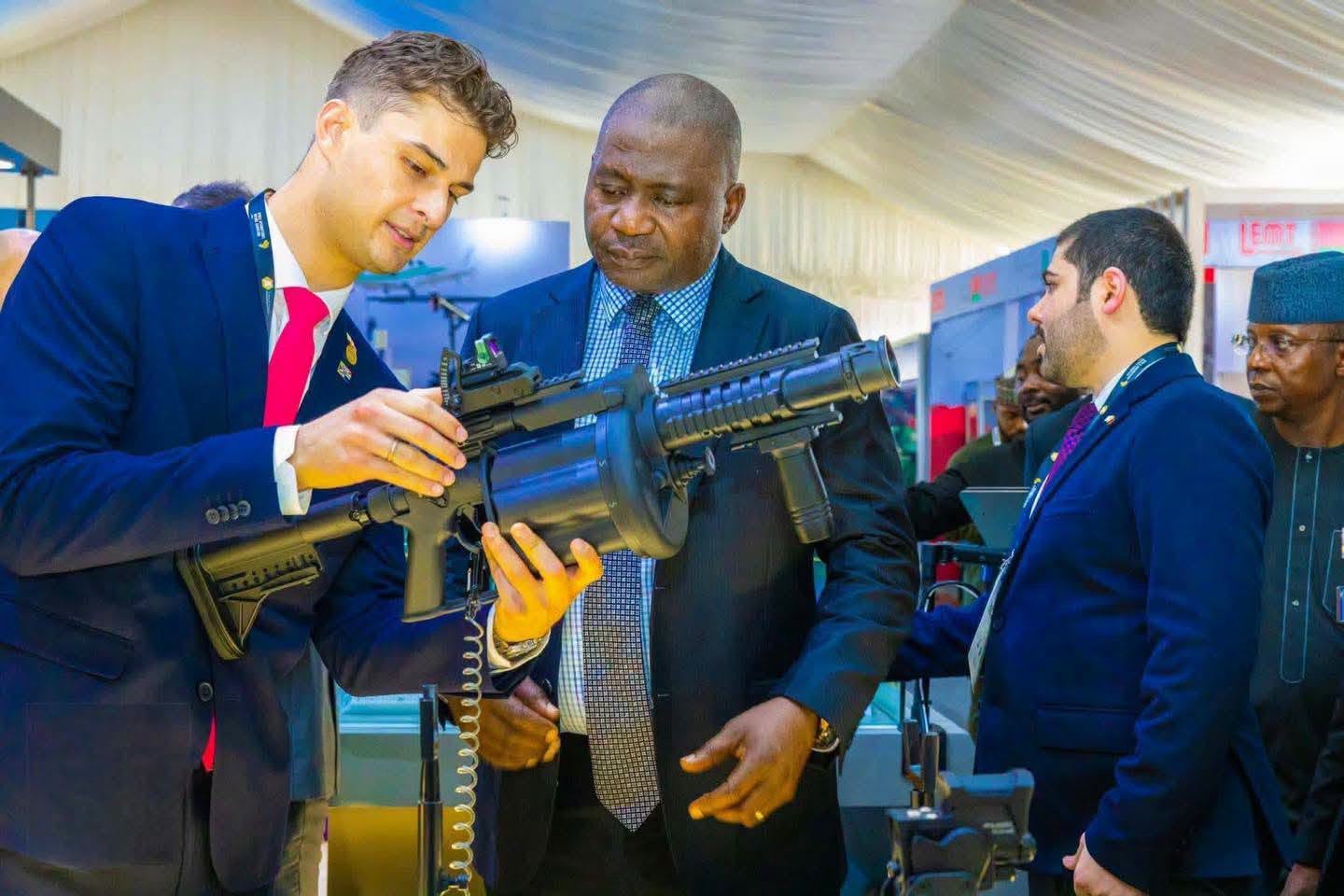
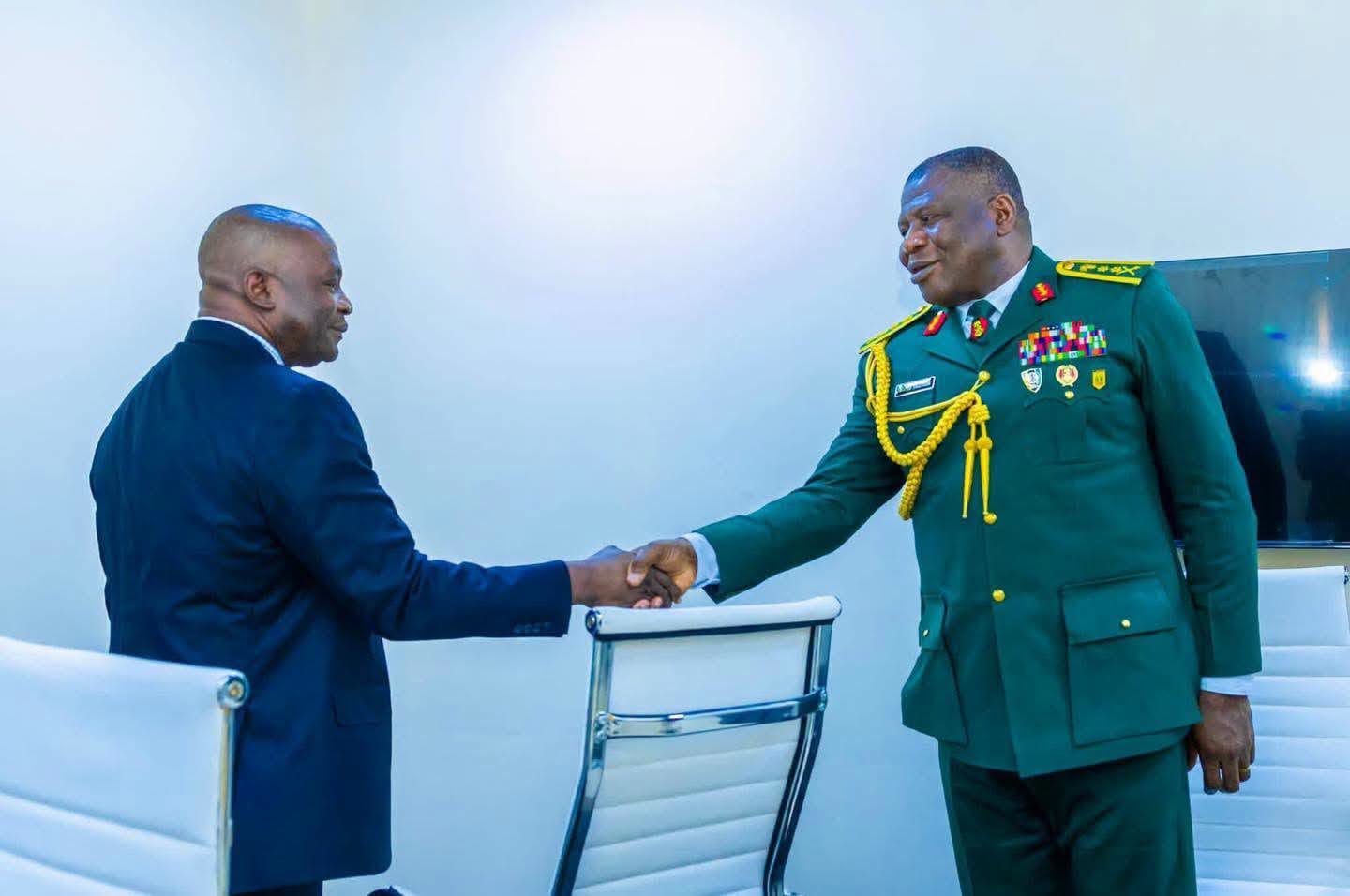
The Minister of Defence, General Christopher Musa, announced this after attending the maiden Africa International Defence Exhibition (AFRIDEX) 2026, which brought together African governments, military institutions, defence manufacturers and technology innovators to explore opportunities for defence cooperation and indigenous manufacturing.

Musa said the government was working to expand Nigeria’s defence production capacity through the Defence Industries Corporation of Nigeria (#DICON), with emphasis on investment, research and development, technology transfer and partnerships with international manufacturers.

He explained that the initiative would focus on the local production of military equipment, weapons, ammunition and other essential defence systems to meet the operational requirements of the Nigerian Armed Forces.

According to the minister, developing domestic manufacturing capacity would strengthen the military’s ability to respond to security threats while reducing reliance on foreign suppliers for critical defence materials.

Musa also identified #AFRIDEX as an important platform for building international partnerships, exchanging technical expertise and attracting investments into Nigeria’s defence sector.

He said the exhibition would help position Nigeria as a potential supplier of military equipment to other African countries, in addition to meeting its own defence requirements.

The planned expansion of local production forms part of broader efforts to strengthen Nigeria’s defence industrial base and promote indigenous technological capabilities in response to evolving security challenges.

However, the minister did not provide specific details on the production facilities, equipment categories, investment commitments or implementation timeline for individual manufacturing projects.

See also  Stop calling cannabis Indian Hemp – India authorities tell Nigerians, NDLEA

FOLLOW US ON:

FACEBOOK

WHATSAPP CHANNEL

TWITTER

PINTEREST

TIKTOK

YOUTUBE

LINKEDIN

INSTAGRAM

Continue Reading

News

PHOTOS: FG receives 180 Nigerian returnees from Libya

Published

on

The Federal Government, through the National Emergency Management Agency, has received 180 Nigerian returnees from Sebha, Libya.

The agency disclosed this in a statement issued on Tuesday and posted on its X handle on Wednesday, noting that the returnees arrived at the Cargo Terminal of the Murtala Muhammed International Airport, Ikeja, Lagos State, at about 4:20 pm on Tuesday.

The returnees. Photo: NEMA

According to NEMA, the returnees were received under the Assisted Voluntary Return Programme coordinated by the International Organisation for Migration in collaboration with the Federal Government.

The returnees arrived aboard an Air Buraq Airlines flight with registration number 5A-BAE and were received by NEMA’s Lagos Operations Office in collaboration with the National Commission for Refugees, Migrants and Internally Displaced Persons.

The group comprised 143 adults, including 75 males and 68 females; 26 children, made up of 12 boys and 14 girls; and 11 infants, comprising three boys and eight girls.

“Upon arrival, officers of the Nigeria Immigration Service conducted biometric registration and documentation to establish the identities of the returnees, maintain accurate records and facilitate subsequent reintegration processes,” the statement said.

According to the agency, the returnees received immediate humanitarian assistance, including food, potable water and medical screening.

The returnees entering a bus. Photo: NEMA

It added that ambulance services were provided for those requiring medical attention, alongside luggage handling, logistical support, reception coordination and counselling.

“Reintegration support was also provided to facilitate their return to their respective communities,” the statement added.

NEMA said the reception exercise involved relevant government agencies and partners working together to ensure the safe and dignified arrival of the returnees.

See also  Beloved US Judge Frank Caprio dies at 88 after battle with cancer

The agency added that the intervention was aimed at providing the necessary assistance to the returnees following their arrival in Nigeria.

The returnees. Photo: NEMA

Source: punchng.com

FOLLOW US ON:
FACEBOOK

WHATSAPP CHANNEL

TWITTER

PINTEREST

TIKTOK

YOUTUBE

LINKEDIN

INSTAGRAM

Continue Reading

News

Egypt releases prominent journalist from custody

Published

on

Egyptian authorities released independent journalist Lina Attalah from custody on Tuesday, hours after she was detained and after a court ordered her website shut, her lawyer told AFP.

Attalah is one of Egypt’s most prominent journalists, and her detention had sparked swift condemnation from rights groups and press freedom advocates.

A court had earlier fined Attalah three million Egyptian pounds (around $53,400) for operating website Mada Masr without a licence, the maximum possible penalty for the misdemeanour she was charged with, and ordered Mada’s closure.

“Lina Attalah was released after we paid the said fine,” her lawyer Hassan al-Azhari said, referring to a three million Egyptian pound ($53,400) fine.

“In the process, we discovered that she had been sentenced in absentia in 2024 to a year in prison, as well as a fine of 20,000 Egyptian pounds,” he told AFP.

Attalah’s defence team has appealed that sentence, and a new court hearing is scheduled for November 11, Azhari said.

News of the release followed condemnation by rights groups of the detention, which they described as a sharp escalation in Cairo’s crackdown on press freedom.

Mada Masr says it has not received a response from authorities about its licence application since 2023.

The hours-long detention comes weeks after the arrest of an entire fact-checking newsroom, on charges of fake news, which are frequently levelled against media seen to be critical of the government.

Hossam Bahgat, head of prominent rights group the Egyptian Initiative for Personal Rights (EIPR), was present at the court and gave AFP an account of events leading up to the arrest.

See also  FG to phase out power sector subsidy from next year

During the hearing Tuesday, the defence team said the judge ordered the room cleared except for Attalah and her lawyers, before security officers also entered the room.

Attalah’s eight-person defence team had made procedural requests denied by the court, which then announced it had appointed its own lawyer for the journalist.

“In a move that astonished all those present, the judge recorded in the official court minutes that the court had appointed a lawyer from the Lawyers’ Syndicate to represent the defence,” Bahgat said.

“Lina herself spoke up to object to this lawyer being appointed to represent her, which the judge refused to record in the court minutes.”

“In an even more shocking turn, the judge proceeded to dictate motions on behalf of this lawyer — who had not uttered a single word — and entered them into the official record,” he added.

The judge then announced the fine and ordered Mada’s closure “amid shouts and protests from the defence”, before Attalah was detained by the security personnel in the room.

– ‘Wiping out’ free press

This was the sixth case brought against Attalah and Mada Masr in as many years, but none had ever gone to trial.

Egypt is currently holding 26 journalists in connection with their work, according to an EIPR tally.

The crackdown “can only mean that Egypt’s security agencies are moving from years of harassing independent media to wiping them out completely”, Bahgat had told AFP when Attalah was referred to trial.

Reporters Without Borders (RSF) branded the court’s decision “outrageous” and “shameful”, urging authorities to release Attalah “at once”.

See also  Beloved US Judge Frank Caprio dies at 88 after battle with cancer

The Committee to Protect Journalists (CPJ) also condemned the verdict.

“If Egypt can put in custody one of its most respected editors and shut down her newsroom, no independent journalist in the country is safe,” CPJ regional director Sara Qudah said in a statement.

Earlier this month, six journalists from fact-checking platform Matsadaash were charged with terrorism offences, after being arrested in a series of raids in September.

EIPR, which represents the journalists, said they had reported torture following their arrests, allegations denied by the interior ministry.

Authorities accused them of links to the outlawed Muslim Brotherhood and spreading “rumours and false news” to undermine confidence in state institutions and incite people to protest.

They are currently being held in pretrial detention, which rights groups say can be extended for months or years before detainees are released or face trial.

AFP

Source: punchng.com

FOLLOW US ON:

FACEBOOK

WHATSAPP CHANNEL

TWITTER

PINTEREST

TIKTOK

YOUTUBE

LINKEDIN

INSTAGRAM

Continue Reading

Trending