Connect with us

Business

NMDPRA cracks down on filling stations for petrol under-dispensing

Published

on

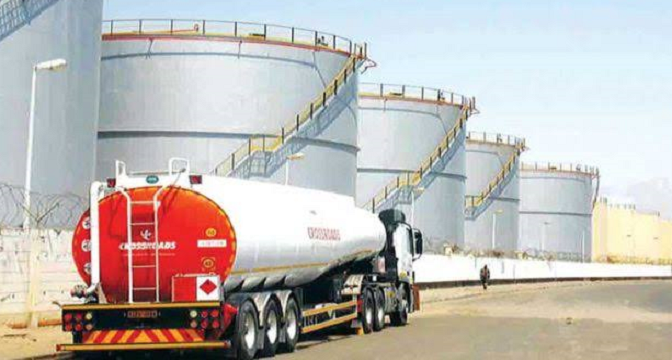
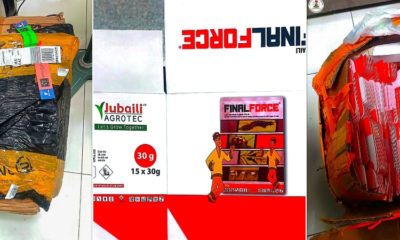
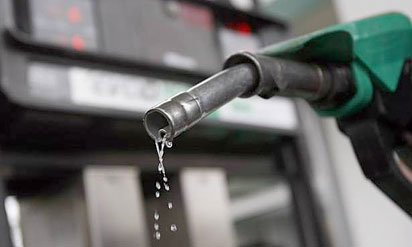
Filling station operators across the country are under pressure to check and recalibrate their dispensing equipment as the Nigerian Midstream and Downstream Petroleum Regulatory Authority intensifies its crackdown on outlets accused of under-dispensing petrol to motorists.

The regulator’s latest directive followed a series of enforcement operations carried out in the past, in which several filling stations were sealed for short-measuring customers, with the authority warning that persistent offenders risk losing their operating licences.

About 20 filling stations were reportedly sealed by the regulator between 2025 and 2026 for under-dispensing.

Following the NMDPRA warning, petroleum marketers said they had risen to ensure fuel retailers give customers the right value for their money. While some of them said pump attendants might be responsible for such sharp practices, others said faulty fuel pumps could be responsible for under-dispensing.

The NMDPRA, in an industry notice issued on Tuesday, directed all retail outlet operators to immediately calibrate and verify their dispensers and totalisers to ensure that consumers receive the full quantity of petroleum products for which they pay.

The authority said it had observed incidents of under-dispensing at retail outlets nationwide, describing the practice as a serious breach of consumer trust.

The regulator warned that outlets found under-dispensing, operating improperly calibrated equipment or otherwise compromising dispensing accuracy would be required to take immediate corrective action.

It added that persistent or serious violations would attract sanctions, “up to and including revocation of the outlet’s licence”.

IPMAN alerts members

Reacting to the directive, the Publicity Secretary of the Independent Petroleum Marketers Association of Nigeria, Chinedu Ukadike, said the association had circulated the NMDPRA notice to its members nationwide.

Ukadike said marketers were operating in a competitive environment where product quality, price and quantity were important factors in attracting and retaining customers.

He explained that the deregulated nature of the downstream sector made it important for independent marketers to protect their reputation and retain customers.

“I’m aware of the NMDPRA notice. We have also distributed the information to our members nationwide, drawing their attention to the NMDPRA notice. But I still want to let you know that we are in a very competitive environment. What drives the market is: one, quality of the product; two, price of the product; three, quantity of the product.

“These are the things that drive this kind of market now. We are in a deregulated economy. And what drives your market is your ability to convince your customers and sustain your customers. You have seen the innovations that we have done in all our businesses nationwide. We are ready for this deregulation and this competition. So nobody will indulge in underselling or cheating customers,” Ukadike said.

See also  FG shuts 22 illegal tertiary institutions

However, he acknowledged that sharp practices by individual pump attendants could not be completely ruled out, saying IPMAN was working to reorient its members and their employees.

“But sometimes you cannot rule out some sharp practices from some of our pump attendants, which is why we are trying to go nationwide now, to see how we can reorientate them, to be steadfast and truthful to customers,” he noted.

Ukadike disclosed that the association would not allow customers to be cheated at the pump, stressing that marketers had a responsibility to ensure that their dispensing equipment remained accurate.

“I don’t know if there is any reason that could prompt a manager to adjust the pump below the normal value. But this is an announcement by NMDPRA. We have set out our eyes to ensure that such a thing does not happen. And if there are sharp practices, we are ready to curtail them. So, some pump attendants adjusting prices and engaging in sharp practices may not be ruled out. But we are ready to ensure no customer is cheated at the pumps,” he said.

He added, “Don’t quote me incorrectly. I say you cannot rule out sharp practices from a few individuals like some attendants. For us, the independent marketers, we want to build our brand, and the three cardinal points of building our brand are low pricing, quality, and service.”

Another IPMAN major dealer, who spoke in confidence due to the lack of authorisation to speak on the matter, stated that the association had identified some lapses among pump attendants and would intensify its orientation programme to address the problem.

“No independent marketer will like to indulge in any sharp practices, but because we employ people who are working for us, we have identified some of the lapses, and the executive council will move into this orientation policy to ensure that some of these sharp practices by some pump attendants will be cut out,” he said.

PETROAN intensifies checks

The Petroleum Products Retail Outlets Association of Nigeria also directed its members to inspect their dispensing meters following the NMDPRA warning.

Speaking on Channels Television’s The Morning Brief on Wednesday, the National President of PETROAN, Billy Gillis-Harry, said the association had convened an emergency meeting of its National Executive Council on Tuesday after receiving the regulator’s warning.

He said the meeting lasted until about 10 pm, after which members were instructed to check their dispensing equipment. “PETRON circulated a message around the country, calling our members to check their meters as quickly as possible,” Gillis-Harry said.

He explained that prolonged use could cause dispensing equipment to develop faults, resulting in either under-dispensing or over-dispensing. “Equipment can be faulty over time because of usage,” he said.

See also  FG rolls out new plans to tackle food shortage

Gillis-Harry assured motorists that PETROAN members would ensure that customers received the quantity of fuel they paid for. “But I can tell you that PETRON members will, at all times, insist on making sure that they sell their products one litre for one litre,” he said.

He advised motorists to monitor the quantity displayed on the dispenser whenever they buy fuel and request receipts after transactions.

The PETROAN president also urged consumers to familiarise themselves with their vehicles’ fuel capacities and compare them with the quantity shown on the dispensing meter.

“Oftentimes, we educate our staff to call the attention of the customer to check the meter while it is being dispensed. And also to get the customer to check after the product has been dispensed,” he said.

Gillis-Harry said PETROAN worked with the Weights and Measures Division of the Ministry of Industry, Trade and Investment and the NMDPRA on the maintenance and accuracy of dispensing meters.

“PETRON consistently works with the Weights and Measures Division of the Ministry of Trade and Investment, and also the NMDPRA. These are the two regulatory authorities that ensure that our meters are functional. And they are up to date and accurate,” he said.

He stressed that the association had commenced engagement with its members following the regulator’s warning. “We took what the NMDPRA called our attention to yesterday very seriously. And we already started working on that,” he said.

NMDPRA seals stations

The NMDPRA’s latest directive comes after the regulator had stepped up enforcement against filling stations found to be short-measuring customers.

In February, the authority sealed 11 petrol stations in Rivers State for alleged under-dispensing, failed pumps and other regulatory infractions.

The exercise, conducted in Obio-Akpor and Port Harcourt City Local Government Areas, was part of the NMDPRA’s “Operation One Litre for One Litre” surveillance initiative. The authority said the affected stations would remain shut until the integrity of their pumps was confirmed.

The NMDPRA’s South-South Coordinator, Victor Owodiasa, warned at the time that persistent offenders could have their licences revoked.

He also said under-dispensing could sometimes result from mechanical faults, but insisted that operators had a responsibility to regularly check their meters rather than wait for regulators to detect the problem.

In July, the NMDPRA Abeokuta Field Office also sealed two filling stations in the Akute/Ajuwon area of Ifo Local Government Area of Ogun State for under-dispensing and other sharp practices.

The authority said one of the stations had repeatedly violated regulatory requirements, including allegedly removing official seals placed on the facility and resuming operations without authorisation. It disclosed that the station had been sealed at least six times since 2025.

See also  Ajah-Lekki markets, facilities face waste compliance enforcement

The regulator warned that further violations could lead to penalties, suspension of operating licences and criminal prosecution where applicable.

Earlier, in October 2025, the NMDPRA Eket Field Office sealed five petrol stations in Akwa Ibom State over various infractions, including alleged under-dispensing, diversion and operating without a licence.

The issue has also affected major oil marketers. In August 2025, NNPC Retail sanctioned employees at its Ikorodu, Lagos, station after an investigation confirmed an incident involving a pump attendant who allegedly attempted to short-change a customer.

The company said the attendant was disengaged, the station manager was suspended, and a formal warning was issued to the dealer.

With the latest directive, the NMDPRA has now directed industry associations, including IPMAN, PETROAN, the Major Energy Marketers Association of Nigeria and the Depot and Petroleum Products Marketers Association of Nigeria, to notify their members and support compliance.

The regulator said its intensified inspections were aimed at protecting consumers, promoting transparency and ensuring that motorists receive the quantity of petroleum products for which they pay.

The directive comes against the backdrop of the Federal Government’s broader efforts to strengthen regulatory oversight of the downstream petroleum sector following the removal of the petrol subsidy and the transition to a market-based pricing regime.

With petrol now sold at prices determined largely by market conditions, accurate dispensing has become an important part of consumer protection, particularly as motorists and other users pay varying pump prices across locations.

Under-dispensing occurs when a retail outlet’s dispensing equipment delivers less product than the quantity displayed or paid for by the consumer. Faulty or improperly calibrated pumps can therefore result in consumers paying for a volume of petrol that they do not receive.

The NMDPRA said its latest enforcement action was aimed at preventing such practices and improving confidence in petroleum product transactions. The Authority also directed major industry associations to ensure that their members comply with the directive.

“MEMAN, DAPPMAN, IPMAN and PETROAN are kindly requested to promptly notify their members of this directive and to support full compliance across the industry,” the regulator stated.

The NMDPRA stressed that consumer protection remained a key part of its regulatory responsibility, particularly in ensuring that petroleum transactions were transparent and accurately measured.

It said, “NMDPRA remains committed to protecting consumers, promoting transparency, and upholding the integrity of petroleum product transactions nationwide.”

The directive means filling stations now face closer scrutiny of their dispensing equipment, while operators will be expected to correct any identified defects promptly or risk regulatory sanctions.

Source: punchng.com

FOLLOW US ON:

FACEBOOK

TWITTER

PINTEREST

TIKTOK

YOUTUBE

LINKEDIN

INSTAGRAM

Continue Reading
Click to comment

Leave a Reply

Your email address will not be published. Required fields are marked *

Business

Petrol imports jump 47% despite local refining

Published

on

Nigeria’s petrol imports rebounded by 47 per cent in October to 15 million litres per day, reversing the decline recorded in the previous month and raising fresh concerns about the country’s dependence on foreign supplies despite the expansion of domestic refining.

The latest figures released by the Nigerian Midstream and Downstream Petroleum Regulatory Authority on Friday showed that petrol imports increased from 10.2 million litres per day in September to 15 million litres in October, representing an additional 4.8 million litres daily.

Although domestic refineries remained the country’s largest source of petrol, their contribution also increased at a slower rate of 12 per cent, from 28.5 million litres per day in September to 31.9 million litres in October.

The October figures mean imported petrol accounted for approximately 32 per cent of the 46.9 million litres received daily, compared with 26.4 per cent in September. Domestic supply represented the remaining 68 per cent.

The development highlights the fragile nature of Nigeria’s emerging fuel self-sufficiency, as the recovery in domestic refining has not completely eliminated the need for imported petroleum products.

The NMDPRA disclosed the figures in its October 2026 fact sheet, which showed that total petrol receipts rose by 21 per cent from 38.7 million litres per day in September to 46.9 million litres in October.

The increase represented an additional 8.2 million litres daily, comprising 4.8 million litres from imports and 3.4 million litres from domestic refineries.

A month-by-month examination of the authority’s figures showed that petrol imports initially dominated supply in the final quarter of 2025 before domestic refining gained ground following the commissioning and expansion of local refining capacity.

See also  EFCC, ICPC summon NFF officials over N12bn FG fund

In October 2025, domestic refineries supplied 17.1 million litres daily, while imports accounted for 28.9 million litres, bringing total receipts to 46 million litres per day.

In November 2025, domestic supply increased to 19.5 million litres, while imports rose to 32 million litres, pushing total receipts to 51.5 million litres daily.

The highest supply during the 13-month period was recorded in December 2025, when domestic refineries supplied 32 million litres and imports contributed 42.2 million litres, bringing total receipts to 74.2 million litres daily.

However, the pattern changed in January 2026 as domestic supply surged to 40.1 million litres daily, overtaking imports, which declined to 24.8 million litres. Total receipts stood at 64.9 million litres.

The decline in imports became more pronounced in February, when foreign supplies fell to just three million litres daily, compared with 29.4 million litres from domestic refineries. Total petrol receipts consequently dropped to 32.4 million litres per day.

In March, domestic supply recovered to 34.2 million litres, while imports increased slightly to 5.9 million litres, bringing total receipts to 40.1 million litres.

April recorded domestic supply of 40.7 million litres against imports of 3.7 million litres, with total receipts standing at 44.4 million litres daily.

The trend continued in May, when local refineries supplied 41.5 million litres, while imports contributed 5.9 million litres. Total receipts increased to 47.4 million litres.

However, imports began regaining ground in June, rising sharply to 18.1 million litres daily, while domestic supply declined to 32.5 million litres. Total receipts stood at 50.6 million litres.

See also  FG unveils ‘fly now, pay later’ credit scheme for domestic flights

In July, domestic supply fell further to 25.8 million litres, while imports increased to 19.7 million litres, bringing total receipts to 45.5 million litres.

August saw domestic supply recover to 35.9 million litres, while imports declined to 14.6 million litres. Total receipts rose to 50.5 million litres.

In September, domestic supply dropped to 28.5 million litres, while imports declined to 10.2 million litres, resulting in total receipts of 38.7 million litres.

The October figures subsequently showed a recovery in both supply channels, with domestic deliveries rising to 31.9 million litres and imports increasing to 15 million litres, bringing total receipts to 46.9 million litres daily.

The 13-month data showed that domestic refineries supplied an average of 31.5 million litres daily, representing 62.6 per cent of total petrol receipts, while imports averaged 18.8 million litres, accounting for 37.4 per cent.

Despite the October rebound, imported petrol volumes remained below the 13-month average of 18.8 million litres daily. Domestic supply, however, was slightly above its 13-month average of 31.5 million litres.

A year-on-year comparison also showed that domestic supply increased by 86.5 per cent, from 17.1 million litres daily in October 2025 to 31.9 million litres in October 2026.

Conversely, imports declined by 48.1 per cent from 28.9 million litres to 15 million litres over the same period. Total petrol receipts increased marginally by 1.96 per cent, from 46 million litres to 46.9 million litres daily.

The October recovery in imports was accompanied by deterioration in petrol stock sufficiency, which measures the number of days existing inventories can sustain consumption.

See also  FG Orders NAFDAC To Suspend Sachet Alcohol Ban Enforcement

Source: punchng.com

FOLLOW US ON:

FACEBOOK

WHATSAPP CHANNEL

TWITTER

PINTEREST

TIKTOK

YOUTUBE

LINKEDIN

INSTAGRAM

Continue Reading

Business

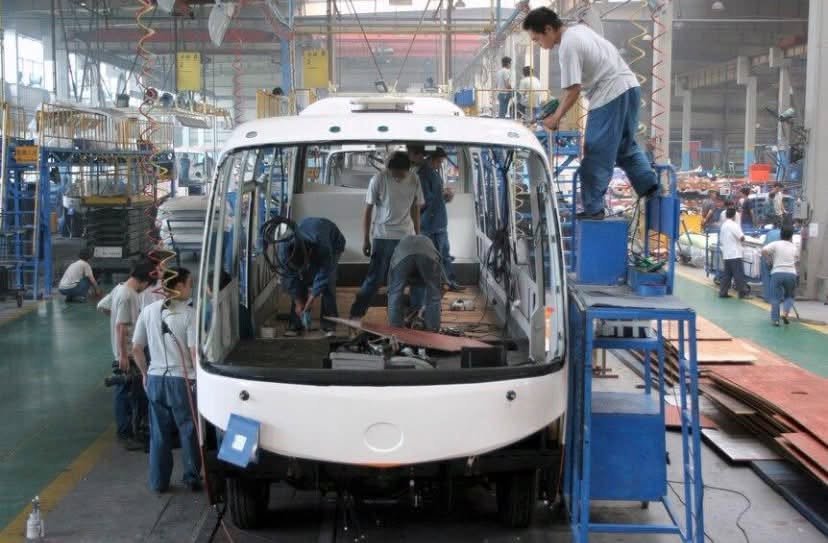
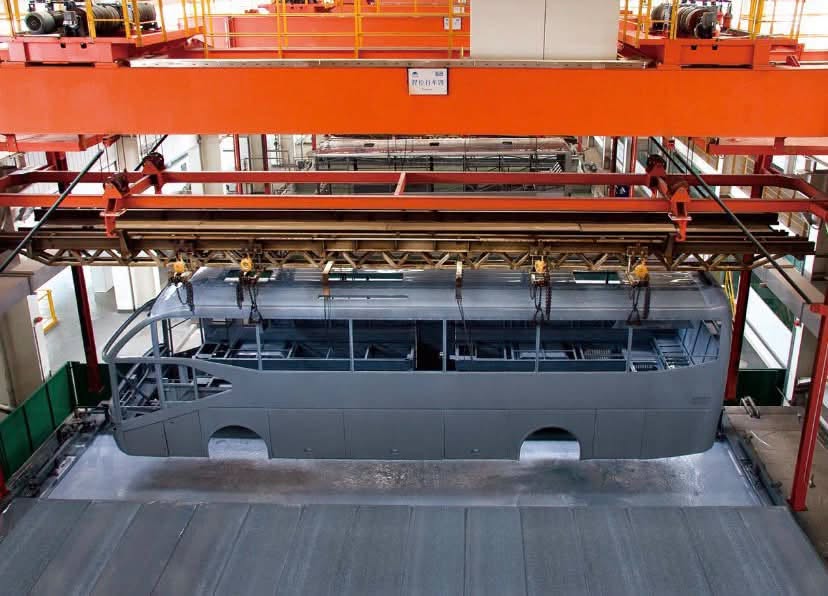
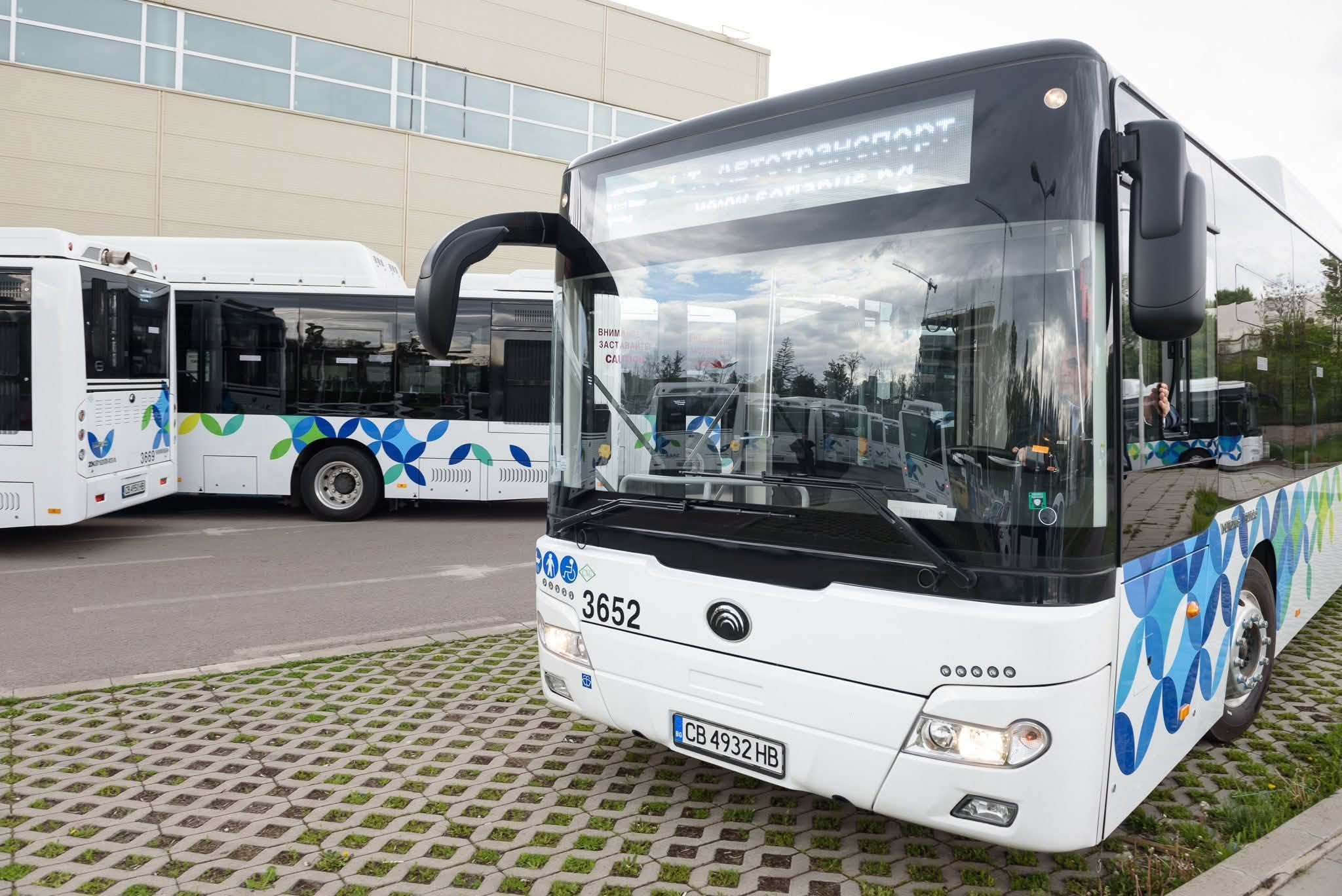
PHOTOS: Yutong To Establish CNG Bus Assembly Plant In Ibadan At Former Leyland Facility, Oyo State

Published

on

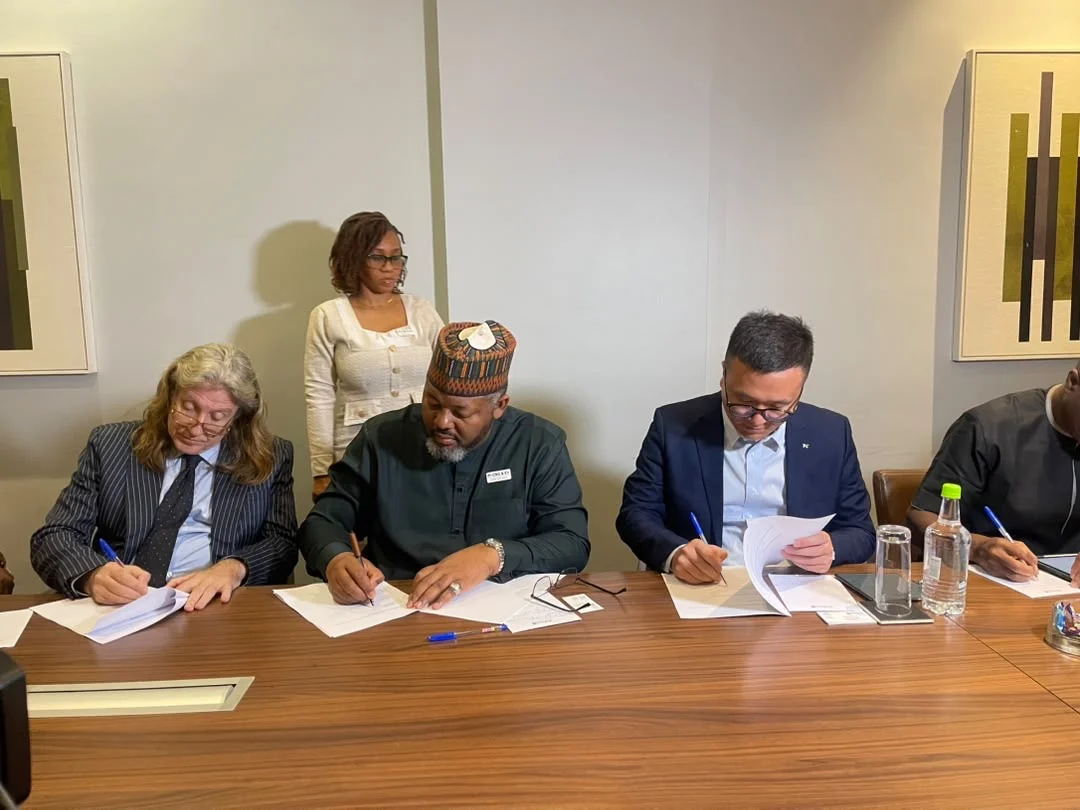
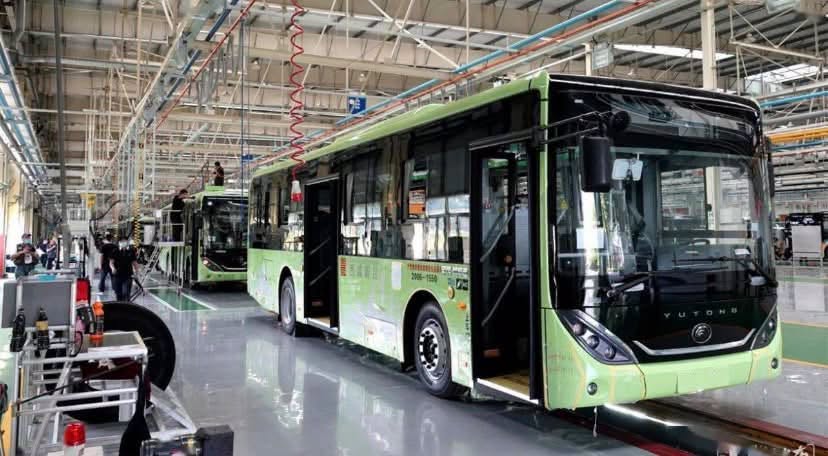
The Federal Government has signed an agreement with China’s Yutong Bus Company and Nigerian partner YP Automobile to introduce compressed natural gas-powered buses and establish a local assembly plant, as part of efforts to reduce transportation costs.

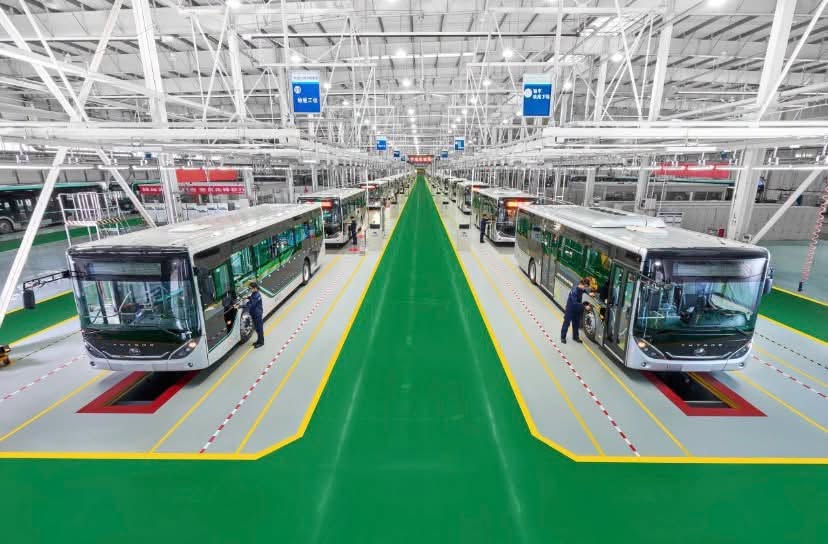
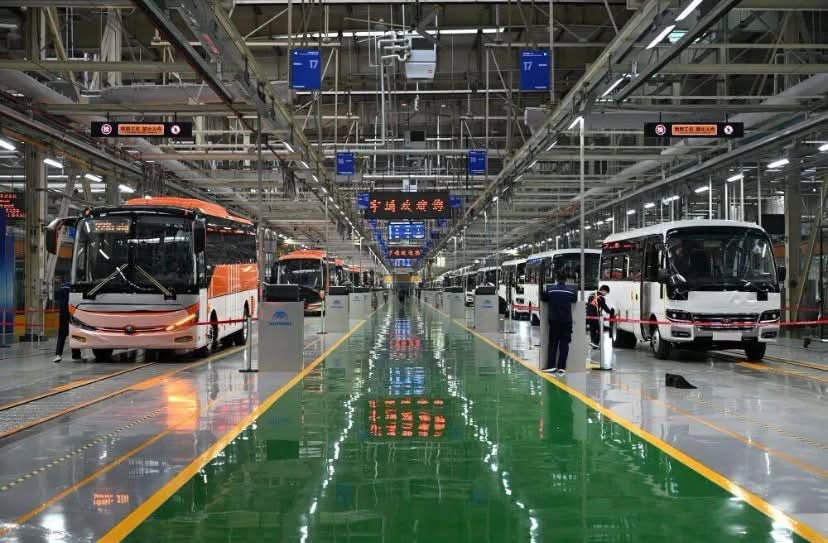
The agreement, signed in Lagos on Thursday through the Presidential Initiative on Compressed Natural Gas and Electric Vehicles (Pi-CNG & EV), includes a proposed project to assemble CNG buses in Nigeria, while Leyland Nigeria in Ibadan, Oyo State capital is expected to host the new assembly investment.

The project is expected to create jobs in vehicle assembly, maintenance and the supply chain, while giving Nigerian workers access to technical skills and technology used in commercial vehicle manufacturing.

Unlike arrangements that focus mainly on importing finished buses, the new partnership is intended to develop local capacity to assemble the vehicles, although details of the plant’s investment value, construction schedule and production commencement date were not disclosed at the signing.

Executive Chairman of Pi-CNG & EV, Ismaeel Ahmed, said the agreement was designed to combine the deployment of CNG buses with local industrial development.

“Not only are we now bringing in the buses, in huge numbers, but they are going to set up an assembly plant so that our people will get jobs and we’ll have the transfer of technology to be able to do it ourselves and within country,” he said.

Ahmed said the partnership involved YP Automobile, which he described as having operated in Nigeria’s mass commercial transport market for at least 15 years, and Yutong, one of China’s leading bus manufacturers.

See also  Commuters await fare cut as FG invests $2.5bn in CNG deployment

He said Nigeria had about 210 trillion cubic feet of proven natural gas reserves, arguing that the country could use the resource to reduce its reliance on petrol in the transportation sector.

Africa’s most populous nation has been promoting compressed natural gas as an alternative fuel following the removal of petrol subsidies, which increased the cost of transportation for households and businesses in 2023. The government has consequently pursued the deployment of CNG-powered vehicles as a way of lowering the operating expenses of transport operators and easing the pressure on commuters.

Through the National Affordable CNG Transit Programme, the government is seeking to expand access to cheaper public transportation using natural gas and electric vehicles.

Ahmed said the latest agreement would support that objective while creating opportunities for local manufacturing.

Chief Operating Officer of YP Automobile, Panagiotis Marris, said the partnership brought together Nigerian investors and Yutong, which he described as the world’s largest bus producer.

He said the arrangement could help rebuild Nigeria’s automotive manufacturing capacity and restore technical expertise that had been lost over the years.

“It’s a milestone in a sense that we’re reviving the Nigerian manufacturing auto industry, and we’ll create the know-how that we missed over the last 20 years,” Marris said.

He added that high transportation costs remained an obstacle to economic development, while the adoption of CNG-powered buses could also help reduce the environmental impact of public transportation.

Yutong Bus Company Account Manager, Damian Li, said the manufacturer had delivered more than 1,400 buses to Nigeria and understood the country’s transport market and operating requirements.

See also  PDP crisis - 3,000 delegates set for high-stakes convention

He said the company planned to work with its Nigerian partners on the local assembly of 1,000 CNG buses, with the project expected to gradually increase domestic production capacity and develop a sustainable bus industry.

“We plan to cooperate with the local partners and to start local bus assembly project of the thousand CNG buses,” Li said.

Chairman of Leyland Nigeria, Yemi Idowu, said the company would host the proposed assembly investment, adding that the project would create employment opportunities beyond the factory.

He said the production and maintenance of the buses would require mechanics, workshop assistants, sub-assembly partners and supply chain operators.

According to him, each bus could remain in operation for more than 15 years, creating sustained demand for servicing, repairs and technical support throughout its working life.

“There’s going to be a lot of transfer of technology, new technology in bus manufacturing and maintenance,” Idowu said.

He added that Yutong would manage the plant’s operations under an original equipment manufacturer arrangement involving Nigerian partners, with its personnel participating in the operation.

Beyond the buses and assembly facility, the agreement also includes a digital payment component aimed at ensuring that commuters benefit from any reduction in transportation costs.

Chief Executive Officer of Touch and Pay Technologies Limited, Olamide Afolabi, said the company would provide electronic payment infrastructure, revenue assurance and accountability systems to support the programme.

He explained that the technology would enable transport authorities to monitor fares, track payments and assess whether savings from the use of cheaper CNG fuel were being passed on to passengers.

See also  Court grants El-Rufai N100m bail

“We are providing the technology, we are providing the revenue assurance, we are providing accountability to ensure that it works, so that the reduced cost of energy because of CNG is felt by anybody, is felt by the general public,” Afolabi said.

He said the payment system would give regulators greater oversight of transport fares and help commuters experience the benefits of the government’s investment in alternative-energy transportation.

FOLLOW US ON:

FACEBOOK

WHATSAPP CHANNEL

TWITTER

PINTEREST

TIKTOK

YOUTUBE

LINKEDIN

INSTAGRAM

Continue Reading

Business

Tinubu in fresh move to cut transport fares for Nigerians, read full details

Published

on

President Bola Ahmed Tinubu has welcomed plans by Yutong, the world’s largest bus manufacturer and a global producer of electric and CNG-powered buses, to establish a CNG bus assembly plant in Nigeria as part of efforts to support affordable mass transportation across the country.

The Special Adviser to the President on Information and Strategy, Bayo Onanuga, disclosed this in a statement on Thursday.

Under the agreement with the Presidential Initiative on Compressed Natural Gas and Electric Vehicles (Pi-CNG & EV), Yutong will supply an initial 300 CNG-powered buses, with the first 100 expected to arrive in Lagos by the end of December.

According to Onanuga, subsequent buses will be assembled in Nigeria through YP Automobiles Bus Assembly at the former Leyland Automotive plant in Ibadan, Oyo State.

He said the arrangement would revive local industrial capacity, reduce dependence on imported vehicles and create employment opportunities for Nigerian engineers, technicians and other workers.

The agreement was signed in Lagos on Thursday.

The investment is aimed at supporting the National Affordable CNG Transit Programme (NACTP) in collaboration with state governments. The programme targets transport fare reductions of approximately 40 per cent on participating routes, in line with President Tinubu’s Renewed Hope Agenda 2.0 for 2027–2031.

Tinubu, who acknowledged the acceptance of the CNG scheme, expressed confidence that the agreement with Yutong would boost the expansion of refuelling infrastructure through Pi-CNG & EV, the Midstream and Downstream Gas Infrastructure Fund (MDGIF) and private sector investors.

The statement said the interventions included deploying Mobile Refuelling Units (MRUs) and the President’s directive for 2,000 additional CNG refuelling infrastructure units nationwide, laying the foundation for a wider rollout of affordable commercial buses.

See also  INEC revised timetable, schedule for 2027 general elections; see full list

It maintained that the Tinubu administration’s commitment to reducing the daily cost of transportation for Nigerians remained the central objective of the investments.

The statement further read:

“The President notes that millions of Nigerians depend on commercial transportation to get to work, take their children to school, travel to markets and move goods between communities. For many households, transportation consumes a significant portion of their daily earnings.

“He stresses that the lower operating costs of CNG-powered vehicles must translate into lower fares for passengers, allowing workers, traders and families to retain more of their income for food, education and other essential needs.

“The President points to the approximately 40 per cent fare-reduction target under the NACTP, as outlined in his Renewed Hope Agenda 2.0, and reiterates his administration’s determination to work with state governments and transport operators to extend affordable CNG transportation to more routes nationwide.

“He welcomes Yutong’s decision to establish local assembly capacity in Nigeria, noting that the investment will help sustain the supply of affordable commercial buses while facilitating technology transfer, creating skilled employment and strengthening the country’s automotive industry.

“President Tinubu reiterates that the success of the CNG programme must ultimately be measured by how much Nigerians save on transportation, and assures citizens of his administration’s continued commitment to reducing living costs through practical investments in infrastructure, manufacturing and affordable mass transit.”

Source: tribuneonlineng.com

FOLLOW US ON:
FACEBOOK

WHATSAPP CHANNEL

TWITTER

PINTEREST

TIKTOK

YOUTUBE

LINKEDIN

INSTAGRAM

Continue Reading

Trending