Connect with us

Education

Sterling Bank unveils first 30 beneficiaries of N2bn scholarship

Published

on

Sterling Bank has announced the first 30 beneficiaries of its N2 billion ‘Beyond Education’ scholarship, a nationwide initiative aimed at funding university education for 600 exceptional young Nigerians and connecting them to careers in high-impact sectors.

The scheme, launched in June 2025, is the Bank’s most ambitious education-focused intervention to date and is designed to cover full undergraduate tuition at Miva Open University, Nigeria’s first licensed private online university, and Hillside University of Science & Technology, a STEM-focused institution located in Ekiti State.

According to the statement by the bank on Thursday, the announcement marks a significant step in its commitment to long-term national development through strategic investment in human capital.

“This is more than a scholarship. It’s a national development strategy. We’re closing the gap between education and employability. Our mission is to prepare young people for the future of work in sectors that matter most to Nigeria’s progress,”said Growth Executive for Consumer and Business Banking at Sterling Bank, Obinna Ukachukwu,

According to the bank, the selection process was community-driven, with account holders of the bank voting for nominees who were then vetted to ensure they met admission requirements at the partner universities.

The 30 inaugural winners include Abdulahi Afolabi, Damilare Tijani, Abdulwahab Eniafe, Abubakar Isah, Tahir Enesi Ibrahim, Julius Agbene Agbo, Chinedu Kelechi Patrick, Ayomide Ojo, Fyneseed Nwogu, Miracle Woyinmomoemi Daniel, Serene Clinton, Temiloluwa Orekunrin, Udeme Umoh, Victor Esogwa, Rosemary Kosipre, Ali Mohammed, Usman Isiaka Ololade, Kayode Aikulola, Saviour Philip, Ademola Afolabi, Emmanuel Enekwa, Bashir Sani Ibrahim, Ezekiel Adeseye, Deborah Umeaku, Abba Kaka Lawan, Haisam Sunusi Mahmuda, John Gumuan, Afan Ajiji, Bajepade Kehinde, and Chioma Igwe.

See also  FG halts foreign scholarships, redirects funds home

Sterling Bank said that while the scholarship covers tuition, recipients are expected to bear the cost of internet access, study materials, and living expenses, a model the bank said was designed for “sustainability and scale.”

The initiative aligns with Sterling’s HEART strategy, an investment model focused on Health, Education, Agriculture, Renewable Energy, and Transportation.

With 570 scholarships still available, the bank stated that nominations for the next round would resume in September, while verified nominees were encouraged to continue engaging their communities as voting remains open.

“To ensure effective rollout, nominations for the next round of candidates will pause until September 2025,” the statement added.

The bank reiterated its commitment to expanding access to quality education and “helping shape a future-ready workforce for Nigeria.”

FOLLOW US ON:

FACEBOOK

TWITTER

PINTEREST

TIKTOK

YOUTUBE

LINKEDIN

TUMBLR

INSTAGRAM

Continue Reading
Click to comment

Leave a Reply

Your email address will not be published. Required fields are marked *

Education

Nasarawa gov seeks global support for University of Public Relations and Leadership

Published

on

Nasarawa State Governor, Abdullahi Sule, on Tuesday called on international public relations practitioners to support the proposed University of Public Relations and Leadership in the state, urging them to maintain their relationship with the institution through professional engagements and training.

Sule said the university, being established in partnership with the Nigerian Institute of Public Relations, would provide an opportunity for practitioners across the world to contribute to leadership development and strengthen the public relations profession.

The governor made the appeal at the 25th Global Alliance Gala Dinner and World Public Relations Awards in Abuja, where he welcomed delegates and practitioners from different countries.

He said the international gathering had brought global attention to Abuja, expressing optimism that the delegates would extend their engagements to Nasarawa State.

Sule described public relations as inseparable from effective leadership, saying the proposed institution reflected his state’s commitment to promoting the profession and developing future leaders.

“I have always loved public relations because, to me, public relations is leadership, and leadership is public relations,” he said.

He urged the practitioners to visit the state regularly, either for professional gatherings or training at the proposed university.

“That is why the only university of public relations and leadership is in Nigeria, in my state. We strongly believe that we should continue to see you here, again and again. If we do not see you at a forum, we hope to see you coming for training at that university. That is the whole idea,” he said.

See also  NNPC, NUPRC fear financial squeeze after Tinubu’s order

The University of Public Relations and Leadership is expected to be located in Gudi, Akwanga Local Government Area of Nasarawa State.

The project followed a Memorandum of Understanding signed in July 2025 between the NIPR and the Nasarawa State Government.

The institution, expected to be unveiled in November 2026 during the World Public Relations Forum in Nigeria, is designed to make public relations and leadership core components of tertiary education.

At the signing of the agreement, NIPR President, Dr Ike Neliaku, described the university as a global project supported by 126 countries through the Global Alliance for Public Relations and Communication.

Neliaku said the initiative was conceived to address leadership and governance challenges in Africa, which he identified as major impediments to the continent’s development.

Under the agreement, Nasarawa State is expected to receive at least 20 annual scholarship slots for qualified indigenes, with representation from each of the state’s 13 local government areas.

The arrangement also provides 50 concessionary admission slots annually for qualified candidates sponsored by the state government.

Sule had pledged that his administration would provide the necessary support to ensure the commencement of academic activities, describing the university as an opportunity to make Nasarawa a hub for manpower development and leadership training.

Source: punchng.com

FOLLOW US ON:

FACEBOOK

WHATSAPP CHANNEL

TWITTER

PINTEREST

TIKTOK

YOUTUBE

LINKEDIN

INSTAGRAM

Continue Reading

Education

FG orders recovery of excess payments to university workers, read details

Published

on

The Federal Government has directed federal universities, polytechnics and colleges of education to recover all overpayments arising from the implementation of the 2025/2026 remuneration agreements with tertiary education unions within three months.

The government also capped the payment of excess workload allowance for academic and non-academic staff in federal universities at a maximum of 52 hours per month.

The directives were contained in a November 11, 2026, circular issued by the National Salaries, Incomes and Wages Commission and signed by its Chairman and Chief Executive Officer, Maj. Gen. Junaid S. Bindawa.

The circular, with reference number SWC/S/04/S.149/T/187, was addressed to the Chief of Staff to the President, Secretary to the Government of the Federation, Head of the Civil Service of the Federation, ministers, federal permanent secretaries and heads of government agencies, among others.

The commission said the clarification became necessary following several requests from universities, colleges of education and polytechnics seeking guidance on the implementation of remuneration packages contained in the 2025/2026 agreements between the Federal Government and tertiary education-based unions.

It stated, “Following several requests from Universities, Colleges of Education and Polytechnics on the urgent need for clarification on the implementation of remuneration packages contained in the 2025/2026 Agreements between the Federal Government of Nigeria and the Tertiary Education Institutions Based-Unions, the Commission wishes to clarify as follows.”

On the Consolidated Academic Tools Allowance, the commission said the payment was restricted to academic staff on the Consolidated University Academic Salary Structure and the Consolidated Polytechnics and Colleges of Education Salary Structure.

It explained that vice-chancellors, rectors and provosts were not entitled to the allowance because they were not on the specified salary structures.

The circular stated that the allowance did not apply to the heads of the institutions because they were covered by the Certain Political, Public and Judicial Officer Salaries (Salaries, Allowance, etc.) (Amendment) Act 2008.

It further excluded staff on the Consolidated Medical Salary Structure and associated medical allowances, citing ongoing negotiations between the Federal Government and health-sector unions.

See also  JAMB directs 2026 UTME candidates to print examination slips

The commission said, “This does not apply to staff on Consolidated Medical Salary Structures and associated medical allowances, as collective bargaining is ongoing between the FGN and Health Sector-Based Associations and Unions on the review of CONMESS and associated medical allowances.”

Similarly, it restricted the Consolidated Non-Teaching Tools Allowance to non-academic staff on the Consolidated Tertiary Institutions Salary Structure and Consolidated Tertiary Education Institutions Salary Structure.

The commission also excluded workers on the Consolidated Health Salary Structure and associated medical allowances.

It said, “This does not apply to staff on the Consolidated Health Salary Structure and associated medical allowances, as collective bargaining is ongoing between the FGN and Health Sector-Based Associations and Unions on the review of CONHESS and associated medical allowances.”

On the Excess Workload Allowance, the commission specifically directed that payments to members of ASUU and NASU in federal universities must not exceed 52 hours monthly.

It stated, “A maximum of 52 hours per month applies to the payment of Excess Workload Allowance for the Academic Staff Union of Universities and the Non-Academic Union of Educational and Associated Institutions in Federal Universities.”

The circular also addressed the 10 per cent Earned Academic Allowance, explaining that the provision in the revised salary structure of university academic staff was designed for mainstreaming and budgeting, with five per cent allocated to employees funded by the Federal Government and the remaining five per cent to those funded by university councils through internally generated revenue.

According to the commission, the provision was captured on page 12 of the agreement between the Federal Government and ASUU.

It stated, “The provision of 10% academic earned allowance (EAA) in the table of revised total salary of universities’ academic staff as approved on page 12 of the agreement between FGN and ASUU was for mainstreaming and budgeting – 5% for those funded by FGN and 5% for those funded by Councils through Internally-Generated Revenue.”

However, the commission warned that the implementation must follow its earlier circular of December 30, 2025, which outlined the categories of beneficiaries funded by the Federal Government and university councils.

See also  SSANU, NASU issue strike notice over unpaid allowances

It said, “However, the implementation of EAA should be in line with the Commission’s Circular No. SWC/S/04/149/IV/924 dated 30th December 2025, which clearly identified those funded by FGN and Councils, respectively.”

The commission subsequently directed all federal universities, polytechnics and colleges of education to comply with the clarifications and recover excess payments within the stipulated period.

It stated, “All Federal Universities, Colleges of Education and Polytechnics are to comply with these clarifications, and all overpayments should be recovered within three months.”

It added, “All enquiries relating to this circular should be directed to the Commission.”

The directive comes amid the Federal Government’s efforts to implement renegotiated remuneration agreements with academic and non-academic unions in the tertiary education sector after years of disputes over workers’ welfare, salaries, funding and conditions of service.

The Federal Government and ASUU signed their renegotiated 2025 agreement on December 23, 2025, following prolonged negotiations over the 2009 agreement. The deal introduced a 40 per cent upward review of university academic staff emoluments, effective January 1, 2026, alongside improved allowances and pension benefits.

In February 2026, the Minister of Education, Dr Tunji Alausa, announced the commencement of implementation of the 40 per cent increase in the Consolidated Academic Allowance, directing federal universities to reflect the approved adjustments in their payroll systems.

The Federal Government subsequently unveiled the 2026 agreements with academic and non-academic staff unions in October, announcing the payment of approved allowances to eligible personnel across universities, polytechnics and colleges of education, effective January 1, 2026.

The agreements cover unions including ASUU, the Academic Staff Union of Polytechnics, the Colleges of Education Academic Staff Union, the Senior Staff Association of Nigerian Universities and NASU. The government said the agreements were designed to improve staff welfare, strengthen industrial harmony and reduce disruptions to academic calendars.

See also  Anambra LG chairman, foundation offer scholarship, accommodation to debate star after parents’ death

Meanwhile, healthcare professionals in federal universities have threatened legal action against the National Salaries, Incomes and Wages Commission over the contents of the circular.

The affected medical doctors, nurses, pharmacists, medical laboratory scientists and allied health professionals, under the Coalition of Healthcare Professionals in Tertiary Education Institutions of Nigeria, described the circular as discriminatory and contrary to earlier government directives on the allowance.

The National Chairman and Coordinator of CHPTEIN, Musa Shehu, said in his reaction that the disputed circular, with reference number SWC/S/04/S.149/T/187, restricted CONTTA payments to employees on the Consolidated Tertiary Institutions Salary Structure, excluding those on the Consolidated Medical Salary Structure and Consolidated Health Salary Structure.

He noted that the original circulars, “referenced SWC/S/04/S.149/V/1067 for SSANU and SWC/S/04/S.149/IV/1071 for NASU, did not expressly exclude healthcare professionals earning salaries under CONMESS and CONHESS.”

He also maintained that the affected workers were non-teaching employees of federal universities and legitimate members of the two unions, with their check-off dues regularly deducted from their salaries.

“The Budget Office of the Federation calculated the financial implications of CONTTA based on the entire workforce of the Non-teaching staff on the payroll.”

CHPTEIN added that the ministry warned vice-chancellors in paragraph five of the circular that any deviation from the approved scope of funds released by the Federal Government would attract appropriate sanctions.

Questioning the basis for excluding healthcare professionals, the coalition asked why workers classified as non-teaching staff should be denied the allowance when the funds were reportedly calculated based on the entire non-teaching workforce.

Source: punchng.com

FOLLOW US ON:

FACEBOOK

WHATSAPP CHANNEL

TWITTER

PINTEREST

TIKTOK

YOUTUBE

LINKEDIN

INSTAGRAM

Continue Reading

Education

US court strikes down Trump’s four-year limit on foreign students, read details

Published

on

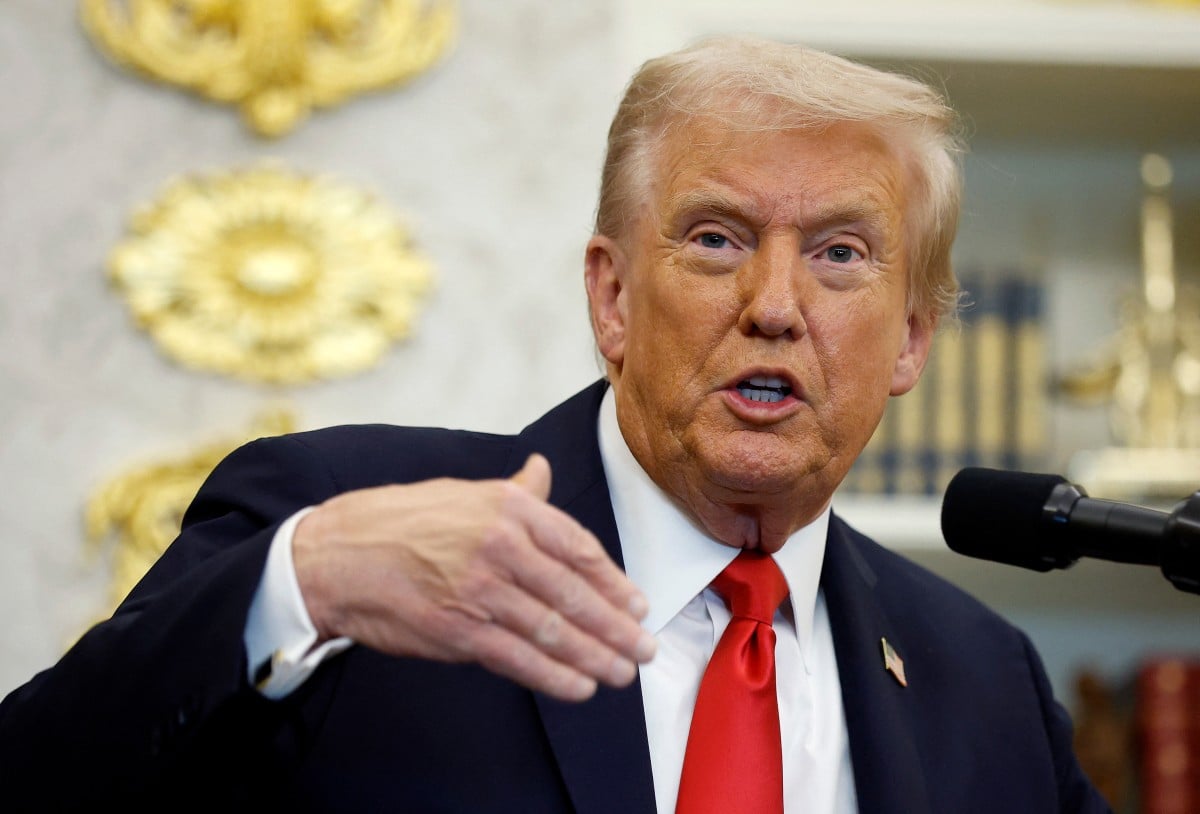
A federal judge in the United States has overturned a Trump administration regulation that sought to limit how long foreign students and exchange visitors could remain in the country, Bloomberg Law reports on Monday.

Judge F. Dennis Saylor of the US District Court for the District of Massachusetts ruled on Monday that the Department of Homeland Security regulation exceeded its statutory authority and failed to consider less restrictive ways of achieving its objectives.

The regulation sought to end the long-standing “duration of status” arrangement, which allows international students to remain in the US while making progress towards completing their academic programmes.

Under the proposed changes, holders of F-1 student visas and J-1 exchange visitor visas would have been limited to four years in the country. Those needing more time would have had to apply to the DHS for extensions.

The judge said the agency had not explained how imposing “an unreviewable, completely discretionary renewal system—after a foreign student has already been in the country for four years—meaningfully enhances the ability of DHS to root out cases of fraud, or how the benefits of such a system outweigh the immense costs of abandoning the existing system.”

Saylor said the department had not adequately explained how replacing the existing arrangement with a discretionary renewal system would help prevent immigration fraud or justify the additional burden on foreign students.

The judge also found that the government had failed to establish a rational link between the restrictions and the objectives it claimed they would achieve.

See also  JAMB directs 2026 UTME candidates to print examination slips

The case was brought by a coalition of higher education and labour organisations, including the United Auto Workers, which argued that the regulation would disrupt students’ education and make it more difficult for them to complete their degrees.

Saylor had earlier blocked the regulation from taking effect in September. Monday’s order set aside the rule.

The ruling means the proposed four-year limit and the requirement for students and exchange visitors to seek extensions under the new system cannot take effect.

In July, PUNCH Online reported that the Trump administration had introduced a four-year limit on the stay of foreign students and exchange visitors in the US, ending the long-standing “duration of status” arrangement that allowed them to remain in the country for as long as they continued making progress towards completing their academic programmes.

Under the proposed policy, F-1 and J-1 visa holders who needed more than four years would have been required to apply to the Department of Homeland Security for extensions.

Source: punchng.com

FOLLOW US ON:

FACEBOOK

WHATSAPP CHANNEL

TWITTER

PINTEREST

TIKTOK

YOUTUBE

LINKEDIN

INSTAGRAM

Continue Reading

Trending