United Nations agencies have moved swiftly to contain the latest Ebola outbreak in eastern Democratic Republic of the Congo, delivering emergency medical supplies, protective equipment and logistics support.
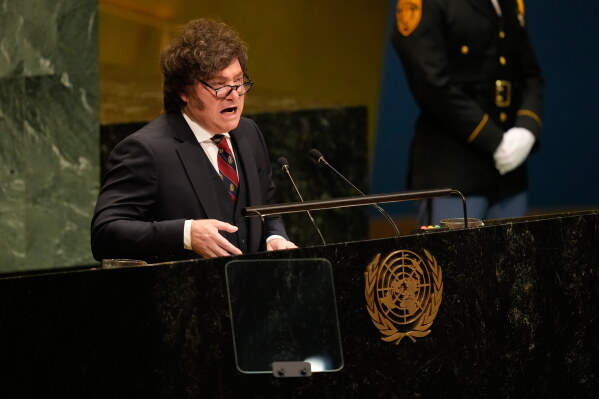
UN Spokesperson, Stephane Dujarric, gave the update on Thursday in New York while briefing journalists on the Ebola outbreak in DRC and Uganda.
“Our humanitarian and peacekeeping colleagues are continuing to support the government’s efforts regarding the fast-spreading outbreak of Ebola and the deterioration of the humanitarian situation.
“The province of Ituri remains the epicentre of the outbreak with the most affected areas in the towns of Rwampara, Mongbwalu and Bunia.
“These towns may not be familiar to you, but it’s important to note that they are densely populated.
“The peacekeeping mission (MONUSCO) is providing critical logistical assistance to enable the rapid delivery of medical supplies and equipment to Bunia, where response efforts are being reinforced,’’ Dujarric said.
The spokesperson said the mission also made available four light passenger vehicles to support surge team operations in Ituri.
In addition, he said MONUSCO had positioned one helicopter to support flights to affected areas in Ituri as required.
Two ambulances and two armoured vehicles are also en route from Goma to Bunia to support medical evacuation and outreach in areas with high security risks.
“This material will be made available to our World Health Organisation (WHO) colleagues.
“There are increasing concerns also over the spread of Ebola to the province of North Kivu, where cases have now been confirmed in Goma, Butembo and Katwa.
“Our colleagues note that these are urban areas with a history of Ebola transmission,” he said.
“In North Kivu, partners are strengthening surveillance, introducing screening at points of entry and adapting operations, including remote coordination where it is needed.
“To strengthen the mobility of health teams engaged in contact tracing and rapid response, MONUSCO has also sent motorcycles from Goma and Beni, while additional ones are being serviced in Bunia for handover to WHO,’’ he added.
In addition to this, he told journalist that a new case was reportedly confirmed by local authorities in South Kivu, in the town of Bukavu.
The case reportedly concerns a person arriving from Tshopo, which borders Ituri province.
“As we have said before, but it’s worth repeating, this outbreak is unfolding in a context marked by displacement, marked by insecurity, marked by high population mobility and significant access constraints for humanitarians and peacekeepers.
“All our colleagues on the ground, whether they be United Nations Office for the Coordination of Humanitarian Affairs (OCHA), Peacekeepers, WHO, World Food Programme (WFP) , UN child rights agency (UNICEF) and many others will continue to work and to do their best in support of the population,’’ he said.
Meanwhile, WFP is facilitating the transport of aid workers, medical supplies and essential cargo into hard-to-reach areas and stands ready to scale up efforts.
It is also providing critical logistics services on behalf of the wider humanitarian community, in addition to providing food and nutrition assistance to patients, survivors, contacts and affected households.
WFP currently needs over 214 million dollars to support operations in the DRC, and over 10 million dollars specifically for Ebola response.
Also, UNCEF has voiced its concern for children as they “are especially vulnerable to the impacts of Ebola outbreaks, including disruptions to essential services, loss of parents and caregivers, stigma, psychosocial distress, and increased protection risks.”
UNICEF support to date has included mobilising nearly 50 tonnes of supplies that include disinfectants and soaps, personal protective equipment, water purification tablets and water tanks.
An Emergency Rapid Response team is also on the way to Bunia to provide technical assistance in priority areas, including support for risk communication and community engagement.
Although over 2,000 community health workers are already in place, additional capacity and resources are urgently needed, particularly in hard-to-reach areas.
The DRC has battled Ebola 17 times since the virus was first discovered 50 years ago.
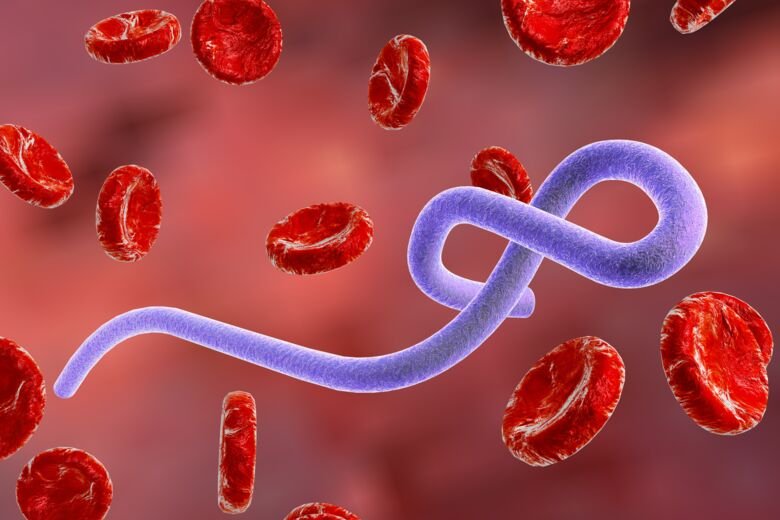
The latest outbreak was caused by the rare Bundibugyo strain, and no vaccines or medicines currently exist to treat it.
To date, there have been 139 deaths in the DRC, and some 600 suspected cases, while Uganda has confirmed two cases.
WHO declared that the outbreak is a public health emergency of international concern requiring countries to coordinate and cooperate on response but not a pandemic emergency.
NAN
punch.ng
FOLLOW US ON: