Connect with us

News

Terrorists Shifting To South-West – Ex-DSS Director

Published

on

A former Director of the Department of State Services (DSS), Mike Ejiofor, has said the failure to establish state police remains a major hindrance to the fight against terrorism, kidnapping and other security threats in the country.

It was reports that Ejiofor said local security forces would better understand the terrain, languages and community dynamics needed to combat criminals effectively.

He stated this in an interview with Vanguard, while reacting to the rising wave of insecurity, especially in the South-West.

The former DSS director dismissed claims that the upsurge in attacks was caused by intelligence failure.

According to him, intelligence may be available, but action agencies often lack the equipment, funding and manpower to act swiftly.

Ejiofor said, “I wouldn’t say it’s an intelligence failure. I have always maintained that even when intelligence is provided, the action agencies may lack the capacity to act, not through any fault of their own, but because they are ill-equipped, underfunded, and understaffed.

“All these factors create the appearance that security agencies are not working, but they are.”

Ejiofor cited the conviction of suspects linked to the Owo attack as evidence that intelligence gathering was still active.

“You saw the conviction of the Owo suspects, that was due to good intelligence, even though the incident happened in 2022; they were traced and arrested,” he added.

‘Security Failure Means Collective Failure’

Ejiofor said if Nigerians concluded that security had failed, then the failure should not be blamed on security agencies alone.

He said, “If they say security has failed, that means all of us have failed.

See also  Unusual cough, fever stir panic in Lagos

“Government is primarily responsible for the welfare and security of citizens, but people must also contribute by supporting security agencies.”

He said the first line of defence remained the people, adding that citizens must provide support and credible information to security agencies.

Ejiofor said the absence of state police was one of the biggest weaknesses in Nigeria’s security architecture.

He noted that major stakeholders, including state governments, the Federal Government and the National Assembly, had agreed in principle on state police, but implementation had stalled.

Ejifor further stated, “Establishing state police is one of the surest and fastest ways to check this menace.

“State forces would be drawn from local communities, know the terrain, and work in collaboration with the federal police. They would increase manpower and be better equipped.”

He added that vigilante groups could not effectively confront heavily armed criminals.

“Vigilante groups lack sophisticated weapons and cannot confront marauders who possess prohibited firearms,” he said.

‘Terrorists Dhifting South’

On the growing security threat in the South-West, Ejiofor said terrorist activity had shifted geographically because of pressure from security operations in the North.

“It began in the North-East, and when pressure increased there, they relocated to the North-West, and now they are moving South, concentrating on the South-West, which has a larger concentration of Muslims than the South-South or South-East,” he said.

He clarified that he was not saying the South-West was predominantly Muslim, but that it had a larger Muslim population than the South-East and South-South.

“They aim to instil fear. Beheading or abducting people is meant to terrorise the population; that is the core of terrorism, and to discredit the government,” he added.

See also  Darkness hits Lagos-Ibadan Longbridge as more streetlights disappear

Ejiofor said Nigeria must address poor funding, inadequate training, insufficient personnel and weak welfare in the security sector.

He insisted that state police would help address local security problems more effectively.

“What is the current strength of the Nigerian police? Most importantly, we need state police to man localities. These problems are local, and the solutions must be local,” he said.

‘Police Lack Local Knowledge’

The security expert said the current policing structure often sends officers to areas where they do not understand the language, culture or terrain.

He said such officers are sometimes transferred again before they become familiar with the environment.

Ejifor added, “I don’t see why state police cannot be established immediately; that is a major step in checking this menace.

“The Nigerian Police Force is not well equipped in many respects. Officers are posted to areas they don’t know, lacking language skills and cultural familiarity, and are transferred again before they learn the terrain.”

FOLLOW US ON:

FACEBOOK

TWITTER

PINTEREST

TIKTOK

YOUTUBE

LINKEDIN

INSTAGRAM

Continue Reading
Click to comment

Leave a Reply

Your email address will not be published. Required fields are marked *

News

IG urged to curb election-related violence, read details

Published

on

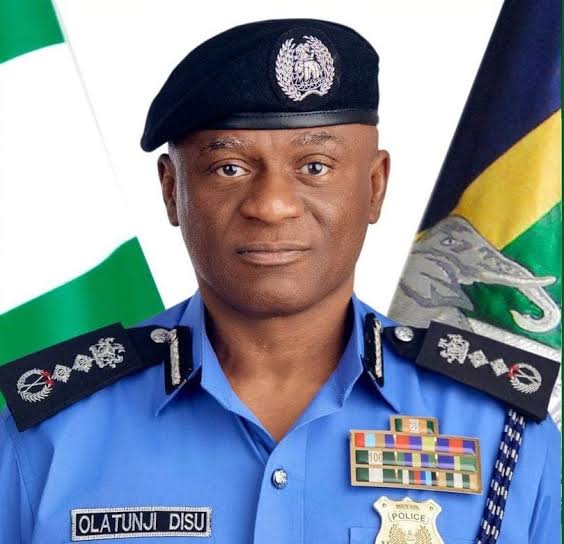
A Lagos-based lawyer, Emmanuel Umohinyang, has urged the Inspector-General of Police, Olatunji Disu, to strengthen security measures and prevent political violence ahead of the forthcoming general election.

Umohinyang, in a letter dated November 16, 2026, addressed to the IG at the Force Headquarters, Abuja, and obtained by The PUNCH on Wednesday, expressed concern over reported attacks on political campaign convoys, rallies, supporters and other legitimate political activities across the country.

He warned that the growing tendency for political disagreements to degenerate into physical attacks, intimidation and destruction of property posed a serious threat to Nigeria’s democratic process.

The lawyer urged the police not to wait until violence erupted before responding, but to identify potential flashpoints, assess security threats and take preventive measures.

He described the forthcoming election as an opportunity for Disu to demonstrate purposeful leadership and the capacity of the police to protect Nigerians irrespective of their political affiliations.

Umohinyang noted that it would be the first general election to be conducted under Disu’s leadership as IGP, adding that the police’s handling of election-related security would shape public confidence in the Force.

He said, “The security of lives and property and the protection of citizens’ constitutional rights must not be compromised by the desperation and intolerance that appears to accompany the struggle for political power.

“The responsibility of the police, therefore, is not merely to restore order after violence has occurred but, more importantly, to anticipate threats, identify potential flashpoints and prevent foreseeable violence.”

The lawyer called for professional reorientation, institutional sanitisation and operational mobilisation of police personnel across the country.

He also cautioned the police against allowing themselves to be used as instruments of political intimidation or manipulated into compromising citizens’ rights.

See also  FG issues compliance directive to MDAs on equipment leasing procedures

Umohinyang stressed the need for equal protection for supporters of the ruling and opposition parties, insisting that police protection should not be determined by political affiliation, ethnicity, religion or other considerations.

He urged the IGP to issue clear directives to commissioners of police in the 36 states and the Federal Capital Territory to strengthen security arrangements and adopt intelligence-driven policing.

He said, “They must not adopt a complacent or reactive posture while political tensions build up around them. Rather, they must be proactive and intelligence-driven. They must identify emerging threats, monitor potential flashpoints, assess credible security information and take timely preventive measures.”

The lawyer further called for prompt investigation of attacks on political activities and the prosecution of perpetrators, sponsors and accomplices where credible evidence established their involvement.

He also urged the police chief to ensure that officers found guilty of negligence, dereliction of duty or complicity in political violence faced appropriate disciplinary and legal consequences.

Umohinyang said the President’s position against political violence should be reflected in police operations, stressing that those responsible for sponsoring or perpetrating attacks should not escape justice because of their political influence.

He said, “The forthcoming election should be an opportunity for Nigerians to exercise their democratic rights peacefully, not a period of apprehension in which citizens fear attending rallies, joining campaign processions or expressing their political preferences.

“The safety of Nigerians must never be negotiable, and no political ambition is worth the loss of a single innocent life.”

Source: punchng.com

FOLLOW US ON:

FACEBOOK

WHATSAPP CHANNEL

TWITTER

PINTEREST

TIKTOK

YOUTUBE

LINKEDIN

INSTAGRAM

Continue Reading

News

US strategist denies $4.5m payment for Tinubu interview, read details

Published

on

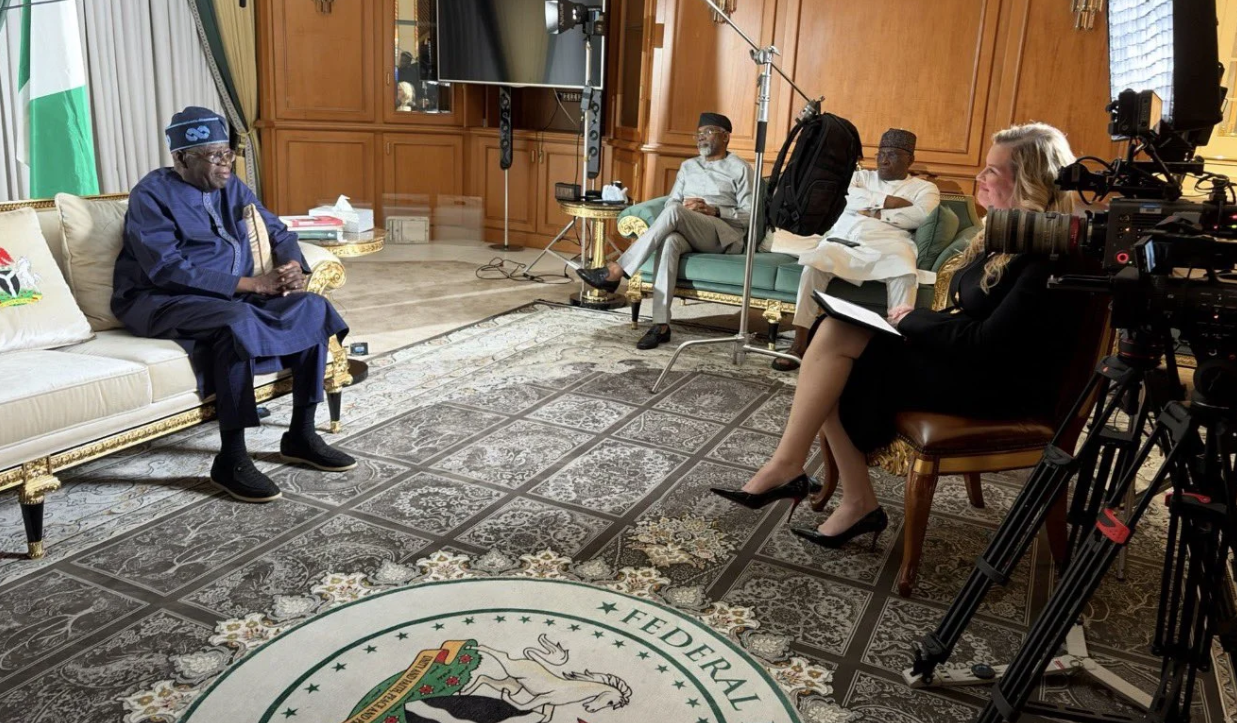
American political strategist and media personality, Diana London, has denied receiving $4.5m from the Nigerian government or anyone else in the country, following controversy over her interview with President Bola Tinubu.

London, who is the Chief Executive Officer of London Global Strategies, said she travelled to Nigeria to interview Tinubu for parts of a documentary and to see the country herself.

In a post on her X account on Wednesday, she described the allegation as a smear campaign and insisted that neither the Nigerian government nor any other individual in the country paid her $4.5m.

“I unequivocally deny the claim that Nigeria’s government nor anyone else in Nigeria paid me $4.5 million. I went to Nigeria to interview President Tinubu @officialABAT for parts of a documentary and see Nigeria for myself.

“This SMEAR CAMPAIGN can make noise, but can’t change the facts or stop me from speaking the truth,” she wrote.

Her response comes amid public criticism following her interview with Tinubu at the Presidential Villa, Abuja, on Tuesday.

President Bola Tinubu and Diana London. Photo credit: Diana London | X

The controversy intensified after London deleted earlier posts in which she praised the security partnership between Nigeria and the United States and described Nigeria as America’s greatest ally in Africa.

She subsequently restricted access to the comment section of her X account, limiting responses to selected users.

PUNCH had earlier reported that the development followed a report by Peoples Gazette alleging that London received $4.5m for the assignment.

However, details in documents filed under the United States Foreign Agents Registration Act showed that London Global Strategies received payments of 375,000 from DCI Group, a US-based lobbying firm engaged by the Nigerian government through Aster Legal.

See also  Unusual cough, fever stir panic in Lagos

The payments were described as retainers for services rendered under the lobbying arrangement.

London has now expressly denied receiving the $4.5m from Nigeria, while maintaining that her visit was for a documentary interview.

The interview has also raised questions about the relationship between her media engagement and her company’s involvement in the lobbying arrangement.

Former Vice-President Atiku Abubakar had called on the Presidency to publish the lobbying contract, disclose the payments and invoices, and release the full, unedited recording of Tinubu’s interview.

He also asked the Presidency to clarify whether the interview formed part of the $4.5m lobbying arrangement.

The Presidency had yet to publicly clarify the relationship between the interview and the lobbying contract as of the time of filing this report.

Source: punchng.com

FOLLOW US ON:

FACEBOOK

WHATSAPP CHANNEL

TWITTER

PINTEREST

TIKTOK

YOUTUBE

LINKEDIN

INSTAGRAM

Continue Reading

News

Reps to summon NAFDAC, DSS over fake drugs, deaths, read full details

Published

on

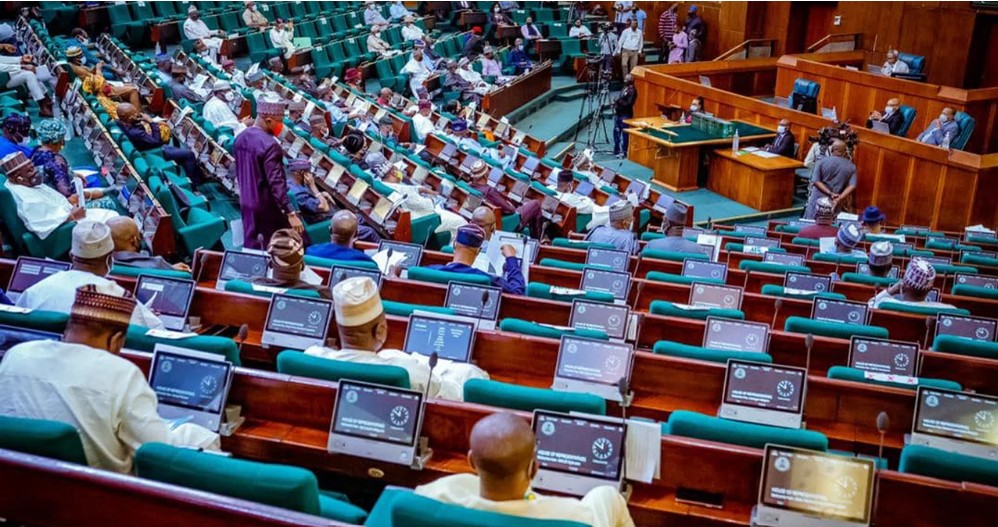
The House of Representatives has resolved to invite the heads of the National Agency for Food and Drug Administration and Control, the Department of State Services and the Nigeria Police Force to brief its relevant committees on measures being taken to tackle the growing circulation of fake drugs and adulterated drinks across the country.

The resolution followed the adoption of a motion of urgent public importance moved on Wednesday by the member representing Obi/Oju Federal Constituency of Benue State, Mr David Agada, following reports that the consumption of a suspected poisonous herbal medicine had claimed four lives in the constituency.

The motion, titled “Urgent need to investigate the alleged distribution and administration of suspected poisonous, unregistered/substandard herbal medicinal products in Obi/Oju Federal Constituency, Benue State to prevent further loss of lives,” called for urgent intervention to establish the circumstances surrounding the incident and prevent further casualties.

Moving the motion, Agada reminded lawmakers of their responsibility to protect the lives and welfare of their constituents.

He noted that the NAFDAC Act empowers the agency to regulate and control the manufacture, distribution, sale and use of drugs, herbal medicinal products and other regulated health-related products in Nigeria.

He also cited the Food and Drugs Act and the Counterfeit and Fake Drugs and Unwholesome Processed Foods (Miscellaneous Provisions) Act, which prohibit the manufacture, distribution and sale of unsafe, adulterated, counterfeit or unwholesome drugs and related products.

Speaking on the incident, Agada said, “The House is concerned that on October 31 2026, three individuals identified as Muhammad Sani Adamu, Musa Alhaji Kala who claim to come from Sokoto State and Alhaji Muhammad Sule from Bauchi States allegedly introduced and distributed a herbal medicinal product in Oju/Obi Federal Constituency, Benue State, claiming that the product could cure typhoid fever, waist pain and other ailments.

See also  FG issues compliance directive to MDAs on equipment leasing procedures

“We are concerned that several residents reportedly purchased and consumed the said product, after which a number of them developed severe symptoms within hours and were rushed to different hospitals for emergency medical attention.

“The House is disturbed that the incident has reportedly resulted in the deaths of four persons, namely-Awugo Joseph Oyije, who died on 2nd November, 2026; James Ogah Onma, who died on 4th November, 2026, following referral for further medical treatment; Ode Friday Ogah died on November 5, 2026; and Mr Agi Edugbeke who died on the 11th day of November, 2026.”

He added that 11 other persons were reportedly affected and were receiving medical attention, with two referred to hospitals in Makurdi, the Benue State capital.

The affected persons were identified as Otumala Ochele, Binta Sule, Onu Oboh, Adoga Onu, Upa James, Igbo Pius, Ochele Genesis, Otumala Amos, Uwa Baku, Ate Vivian Okpune and Roman Ehile.

Agada further warned that other residents might have consumed the suspected product without being identified or could be receiving treatment outside recognised health facilities, raising the risk of additional casualties.

According to him, “The House is worried that other residents within the affected communities may have consumed the suspected product without being identified or may be receiving treatment outside recognised health facilities, thereby increasing the possibility of further casualties.

“The House is further worried that the composition, source, manufacturing conditions, NAFDAC registration status, safety, dosage and possible adverse effects of the product remain unverified, raising serious concerns about the possible circulation of poisonous, adulterated, unregistered or substandard herbal medicinal products.”


He said the incident constituted a serious public health concern requiring immediate intervention by relevant federal and state authorities to establish the circumstances surrounding the deaths, prevent further exposure and ensure that those responsible, where culpability was established, were brought to justice.

Contributing to the debate, the House Leader, Prof. Julius Ihonvbere, said the proliferation of fake drugs and drinks had become a national challenge requiring a broader response beyond NAFDAC’s current capacity.

See also  Darkness hits Lagos-Ibadan Longbridge as more streetlights disappear

He said the agency was struggling with inadequate personnel, noting that its workforce of about 2,000 was insufficient to effectively police the country’s drug distribution network.

“This issue has gone beyond NAFDAC which has only a staff strength of about 2,000 people. The agency requires at least 10,000 staff members to be able to execute its mandate. NAFDAC does not have a presence everywhere; it is not in my village in Edo State.

“I think we need to have a holistic conversation about this problem because it is getting out of hand. If we do not do something quickly, more Nigerians will continue to die of fake drugs and drinks.”

Ihonvbere urged the House to recommend stiffer penalties for manufacturers and distributors of fake and contaminated products.

“Mr Speaker, I think we can suggest life imprisonment or even the death penalty for those involved in this criminal enterprise and may bring the DG of NAFDAC to come and tell us where they are on this matter,” he added.

Similarly, Ali Shettima (APC, Yobe) urged lawmakers to look beyond the Benue incident and address the nationwide consequences of the circulation of fake drugs.

“Let us look beyond Benue and focus on what the issue of fake drugs is doing throughout the country. NAFDAC needs to intensify its work in regulating the activities of herbal medicine producers. Selling fake products to innocent citizens in the name of drugs and drinks is very unfortunate. An enabling law should be enacted to ensure that those involved in this are penalised if they are found guilty,” he said.

Another Yobe lawmaker, Fatima Talba, however, urged caution, arguing that many Nigerians patronised unregulated herbal medicine sellers partly because of limited access to affordable and reliable healthcare alternatives.

See also  FG warns 3,598 workers of dismissal, orders fresh verification

She said, “Some of the people who patronise these do not have any other place to go to. It is not as if these people are forced to buy these products because even in the hospitals, there are fake drugs. We cannot tell these people not to patronise these fake herbal drug sellers because we have not given then alternatives.”

Peter Uzoekwe (NDC, Anambra) proposed holding market leadership accountable for the sale and distribution of counterfeit drugs, suggesting that the executives of markets where such products were manufactured or sold should be removed.

“Let us make it a duty that any market where fake drugs are manufactured or sold, we will depose the executives. If we do this, you will see that those executives would act as taskforce,” he said.

Also contributing, Ismaila Haruna, who represents Toro Federal Constituency of Bauchi State, called for an investigation into deaths allegedly linked to the use of sexual performance-enhancing drugs.


“There are existing laws in place guiding the regulation of herbal medicine. What is left is enforcement. Is NAFDAC doing its job? Again, we need to investigate why men are dying in their numbers because many times, we hear of men dying in hotel rooms and what have you,” he said.

At the end of the debate, the House resolved to invite NAFDAC, the Nigeria Police Force and the DSS to brief its relevant committees on measures being taken to curb the circulation of fake herbal medicines and adulterated drinks across the country.

Source: punchng.com

FOLLOW US ON:

FACEBOOK

WHATSAPP CHANNEL

TWITTER

PINTEREST

TIKTOK

YOUTUBE

LINKEDIN

INSTAGRAM
Continue Reading

Trending