Connect with us

Business

Electricity subsidy may hit N2tn amid tariff freeze

Published

on

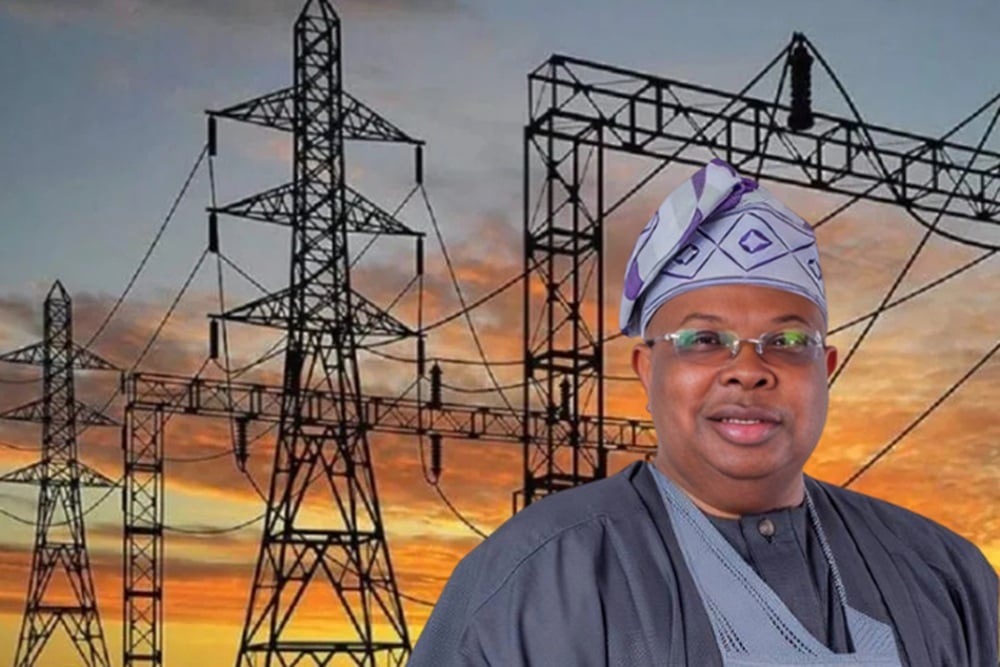
The Federal Government may spend about N2 trillion to subsidise electricity this year as it maintains its position against an immediate increase in electricity tariffs.

The Minister of Power, Joseph Tegbe, disclosed the government’s position on electricity tariffs at a media parley in Abuja on Monday while marking his first 100 days in office.

“There are no immediate plans to increase electricity tariffs. Our goal is to build a commercially viable power sector while protecting vulnerable consumers,” Tegbe said.

The minister’s position comes against the backdrop of the N1.93tn electricity subsidy incurred by the Federal Government in 2025, according to the Nigerian Electricity Regulatory Commission’s 2025 Annual Report.

NERC said the subsidy obligation represented 57.44 per cent of the total Nigerian Bulk Electricity Trading invoice during the year and averaged N160.69bn monthly.

The commission said the government incurred the subsidy because allowed electricity tariffs remained below cost-reflective levels, with the Federal Government covering the resulting gap.

“In the absence of cost-reflective tariffs, the government undertakes to cover the resultant gap (between the cost-reflective and allowed tariff) in the form of tariff subsidies.

“It is important to note that due to the absence of cost-reflective tariffs across all DisCos, the government incurred a subsidy obligation of N1.93tn (57.44 per cent of total NBET invoice) during the year,” the commission said.

With the government maintaining that there are no immediate plans to increase tariffs, the subsidy burden could remain around the N2tn level this year. The subsidy burden neared N2tn in 2024 and 2025 despite the Band A to E tariff categorisation introduced in 2024.

See also  OPS reacts on CBN's interest rates reduction

Aside from Band A customers who pay the real cost of electricity, customers on other bands still enjoy government subsidies, which are now close to N2tn.

Earlier, electricity generation companies questioned the effectiveness of the Federal Government’s N4tn Presidential Power Sector Debt Reduction Programme, warning that fresh liabilities estimated at over N7tn could accumulate before the programme is fully implemented.

The power producers, under the aegis of the Association of Power Generation Companies, said that while they were not opposed to the Federal Government’s plan to raise bonds to settle outstanding obligations, the initiative would not provide a lasting solution to the liquidity crisis in the Nigerian Electricity Supply Industry because debts continue to accumulate monthly.

“Every month, the DisCos are not paying 100 per cent. NBET is not paying 100 per cent. The N4tn legacy debt is until December 2024. So, how about the accumulation for 2025? And what is already accumulated for 2026? So by the time you finish issuing this N4tn bond over seven years, by 2033, two times what you’re going to pay would have accumulated. So what is your plan?” the APGC Chief Executive, Joy Ogaji, asked the question.

Ogaji also called on the Federal Government to adopt a more sustainable approach to electricity subsidies, arguing that the current subsidy arrangement exists largely on paper because there is no corresponding budgetary provision.

“One of the sustainable ways is for the Federal Government to acknowledge the fact that they cannot subsidise the power market. Because you can see it’s only on paper that the government is subsidising power. It’s not in the budget.

“There is no monetary provision anywhere for subsidies, not even in the supplementary budget; it’s nowhere. It’s just being. You said you would pay. We have not seen it,” she stressed.

See also  Tax law: N5tn VAT windfall for states as new formula begins

The CEO proposed that the government should clearly define the level of subsidy it could afford and make budgetary provisions for it instead of maintaining a blanket subsidy policy that has contributed to mounting debts across the electricity value chain.

Speaking on Monday, the minister said the administration was working to address the sector’s long-standing debt, revenue leakages, metering gaps and infrastructure constraints.

He said his first 100 days, covering June 8 to September 16, had largely focused on diagnosing the problems across the electricity value chain, stabilising existing infrastructure and restoring market discipline.

According to him, gas supply to power plants was constrained by damaged pipelines and commercial conditions that discouraged investment, while ageing equipment, deferred maintenance and stalled projects prevented available capacity from reaching consumers.

He said the sector was also weakened by poor payment discipline, with generation companies receiving only 27 per cent of their bills.

“When President Bola Tinubu entrusted me with the responsibility of serving as Minister of Power, I made four promises to Nigerians. I promised a disciplined approach to solving the sector’s problems. I promised to pursue grid stability through structured, strategic reforms. I promised visible incremental improvements.

“Upon assuming office, the diagnosis we undertook at the onset revealed constraints at every segment of the electricity value chain. Gas supply to power stations was limited by damaged pipelines and commercial terms that discouraged investment.

“Our generation fleet was heavily dependent on thermal plants, with ageing equipment, deferred maintenance, stalled projects, and capacity unable to reach consumers. The sector diagnosis revealed payment of only 27 per cent of generation companies’ bills, undermining their ability to maintain plants and pay gas suppliers,” Tegbe stated.

See also  NNPCL reiterates 2m bpd oil output target by 2027

The minister said transmission infrastructure was similarly under pressure from vandalised towers and lines, overstretched equipment and frequent system tripping.

NERC explained in its 2025 report that, under the subsidy regime, the government covers the gap between the cost-reflective and allowed tariffs through tariff subsidies.

The regulator said the subsidy is applied to the generation cost payable by DisCos to NBET, while the portion of generation costs not covered by the DisCos is invoiced to the Federal Ministry of Finance for settlement.

It said the framework was introduced partly to prevent unpaid subsidy debts from accumulating on the balance sheets of DisCos and limiting their ability to raise finance for critical investments in their networks.

The N1.93tn subsidy obligation recorded in 2025 highlights the financial cost of keeping electricity tariffs below the cost of supplying power.

For 2026, the government’s decision not to immediately raise tariffs means it will continue to bear a significant portion of the cost of electricity while efforts are made to improve collections, infrastructure, gas supply and service delivery.

Source: punchng.com

FOLLOW US ON:

FACEBOOK

TWITTER

PINTEREST

TIKTOK

YOUTUBE

LINKEDIN

INSTAGRAM

Continue Reading
Click to comment

Leave a Reply

Your email address will not be published. Required fields are marked *

Business

Petrol imports jump 47% despite local refining

Published

on

Nigeria’s petrol imports rebounded by 47 per cent in October to 15 million litres per day, reversing the decline recorded in the previous month and raising fresh concerns about the country’s dependence on foreign supplies despite the expansion of domestic refining.

The latest figures released by the Nigerian Midstream and Downstream Petroleum Regulatory Authority on Friday showed that petrol imports increased from 10.2 million litres per day in September to 15 million litres in October, representing an additional 4.8 million litres daily.

Although domestic refineries remained the country’s largest source of petrol, their contribution also increased at a slower rate of 12 per cent, from 28.5 million litres per day in September to 31.9 million litres in October.

The October figures mean imported petrol accounted for approximately 32 per cent of the 46.9 million litres received daily, compared with 26.4 per cent in September. Domestic supply represented the remaining 68 per cent.

The development highlights the fragile nature of Nigeria’s emerging fuel self-sufficiency, as the recovery in domestic refining has not completely eliminated the need for imported petroleum products.

The NMDPRA disclosed the figures in its October 2026 fact sheet, which showed that total petrol receipts rose by 21 per cent from 38.7 million litres per day in September to 46.9 million litres in October.

The increase represented an additional 8.2 million litres daily, comprising 4.8 million litres from imports and 3.4 million litres from domestic refineries.

A month-by-month examination of the authority’s figures showed that petrol imports initially dominated supply in the final quarter of 2025 before domestic refining gained ground following the commissioning and expansion of local refining capacity.

See also  NNPCL reiterates 2m bpd oil output target by 2027

In October 2025, domestic refineries supplied 17.1 million litres daily, while imports accounted for 28.9 million litres, bringing total receipts to 46 million litres per day.

In November 2025, domestic supply increased to 19.5 million litres, while imports rose to 32 million litres, pushing total receipts to 51.5 million litres daily.

The highest supply during the 13-month period was recorded in December 2025, when domestic refineries supplied 32 million litres and imports contributed 42.2 million litres, bringing total receipts to 74.2 million litres daily.

However, the pattern changed in January 2026 as domestic supply surged to 40.1 million litres daily, overtaking imports, which declined to 24.8 million litres. Total receipts stood at 64.9 million litres.

The decline in imports became more pronounced in February, when foreign supplies fell to just three million litres daily, compared with 29.4 million litres from domestic refineries. Total petrol receipts consequently dropped to 32.4 million litres per day.

In March, domestic supply recovered to 34.2 million litres, while imports increased slightly to 5.9 million litres, bringing total receipts to 40.1 million litres.

April recorded domestic supply of 40.7 million litres against imports of 3.7 million litres, with total receipts standing at 44.4 million litres daily.

The trend continued in May, when local refineries supplied 41.5 million litres, while imports contributed 5.9 million litres. Total receipts increased to 47.4 million litres.

However, imports began regaining ground in June, rising sharply to 18.1 million litres daily, while domestic supply declined to 32.5 million litres. Total receipts stood at 50.6 million litres.

See also  Read Tinubu's unveiled plan to turn flood Threat into economic goldmine

In July, domestic supply fell further to 25.8 million litres, while imports increased to 19.7 million litres, bringing total receipts to 45.5 million litres.

August saw domestic supply recover to 35.9 million litres, while imports declined to 14.6 million litres. Total receipts rose to 50.5 million litres.

In September, domestic supply dropped to 28.5 million litres, while imports declined to 10.2 million litres, resulting in total receipts of 38.7 million litres.

The October figures subsequently showed a recovery in both supply channels, with domestic deliveries rising to 31.9 million litres and imports increasing to 15 million litres, bringing total receipts to 46.9 million litres daily.

The 13-month data showed that domestic refineries supplied an average of 31.5 million litres daily, representing 62.6 per cent of total petrol receipts, while imports averaged 18.8 million litres, accounting for 37.4 per cent.

Despite the October rebound, imported petrol volumes remained below the 13-month average of 18.8 million litres daily. Domestic supply, however, was slightly above its 13-month average of 31.5 million litres.

A year-on-year comparison also showed that domestic supply increased by 86.5 per cent, from 17.1 million litres daily in October 2025 to 31.9 million litres in October 2026.

Conversely, imports declined by 48.1 per cent from 28.9 million litres to 15 million litres over the same period. Total petrol receipts increased marginally by 1.96 per cent, from 46 million litres to 46.9 million litres daily.

The October recovery in imports was accompanied by deterioration in petrol stock sufficiency, which measures the number of days existing inventories can sustain consumption.

See also  OPS reacts on CBN's interest rates reduction

Source: punchng.com

FOLLOW US ON:
FACEBOOK

WHATSAPP CHANNEL

TWITTER

PINTEREST

TIKTOK

YOUTUBE

LINKEDIN

INSTAGRAM

Continue Reading

Business

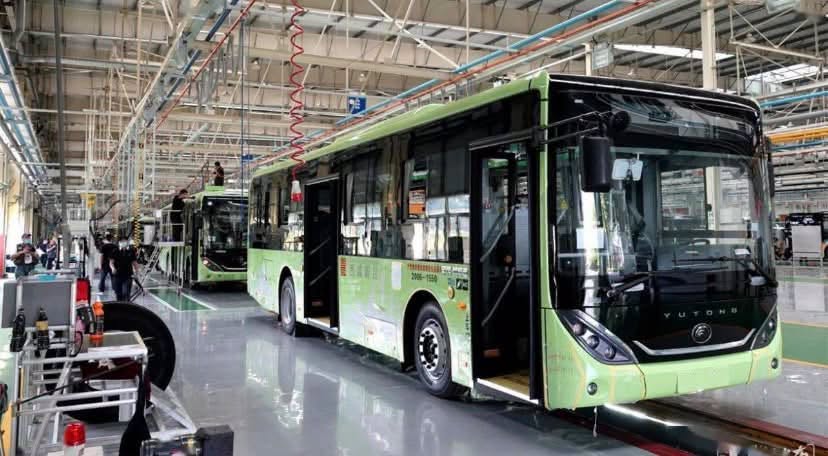
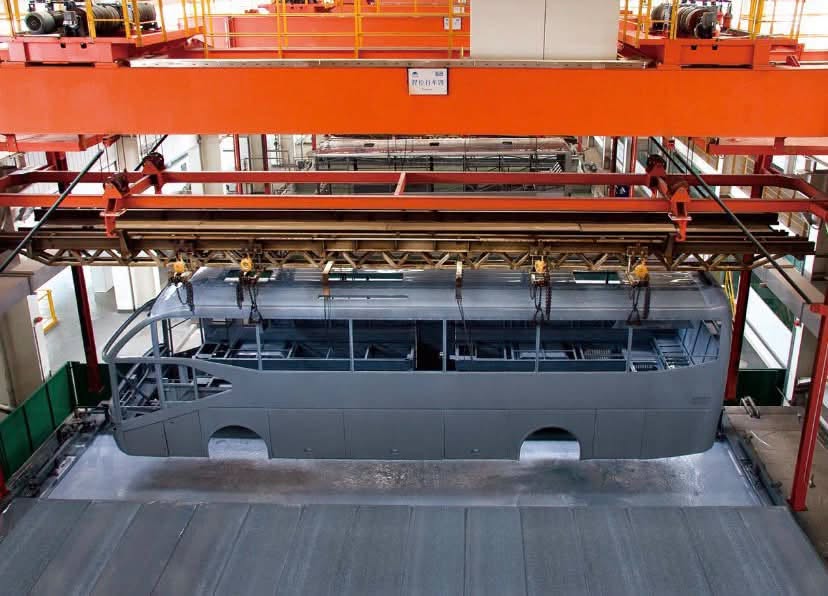
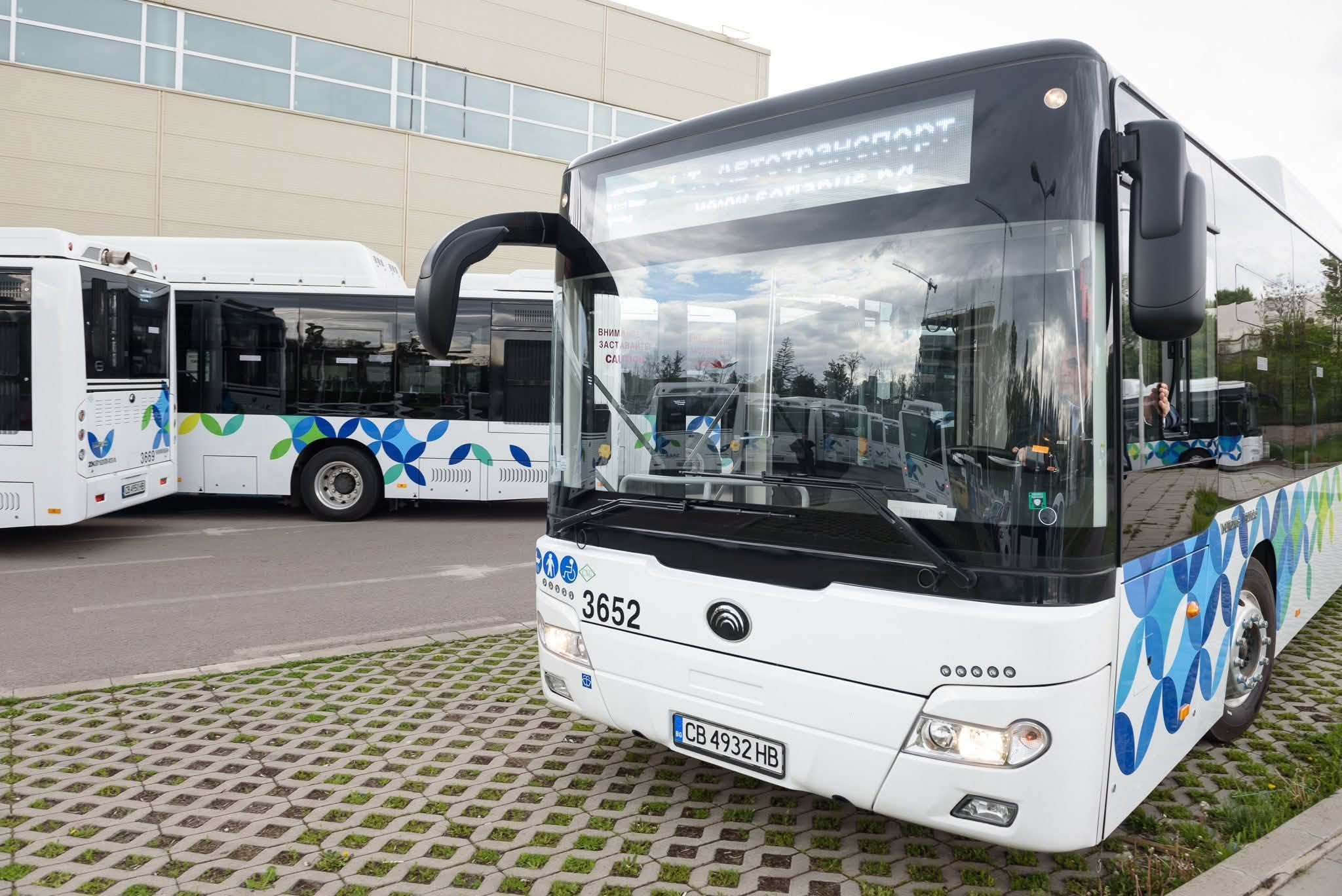
PHOTOS: Yutong To Establish CNG Bus Assembly Plant In Ibadan At Former Leyland Facility, Oyo State

Published

on

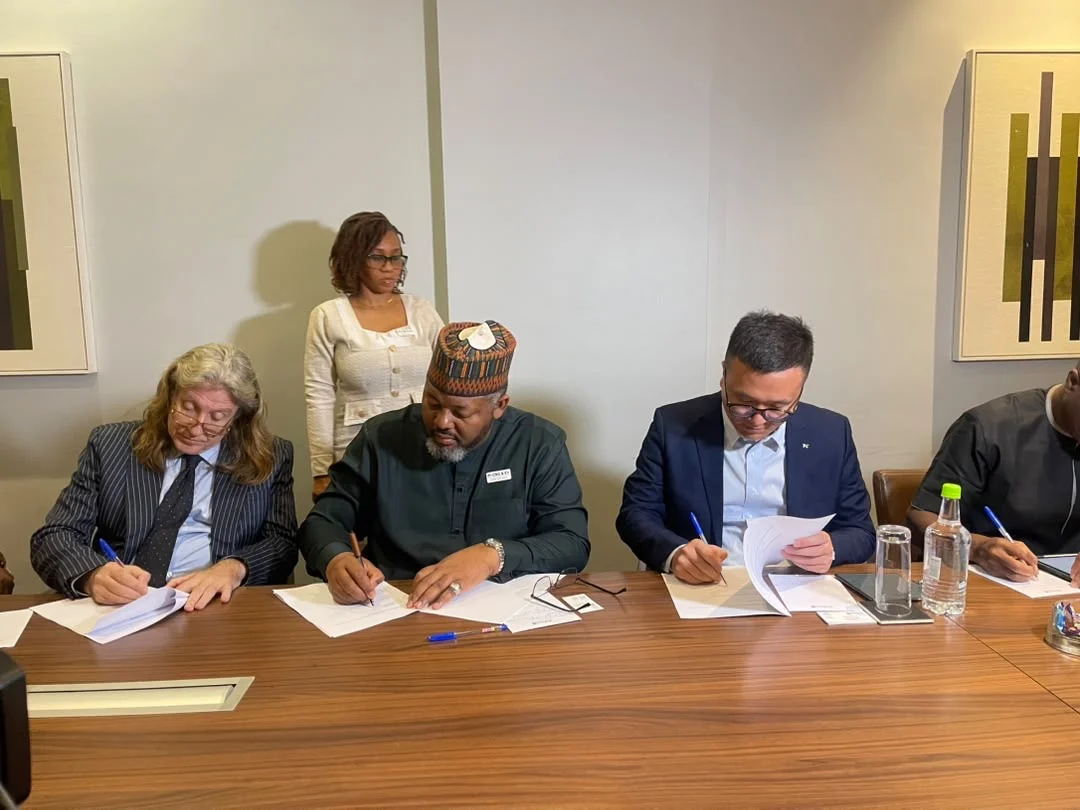
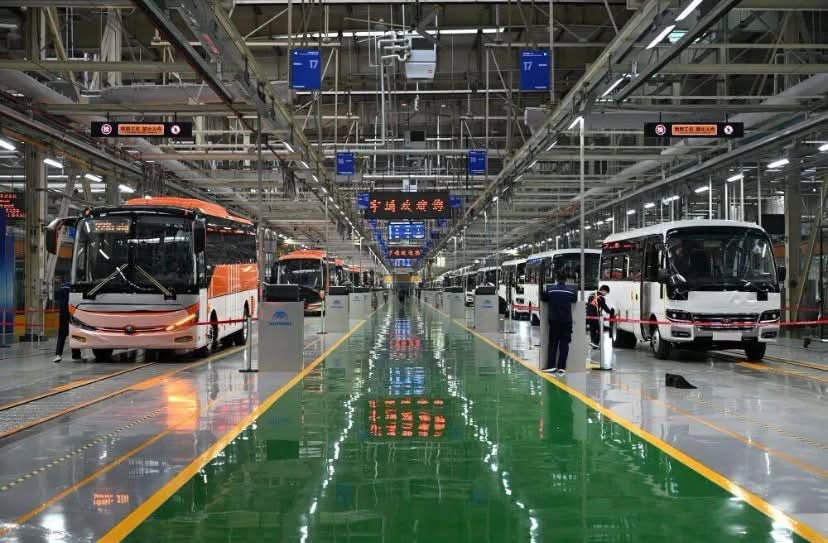
The Federal Government has signed an agreement with China’s Yutong Bus Company and Nigerian partner YP Automobile to introduce compressed natural gas-powered buses and establish a local assembly plant, as part of efforts to reduce transportation costs.

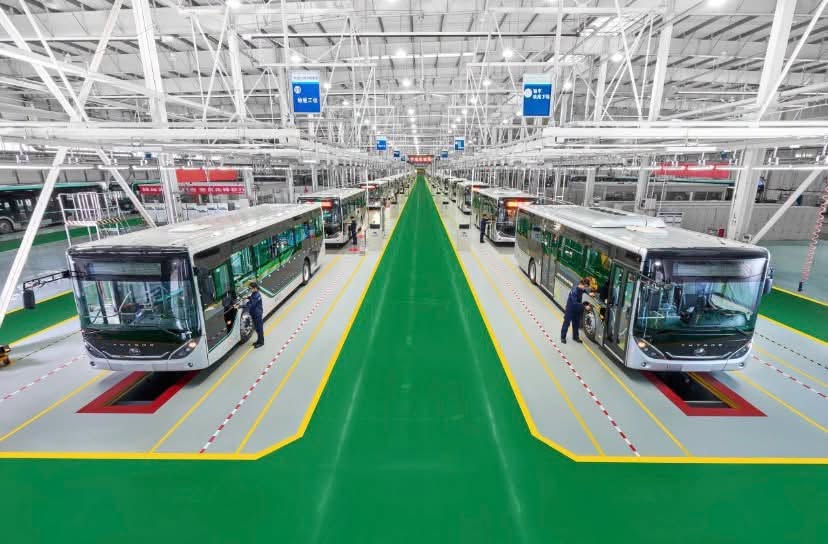
The agreement, signed in Lagos on Thursday through the Presidential Initiative on Compressed Natural Gas and Electric Vehicles (Pi-CNG & EV), includes a proposed project to assemble CNG buses in Nigeria, while Leyland Nigeria in Ibadan, Oyo State capital is expected to host the new assembly investment.

The project is expected to create jobs in vehicle assembly, maintenance and the supply chain, while giving Nigerian workers access to technical skills and technology used in commercial vehicle manufacturing.

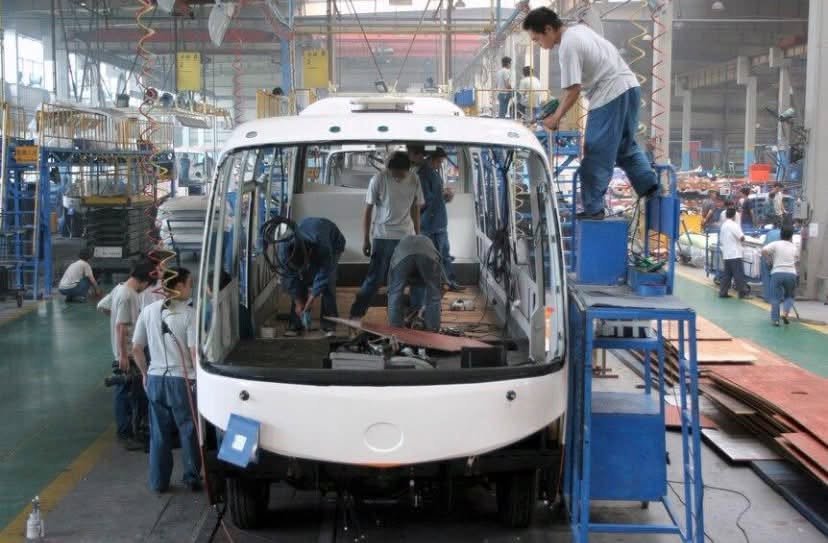
Unlike arrangements that focus mainly on importing finished buses, the new partnership is intended to develop local capacity to assemble the vehicles, although details of the plant’s investment value, construction schedule and production commencement date were not disclosed at the signing.

Executive Chairman of Pi-CNG & EV, Ismaeel Ahmed, said the agreement was designed to combine the deployment of CNG buses with local industrial development.

“Not only are we now bringing in the buses, in huge numbers, but they are going to set up an assembly plant so that our people will get jobs and we’ll have the transfer of technology to be able to do it ourselves and within country,” he said.

Ahmed said the partnership involved YP Automobile, which he described as having operated in Nigeria’s mass commercial transport market for at least 15 years, and Yutong, one of China’s leading bus manufacturers.

See also  Tax law: N5tn VAT windfall for states as new formula begins

He said Nigeria had about 210 trillion cubic feet of proven natural gas reserves, arguing that the country could use the resource to reduce its reliance on petrol in the transportation sector.

Africa’s most populous nation has been promoting compressed natural gas as an alternative fuel following the removal of petrol subsidies, which increased the cost of transportation for households and businesses in 2023. The government has consequently pursued the deployment of CNG-powered vehicles as a way of lowering the operating expenses of transport operators and easing the pressure on commuters.

Through the National Affordable CNG Transit Programme, the government is seeking to expand access to cheaper public transportation using natural gas and electric vehicles.

Ahmed said the latest agreement would support that objective while creating opportunities for local manufacturing.

Chief Operating Officer of YP Automobile, Panagiotis Marris, said the partnership brought together Nigerian investors and Yutong, which he described as the world’s largest bus producer.

He said the arrangement could help rebuild Nigeria’s automotive manufacturing capacity and restore technical expertise that had been lost over the years.

“It’s a milestone in a sense that we’re reviving the Nigerian manufacturing auto industry, and we’ll create the know-how that we missed over the last 20 years,” Marris said.

He added that high transportation costs remained an obstacle to economic development, while the adoption of CNG-powered buses could also help reduce the environmental impact of public transportation.

Yutong Bus Company Account Manager, Damian Li, said the manufacturer had delivered more than 1,400 buses to Nigeria and understood the country’s transport market and operating requirements.

See also  NNPCL reiterates 2m bpd oil output target by 2027

He said the company planned to work with its Nigerian partners on the local assembly of 1,000 CNG buses, with the project expected to gradually increase domestic production capacity and develop a sustainable bus industry.

“We plan to cooperate with the local partners and to start local bus assembly project of the thousand CNG buses,” Li said.

Chairman of Leyland Nigeria, Yemi Idowu, said the company would host the proposed assembly investment, adding that the project would create employment opportunities beyond the factory.

He said the production and maintenance of the buses would require mechanics, workshop assistants, sub-assembly partners and supply chain operators.

According to him, each bus could remain in operation for more than 15 years, creating sustained demand for servicing, repairs and technical support throughout its working life.

“There’s going to be a lot of transfer of technology, new technology in bus manufacturing and maintenance,” Idowu said.

He added that Yutong would manage the plant’s operations under an original equipment manufacturer arrangement involving Nigerian partners, with its personnel participating in the operation.

Beyond the buses and assembly facility, the agreement also includes a digital payment component aimed at ensuring that commuters benefit from any reduction in transportation costs.

Chief Executive Officer of Touch and Pay Technologies Limited, Olamide Afolabi, said the company would provide electronic payment infrastructure, revenue assurance and accountability systems to support the programme.

He explained that the technology would enable transport authorities to monitor fares, track payments and assess whether savings from the use of cheaper CNG fuel were being passed on to passengers.

See also  NUPRC gives 31 oil block winners payment deadline

“We are providing the technology, we are providing the revenue assurance, we are providing accountability to ensure that it works, so that the reduced cost of energy because of CNG is felt by anybody, is felt by the general public,” Afolabi said.

He said the payment system would give regulators greater oversight of transport fares and help commuters experience the benefits of the government’s investment in alternative-energy transportation.

FOLLOW US ON:

FACEBOOK

WHATSAPP CHANNEL

TWITTER

PINTEREST

TIKTOK

YOUTUBE

LINKEDIN

INSTAGRAM

Continue Reading

Business

Tinubu in fresh move to cut transport fares for Nigerians, read full details

Published

on

President Bola Ahmed Tinubu has welcomed plans by Yutong, the world’s largest bus manufacturer and a global producer of electric and CNG-powered buses, to establish a CNG bus assembly plant in Nigeria as part of efforts to support affordable mass transportation across the country.

The Special Adviser to the President on Information and Strategy, Bayo Onanuga, disclosed this in a statement on Thursday.

Under the agreement with the Presidential Initiative on Compressed Natural Gas and Electric Vehicles (Pi-CNG & EV), Yutong will supply an initial 300 CNG-powered buses, with the first 100 expected to arrive in Lagos by the end of December.

According to Onanuga, subsequent buses will be assembled in Nigeria through YP Automobiles Bus Assembly at the former Leyland Automotive plant in Ibadan, Oyo State.

He said the arrangement would revive local industrial capacity, reduce dependence on imported vehicles and create employment opportunities for Nigerian engineers, technicians and other workers.

The agreement was signed in Lagos on Thursday.

The investment is aimed at supporting the National Affordable CNG Transit Programme (NACTP) in collaboration with state governments. The programme targets transport fare reductions of approximately 40 per cent on participating routes, in line with President Tinubu’s Renewed Hope Agenda 2.0 for 2027–2031.

Tinubu, who acknowledged the acceptance of the CNG scheme, expressed confidence that the agreement with Yutong would boost the expansion of refuelling infrastructure through Pi-CNG & EV, the Midstream and Downstream Gas Infrastructure Fund (MDGIF) and private sector investors.

The statement said the interventions included deploying Mobile Refuelling Units (MRUs) and the President’s directive for 2,000 additional CNG refuelling infrastructure units nationwide, laying the foundation for a wider rollout of affordable commercial buses.

See also  NNPCL reiterates 2m bpd oil output target by 2027

It maintained that the Tinubu administration’s commitment to reducing the daily cost of transportation for Nigerians remained the central objective of the investments.

The statement further read:

“The President notes that millions of Nigerians depend on commercial transportation to get to work, take their children to school, travel to markets and move goods between communities. For many households, transportation consumes a significant portion of their daily earnings.

“He stresses that the lower operating costs of CNG-powered vehicles must translate into lower fares for passengers, allowing workers, traders and families to retain more of their income for food, education and other essential needs.

“The President points to the approximately 40 per cent fare-reduction target under the NACTP, as outlined in his Renewed Hope Agenda 2.0, and reiterates his administration’s determination to work with state governments and transport operators to extend affordable CNG transportation to more routes nationwide.

“He welcomes Yutong’s decision to establish local assembly capacity in Nigeria, noting that the investment will help sustain the supply of affordable commercial buses while facilitating technology transfer, creating skilled employment and strengthening the country’s automotive industry.

“President Tinubu reiterates that the success of the CNG programme must ultimately be measured by how much Nigerians save on transportation, and assures citizens of his administration’s continued commitment to reducing living costs through practical investments in infrastructure, manufacturing and affordable mass transit.”

Source: tribuneonlineng.com

FOLLOW US ON:

FACEBOOK

WHATSAPP CHANNEL

TWITTER

PINTEREST

TIKTOK

YOUTUBE

LINKEDIN

INSTAGRAM

Continue Reading

Trending