Connect with us

Lifestyle

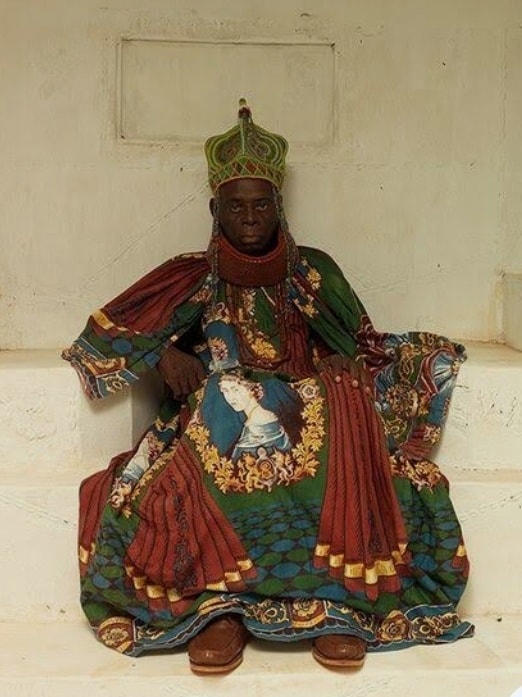
George Osodi’s “Nigerian Monarchs” Series: A Visual Chronicle of Living Royal Heritage

Published

on

Renowned Nigerian photojournalist George Osodi has earned international recognition for his ability to merge fine art and documentary photography. Among his most acclaimed works is the “Nigerian Monarchs” series—an extraordinary visual record of the country’s living royal traditions and the cultural identities they protect.

The Photographer and His Vision

Osodi, whose broader body of work explores Nigeria’s social, political, and environmental realities, approaches photography as both artistic storytelling and historical preservation. From the Niger Delta’s oil politics to urban street life, his lens often captures the friction between deep-rooted traditions and Nigeria’s rapidly modernising society. With Nigerian Monarchs, he turns this dual gaze toward the country’s royal institutions, creating portraits that function as both art and historical document.

Capturing Nigeria’s Royal Diversity

Launched in the early 2010s, the project took Osodi across Nigeria’s many ethnic landscapes—from the palaces of Yoruba oba in the southwest to the courts of Igbo, Benin, and northern emirates. Each image presents a monarch or queen in full ceremonial regalia, surrounded by heirlooms and palace artefacts that narrate centuries of lineage and authority.

Though modern Nigerian monarchs hold largely ceremonial or advisory roles, they remain guardians of culture and tradition, mediating disputes and preserving ancestral knowledge. Osodi’s portraits emphasise their enduring spiritual and social significance, even as the nation’s political power has shifted to democratic institutions.

Reframing Historical Narratives

Osodi consciously rejects the ethnographic style of colonial-era photography, which often depicted African royalty through a Western gaze. Instead, his images are vibrant, dignified, and symbolically rich, celebrating the sophistication of indigenous institutions. The series challenges outdated stereotypes, presenting Nigerian monarchs not as relics of a bygone past but as living embodiments of cultural resilience and pride.

See also  Egg freezing doesn’t guarantee pregnancy, say fertility specialists

Global Reception and Cultural Impact

Nigerian Monarchs has been exhibited at major international venues, including the Museum für Völkerkunde in Hamburg (2012) and the Newark Museum in the United States (2014), drawing critical acclaim for its blend of artistry and cultural documentation. Critics have praised the series for sparking conversations about identity, tradition, and the place of indigenous leadership in a modern nation-state.

For many Nigerians, Osodi’s work provides a powerful affirmation of heritage at a time when globalisation can blur the visibility of traditional authority. For international audiences, it offers a nuanced and visually stunning introduction to the living royal cultures of Africa’s most populous nation.

Legacy of the Series

More than a photographic catalogue, Nigerian Monarchs serves as a chronicle of Nigeria’s royal heritage and a reminder that tradition and modernity need not be in conflict. Osodi’s work continues to inspire both scholars and artists to look at African leadership structures not as static history, but as dynamic institutions still shaping cultural identity today.

Sources
George Osodi, Nigerian Monarchs (2012 exhibition catalogue).

The Guardian (UK), “George Osodi’s Nigerian Monarchs: A Celebration of Regal Heritage,” 2012.

FOLLOW US ON:

FACEBOOK

TWITTER

PINTEREST

TIKTOK

YOUTUBE

LINKEDIN

TUMBLR

INSTAGRAM

Continue Reading
Click to comment

Leave a Reply

Your email address will not be published. Required fields are marked *

Lifestyle

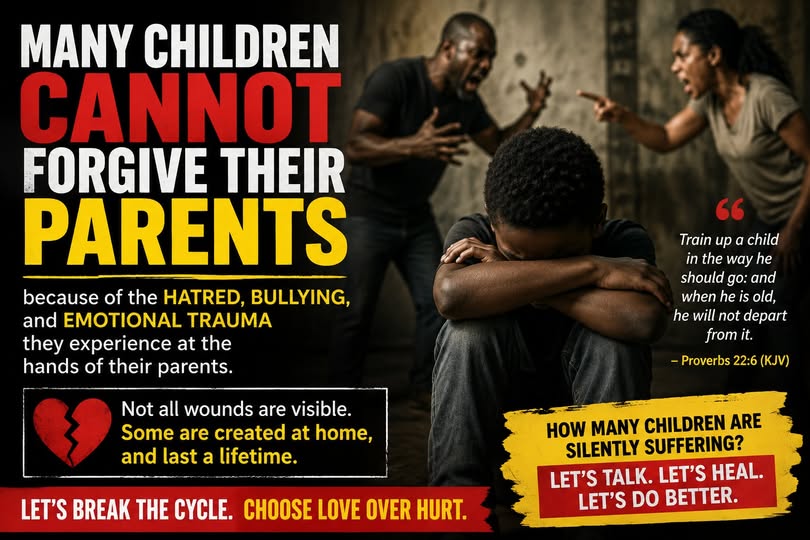
LET’S ASK THE QUESTION MANY PARENTS DON’T WANT TO HEAR: CAN A CHILD REALLY FORGET WHAT THEIR PARENTS DID TO THEM?

Published

on

Some parents will say:

“I gave birth to you, so you must respect me.”

But respect does not give a parent permission to humiliate, bully, insult, reject, emotionally abuse, or constantly tear down a child.

Some children are called “rebellious” today when, deep down, they are carrying years of pain they have never been allowed to express.

A child who was constantly told:

❌ “You are useless.”
❌ “You will never amount to anything.”
❌ “Look at your brother; you are a disappointment.”
❌ “I wish I never gave birth to you.”

may eventually grow up asking:

“Why should I love someone who spent my childhood making me feel worthless?”

The Bible does not give parents a free pass to crush their children’s spirits.

📖 “And, ye fathers, provoke not your children to wrath: but bring them up in the nurture and admonition of the Lord.”
— Ephesians 6:4 (KJV)

And Scripture says:

📖 “Fathers, provoke not your children to anger, lest they be discouraged.”
— Colossians 3:21 (KJV)

Yes, children are commanded to honour their parents.

📖 “Honour thy father and thy mother…”
— Exodus 20:12 (KJV)

But parents also have a responsibility before God for how they treat their children.

And here is the uncomfortable truth:

A child can forgive you and still remember the pain.

Forgiveness does not mean the abuse was acceptable.
Forgiveness does not erase the consequences.
Forgiveness does not mean allowing someone to continue hurting you.

📖 “And be ye kind one to another, tenderhearted, forgiving one another…”
— Ephesians 4:32 (KJV)

Parents, before you demand respect from your children, ask yourself:

See also  Danish aid worker shares new photo of two boys rescued 11 years ago in Akwa Ibom after being accused of being witches

Have I given them a reason to feel safe, loved, valued, and respected in my presence?

Because one day, your children may become adults—and you may discover that the distance between you is not because they suddenly changed.

They may simply be carrying wounds you gave them when they were too young to defend themselves.

💥 WHAT DO YOU THINK?

Should children be expected to forgive their parents even when the parents never apologize or acknowledge the harm they caused?

👇 YES or NO? Tell us why.

FOLLOW US ON:

FACEBOOK

TWITTER

PINTEREST

TIKTOK

YOUTUBE

LINKEDIN

INSTAGRAM

Continue Reading

Lifestyle

BEFORE YOU CALL A CHILD “STUBBORN” FOR RUNNING AWAY FROM HOME, ASK YOURSELF ONE UNCOMFORTABLE QUESTION: “WHAT HAPPENED IN THAT HOME?”

Published

on

Not every child who runs away from home is a bad child.

Some children leave because they are exhausted from constant insults, rejection, bullying, comparison, humiliation, neglect, hatred, and harsh treatment from the very people they expect to love them.

Yes, children must obey their parents.

📖 “Children, obey your parents in the Lord: for this is right.”
— Ephesians 6:1 (KJV)

But parents also have responsibilities toward their children.

📖 “And, ye fathers, provoke not your children to wrath: but bring them up in the nurture and admonition of the Lord.”
— Ephesians 6:4 (KJV)

And again:

📖 “Fathers, provoke not your children to anger, lest they be discouraged.”
— Colossians 3:21 (KJV)

⚠️ READ THAT AGAIN: “LEST THEY BE DISCOURAGED.”

A child can live under the same roof with their parents and still feel completely unloved, unwanted, and emotionally abandoned.

Some parents believe that because they provide food, clothing, and school fees, they have done everything necessary.

But children also need love, encouragement, attention, patience, correction, and a safe environment where they can speak without being constantly insulted or humiliated.

The Bible says:

📖 “Death and life are in the power of the tongue.”
— Proverbs 18:21 (KJV)

Our words matter.

A parent may say, “I was only joking.”

But what if that “joke” is slowly destroying your child’s confidence?

A parent may say, “I am disciplining my child.”

But is it really discipline—or are you simply releasing your anger on someone who is smaller and has less power than you?

See also  God Didn’t Give Me That Grace – Olu Of Warri Speaks On Having More Than One Wife

The Bible says:

📖 “A soft answer turneth away wrath: but grievous words stir up anger.”
— Proverbs 15:1 (KJV)

And:

📖 “He that spareth his rod hateth his son: but he that loveth him chasteneth him betimes.”
— Proverbs 13:24 (KJV)

Biblical discipline is not the same thing as cruelty, hatred, humiliation, or emotional destruction.

And parents should remember:

📖 “Lo, children are an heritage of the LORD: and the fruit of the womb is his reward.”
— Psalm 127:3 (KJV)

Your child is not your property to abuse.

Your child is a heritage from God entrusted to your care.

🏠 HOME SHOULD BE THE FIRST PLACE A CHILD EXPERIENCES LOVE, NOT THE FIRST PLACE A CHILD LEARNS TO FEAR.

So before you condemn a child who ran away, ask:

Did we listen to this child?

Did we show this child love?

Did we correct with wisdom—or with anger?

Did we create a home where this child felt safe enough to tell us the truth?

And most importantly:

👉 Could your child be running away from the pain inside the home rather than running away from the family itself?

💥 NOW LET’S DEBATE THIS HONESTLY:

When a child runs away from home, WHO SHOULD BE BLAMED FIRST—the child, the parents, or BOTH?

👇 What do you think?

DON’T JUST READ IT. SHARE YOUR OPINION.

FOLLOW US ON:

FACEBOOK

TWITTER

PINTEREST

TIKTOK

YOUTUBE

LINKEDIN

INSTAGRAM

Continue Reading

Lifestyle

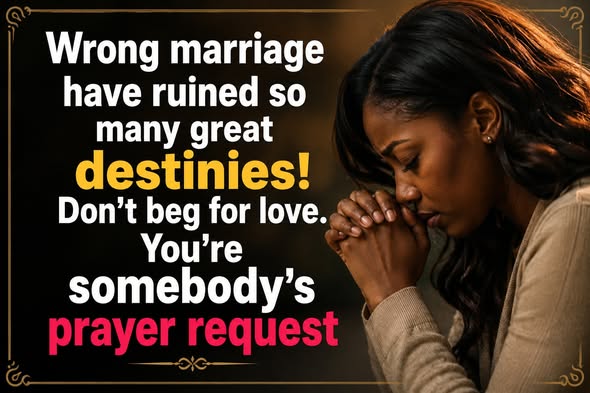
DON’T BE SO DESPERATE FOR LOVE THAT YOU MISS GOD’S PLAN FOR YOUR LIFE.

Published

on

One of the biggest mistakes a person can make is choosing a life partner simply because they are afraid of being alone.

Marriage is not something to rush into because of pressure, age, loneliness, or the fear that nobody else will love you. The person you marry can either become a great source of peace and support—or make your life incredibly difficult.

The Bible says:

“Whoso findeth a wife findeth a good thing, and obtaineth favour of the LORD.”
— Proverbs 18:22 (KJV)

Notice that the Bible calls a good wife “a good thing.” It does not say every relationship automatically brings favour. The choice matters.

The same Bible warns:

“Be not deceived: evil communications corrupt good manners.”
— 1 Corinthians 15:33 (KJV)

The wrong person can influence your character, your decisions, your finances, your peace, your relationship with God, and even your future.

That is why you should never beg someone to love you, manipulate someone into marrying you, or ignore obvious warning signs simply because you desperately want a relationship.

Jesus said:

“For what shall it profit a man, if he shall gain the whole world, and lose his own soul?”
— Mark 8:36 (KJV)

What is the point of getting married if, in the process, you lose your peace, your purpose, your dignity, and your relationship with God?

Wait. Pray. Observe. Seek wisdom. 🙏

The Bible says:

“In all thy ways acknowledge him, and he shall direct thy paths.”
— Proverbs 3:6 (KJV)

Don’t allow loneliness to make your decision for you.
Don’t allow social media to pressure you.
Don’t marry because everyone around you is getting married.
And don’t stay in a destructive relationship simply because you are afraid you will never find another person.

See also  WHEN FAMILY BONDS ARE BROKEN, IT BECOMES A PROBLEM FOR THE COUNTRY

Sometimes God’s “wait” is protection.
Sometimes the relationship you desperately want is the relationship you should be praying to escape from.

And remember:

“A prudent wife is from the LORD.”
— Proverbs 19:14 (KJV)

So before you pray, “Lord, give me this person,” perhaps pray:

“Lord, if this person is not Your will for my life, give me the wisdom and courage to let go.” 🙏

Because the wrong marriage can cost you years, but the right decision can protect your destiny.

🔥 DON’T BEG FOR LOVE. SEEK GOD’S WILL.

What do you think: Is it better to remain single than to marry the wrong person? Tell me your honest opinion in the comments. 👇🏾

FOLLOW US ON:

FACEBOOK

TWITTER

PINTEREST

TIKTOK

YOUTUBE

LINKEDIN

INSTAGRAM

Continue Reading

Trending