Crime
West Africa’s drug trafficking surge fuels local addiction



Crime
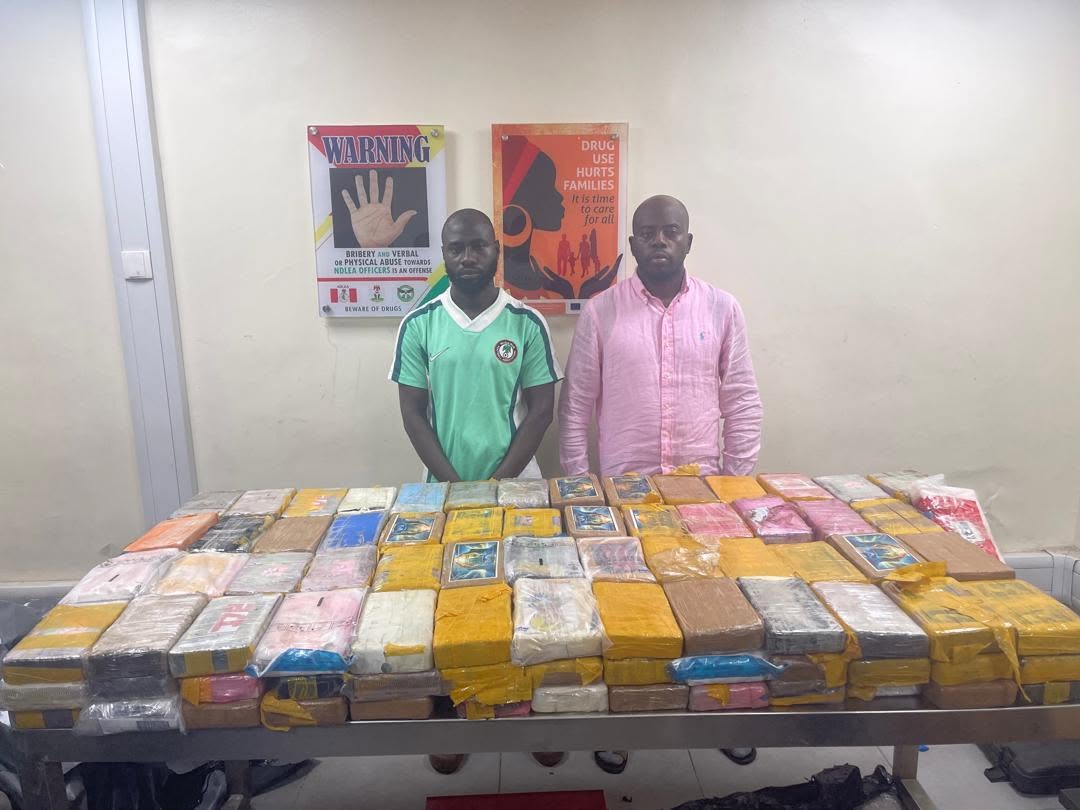
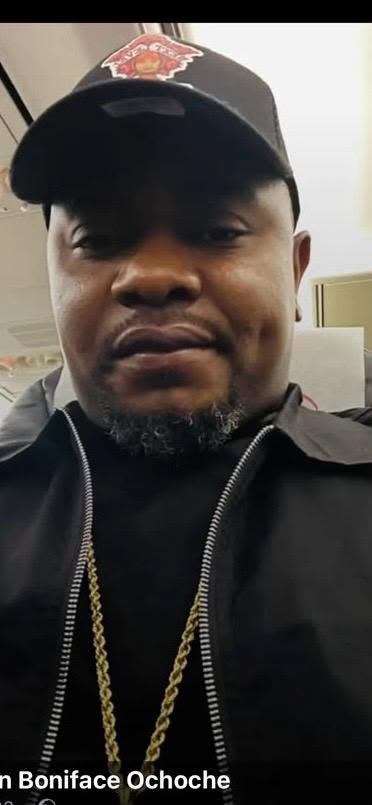
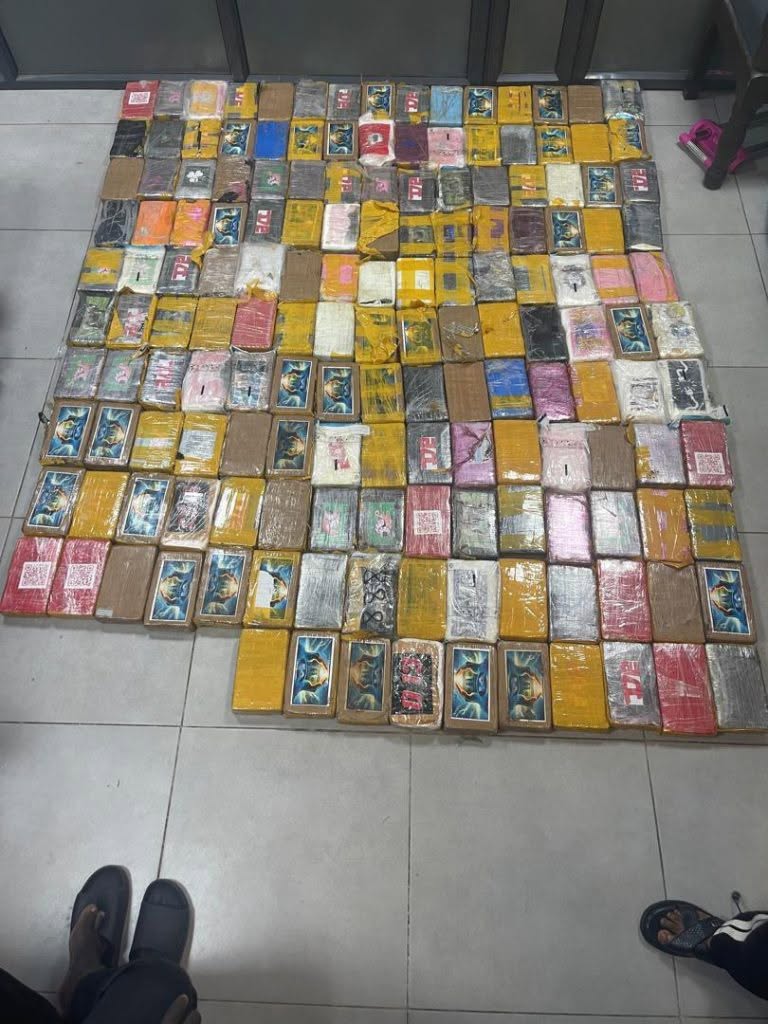
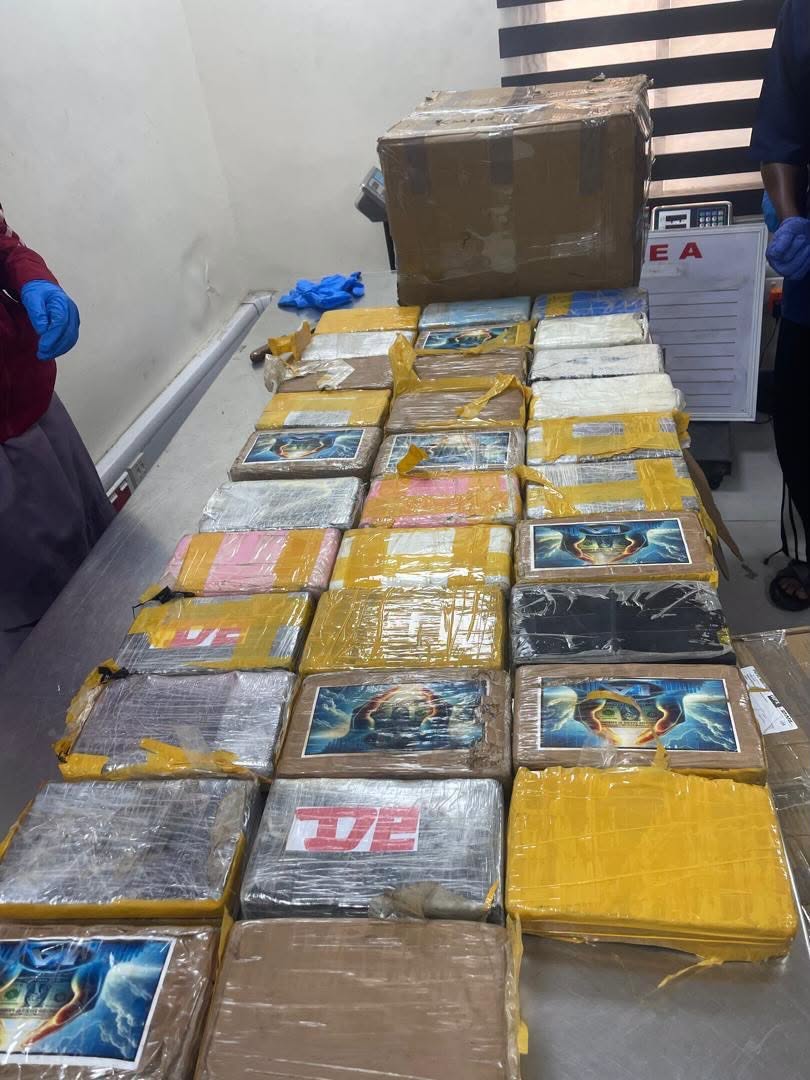
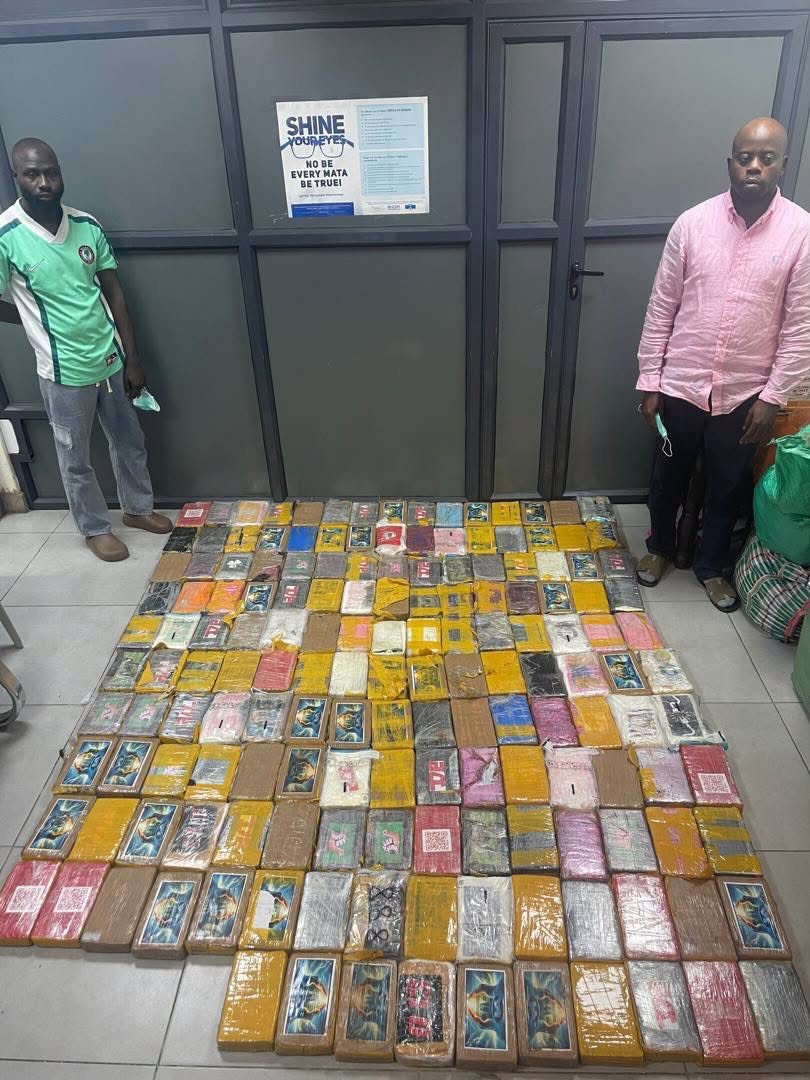
PHOTOS: Alleged 184.5kg cocaine bust: NDLEA arraigns KC Luxury, 2 accomplices, remanded in custody

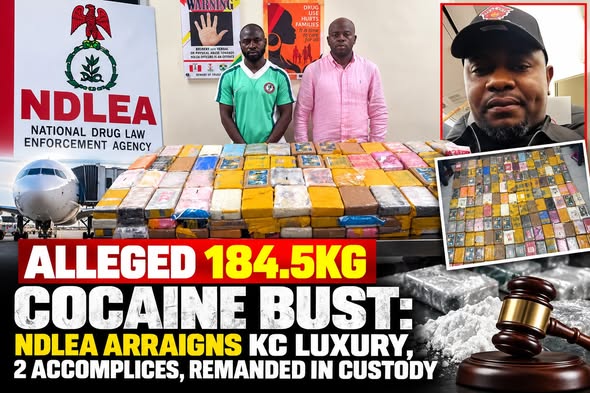
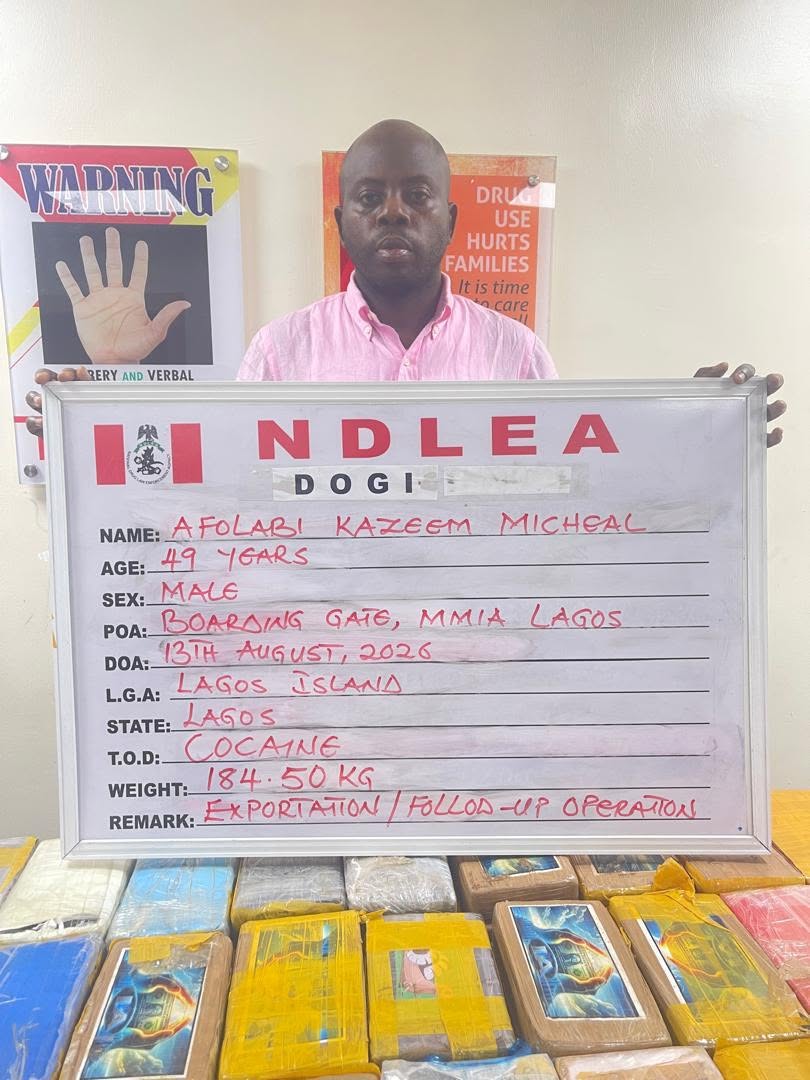
The National Drug Law Enforcement Agency (NDLEA) today arraigned Afolabi Kazeem Michael, popularly known as KC Luxury, and two other accomplices, Boniface Freeman Ochoche Sule and Ikechukwu Ekugo Patriarch, before Hon. Justice Ayokunle Olayinka Faji of the Federal High Court, Lagos, on a 22-count charge bordering on cocaine trafficking, illegal export of narcotics, and money laundering.
The defendants, who were accused of conspiring between 28th July and 1st August 2026 to export 184.5 kilograms of cocaine concealed in five consignments through a Lagos-based courier logistics firm to London, United Kingdom, pleaded not guilty to all counts when the charges were read to them.
A statement from Femi Babafemi, NDLEA spokesperson, says count one of the charge sheet, marked FHC/LAG/CR/755/2026, accuses Afolabi, alongside Boniface and Ikechukwu, of conspiring with Atandare Oladipupo Oluwarotimi and Latifat Yusuf, already arrested in London in connection with the same case, to export the narcotic drug using consignments bearing Airway Bill Numbers 2079998314, 8224082370, 2079973571, 7181131742 and 2211893902, under the shipper’s name Yemi Ejide.
Other counts detail how Boniface procured Ikechukwu to facilitate the export while Afolabi is accused of procuring a staff member of BOT Express Logistics on Lagos Island to process the illicit consignment, and of unlawfully possessing the cocaine ahead of export.
After the not-guilty plea was entered and their bail application argued, the NDLEA prosecutor Abu Ibrahim who opposed the bail application, prayed the court to remand the defendants in a correctional facility pending trial, citing the gravity of the offences. Justice Faji thereafter ordered that the defendants be remanded in the Agency’s facility, and adjourned the matter till 4th October 2026 for ruling on the application.
Afolabi, (a.k.a. KayCee Luxury, KayCee Lux, KC, Mr. Luxury, Yemi Ejide) who paraded himself online as a luxury goods dealer and lifestyle influencer, was arrested by NDLEA operatives on the night of 13th August 2026 as he attempted to flee Nigeria on a business-class flight to Paris from the Murtala Muhammed International Airport, Lagos, following the interception of the 184.5kg cocaine consignment estimated to be worth about N39 billion. A subsequent search on him and his Banana Island apartment led to the recovery of exotic vehicles, foreign currency and jewellery believed to be proceeds of the illicit trade.
Count one of the charge reads: “That you: 1. Afolabi Kazeem Michael a.k.a. KayCee Luxury, KC, Yemi Ejide, 2. Boniface Freeman Ochoche Sule and 3. Ikechukwu Ekugo Patriarch, Male, Adults, on or about the period between the 28t July 2026 and 1s day of August 2026 conspired with the duo of Atandare Oladipupo Oluwarotimi and Latifat.
Yusuf (both of whom have been arrested in London, the United Kingdom in respect of this case) to export 184.5 Kilograms of Cocaine, a Narcotic Drug contained in five (5) consignments with Airway Bill Numbers 2079998314, 8224082370, 2079973571, 7181131742, 2211893902 with shipper’s name as ‘Yemi Ejide’ and you thereby committed an act which is an offence against and punishable under section 14(b) of the National Drug Law Enforcement Agency Act Cap. N30, Laws of the Federation of Nigeria, 2004.”
FOLLOW US ON:
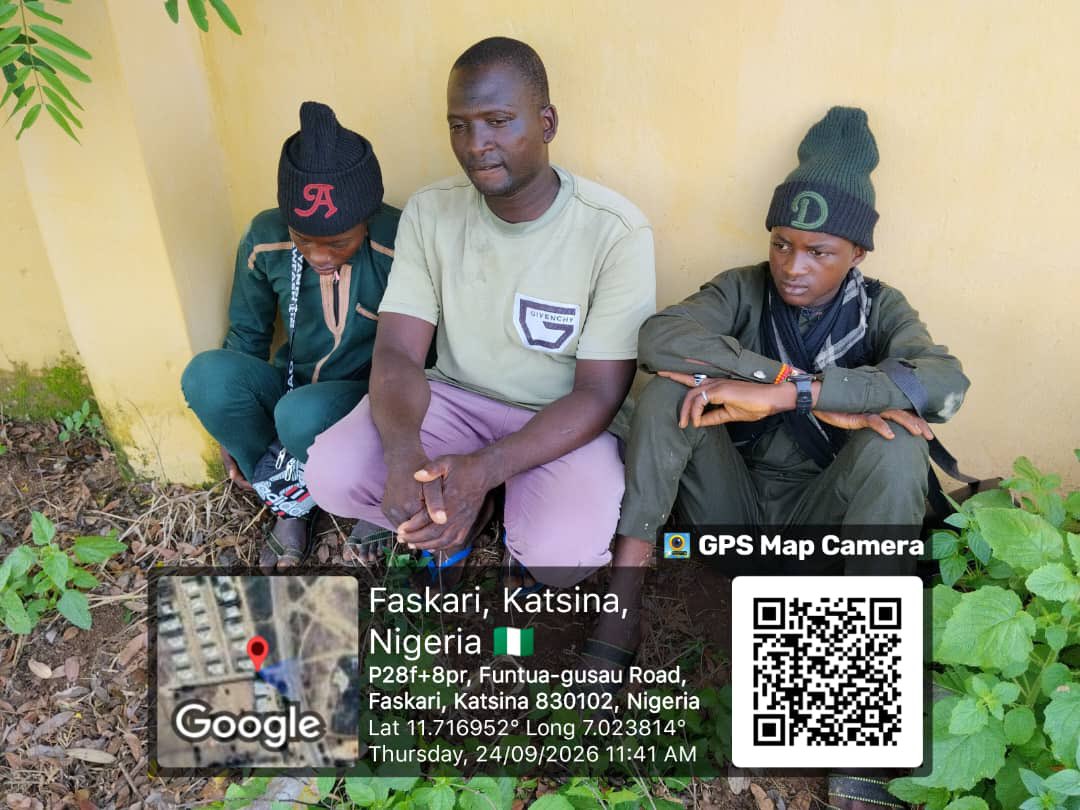
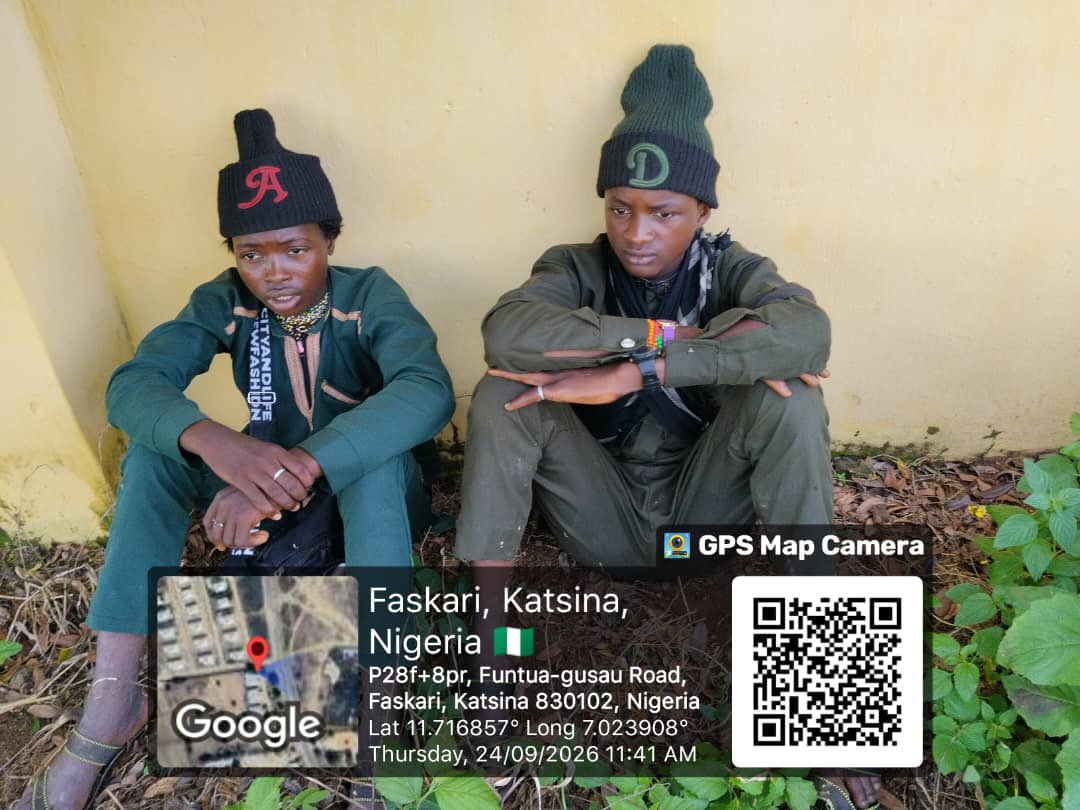
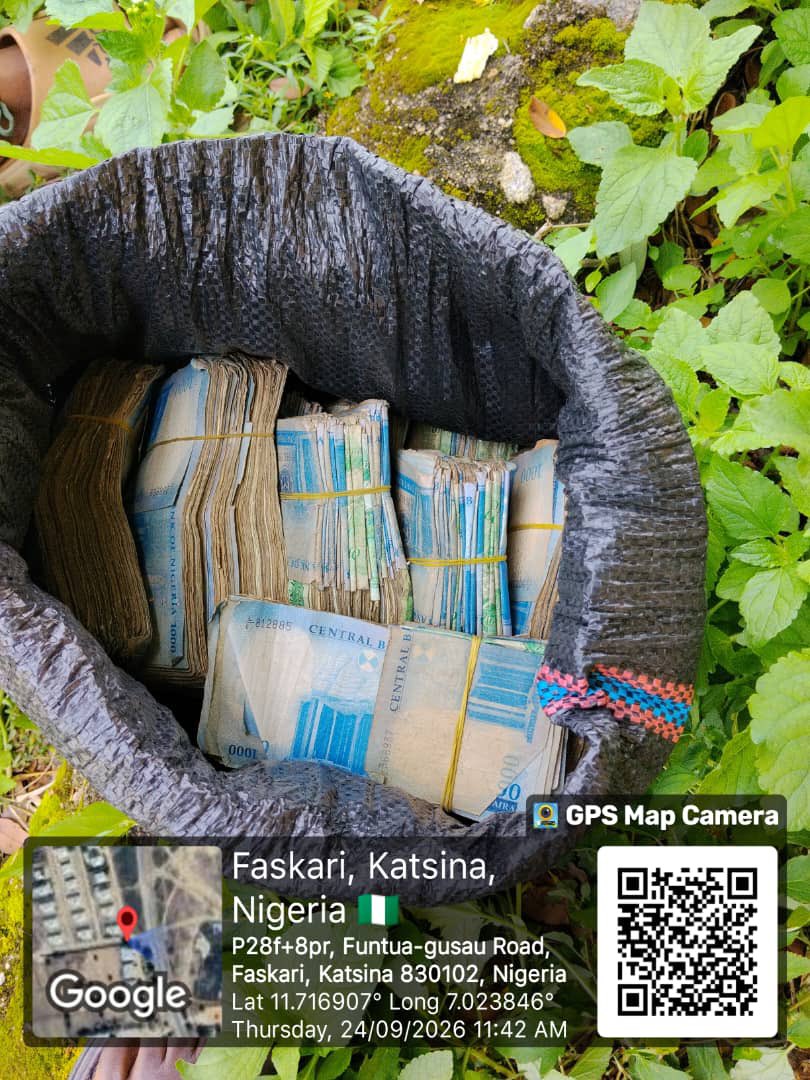
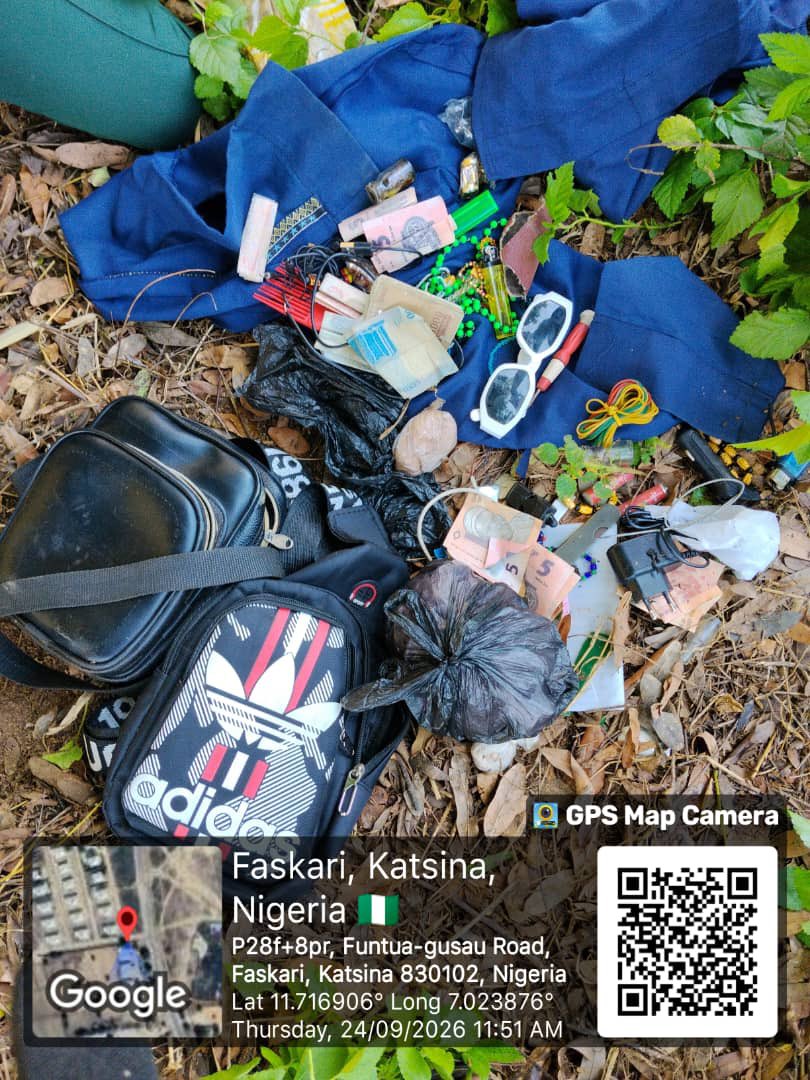
Troops of the Nigerian Army’s 35 Battalion deployed at FOB Faskari have arrested three suspected terrorists while allegedly transporting N2.7 million ransom and mobile phones intended for onward delivery to a suspected terror kingpin in Faskari Local Government Area of Katsina State. Africans& Diaspora
The suspects were apprehended at about 11:30 a.m. on September 24, 2026, while riding on a motorcycle within the Faskari area.
Military sources identified them as Habibu Hamza, 35; Inusa Alhaji Iliya, 15; and Umar Alhaji Isihu, 16.
According to security analyst Zagazola Makama, preliminary interrogation indicated that the suspects were allegedly travelling to hand over the ransom money and mobile phones to individuals identified as Alhaji Gadani, said to be a younger brother of the late Ado Aleru, and another individual identified as Zailani Shu’ibu.
According to the preliminary account, Gadani is based in Yankuzo village, while Shu’ibu was said to be located around Unguwan Tsamiya, both in Faskari LGA.
The items allegedly being conveyed comprised N2.7 million in ransom, one Android phone and two small Tecno mobile phones.
The military said the items were intended for onward transmission to a suspected terror kingpin.
The three suspects and recovered exhibits were subsequently moved to the 17 Brigade Provost Group for further investigation and necessary action.
The arrest highlights the increasingly important role of tracking the financial and logistical networks supporting kidnapping and terrorist activity in parts of Katsina.
Beyond the armed elements operating in forests and rural communities, ransom payments, communications devices, couriers and intermediaries constitute an important support chain that enables criminal groups to sustain their operations.
In a separate operation, troops of CT2 conducted fighting patrols around Unguwan Samanja, Alikere and Ruwan Godiya, including the Danyaro–Unguwan Bako and Ruwan Godiya–Doma road axes, to deny terrorists and kidnappers freedom of movement.
No contact was made with criminal elements during the patrols, which ended without incident.
Troops of FOB Jibia also conducted fighting patrols along the Jibia–Katsina highway and other parts of their area of responsibility, followed by stop-and-search operations aimed at preventing terrorist and criminal activities.
Similarly, troops from CT2 and CT4 conducted fighting patrols along the Wanzamai–Faskari–Yankara–Unguwan Boka–Shemе–Funtua–Giwa axis, with stop-and-search operations conducted during the movement.
The military said the operations were aimed at frustrating the activities of terrorists and other criminal elements operating within the area.
Meanwhile, troops of 35 Battalion conducted perimeter patrols around Natsinta Cantonment General Area, while other patrols continued across the unit’s area of responsibility.
The military described the general security situation in the area as calm but unpredictable, while troops’ morale and fighting efficiency remained satisfactory.
The latest arrest is significant because it provides an indication of how ransom payments may move through intermediaries and couriers before reaching criminal commanders.
However, the identities and alleged roles of the arrested persons remain subject to further investigation, and the preliminary interrogation should not be treated as a judicial determination of guilt.
FOLLOW US ON:
Crime
PHOTOS: Police arrest suspect over de@th of Delta Education Director; launch manhunt for fleeing suspects

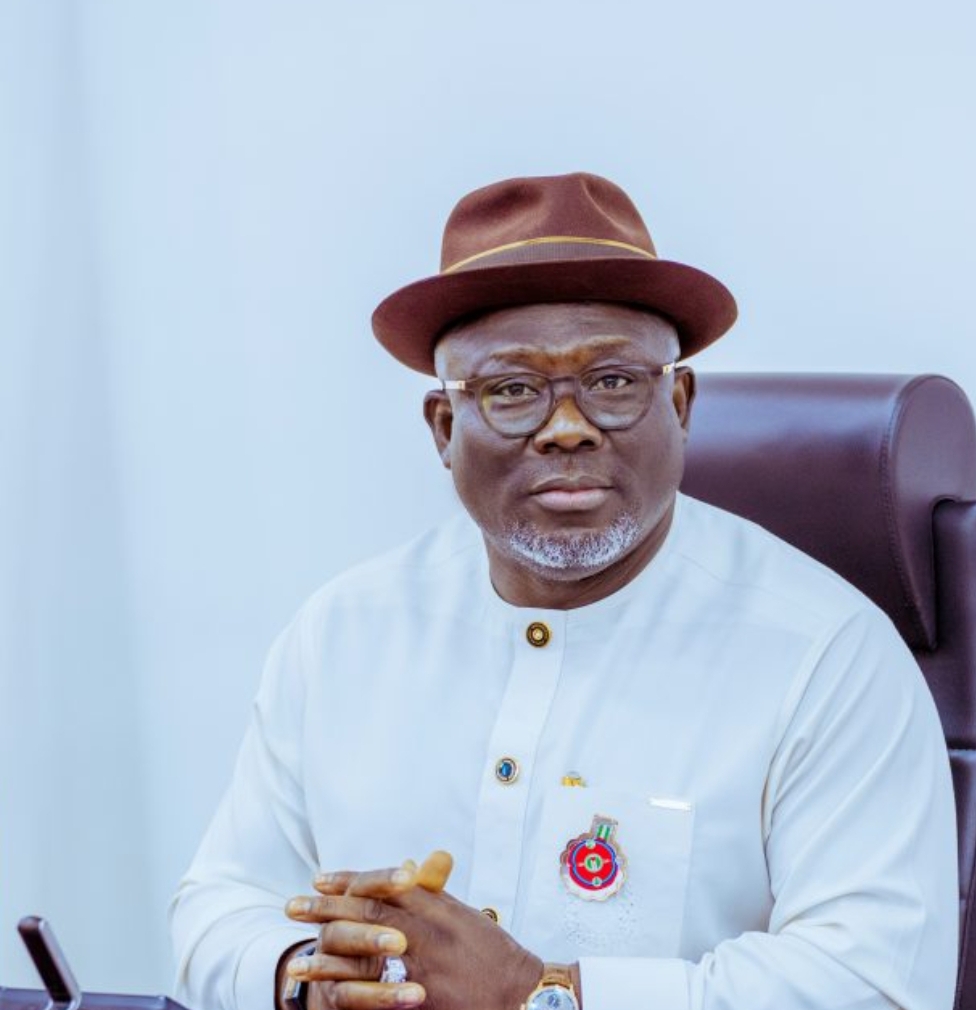
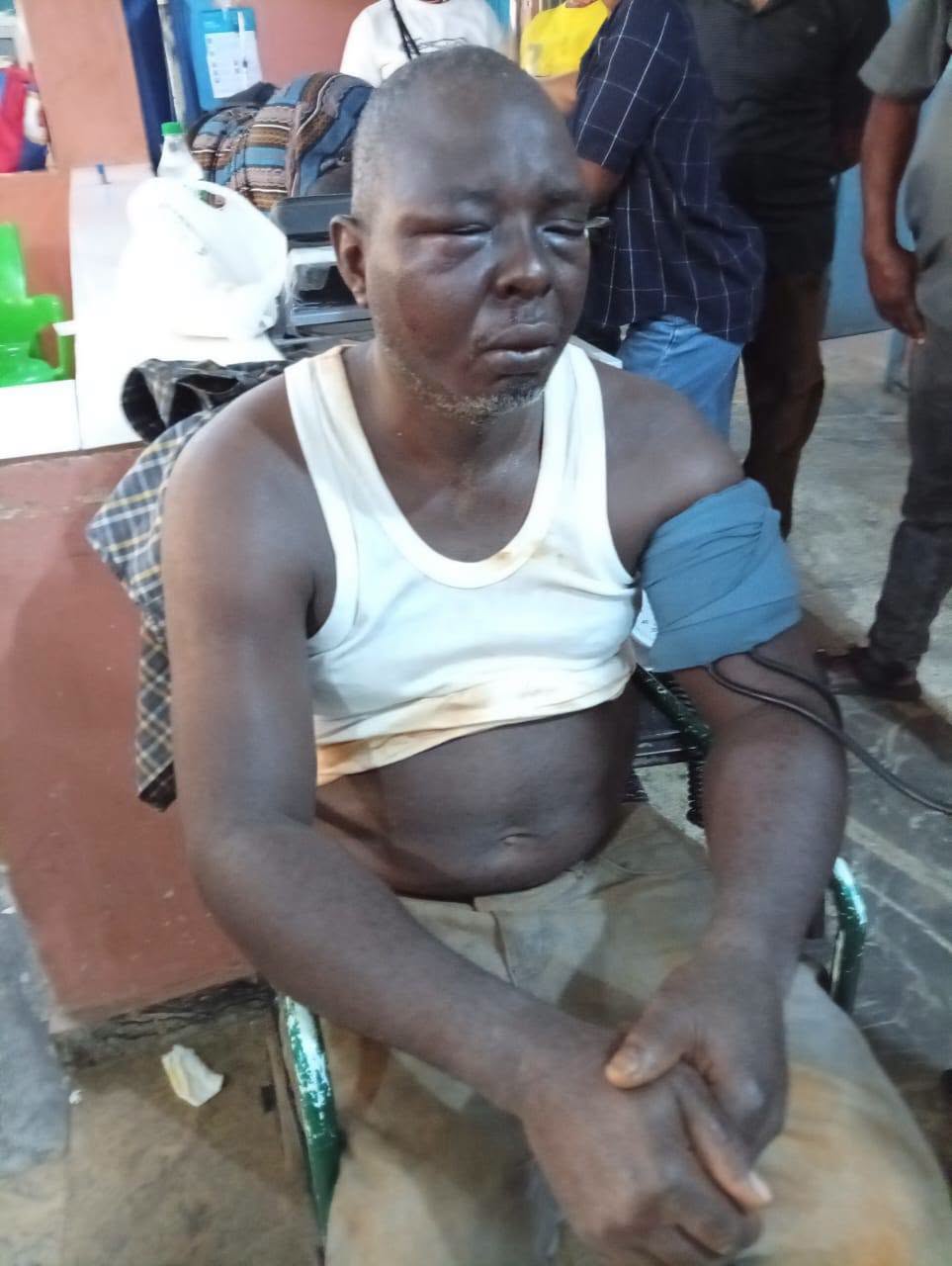
The Delta State Police Command says it has commenced an investigation into the circumstances surrounding the de@th of Unity Ekpevbughe Adeda, a Deputy Director in the Delta State Ministry of Secondary Education, following an incident that occurred at the office of the Commissioner for Secondary Education Dr. Kingsley Ashibogwu, in Asaba on Thursday, September 24.
The Command says it has taken note of allegations suggesting that he was be@ten by aides to the commissioner identified as Enos Attah, Oputa Okestine, and Lucky Adoh.
Edafe Bright, the command’s spokesperson, said upon receipt of the complaints, the command immediately swung into action and arrested one of the suspects, Lucky Adoh, while a serious manhunt for the other suspects is ongoing.
Edafe stated that the state Commissioner of Police, Delta State Command, CP Samuel E. Erale, has consequently ordered the Homicide section of the Command’s State Criminal Investigation Department to carry out a thorough and impartial investigation into the circumstances surrounding the incident and the subsequent de@th of the deceased.
He said the investigation will examine all available evidence, including relevant video footages, eyewitness accounts, medical records, and the actions of all persons connected with the incident, to establish the facts and ensure that anyone found culpable is brought to justice in accordance with the law.
The CP assured the family of the deceased, concerned citizens and members of the public that the command will neither shield nor spare anyone found culpable, irrespective of status or position. He further assures that the investigation will be conducted professionally, transparently and without interference, while urging members of the public to remain calm and refrain from concluding until the facts surrounding the incident are fully established.
FOLLOW US ON:


2027: Wike To Lead Campaign Team For Tinubu’s Re-election

Tinubu Makes Demands From Nigerians Over 2027 Election

PHOTOS: Full List Of Children Of Ex-Presidents, Govs, Lawmaker Seeking NASS Seat

‘Sleeping Prince’ of Saudi Arabia dies after 20 years in coma

2027: Atiku delays ADC membership card collection amid rumoured Jonathan comeback

How A Class Of 24 Students Produced 2 Presidents, 4 Governors, 2 Ministers, 4 Emirs, 3 Justices, 4 Ambassadors and Other Influential Leaders


-

 Politics8 hours ago
I’ll never abuse Tinubu, he has my respect – Peter Obi
-
News8 hours ago
Court rejects suit seeking fresh police investigation into late singer Mohbad’s death
-
Lifestyle19 hours ago
Many Parents Nowadays Are Failing to Give Their Children Proper Home Training — Why?
-
Crime7 hours ago
PHOTOS: Police arrest suspect over de@th of Delta Education Director; launch manhunt for fleeing suspects
-
Politics6 hours ago
PHOTOS: Full List Of Children Of Ex-Presidents, Govs, Lawmaker Seeking NASS Seat
-
News8 hours ago
VIDEO: Police identify officer in viral video saying Obi can never be President
-
Crime7 hours ago
PHOTOS: Police arrest suspected child trafficker, rescue two-month-old baby in Niger State
-
Politics6 hours ago
Tinubu Makes Demands From Nigerians Over 2027 Election