

Connect with us

Business

PHOTOS: Price Of Bag Of Rice, Beans, Tomatoes, Other Food Commodities This Week

Published

on

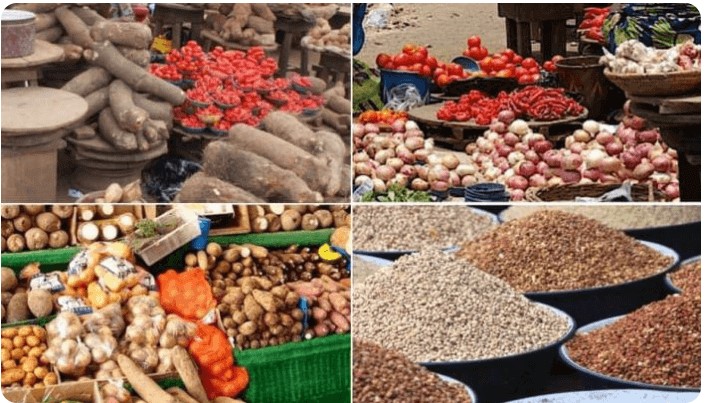
Nigerians continue to grapple with high food prices as staple items such as rice, beans, spaghetti, onions, oil, and tomatoes remain expensive in local markets.

Recent market checks by Naija News reveal that despite ongoing harvest seasons, prices have yet to experience significant relief for consumers.

Rice Hits ₦64,000 Per Bag

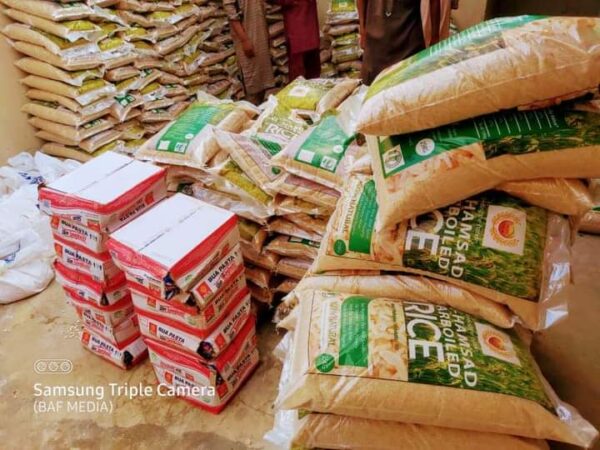
A 50kg bag of rice now sells for ₦64,000, marking one of the highest costs for the staple food in recent months. This surge is attributed to factors including high transportation costs, import levies, and currency depreciation, which continue to affect supply chains.

Beans At ₦4,800 Per Bowl

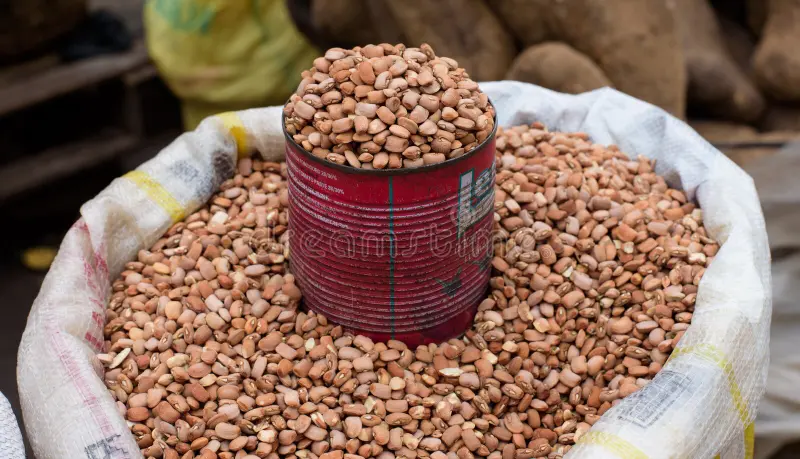
Protein-rich beans also remain costly, with a bowl now selling for ₦4,800. Traders note that, despite improved harvests in some northern states, insecurity in farming regions and high logistics costs are keeping prices elevated.

Spaghetti And Other Essentials

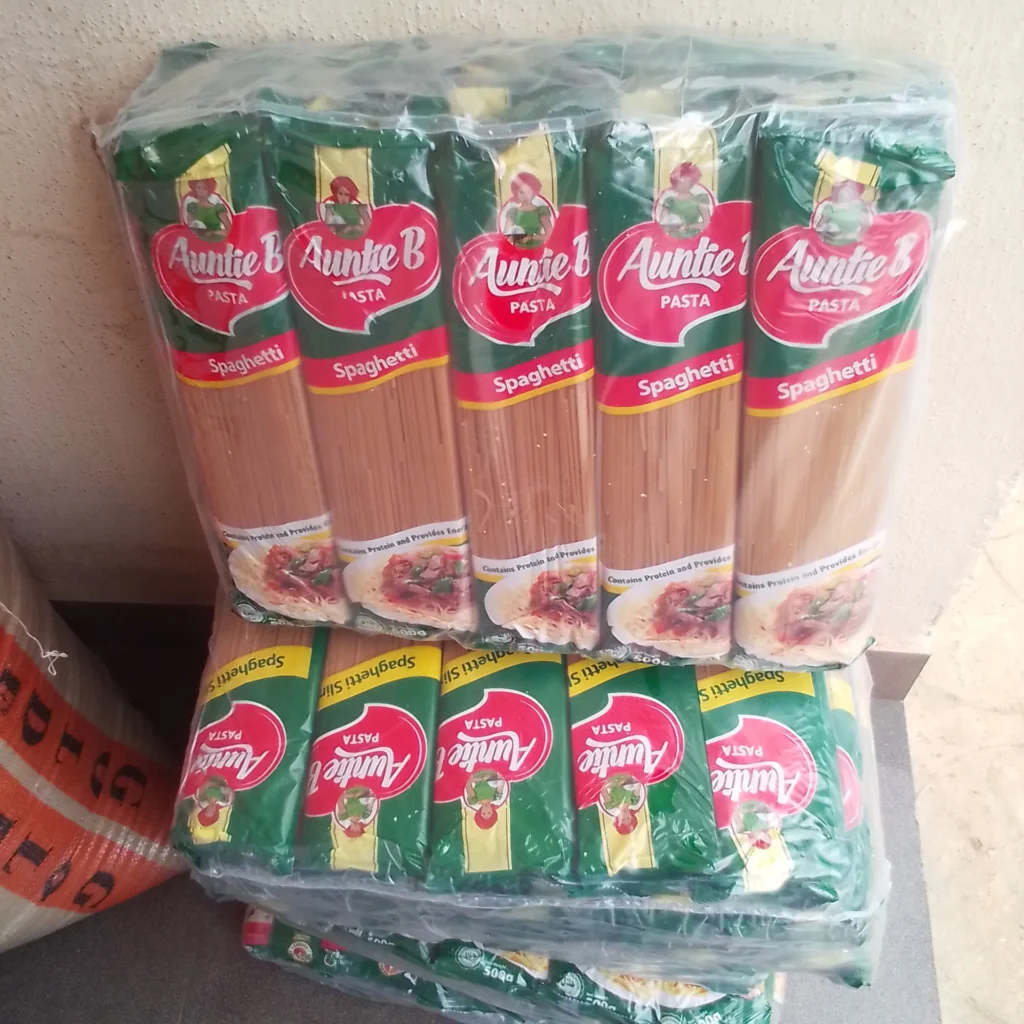
The price of Golden Penny Spaghetti has risen sharply, with a carton now going for ₦19,000. Similarly, a bowl of onions sells for ₦4,000, while 1 litre of groundnut oil costs ₦3,700, reflecting continued pressure on edible oil markets due to high processing and import costs.

Vegetable Prices: Tomatoes And Pepper

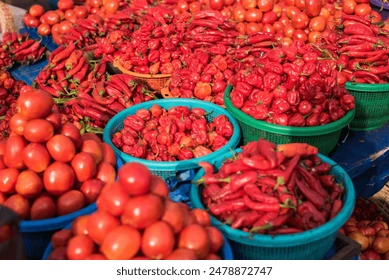
Tomato prices have seen only minimal relief. A small basket currently sells for ₦3,500, while pepper prices remain steep at ₦9,000, creating further challenges for households that rely on these essentials for daily cooking.

Garri, a staple cassava-based food consumed nationwide, is also affected. A paint bucket currently sells for ₦1,600, a price point many traders attribute to increased production and processing costs.

FOLLOW US ON:

See also  FG cancels $717m World Bank power loan amid blackouts; read details

FACEBOOK

TWITTER

PINTEREST

TIKTOK

YOUTUBE

LINKEDIN

TUMBLR

INSTAGRAM

Continue Reading
Click to comment

Leave a Reply

Your email address will not be published. Required fields are marked *

Business

ARE NIGERIANS BUILDING CHINA’S ECONOMY WHILE NEGLECTING THEIR OWN?

Published

on

While other nations are busy producing, manufacturing and exporting, Nigeria must ask itself a difficult question: Are we building our own economy, or simply creating a bigger market for other countries?

Nigeria has a huge population, abundant natural resources and a massive consumer market. Yet the country continues to depend heavily on imported finished products—from electronics and clothing to machinery, household goods and other consumer items.

The issue is not simply about Chinese businesses or businesses from any other foreign country operating in Nigeria. Foreign investment can bring capital, technology, jobs and expertise.

The bigger issue is whether **Nigerian businesses are being given the opportunity and support to manufacture competitively at home.

Instead of remaining primarily a consumer of finished products, Nigeria needs to strengthen its manufacturing sector and move further up the value chain.

Nigeria needs to produce, not just consume.

A stronger manufacturing economy could help Nigeria:

* Create more jobs for Nigerians
* Add value to locally available raw materials
* Develop industrial skills and technology
* Reduce excessive dependence on imported finished goods
* Build competitive Nigerian companies
* Increase the country’s ability to export

The goal should not be to drive legitimate foreign businesses out of Nigeria. The goal should be to build an economy where **Nigerian manufacturers can compete, grow and eventually take Nigerian-made products to markets around the world.

The question Nigerians should be asking is simple:

**Why should Nigeria remain one of the world’s biggest markets for finished products when we have the potential to manufacture many of them ourselves?

See also  Crude supply to domestic refineries hit 67.6m barrels – FG

🇳🇬 **Nigeria must move from being predominantly a consumer nation to becoming a stronger producer, manufacturer and exporter.

What do you think?

Which products should Nigeria prioritize for local manufacturing instead of relying heavily on imports?

Share your thoughts in the comments.

FOLLOW US ON:

FACEBOOK

TWITTER

PINTEREST

TIKTOK

YOUTUBE

LINKEDIN

INSTAGRAM

Continue Reading

Business

ICRC defends toll pricing on highways

Published

on

The Infrastructure Concession Regulatory Commission has defended the toll pricing structure under the Highway Development and Management Initiative, saying charges are evaluated against the quality and benefits of the upgraded roads.

In a statement made available to PUNCH Online on Thursday, the Director-General, Dr. Jobson Ewalefoh, cited the 227-kilometre Akwanga–Makurdi road corridor as an example.

He said the route has four toll gates, and motorists pay as they travel along it.

He argued that toll payments should be viewed against the previous costs imposed by the poor condition of the road, including lost man-hours, vehicle damage and accident risks.

Feedback from road users, he said, shows many motorists are willing to pay tolls where they see clear improvements in road quality.

Some drivers have expressed support for similar arrangements on other major corridors if the roads are upgraded to the same standard.

“That, to me, is the beauty of a well-structured PPP,” Ewalefoh said.

He explained that negotiators carefully consider toll pricing to keep charges fair. A portion of the revenue is set aside specifically for road maintenance. Under the concession agreements, the government does not bear additional maintenance costs for the duration of the contract.

The government must repair potholes within 48 hours, and it funds major routine repairs from the dedicated toll revenue.

Source: punchng.com

FOLLOW US ON:

FACEBOOK

TWITTER

PINTEREST

TIKTOK

YOUTUBE

LINKEDIN

INSTAGRAM

See also  Vietnam seeks stronger trade, agricultural ties with Nigeria
Continue Reading

Business

Nigeria raises N748.6bn from FGN bonds as rates ease

Published

on

The Federal Government raised N748.64bn from its September 2026 domestic bond auction, with investors showing strong demand for both the newly issued 10-year instrument and the reopened 15-year bond.

The Debt Management Office allotted N288.83bn from the N400bn offered on the 10-year FGN bond at a marginal rate of 16.79 per cent.

Investors submitted bids worth N546.90bn for the 10-year paper, pushing demand 36.7 per cent above the amount offered.

The stronger demand for the new 10-year instrument came alongside a moderation in the yield compared with recent borrowing levels, suggesting some improvement in investor appetite for longer-dated government securities.

For the 15-year FGN bond, which was offered as a N600bn reopening, investors submitted N947.83bn in bids.

The DMO allotted N460.01bn from the reopening at a marginal rate of 16.85 per cent, significantly below the 17.79 per cent rate recorded at the previous auction.

Overall, investors sought N1.49tn across the two securities, representing about 49.5 per cent more than the N1tn offered by the DMO.

However, the debt office allotted N748.64bn, leaving about N746.59bn of the bids unaccepted.

The auction results indicate that while demand for Nigerian government securities remained strong, the DMO was selective in determining the volume of debt to issue.

The decline in the marginal rate on the 15-year bond also points to a gradual easing in investors’ required returns on longer-term government debt, although borrowing costs remain elevated.

The latest auction comes as the Federal Government continues to rely heavily on the domestic debt market to finance its fiscal requirements and manage its debt portfolio.

See also  OPay named The Sun’s first-ever Fintech/Digital Bank of the Year 2025

The outcome of the auction will also be closely watched by investors in the secondary bond market, where movements in government bond yields influence pricing across fixed-income assets, including treasury bills, corporate bonds and other debt instruments.

Source: punchng.com

FOLLOW US ON:

FACEBOOK

TWITTER

PINTEREST

TIKTOK

YOUTUBE

LINKEDIN

INSTAGRAM

Continue Reading

Trending