The 2026 FIFA World Cup will kick off on Thursday, June 11, with host nation Mexico taking on South Africa in Mexico City, as the expanded 48-team tournament begins its group stage across venues in the United States, Canada, and Mexico.
The competition, which for the first time features 12 groups of four teams each, will run through the end of June before the knockout rounds begin.
The 12 groups for the tournament, confirmed after the conclusion of both the European and inter-continental play-offs, are as follows:
Group A: Mexico, South Africa, South Korea, Czech Republic
Group B: Canada, Bosnia and Herzegovina, Qatar, Switzerland
Group C: Brazil, Morocco, Haiti, Scotland
Group D: United States, Paraguay, Australia, Turkey
Group E: Germany, Curaçao, Ivory Coast, Ecuador
Group F: Netherlands, Japan, Sweden, Tunisia
Group G: Belgium, Egypt, Iran, New Zealand
Group H: Spain, Cape Verde, Saudi Arabia, Uruguay
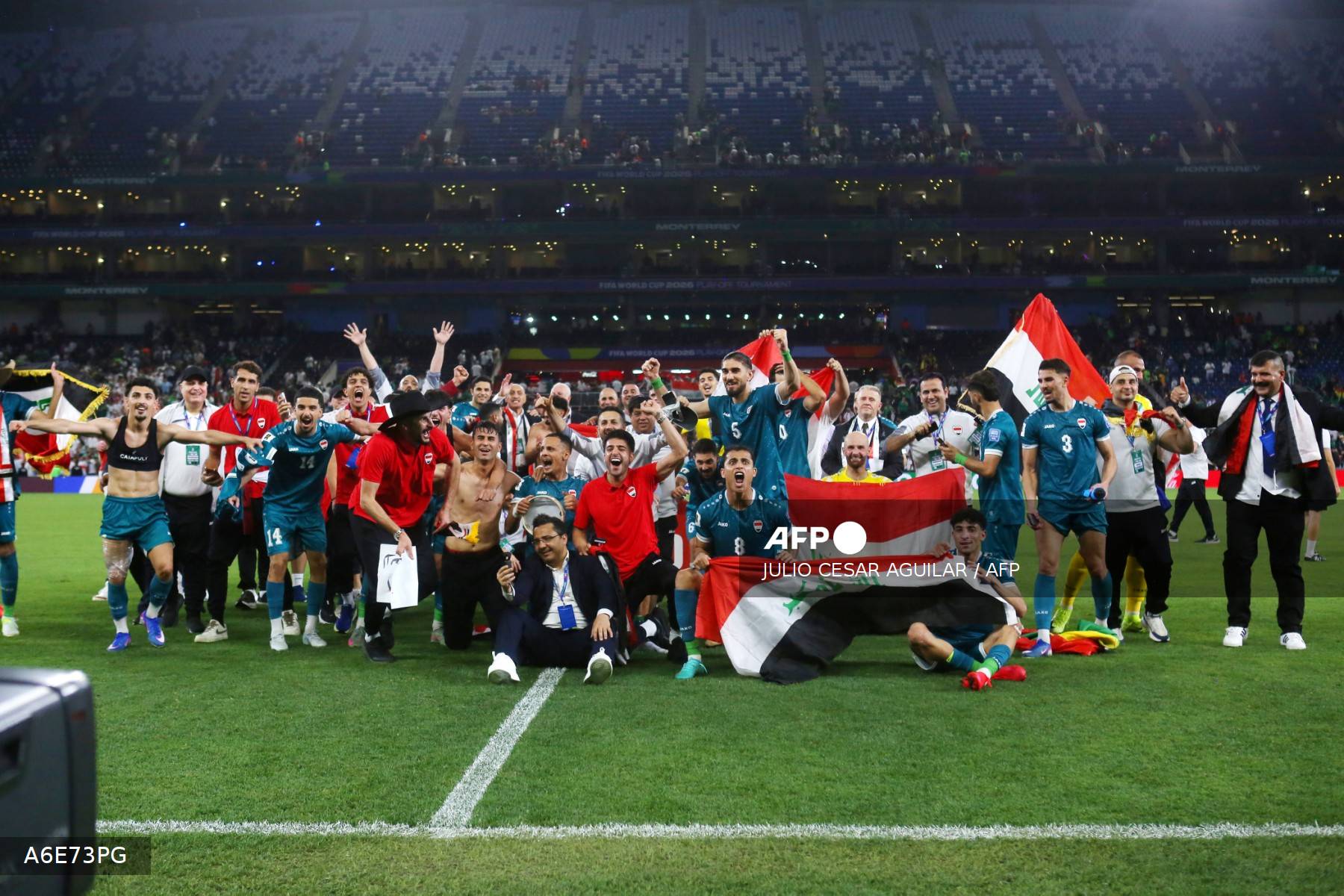
Group I: France, Senegal, Iraq, Norway
Group J: Argentina, Algeria, Austria, Jordan
Group K: Portugal, DR Congo, Uzbekistan, Colombia
Group L: England, Croatia, Ghana, Panama
Below is the complete list of group stage fixtures:
GROUP A
Mexico vs South Africa — June 11, 20:00, Mexico City Stadium, Mexico City
Korea Republic vs Czechia — June 12, 03:00, Guadalajara Stadium, Guadalajara
Czechia vs South Africa — June 18, 17:00, Atlanta Stadium, Atlanta
Mexico vs Korea Republic — June 19, 02:00, Guadalajara Stadium, Guadalajara
Czechia vs Mexico — June 25, 02:00, Mexico City Stadium, Mexico City
South Africa vs Korea Republic — June 25, 02:00, Monterrey Stadium, Monterrey
GROUP B
Canada vs Bosnia-Herzegovina — June 12, 20:00, Toronto Stadium, Toronto
Qatar vs Switzerland — June 13, 20:00, San Francisco Bay Area Stadium, San Francisco Bay Area
Switzerland vs Bosnia-Herzegovina — June 18, 20:00, Los Angeles Stadium, Los Angeles
Canada vs Qatar — June 18, 23:00, BC Place Vancouver, Vancouver
Switzerland vs Canada — June 24, 20:00, BC Place Vancouver, Vancouver
Bosnia-Herzegovina vs Qatar — June 24, 20:00, Seattle Stadium, Seattle
GROUP C
Brazil vs Morocco — June 13, 23:00, New York/New Jersey Stadium, New York
Haiti vs Scotland — June 14, 02:00, Boston Stadium, Boston
Scotland vs Morocco — June 19, 23:00, Boston Stadium, Boston
Brazil vs Haiti — June 20, 02:00, Philadelphia Stadium, Philadelphia
Scotland vs Brazil — June 24, 23:00, Miami Stadium, Miami
Morocco vs Haiti — June 24, 23:00, Atlanta Stadium, Atlanta
GROUP D
USA vs Paraguay — June 13, 02:00, Los Angeles Stadium, Los Angeles
Australia vs Türkiye — June 14, 05:00, BC Place Vancouver, Vancouver
USA vs Australia — June 19, 20:00, Seattle Stadium, Seattle
Türkiye vs Paraguay — June 20, 05:00, San Francisco Bay Area Stadium, San Francisco Bay Area
Türkiye vs USA — June 26, 03:00, Los Angeles Stadium, Los Angeles
Paraguay vs Australia — June 26, 03:00, San Francisco Bay Area Stadium, San Francisco Bay Area
GROUP E
Germany vs Curaçao — June 14, 18:00, Houston Stadium, Houston
Côte d’Ivoire vs Ecuador — June 15, 00:00, Philadelphia Stadium, Philadelphia
Germany vs Côte d’Ivoire — June 20, 21:00, Toronto Stadium, Toronto
Ecuador vs Curaçao — June 21, 01:00, Kansas City Stadium, Kansas City
Curaçao vs Côte d’Ivoire — June 25, 21:00, Philadelphia Stadium, Philadelphia
Ecuador vs Germany — June 25, 21:00, New York/New Jersey Stadium, New York
GROUP F
Netherlands vs Japan — June 14, 21:00, Dallas Stadium, Dallas
Sweden vs Tunisia — June 15, 03:00, Monterrey Stadium, Monterrey
Netherlands vs Sweden — June 20, 18:00, Houston Stadium, Houston
Tunisia vs Japan — June 21, 05:00, Monterrey Stadium, Monterrey
Japan vs Sweden — June 26, 00:00, Dallas Stadium, Dallas
Tunisia vs Netherlands — June 26, 00:00, Kansas City Stadium, Kansas City
GROUP G
Belgium vs Egypt — June 15, 20:00, Seattle Stadium, Seattle
IR Iran vs New Zealand — June 16, 02:00, Los Angeles Stadium, Los Angeles
Belgium vs IR Iran — June 21, 20:00, Los Angeles Stadium, Los Angeles
New Zealand vs Egypt — June 22, 02:00, BC Place Vancouver, Vancouver
Egypt vs IR Iran — June 27, 04:00, Seattle Stadium, Seattle
New Zealand vs Belgium — June 27, 04:00, BC Place Vancouver, Vancouver
GROUP H
Spain vs Cabo Verde — June 15, 17:00, Atlanta Stadium, Atlanta
Saudi Arabia vs Uruguay — June 15, 23:00, Miami Stadium, Miami
Spain vs Saudi Arabia — June 21, 17:00, Atlanta Stadium, Atlanta
Uruguay vs Cabo Verde — June 21, 23:00, Miami Stadium, Miami
Cabo Verde vs Saudi Arabia — June 27, 01:00, Houston Stadium, Houston
Uruguay vs Spain — June 27, 01:00, Guadalajara Stadium, Guadalajara
GROUP I
France vs Senegal — June 16, 20:00, New York/New Jersey Stadium, New York
Iraq vs Norway — June 16, 23:00, Boston Stadium, Boston
France vs Iraq — June 22, 22:00, Philadelphia Stadium, Philadelphia
Norway vs Senegal — June 23, 01:00, New York/New Jersey Stadium, New York
Norway vs France — June 26, 20:00, Boston Stadium, Boston
Senegal vs Iraq — June 26, 20:00, Toronto Stadium, Toronto
GROUP J
Argentina vs Algeria — June 17, 02:00, Kansas City Stadium, Kansas City
Austria vs Jordan — June 17, 05:00, San Francisco Bay Area Stadium, San Francisco Bay Area
Argentina vs Austria — June 22, 18:00, Dallas Stadium, Dallas
Jordan vs Algeria — June 23, 04:00, San Francisco Bay Area Stadium, San Francisco Bay Area
Algeria vs Austria — June 28, 03:00, Kansas City Stadium, Kansas City
Jordan vs Argentina — June 28, 03:00, Dallas Stadium, Dallas
GROUP K
Portugal vs Congo DR — June 17, 18:00, Houston Stadium, Houston
Uzbekistan vs Colombia — June 18, 03:00, Mexico City Stadium, Mexico City
Portugal vs Uzbekistan — June 23, 18:00, Houston Stadium, Houston
Colombia vs Congo DR — June 24, 03:00, Guadalajara Stadium, Guadalajara
Colombia vs Portugal — June 28, 00:30, Miami Stadium, Miami
Congo DR vs Uzbekistan — June 28, 00:30, Atlanta Stadium, Atlanta
GROUP L
England vs Croatia — June 17, 21:00, Dallas Stadium, Dallas
Ghana vs Panama — June 18, 00:00, Toronto Stadium, Toronto
England vs Ghana — June 23, 21:00, Boston Stadium, Boston
Panama vs Croatia — June 24, 00:00, Toronto Stadium, Toronto
Panama vs England — June 27, 22:00, New York/New Jersey Stadium, New York
Croatia vs Ghana — June 27, 22:00, Philadelphia Stadium, Philadelphia