Connect with us

Lifestyle

PHOTOS: The History of Colonial Masters in Nigeria

Published

on

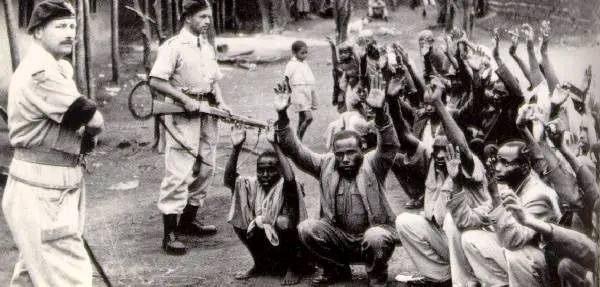
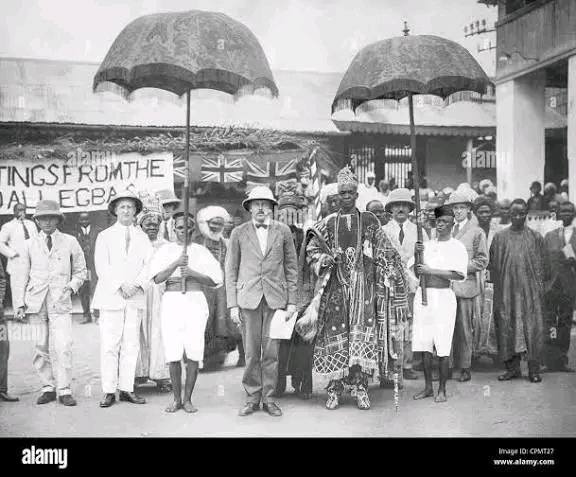
The story of colonial masters in Nigeria dates back to the late 19th century, when European powers—especially Britain—expanded their control across Africa. Before colonization, Nigeria was home to great civilizations like the Benin Kingdom, Oyo Empire, Sokoto Caliphate, and many independent ethnic groups with rich cultures and systems of governance.

⚓ The Beginning of British Influence

British contact began in the 15th century, initially focused on trade—especially in palm oil—after the abolition of the slave trade. By the mid-19th century, Britain had gained strong economic and political influence through trade agreements, treaties, and military power.
In 1861, Lagos was annexed as a British colony, marking the official start of British rule. From there, Britain expanded inland, conquering and subduing local kingdoms through both force and diplomacy.

🏛️ Formation of the Colony

By 1900, Britain had created three main territories:

The Colony of Lagos

The Southern Protectorate

The Northern Protectorate

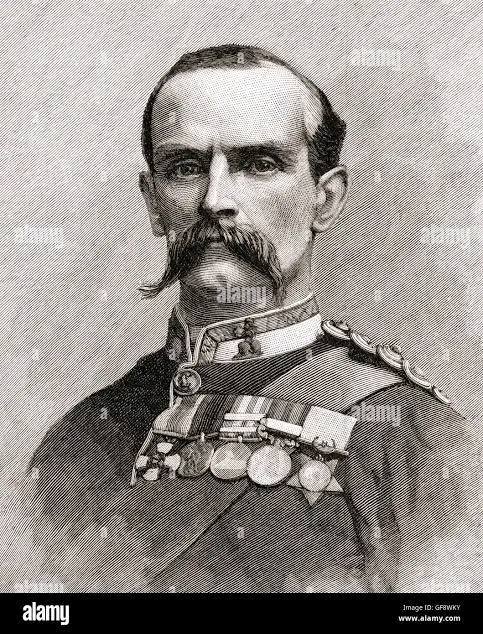
In 1914, under Lord Frederick Lugard, these regions were merged into one political entity—Nigeria—a name inspired by the River Niger. The amalgamation was done for British administrative convenience, not for the unity or benefit of the diverse ethnic groups.

💰 Colonial Administration and Exploitation

The British adopted indirect rule, especially in Northern Nigeria, using traditional rulers to govern on their behalf. While this system maintained order, it deepened regional inequality.
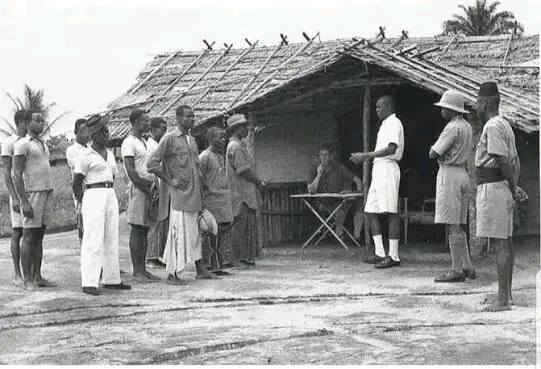
Colonial authorities focused on resource extraction—palm oil, cocoa, groundnuts, tin—feeding British industries while neglecting Nigerian education, infrastructure, and local empowerment.

✊🏾 Resistance and the Road to Independence

See also  Meet the new Chief of Air Staff, Air Vice Marshal Sunday Kelvin Aneke — from Udi, Enugu State

Despite British dominance, Nigerians began to resist colonial rule. Educated elites and nationalists formed movements and parties like the NCNC and Action Group (AG), demanding self-governance.

Leaders such as Nnamdi Azikiwe, Obafemi Awolowo, and Ahmadu Bello became central figures in this struggle.

After decades of activism and political reform, Nigeria gained independence on October 1, 1960.

🕊️ Legacy of Colonial Rule

Colonialism left lasting marks on Nigeria—both positive and negative. It brought Western education, Christianity, and modern infrastructure, but also entrenched ethnic divisions, uneven development, and a political structure still influenced by British interests.

These legacies continue to shape Nigeria’s identity and challenges today.

📸: [National Archives UK / BBC Archives]
 

FOLLOW US ON:

FACEBOOK

TWITTER

PINTEREST

TIKTOK

YOUTUBE

LINKEDIN

TUMBLR

INSTAGRAM

Continue Reading
Click to comment

Leave a Reply

Your email address will not be published. Required fields are marked *

Lifestyle

FAKE IT TILL YOU MAKE IT — BUT AT WHAT COST?

Published

on

In today’s world, looking successful can sometimes seem more important than actually becoming successful. From luxury cars and designer clothes to expensive holidays and flashy social media posts, the pressure to appear wealthy is influencing how many people present themselves to the world.

But behind the glamorous pictures, is everything really as it seems?

The Culture of Pretending to Be Successful

The popular expression “Fake it till you make it” is often used to encourage confidence, ambition and the courage to pursue success before you feel fully prepared.

However, there is a difference between believing in your potential and pretending to possess wealth or achievements you have not earned.

Some people borrow money to maintain expensive lifestyles. Others spend beyond their means to impress friends, family members or social media followers. Some even sacrifice their financial security simply to avoid being perceived as unsuccessful.

The result can be a dangerous cycle in which maintaining appearances becomes more important than building a stable future.

The Nigerian Perspective: When Success Becomes a Competition

In Nigeria, visible displays of wealth can attract admiration, respect and social recognition. A person who drives an expensive car, builds a magnificent house or frequently displays luxury purchases may be celebrated as someone who has made it in life.

Meanwhile, someone who works honestly, saves carefully and builds wealth gradually may receive less attention.

This raises an important question: Have we become so obsessed with the appearance of success that we have forgotten how to recognise the real thing?

See also  Childhood Trauma: How Can It Affect a Child’s Life?

There is nothing wrong with celebrating genuine achievements or enjoying the rewards of hard work. The problem begins when people measure their worth by public approval rather than financial stability, personal growth and meaningful accomplishments.

Young people, in particular, may feel pressured to imitate lifestyles they see online without understanding the income, financial support, debt or circumstances behind those images.

Social media shows us what people want us to see. It rarely reveals the full story.

The Hidden Cost of Fake Success

The consequences of pretending to be wealthy can extend far beyond an empty bank account.

Financial pressure: Spending money you cannot afford to lose can lead to debt and financial insecurity.

Mental stress: Constantly maintaining a false image can create anxiety and fear of being exposed.

Damaged relationships: Borrowing money to impress others or lying about your circumstances can undermine trust.

Delayed progress: Money spent on appearances is money that could have gone towards education, business, savings, housing or other meaningful goals.

Real success does not always look glamorous. Sometimes, it looks like living within your means, paying your bills on time, supporting your family, learning a valuable skill and steadily improving your circumstances.

These achievements may not attract thousands of likes, but they can make a lasting difference in your life.

Confidence Is Good. Deception Is Different.

The expression “fake it till you make it” does not have to mean lying about your wealth. It can mean developing the confidence to apply for a better job, start a business, speak publicly or pursue an opportunity before you feel completely ready.

See also  Meet the new Chief of Air Staff, Air Vice Marshal Sunday Kelvin Aneke — from Udi, Enugu State

That kind of confidence can be constructive.

But pretending to own what you do not own, borrowing recklessly to impress people or misrepresenting your financial position is a different matter.

You do not have to look rich to build wealth. You do not have to impress everybody to make progress. And you certainly do not have to prove your success to people who are not contributing to your future.

Build the life first. Let the appearance follow naturally.

The Big Question: Are We Living for Ourselves or for Other People’s Approval?

Ultimately, everyone has a choice. You can spend your life competing with other people’s carefully curated images, or you can concentrate on building a life that genuinely works for you.

The real measure of success is not simply what you wear, the car you drive or the destinations you post online. It is also the security you build, the responsibilities you fulfil, the opportunities you create and the peace of mind you enjoy.

At NewsBreak365, we want to hear your perspective.

Join the conversation:

Is “fake it till you make it” a useful strategy for developing confidence, or does it encourage people to deceive others?

In Nigerian society, do people respect genuine achievement more than visible displays of wealth?

Would you rather live modestly while building real wealth or maintain an expensive lifestyle to impress people?

Has social media made success look more like a competition than a personal journey?

Share your views in the comments. Respectful disagreement is welcome.

NewsBreak365 — News. People. Perspectives.

See also  Lateef Adedimeji: Versatile Star of Contemporary Nollywood

Follow NewsBreak365 for more thought-provoking stories and discussions about society, money, culture and everyday life.

#NewsBreak365 #FakeItTillYouMakeIt #RealSuccess #NigerianSociety #FinancialLiteracy #SocialMediaPressure

FOLLOW US ON:

FACEBOOK

TWITTER

PINTEREST

TIKTOK

YOUTUBE

LINKEDIN

INSTAGRAM

Continue Reading

Lifestyle

“I MADE THIS PERSON WHO THEY ARE TODAY!” — REALLY?

Published

on

In Nigeria, you sometimes hear people say, “If not for me, where would you be today?”

It could be a politician reminding constituents of the favours he claims to have done for them. It could be a wealthy businessman telling a former employee that they would still be struggling without him. It could be a family member reminding a younger relative of the school fees they paid, the business they financed, or the connections they provided.

Sometimes, even after the person has become successful, the reminder never stops.

But does helping someone succeed give you permanent ownership of their achievements?

Let’s look at the Nigerian reality.

A young Nigerian gets a job through someone’s connection. Years later, that young person builds a successful career through hard work, experience, sacrifice, and personal determination. Yet the person who introduced them to the employer continues to claim all the credit.

A young entrepreneur receives financial support from a relative and turns a small business into a thriving company. Instead of celebrating the entrepreneur’s growth, the relative repeatedly reminds everyone, “I was the one who made him rich.”

In politics, some Nigerian leaders speak as though providing roads, scholarships, appointments, or other public benefits means citizens must remain personally loyal to them. But public service is not a personal favour when it is funded by public resources.

Here is the uncomfortable question: When does gratitude become control?

Let us be fair. Many Nigerians have succeeded because someone believed in them when nobody else did. Parents sacrificed their comfort, relatives paid school fees, mentors opened doors, and friends provided support during difficult times. Those contributions should never be dismissed.

See also  Childhood Trauma: How Can It Affect a Child’s Life?

But opening a door is not the same as walking the entire journey.

The person who helped you deserves appreciation. The person who worked hard to build a future also deserves recognition.

Nigerians must learn to distinguish between being grateful to someone and becoming permanently indebted to their ego.

If you helped someone become successful, celebrate your contribution without trying to control their decisions forever. And if someone helped you, never allow success to erase your memory or turn you into an ungrateful person.

NEWSBREAK365 ASKS:

In Nigerian society, have you noticed how some people use past favours to demand lifelong loyalty?

1️⃣ Is it right to keep reminding someone of what you did for them?

2️⃣ If you helped someone get a job or start a business, do you deserve credit for their entire success?

3️⃣ Should Nigerians remain loyal to politicians simply because those politicians once helped them?

4️⃣ Have you ever seen a relationship damaged because someone kept saying, “I made you who you are today”?

💬 Drop your opinion in the comments. Let’s have an honest discussion.

Share this post with someone who believes in gratitude—but also understands the importance of personal independence.

Follow Newsbreak365 for bold conversations about Nigerian society, politics, relationships, culture, and everyday life.

#Newsbreak365 #Nigeria #NigerianSociety #NigerianPolitics #SuccessAndGratitude #LifeLessons #SocialCommentary

FOLLOW US ON:

FACEBOOK

TWITTER

PINTEREST

TIKTOK

YOUTUBE

LINKEDIN

INSTAGRAM

Continue Reading

Lifestyle

SOME PEOPLE WILL DO ANYTHING — EVEN EVIL — JUST TO MAKE MONEY!

Published

on

In Nigeria today, one question deserves serious attention: Have we reached a point where the amount of money you have matters more than how you made it?

Look around. Someone builds a mansion, buys an expensive SUV, wears designer clothes, or sprays bundles of ₦1,000 notes at parties, and suddenly, everybody wants to associate with them. They are celebrated, respected, and treated like champions—even when nobody knows the true story behind their wealth.

But why are we so quick to celebrate money without asking questions?

Millions of Nigerians wake up every morning to work honestly. Traders struggle to keep their businesses alive. Teachers work hard for their salaries. Young graduates search endlessly for jobs. Parents make sacrifices to feed their children and pay school fees. Yet, some people feel that honest work is too slow and that becoming rich by any means necessary is the only way to survive.

That is where the real danger begins.

When society celebrates wealth without integrity, some people may become tempted by internet fraud, scams, corruption, exploitation, and other harmful practices. Others may even turn to alleged ritual practices because they believe wealth must come at any cost.

The problem is not that Nigerians want to become rich. The problem is when the desperation to become rich destroys people’s conscience.

Think about the message we are sending to the younger generation. When a young person sees someone flaunting millions online and receives more admiration than a hardworking professional, what lesson are we teaching?

See also  I expected twins, shocked four babies came out — Mother detained over N3m bill

Are we teaching our children to value education, creativity, patience, and honest business? Or are we teaching them that the only thing that matters is having money, regardless of its source?

At parties, we celebrate the person spraying cash. On social media, we admire the person showing off a fleet of cars. In some communities, people who suddenly become wealthy receive praise before anyone considers how that wealth was acquired.

Meanwhile, honest people who are struggling financially can be mocked, ignored, or treated as failures.

WHEN DID POVERTY BECOME A SHAME, AND WHEN DID QUESTIONABLE WEALTH BECOME A BADGE OF HONOUR?

Nigeria needs a change in values. We need to celebrate honest entrepreneurs, hardworking workers, innovative young people, and those who build successful businesses without destroying other people’s lives.

We must also stop confusing expensive possessions with genuine success. A luxury car does not prove good character. A mansion does not guarantee peace of mind. And a fat bank account does not automatically make someone a role model.

There is nothing wrong with dreaming of wealth. Nigerians deserve good jobs, profitable businesses, financial freedom, and a better quality of life. But no amount of money should be worth sacrificing your humanity, integrity, or another person’s future.

LET’S HAVE AN HONEST NIGERIAN CONVERSATION!

👇 QUESTION 1: Do you think Nigerian society celebrates wealthy people too much without asking how they made their money?

👇 QUESTION 2: Has the pressure to become rich made some young Nigerians lose sight of the value of honest work?

👇 QUESTION 3: If someone is rich but acquired their wealth through dishonest or harmful means, do they deserve to be celebrated?

See also  Discussion about single mother palaver

Drop your opinion in the comments. Don’t just read and scroll past—let’s discuss this important issue.

📢 Share this post. The conversation about money, morality, and success needs to happen.

Newsbreak365 — News • People • Perspectives

#Nigeria #NigerianSociety #DirtyMoney #YahooBoys #Corruption #MoneyAndMorality #NigerianYouth #HonestWealth #SocialCommentary #Newsbreak365

FOLLOW US ON:

FACEBOOK

TWITTER

PINTEREST

TIKTOK

YOUTUBE

LINKEDIN

INSTAGRAM

Continue Reading

Trending