Connect with us

Lifestyle

Betty Anyanwu-Akeredolu: The Trailblazing Advocate for Women’s Health and Empowerment

Published

on

How the former First Lady of Ondo State turned personal loss and passion into a national movement for cancer awareness and women’s rights

A Woman of Strength and Vision

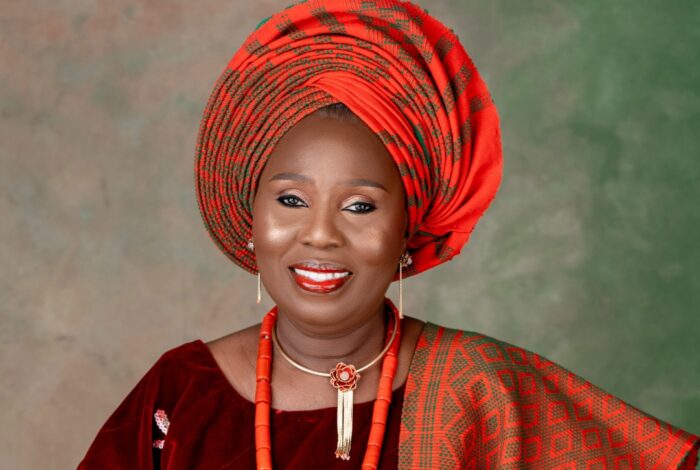
The woman in the image is Betty Anyanwu-Akeredolu, a distinguished Nigerian figure celebrated for her work in public health advocacy, philanthropy, and women’s empowerment. As the former First Lady of Ondo State and the widow of late Governor Oluwarotimi Akeredolu, she has left a lasting mark on Nigeria’s socio-political landscape.

Born in Owerri, Imo State, Betty Anyanwu-Akeredolu’s journey from a young student in Eastern Nigeria to a national voice for women’s rights and breast cancer awareness reflects resilience, courage, and determination.

Early Life and Education

Betty Chioma Anyanwu was born in 1953 in Emeabiam, Owerri West Local Government Area, of Imo State. From an early age, she exhibited a keen interest in education and community development — traits that would later define her public service.

She attended Archdeacon Crowther Memorial Girls’ School, Elelenwo, Port Harcourt, before earning her Bachelor of Science degree in Zoology from the University of Nigeria, Nsukka (UNN) in 1977. Betty later obtained a Master’s degree in Fisheries (Aquaculture) from the University of the Philippines Visayas, under a UNDP/FAO scholarship.

Her academic excellence and passion for health sciences positioned her to become one of Nigeria’s leading voices in public health advocacy.

Career and Rise to Prominence

Before her tenure as First Lady, Betty worked with the Federal Department of Fisheries in Lagos, where she served as an aquaculturist and contributed to Nigeria’s efforts in developing sustainable fish farming practices.

See also  PHOTOS: HOW NIGERIA WAS SOLD TO THE BRITISH FOR £865,000 IN 1899

However, her life took a deeply personal turn when she was diagnosed with breast cancer in 1997. Surviving the illness became a turning point — one that transformed her from a civil servant into an outspoken advocate for cancer awareness and women’s health.

Founding of BRECAN

In 1997, following her recovery, Betty Anyanwu-Akeredolu founded the Breast Cancer Association of Nigeria (BRECAN), a non-governmental organisation dedicated to raising awareness, promoting early detection, and supporting survivors of breast cancer across the country.

BRECAN quickly grew into one of Nigeria’s most respected advocacy groups, holding public enlightenment campaigns, partnering with hospitals, and establishing community outreach programmes. Through her leadership, thousands of women received education, screenings, and emotional support.

Her popular slogan, “Pink is not just a colour — it’s a call to action,” became a national rallying cry for cancer awareness.

First Lady of Ondo State: Redefining the Role

When her husband, Oluwarotimi Akeredolu, became Governor of Ondo State in 2017, Betty used her platform as First Lady to amplify social causes rather than pursue ceremonial functions.

She launched several initiatives, including:

BEMORE Empowered Initiative: A programme aimed at training young girls in ICT, solar technology, and entrepreneurship — equipping them with modern skills to compete globally.

Gender Equality Campaigns: Advocating for the inclusion of women in politics and leadership roles.

Health Advocacy: Continuing her mission to promote breast cancer screening and preventive healthcare.

Under her leadership, Ondo State saw a renewed emphasis on youth empowerment and women’s education, solidifying her reputation as one of the most active and influential First Ladies in Nigeria’s recent history.

See also  Real Warri Pikin, Delta groups resolve dispute over planned show

Political Aspirations and Advocacy

In 2023, Betty Anyanwu-Akeredolu declared her intention to contest for the Imo East Senatorial District seat under the All Progressives Congress (APC). Her candidacy represented a bold step for women in politics — a continuation of her long-standing fight for representation and inclusion.

However, she later withdrew from the race, citing irregularities within the party’s primary process. Despite stepping back, her campaign left an enduring message about fairness, integrity, and women’s participation in governance.

Personal Life and Legacy

Betty was married to Oluwarotimi Odunayo Akeredolu (SAN), a Senior Advocate of Nigeria and two-term Governor of Ondo State. The couple married in 1981 and had four children.

Her husband passed away in December 2023, after a long battle with prostate cancer. His death was deeply felt across Nigeria, but Betty remained a symbol of strength and continuity — standing firm in her advocacy even amid personal grief.

Continuing Her Mission

Today, Betty Anyanwu-Akeredolu remains active in civic and health-related causes. Her work through BRECAN continues to save lives and shape public health policy in Nigeria. She frequently speaks at national and international conferences, advocating for early cancer detection, research funding, and support systems for women.

Her enduring impact is reflected in the thousands of women empowered through her initiatives, the countless families touched by her compassion, and the young girls inspired by her unwavering confidence.

References

Breast Cancer Association of Nigeria (BRECAN) Official Website

Vanguard News (2023): “Betty Akeredolu Withdraws from Imo East Senatorial Race”

FOLLOW US ON:

FACEBOOK

TWITTER

PINTEREST

TIKTOK

YOUTUBE

LINKEDIN

TUMBLR

INSTAGRAM

Continue Reading
Click to comment

Leave a Reply

Your email address will not be published. Required fields are marked *

Lifestyle

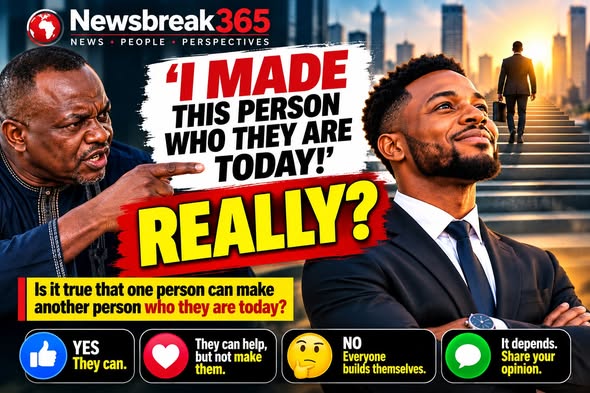
“I MADE THIS PERSON WHO THEY ARE TODAY!” — REALLY?

Published

on

In Nigeria, you sometimes hear people say, “If not for me, where would you be today?”

It could be a politician reminding constituents of the favours he claims to have done for them. It could be a wealthy businessman telling a former employee that they would still be struggling without him. It could be a family member reminding a younger relative of the school fees they paid, the business they financed, or the connections they provided.

Sometimes, even after the person has become successful, the reminder never stops.

But does helping someone succeed give you permanent ownership of their achievements?

Let’s look at the Nigerian reality.

A young Nigerian gets a job through someone’s connection. Years later, that young person builds a successful career through hard work, experience, sacrifice, and personal determination. Yet the person who introduced them to the employer continues to claim all the credit.

A young entrepreneur receives financial support from a relative and turns a small business into a thriving company. Instead of celebrating the entrepreneur’s growth, the relative repeatedly reminds everyone, “I was the one who made him rich.”

In politics, some Nigerian leaders speak as though providing roads, scholarships, appointments, or other public benefits means citizens must remain personally loyal to them. But public service is not a personal favour when it is funded by public resources.

Here is the uncomfortable question: When does gratitude become control?

Let us be fair. Many Nigerians have succeeded because someone believed in them when nobody else did. Parents sacrificed their comfort, relatives paid school fees, mentors opened doors, and friends provided support during difficult times. Those contributions should never be dismissed.

See also  Massive Crowd Welcomes Sunday Igboho to Olowo’s Palace in Ondo State | Traditional Royal Reception

But opening a door is not the same as walking the entire journey.

The person who helped you deserves appreciation. The person who worked hard to build a future also deserves recognition.

Nigerians must learn to distinguish between being grateful to someone and becoming permanently indebted to their ego.

If you helped someone become successful, celebrate your contribution without trying to control their decisions forever. And if someone helped you, never allow success to erase your memory or turn you into an ungrateful person.

NEWSBREAK365 ASKS:

In Nigerian society, have you noticed how some people use past favours to demand lifelong loyalty?

1️⃣ Is it right to keep reminding someone of what you did for them?

2️⃣ If you helped someone get a job or start a business, do you deserve credit for their entire success?

3️⃣ Should Nigerians remain loyal to politicians simply because those politicians once helped them?

4️⃣ Have you ever seen a relationship damaged because someone kept saying, “I made you who you are today”?

💬 Drop your opinion in the comments. Let’s have an honest discussion.

Share this post with someone who believes in gratitude—but also understands the importance of personal independence.

Follow Newsbreak365 for bold conversations about Nigerian society, politics, relationships, culture, and everyday life.

#Newsbreak365 #Nigeria #NigerianSociety #NigerianPolitics #SuccessAndGratitude #LifeLessons #SocialCommentary

FOLLOW US ON:

FACEBOOK

TWITTER

PINTEREST

TIKTOK

YOUTUBE

LINKEDIN

INSTAGRAM

Continue Reading

Lifestyle

SOME PEOPLE WILL DO ANYTHING — EVEN EVIL — JUST TO MAKE MONEY!

Published

on

In Nigeria today, one question deserves serious attention: Have we reached a point where the amount of money you have matters more than how you made it?

Look around. Someone builds a mansion, buys an expensive SUV, wears designer clothes, or sprays bundles of ₦1,000 notes at parties, and suddenly, everybody wants to associate with them. They are celebrated, respected, and treated like champions—even when nobody knows the true story behind their wealth.

But why are we so quick to celebrate money without asking questions?

Millions of Nigerians wake up every morning to work honestly. Traders struggle to keep their businesses alive. Teachers work hard for their salaries. Young graduates search endlessly for jobs. Parents make sacrifices to feed their children and pay school fees. Yet, some people feel that honest work is too slow and that becoming rich by any means necessary is the only way to survive.

That is where the real danger begins.

When society celebrates wealth without integrity, some people may become tempted by internet fraud, scams, corruption, exploitation, and other harmful practices. Others may even turn to alleged ritual practices because they believe wealth must come at any cost.

The problem is not that Nigerians want to become rich. The problem is when the desperation to become rich destroys people’s conscience.

Think about the message we are sending to the younger generation. When a young person sees someone flaunting millions online and receives more admiration than a hardworking professional, what lesson are we teaching?

See also  WELCOME TO 2026!

Are we teaching our children to value education, creativity, patience, and honest business? Or are we teaching them that the only thing that matters is having money, regardless of its source?

At parties, we celebrate the person spraying cash. On social media, we admire the person showing off a fleet of cars. In some communities, people who suddenly become wealthy receive praise before anyone considers how that wealth was acquired.

Meanwhile, honest people who are struggling financially can be mocked, ignored, or treated as failures.

WHEN DID POVERTY BECOME A SHAME, AND WHEN DID QUESTIONABLE WEALTH BECOME A BADGE OF HONOUR?

Nigeria needs a change in values. We need to celebrate honest entrepreneurs, hardworking workers, innovative young people, and those who build successful businesses without destroying other people’s lives.

We must also stop confusing expensive possessions with genuine success. A luxury car does not prove good character. A mansion does not guarantee peace of mind. And a fat bank account does not automatically make someone a role model.

There is nothing wrong with dreaming of wealth. Nigerians deserve good jobs, profitable businesses, financial freedom, and a better quality of life. But no amount of money should be worth sacrificing your humanity, integrity, or another person’s future.

LET’S HAVE AN HONEST NIGERIAN CONVERSATION!

👇 QUESTION 1: Do you think Nigerian society celebrates wealthy people too much without asking how they made their money?

👇 QUESTION 2: Has the pressure to become rich made some young Nigerians lose sight of the value of honest work?

👇 QUESTION 3: If someone is rich but acquired their wealth through dishonest or harmful means, do they deserve to be celebrated?

See also  PHOTOS: HOW NIGERIA WAS SOLD TO THE BRITISH FOR £865,000 IN 1899

Drop your opinion in the comments. Don’t just read and scroll past—let’s discuss this important issue.

📢 Share this post. The conversation about money, morality, and success needs to happen.

Newsbreak365 — News • People • Perspectives

#Nigeria #NigerianSociety #DirtyMoney #YahooBoys #Corruption #MoneyAndMorality #NigerianYouth #HonestWealth #SocialCommentary #Newsbreak365

FOLLOW US ON:

FACEBOOK

TWITTER

PINTEREST

TIKTOK

YOUTUBE

LINKEDIN

INSTAGRAM

Continue Reading

Lifestyle

STOP CONFUSING WEALTH WITH SUCCESS! NOT EVERYTHING THAT GLITTERS IS GOLD!

Published

on

In Nigeria today, if you drive an expensive car, build a mansion, wear designer clothes, and spray money at parties, many people will automatically call you a successful person.

Nobody asks questions. Nobody looks deeper. Everybody wants to associate with you!

But if you live in a modest house, drive an ordinary car, and live within your means, some people will look down on you as if you have failed in life.

What a dangerous way to measure human worth!

We live in a society where appearances can earn you more respect than character, where people are celebrated for displaying wealth but rarely questioned about the values behind it.

A man may build a magnificent mansion while his family is falling apart. A woman may post beautiful pictures every day while struggling emotionally. Someone may spray millions of naira at parties but owe people money. Another person may be living quietly, paying their bills, raising their children, and building a secure future without making noise on social media.

Who is truly successful?

The problem is not wealth. There is absolutely nothing wrong with being rich, driving a luxury car, or living in a beautiful house. The problem begins when we judge people entirely by what they possess instead of who they are.

In Nigeria, we must stop teaching our children that success means becoming rich at all costs. We must stop worshipping politicians and celebrities simply because they display wealth. We must stop assuming that everybody who travels abroad is doing better than those who remain at home.

See also  Real Warri Pikin, Delta groups resolve dispute over planned show

A person’s lifestyle is not proof of their character, the source of their wealth, or the happiness they experience behind closed doors.

Dear Nigerians, learn to think beyond what your eyes can see. Ask questions. Examine facts. Value integrity over intimidation, wisdom over showmanship, and peace of mind over public applause.

Because at the end of the day, the size of your house cannot measure the quality of your life, and the price of your car cannot determine your worth as a human being.

LET ME ASK YOU A QUESTION:

If a Nigerian man drives a ₦150 million car but has no peace of mind, while another man drives an ordinary car, pays his bills, has a loving family, and sleeps peacefully every night, WHO IS TRULY RICH?

Are we celebrating genuine success in Nigeria, or have we become prisoners of appearances?

Drop your honest opinion in the comments. Let’s have a serious discussion!

Share this message if you believe Nigerians need to change the way they define success.

#Nigeria #NigerianSociety #NotEverythingThatGlittersIsGold #TrueSuccess #CriticalThinking #LifeLessons

FOLLOW US ON:

FACEBOOK

TWITTER

PINTEREST

TIKTOK

YOUTUBE

LINKEDIN

INSTAGRAM

Continue Reading

Trending