Lifestyle
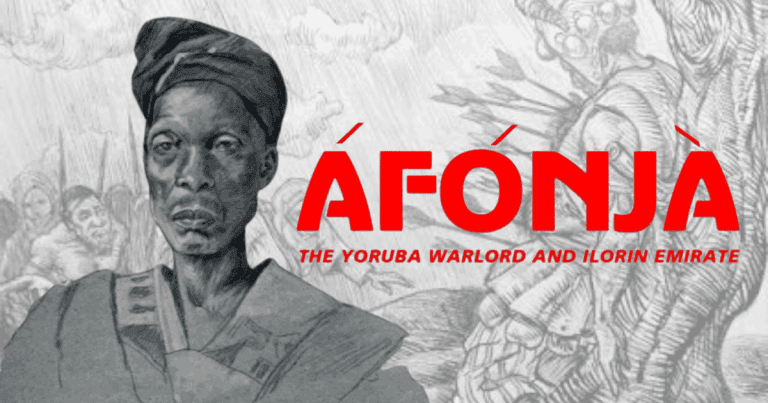
PHOTOS: The True and Sad Story of How Afonja Lost Ilorin and Its Kingship to Fulani People

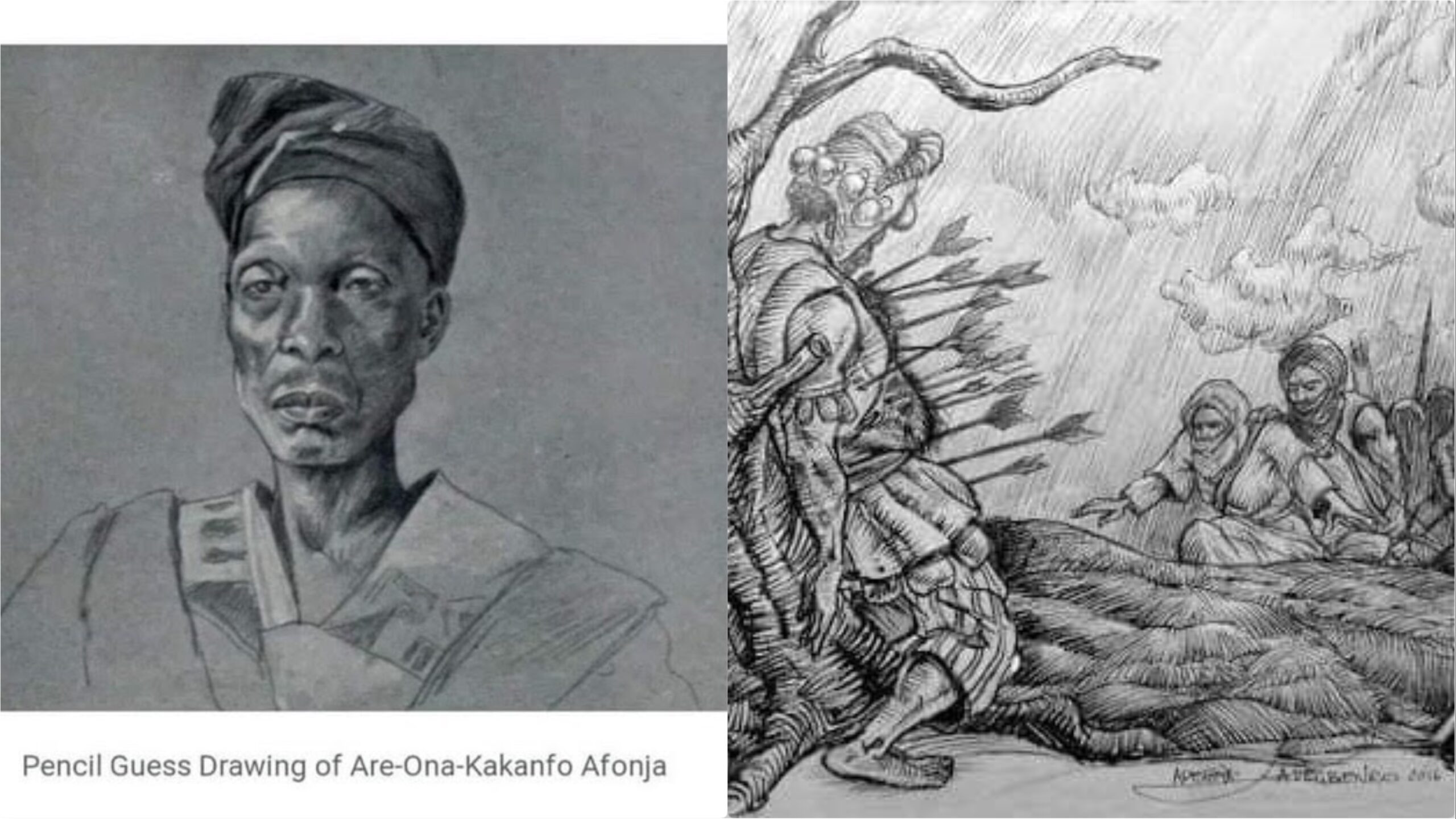
The Yoruba and Fulani inhabitants of Ilorin, the present capital of Kwara State, Nigeria, have for so long been at loggerheads over who should produce monarch for the town.
The Yoruba people in Ilorin claimed that the throne should always have a Yoruba king on the seat and backed this with historical references which point Yoruba ancestors as the founders of Ilorin.
The Fulani section of Ilorin came up with a counterclaim that no Yoruba king has ever been enthroned from the onset, therefore the throne belongs to their (Fulani) ethnicity.
However, history will never lie and so we brings you the true account of how Aare-Ona-Kakanfo Afonja lost Ilorin to the Fulani people of Northern Nigeria.
Who Was Afonja And Who Originally Founded Ilorin?
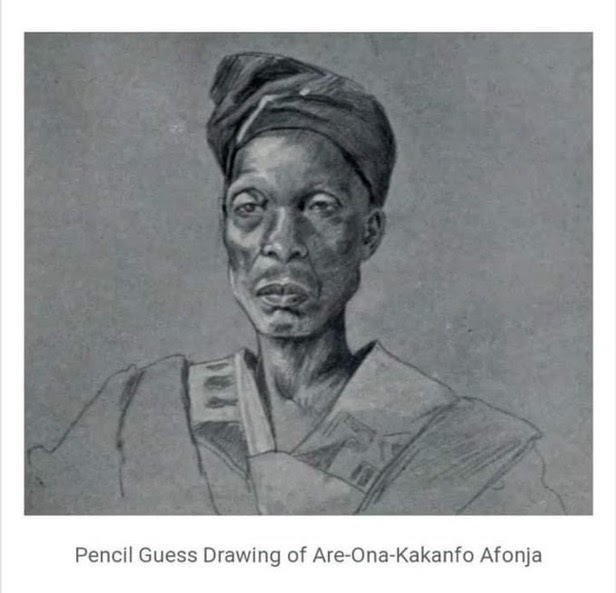
The history of Ilorin put it as a Yoruba town which was originally used as a military outpost by the Alaafin, paramount ruler of the old Oyo empire (Oyo-Ile). At the period of creation, Ilorin was administered by Afonja, the sixth Are-Ona-Kakanfo (generalissimo) of the Oyo army and successor of Are-Ona Oku of Jabata.
It was from this outpost that Afonja carried out military functions for the then Alaafin named Aole, the son of Alaafin Abiodun.
Aole reigned between 1789 and 1796. It was during this period that Shehu Alimi, a Fulani cleric, arrived Ilorin with some of his tribesmen and were all welcomed and hosted by Afonja.
Afonja’s Conflict With Alaafin Aole
After a while, conflict broke out between Alaafin Aole and Are-Ona Afonja. Alaafin Aole had ordered Afonja to attack a town named Iwere-Ile which to Afonja was a suicidal mission and he adamantly refused.
Iwere-Ile is the hometown of Aole’s paternal grandmother and a former Alaafin named Ajagbo had placed curses on any Kakanfo that attempt to attack Iwere-Ile. These were the reasons Afonja disobeyed Alaafin Aole’s orders.
While still at disagreement, Alaafin Aole, also called Arogangan (roughly translated as the mean one), ordered Afonja to attack Apomu, a prominent town in Ile-Ife; this was in 1795. The disagreement heated up to the point that both sides resulted to trash things out with violence.
At this point, Afonja sought the support of Shehu Alimi also known as Salih Janta who had both spiritual and military power. On his way from the Apomu expedition, Afonja stopped at Oyo-Ile to deal with Alaafin Aole. Afonja sent an empty calabash to Aole signifying his rejection as the Alaafin and according to the customs of Oyo, he was to commit suicide at such and he did.
We gathered that before Aole took his life, he performed a ritual and cursed the entire Yoruba land that their sons and daughters will be taken as slaves and sold to different parts of the world.
Many believe Aole’s curse plunged Yoruba land into a series of inter-tribal wars that broke out in following years such as the Kiriji war, Egba-Dahomey war, Ibadan-Ijaye war and so on.
Aole was succeeded by Adebo who ruled from 1796 to 1797; Maku succeeded Adebo and also ruled for few months before his death in 1797. From 1797 to 1802, the Oyo throne was vacant. It was in 1802 that Alaafin Majotu was crowned and it was during his reign that Are-Ona-Kakanfo lost Ilorin to the Fulani.
The Death Of Afonja And The Establishment Of Emir Throne In Ilorin
After defeating Aole, Afonja and Alimi’s relationship strengthened to the extent that Afonja enlisted Alimi’s men into his army and disbanded many of his men whom history claimed he didn’t fully trust. Unknowing to Afonja, the Fulanis were gradually infiltrating his army and before he could realize, it was too late.
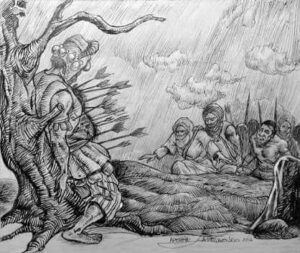
This was after Sheu Alimi’s death. His son, Abdulsalam, earnestly yearned to rule Ilorin and clandestinely plotted against Afonja. In 1824, Abdulsalam’s men shot Afonja arrows till he breathed his last. He was shot so many arrows that his dead body remained suspended in an upright position for a long while.
“HE FELL INDEED LIKE A HERO. SO COVERED WAS HE WITH DARTS THAT HIS BODY WAS SUPPORTED IN AN ERECT POSITION UPON THE SHAFTS OF SPEAR AND ARROWS SHOWERED UPON HIM. SO MUCH DREAD HAD HIS PERSONALITY INSPIRED THAT THESE TREACHEROUS JAMAS WHOM HE HAD SO OFTEN LED TO VICTORY COULD NOT BELIEVE HE WAS REALLY DEAD; THEY CONTINUED TO SHOWER DARTS UPON HIM LONG AFTER HE HAD CEASED FIGHTING. THEY WERE AFRAID TO APPROACH HIS BODY AS IF HE WOULD SUDDENLY SPRING UP AND SHAKE HIMSELF FOR THE CONFLICT AFRESH.”
SAMUEL JOHNSON.
After Afonja’s death, Abdulsalam declared himself the Emir of Ilorin and pledge allegiance to Sokoto Caliphate. This was how the monarch of Ilorin hold the title of Emir till today instead of Oba or any other Yoruba title for a king.
Afterward, the Yorubas attempted to regain control of Ilorin from the Fulani jammas but failed. Toyeje, the successor of Afonja, led the first and second attempts to drive the Fulani people out of Ilorin.
The second attempt is known in history as Mugbamugba war in which Yoruba people suffered untold defeat in the strive to regain the throne of Ilorin.
Source: Yorubaness
FOLLOW US ON:


Lifestyle
AFRICAN FAMILIES: WHY DO WE KEEP REPEATING THE SAME MISTAKES FROM ONE GENERATION TO THE NEXT?




Belgian parliament to legislate to allow police to enter homes to facilitate undocumented migrant removals

STOP CONFUSING WEALTH WITH SUCCESS! NOT EVERYTHING THAT GLITTERS IS GOLD!

Nigerian states’ revenues rise 93%, but education spending drops — World Bank

‘Sleeping Prince’ of Saudi Arabia dies after 20 years in coma

2027: Atiku delays ADC membership card collection amid rumoured Jonathan comeback

How A Class Of 24 Students Produced 2 Presidents, 4 Governors, 2 Ministers, 4 Emirs, 3 Justices, 4 Ambassadors and Other Influential Leaders


-

 News12 hours ago
Air chief pleads for patience as investigation begins on Ondo crash
-
Lifestyle20 hours ago
AFRICAN FAMILIES: WHY DO WE KEEP REPEATING THE SAME MISTAKES FROM ONE GENERATION TO THE NEXT?
-
News19 hours ago
PHOTOS: Troops rescue six kidnapped victims during operations in Plateau
-
News12 hours ago
INEC displays voter register, begins PVC distribution ahead of 2027 elections
-
News12 hours ago
Dapo Abiodun reveals that Nigeria needs 554,353 personnel for state police, read details
-
Sports11 hours ago
Adeniyi lauds Nigeria’s Veterans World Wrestling Champs medal
-
Business12 hours ago
FG’s 30-day petrol discount sparks opposition backlash
-
News11 hours ago
Trump rules out new Iran attack before US midterm elections