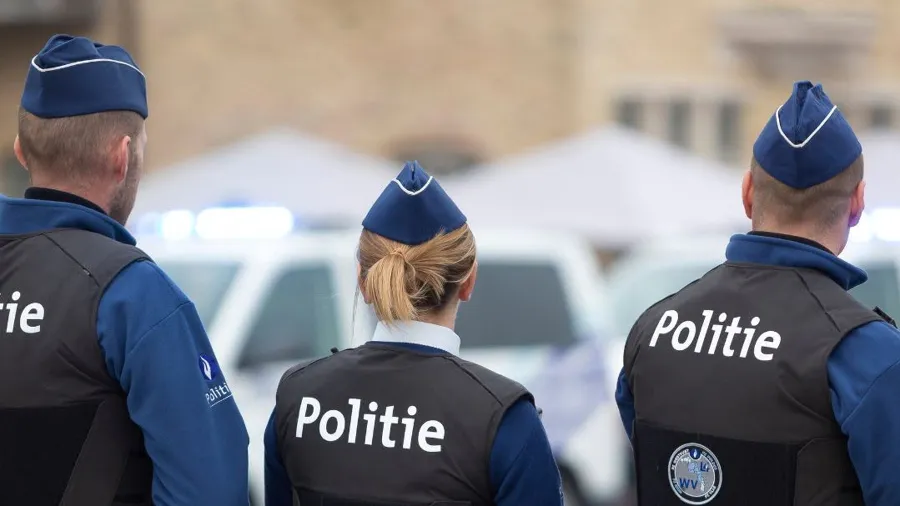
No fewer than 100,000 police officers attached to Very Important Persons and politicians will be withdrawn and redeployed to core policing duties, including counter-insurgency operations, as part of a strategy to rout the terrorists rampaging across the country.
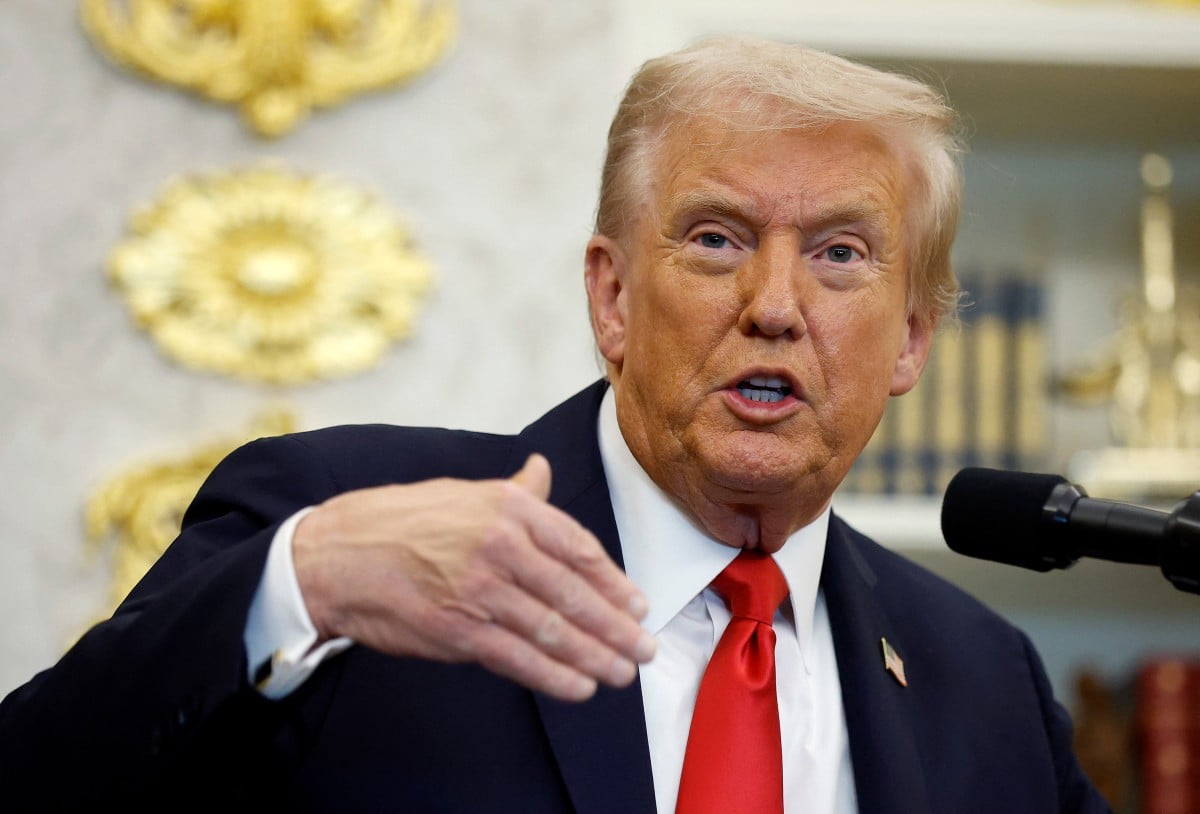
President Bola Tinubu ordered the withdrawal of police officers at a security meeting held on Sunday in Abuja, attended by Service Chiefs and the Director-General of the Department of State Services.
A statement by the President’s Special Adviser on Information and Strategy, Bayo Onanuga, said VIPs requiring protection will now be assigned armed operatives from the Nigeria Security and Civil Defence Corps instead of the police.
An estimated 100,000 policemen are attached to VIPs and politically exposed persons across the country, while fewer personnel are available for public protection.
Despite several promises by successive Inspectors-General to withdraw the police officers on orderly duties, this has not been done.
A report published in November 2025 by the European Union Agency for Asylum, noted that the Nigeria Police Force has an estimated strength of 371,800 officers serving a population of about 236.7 million people.
It stated that the country’s policing deficits are worsened by the diversion of a significant portion of available personnel to VIP protection rather than community policing and crime prevention.
The report said, “Both recent sources and sources dating back as far as 2007 claimed that the NPF had an estimated strength of 371,800, serving a total population estimated in 2024 at 236,747,130. Many parts of Nigeria, especially remote areas, have few policemen at the stations, thus making the task of protecting and defending the people difficult.’’
Last Thursday, The PUNCH, in an editorial, again demanded the redeployment of policemen offering protection to prominent individuals and politicians.
Announcing the Presidential directive on Sunday, Onanuga said, “President Bola Ahmed Tinubu has ordered the withdrawal of police officers currently providing security for Very Important Persons in the country.
“Henceforth, police authorities will deploy them to concentrate on their core police duties. In view of the current security challenges facing the country, President Tinubu is desirous of boosting police presence in all communities.’’
He also disclosed that the President has approved the recruitment of 30,000 additional police personnel and that the Federal Government is working with states to upgrade police training facilities nationwide.
Those in attendance at Sunday’s meeting included the Chief of Army Staff, Lt Gen Waidi Shaibu; Chief of Air Staff, Air Marshal Sunday Kelvin Aneke; Inspector-General of Police, Kayode Egbetokun; and Director-General of the DSS, Tosin Adeola Ajayi.
Following reports that the troops guarding St. Mary Private Primary and Secondary Schools in Papiri, Agwara Local Government Area of Niger State, were withdrawn some minutes before the school was attacked and dozens of girls taken away, the Defence Headquarters said it had begun a review of the troops’ redeployment.
Kebbi State Governor, Nasir Idris, had demanded explanations from military authorities over the withdrawal of troops from the school after it was allegedly abandoned by troops deployed to protect the pupils.
Speaking while receiving the President of the Nigeria Labour Congress, Joe Ajaero, who led a solidarity visit to the state, the governor said he was “deeply troubled” that security personnel pulled out of the school despite prior intelligence alerts provided by the state government.
According to the governor, soldiers reportedly left the school around 3am while the attackers struck less than 45 minutes later.
“We provided intelligence reports. We alerted them. So, who gave the order for troops to withdraw at that critical hour?” Idris queried, calling for a full military investigation into the circumstances surrounding the incident.
Similarly, the District Head of Maga, Muhammad Dantani, told SUNDAY PUNCH that he confirmed the presence of soldiers at the school around midnight on the day of the attack, but they left about an hour later.
“Unknown to us, they left the school around 1 a.m., just a short time before the attack began. We still don’t know who gave the order or why they withdrew,” he said.
He added that police personnel at the location said they took cover when the attackers arrived because the bandits were too many and heavily armed.
Reacting to the development in a statement on Sunday, the Director of Defence Media Operations, Maj. Gen. Michael Onoja, said the military was investigating the governor’s allegation.
Onoja said the review would determine the circumstances surrounding troop movements in the area at the time of the attack, adding that corrective measures would be taken if any lapses were found.
Onoja assured that military operations to rescue the abducted students were ongoing and that the armed forces remained committed to strengthening security around schools and communities.
Military intensifies hunt for schoolgirls
In a related development, the Theatre Commander of Operation Fansan Yamma, Maj. Gen. Warrah Idris, has ordered troops to intensify efforts to locate the armed group behind the abduction of the students.
A statement on Sunday by Captain Davidi Adewusi, spokesman for the operation, said that during an assessment visit to the school on Saturday, General Idris received a detailed briefing from the General Officer Commanding 2 Division and Commander of Sector 3 OPFY, Maj Gen C.R. Nnebiefe, on the joint rescue efforts currently underway.
Idris directed troops to maintain overwhelming pressure until the students are safely recovered. “The bandits are clearly feeling the heat of our operations and will find no safe haven,” he said. “Remain vigilant and relentless. They must not be given any breathing space until every child is back home.”
He assured troops of full support from the Theatre Command. “Every resource you need will be made available. We will not slow down for a second,” he added.
A senior officer at the scene, speaking on condition of anonymity, reinforced the military’s confidence. “We are closing in on them. The operations are coordinated and precise. Rescuing these children is our top priority,” the officer said.
Community leaders in Papiri expressed renewed hope following the high-level military visit. “Seeing the commanders on the ground reassures us,” one community representative said. “We believe this operation will bring our children home.”
Meanwhile, Col. Ahmed Usman (retd.), Special Adviser on Security to Governor Ahmed Aliyu of Sokoto State, has criticised the ongoing closure of schools across northern Nigeria, describing it as an ineffective response to rising insecurity.
Usman stated this as the Kebbi State Government ordered the immediate closure of all public and private secondary schools across the state following the rising security threats, marking one of the most sweeping shutdowns of the education sector in recent years.
The directive also affects all state-owned tertiary institutions, with the exception of the College of Nursing Sciences, Birnin Kebbi.
The announcement was contained in a joint statement issued in Birnin Kebbi by the Commissioner for Basic and Secondary Education, Dr Halima Bande, and the Commissioner for Higher Education, Alhaji Issa Abubakar-Tunga.
Bande said the decision was taken to safeguard students and staff amid “the recent disturbing cases of attacks in parts of the state.”
“Our priority at this critical moment is the safety of our children,” she said. “The closure of all secondary schools—public and private—is a precaution we cannot ignore, given the emerging security realities.”
The shutdown affects hundreds of secondary schools, including government day schools, boarding schools, and privately owned institutions across all 21 local government areas.
Many parents had already expressed anxiety following recent attacks on communities and the abduction of schoolgirls in Maga.
Alhaji Abubakar-Tunga explained that the state government was acting on security recommendations.
“We cannot expose students to avoidable risks,” he said. “All administrators of affected institutions must ensure immediate compliance. We will announce a new resumption date once the security situation improves.”
The tertiary institutions listed for closure include Kebbi State Polytechnic, Dakingari; Abdullahi Fodio University of Science and Technology, Aliero; College of Health Sciences and Technology, Jega; Adamu Augie College of Education, Argungu; and the School of Remedial Studies, Yauri.
The commissioners clarified that only the College of Nursing Sciences and Midwifery, Birnin Kebbi, will remain open.
They urged school authorities and the public to remain calm and cooperate with government directives while security agencies intensify operations across the state.
The statement was signed by Ahmed Idris, Chief Press Secretary to the Governor.
He warned that halting academic activities could embolden criminal groups.
“Protecting students and teachers is paramount, but closing schools should not become the default whenever threats emerge,” Usman said. “Such actions are a serious setback and encourage the perpetrators. Government must address insecurity with both kinetic and non-kinetic measures.”
But responding to the school shutdown, Usman stressed that the North’s future depends on uninterrupted access to education, noting that further disruptions would deepen poverty and limit opportunities for young people.
The governor’s aide urged security agencies, traditional rulers, and both federal and state governments to intensify collaboration to secure communities and learning centres.
According to him, lasting peace requires not only military action but also dialogue, youth empowerment programmes, rehabilitation of vulnerable groups, and tackling root causes of insecurity, such as unemployment and deprivation.
The adviser reaffirmed the Ahmed Aliyu administration’s commitment to safeguarding citizens and ensuring that children’s education is not compromised. He appealed to parents, community leaders, and civil society organisations to support government efforts, remain vigilant, and cooperate with security agencies to keep schools safe.
Meanwhile, 50 of the schoolgirls abducted from St. Mary Private Primary and Secondary Schools in Papiri, Agwara Local Government Area of Niger State, have escaped from captivity and reunited with their parents.
The Chairman of the Christian Association of Nigeria in Niger State and Bishop of Kontagora Diocese, Most Rev. Bulus Yohanna, disclosed this in a statement on Sunday through his media aide, Daniel Atori.
He said the escape was confirmed after a visit to the families of some of the abducted children.
According to him, 236 pupils are still in captivity, including three children of staff members and 14 secondary school students, bringing the number of students still held to 253, alongside 12 staff members.
“As of Sunday, 23rd November 2025, we received some good news as fifty pupils escaped and have reunited with their parents. The pupils escaped between Friday and Saturday and have reunited with their parents, as they could not return to the school after escaping. We were able to ascertain this when we contacted and visited some parents,” the statement read.
The PUNCH had reported that 315 persons — including pupils, secondary school students and teachers — were abducted from the school on Friday.
The development led the Niger State Governor, Mohammed Bago, to order the closure of schools across the state on Saturday.
Separately, 38 worshippers abducted last Tuesday from the Christ Apostolic Church, Oke Isegun, Eruku, in the Ekiti Local Government Area of Kwara State, have regained their freedom.
The victims were released on Sunday afternoon following a sustained joint operation by security agencies deployed immediately after the attack.
The Eruku abduction had triggered national outrage after armed bandits invaded a church service on Tuesday, killing three worshippers and whisking away 38 others.
The incident marked one of the largest mass abductions in Kwara’s recent history and heightened concerns about growing bandit activity around the state’s borders with Kogi and Niger.
The hostages regained freedom days after security agencies launched an intensive operation involving soldiers, DSS operatives, Special Tactical Squad units, SWAT personnel, anti-kidnapping operatives and local vigilantes.
Confirming the development, the Chief Press Secretary to the governor, Rafiu Ajakaye, said Governor AbdulRahman AbdulRazaq was “excited” to announce the release of all the abducted worshippers after “many days of hard work” by security forces and government officials.
According to him, the breakthrough followed direct intervention by President Bola Tinubu, who personally supervised the rescue efforts and cancelled his scheduled trip to the G20 Summit in South Africa to focus on the security crises in Kwara and Kebbi states.
Ajakaye said multiple security agencies, including the DSS, the Nigerian Army, the Nigeria Intelligence Agency and the Police, which deployed four new tactical teams, coordinated the rescue operation.
“After many days of hard work by security forces and government representatives, His Excellency AbdulRahman AbdulRazaq (CON) is excited to announce the freedom of 38 persons who were recently abducted in an attack on Christ Apostolic Church (CAC) Eruku, Ekiti LGA, Kwara State,” the statement said.
He further noted, “This is wholly due to the hands-on approach of President Bola Tinubu, GCFR, who has personally led the efforts to free the abductees,” the CPS stated.
“The President had called off his scheduled trip for the G20 Meeting in South Africa to attend to the breaches in Kwara and Kebbi States. He had also directed heightened security deployments to Kwara, in what underlined his firm commitment to the safety and well-being of our people and Nigerians as a whole,” Ajakaye added.
The governor also expressed gratitude to multiple security institutions whose coordinated efforts led to the safe release of the abductees.
“The governor also expresses appreciation to the Office of the National Security Adviser; the Department of State Services (DSS); the Nigerian Army; the Nigeria Intelligence Agency; and, of course, the Nigeria Police, which has graciously deployed four new tactical teams to Kwara State on the directive of the President,” the statement read.
He further thanked community leaders, religious institutions, and residents for their support during the crisis.
Also confirming the development to The PUNCH, the Secretary of CAC Oke Isegun, Elder Michael Agbabiaka, explained that the DSS contacted the community around 4pm to inform them that the captives had been freed.
“Yes, they called us to say that the abductees have been freed,” Agbabiaka said.
He noted that the community was anxiously awaiting their arrival back home to be reunited with their families.
“We are waiting for them to be brought back to the community. Our people are eager to see them alive and safe,” he added.
Pope seeks release
Pope Leo XIV on Sunday called for the immediate release of the Kebbi schoolgirls, describing the news as a source of “immense sadness,” the Vatican News reported.
“I learned with immense sadness the news of the kidnappings of priests, faithful, and students in Nigeria and Cameroon,” the Pope said during his address at the end of the Angelus prayer at the Vatican.
“I make a heartfelt appeal for the immediate release of the hostages,” Pope Leo said, expressing his “deep sorrow, especially for the many young boys and girls kidnapped and for their anguished families.”
“Let us pray for these brothers and sisters of ours and that churches and schools may always and everywhere remain places of safety and hope,” the Pope said.
APC reacts
The All Progressives Congress has warned that the recent surge in abductions and coordinated attacks across the North bears the hallmark of “an organised, choreographed and orchestrated” campaign by fifth columnists seeking to create national panic ahead of 2027.
The Deputy National Organising Secretary of the APC, Nze Chidi Duru, disclosed this in an interview with The PUNCH.
Speaking against the backdrop of the attack on the Government Girls Comprehensive Secondary School, Maga, Duru assured that the President has already taken full ownership of the crisis and is leading efforts to halt the violence.
He said, “I think we live in the times of scenario planning, mapping, gesticulation and assumptions of what may or is the cause of a number of things happening in the country as of today. Even without conceding that it is the case or in spite of it, the reality is that Mr President has taken ownership.”
Duru added that the President has reassured Nigerians that he remains on top of the situation and will deploy “the instrument and powers of his office to ensure that land, property and life are protected in Nigeria,” stressing that guaranteeing citizens’ safety is the government’s foremost duty.
Amid fears that the wave of attacks is deliberate, the member of the APC National Working Committee cautioned that the pattern suggests attempts to create a nationwide stampede.
“A sense could be gleaned of wanting to create a stampede in the country and the happenings in many parts of the country on so short a period may indicate an organised, choreographed and orchestrated sense of insecurity in the country. But again, nations have passed through this,” he said.
Citing past security crises such as the Maitasine uprisings, Duru maintained that the Nigerian military retains the institutional strength to confront the threat.
According to him, “Our military is still the military that we know and are used to in those days that stood and spoke for Nigeria, and offered themselves to defend the territorial integrity of this country.”
The APC chieftain recalled Nigeria’s long history of restoring stability across Africa — from Angola and Liberia to Sierra Leone and the Niger Republic, noting that the country has defeated fifth columnists in the past and can do so again.
Duru warned against citizens or political actors hoping to exploit the turmoil for electoral gain.
“It is regrettable, if any Nigerian believes that the overrunning of Nigeria by the bandits, terrorists and fifth columnists would in any way stand to benefit them, there may not be any country for them to govern,” he said.
“I know there may be people who would rather want to govern in hell than serve in heaven. But the reality is that the majority of Nigerians believe that we need Nigeria.”
He expressed confidence that the Tinubu administration will protect both the country’s territorial integrity and citizens’ lives, saying the crisis offers an opportunity for the armed forces to “rise up to the occasion.”
Also speaking on the security crisis confronting the country, a former member of the Osun State House of Assembly, Olatunbosun Oyintiloye, urged President Tinubu and the National Security Adviser, Nuhu Ribadu, to identify and prosecute saboteurs within the security system as well as their external collaborators.
Oyintiloye, an All Progressives Congress chieftain in Osun State, made the call in a statement issued on Sunday in Osogbo.
He expressed concern over the recent surge in killings and abductions in Kwara, Kebbi, Niger and other parts of the country, noting that the situation was worsening public anxiety.
He appealed to the Service Chiefs to intensify efforts to rescue abducted schoolchildren and curb attacks across the country.
“The President and the NSA should discreetly identify those sabotaging the military’s efforts and ensure they are prosecuted. Saboteurs within the system must be flushed out before they cause more damage. There are distressing reports suggesting internal sabotage and external collaboration. That must be decisively addressed,” he added.
punch.ng
FOLLOW US ON: