Connect with us

News

Electoral Act: Opposition pushes back as e-transmission faces firestorm

Published

on

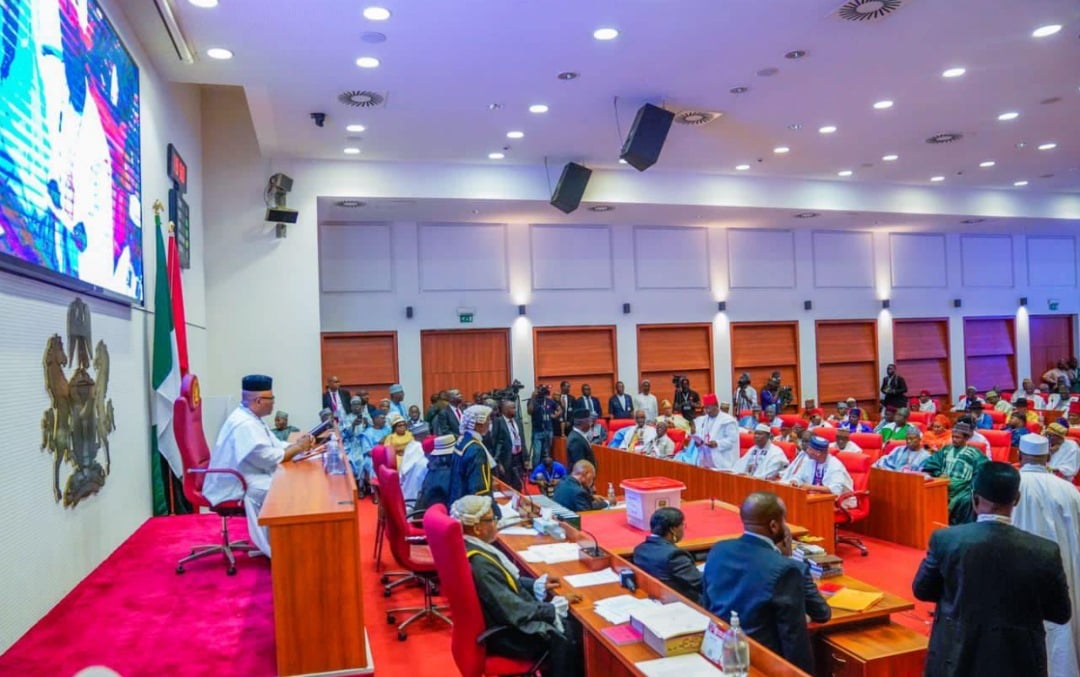
The Senate Minority Caucus clarified on Thursday that the Senate did not reject the electronic transmission of election results before the leadership passed the Electoral Act (Amendment) Bill, contrary to widespread media reports.

The clarification came barely 24 hours after the upper chamber came under fire on Wednesday following reports that lawmakers rejected proposals for the electronic transmission of election results and a 10-year ban on vote-buyers and other electoral offenders.

Shortly after the report went viral, Senate President Godswill Akpabio dismissed the claims as misleading.

Akpabio also maintained that lawmakers retained electronic transmission as provided under the 2022 Electoral Act, a distinction he said was necessary to avoid legal and operational ambiguities.

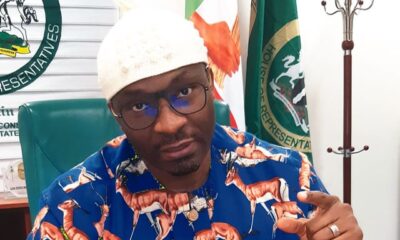
Speaking to journalists on Thursday, former Senate Minority Leader Senator Enyinnaya Abaribe, said the caucus was compelled to address what he described as a widespread misunderstanding of proceedings at Wednesday’s plenary.

“Since yesterday (Wednesday), the media has been awash with reports suggesting that the Senate rejected electronic transmission of election results. That is not correct,” Abaribe said.

“To put the record straight, the Senate did not — I repeat, did not — reject electronic transmission of results as provided for in the 2022 Electoral Act.”

He explained that what the Senate passed was the electronic transmission of results, a position which, according to him, was also clarified by the Senate President during plenary.

Abaribe stressed that senators hold public trust derived from the confidence reposed in them by their respective constituencies, adding that the caucus considered it necessary to address the issue in the interest of transparency.

See also  US consulate unveils fellowship to empower young Nigerian journalists

“We came here under the trust of our senatorial districts. When it appears that our actions have been misunderstood, it becomes necessary to clarify exactly what happened,” he said.

He outlined the legislative process that led to the decision, beginning with the joint committee of the Senate and the House of Representatives on electoral matters.

According to him, the joint committee held several retreats within and outside Abuja, with the participation of the Independent National Electoral Commission (INEC) and civil society organisations.

“At the end of those retreats, everyone agreed that electronic transmission of results was the way to go. That position was reflected in the reports presented to both chambers,” he said.

He noted that the process also involved extensive debates, public hearings, and consultations, describing electronic transmission of results as a core, non-negotiable provision.

Following the submission of the Senate Committee on Electoral Matters’ report, Abaribe said an ad hoc committee was constituted to further review the report.

The ad hoc committee, chaired by Senator Sadiq Umar, presented its findings, which were deliberated upon during a closed-door session.

“The closed session was held to tidy up all outstanding issues so that when we returned to plenary, the bill could be passed without rancour,” he explained.

According to him, the Senate Committee on Electoral Matters, the ad hoc committee, and senators at the executive session unanimously agreed on the provision for electronic transmission of results, as contained in Section 65 of the bill.

“At plenary yesterday, we passed electronic transmission of results. However, because of movement and noise in the chamber, it appeared to some that something went wrong,” he said.

See also  Court rejects Nnamdi Kanu‘s no-case submission, orders him to enter defence

Abaribe added that senators later sought confirmation and were reassured, noting that video records also show the Senate President affirming that electronic transmission of results was passed.

The senator further explained that a harmonisation committee was set up because of differences between the House and Senate versions of the bill on issues such as timelines.

“The role of the harmonisation committee is to reconcile differences between both versions and produce a single document for presidential assent,” he said.

However, he noted that the Senate has not yet adopted the Votes and Proceedings, which is a procedural requirement before harmonisation can commence.

“After plenary yesterday, we adjourned without adopting the Votes and Proceedings. Under our rules, harmonisation cannot begin without that step,” he explained.

Abaribe assured that the Senate would reconvene to adopt the Votes and Proceedings, insisting that it must accurately reflect the provision on electronic transmission of results.

“Only after that can the harmonisation committee meet. At harmonisation, you either adopt the House version or the Senate version — nothing else,” he said.

He reiterated that what the Senate passed was the electronic transmission of results in real time.

“This is not a party matter,” Abaribe added. “Senators across party lines agree on this because transparent, free, and fair elections are the foundation of democracy. If results are not transparent or the process is distorted, then it is not democracy.”

Responding to questions on why an ad hoc committee was constituted despite the work of the standing committee, opposition lawmakers explained that the Senate reserves the right to regulate its internal processes, noting that committee members were present to clarify issues during deliberations.

See also  Oyedele reveals how tax reform will protect low-income Nigerians

They maintained that the Senate leadership would ensure due process is followed and that the final document reflects the will of the legislature.

The caucus concluded by reiterating that no harmonisation can lawfully occur until the Senate adopts the Votes and Proceedings confirming electronic transmission of election results.

punch.ng

FOLLOW US ON:

FACEBOOK

TWITTER

PINTEREST

TIKTOK

YOUTUBE

LINKEDIN

TUMBLR

INSTAGRAM

Continue Reading
Click to comment

Leave a Reply

Your email address will not be published. Required fields are marked *

News

Electricity generation rose to 4,300MW from 3,951MW — FG

Published

on

The Federal Government on Sunday announced that electricity generation increased from 3,951MW to 4,300MW between March 28 and April 10.

The development was disclosed in a statement issued in Abuja by the Special Adviser to the Minister of Power on Strategic Communications and Media Relations, Mr Bolaji Tunji.

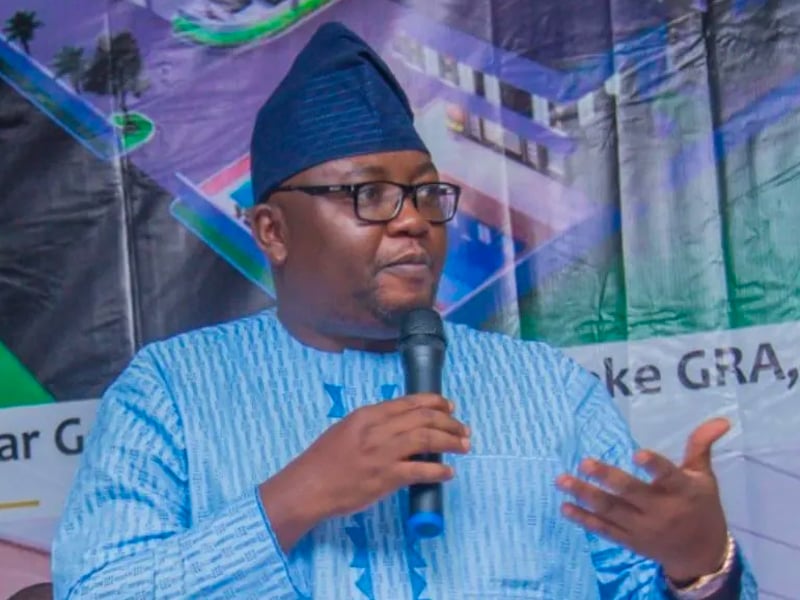
Tunji said the gradual rise in generation output within the period aligns with the assurance earlier given by the Minister of Power, Mr Adebayo Adelabu, at the Power Sector Working Group, where he pledged improved electricity supply within two weeks.

He explained that the improvement coincided with a steady increase in gas supply to thermal power plants, which rose from approximately 605 million standard cubic feet per day (mmscfd) to over 704 mmscfd within the same timeframe.

Tunji further stated that mechanical availability remained stable and even improved, peaking at over 7,796MW in early April, while operational availability rose from about 4,208MW to a peak of over 4,694MW, indicating enhanced efficiency in converting available gas into electricity.

“Despite minor fluctuations recorded on some days, the overall trajectory points to a gradual recovery in the power sector, driven largely by improved gas supply and better coordination among critical stakeholders,” he said.

He added that the strong correlation between gas availability and generation output underscores the need for sustained interventions in the gas-to-power value chain, given Nigeria’s reliance on thermal power plants.

“To consolidate the gains recorded so far, the minister recently inaugurated a Gas-to-Power Monitoring Committee to ensure improved coordination, real-time monitoring, and sustained gas supply to generating companies.

See also  US ‘not concerned’ by reports Russia aiding Iran — Official

“The committee is expected to address bottlenecks in gas delivery, enhance synergy between gas producers and power generation companies, and ultimately guarantee a more stable and reliable electricity supply across the country,” he said.

Tunji noted that the minister remains committed to sustaining and improving the gains recorded in the coming weeks.

He assured Nigerians that ongoing reforms and targeted interventions would continue to yield measurable improvements in power generation and supply.

“We are not there yet, but we will continue to ensure measurable improvements,” he said.

Tunji also said the minister urged the new management of the Nigeria Electricity Management Services Agency (NEMSA) to improve its Internally Generated Revenue (IGR).

Adelabu gave the charge during a visit by the newly appointed Managing Director of the agency, Mr Olusegun Adesayo, and the Chairman of the Board, Mr Ikechi Nwosu, to his office over the weekend.

The minister advised the agency to focus on boosting IGR while reducing dependence on government appropriation, particularly for operational costs.

He also urged the management to establish more meter testing centres across the country to enhance its operations.

Expressing confidence in the new leadership, Adelabu assured that the full board of the agency would be inaugurated soon.

“I have no doubt about your ability, and I can also say that with your appointment by the president, you will do well. The President knows what he is doing by appointing you, and any appointee of the president will have my full cooperation,” he said.

He further decried the shortage of manpower, particularly meter installers, and reiterated the need for collaboration between the National Power Training Institute of Nigeria and NEMSA to address the challenge.

See also  Missing transformer: Owa Obokun removes Oba Odo of Ilesa, Gbadamosi

“We need to ensure more installers are trained in order to accelerate the government’s plan to bridge the meter gap in the country,” he said.

On meter testing stations, he said, plans should be made to establish them across all geopolitical zones.

He also urged the NEMSA Managing Director to conduct a comprehensive assessment of the agency to identify key challenges.

Earlier, Adesayo informed the minister of his engagement with other agencies to secure their support and highlighted areas where the ministry’s assistance would be required for effective service delivery.

NAN

punch.ng

FOLLOW US ON:
FACEBOOK

TWITTER

PINTEREST

TIKTOK

YOUTUBE

LINKEDIN

Continue Reading

News

Fire service blames power surge for Kwara fire

Published

on

The Kwara State Fire Service has attributed a fire outbreak in the Pakata area of Ilorin to a power surge, noting that swift intervention by its personnel prevented widespread destruction.

PUNCH Metro learnt that the incident occurred at No. 61, Ita-Ogunbo area, Pakata Road, Ilorin, on Saturday at 11:09 am.

Confirming the incident in a statement signed on Sunday by the Public Relations Officer and Head of Media Unit, Mr Hassan Adekunle, on behalf of the Director of the Kwara State Fire Service, the agency said, “The Kwara State Fire Service responded to a fire outbreak at No. 61 Pakata Road, Ita-Ogunbo Area, Ilorin, Kwara State.

“The incident involved a building comprising eight rooms and five shops, of which one shop was affected by the fire.”

Adekunle said firefighters promptly arrived at the scene and, through swift intervention, successfully contained the fire, preventing it from spreading to other shops, rooms, and nearby properties.

“Preliminary investigations revealed that the fire was caused by a power surge, which ignited combustible materials within the affected shop.

“The Director of the Kwara State Fire Service, CFS Alabi Muhammed, advised residents and business owners to use standard electrical installations, install surge protectors, and avoid leaving electrical appliances unattended during unstable power supply.

“He further emphasised the importance of equipping premises with portable fire extinguishers to tackle fires at an early stage.

“The Kwara State Fire Service reiterates its commitment to protecting lives and property and urges the public to remain vigilant at all times,” he said.

See also  Oyedele reveals how tax reform will protect low-income Nigerians

punch.ng

FOLLOW US ON:
FACEBOOK

TWITTER

PINTEREST

TIKTOK

YOUTUBE

LINKEDIN

Continue Reading

News

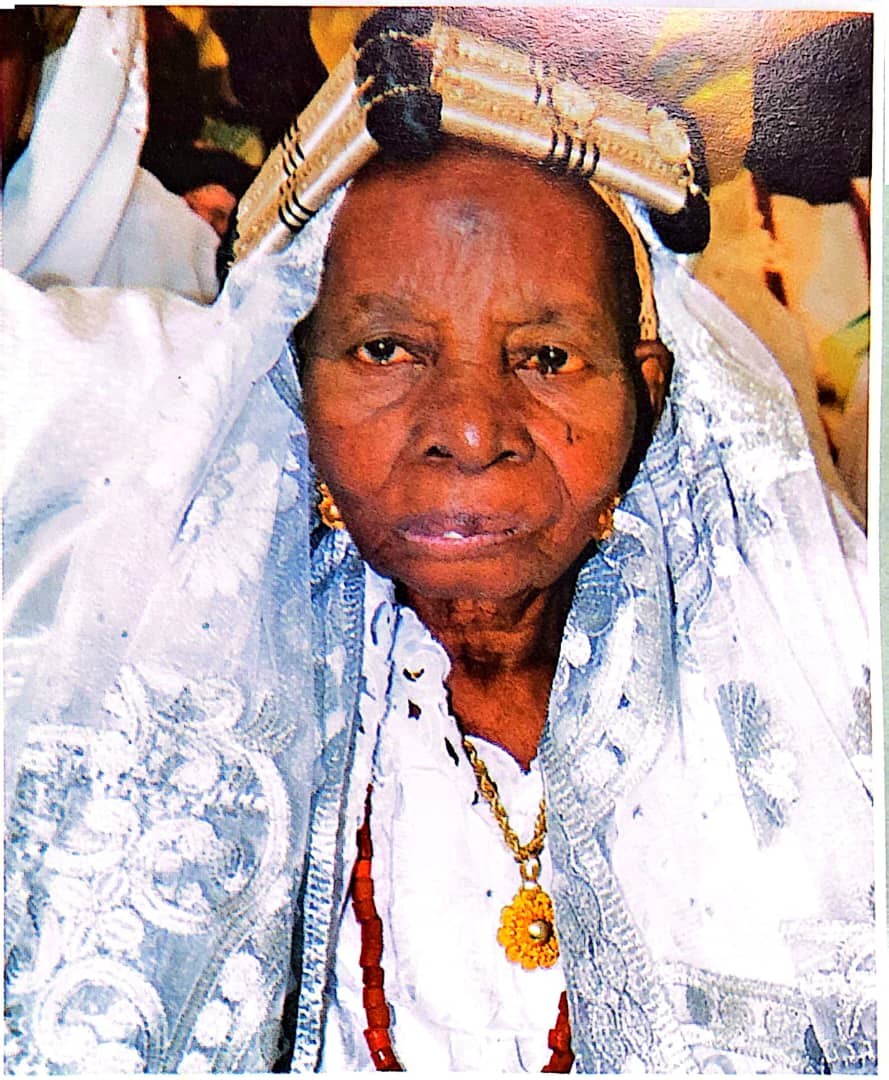
PHOTOS: Daughter Of 48th Ooni of Ife dies at 102

Published

on

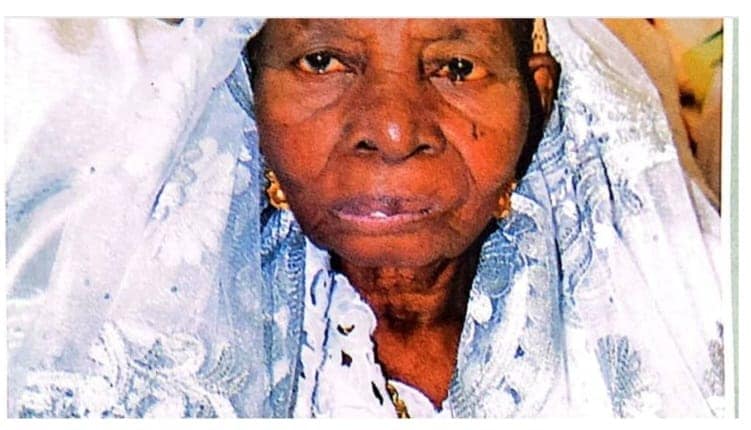
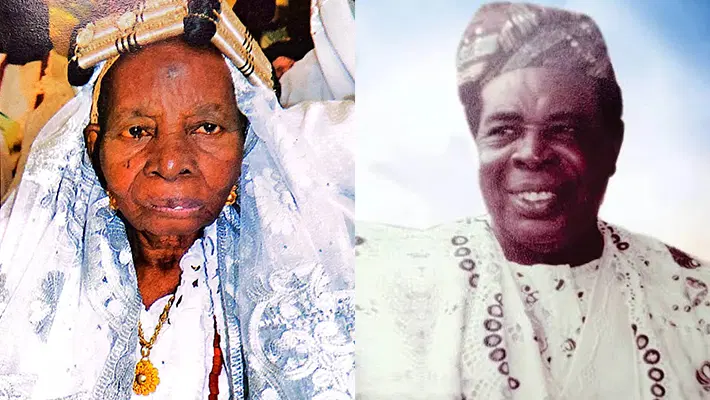
Alhaja (Princess) Rafatu Ademinure Awofisayo, the last surviving child of the 48th Ooni of Ife, Oba Ademiluyi Ajagun Lawarikan I, has passed away at the age of 102.

It was reports that she died peacefully in early April 2026, according to family sources.

Reacting to her death, the Ooni of Ife, Oba Ogunwusi, described her passing as the close of a long chapter in the town’s history. In a statement through his media office, he spoke about her role in preserving her father’s legacy and her efforts in promoting unity among people of different beliefs in the community.

Princess Awofisayo was born into the Otutu Royal Compound of the Lafogido Ruling House in Ile-Ife.

She remained the only surviving direct child of her father, who ruled between 1910 and June 1930.

With her passing, many see it as the end of a living link between present-day Ile-Ife and its early 20th-century royal history.

She started her education at Salvation Army Elementary School in Ile-Ife and later continued at Saint Paul’s Anglican Church Elementary School in Aiyegbaju, Olopo, after her father’s death. She was raised by her mother, Olori Elizabeth Odunlade Ige Ademiluyi, and became involved in small-scale trading from a young age, dealing in items such as mats, kolanuts and palm oil.

In 1942, she got married to the late Alhaji Jimoh Elutide Awofisayo, a farmer and cocoa trader from Ilode in Ile-Ife. Over time, she became well known within the Muslim community in Ifeland and held several titles, including Iya Adinni, which was her most recognised position.

See also  PDP HQ showdown: Makinde, Wike factions hold rival NEC sessions today

She is survived by six children, along with many grandchildren and great-grandchildren. The family has not yet announced details of her burial.

FOLLOW US ON:

FACEBOOK

TWITTER

PINTEREST

TIKTOK

YOUTUBE

LINKEDIN

Continue Reading

Trending