Connect with us

Lifestyle

PHOTOS: Help me find my mother – Nigerian lady in search of her mother who relocated abroad when she was four and has not been in touch since then

Published

on

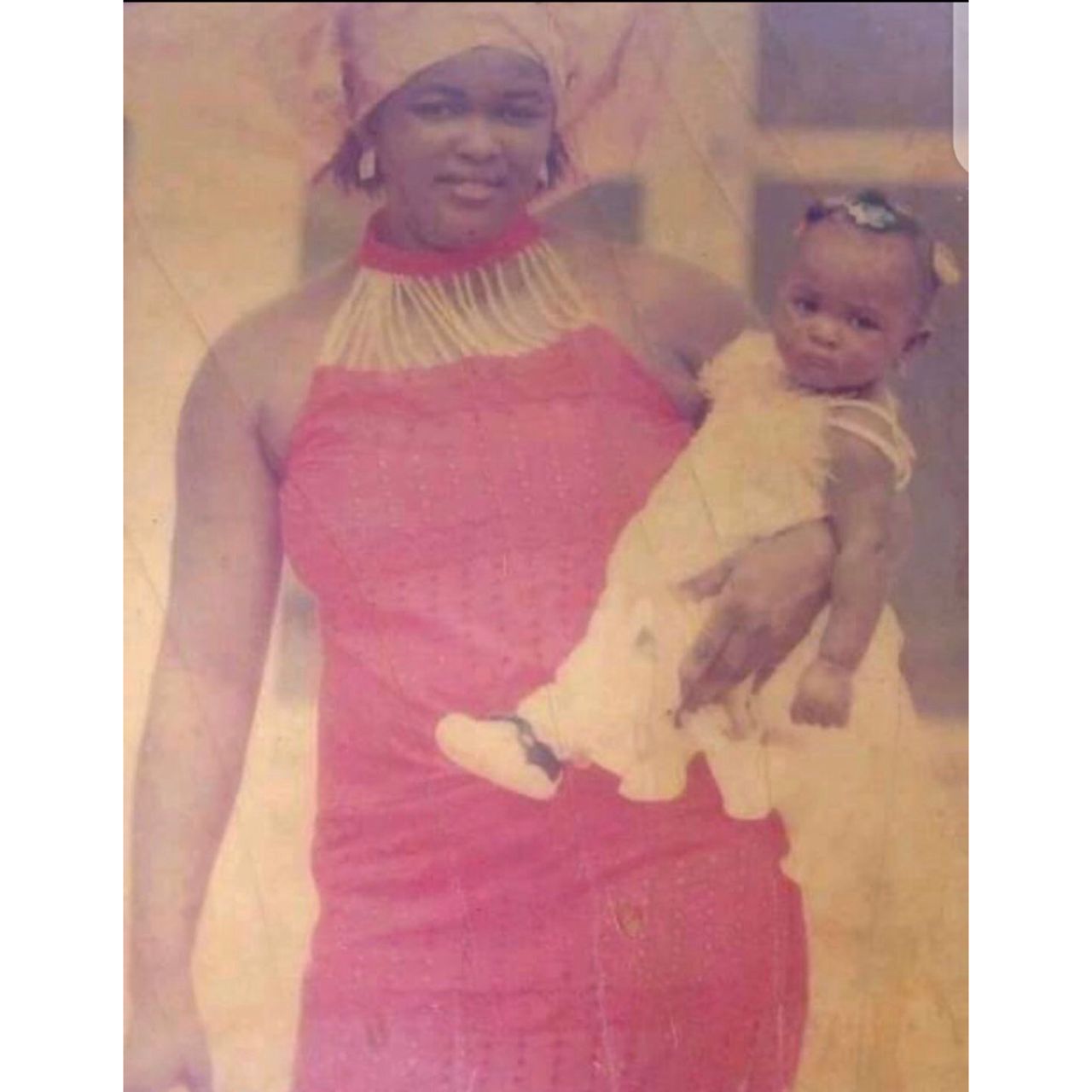
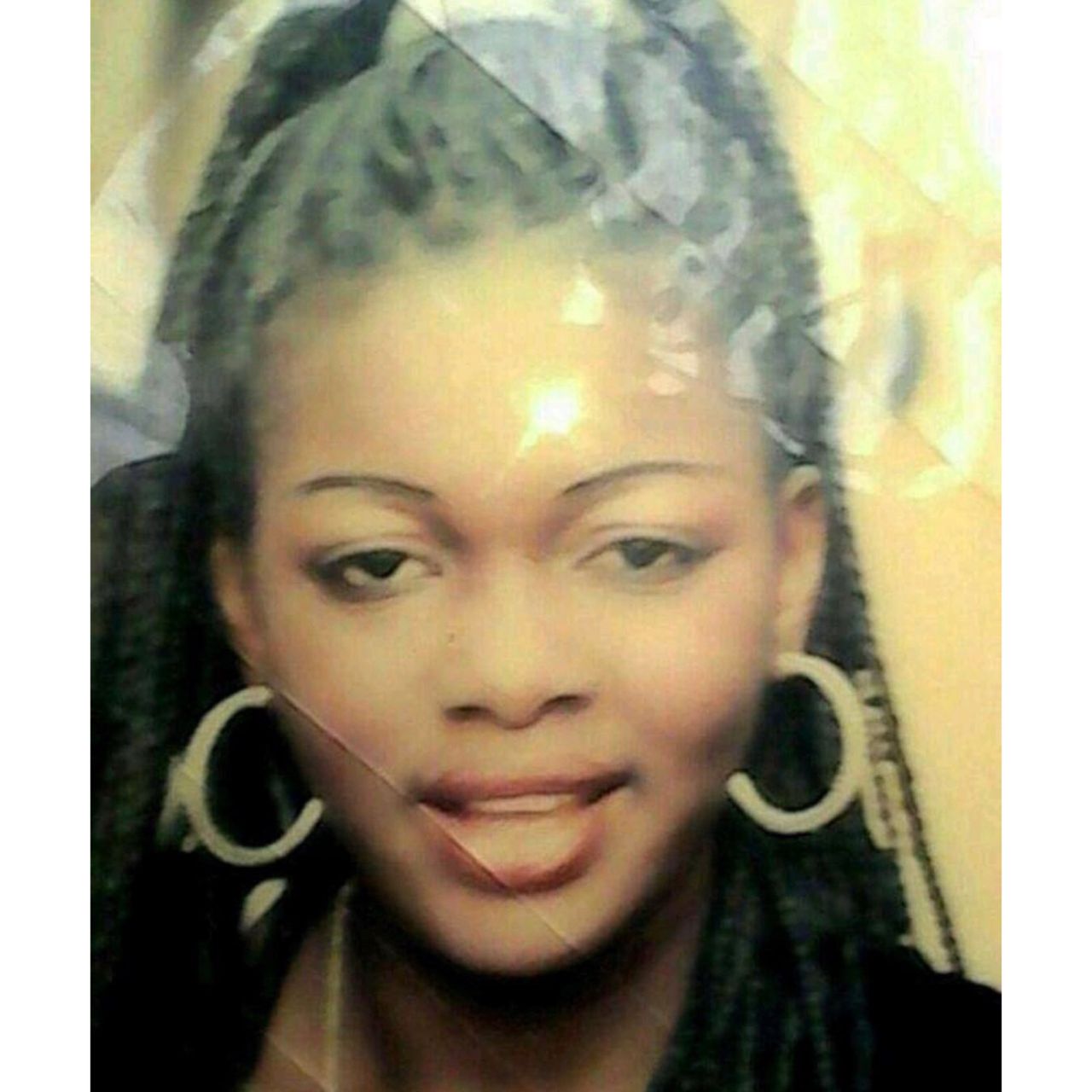
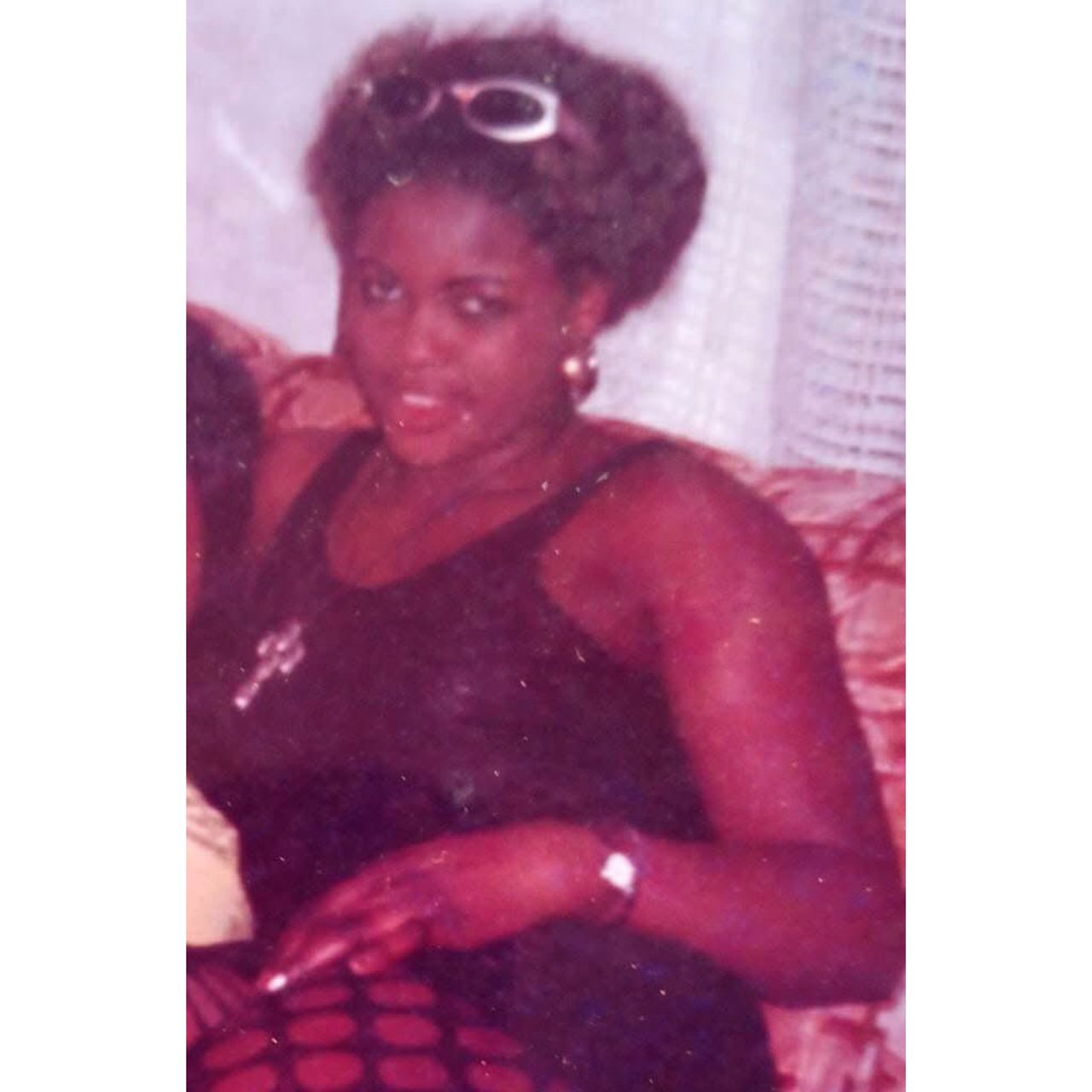
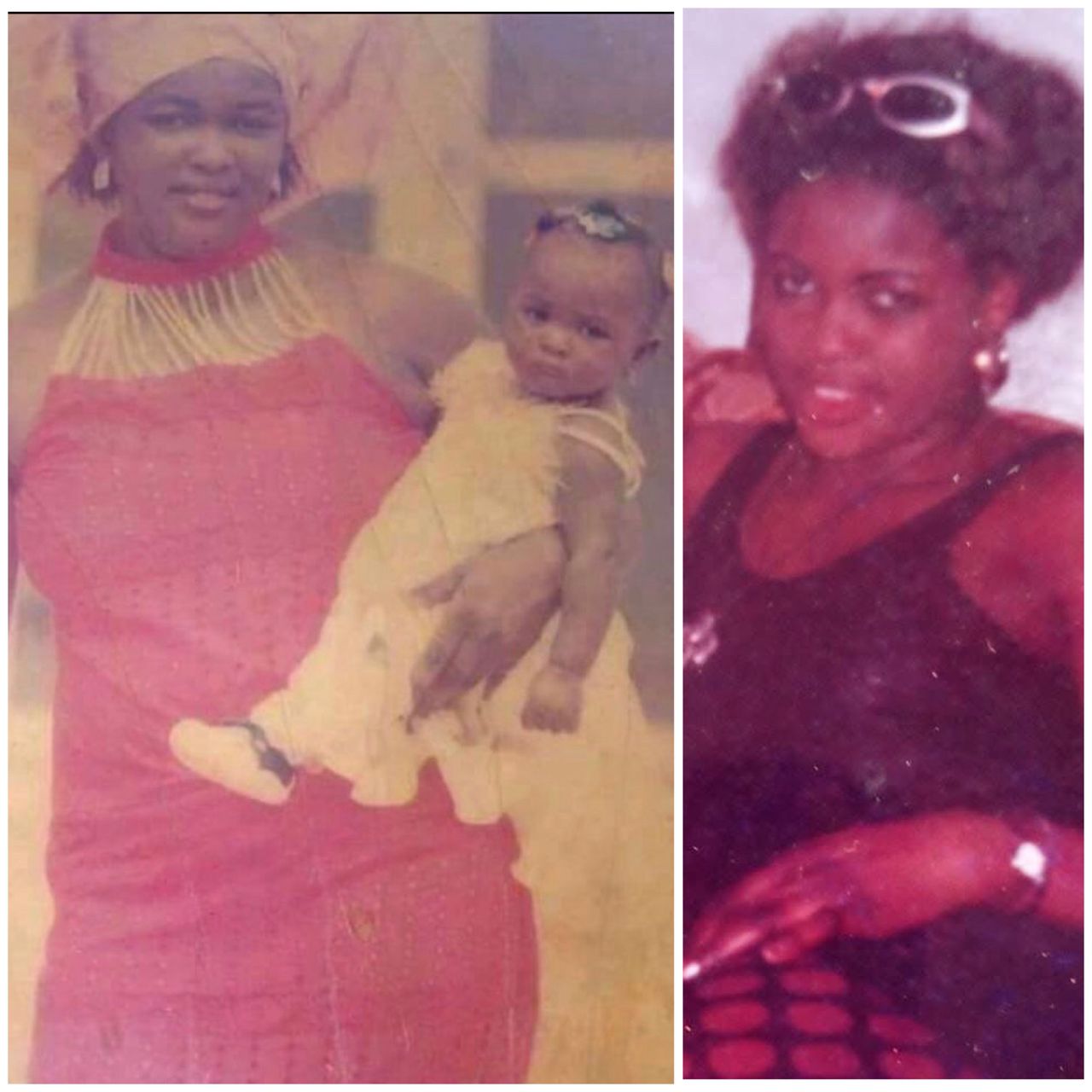
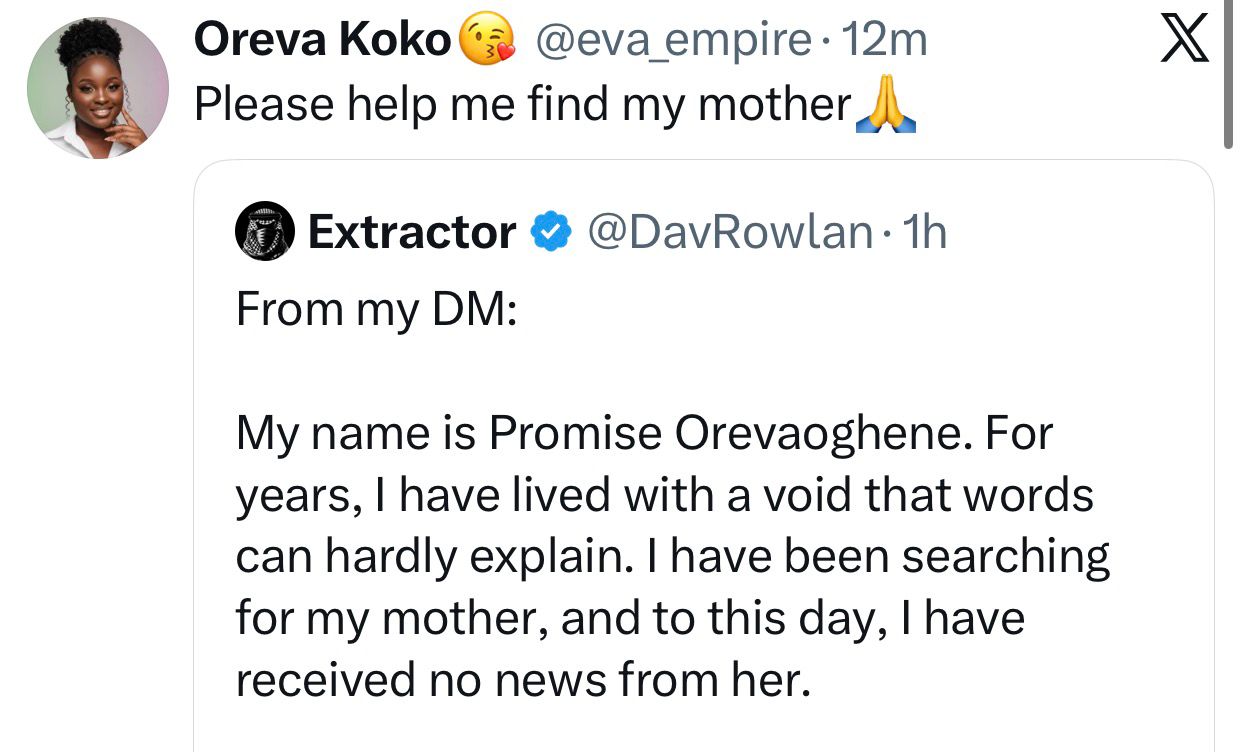
A Nigerian lady, Oreva Koko, has taken to social media to cry for help in finding her mum.

In a post shared on social media, Oreva mentioned that her mum travelled out of Nigeria when she was four and has not been in touch since then.

Her post reads

‘’My name is Promise Orevaoghene. For years, I have lived with a void that words can hardly explain. I have been searching for my mother, and to this day, I have received no news from her.

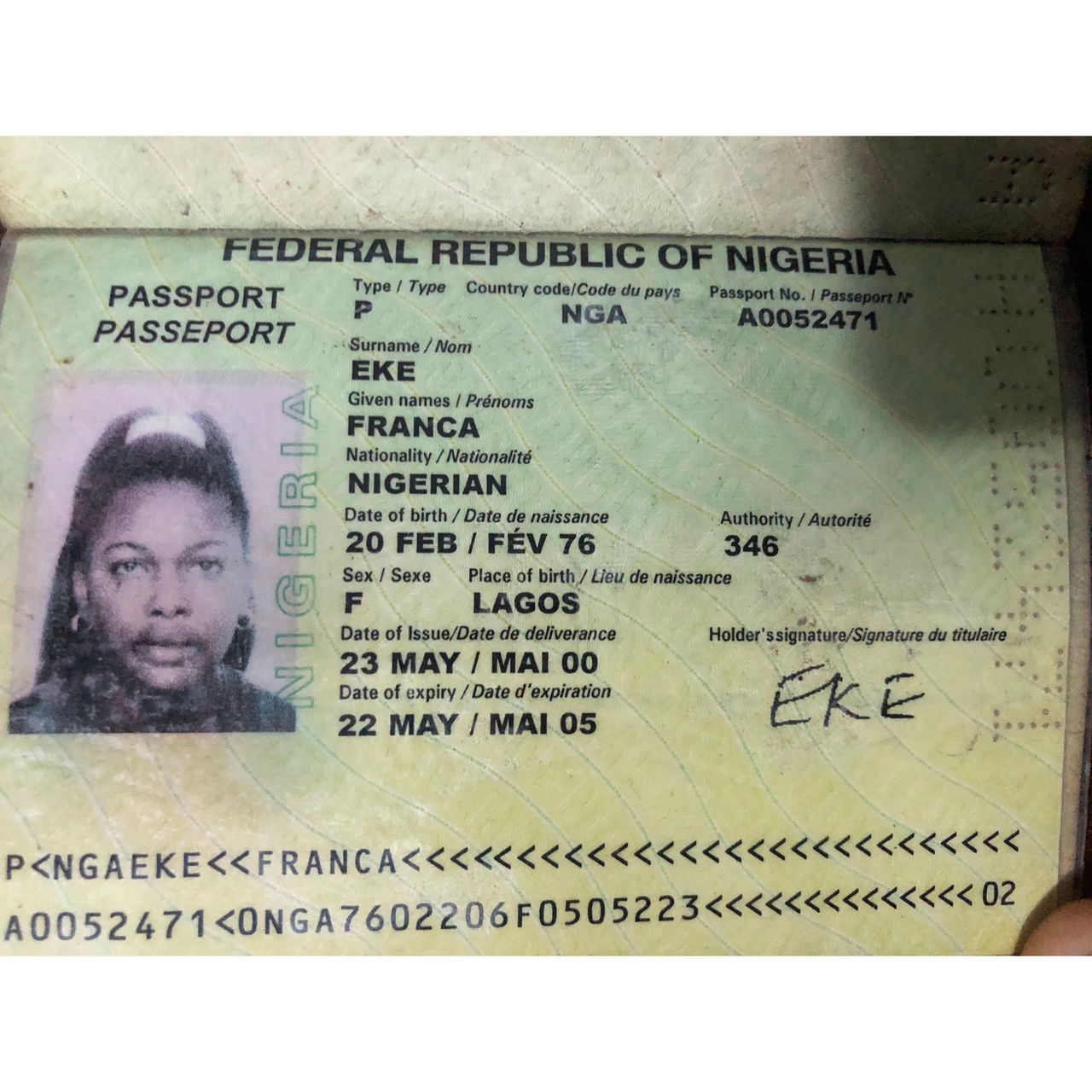
Her name is Francisca Jennifer Ogheneghalome Eke. She is a Nigerian born on February 20, 1976, in Lagos and is originally from Umunede in Delta State.

In 2007, when I was just 4 years old, she travelled abroad, and since that day, I have not heard from her again. I grew up not knowing where she went or what happened to her. Even her family is unsure of her exact location, but it is believed she may have travelled to France, Germany, or Spain.

Her siblings are Faith Eke, Doris Eke, and Solomon Eke. Her mother’s name is Patricia Eke, who is popularly known as Mamo.

This is more than just a search; it is a cry from a child who has grown up still hoping to find their mother.

If you have seen her, know anything about her, or have any information at all, please reach out.

All questions and information should be directed to

@eva_empire .

Please help share this widely. Someone, somewhere might know something that can bring us back together.”
See also  Sultan declares Friday Eid, police, NSCDC mobilise nationwide

FOLLOW US ON:

FACEBOOK

TWITTER

PINTEREST

TIKTOK

YOUTUBE

LINKEDIN

Continue Reading
Click to comment

Leave a Reply

Your email address will not be published. Required fields are marked *

Lifestyle

Adeboye, Oyedepo seek stronger US support against terrorism

Published

on

The General Overseer of The Redeemed Christian Church of God, Pastor Enoch Adeboye, and the Presiding Bishop of Winners’ Chapel, David Oyedepo, have called for stronger United States support in tackling terrorism in Nigeria, warning that the country is nearing a breaking point due to persistent insecurity.

They stated this at the 2026 Faith Defender Award Gala at the Hilton Garden Inn on Capitol Hill, Washington, D.C., on June 23, according to a press release signed by the President of Save Nigeria Group USA, Stephen Osemwegie.

Adeboye urged the United States and its allies to intensify support for Nigeria in its fight against insecurity, and he made a direct appeal for more international support.

“If you want to help us, help us more. No matter who is in office in Nigeria, only God can help us. Use your influence to help us,” the cleric emphasised.

“Thank God for Trump. He means business,” he added, commending U.S. President Donald Trump’s stance against terrorism, although he noted he did not agree with all of his positions.

In a keynote address delivered on his behalf, Oyedepo painted a grim picture of the situation in Nigeria, describing the country as being “virtually at the brink of collapse” due to unrelenting terrorist attacks and violence.

“My heart bleeds,” he said, while expressing support for proposed U.S legislation aimed at strengthening accountability for terrorism-related atrocities in Nigeria.

Former U.S Ambassador-at-large for International Religious Freedom, Sam Brownback, warned that Nigeria risked violent civil unrest if urgent steps were not taken.

See also  Sultan declares Friday Eid, police, NSCDC mobilise nationwide

“Nigeria is at a fork in the road. Address this insecurity or face violent civil unrest,” he noted.

Human rights advocate Dr Katrina Swett also called for increased U.S. involvement in protecting religious freedom and supporting victims of extremist violence.

“The future is in the hands of Nigerians, but America has powerful leverage to do more,” she added.

The President of Save Nigeria Group USA, Osemwegie, urged the U.S. Congress to pass the Nigeria Religious Freedom and Accountability Act, noting that it would strengthen accountability for terrorism-related crimes.

The event, themed “Thank You, America,” marked the end of a week-long advocacy campaign that included engagements with U.S. lawmakers aimed at boosting international cooperation against terrorism.

Meanwhile, Trump was honoured at the event with the 2026 Faith Defender Award for what organisers described as his administration’s commitment to promoting religious freedom and combating terrorism globally.

punch.ng

FOLLOW US ON:

FACEBOOK

TWITTER

PINTEREST

TIKTOK

YOUTUBE

LINKEDIN

Continue Reading

Lifestyle

Doctors demand public ranking of govs on healthcare performance

Published

on

Medical doctors have called for the public ranking of governors and states based on health outcomes, saying such a system would promote accountability and encourage greater investment in healthcare delivery.

The physicians argued that assessing state governments using indicators such as maternal and child mortality, immunisation coverage, primary healthcare performance and disease control would provide a clearer picture of their commitment to improving citizens’ health.

They noted that making the rankings public could foster healthy competition among states and drive evidence-based policymaking.

Speaking exclusively with PUNCH Healthwise, the President of the Nigeria Medical Association, Prof. Afekhide Omoti, said healthcare failure should not primarily be that of the Federal Government alone.

He said the country must strengthen the state and local governments’ responsibility in financing healthcare.

“Healthcare failure is not only a federal problem. Many primary healthcare centres are under the state and local governments, but remain abandoned.

“States should match federal healthcare interventions, local governments should begin publishing PHC spending reports, governors should be assessed publicly on health outcomes, while federal allocations for health should be tied to measurable performance. Nigeria cannot centralise all blame in Abuja while states neglect frontline healthcare,” he said.

He urged relevant government agencies and health institutions to develop transparent performance assessment frameworks and publish regular scorecards on state health outcomes.

Omoti stressed that measuring and publicising progress is essential to improving health systems and accelerating Nigeria’s journey towards universal health coverage.

Omoti, who spoke on the effect of shrinking donor funding and poor release of budgetary allocation to health, said it was time for states and local governments to fully contribute to the healthcare of their residents.

See also  Brigadier Joshua Nimyel Dogonyaro’s Coup Speech Following the Overthrow of Major General Muhammadu Buhari on August 27, 1985

The NMA president also said that the government should enforce full and timely budget releases to the healthcare sector.

“One major problem is that ministries and hospitals receive partial releases long after budgets are passed. We have observed that the problem is no longer only about budget allocation; it is now fundamentally about budget credibility, release efficiency, and accountability.

“Nigeria can decide to announce ambitious health budgets every year, but if funds are not fully released, poorly utilized, or diverted through bureaucratic bottlenecks, the health sector will continue to deteriorate,” he said.

According to him, the government must move from symbolic budgeting to enforceable health financing reforms.

“Critical healthcare funding should be treated like debt servicing and national security obligations. This means that certain health expenditures, especially primary healthcare, immunization, emergency response, and salaries, should receive automatic statutory releases,” he said.

He said that releases for healthcare funding should not depend on political discretion or quarterly cash-flow politics.

“Healthcare cannot remain the first victim whenever revenue falls short,” he said.

The NMA president said Nigeria’s heavy reliance on oil revenues to fund public services has made healthcare financing unstable.

He called for increased diversification of health financing through increased domestic resource mobilisation and expanded health insurance coverage, among others.

Although the FG finances healthcare through a combination of direct budgetary allocations, mandatory health insurance, the Basic Health Care Provision Fund, and tax-based revenue, donor funding is still used for some health services.

But the funding cuts by the Donald Trump administration in January 2025 are affecting many health services largely funded by donors in Nigeria.

See also  PHOTOS: Chief Candido Joao Da Rocha: Nigeria’s First Millionaire and Lagos’s Water Pioneer

In the wake of the funding crisis, PUNCH Healthwise reported that experts warned Nigeria’s heavy reliance on donor support could trigger a rise in HIV, tuberculosis, and malaria infections, urging the immediate mobilisation of domestic resources.

In August 2025, the United Nations Children’s Fund stated that it faced a $160 million funding gap for crucial humanitarian aid in Nigeria.

But speaking on what the country can do, the NMA president said Nigeria can expand health financing beyond oil revenue.

He listed public-private partnerships, diaspora health investment bonds, among others, to support revenue from oil in financing healthcare in Nigeria.

“Depending heavily on oil revenues makes health financing unstable. Nigeria should diversify health funding through expanded health insurance contributions, sin taxes on tobacco, alcohol, and sugary drinks dedicated specifically to health, public-private partnerships, diaspora health investment bonds, and special intervention funds for health infrastructure,” he said.

punch.ng

FOLLOW US ON:

FACEBOOK

TWITTER

PINTEREST

TIKTOK

YOUTUBE

LINKEDIN


Continue Reading

Lifestyle

Lagos tops Nigeria’s HIV burden as new infections hit 102,025

Published

on

A total of 102,025 new HIV infections were recorded across Nigeria’s 36 states and the Federal Capital Territory in 2025, with Lagos State accounting for the highest number of new cases at 10,430, according to data obtained from the Federal Ministry of Health and Social Welfare’s State of the Health of the Nation Report 2025.

The report, obtained by our correspondent, provides a state-by-state breakdown of newly recorded HIV infections and highlights the geographical distribution of the epidemic despite years of intensified prevention efforts by the Federal Government and its partners.

The data showed that Lagos recorded the highest number of new HIV infections in 2025 with 10,430 cases.

Rivers State followed with 6,287 new infections, while Kano recorded 6,106 cases.

Akwa Ibom reported 5,413 new infections, Taraba had 4,854, Benue recorded 4,804, and Anambra accounted for 4,468 cases. Kaduna registered 3,659 new infections, while Adamawa and the Federal Capital Territory recorded 2,989 and 2,764 cases, respectively, completing the list of the 10 states with the highest number of new HIV infections during the year.

Other states recording more than 2,000 new infections included Sokoto (2,592), Cross River (2,595), Abia (2,546), Imo (2,537), Delta (2,469), Borno (2,311), Ogun (2,107), Plateau (2,084), Niger (2,020) and Ebonyi (2,015).

At the lower end of the scale were Ekiti with 462 new infections, Bayelsa with 982, Gombe with 1,083, Osun with 1,093, Kwara with 1,371, Enugu with 1,429, Yobe with 1,483, Katsina with 1,541 and Kebbi with 1,572.

The figures underscore that HIV remains a significant public health challenge in Nigeria despite years of progress in expanding access to treatment and reducing AIDS-related deaths.

See also  PHOTOS: Chiefs of Defence Staff of Nigeria (1980 – Present)

Nigeria is home to one of the largest HIV treatment programmes in the world, with millions of people living with the virus receiving life-saving antiretroviral therapy through government-supported facilities and donor-funded interventions.

However, public health experts have consistently warned that reducing new infections remains one of the country’s greatest challenges, particularly among young people, adolescent girls and young women, infants exposed to HIV, and key populations.

In recent years, the Federal Government, working through the National Agency for the Control of AIDS, has intensified efforts to curb the spread of HIV by expanding free HIV testing services, increasing access to antiretroviral medicines, scaling up Prevention of Mother-to-Child Transmission programmes, promoting pre-exposure prophylaxis for high-risk groups, strengthening community awareness campaigns and improving surveillance through digital health information systems.

The government has also adopted the global 95-95-95 targets, aimed at ensuring that 95 per cent of people living with HIV know their status, 95 per cent of those diagnosed receive sustained treatment, and 95 per cent of those on treatment achieve viral suppression.

Health authorities say achieving these targets is essential to ending AIDS as a public health threat by 2030.

Speaking during the launch of the 2025 Global AIDS Update on July 10, 2025, UNAIDS Executive Director Winnie Byanyima warned that while the world has made remarkable gains in reducing HIV infections and AIDS-related deaths, progress remains fragile.

She noted that approximately 1.3 million people acquired HIV globally in 2024, stressing that sustained investments in prevention, testing and treatment are critical to keeping the epidemic under control.

See also  Brigadier Joshua Nimyel Dogonyaro’s Coup Speech Following the Overthrow of Major General Muhammadu Buhari on August 27, 1985

Earlier, at a Multistakeholder Consultation on the Global AIDS Strategy on April 28, 2025, Byanyima cautioned that HIV “is not over,” urging governments to strengthen domestic financing and maintain prevention programmes to avoid a resurgence of infections.

Similarly, NACA Director-General, Dr Temitope Ilori, has repeatedly stressed the need for stronger domestic financing and community-led interventions to sustain Nigeria’s HIV response.

Speaking at various engagements in 2025, she said Nigeria was committed to reducing new HIV infections through improved access to testing, treatment and prevention services while strengthening the country’s health systems.

Public health experts have also warned that declining international donor funding could undermine decades of progress if governments fail to increase domestic investment in HIV programmes.

According to UNAIDS, interruptions in prevention services could lead to a rise in new infections, particularly in countries with high HIV burdens such as Nigeria.

Although Nigeria has made significant progress compared to previous decades, the 102,025 new infections recorded in 2025 illustrate that the epidemic remains far from over.

The latest data suggest that the country’s HIV burden continues to be concentrated in a handful of states, with Lagos, Rivers and Kano accounting for a substantial proportion of newly reported cases.

punch.ng

FOLLOW US ON:

FACEBOOK

TWITTER

PINTEREST

TIKTOK

YOUTUBE

LINKEDIN

Continue Reading

Trending