Connect with us

Business

FG, AFC ink $1.3bn mining investment deal

Published

on

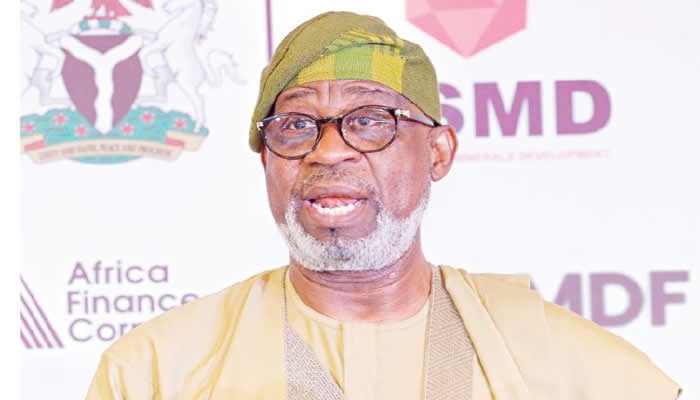
The African Finance Corporation and the Federal Government, through the Solid Minerals Development Fund, have signed an investment agreement to jointly finance three strategic projects, including a $1.3bn alumina refinery, a nationwide geoscience mapping exercise, and a special investment vehicle to unlock Nigeria’s minerals potential.

The agreement, signed in Abuja, marks the climax of months of negotiations between both parties and signals growing investor confidence in ongoing reforms in the country’s mining sector.

According to a statement issued on Sunday by the Special Assistant on Media to the Minister of Solid Minerals Development, Segun Tomori, the alumina refinery is expected to process about one million tonnes of bauxite annually using a modern Bayer-process flowsheet, supported by an on-site gas-fired cogeneration plant to generate steam and power.

The statement read, “The Africa Finance Corporation and the Federal Government, through the Solid Minerals Development Fund, have signed an investment agreement to jointly fund three projects: a $1.3bn alumina project, a comprehensive geoscience mapping exercise, and an investment vehicle to realise the goals.

“The MOU is the climax of talks between AFC and SMDF to jointly fund the construction of a $1.3bn alumina refinery, estimated to generate 1 million tonnes of bauxite ore per annum, utilising a modern Bayer-process flowsheet with an on-site gas-fired cogeneration plant for steam and power.”

Speaking at the signing ceremony, the Minister of Solid Minerals Development, Dele Alake, described the deal as a landmark that would accelerate value addition, create jobs, and significantly increase the sector’s contribution to Nigeria’s Gross Domestic Product.

“This is a landmark deal, poised to transform the mining sector and increase its contribution to the nation’s Gross Domestic Product,” Alake said.

See also  Bank recapitalisation: Local investors provide 72% of N4.6tn

The facility is designed for about 20 years of operation at 95 per cent utilisation, with total alumina output projected at 19 million tonnes over the project’s lifespan.

Government projections indicate that the project could contribute about $1.2bn annually to GDP, generate over $25bn in economic value throughout its lifecycle, and deliver about $8bn in foreign exchange earnings.

Officials said feasibility studies conducted by both AFC and SMDF confirmed the commercial viability and global competitiveness of the investment.

“Expected to be Nigeria’s largest mining-sector private investment and a landmark foreign direct investment, the project will contribute $1.2bn to GDP annually, over $25bn to the national economy across its lifecycle, and generate $8bn in foreign exchange earnings. Initial feasibility studies conducted by AFC and SMDF have confirmed the project’s competitiveness and commercial viability, validating the Ministry’s efforts to position Nigeria as a globally competitive minerals destination.

“This initiative delivers on the Ministry’s priority of generating big data on specific minerals, de-risking exploration for international investors, and unlocking the full potential of Nigeria’s minerals.”

The Executive Secretary of SMDF, Hajia Fatima Shinkafi, said the agreement represents the biggest project undertaken by the fund since its establishment.

“We are very proud and honoured to facilitate this phenomenal milestone, which is quite unprecedented since the inception of SMDF. It is a $1.3bn capital expenditure project,” Shinkafi said. “SMDF has come of age to be able to sit here and sign this deal with AFC. I thank AFC for collaborating with us to boost the value addition policy of my boss, Dele Alake.”

See also  Despite xenophobia, South African investors pour nearly $1bn into Nigeria

Beyond the refinery, both organisations also agreed to undertake a comprehensive geoscience mapping exercise to generate reliable data on Nigeria’s mineral resources.

Experts say the absence of credible geological data has been a major barrier to large-scale investment in the sector. The initiative is expected to support exploration, improve transparency, and position Nigeria as a globally competitive mining destination.

“This initiative delivers on our priority of generating big data on specific minerals, de-risking exploration for international investors, and unlocking the full potential of Nigeria’s resources,” the minister noted.

The partners also agreed to establish a joint strategic investment vehicle to accelerate the development of exploration assets across the country. The vehicle will support rapid exploration, development, and production of selected mining leases once exploration campaigns are completed.

Demonstrating the Federal Government’s resolve to accelerate mining development, Alake confirmed that all necessary approvals had been granted to fast-track the AFC–SMDF investments.

“I have directed all relevant agencies under the ministry to ensure seamless processing and grant of all required permits, titles, and regulatory clearances,” he said. “We are determined to ensure that investors do not face unnecessary delays. The era of bottlenecks is over.”

The Permanent Secretary in the ministry, Farouk Yabo, described the agreement as a testament to ongoing reforms in the sector. “This initiative has the potential to put Nigeria on the global mining map. It reflects the transformative leadership that is repositioning the sector and attracting serious private capital,” Yabo said.

The development comes as the Federal Government intensifies efforts to diversify the economy away from crude oil by developing the solid minerals sector. Nigeria holds significant deposits of bauxite, lithium, gold, iron ore, and rare earth minerals, but the sector contributes less than one per cent to GDP due to poor infrastructure, illegal mining, and weak investment.

See also  Stocks drop, oil rises after Trump Iran threat

Recent reforms by the ministry include modernising licensing processes, tightening security around mining sites, and promoting value addition. The AFC partnership could become a model for large-scale investments in Nigeria’s mining sector if successfully implemented.

While Shinkafi signed the agreement on behalf of the Federal Government, Franklin Edochie, Deputy Director and Head of Metals and Mining at AFC, signed on behalf of the corporation. The ceremony was witnessed by the AFC President and Chief Executive Officer, Samaila Zubairu, alongside senior government officials.

The success of the project could determine whether Nigeria’s mining reforms translate into sustained foreign investment and long-term economic diversification.

punch.ng

FOLLOW US ON:

FACEBOOK

TWITTER

PINTEREST

TIKTOK

YOUTUBE

LINKEDIN

TUMBLR

INSTAGRAM

Continue Reading
Click to comment

Leave a Reply

Your email address will not be published. Required fields are marked *

Business

PHOTOS: Lee Group’s industrial park targets 15,000 jobs, 29 factories

Published

on

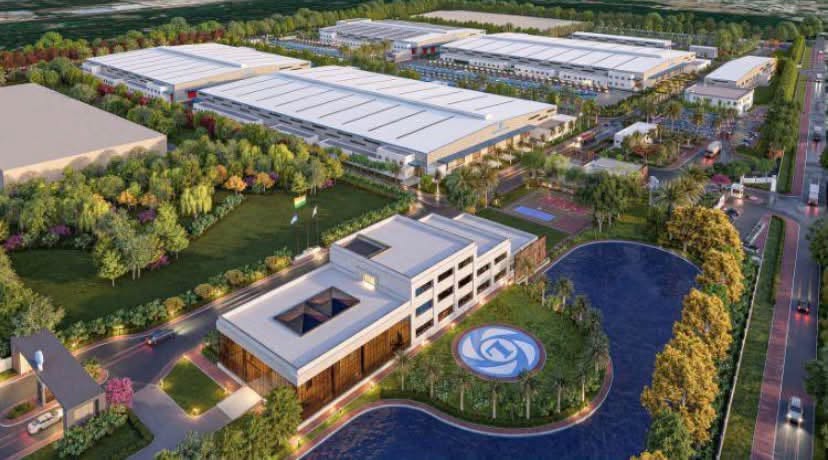
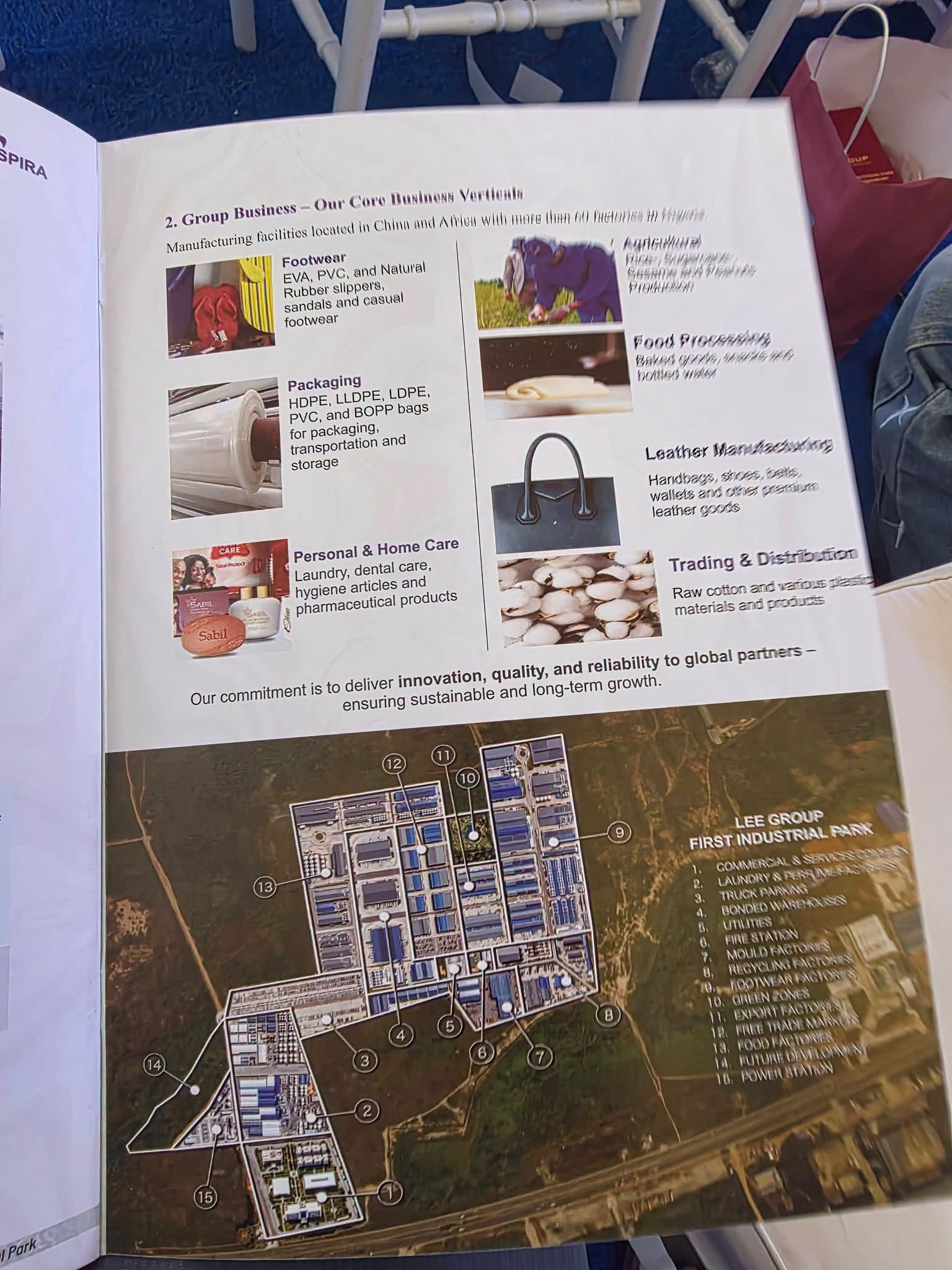
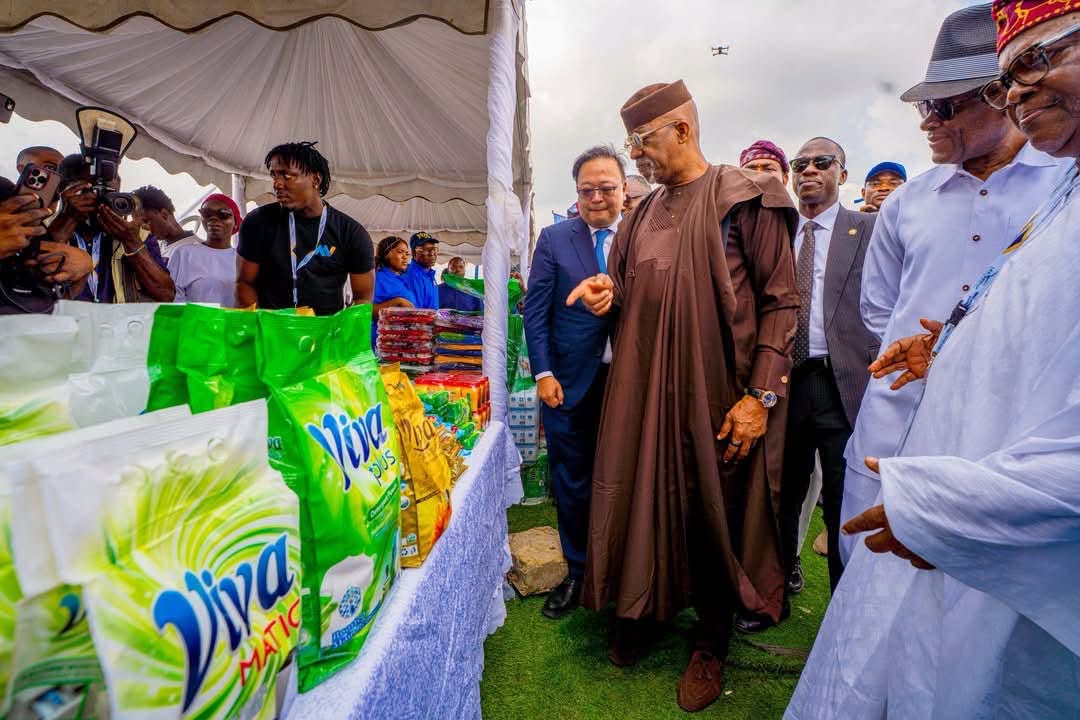
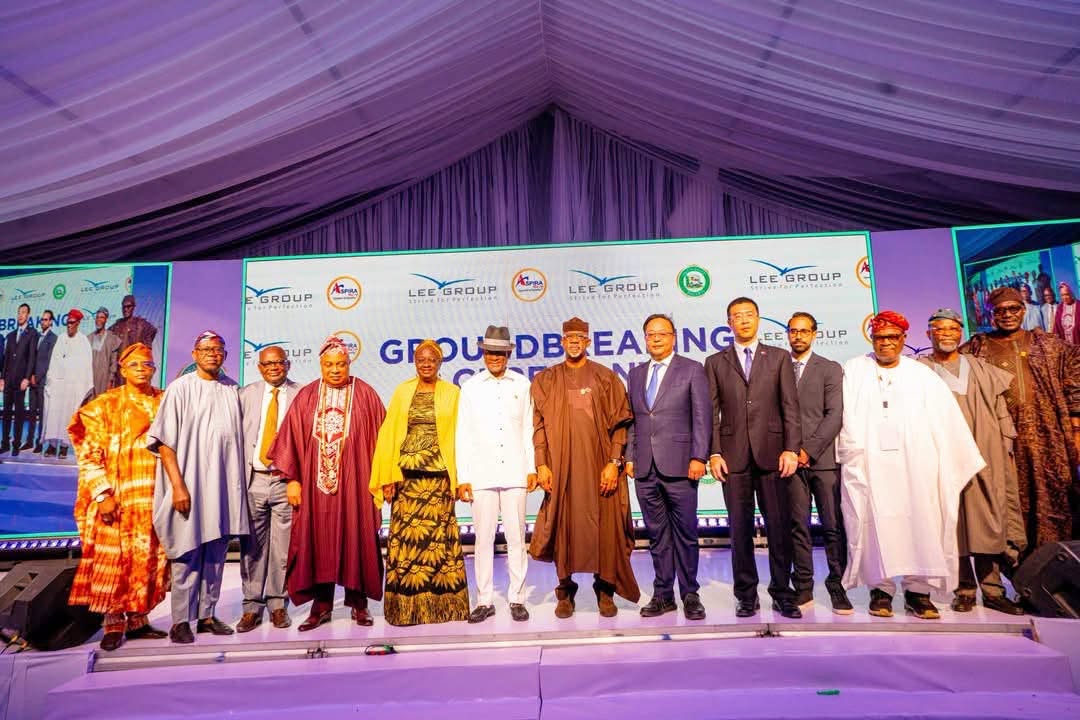
The Lee Group of Companies has commenced the development of a $1.8bn industrial park in Ogun State, with plans to establish more than 29 manufacturing facilities and generate about 15,000 direct and indirect jobs upon completion.

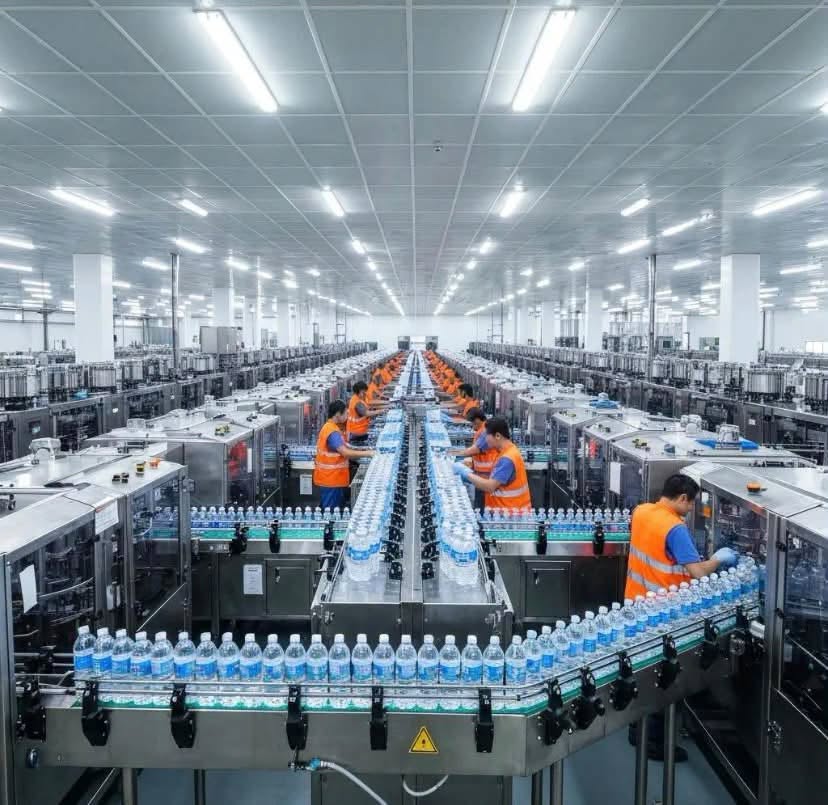
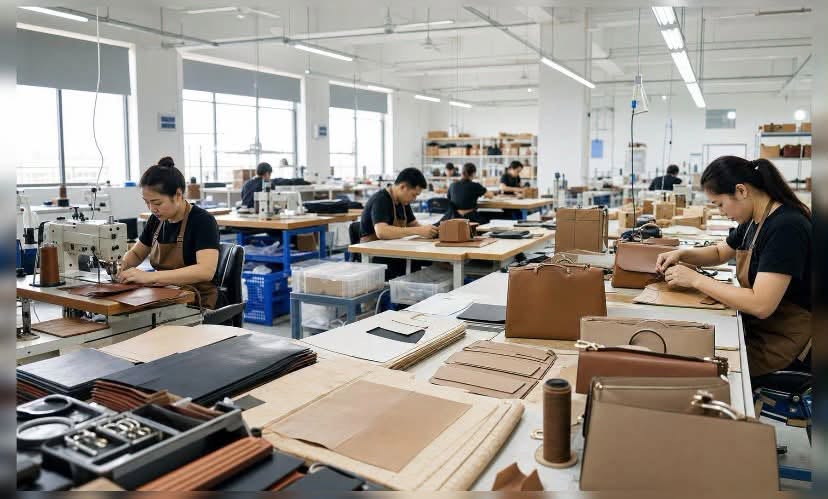
The 450-hectare industrial park, located at Makun Bridge, near the Sagamu Interchange along the Lagos-Ibadan Expressway, is expected to accommodate manufacturing businesses covering food and beverages, footwear, leather processing, detergents, personal care products, automotive components, plastics and recycling.

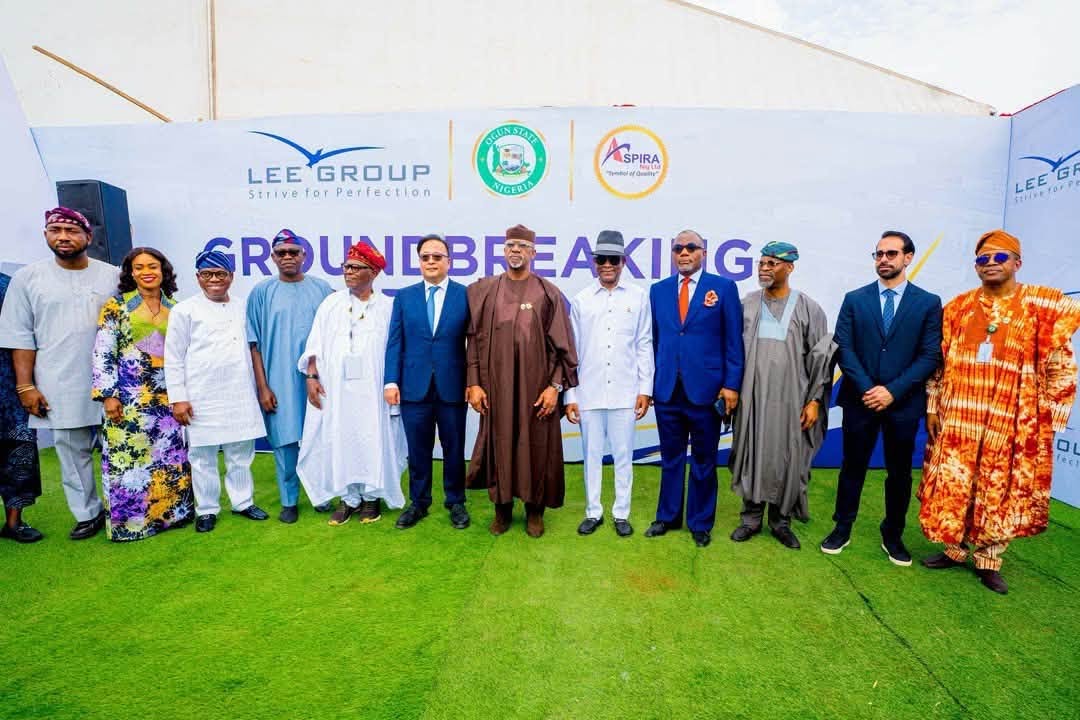
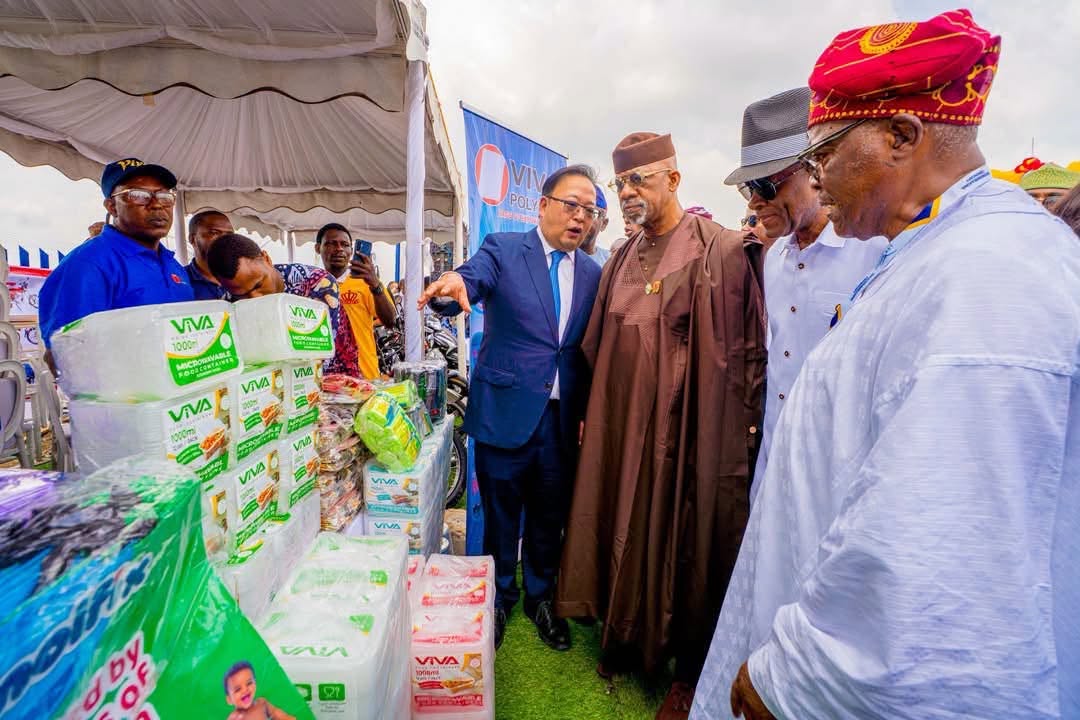
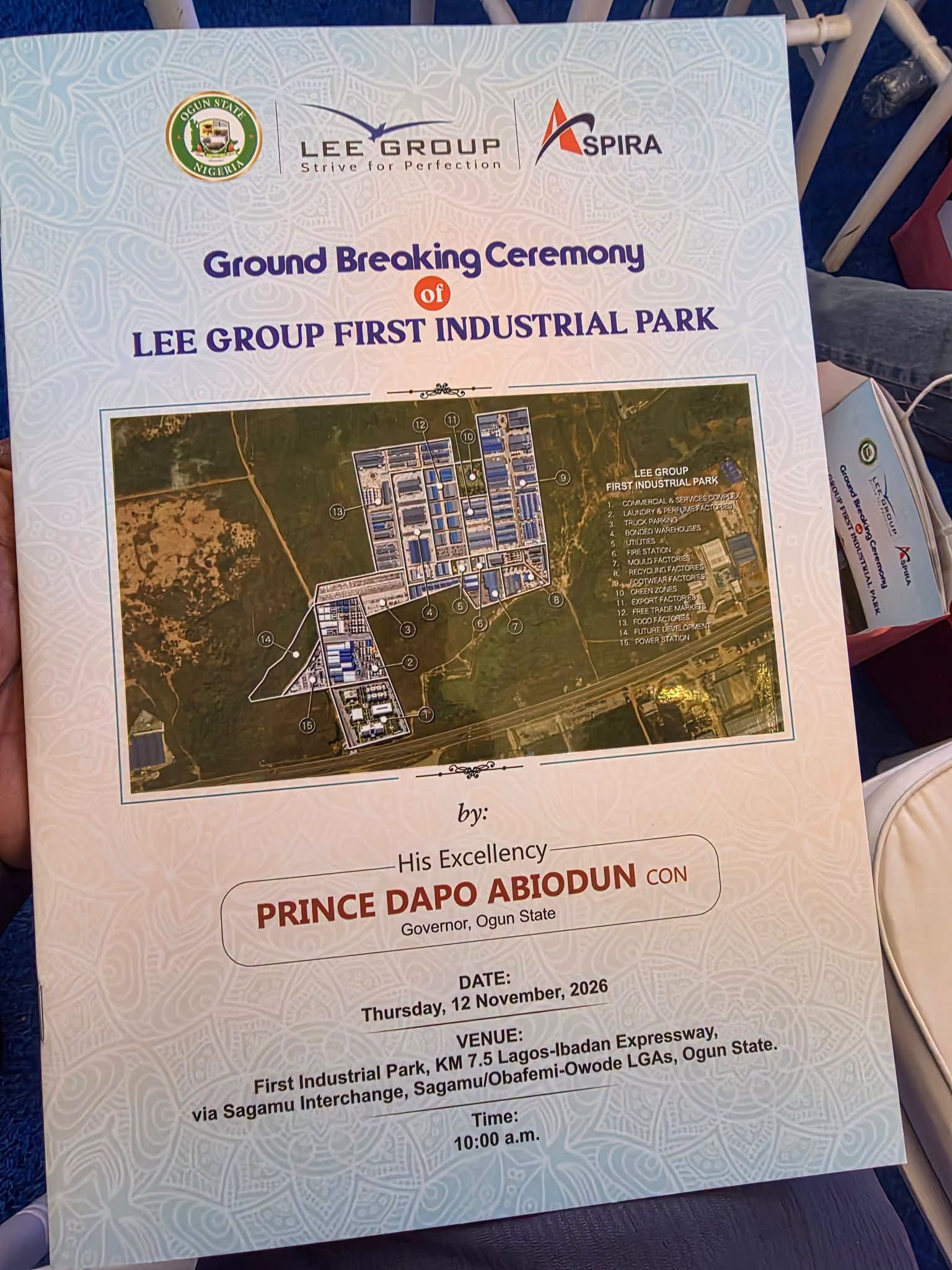
The Chairman of Lee Group, Mr Sheau Lee, disclosed this on Thursday during the groundbreaking ceremony of the project, which he said was conceived in 2009 by his late father, Mr Man Lung Lee, as his final project in Africa.

Lee said the proposed development, which was initially planned for about 650 hectares, would have an estimated gross development value of $3bn when completed.

He explained that the investment would be implemented in phases, with more than 29 factories expected to be established on the site.

According to him, the industrial park is designed primarily to serve the Nigerian market through local manufacturing rather than the conventional model of developing industrial plots for resale or rental.

He said, “On this site, we envisage an investment of approximately $1.8bn over the coming years, with more than 29 manufacturing facilities planned, and approximately 15,000 direct and indirect jobs expected. The completed development is projected to have a gross development value of $3bn.

“This investment is founded on our confidence in the Nigerian market. The country’s population and domestic demand offer substantial opportunity for local production, while its location allows manufacturers to serve neighbouring countries as well.

See also  Dangote, importers battle as fuel prices holds above N1,000

“Our park will operate outside the Free Trade Zone system, with the focus of meeting Nigerian consumption through local manufacturing.”

The chairman said the project would be driven by factories owned by the Lee Group and investments undertaken in partnership with other companies, particularly manufacturers from China.

He listed the proposed manufacturing activities to include food and beverages, footwear-related industries, detergent and personal care products, trucks, trailers, automotive activities, PVC leather production, mould manufacturing and plastic recycling.

The chairman, however, said the project had suffered years of delay due to misunderstandings about the company’s intentions, including perceptions that it was involved in land speculation.

He commended Governor Dapo Abiodun for his intervention, which he said helped resolve the issues and enabled the company to proceed with the development.

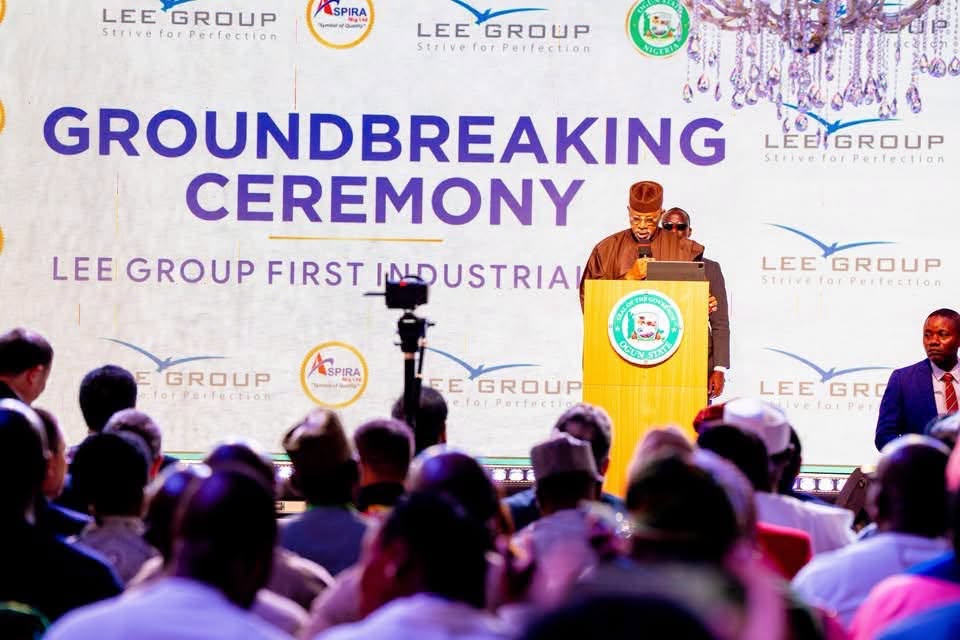
In his remarks, Abiodun described the groundbreaking as a defining moment in Ogun State’s industrialisation drive, saying the project represented a major vote of confidence in the state’s investment climate.

The governor said the development was particularly significant because it had been conceived several years before his administration but had remained unrealised until his government engaged the investors.

He said, “Today is a day of celebration of perseverance, focus and tenacity. These initiatives were procrastinated by others before me. But today, we’re here conducting this flag-off.

“It represents a very defining moment in our collective journey towards building a prosperous, industrialised and economically competitive Ogun State.

According to the governor, the proposed 450-hectare facility would significantly strengthen the state’s manufacturing base and attract additional commercial activities to the surrounding communities.

See also  Cooking gas prices ease as supply improves

He said nearly 80 per cent of the land would be devoted to industrial production, while the remaining facilities would support commercial activities, exhibitions, bonded warehousing, road networks and other essential services.

The governor urged the company to prioritise local employment, skills development and technology transfer, assuring the investors of the state government’s continued institutional support.

He also described the project as an endorsement of President Bola Tinubu’s economic reforms, particularly the Federal Government’s efforts to promote local manufacturing and reduce dependence on imported goods.

Speaking at the event, the Minister of State for Industry, Trade and Investment, Senator John Enoh, described the project as an important step towards implementing Nigeria’s industrial policy, which prioritises productivity, value addition and economic transformation.

Enoh said the Federal Government had unveiled a new Nigerian Industrial Policy in February 2025, adding that the establishment of industrial parks and manufacturing clusters was central to achieving its objectives.

FOLLOW US ON:

FACEBOOK

WHATSAPP CHANNEL

TWITTER

PINTEREST

TIKTOK

YOUTUBE

LINKEDIN

INSTAGRAM

Continue Reading

Business

Widow sues Airtel, ATC for N232m over noise pollution

Published

on

A widow, Mrs Sarah Akinya, has filed suit against Airtel Networks Limited and ATC Nigeria Wireless Infrastructure Limited before the Lagos State High Court, demanding N232m in damages over alleged noise pollution, structural damage and environmental nuisance caused by a telecommunications mast near her residence in Okota, Lagos.

Akinya, who instituted the suit for herself and members of her household, is also seeking an order compelling the companies to dismantle and relocate the installation or restraining them from continuing operations allegedly affecting her property.

The suit, marked LD/970/2007, is before the Lagos Judicial Division of the High Court and presided over by Justice Bashua.

In her amended statement of claim, the widow alleged that the defendants’ telecommunications facility, identified as LAG 101 Base Station, had subjected her household to persistent noise, vibrations, smoke and fumes since its installation in 2004.

She said she had lived in her four-bedroom bungalow at 2, Alhaji Adeniran Street, off Moshobolaje Street, off Ago Palace Way, Okota, Lagos since December 1995.

According to her, the problem began in April 2004, when Airtel started construction on the adjoining property at 4, Alhaji Adeniran Street, Lagos.

She alleged that the installation, comprising a telecommunications mast, heavy-duty generators, an energy reservoir and fuel storage facilities, was situated about four metres from her property’s perimeter wall.

The claimant, through her lawyer, Ajibola Ajiboye of Fadeson Legal Practice, alleged that the generators’ continuous operation produced noise and vibrations that caused cracks in the walls of her building and boundary fence.

See also  Bank recapitalisation: Local investors provide 72% of N4.6tn

She further claimed that smoke and fumes from the facility spread into her home, settling on furniture and floors and raising serious health concerns for members of her household.

Akinya demands N200m in damages for the alleged nuisance arising from noise, vibrations, noxious fumes, toxic smoke and radiation associated with the installation.

She is also seeking N32m in general damages for alleged annoyance, discomfort, illness, inconvenience, pain and suffering.

Apart from the financial claims, the widow wants the court to compel the defendants to dismantle the telecommunications installation and relocate it to a safer location.

Alternatively, she is seeking an injunction restraining the companies from continuing activities allegedly constituting a nuisance to her household.

The dispute also involves an allegation of negligence over damage to the claimant’s perimeter fence.

She alleged that a trailer conveying a generator to the telecommunications facility struck and damaged the fence in an incident witnessed by maintenance operators.

According to the court documents, the operators promised to repair the damaged section but failed to do so.

The claimant said the weakened fence subsequently collapsed during heavy rainfall, leaving her property exposed and creating security concerns for the occupants.

In support of her allegations, Akinya relied on an inspection reportedly conducted by the Lagos State Environmental Protection Agency, which found that noise levels around the facility exceeded the permitted limits for a residential neighbourhood.

The inspection report recorded noise levels of 71 decibels at the entrance of her property and 61 decibels at a distance of fivemetres.

The readings were reportedly above the prescribed residential limits of 55 decibels during the day and 45 decibels at night.

See also  Trade minister reveals Nigeria is exploring alternative markets as US tariffs takes effect

LASEPA, under its General Manager, Dr Babatunde Ajayi, reportedly directed the facility’s operators to address the noise pollution, install soundproofing measures, redirect exhaust pipes and comply with relevant environmental regulations.

The claimant relied on the agency’s intervention to support her contention that the facility’s operation has interfered with her right to the peaceful enjoyment of her property.

The proceedings took another turn on January 15, 2026, when Justice Bashua ordered the joinder of ATC Nigeria Wireless Infrastructure Limited as the second defendant.

ATC, with an office on the 10th Floor, Alliance Place, 33A, Alfred Rewane Road, Ikoyi, Lagos, was joined on the grounds that it is currently responsible for managing and operating the telecommunications mast.

The claimant’s solicitors, Fadeson Legal Practice, also wrote to ATC’s management on September 2, 2026, concerning the dispute.

Copies of the correspondence were reportedly served on the Registrar of the High Court of Lagos State, Yaba Division.

Source: punchng.com

FOLLOW US ON:

FACEBOOK

WHATSAPP CHANNEL

TWITTER

PINTEREST

TIKTOK

YOUTUBE

LINKEDIN

INSTAGRAM

Continue Reading

Business

World Bank approves $500m Nigeria loan, read details

Published

on

The World Bank has approved $500 million in financing for Nigeria to tackle flooding, restore degraded agricultural land and reduce conflicts between farmers, herders and rural communities across the northern part of the country.

The funding, approved under the Agro-Climatic Resilience in Semi-Arid Landscapes Project, is expected to strengthen climate resilience, improve water management and support agricultural productivity in 19 northern states and the Federal Capital Territory.

According to a statement obtained by The PUNCH from the World Bank’s website on Wednesday, the additional financing will support the restoration of 1.4 million hectares of land and benefit approximately 6.6 million people by 2031.

The financing will also support watershed rehabilitation, erosion control and improved management of natural resources in communities vulnerable to climate-related disasters.

“The World Bank has approved $500m in additional financing for the Agro-Climatic Resilience in Semi-Arid Landscapes Project to help Nigeria scale up climate resilience, restore degraded landscapes, improve water management, and strengthen livelihoods across northern Nigeria.

“By 2031, this fund will help restore landscapes, rehabilitate watersheds, improve erosion and flood management, and build more resilient rural livelihoods, reaching 1.4 million hectares and benefiting 6.6 million people. This is expected to lead to an increase in household incomes, reduced farmer/community/herder conflicts, increases in vegetation health, reduced flooding and associated fatalities, improved soil health and agricultural productivity,” the statement read.

The World Bank explained that the intervention would build on the achievements of the existing ACReSAL project, which commenced in 2022 to address environmental degradation and climate vulnerabilities across northern Nigeria.

See also  NLC strike ultimatum fuels Labour-FG tension

According to the bank, the programme has introduced sustainable landscape management practices on approximately 550,000 hectares and reached more than 4.4 million beneficiaries.

It added that the project had already exceeded its target for improved catchment management, providing a foundation for expanding climate adaptation investments.

The World Bank Country Director for Nigeria, Mathew Verghis, said the additional financing would enable the government to expand interventions that had demonstrated positive results in vulnerable communities.

“ACReSAL has demonstrated that investments in climate-resilient landscapes can improve livelihoods, strengthen food and water security, and help communities in the parts of Nigeria most vulnerable to climate shocks,” Verghis said.

“This additional financing will help scale up proven solutions, restore more degraded land, increase agricultural productivity, and strengthen institutions that can sustain these gains over the long term.”

The bank explained that the project was designed to address interconnected challenges affecting rural communities, including land degradation, declining agricultural productivity, water insecurity and competition over natural resources.

By improving access to productive land and water resources, the intervention is expected to reduce pressures contributing to disputes among farmers, herders and other community groups.

The ACReSAL Task Team Leader, Iganya Agene, said the additional financing would help translate earlier planning and institutional reforms into larger investments capable of improving economic opportunities.

“The additional financing reflects the strong results achieved under ACReSAL and will focus on translating the planning and institutional foundations already established under the project into larger-scale investments that improve climate adaptation, food security, water security, jobs, and economic opportunities,” Agene said.

See also  Despite xenophobia, South African investors pour nearly $1bn into Nigeria

The project is being implemented by the Federal Ministry of Environment in collaboration with the Federal Ministry of Water Resources and Sanitation and the Federal Ministry of Agriculture and Food Security.

It covers all 19 northern states and the FCT, where environmental degradation, flooding and pressure on agricultural resources continue to threaten livelihoods.

The World Bank explained that the additional funding would strengthen institutions responsible for managing natural resources while supporting sustainable economic activities in rural communities.

The intervention is also expected to improve food security by restoring agricultural landscapes, strengthening soil health and supporting more productive farming activities.

The latest approval comes about four months after the World Bank approved a $1.25bn financing package for Nigeria on 29 June, 2026, under the Nigeria Actions for Investment and Jobs Acceleration programme.

The earlier financing comprised a $750m credit from the International Development Association and a $500m loan from the International Bank for Reconstruction and Development, aimed at supporting economic reforms, private investment and job creation.

The fresh $500m approval also comes amid a sustained increase in Nigeria’s indebtedness to the World Bank under President Bola Tinubu.

An analysis of figures published by the Debt Management Office showed that Nigeria’s outstanding debt to the World Bank rose from $14.34bn in March 2023, shortly before Tinubu assumed office, to $20.73bn as of 30 June, 2026.

This represents an increase of approximately $6.39bn, or 44.6 per cent, within the period.

The latest debt stock comprised $19.12bn owed to the International Development Association and $1.61bn to the International Bank for Reconstruction and Development.

See also  Cooking gas prices ease as supply improves

Consequently, the World Bank accounted for approximately 38.02 per cent of Nigeria’s total external debt stock of $54.52bn at the end of June 2026, making it the country’s largest multilateral creditor.

The PUNCH earlier reported that the Federal Government is seeking a fresh $500m loan from the World Bank to establish an infrastructure financing platform, with the proposed approval scheduled for May 25, 2027, just four days before the inauguration of Nigeria’s next president.

Source: punchng.com

FOLLOW US ON:

FACEBOOK

WHATSAPP CHANNEL

TWITTER

PINTEREST

TIKTOK

YOUTUBE

LINKEDIN

INSTAGRAM

Continue Reading

Trending