Connect with us

Business

N11.3tn petrol bill hits Nigerians in seven months

Published

on

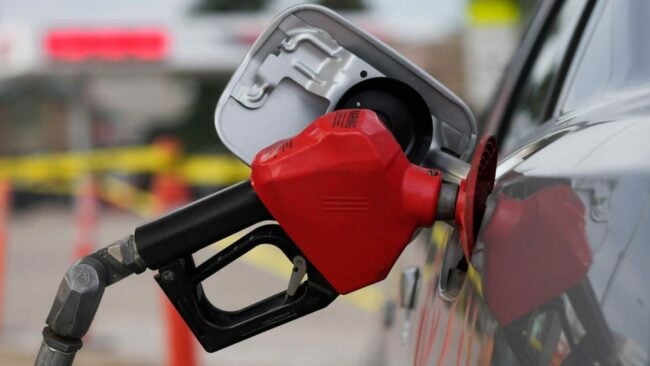
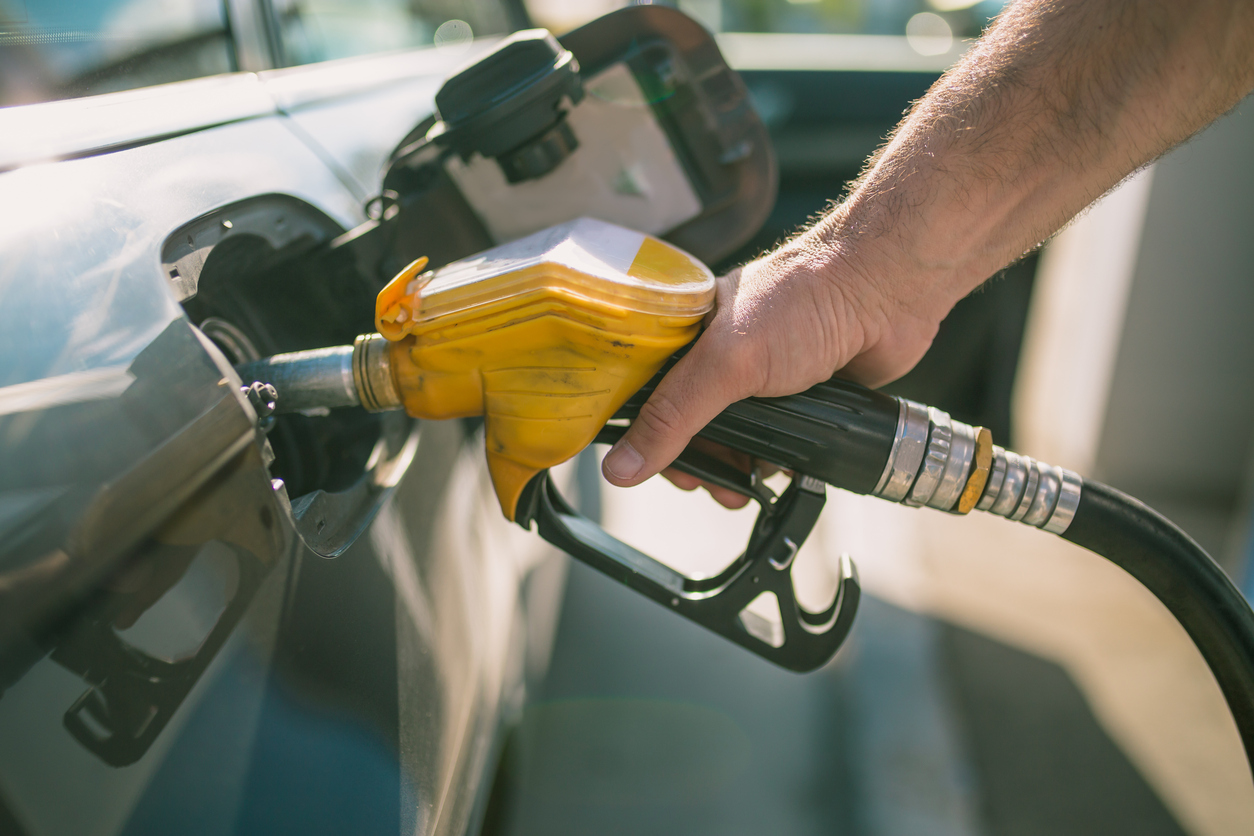
Amid lamentations over rising energy costs, Nigerians spent about N11.3 trillion on Premium Motor Spirit (petrol) between January and July 2026 to power their vehicles and electricity generators, according to data from the Nigerian Midstream and Downstream Petroleum Regulatory Authority.

The NMDPRA July 2026 midstream and downstream statistics showed that approximately 10.37 billion litres of petrol were trucked into the domestic market during the seven months.

An analysis of the monthly volumes against average prevailing petrol prices showed that Nigerians spent N11.3tn on the commodity between January and July this year.

Once subsidised, petrol is the most-used fuel in Nigeria for cars, buses, bikes, tricycles and power generators. Diesel is mainly used by trucks and industries. The removal of petrol subsidies by President Bola Tinubu in 2023 triggered a sharp rise in petrol prices from N175 to the current N1,310 per litre.

According to the NMDPRA report, spending remained above N1tn in each of the seven months, with the monthly bill rising sharply as petrol prices increased from March.

Petrol sold for an average of N830/litre in January and February, before the price rose to N1,100/litre in March, N1,250/litre in April and N1,300/litre in May. The price subsequently moderated to N1,200/litre in June and July.

The price increases, which occurred amid heightened geopolitical tensions involving the United States and Iran, meant that Nigerians continued to spend heavily on petrol even as demand weakened.

In January, about 1.87 billion litres of petrol were consumed, resulting in expenditure of approximately N1.55tn. Consumption fell to 1.59 billion litres in February, with Nigerians spending N1.32tn on the product. However, despite lower volumes, monthly spending increased significantly from March as petrol prices climbed.

About 1.47 billion litres were consumed in March, costing consumers about N1.61tn. The April bill climbed to N1.92tn, despite consumption of about 1.53 billion litres, while May expenditure stood at N1.87tn on 1.44 billion litres.

See also  Akpabio, Yilwatda challenge Nigerians to monitor governors on hardship

In June, Nigerians spent N1.71tn on about 1.42 billion litres, while July recorded the lowest monthly volume of the seven-month period at approximately 1.11 billion litres, with expenditure still reaching N1.33tn.

The figures highlight the impact of higher petrol prices on household and business expenditure, with the country’s total fuel bill remaining above N11tn despite consumption falling considerably from the levels recorded at the beginning of the year.

The decline in demand became particularly pronounced in July, when average daily petrol consumption fell to 35.7 million litres. This was 24.7 per cent lower than the 47.4 million litres consumed daily in June and 24.4 per cent below the 47.2 million litres recorded in July 2025.

July’s consumption was also 44 per cent below the 63.7 million litres per day recorded at the peak in December 2025. The 35.7 million litres per day recorded in July was 28.6 per cent below the 50 million litres per day benchmark for petrol demand in Nigeria.

It was also about 29.4 per cent below the 50.6 million litres per day average recorded over the 13-month period covered by the July statistics. The report shows that the sharp contraction in petrol consumption contrasted with the performance of some other petroleum products.

Diesel consumption stood at 14.7 million litres per day in July, slightly above the 14 million litres per day benchmark. This represented a five per cent increase over the stated daily demand benchmark.

Liquefied Petroleum Gas, popularly known as cooking gas, also recorded consumption above its benchmark, reaching 4.4 kilotonnes per day, compared with a benchmark of 3.9 kilotonnes per day, representing a 12.8 per cent increase.

Aviation fuel, however, recorded a substantial shortfall, with consumption standing at 1.7 million litres per day, 43.3 per cent below its three million-litre daily benchmark.

See also  Abduction crisis: NASS asks FG to name terrorism financiers

The figures point to a divergence in the downstream market, with petrol and aviation fuel consumption significantly below their stated benchmarks, while diesel and LPG remained above theirs.

For petrol, the July decline also represented the lowest daily consumption recorded on the July 2025-July 2026 chart. The development came as consumers faced substantially higher petrol prices than at the beginning of the year, increasing the amount paid for every litre even as the quantity purchased declined.

Overall, the January-July figures show that the country’s petrol expenditure remained exceptionally high, with Nigerians spending N11.3tn on 10.37 billion litres in seven months, while daily consumption had fallen well below both the 50-million-litre benchmark and the average recorded over the preceding 13 months.

Recently, energy experts and economists backed the proposal by former Vice President Atiku Abubakar for a review of the Federal Government’s petrol subsidy policy, urging President Bola Tinubu to introduce targeted measures to cushion the hardship caused by the removal of the subsidy.

The experts, who spoke separately on the development, however, warned against a blanket return to the old subsidy regime, stressing the need for transparency, accountability and proper implementation of any intervention.

They argued that while the removal of the subsidy was necessary, the Federal Government had not adequately managed its consequences, particularly the rising cost of petrol, transportation, food and other essential goods.

The Chief Executive Officer of Petroleumprice.ng Olatide Jeremiah argued that the current petrol price was too high for a country where a large proportion of the population is struggling with extreme poverty and hunger.

“It is quite unfortunate that in a country like Nigeria where 80 per cent of its citizens are poor, you allow the masses to pay N1,300 for petrol at the pump. So, you need to understand that without any government intervention, the citizens will not be able to survive N1300 at the pump.

See also  Govs budget N525bn for security as killings spread

The Petroleumprice.ng boss said the government could consider directing part of the revenue from crude oil sales towards intervention in the prices of petroleum products.

“All over the world, during this crisis between Iran and the US, most countries of the world intervened in the prices of petroleum products. Some have adopted Atiku’s model, and that helps the countries to cap and control prices, pending when it will be resolved,” he added.

Meanwhile, an energy economist, Prof. Adeola Adenikinju, said production subsidy was preferable in principle to consumption subsidy but warned that Nigeria’s history of special interests could undermine such a system.

Adenikinju also advocated improved mass transportation, saying the government should do more to reduce the burden of transportation on households.

“Another thing that I thought would be very important is the issue of mass transit. And one of the major ways through which, first of all, we provide paths for the economy is through transportation.”

He criticised the government’s CNG intervention as insufficient, particularly because of the limited availability of CNG facilities. “The CNG the government is promoting. In a lot of places, we don’t even see those CNG buses. They aren’t there; they are very insufficient to be able to cushion the effects on the poor people,” he stated.

The renewed debate over subsidy comes as the Federal Government faces increasing pressure to demonstrate how savings from the policy have benefited ordinary Nigerians.

Source: punchng.com

FOLLOW US ON:

FACEBOOK

TWITTER

PINTEREST

TIKTOK

YOUTUBE

LINKEDIN

INSTAGRAM

Continue Reading
Click to comment

Leave a Reply

Your email address will not be published. Required fields are marked *

Business

IMF advises Nigeria against restoring blanket petrol subsidy, read details

Published

on

The International Monetary Fund has advised Nigeria against restoring blanket petrol subsidy, urging the Federal Government to channel support towards vulnerable citizens as rising energy costs put pressure on households.

The Director of the IMF’s Fiscal Affairs Department, Rodrigo Valdés, gave the advice on Wednesday while responding to a question about calls for the return of petrol subsidy in Nigeria ahead of elections, during the IMF and World Bank Group annual meetings in Bangkok, Thailand.

Valdés acknowledged the political pressure governments face when fuel prices rise but said blanket subsidies were costly and that available resources would be better used to support people most affected by higher energy prices.

He said, “At the end of the day, it’s very tempting politically speaking because it’s not trivial the political effect of the price of oil, of fuels, of gasoline, of diesel.

“But you have to explain that this is a global shock, first. Second, that it’s very, very expensive for the country not to recognise that shock.

“And third, it’s much better to use some of that money that would you spend in the subsidies channeled towards more vulnerable people.”

He added that targeted support was preferable to a blanket subsidy, saying: “Yeah, gasoline could go up and perhaps bus fees may be subsidised in a way. That is a much better policy at the end of the day than just a blanket subsidy for everybody.”

He said governments should consider targeted assistance rather than keeping fuel prices artificially low for all consumers.

See also  Obasanjo: See why I rejected El-Rufai as my successor

The IMF has argued that broad-based fuel subsidies are expensive and often disproportionately benefit higher-income consumers, who tend to consume more fuel.

The advice comes as Nigeria faces renewed pressure over petrol prices following increases in global energy costs.

The Federal Government recently announced a 30-day petrol discount at Nigerian National Petroleum Company Limited retail stations, with priority for public transport operators, to cushion the impact on consumers.

Finance Minister Taiwo Oyedele said NNPC retail would sell petrol at cost by foregoing its retail profit margin, describing the measure as temporary relief rather than a return to petrol subsidy.

The government has also proposed negotiating a ceiling of N1,350 per litre on petrol’s ex-gantry or landing cost, subject to monthly reviews.

Valdés said fuel subsidies could also worsen global energy pressures by preventing demand from adjusting when supplies were constrained.

“When you subsidise, you don’t allow, at the end of the day, demand to adjust.

“And reality is that we have less fuels in the world economy. That means that someone else has to adjust more, and the market produces a higher price for that,” he said.

The IMF also recommended targeted interventions to cushion the impact of higher fuel prices on transportation costs.

A division chief in the fund’s Fiscal Affairs Department, Davide Furceri, suggested that governments could redirect resources from blanket subsidies towards support for public transport users and other vulnerable groups.

He also suggested measures such as school feeding programmes, geographical targeting and assistance for vulnerable farmers.

Furceri acknowledged that some countries lacked household registries and digital payment systems needed to deliver targeted assistance effectively, but said governments could adopt alternative approaches while developing stronger systems.

See also  Investors lose fresh N1.17tn as bearish trading resumes

He recommended that support should be limited, targeted and temporary.

Source: punchng.com

FOLLOW US ON:

FACEBOOK

TWITTER

PINTEREST

TIKTOK

YOUTUBE

LINKEDIN

INSTAGRAM

Continue Reading

Business

African cocoa farmers face possible exclusion from EU market, group warns

Published

on

The Coffee Farmers Alliance Association of Africa has warned that up to 40 per cent of African smallholder cocoa farmers could be excluded from the European market because they cannot meet compliance requirements under the European Union Deforestation Regulation.

The Global President of COCEFAAA, Adeola Adegoke, raised the concern at the conclusion of the two-day Africa Cocoa and Coffee Conference held in Lagos, where stakeholders called for stronger African participation in shaping international trade policies affecting the continent’s cocoa and coffee industries.

In a statement issued on Wednesday, Adegoke expressed concern that the regulation could impose significant challenges on smallholder farmers, particularly those who lack the financial resources, technology and documentation systems required to meet its traceability standards.

He said, “Up to 40 per cent of African smallholder farmers could face exclusion from the European market if they are unable to comply with the requirements.

“The EUDR is designed to ensure that certain commodities entering the European Union market are not linked to deforestation. However, concerns have emerged over the cost and complexity of compliance, particularly for small-scale farmers who may struggle to provide the necessary information to demonstrate compliance,” he added.

Adegoke stressed the need for African cocoa-producing countries to strengthen their negotiating positions and improve traceability systems to protect farmers from potential disruptions to international trade.

He called for measures to ensure that smallholder farmers receive adequate technical and financial support to meet evolving market requirements without losing access to key export destinations.

See also  Crusade row rattles CAN, PFN

Another major issue discussed at the conference was the emergence of cell-cultured cocoa technologies and their potential implications for traditional cocoa-producing communities.

Adegoke expressed concern that increased investment in alternative cocoa production technologies could affect demand for conventionally grown cocoa and create additional uncertainty for farmers whose livelihoods depend on the crop.

He urged African countries to assess the potential economic and social implications of these technologies while developing strategies to safeguard the interests of cocoa farmers and their communities.

The conference also highlighted the need for stronger cooperation among African cocoa- and coffee-producing countries to ensure that the continent has a greater voice in shaping international trade policies and standards.

Participants adopted the Lagos Declaration 2026, a shared statement of commitments aimed at improving farmers’ livelihoods, boosting productivity and expanding African ownership of the cocoa and coffee industries.

More than 200 delegates attended the conference, representing producing countries, governments, research institutions, development partners, commodity associations, private businesses, multilateral organisations and the media.

Speaking on the challenges facing the continent’s cocoa and coffee sectors, Adegoke said Africa had the expertise and solutions needed to transform the industries but lacked effective mechanisms to scale them across the continent.

“Africa is not short of solutions. We are short of mechanisms to scale them,” he said.

The Lagos Pact outlines three key positions that African cocoa- and coffee-producing countries intend to advance at continental and international negotiations.

These include reserving the terms “cocoa” and “coffee” for farmed products, advocating mandatory “Cell-Cultured Product” labelling at the Codex Alimentarius, and proposing a one per cent adaptation levy on revenues from cell-cultured products to support African smallholder farmers through the Common Fund for Commodities.

See also  US Government Warns American Business Executives About Investing In Nigeria

The pact is expected to serve as Africa’s common position at the African Union Summit scheduled for February 2027.

The conference further highlighted Africa’s limited share of the value generated by its cocoa and coffee production, despite the continent’s significant contribution to global output.

According to figures presented by Adegoke, Africa produces about 75 per cent of the world’s cocoa and 12 per cent of its coffee but captures less than six per cent of the value of chocolate, while many farmers earn approximately $1.20 a day.

The Lagos Declaration 2026 commits participants to coordinated action in eight key areas: planning and coordination; unity and governance; farmers’ welfare; productivity; sustainability; traceability and product identity; value addition and finance; and people’s welfare.

Under the declaration, participants pledged to develop African strategic plans with clear responsibilities, timelines, and measurable outcomes. They also committed to strengthening farmers’ cooperatives, improving farmers’ incomes, investing in research and extension services, protecting forests and promoting climate resilience.

The declaration further calls for greater investment in local processing, stronger African brands and expanded access to markets under the African Continental Free Trade Area (AfCFTA).

The commitments are intended to strengthen Africa’s position in global cocoa and coffee value chains, protect farmers’ livelihoods and ensure that a greater share of the value generated by these commodities remains on the continent.

Source: punchng.com

FOLLOW US ON:

FACEBOOK

TWITTER

PINTEREST

TIKTOK

YOUTUBE

LINKEDIN

INSTAGRAM

Continue Reading

Business

NNPC awaits reports on PH, Warri refineries’ revival

Published

on

The Nigerian National Petroleum Company Limited is waiting for technical assessments from two Chinese firms on Port Harcourt and Warri refineries before proceeding with plans for additional investment agreements.

The NNPC’s Chief Corporate Communications Officer, Andy Odeh, disclosed this in an exclusive interview with our correspondent, following the company’s latest update on the proposed partnership.

The Chinese firms – Sanjiang Chemical Company Limited and Xinganchen (Fuzhou) Industrial Park Operation and Management Co. Limited – have conducted about three months of detailed on-site assessments alongside NNPC’s technical teams.

In its response to questions from The PUNCH, the company said the technical report was being finalised after the assessment, which is expected to establish the work and technology required to make the refineries commercially competitive.

“The prospective partners have carried out approximately three months of detailed on-site assessment with their senior engineers, working alongside NNPC teams. The technical report is being finalised. The assessment is intended to establish what work and technology are needed for competitive operations,“ Odeh said.

The NNPC said it was pursuing a technical equity partnership model to restore the facilities to sustainable operations, stressing that rehabilitation work alone would not guarantee success.

“As the Group Chief Executive Officer, Engr Bayo Ojulari, has explained, successful rehabilitation requires financing, competent engineering and construction, and strong operating capability.

“Completing repairs alone is not enough; the facilities must also be able to operate reliably and profitably,” he noted.

The company said the next steps would involve completing the assessment report, receiving a detailed proposal from the prospective partners and agreeing on the technical and commercial terms.

See also  Abduction crisis: NASS asks FG to name terrorism financiers

“The next milestones are completion of the assessment report, a detailed partner proposal, and agreement on the technical and commercial terms. Definitive agreements, the necessary approvals and an investment decision would then provide the basis for a credible programme for completing work and restarting operations,” it stated.

However, the NNPC said it could not announce a restart date until the requirements had been settled.

“We cannot responsibly promise a restart date before these requirements are settled,” the company said, adding that the assessment was concrete progress but that Nigerians would ultimately judge the initiative by sustained production and reliable product supply.

“We cannot responsibly promise a restart date before these requirements are settled. The engineering assessment is concrete progress, but Nigerians will ultimately judge success by sustained production and reliable product supply. We will continue to communicate verified milestones as the process advances,“ Odeh stated.

The proposed partnership follows the memorandum of understanding signed by the NNPC and the two Chinese firms on 30 April, 2026. The agreement covers the completion of outstanding work, operation and maintenance of the Port Harcourt and Warri refineries, and the assessment of possible upgrades and expansion, including petrochemical opportunities.

The NNPC, however, clarified that the MoU was only a preliminary framework and not a final investment or operating agreement.

At a media parley on 29 September, Ojulari reaffirmed that the company would not proceed with further rehabilitation without a credible route to commercial viability.

The company said the proposed model was intended to bring in partners willing to invest and share responsibility for the refineries’ performance, rather than contractors whose involvement ends after payment for completed work.

See also  Read facts about ending Nigeria’s endless electricity challenges

“This is intended to protect public value and avoid repeating arrangements that did not deliver sustained results,” the NNPC stated.

It also clarified that work on the Kaduna refinery had not commenced under the partnership model, noting that the agreement with the Chinese firms covered only Port Harcourt and Warri.

On the impact of the proposed revival on petrol prices, the NNPC said more efficient domestic refining could strengthen supply, increase competition and reduce dependence on imported finished products.

“We understand why Nigerians are asking about our refineries as petrol prices put pressure on household budgets and businesses. Our priority is to restore reliable, commercially sustainable refining capacity while supporting practical relief for customers,“ Odeh noted.

Meanwhile, the NNPC said its retail petrol discount, introduced on 1 October, would continue until 31 October, 2026, as part of efforts to provide temporary relief to customers.

Source: punchng.com

FOLLOW US ON:
FACEBOOK

TWITTER

PINTEREST

TIKTOK

YOUTUBE

LINKEDIN

INSTAGRAM

Continue Reading

Trending