News
PHOTOS: Will Nigerians Welcome Robots Delivering Their Food?

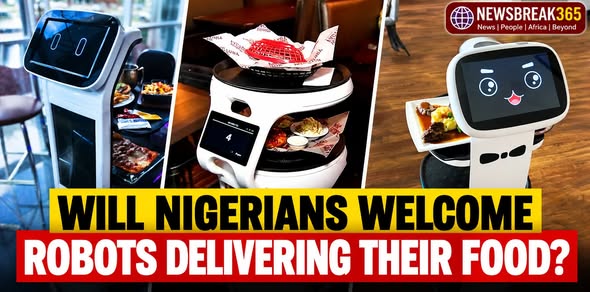
In some parts of the world, food delivery robots have already become a reality, using cameras, sensors and navigation technology to transport meals from restaurants to customers, potentially reducing delivery costs and easing the pressure on human couriers.
In Nigeria, however, the idea raises interesting questions. Could robots navigate busy Lagos roads, uneven pavements, heavy rain and the unpredictable traffic that often delays deliveries? Would customers trust a machine to handle their food safely?
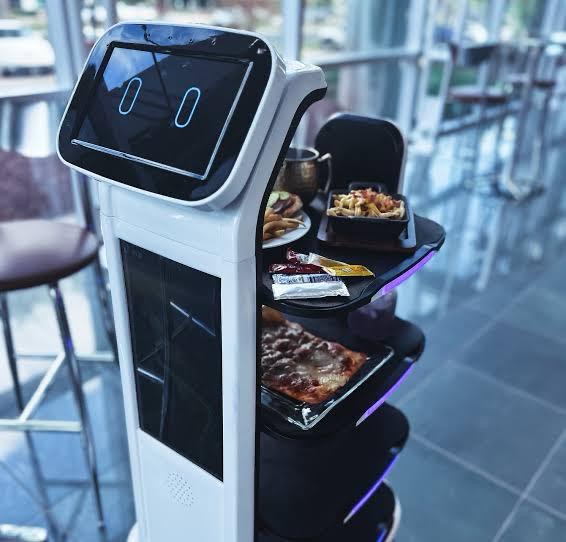
Photo Credit: WGXA
Journalist Christie Doyin says she would welcome robotic food delivery because she feels safer trusting a machine than an unfamiliar person, except when it comes to her own children.
“I’ll feel more food secured than when an unknown human has to deliver it. I’ll prefer it if it’s any of my children since I feel safer with them,” she said.
However, not everyone is comfortable with the technology. Businessman Victor Kato questions whether these machines can be as reliable as humans. “I will not use the service of robot here in Nigeria because I don’t think robot will be as reliable as real humans,” he said.
And what would become of the thousands of dispatch riders who depend on delivery jobs for their livelihoods?
Some delivery riders in Nigeria have complained about poor road conditions and the risks they face when delivering to dangerous areas. In a first-person account published by TechCabal, Abuja-based delivery rider Christian Ogbu recounted how riders working for some delivery franchises could face penalties for refusing deliveries to unsafe locations. However, delivery companies also provide a means of livelihood for many riders, which the widespread adoption of robot delivery systems could threaten.
Meanwhile, a report published on TechRadar.com says Deliveroo’s plans to introduce robot deliveries in the United Kingdom have drawn criticism from the GMB trade union, which represents human couriers. The union described the trials as “disappointing” and criticised the company for failing to consult workers about the plans.
GMB organiser Claude Bahati said, “Innovation should not come at the expense of real people, and these developments must always be negotiated with workers.”
There is also the question of affordability. Restaurants would need to justify the cost of acquiring and maintaining the technology, while customers would expect faster service without paying significantly more.
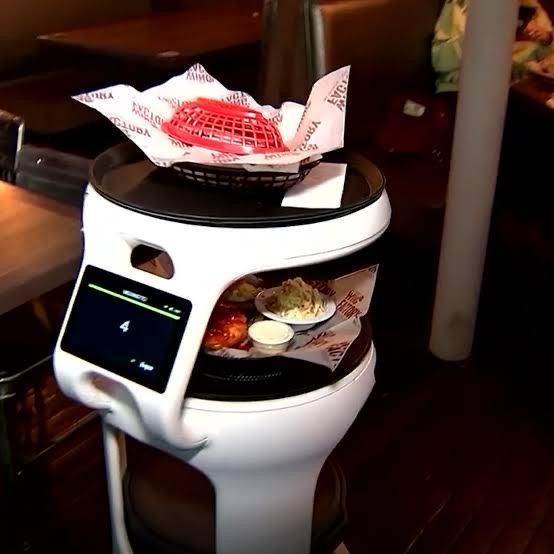
Photo Credit: Prospera Robotics
CEO of Payfair Corporate Services Limited, Bob Ugochukwu Ani, who works in the food sector, says he would consider robotic delivery for his customers but would not invest in technology simply because it is innovative.
“In Nigeria, the investment must be justified by its ability to reduce delivery costs, improve customer experience, and generate sustainable returns,” he explained.
“I would start with a pilot in a controlled environment, measure the results, and scale up only when the numbers make commercial sense,” Ani remarked.
Still, robots could find a place in controlled environments such as shopping malls, hotels, university campuses and gated estates, where routes are easier to manage.
For now, Nigeria’s food delivery future may depend less on whether the technology exists and more on whether it can work reliably, affordably and safely in the country’s unique environment.
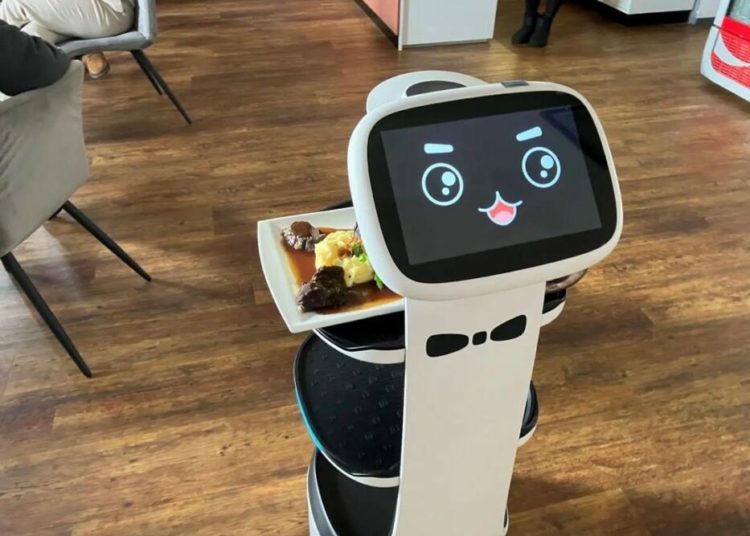
Would you collect your next meal from a robot?
FOLLOW US ON:


News
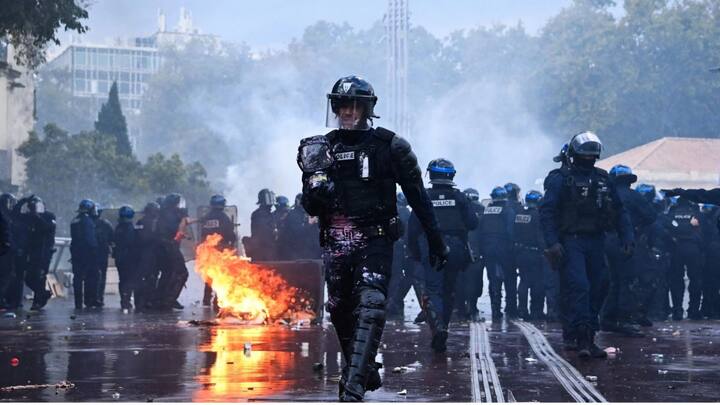
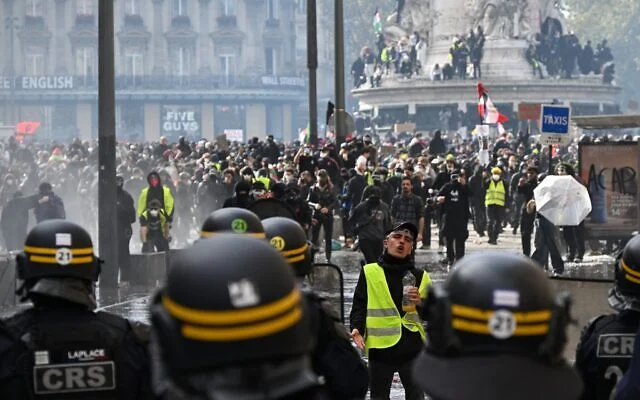
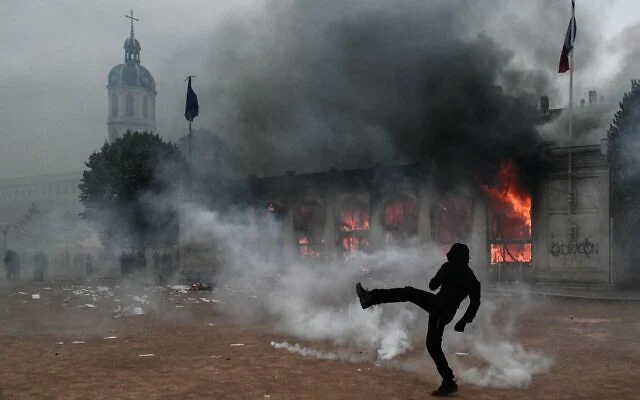
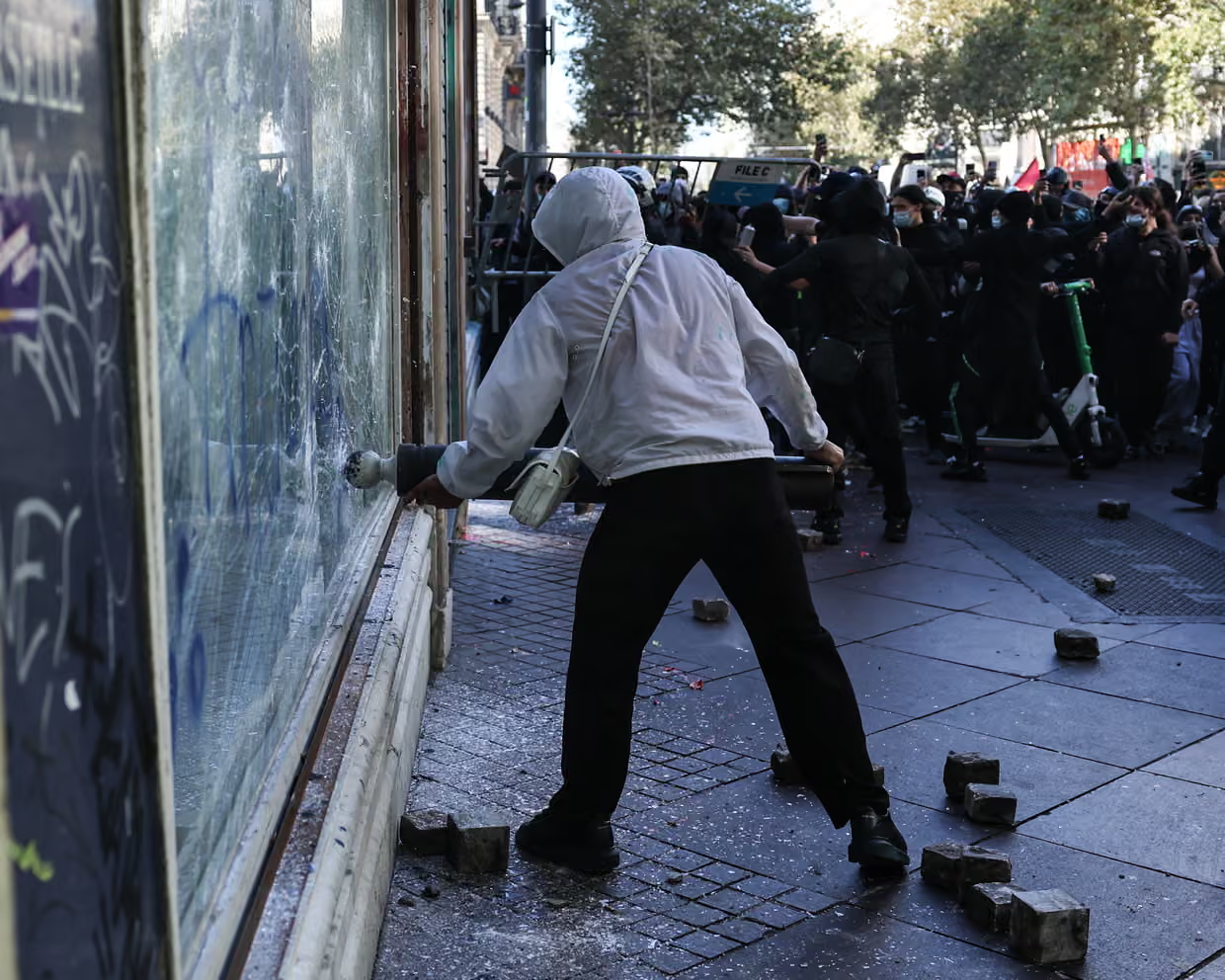
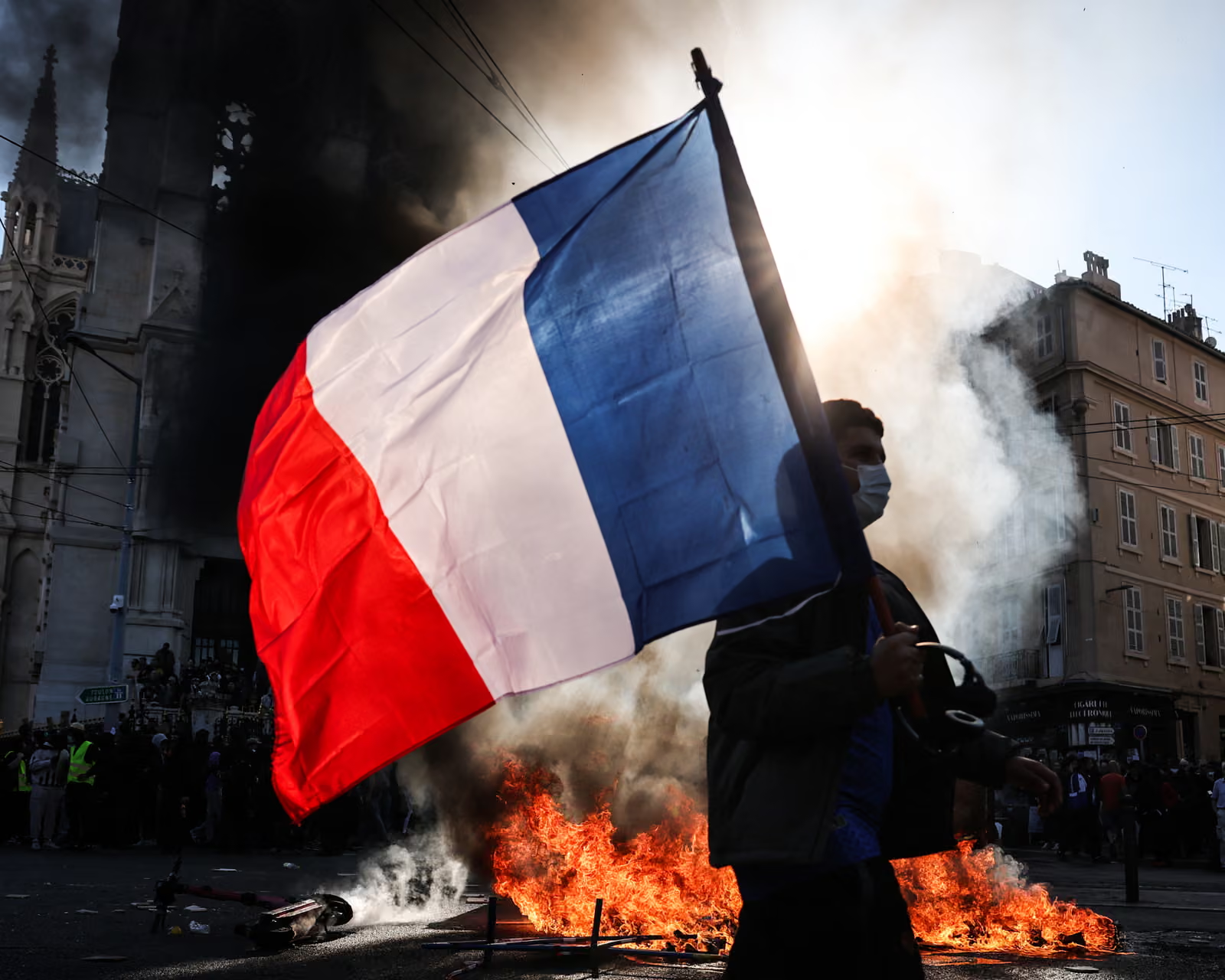
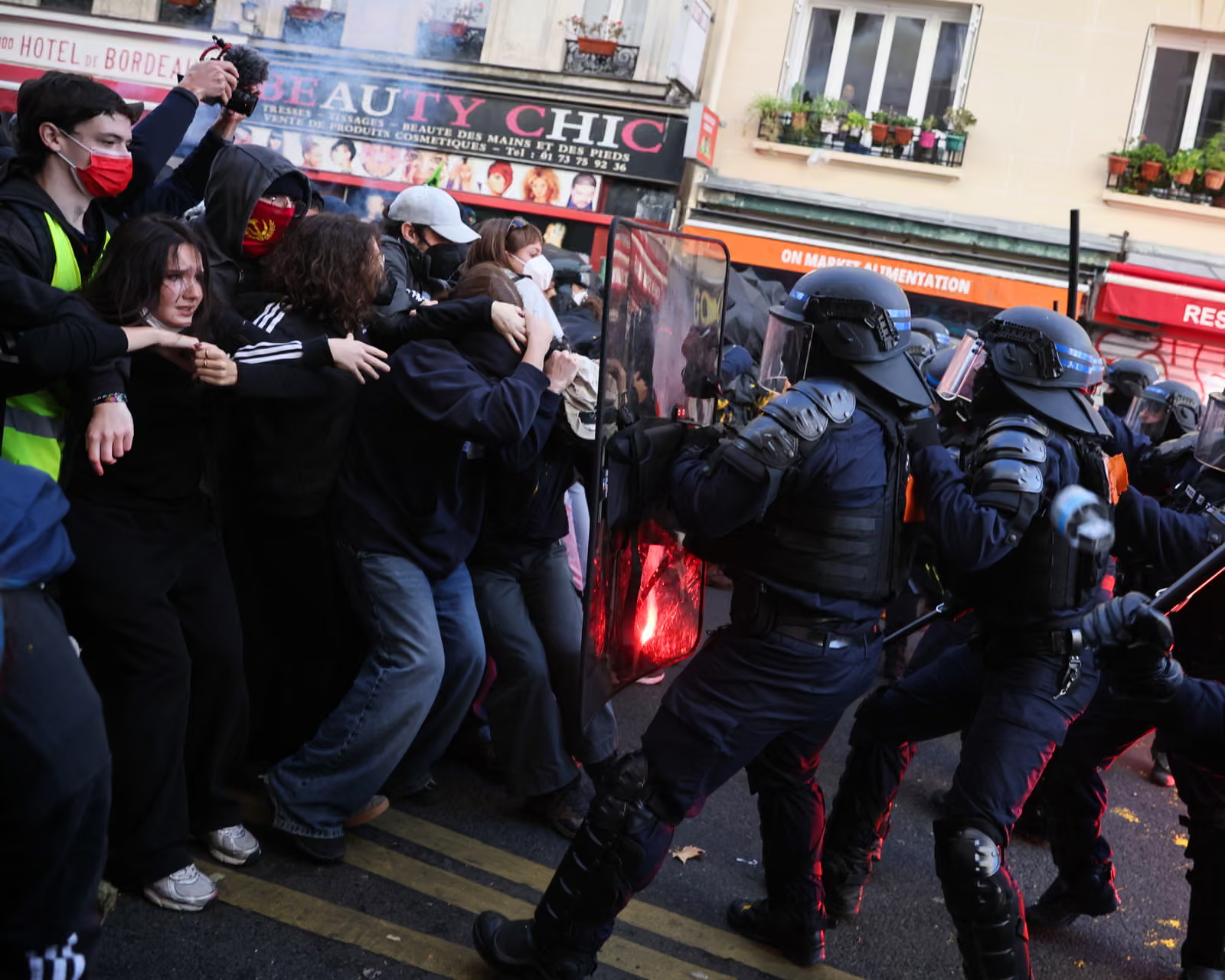
PHOTOS: Looting, Pillaging and Attacks on Police: Protests Turn Violent Across France as Tens of Thousands Take to the Streets
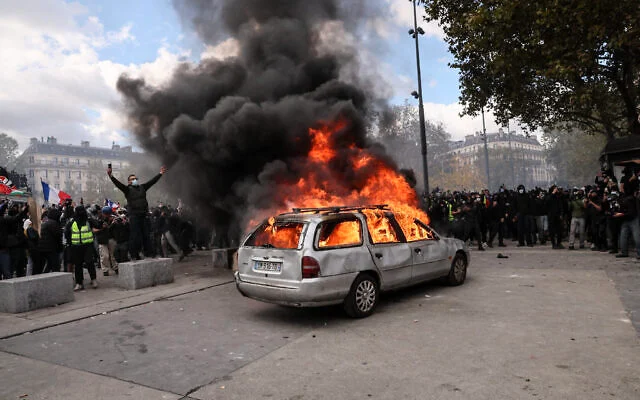
More than 270 people were arrested as tens of thousands joined nationwide demonstrations; a protester lost a hand to a police crowd-control grenade amid clashes, vandalism and attacks on public buildings.
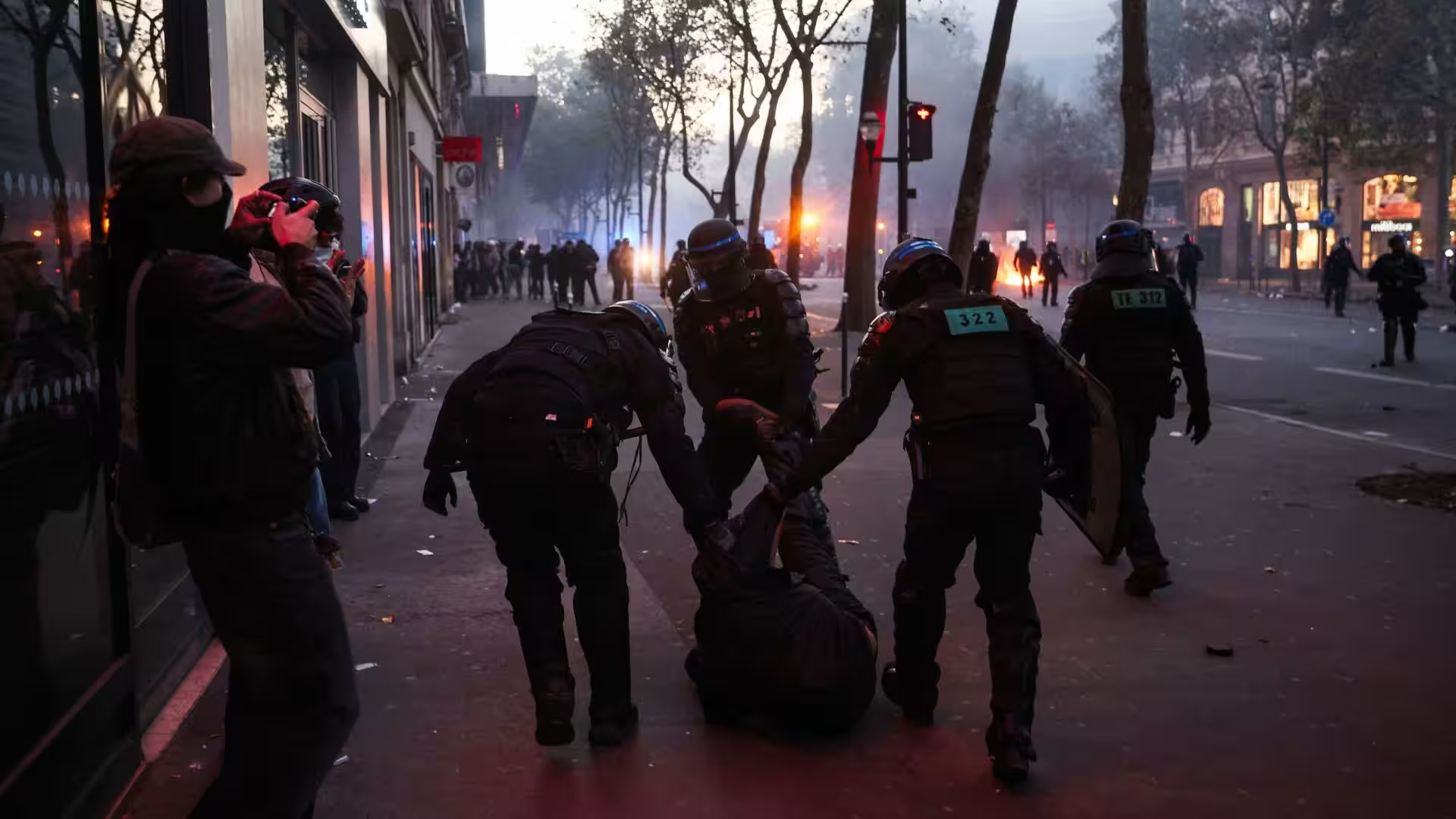
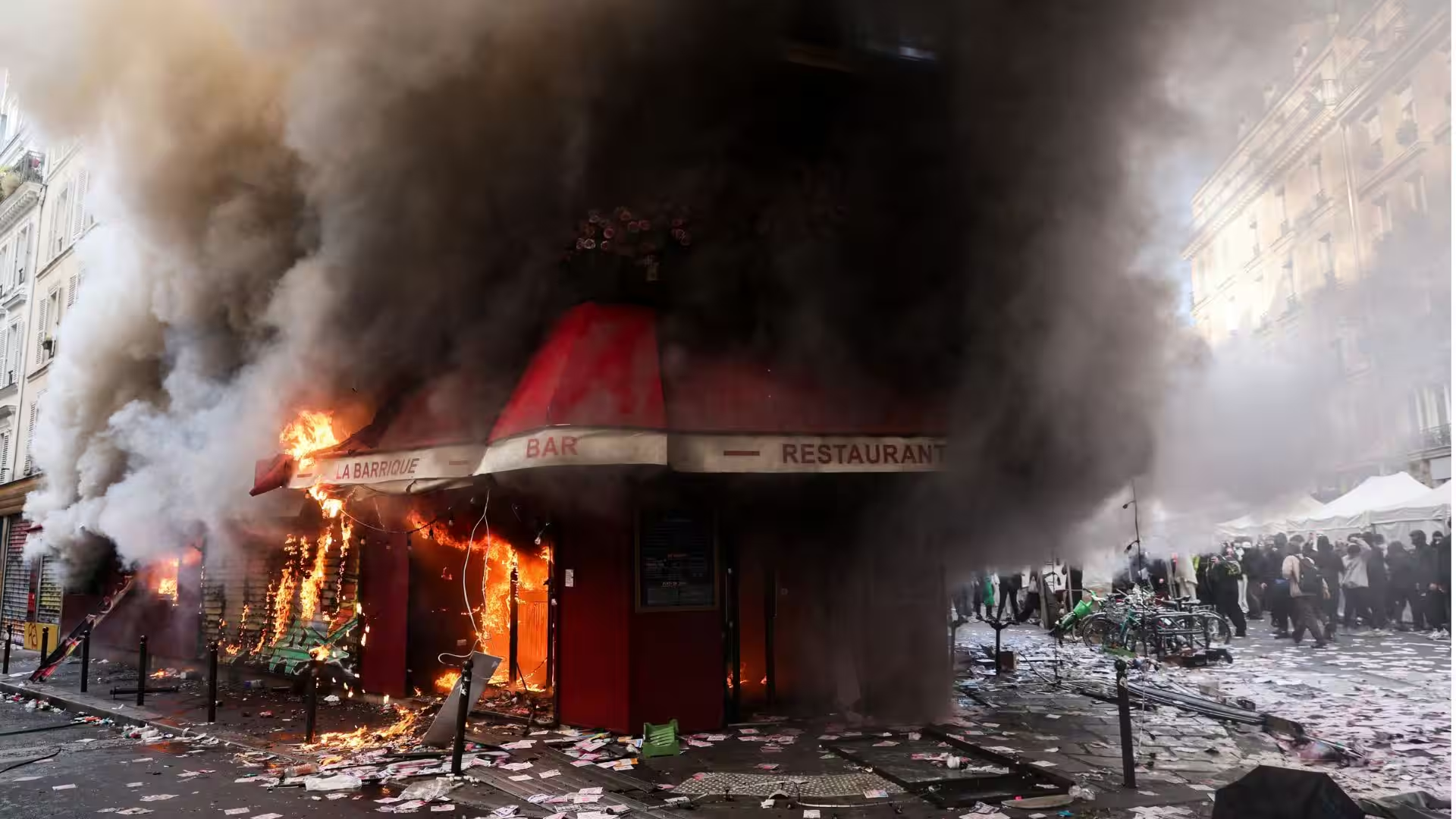
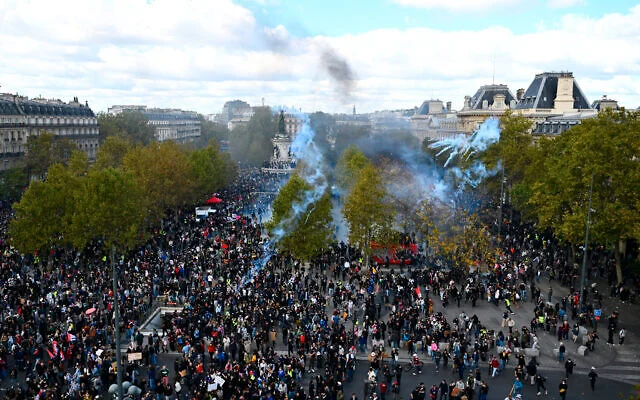
Tens of thousands of protesters took to the streets across France on Saturday to demonstrate against the rising cost of living, with rallies turning violent in several cities. Demonstrators clashed with police, looted shops, set fires and stormed public buildings, while authorities reported more than 270 arrests nationwide.
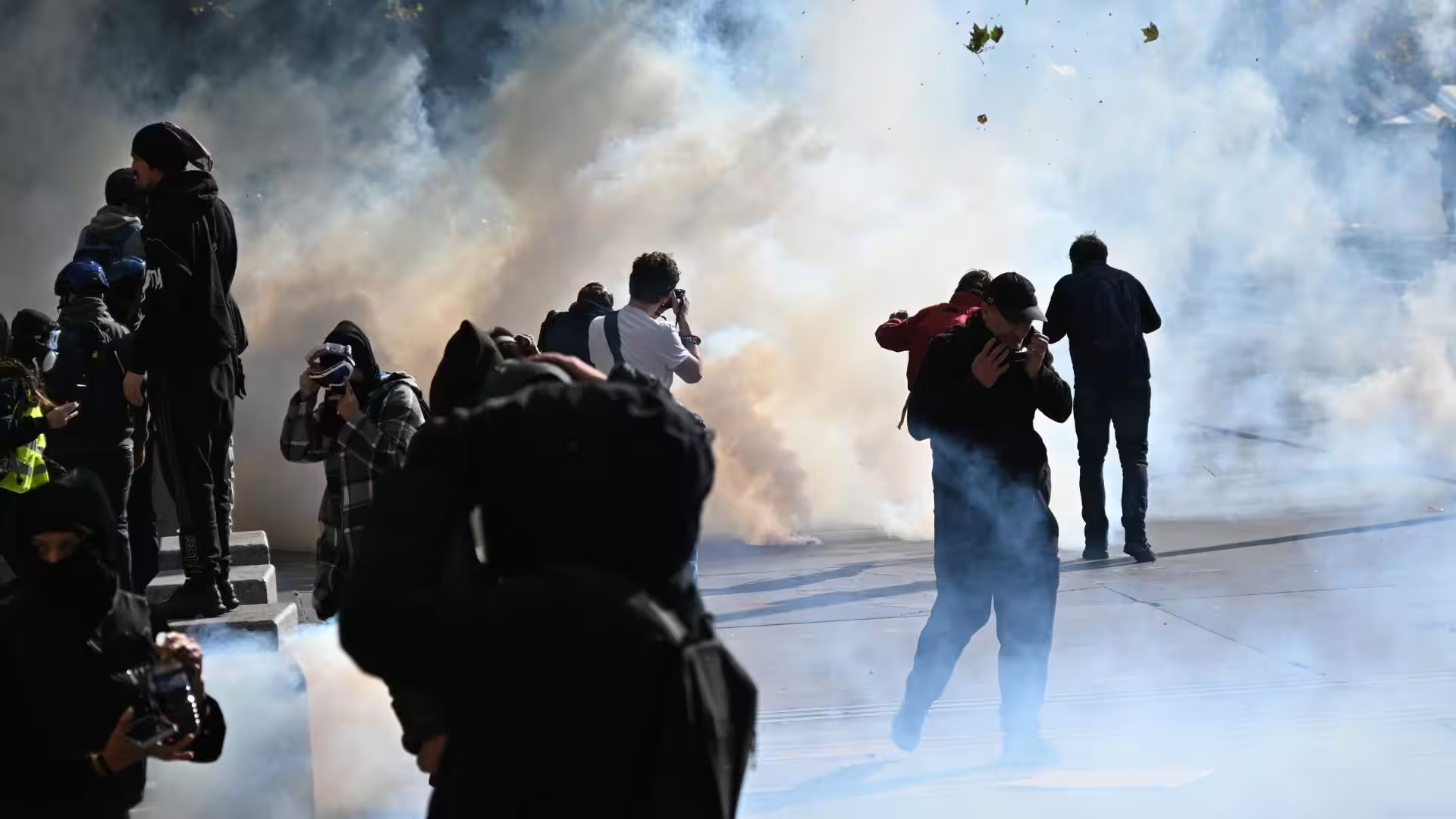
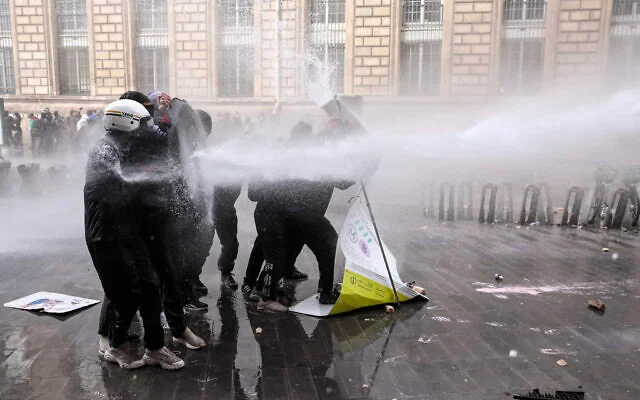
The demonstrations, which brought together students, trade unionists and supporters of the Yellow Vest movement, were marked by violence in several cities including Paris, Lyon, Marseille and Lille. Police deployed tear gas and water cannons to disperse groups involved in confrontations, while fires and vandalism were reported around protest sites.
A protester in the southern city of Saint-Étienne had a hand blown off by a police crowd-control grenade, a police source told AFP. The source did not specify whether the device was a stun grenade or a tear gas grenade.
The incident was the second such case in less than two weeks. On October 5, a 15-year-old student lost his left hand when a stun grenade exploded outside his school in Lens, which had been blockaded by student protesters. The injuries have added to scrutiny of police tactics during the unrest, which has prompted clashes between demonstrators and security forces in several parts of the country.
Town halls stormed as violence spreads
In the northern city of Lille, protesters forced their way into the town hall, smashed their way inside and vandalised the premises before leaving, an AFP reported. Riot police entered the building shortly afterwards and confirmed that all the protesters had left.
The incident followed a similar intrusion in the southern port city of Marseille, where protesters rammed their way into the town hall before police forced them out. Reports from the city also described damage to shops and a municipal police station.
In Lyon, France’s third-largest city, a fire broke out at the tourist office as masked protesters confronted police. Officers used tear gas and water cannons to push back groups involved in the clashes.
Paris also witnessed confrontations, with masked demonstrators setting vehicles and street fixtures on fire, damaging property and attempting to loot shops. Police responded with tear gas as unrest unfolded alongside larger marches.
Marine Le Pen blames ‘rioters’
France’s far-right presidential candidate Marine Le Pen condemned the violence, arguing that those involved in looting and attacks had undermined the demonstrations’ original demands.
“Looting, pillaging, attacking police — rioters have once again sullied the October 17 demonstrations over the cost of living,” Le Pen wrote on X.
She added that protesters’ demands had been “hijacked by the far left”. Her remarks came as the unrest raised questions over public order and the direction of a movement that has brought together people with varied economic and political grievances.
The protests come months before France’s presidential election, scheduled for April and May 2027, and have added to pressure on the country’s political leadership over living costs and public services. The demonstrations’ scale and the violence reported in several cities have made the unrest a significant test of the government’s response to mounting social discontent.
Union puts turnout at 500,000
France’s main CGT trade union said around 500,000 people had participated in 1,750 rallies nationwide to protest the rising cost of living.
“The government must stop its repression and respond immediately to the social demands,” the union said in a statement sent to AFP, after police used tear gas, crowd-control grenades and water cannons during the demonstrations.
The protests have drawn together people concerned about rising prices and deteriorating public services, alongside students who have been blockading schools in recent weeks over their grievances.
The mobilisation has also revived the Yellow Vest movement, which emerged in 2018 amid anger over fuel prices and broader economic inequality. Saturday’s demonstrations brought together different groups seeking to channel their grievances into a nationwide show of discontent.
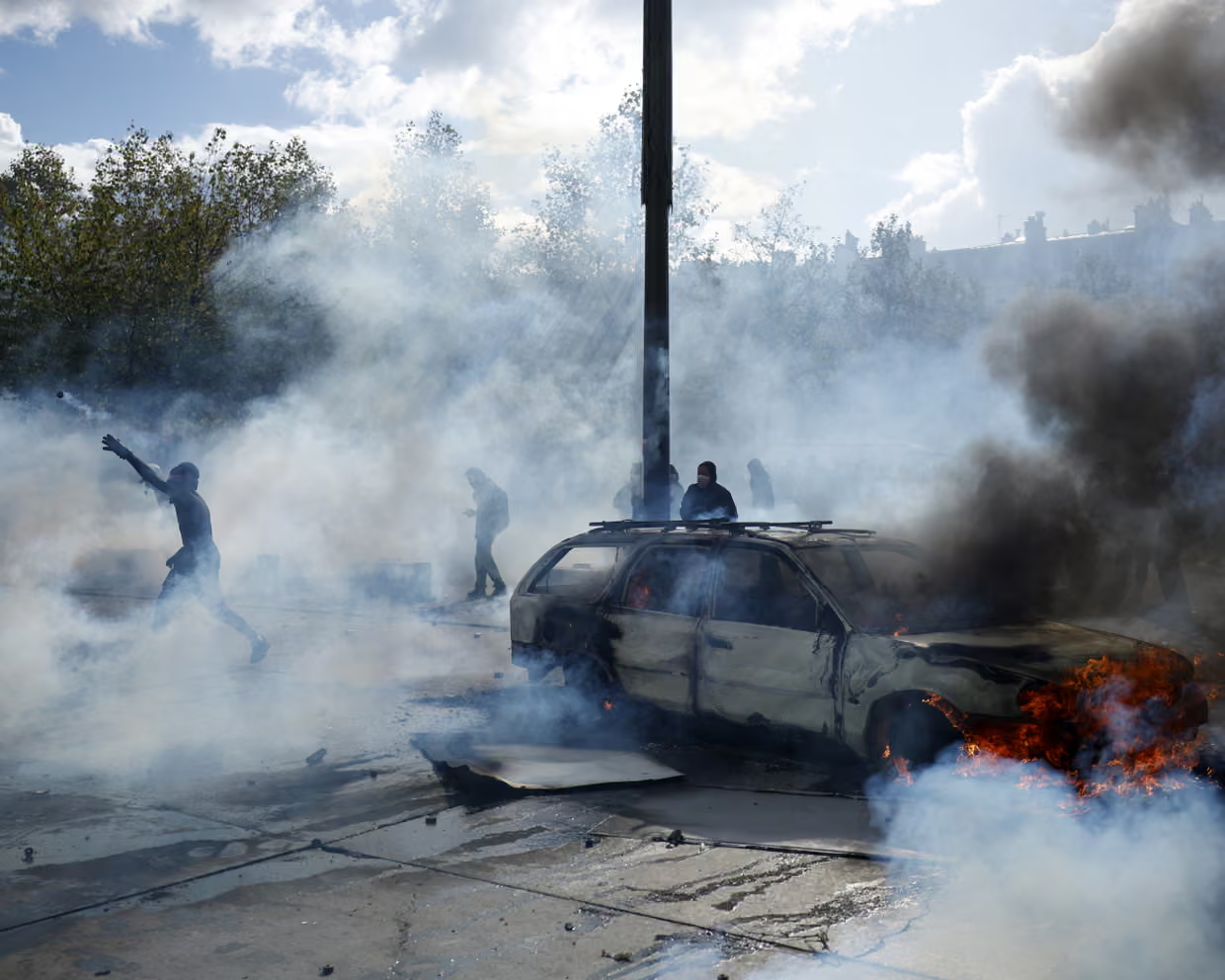
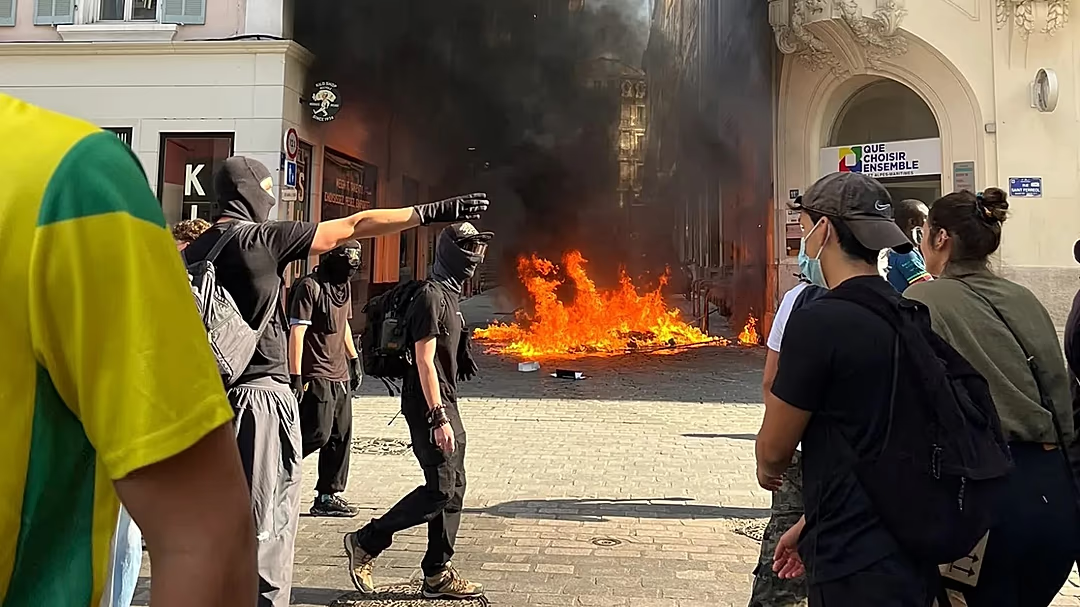
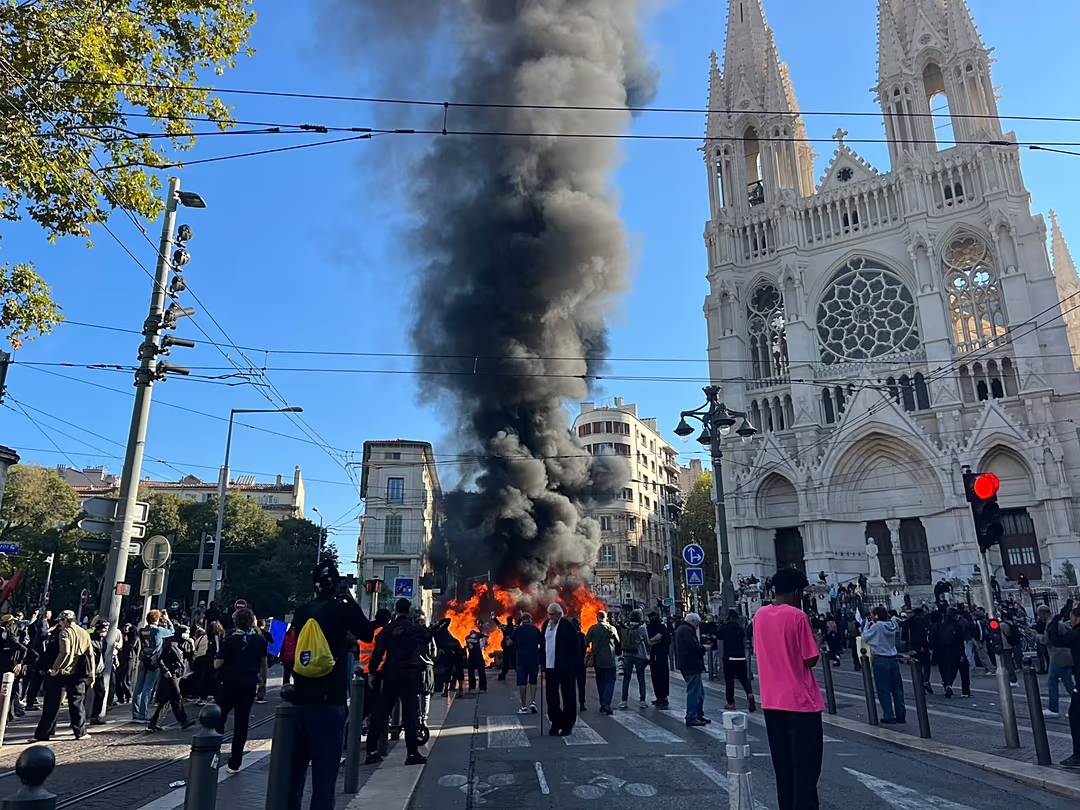
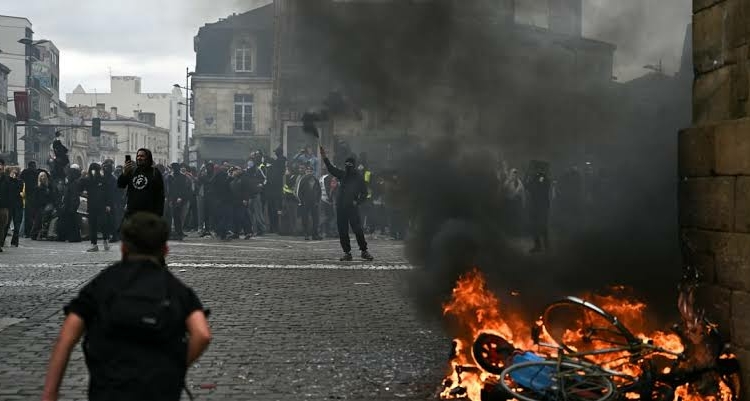
Credits: FIRSTPOST.COM
FOLLOW US ON:

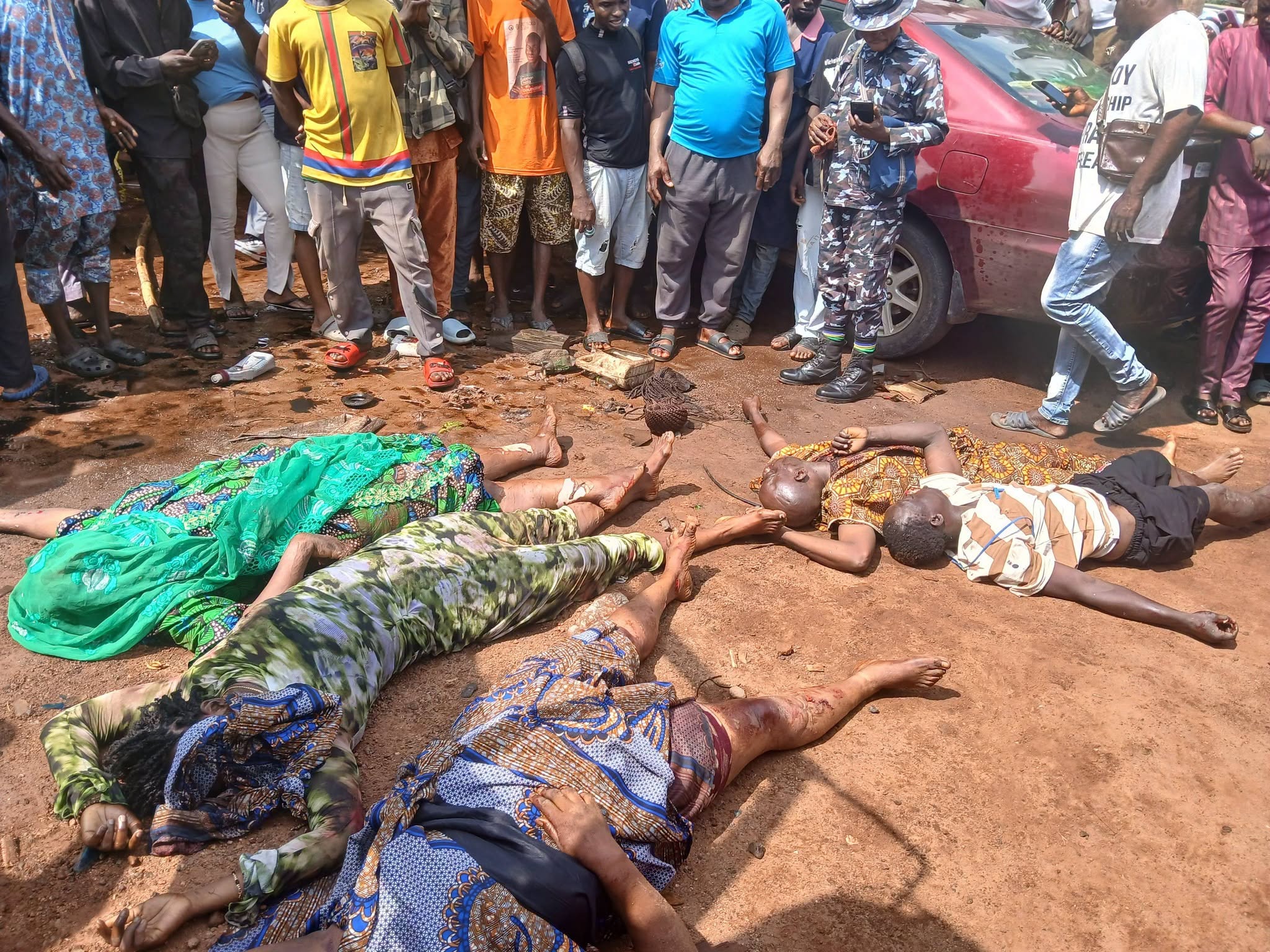
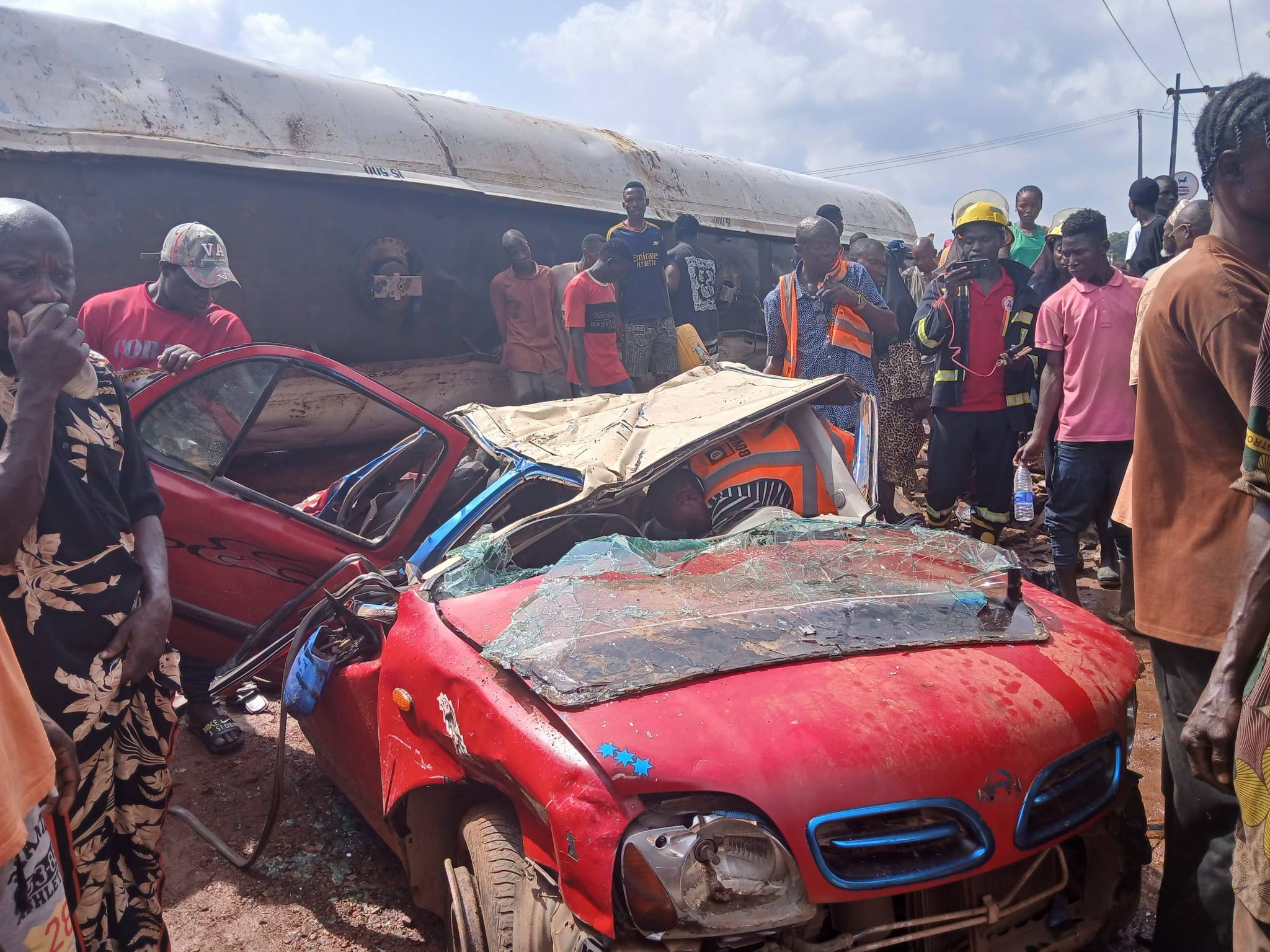
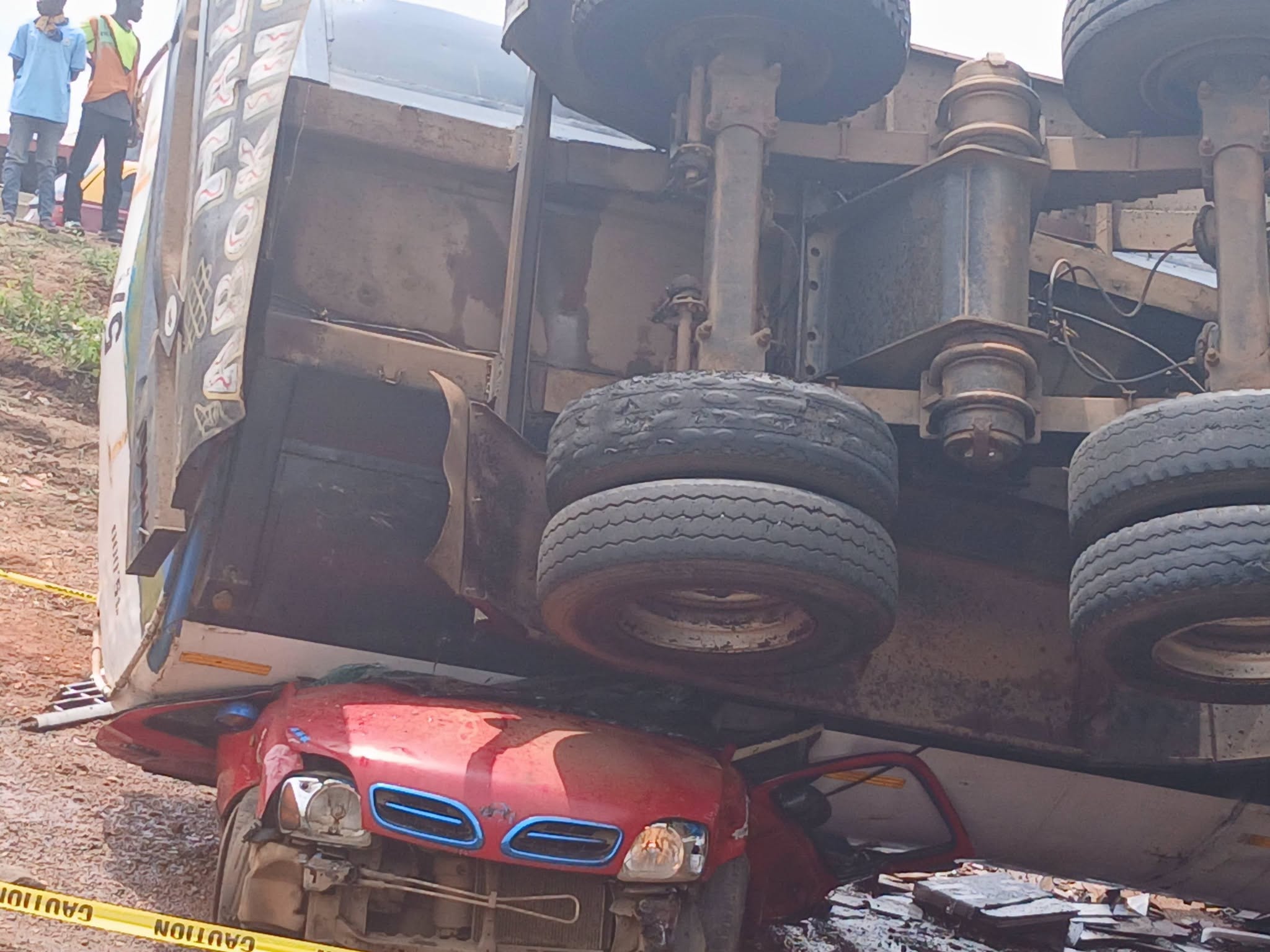
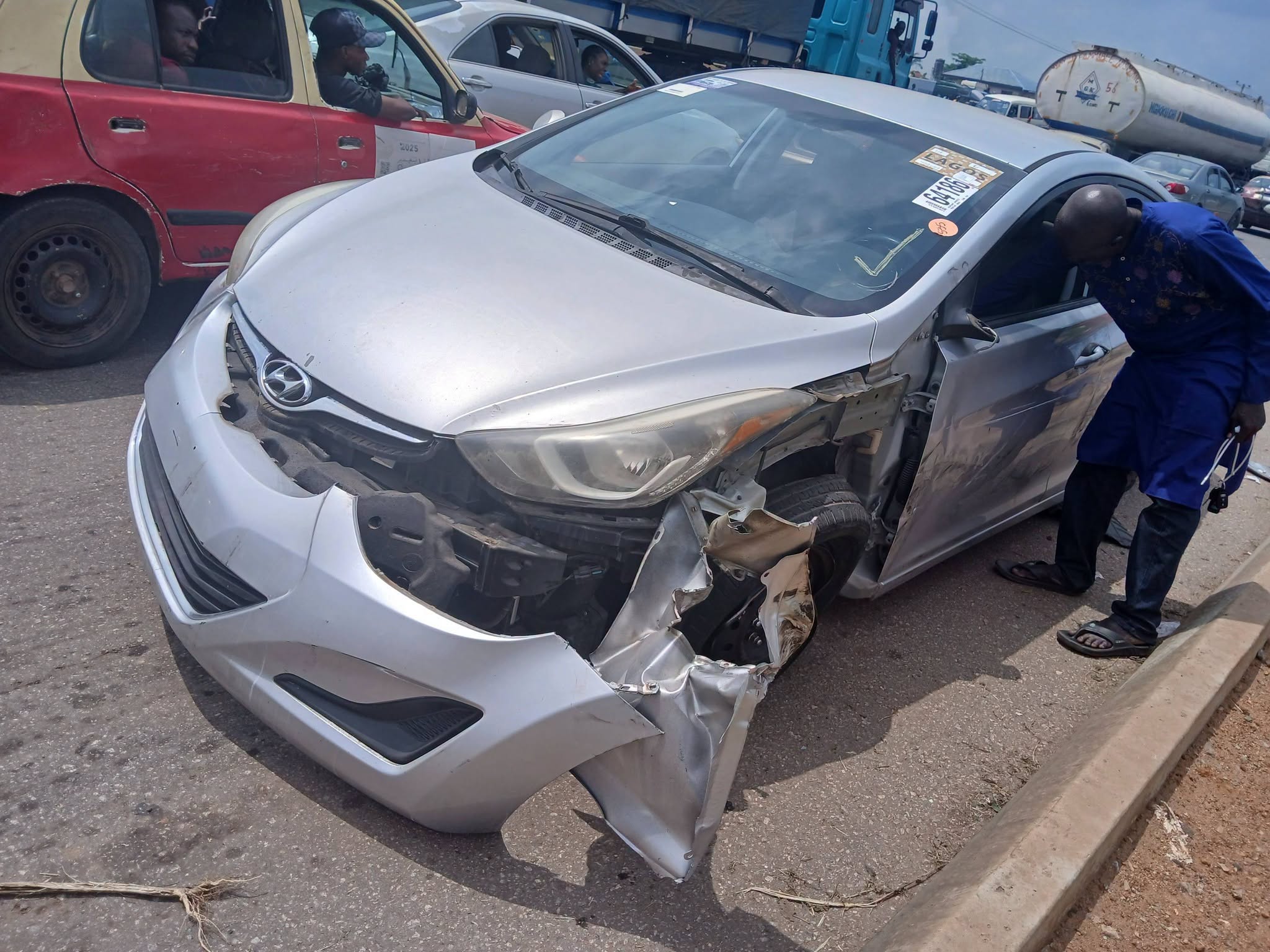
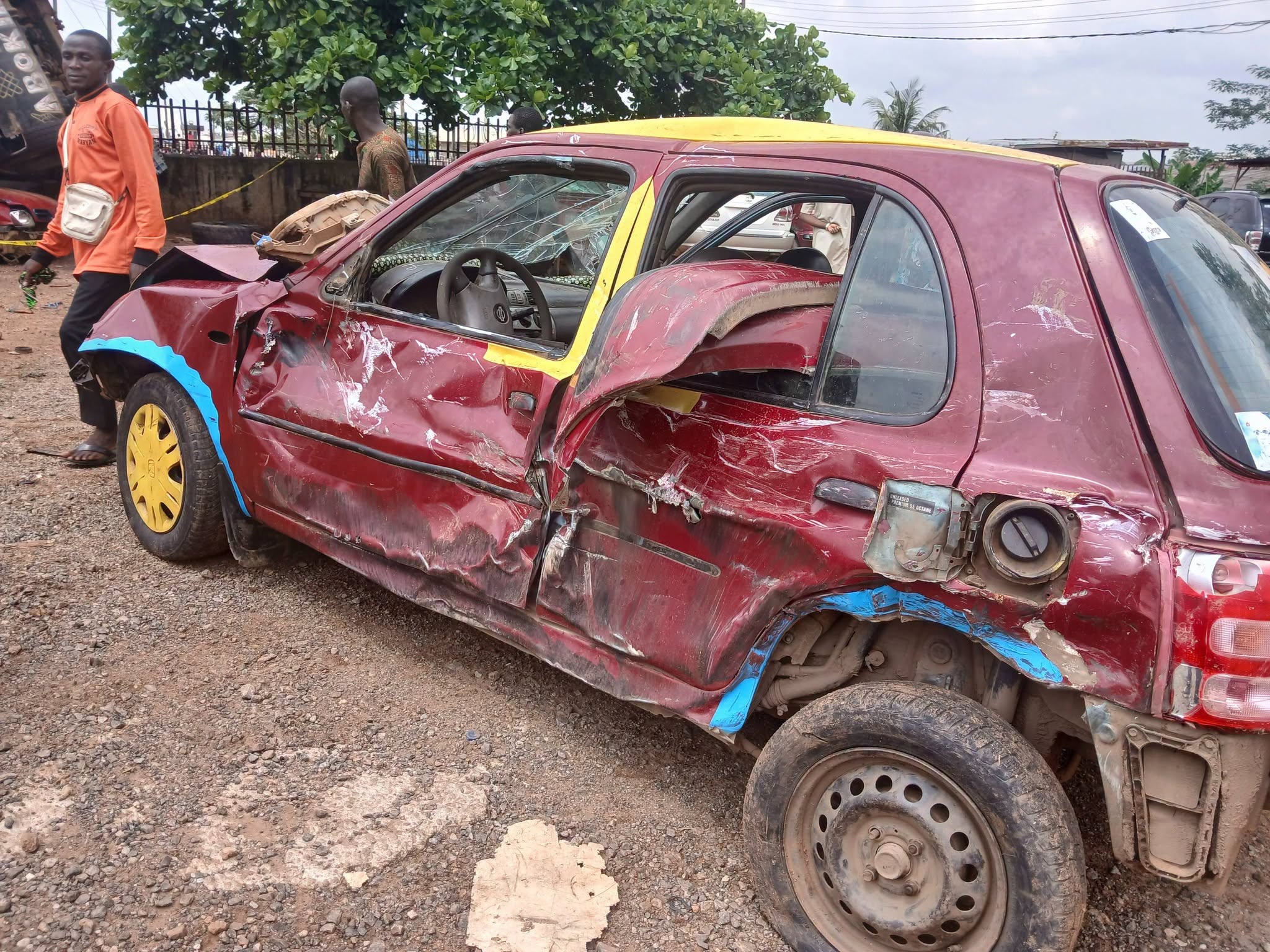
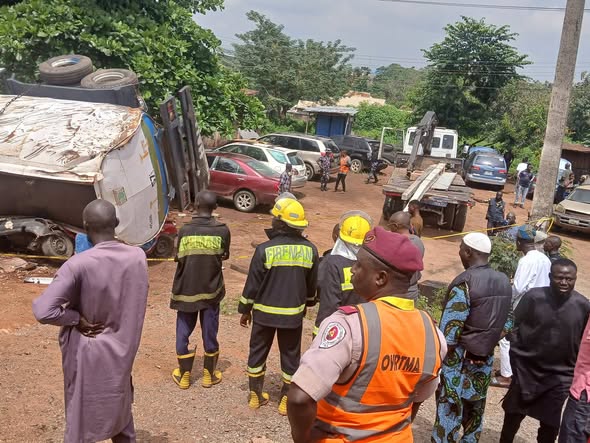
A road accident involving a diesel tanker and four Micra cars has been reported at Aduloju Bus Stop, opposite Dominion City, along the Iwo Road–Ojoo Expressway in Ibadan, Oyo State.
The collision reportedly occurred on the busy expressway, with pictures and video from the scene showing the vehicles involved.
The number of casualties remains unconfirmed as of the time of filing this report, while details about the identities and conditions of those involved in the accident are yet to be established.
The incident has raised concerns about road safety along the expressway, with motorists advised to exercise caution, observe speed limits and ensure their vehicles are in good working condition to help prevent avoidable accidents.
FOLLOW US ON:


Canada Moves to Deport Nigerian Migrant Rights Activist Olukunle Adetunji Over Illegal Re-entry

ToluwaniSings Died of Spiritual Attack Through a Microphone on a Church Altar — Prophet Settle

PHOTOS: Two Women Arrested Over Alleged Attempt to Steal Newborn After Fake Pregnancy Plot

‘Sleeping Prince’ of Saudi Arabia dies after 20 years in coma

2027: Atiku delays ADC membership card collection amid rumoured Jonathan comeback

How A Class Of 24 Students Produced 2 Presidents, 4 Governors, 2 Ministers, 4 Emirs, 3 Justices, 4 Ambassadors and Other Influential Leaders


-

 Lifestyle20 hours ago
IF YOU’RE NOT FEEDING SOMEONE, WHY BULLY THEM? THE CRUELTY OF HUMILIATING THE LESS PRIVILEGED
-
News2 hours ago
Ofala Festival: Igwe Achebe Applauds Globacom’s Enduring Cultural Partnership (PHOTOS)
-
News2 hours ago
Nigerian doctors react after TVC reporter berated healthcare workers over singer Toluwanising’s demise
-
Crime3 minutes ago
Canada Moves to Deport Nigerian Migrant Rights Activist Olukunle Adetunji Over Illegal Re-entry
-
Lifestyle4 hours ago
What Is the Point of Dying Rich When Your Own Family Is Dying Poor?
-
Lifestyle9 hours ago
WHEN MADNESS BECOMES FASHION: HAVE WE LOST THE POWER TO THINK FOR OURSELVES?
-
News10 minutes ago
ToluwaniSings Died of Spiritual Attack Through a Microphone on a Church Altar — Prophet Settle
-
Crime1 hour ago
PHOTOS: Enugu Community Banished Father, Daughter After Alleged Incestuous Pregnancy Scandal