Connect with us

Lifestyle

PHOTOS: List Of Vice Presidents Of Nigeria (1966-Present)

Published

on

The Vice President of Nigeria is the second-highest official in the country’s executive branch, directly elected alongside the President for a four-year term. The role was established on January 16, 1966, with Babafemi Ogundipe as the first holder.

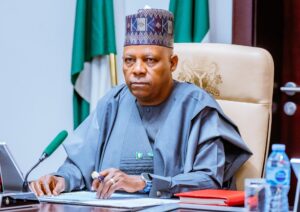
Currently, Kashim Shettima is the 15th Vice President, taking office on May 29, 2023. Vice Presidents must be Nigerian citizens, at least 40 years old, and political party members.

List Of Vice Presidents Of Nigeria From 1966 Till Date

Name
Term Start
Term End
Political Party
Brigadier Babafemi Ogundipe
January 16, 1966
July 29, 1966
Federal Military Government
Vice Admiral Joseph Edet Akinwale Wey
August 1, 1966
July 29, 1975
Federal Military Government
Lieutenant General Olusegun Obasanjo
July 29, 1975
February 13, 1976
Federal Military Government
Major General Shehu Musa Yar’Adua
February 13, 1976
September 30, 1979
Federal Military Government
Alex Ifeanyichukwu Ekwueme
October 1, 1979
December 31, 1983
National Party of Nigeria
Major General Tunde Idiagbon
December 31, 1983
August 27, 1985
Supreme Military Council
Commodore Ebitu Ukiwe
August 27, 1985
October 1986
Armed Forces Ruling Council
Admiral Augustus Aikhomu
October 1986
August 26, 1993
Armed Forces Ruling Council
Lieutenant General Donaldson Oladipo Diya
November 17, 1993
December 21, 1997
Provisional Ruling Council
Vice Admiral Michael Akhigbe
June 9, 1998
May 29, 1999
Provisional Ruling Council
Atiku Abubakar
May 29, 1999
May 29, 2007
People’s Democratic Party
Goodluck Jonathan
May 29, 2007
May 6, 2010
People’s Democratic Party
Namadi Sambo
May 6, 2010
May 29, 2015
People’s Democratic Party
Yemi Osinbajo
May 29, 2015
May 29, 2023
All Progressives Congress
Kashim Shettima
May 29, 2023
Present
All Progressives Congress

Brigadier Babafemi Ogundipe (January 16, 1966 – July 29,1966)

See also  How Nollywood actor was arrested over failed coup plot

Vice Admiral Joseph Edet Akinwale Wey (August 1, 1966 – July 29, 1975)

Lieutenant General Olusegun Obasanjo (July 29, 1975 – February 13, 1976)
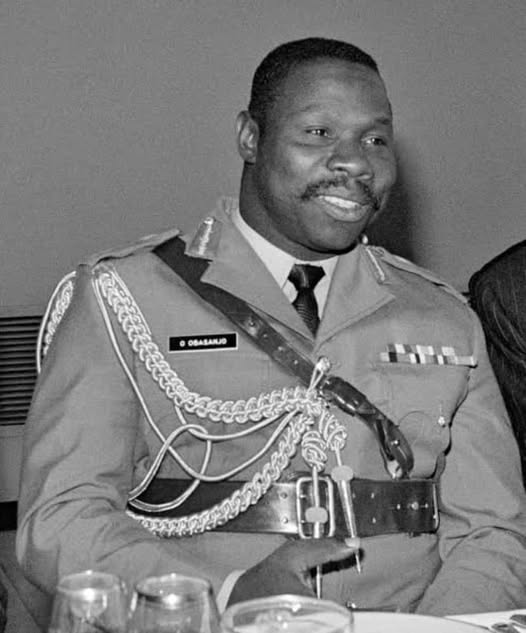
Major General Shehu Musa Yar’Adua (February 13, 1976 – September 30, 1979)

Alex Ifeanyichukwu Ekwueme (October 1, 1979 – December 31, 1983)
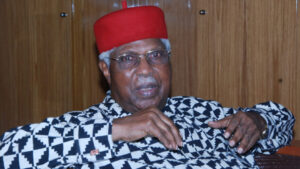
Major General Tunde Idiagbon (December 31, 1983 – August 27, 1985)
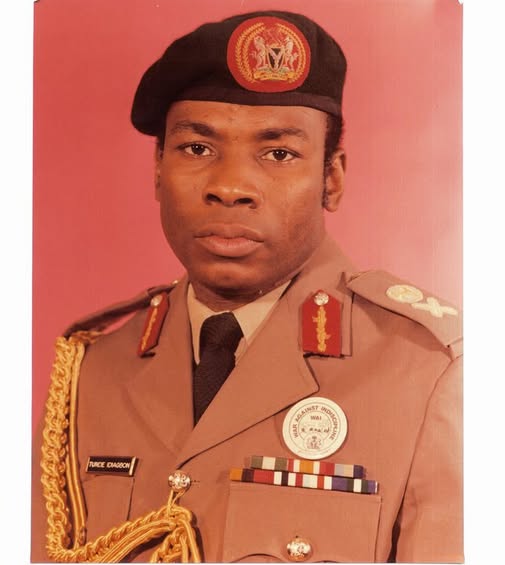
Commodore Ebitu Ukiwe (August 27, 1985 – October 1986)

Admiral Augustus Aikhomu (October 1986 – August 26, 1993)

Lieutenant General Donaldson Oladipo Diya (November 17, 1993 – December 21, 1997)
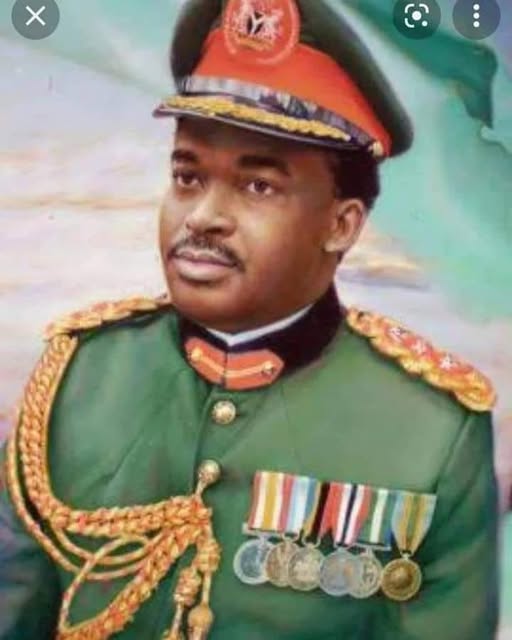
Vice Admiral Michael Akhigbe (June 9, 1998 – May 29, 1999)

Atiku Abubakar (May 29, 1999 – May 29, 2007)

Goodluck Jonathan (May 29, 2007 – May 6, 2010)
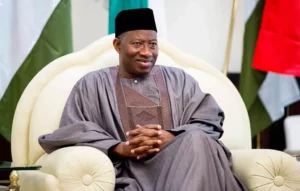
Namadi Sambo (May 6, 2010 – May 29, 2015)
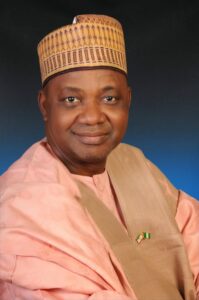
Yemi Osinbajo (May 29, 2015 – May 29, 2023)

Kashim Shettima (May 29, 2023 – Present)
FOLLOW US ON:


FACEBOOK

TWITTER

PINTEREST

TIKTOK

YOUTUBE

LINKEDIN

TUMBLR

INSTAGRAM

Continue Reading
Click to comment

Leave a Reply

Your email address will not be published. Required fields are marked *

Lifestyle

When Parents Are Wrong, They Should Be Humble Enough to Apologise

Published

on

Some parents find it difficult to apologise to their children when they are wrong. They may believe that saying “I am sorry” will make them look weak or cause their children to lose respect for them. But true leadership in the home is not about never admitting mistakes; it is about having the humility to acknowledge when you are wrong.

A parent who apologises to a child teaches that honesty, humility, forgiveness, and accountability are important. Saying sorry does not reduce a parent’s authority. Instead, it can strengthen trust and show children that even adults must be willing to correct their mistakes.

The Bible says:

“Only by pride cometh contention: but with the well advised is wisdom.”
— Proverbs 13:10 (KJV)

Pride can create unnecessary conflict in a family. When a parent refuses to admit wrongdoing simply because of pride, the child may become hurt, resentful, or distant.

The Bible also teaches parents to be careful about how they treat their children:

“And, ye fathers, provoke not your children to wrath: but bring them up in the nurture and admonition of the Lord.”
— Ephesians 6:4 (KJV)

Parents are not expected to be perfect. They are expected to lead their children with wisdom, love, discipline, and godly example.

Jesus also taught the importance of reconciliation:

“Therefore if thou bring thy gift to the altar, and there rememberest that thy brother hath ought against thee;
Leave there thy gift before the altar, and go thy way; first be reconciled to thy brother, and then come and offer thy gift.”
— Matthew 5:23–24 (KJV)

See also  Festus Iyayi: The Fearless Voice of Justice and Literature in Nigeria

If reconciliation matters in our relationships with others, it certainly matters within the family.

The Bible further says:

“Let every man be swift to hear, slow to speak, slow to wrath:”
— James 1:19 (KJV)

A wise parent should be willing to listen to a child’s feelings and admit a mistake when necessary.

A Parent’s Apology Is a Lesson

When a father or mother says, “I was wrong. I am sorry. Please forgive me,” they are not losing their authority. They are teaching their child a powerful lesson: being an adult does not mean being above correction.

Children learn more from what parents do than from what they say. If we want our children to apologise when they hurt others, we must also be willing to apologise when we hurt them.

Humility does not make a parent weak. It makes a parent worthy of respect.

“Humble yourselves in the sight of the Lord, and he shall lift you up.”
— James 4:10 (KJV)

Parents, do not let pride prevent you from saying “I am sorry.” Sometimes, those two simple words can heal a child’s heart and strengthen the relationship between parent and child.

FOLLOW US ON:

FACEBOOK

TWITTER

PINTEREST

TIKTOK

YOUTUBE

LINKEDIN

INSTAGRAM

Continue Reading

Lifestyle

Don’t Look Down on Others Because of Your Wealth or Position

Published

on

Being richer, more educated, more successful, or holding a higher position does not make you more valuable than another person. Never allow your wealth or status to make you despise those who have less than you. Positions can change, wealth can disappear, and circumstances can turn around—but humility, kindness, and good character will always matter.

God does not measure people by the size of their bank accounts, the houses they own, or the positions they occupy. He looks at the heart. If God has blessed you with more, use your blessings to lift others up, not to look down on them.

The Bible says:

“Let nothing be done through strife or vainglory; but in lowliness of mind let each esteem other better than themselves.”
— Philippians 2:3, KJV

“For who maketh thee to differ from another? and what hast thou that thou didst not receive?”
— 1 Corinthians 4:7, KJV

“Pride goeth before destruction, and an haughty spirit before a fall.”
— Proverbs 16:18, KJV

“A man’s pride shall bring him low: but honour shall uphold the humble in spirit.”
— Proverbs 29:23, KJV

“But he that is greatest among you shall be your servant.”
— Matthew 23:11, KJV

Remember: You may be ahead of someone today, but that does not make you better than them. The same God who gave you your opportunity can change another person’s story tomorrow.

Be humble when you rise. Be kind when you have more. And never use your position to make another person feel worthless.

See also  PHOTOS: The only woman Fela Anikulapo-Kuti never joked with was born on this day (October 25), 1900 in Abeokuta, Southern Nigeria as it was then.

Wealth can make you comfortable, but humility makes you honourable.

FOLLOW US ON:

FACEBOOK

TWITTER

PINTEREST

TIKTOK

YOUTUBE

LINKEDIN

INSTAGRAM

Continue Reading

Lifestyle

Overly Possessive About Money

Published

on

Money is important, and there’s nothing wrong with working hard, saving, or being responsible with what you have. But when the desire to keep money becomes excessive, it can slowly take control of your heart. Money should serve you, not become the thing you live for.

The Bible gives us a clear warning:

“For the love of money is the root of all evil.”
— 1 Timothy 6:10 (KJV)

Jesus also reminds us that our hearts can’t belong to both God and wealth:

“No man can serve two masters… Ye cannot serve God and mammon.”
— Matthew 6:24 (KJV)

Being financially careful is wisdom. But if you become so attached to money that you can’t give, help others, or enjoy the blessings God has given you, it’s worth examining what has captured your heart.

The Bible encourages us to honour God with what we have:

“Honour the LORD with thy substance, and with the firstfruits of all thine increase.”
— Proverbs 3:9 (KJV)

And Jesus gives this important reminder:

“A man’s life consisteth not in the abundance of the things which he possesseth.”
— Luke 12:15 (KJV)

Don’t let your bank balance determine your worth or your happiness. Manage your money wisely, save responsibly, give generously, and remember that some of life’s greatest blessings can’t be bought with money.

Money should be in your hands—not on the throne of your heart.

FOLLOW US ON:

FACEBOOK

TWITTER

PINTEREST

TIKTOK

YOUTUBE

LINKEDIN

INSTAGRAM

See also  How Nollywood actor was arrested over failed coup plot
Continue Reading

Trending