Connect with us

Politics

NNPP presidential ticket not exclusive to Kwankwaso – National Chairman, Ahmed

Published

on

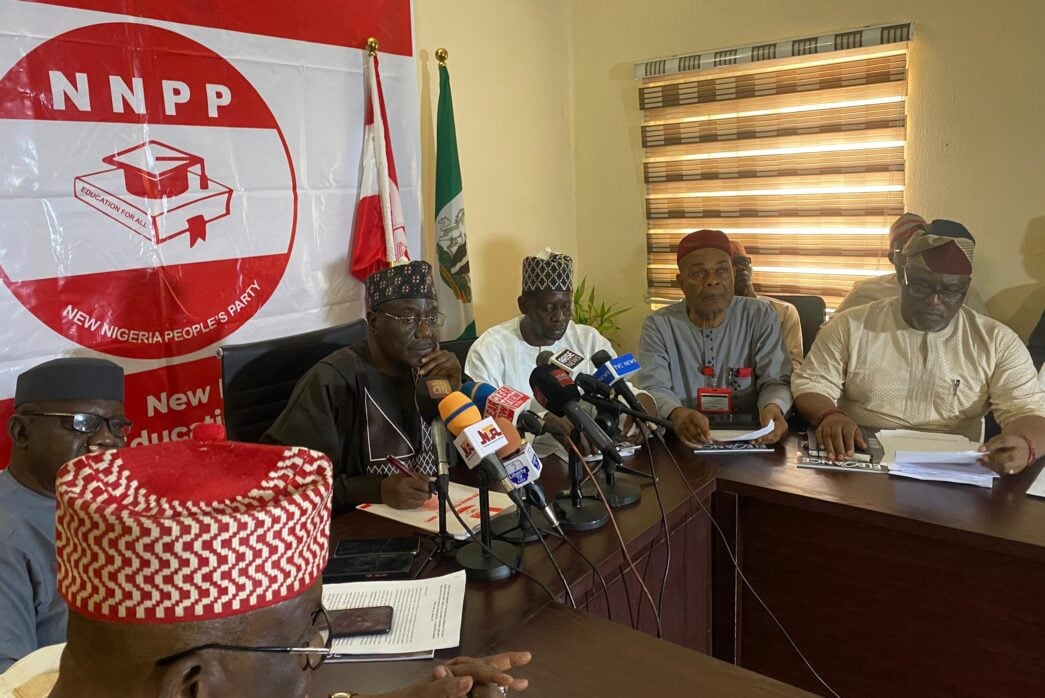
National Chairman of the New Nigeria People’s Party, Ahmed Ajuji, speaks with ISMAEEL UTHMAN on the internal disputes within the NNPP, the party’s 2027 strategies, insecurity in the North, and his assessment of President Bola Tinubu’s administration.

Your party has been engulfed in a factional crisis in recent months. What is the root cause of this conflict?

There is no crisis or faction in NNPP. Those calling themselves a faction are people we asked to appear before a disciplinary committee for anti-party activities. But they refused to honour the invitation, and as a result, the National Working Committee decided that they should be suspended, and the suspension was ratified by the National Executive Committee of the party. After that, the NEC referred their suspension to the National Convention of the party, which then expelled them from the party.

By the constitution of our party and the Electoral Act, those people have no locus standi in the party at all. But they took up the case and began going from one court to another. At one point, we had 18 cases with them. But out of the 18 cases, I cannot remember a single one that they won. They went to one obscure court in Abia State and obtained an expedited ruling, but neither the court nor they served the proper NNPP with the proceedings or the facts they filed there. Before we knew it, we heard that they obtained an injunction restraining the proper NNPP, and the judge said the party should be handed over to them. We were shocked by that because, under every judicial process, that ruling is null and void and completely ultra vires. We went back to the same court to appeal the ruling, and the court set it aside. The court said we should be properly served before the judge could continue with the case. That is where we are right now with the Abia court case.

We then took them to court in Abuja, praying the court to restrain them from parading themselves in perpetuity as members, let alone officials, of the NNPP. But the judge ruled that she had no jurisdiction because it was an internal party affair. The expelled members then held onto that and said they won the case. I don’t know how that can be interpreted as winning by any party. If you want to clarify the position of NNPP, check INEC records—you will find our names there. We have been the ones fielding candidates since then.

Can you explain the controversies surrounding the ongoing congresses of your party?

It is the same expelled people claiming to be genuine NNPP members who are making the noise. There is no controversy over the Congress. What baffles us is that they said the party was registered by an individual, and therefore that individual is the owner of the party. That is far from the truth. The majority of those who founded the PDP, for example, have left the PDP. Did they go away with the PDP? Has the party stopped existing? Political parties are not business ventures. Once INEC registers any group as a political party, every Nigerian has the right to join and contest for elective positions in that party. Therefore, their noise over the congress is not genuine. We started the congress on Monday because, despite the noise, no court stopped the process. The ward congress was held throughout the country.

But there are claims that NNPP belongs to the Kwankwasiya bloc?

Every organisation can come into a political party; it doesn’t mean the party belongs to that organisation. There are several organisations that came into NNPP. I know that the National Movement came into NNPP, in addition to the Kwankwasiya and other groups. I am the National Chairman of the party, and I don’t belong to any group. The claim that the party belongs to Kwankwasiya is false.

See also  Hamzat, Yayi, Alli may emerge APC consensus gov candidates

NNPP is seen as a party largely dependent on the former governor of Kano State, Rabiu Kwankwaso. What efforts are you making to expand the party beyond an individual?

Kwankwaso is just a member of the party. If the NWC decides that he has contravened any law of the party, the NWC has the right to discipline him, and disciplinary measures may include suspension or expulsion. Every political party has a strong figure or backbone. For example, former President Obasanjo was the backbone of the PDP then; that didn’t mean he owned the party. Kwankwaso is just a member of NNPP, and we value his membership and contributions.

Parties are not funded largely by individuals. They are funded by contributions from registered members. Every registered member throughout the country has a registration fee to pay at the time of joining, and they also have dues that they pay into the coffers of the party every month. So, the number of members you have determines the finances of the party.

Kano remains the only stronghold of the NNPP, but with the gale of defections, do you think your party will retain the state in 2027?

We will retain Kano and, not only that, we believe that even in the last election, we won Taraba State and one other northeastern state, which I will not mention. We believe that we will also win a number of states not just in the North but also in the South or East or West. We are a political party that seeks to win the presidency, and we cannot win the presidency without winning a number of states across the country. We are working very hard to ensure that we win as many states as possible.

Your party has lost four national lawmakers to the APC in less than six months. What is responsible for this?

What is responsible for the defection of PDP governors? Political party affiliation, membership and loyalty depend on the individual. If today an individual—either elected or non-elected—decides to abrogate his or her membership of the party, then he is free to do so. He is free to join any party.

There is nothing wrong with NNPP; those who defected did so of their own free will. Political participation depends on individual interest. We have no problem with people who left the party. However, we understand that while you may hear that a hundred people defect from NNPP to another party, the next week you can hear that 100,000 members of APC, PDP and others have joined the NNPP. So, we have no grudge against any member going elsewhere. What we know is that we will do our best to win the next elections.

Are you considering alliances or a merger with other political parties?

We have always said that we have several options before 2027. We may go on as a political party and contest the election; we may join a coalition; we may even, as an option, want to join the APC. We may also come around an individual who has the clout to be a presidential candidate and have him contest on our platform. So, we have a number of options, and we are not stranded by any of them.

Is there an ongoing discussion on that?

Discussions always go on. If somebody has options, he must either be considering them himself or talking to others in order to actualise those options. So, we are talking with as many people as possible, and many people are also talking to us.

See also  Osun election: 10 battleground LGs that may decide Adeleke, Oyebamiji race

Which bloc are you discussing with?

That is too premature for me to reveal. I am sure that in the next few weeks or months, we will come up with what we have decided.

Will you accept any political terms that put Kwankwaso out of the 2027 presidential election?

I have referred to that earlier — if we have other individuals who are interested in contesting for the Presidency under the umbrella of our party, they are definitely welcome. The NNPP presidential ticket is not exclusive to Kwankwaso. Anybody can join and contest for any office in our party. That is why we are different from those who say the party belongs to one individual and therefore everybody should leave the party for him. The NNPP presidential ticket is open to every Nigerian.

In terms of policy, what unique proposals is the NNPP bringing to address Nigeria’s current economic hardship?

Whoever wins our presidential ticket will have to endorse the principles and key objectives of the party, and our key objective is to promote the interests of the common man. We are not here to protect the tax incentives of those who are very rich. We are not here to pamper people who regard education as a privilege and therefore rely on private schools. We want to democratise education. We want to ensure that every Nigerian has open access to proper medical facilities.

We are determined to make sure that within four years of winning the presidential election, we will completely abrogate medical tourism. The resources are available, and we will definitely provide proper medical care. We are determined, as a matter of policy, to ensure that adequate resources are pumped into the security architecture in order to ensure that the country is secured.

We are baffled by the present situation, where we know that if the government actually wants to combat insecurity, it has the resources to do so. The only difference between us the other political parties that have won the presidency or want to win the presidency is our commitment to protect the territorial integrity of this country. It is the number one thing that has to be ensured, apart from the welfare and well-being of the citizens.

The northern part of the country has been witnessing a fresh gale of abductions of schoolchildren and kidnapping. What is responsible for this surge?

The actual causes of insecurity are poverty and lack of opportunities for young men and women who have gone completely wayward, although there is no excuse for what they are doing. The laxity of government in ensuring that these groups — whether Boko Haram or any other group — are confronted and defeated has denied those who live in the affected areas their rights to safety and security of their lives and property.

The North has grabbed the headlines, but every part of this country is not secure. Nobody will tell us that the East is more secure than the North. The Middle Belt, where you have these attacks against the natives and reprisals by the natives against the attackers, should have been addressed squarely by the military.

Just recently, I travelled to Guinea-Bissau and I was quite surprised to see that the country is actually under the protection of the Nigerian Armed Forces. Wherever you went, you would always see Nigerian military personnel. They are keeping the country safe and secure. If you can secure Guinea-Bissau, then you can secure Nigerian states. So I don’t understand why the Nigerian government would send its armed forces to secure another country while it has failed to secure any part of Nigeria. They say charity begins at home; we should have given ourselves that charity before extending it to anybody outside the country. The Nigerian Armed Forces have a track record of peacekeeping and helping our brothers in other African countries. But when you have this kind of insurgency, the most logical thing is to address your own issue before addressing that of other people.

See also  Any Igbo man who is dragging his fellow Igbo man for supporting President TINUBU is a monkey and a coward - Actor, Yul Edochie

Why have the Nigerian Armed Forces been unable to stop insecurity in the country?

Maybe they have not had the same political will to address the insurgency. The Armed Forces are outstanding, but they do what the leadership of the military asks them to do, and that leadership is dependent on what the government wants to address. That is why we think that withdrawing all these forces and concentrating them in the states where we have insurrection would have been the first logical thing for any government to do. It is not that we should not contribute to peacekeeping, but you must keep your peace first before keeping the peace of others.

What is your assessment of the current administration of President Bola Tinubu?

It is characterised by hardship, hunger and insecurity, which is a shame because we have the ability to address all these things. The government is saying they are laying the foundation for economic development, and that such an effort will require sacrifices and hardship on the part of Nigerians.

If there is any economic policy that focuses on the future, that policy should also take care of the present. You cannot sacrifice the present completely with the hope — not the certainty — of economic development in the future.

Both the present and the future should have been balanced appropriately so that we do not have widespread hunger and deprivation as the cost every citizen is expected to pay for a brighter future.

There is an insinuation that some northern elements are deliberately undermining President Tinubu’s administration by fuelling insecurity in the region. How true is this?

I don’t see how that would happen because you cannot burn down your house just to blame your neighbour. That is totally illogical. I doubt if any northern politician would wish to ignite this insurrection and banditry because the vast majority of victims would be northerners, including members of his own family.

I reject that notion completely. Like I said earlier, banditry and insurrection are fuelled by general discontent, particularly among youths who are unemployed. If you structure the economy of the country — or the northern economy — to cater for the youth, we would not be witnessing this. Whoever has employment will not leave it to take a gun or cutlass and go to the bush to call himself a bandit.

Lack of employment, lack of opportunity, and lack of attention to education in particular are responsible for the insurrection. If they are educated, no matter the hardship, they would be able to cope and ensure that their lives continue. Nobody would want to become a bandit except if the conditions in which he lives do not allow him to live properly, and he feels that there is no future whatsoever except to become a criminal.

punch.ng

FOLLOW US ON:

FACEBOOK

TWITTER

PINTEREST

TIKTOK

YOUTUBE

LINKEDIN

TUMBLR

INSTAGRAM

Continue Reading
Click to comment

Leave a Reply

Your email address will not be published. Required fields are marked *

Politics

Again, FG, APC tackle Atiku over petrol subsidy return call

Published

on

The Federal Government and the ruling All Progressives Congress have warned against any attempt to restore petrol subsidy, arguing that reversing the policy would reopen the fiscal pressures, distortions and economic uncertainties that forced the country to abandon the regime in the first place.

The warning came on Sunday as the APC National Chairman, Prof Nentawe Yilwatda, and the Minister of Information and National Orientation, Mohammed Idris, separately responded to former Vice President Atiku Abubakar’s proposal for a reversal of the subsidy removal.

Tinubu announced the end of the petrol subsidy regime in his inaugural address on May 29, 2023, saying the subsidy had become unsustainable and that resources previously devoted to it would instead be channelled into infrastructure, education, healthcare and job creation.

The President has since repeatedly defended the decision, arguing that the subsidy had imposed an enormous burden on government finances.

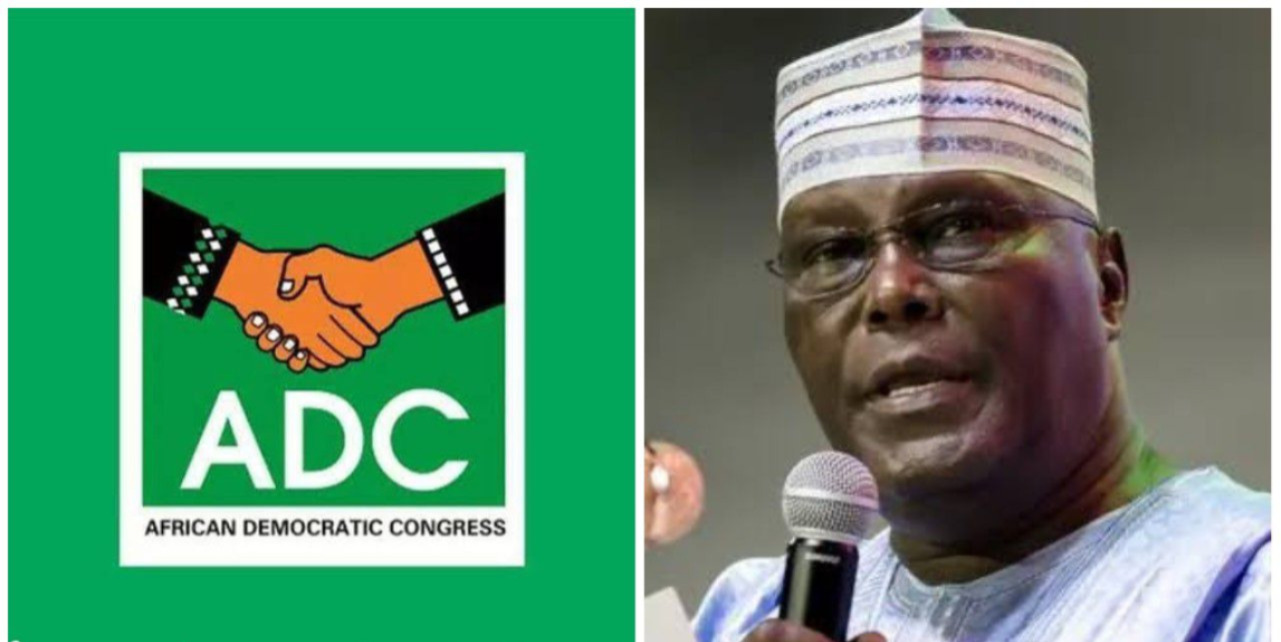
Atiku, the African Democratic Congress presidential candidate, however, said he would restore petrol subsidy if elected president in 2027, arguing that Nigerians have not seen sufficient benefits from the savings generated after the subsidy was removed.

He also demanded an account of the funds saved from subsidy removal, arguing that the money should have been channelled into poverty reduction, education, security and opportunities for young Nigerians.

His Economic Recovery Plan 2027 proposes a different model from the pre-2023 system: a targeted, capped and transparently budgeted production subsidy, rather than an opaque import-based subsidy.

The proposal, according to him, would involve supplying qualifying Nigerian refineries with crude at preferential prices under strict conditions, with the aim of lowering petrol costs and encouraging domestic refining.

On Sunday, Atiku again accused President Bola Tinubu-led government of double standards in its economic policies, arguing that while Nigerians are being subjected to the harsh effects of petrol subsidy removal, major petroleum investors are receiving tax credits and other fiscal incentives.

Reacting, Yilwatda described Atiku’s position as a “deeply troubling policy U-turn,” accusing the opposition of making an election-season promise without explaining how the huge cost of subsidising petrol would be financed.

According to him, the timing of the proposal, coming about four months before the 2027 general election, raised questions about whether the opposition had developed a coherent economic programme capable of addressing Nigeria’s structural challenges.

“Economic policy cannot be reduced to election-season promises. Nigerians deserve to know precisely where the money will come from, what sectors will bear the cost and whether such a policy can be sustained without reopening the fiscal pressures that necessitated reform in the first place,” Yilwatda said.

The APC chairman, speaking during a visit to the headquarters of the City Boy Movement in Abuja, argued that the removal of petrol subsidy, though painful, was a necessary decision, insisting that the appropriate response to the hardship associated with the reform was to strengthen social interventions and productive sectors rather than return to the old system.

Yilwatda said the 2027 election should be decided based on competing economic programmes rather than promises aimed at securing immediate political support.

He also questioned the ideological consistency of opposition politicians who, he alleged, had moved between political platforms while seeking to present themselves as agents of stability.

The APC chairman urged Nigerians to scrutinise the records of presidential contenders and assess whether their proposed policies could address the country’s long-term economic challenges.

He said the APC would continue to defend the Tinubu administration’s economic reforms while remaining open to credible alternatives.

His position was reinforced by Idris, who argued that subsidy removal had released trillions of naira for distribution among the three tiers of government and created fiscal space for infrastructure, social investment and other government obligations.

According to the minister, figures presented under the Federal Government’s Reform Scorecard showed that subsidy savings mobilised N15.8tn for the federation between June 2023 and December 2025.

He said about N5.43tn accrued to the Federal Government, while states and local governments received approximately N6.52tn and N3.88tn respectively.

Idris, however, clarified that the N15.8tn did not represent money sitting in a separate government account, but resources released within the broader fiscal system and made available to the three tiers of government.

He added that the additional resources had strengthened the ability of states and local governments to meet salary and pension obligations and fund infrastructure and essential services.

See also  Hamzat, Yayi, Alli may emerge APC consensus gov candidates

At the federal level, the minister said, the fiscal space had supported investments in strategic infrastructure, human capital and social programmes.

The minister cited approximately N6.47tn in additional expenditure on strategic infrastructure, including projects in transport, housing, agriculture and security.

He also said more than 10 million Nigerian households had benefited from social transfers, while more than N400bn had been committed to programmes including the Nigerian Education Loan Fund, the MOFI Real Estate Investment Fund and the Nigerian Consumer Credit Corporation.

Idris said reversing the subsidy reform would also threaten gains in the petroleum sector at a time when Nigeria was witnessing an expansion in domestic refining capacity.

“The renewed call for the restoration of petrol subsidy under any guise demands a clear-eyed examination of what Nigeria has gained from reform and what the country would have to surrender by reversing course,” he said.

He recalled that Nigeria spent about $10bn on fuel subsidies in 2022, at a time when oil production was declining, and government revenues were under pressure.

The minister argued that the subsidy regime had become increasingly difficult to sustain, with resources that could have been deployed to education, healthcare, infrastructure and social protection being channelled into keeping petrol prices artificially low.

The Federal Government also warned that returning to the old system could recreate fuel scarcity, encourage arbitrage and deepen the country’s fiscal difficulties.

According to Idris, the government’s Reform Scorecard projected that, without the reforms, petrol scarcity could have returned and prices on the black market could have risen above N3,000 per litre.

He further said the legacy Ways and Means financing, which stood at about N30tn in May 2023, could have doubled to N60tn or more had the previous policy framework remained in place.

The minister also drew attention to the cost of electricity subsidies, saying the country had spent another N3.14tn on electricity consumption subsidies between June 2023 and December 2025.

He warned that restoring petrol subsidy on top of the existing electricity subsidy would place additional pressure on government finances.

He said Nigerians should interrogate the sustainability of any proposal to restore subsidy by asking where the funds would come from and what programmes would have to be sacrificed to finance it.

“Do we restore petrol subsidy, or sustain student loans and consumer credit for young Nigerians? Do we restore subsidy, or preserve higher allocations to states and local governments? Do we restore subsidy, or continue funding roads, rail, power and security?” Idris similarly asked.

The renewed controversy over subsidy reflects one of the central economic fault lines likely to shape the 2027 presidential election.

While the Tinubu-led government has consistently defended subsidy removal as an unavoidable step towards restoring fiscal stability and attracting investment, opposition figures have continued to argue that the policy has imposed severe hardship on households and businesses.

Idris, however, maintained that the objective of the reforms was not simply to remove subsidies but to redirect public resources from subsidising consumption towards investment in infrastructure, human capital and productive capacity.

“We are not claiming that the reforms have solved all of Nigeria’s economic challenges; there is indeed still much work to be done to translate improved fiscal capacity into better services, jobs, infrastructure and living standards.

“But the proper response to the hardship associated with reform is not to dismantle the reform; it is to accelerate the benefits,” the minister said.

He added that Nigeria could not build a sustainable economy by returning to what he described as an unsustainable subsidy regime.

“We have moved beyond that model,” he added.

On Sunday, Atiku, in a statement issued by his Senior Special Assistant on Public Communication, Phrank Shaibu, described the celebration of subsidy removal by the Tinubu administration as “one of the biggest economic frauds being sold to Nigerians.”

He said the government could not consistently condemn intervention in the economy when it was designed to cushion the hardship faced by ordinary Nigerians while simultaneously deploying fiscal incentives to reduce the risks associated with major investments in the petroleum sector.

Atiku’s central argument was captured in his declaration, “You cannot subsidise capital and criminalise relief for citizens. You cannot offer cushions upstairs and call suffering downstairs reform.”

The ADC presidential candidate said the administration’s position was particularly difficult to reconcile with the incentives available to investors in the petroleum industry.

See also  ADC Will Defeat APC In 2027 – Sen. Ogbeha

“Under Tinubu’s own Deep Offshore Oil and Gas Projects Incentives framework, qualifying petroleum developments can receive production tax credits beginning at $3 and $4.50 per barrel, with supplementary credits capable, in qualifying circumstances, of taking the combined benefit to as much as $11.50 per barrel,” he said.

He questioned why government intervention should be considered sound economic policy when it reduces the cost and risks borne by investors but becomes unacceptable when targeted at households struggling with rising transport, food and energy costs.

“So, what exactly is Tinubu’s objection: government intervention itself, or government intervention for Nigerians?” he asked.

Atiku contended that the government’s own financial records raised questions about the claim that subsidy had simply disappeared.

He cited the Nigerian National Petroleum Company Limited’s financial statements, claiming that the company recorded about N4.84tn in energy-security expenses and related shortfalls in 2023 and approximately N7.13tn in 2024.

According to Atiku, NNPCL had explained that the expenditure was partly linked to the difference between the exchange rate used to determine the regulated PMS ex-coastal price and the prevailing exchange rate when import obligations were settled.

“Where exactly did the subsidy go? If Nigerians were paying market prices because ‘subsidy is gone,’ why was the federation still carrying trillions of naira in under-recovery and energy-security costs?” he said.

NNPCL’s investor information confirms that its 2024 audited financial statements are publicly available, although the company now describes itself as a commercial, profit-driven entity operating under the Petroleum Industry Act.

Atiku argued that the terminology used by the government to describe such expenditures should not obscure their economic effect.

“Nigerians do not eat semantics. Whether government calls it subsidy, under-recovery, shortfall or energy security, public resources were being used to bridge a gap between economic cost and the price at which petrol was sold,” he added.

The ADC chieftain said the consequences of the subsidy removal had been particularly severe for households and businesses, with higher petrol prices feeding into transportation, food prices, production costs and household expenditure.

He accused the administration of applying “brutally savage capitalism” to poor Nigerians while pursuing “compassionate capitalism for big oil money operators.”

He continued, “The government can protect a multibillion-dollar oil investment from risk, yet it says protecting the Nigerian worker from crushing hardship is bad economics,” Atiku said.

He added that the government could not “roll out the red carpet for rich oil operators while leaving its citizens to walk barefoot through hardship.”

Lawmaker knocks Atiku

The member representing Agege Federal Constituency of Lagos State in the House of Representatives, Dr Wale Ahmed, rejected Atiku’s proposed subsidy reversal, warning it could derail Nigeria’s economic recovery.

Ahmed, in a statement issued on Sunday, described the proposal as economically unsustainable and politically expedient.

Ahmed said reversing the policy would return Nigeria to an expensive system that drained public resources and created opportunities for abuse.

“Nigeria cannot afford to return to the subsidy era. What we need is to consolidate reforms and ensure their benefits reach ordinary Nigerians,” Ahmed said.

He said the removal of subsidies had improved government revenues by freeing up resources previously committed to keeping petrol prices artificially low.

“The question should be how these additional resources are deployed to improve infrastructure, healthcare, education, transportation and security, not how we recreate an unsustainable subsidy regime,” he said.

Ahmed also challenged Atiku to explain how his proposed subsidy arrangement would be funded without worsening Nigeria’s fiscal position.

“Where will the money come from? Will government borrow again to finance subsidy? Will allocations to states and local governments be reduced? Nigerians deserve clear answers,” he said.

The lawmaker said the claim that subsidy savings had disappeared was misleading, noting that the resources accrued to the federation.

“The savings were not money kept in a vault by the Federal Government. They increased revenues available to the federation and were shared among the three tiers of government,” he said.

Ahmed urged Nigerians to distinguish between temporary adjustment pains and long-term economic restructuring.

“Nobody is denying the hardship. It is real. But returning to the policies that contributed to our fiscal problems cannot be the solution,” he said.

See also  Coalition: ‘Nigerians Are Aware That Their Politicians Are Fraudsters’ – Farotimi

He urged the Federal Government to accelerate measures to reduce production and transportation costs, including improvements in electricity supply and agricultural investment.

ADC chieftains back Atiku

A chieftain of the ADC and former Edo State governorship aspirant, Kenneth Imasuagbon, has thrown his weight behind Atiku over his pledge to restore petrol subsidy if elected in 2027.

Imasuagbon, in a statement on Saturday in Benin City, described the criticism that greeted Atiku’s position from the Presidency and the ruling APC as “misplaced and politically motivated.”

He argued that the removal of fuel subsidy by Tinubu had further impoverished Nigerians, worsened inflation and inflicted unprecedented hardship on families across the country.

He said, “The removal of fuel subsidy has not translated into a better life for Nigerians. Instead, it has pauperised millions of citizens, destroyed the purchasing power of workers, increased the cost of transportation, food, healthcare and education, while businesses continue to shut down under the weight of unbearable operating costs.”

The ADC stalwart maintained that Atiku’s promise to restore the subsidy was not a sign of inconsistency but evidence of courageous leadership capable of reviewing policies that had failed to achieve their objectives.

“Atiku should not be attacked simply because he is prepared to reconsider a position he held in 2023. That is the mark of a compassionate and people-oriented leader,” he said.

Imasuagbon further argued that despite claims by the Federal Government that trillions of naira had been saved from subsidy removal, Nigerians had seen little evidence of prudent deployment of the funds.

“Where are the trillions reportedly saved? Nigerians deserve transparent answers.

“We still have collapsing infrastructure, worsening insecurity, failing hospitals, underfunded schools, mass unemployment and deepening poverty.

“If these enormous resources were truly invested in the people’s welfare, the ordinary Nigerian should have felt the impact by now,” he stated.

He insisted that the real debate should not be about whether subsidy should remain or be removed, but whether the policy had improved the quality of life of ordinary citizens.

The former governorship aspirant expressed confidence that Atiku possessed the experience, competence and economic understanding required to rescue Nigeria from what he described as the “economic quagmire” created by the APC-led Federal Government.

Also, the governorship candidate of the ADC in Sokoto State, Manir Dan’Iya, has backed Atiku’s proposal to reintroduce a targeted and accountable fuel subsidy regime if elected president.

Dan’Iya said the policy, if properly designed and transparently implemented, could help reduce the rising cost of transportation, food and other essential commodities currently putting pressure on Nigerian households.

In a statement issued to newsmen on Sunday by his Media Aide, Aminu Abdullahi, the ADC candidate said the economic hardship facing Nigerians required practical interventions that would cushion the impact of rising living costs.

According to him, the removal of petrol subsidy in 2023 contributed to increased transportation and production costs, with the consequences reflected in the prices of food and other necessities.

“At a time when Nigerian families are struggling to afford transportation, food and necessities, any credible policy capable of reducing the cost of living deserves serious consideration,” Dan’Iya said.

He, however, stressed that any subsidy regime under an Atiku administration must be targeted, transparent and accountable to prevent corruption and wastage.

Dan’Iya said Atiku’s proposal should go beyond simply returning to the previous subsidy arrangement by supporting domestic refining and reducing Nigeria’s dependence on imported petroleum products.

He described Atiku as a leader with the experience and understanding required to implement responsible economic reforms, strengthen institutions, create jobs and restore investor confidence.

“The 2027 election is an opportunity for Nigerians to choose a government that understands their hardship and is prepared to act.

“We must support policies that reduce the burden on our people, restore hope, strengthen institutions and put Nigeria back on the path of sustainable development,” he said.

Dan’Iya urged ADC members, supporters and Nigerians across the country to support the Atiku-led presidential ticket and other candidates of the party in the 2027 general elections.

He expressed confidence that an Atiku-led Federal Government, working with progressive state administrations, could address insecurity, unemployment, infrastructure deficits and economic hardship.

Source: punchng.com

FOLLOW US ON:
FACEBOOK

TWITTER

PINTEREST

TIKTOK

YOUTUBE

LINKEDIN

INSTAGRAM

Continue Reading

Politics

Kwankwaso urges Yari to reconsider Tinubu campaign council role

Published

on

The vice-presidential candidate of the Nigeria Democratic Congress, Rabiu Kwankwaso, has appealed to former Zamfara State Governor, Abdul’aziz Yari, to reconsider his decision to serve as Director-General of the All Progressives Congress Presidential Campaign Council for the 2027 election.

Kwankwaso made the appeal in a statement on Sunday while reacting to the recently constituted APC campaign council, which has President Bola Tinubu as chairman and Yari as Director-General.

The former Kano State governor questioned why Yari, who previously governed Zamfara State, would lead a campaign seeking the continuation of the present administration, despite what he described as persistent insecurity, poverty, unemployment and other challenges facing Nigerians.

“I particularly appeal to my brother, Senator Abdul’aziz Yari, who has accepted to serve as Director-General of the APC Presidential Campaign Council, to reflect deeply and reconsider accepting this responsibility,” Kwankwaso said.

He argued that Yari, as a former governor and prominent leader from the North-West, was familiar with the effects of insecurity, poverty, displacement and the destruction of livelihoods in the region.

“I therefore will be surprised if in his good conscience, will lead a campaign whose principal objective is to secure the continuation of a government under which many of the people he once governed, and other innocent Nigerians, remain trapped in these challenges?” he asked.

The APC recently constituted its 2027 Presidential Campaign Council, with Tinubu as chairman, Vice-President Kashim Shettima and APC National Chairman, Nentawe Yilwatda, as vice-chairmen, while Yari was named Director-General. Imo State Governor, Hope Uzodimma, was named secretary.

See also  Any Igbo man who is dragging his fellow Igbo man for supporting President TINUBU is a monkey and a coward - Actor, Yul Edochie

Kwankwaso described the composition of the council as a reflection of the choice Nigerians would face in the 2027 election, questioning whether the APC was offering “a new beginning” or the continuation of the present system.

“The truth is, I see the 2027 election as a struggle between the oppressed Nigerian masses and those who have benefited from, defended and sustained the system responsible for their hardship,” he said.

He also raised questions about the inclusion of senior public officials in the campaign’s fundraising and finance structures, specifically mentioning the Executive Chairman of the Nigeria Revenue Service, Zacheus Adedeji, and the Director-General of the Budget Office of the Federation, Tanimu Yakubu.

According to the APC campaign council list, Adedeji was named Deputy Director of Fundraising, while Tanimu Yakubu was listed as Secretary, Finance/Treasurer.

Kwankwaso said the involvement of officials responsible for public revenue and national finances in partisan campaign structures raised questions about institutional neutrality and public trust.

He urged the APC and the Federal Government to explain how the arrangement was consistent with the responsibilities of the affected public institutions.

“Ultimately, no campaign council is more powerful than the Nigerian people,” Kwankwaso said.

Source: punchng.com

FOLLOW US ON:

FACEBOOK

TWITTER

PINTEREST

TIKTOK

YOUTUBE

LINKEDIN

INSTAGRAM

Continue Reading

Politics

Atiku, Obi make final moves on campaign councils ahead of 2027 polls

Published

on

Following the official commencement of campaigns for the 2027 general elections, the presidential candidate of the African Democratic Congress, Atiku Abubakar, has intensified consultations ahead of the constitution of his campaign council.

The move comes as the All Progressives Congress unveiled key members of its presidential campaign council, with President Bola Tinubu on Saturday announcing former Zamfara State Governor Abdulaziz Yari as Director-General and Imo State Governor Hope Uzodinma as Secretary.

However, the Senior Special Assistant on Public Communication to Atiku Abubakar, Phrank Shaibu, urged Nigerians to be patient, saying details of the former vice-president’s campaign council and official campaign launch would be announced at the appropriate time.

Speaking in an interview with The PUNCH on Sunday, Shaibu said consultations were ongoing and that the campaign team would make an official announcement once the process was concluded.

He said, “The composition of His Excellency Atiku Abubakar’s Presidential Campaign Council, its leadership and the formal take-off of the campaign will be announced at the appropriate time.

“Consultations are ongoing, and we would rather allow the process to run its course than speculate about names or locations ahead of an official decision.”

On campaign funding, Shaibu also urged Nigerians to await the candidate’s formal position, saying Atiku would unveil his fundraising model when the time was right.

“We are aware of the different approaches being adopted by other candidates. His Excellency’s campaign will unveil its own fundraising framework in accordance with the law and at the appropriate time.

“Whatever model is adopted will be transparent, accountable and consistent with applicable campaign-finance regulations,” he added.

Shaibu said Atiku’s immediate focus was on engaging Nigerians on issues affecting their lives and presenting his policy alternatives.

He said these would include Atiku’s “unmistakable and unrepentant commitment” to the return of a targeted fuel subsidy, which he said would differ from the previous import-subsidy regime.

He explained that the proposed intervention would be transparent and production-linked, with the aim of supporting domestic refining, reducing the burden on Nigerians and ensuring that subsidy “follows the barrel.”

NDC consulting

Meanwhile, the National Democratic Congress, whose presidential candidate is Peter Obi, is also consulting on the composition and timetable of its campaign council.

The NDC National Publicity Secretary, Osa Director, told The PUNCH that the group would meet next weekend before deciding on the date and other details of its campaign.

“We are meeting next weekend before we can decide on a date. But everything will be done at the same time.

“Of course, you can be certain that people like Prof Pat Utomi, Buba Galadima and Bishop Idahosa will be among the names,” he said.

On the proposed campaign route, Director said the group planned to take its message to all 36 states and the Federal Capital Territory.

“I really don’t know the states we are going to kick off from. But we are going to be in the 36 states of the federation, including Abuja.

“We want to visit every state; if possible, we might even visit some states twice.

“Once we finish our meeting, we will take a decision on everything before we put them in the public domain,” he added.

Kwankwaso knocks APC

In a related development, the vice-presidential candidate of the NDC, Rabiu Kwankwaso, has criticised the ruling All Progressives Congress over the composition of its presidential campaign council.

See also  Labour Party in Nasarawa elects new chairman

In a post on his verified X handle, @KwanKwasoRM, on Sunday, the former Kano State governor said the council provided Nigerians with an opportunity to assess the kind of leadership being offered ahead of the 2027 general election.

He wrote, “I have taken note of the recently constituted APC Presidential Campaign Council, whose composition offers Nigerians a clear picture of the choice before us in the 2027 general election.

“The council brings together many of the same political actors who have supported, defended or participated in the present administration. Their coming together raises a fundamental question: What exactly are they asking Nigerians to vote for in 2027—a new beginning or the continuation of the same system that has brought severe hardship to our people?”

Kwankwaso described the 2027 election as a contest between “the oppressed Nigerian masses” and those who had benefited from, defended or sustained what he described as a system responsible for their hardship.

He said the situation should concern Nigerians across the country, particularly families struggling with rising food and living costs.

“Young Nigerians face unemployment and diminishing opportunities. Farmers and businesses are struggling to survive, while millions continue to live with insecurity. Our education, healthcare and other essential public services remain under enormous pressure,” he added.

Kwankwaso said the APC campaign structure represented another contest between “the oppressors and the oppressed,” urging Nigerians to use the 2027 election to demand accountable and people-centred governance.

He added, “If Osun people can do it, so can all other parts of the country.”

The former governor also appealed to the Director-General of the APC Presidential Campaign Council, Senator Abdul’aziz Yari, to reconsider his decision to lead the campaign.

“I particularly appeal to my brother, Senator Abdul’aziz Yari, who has accepted to serve as Director-General of the APC Presidential Campaign Council, to reflect deeply and reconsider accepting this responsibility,” he said.

Kwankwaso argued that, as a former governor of Zamfara State and a prominent leader from the North-West, Yari understood the effects of insecurity, poverty, unemployment, displacement and destruction of livelihoods in the region.

“I therefore will be surprised if, in his good conscience, he will lead a campaign whose principal objective is to secure the continuation of a government under which many of the people he once governed, and other innocent Nigerians, remain trapped in these challenges,” he added.

Questions over officials

Kwankwaso also questioned the inclusion of senior government officials, including the Executive Chairman of the Nigeria Revenue Service, Dr Zacch Adedeji, and the Director-General of the Budget Office of the Federation, Dr Tanimu Yakubu Kurfi, in the campaign’s fundraising and finance structures.

“There is also a serious institutional question concerning the inclusion of the Executive Chairman of the Nigeria Revenue Service, Dr Zacch Adedeji, and the Director-General of the Budget Office of the Federation, Dr Tanimu Yakubu Kurfi, in the campaign’s fundraising and finance structures,” he said.

He argued that the leadership of critical public institutions required neutrality, integrity and public confidence.

“It is therefore legitimate to ask whether the responsibilities of senior officials entrusted with managing public revenue and national finances can appropriately coexist with senior partisan campaign roles.

“The government and the APC should explain how such arrangements are consistent with institutional neutrality and public trust,” he added.

See also  ADC leaders plan new strategies against INEC, APC

Kwankwaso, however, concluded that “no campaign council is more powerful than the Nigerian people.”

No LP date

Meanwhile, the Labour Party is yet to announce its campaign timetable.

The LP presidential candidate, Dr Chibuzor Okereke, said the party’s strategy team would determine the date and venue for the campaign launch.

“You will be informed when we unveil it. Be rest assured that we are going to roll out everything once a decision has been taken.

“However, whether LP will start from one of the states or the FCT is left to the strategy team to decide. I can’t also speak on the commencement date or otherwise because it is still in the works,” Okereke said.

YPP gets date

Meanwhile, the presidential candidate of the Young Progressives Party, Prof Peter Agada, has announced September 9 as the date for the formal commencement of his campaign for the 2027 presidential election.

Agada, who spoke against the backdrop of the commencement of the 2027 electioneering season, said the campaign would begin in Lagos before moving to other parts of the country.

He also disclosed that his campaign structure was already in place, noting that some former supporters of the Labour Party presidential candidate in the 2023 election, Peter Obi, had joined his political movement.

The YPP candidate said the movement, which he described as “The Movement Nigeria”, had been operating for about four months and would form part of the structure for his presidential campaign.

He said, “The good thing is that we have been preparing gradually. We didn’t wait until the INEC campaign ceremony to start doing that.

“I am sure you know that I drive a movement. After resigning from the Obidient Movement, I know that a lot of Obidients did not go with him (Peter Obi). So, most of them came with me. That was how we set up a structure called The Movement Nigeria, which is approximately four months old. So, I can tell you that the structure to drive this election is already in place.”

On the commencement of the campaign, Agada said, “We are going to kick-start, by the special grace of God, September 9. As we speak, planning is ongoing until September 9, as I earlier said. We are having a lot of meetings too.”

He added that the campaign leadership had already been identified, with the appointments expected to be ratified before a formal announcement.

“We have already defined the team in terms of appointing the DG, Secretary, Communications Director and Media Director. All those offices are already in place with people managing them. But all these are going to be ratified on Wednesday. Once through, we are going to call for a press conference not long from that Wednesday to announce what is happening,” he said.

Agada named the Deputy National Chairman of the YPP, Ambassador Nana Aisha Mahmoud, as the proposed Director-General of his campaign council, subject to final clearance.

“I have not gotten full clearance yet. But I have the person of Ambassador Nana Aisha Mahmoud. She is currently the Deputy National Chairman of the YPP. She is coming in as the Director-General of the Campaign Council. And, of course, we have an able secretary in the person of Prof Osaze and the Director of Media, Evelyn Ohiole, who is a young and vibrant TV personality,” he said.

See also  Hamzat, Yayi, Alli may emerge APC consensus gov candidates

The candidate said the campaign would adopt a nationwide strategy, beginning with key states and expanding to the geopolitical zones.

He added, “We have a focused state in concentric circles. We are moving from the known to the unknown. States like Lagos, Kano, Kaduna and Abuja are our first points of call. Then, of course, we can now move on to the wings, like the North-East. In fact, there is a meeting in the North-East this Saturday and Sunday. It will be a very big meeting comprising all the North-Eastern states.

“Afterwards, of course, we will repeat the same thing in the North-West, South-East and then South-West. It is all planned out. Of course, our greatest attribute right now in the world is technology. It is also moving deeper and deeper into artificial intelligence and all of that.”

Agada said technology would be central to his campaign, adding that the party intended to showcase its proposed governance model through information and communications technology.

“Our party is driven by GPS. It is a GPS governance system. We intend to demonstrate that capability utilising ICT to showcase how government can be run with GPS. So, we are going to deploy it in this campaign to the eyes of everyone,” he said.

He further said the campaign structure already had coordinators across the states, local government areas and wards.

“Aside from that, we have the leadership of The Movement Nigeria that is on standby, ready to run, just as we have state-by-state, zonal, local government and ward coordinators, all in place. As I told you, we have been working on them in the last four to six months,” Agada said.

The development comes as other major political parties and opposition groupings prepare their campaign structures ahead of the 2027 elections.

However, the APC National Secretary, Senator Ajibola Basiru, said the party was yet to settle on the date and venue for the commencement of its campaign.

“I am sure you are aware that we have released the list of the APC Presidential Campaign Council with Senator Yari as the DG and Governor Hope Uzodimma the secretary.

“However, a date and state for the kick-off can’t be announced until the campaign council meets to discuss it,” Basiru said.

The APC campaign council was announced by the Presidency after President Bola Tinubu constituted the 223-member body.

Tinubu and Vice President Kashim Shettima were named chairman and vice-chairman I respectively, while APC National Chairman, Nentawe Yilwatda, was appointed vice-chairman II.

The council also includes Senate President Godswill Akpabio, Speaker of the House of Representatives, Tajudeen Abbas, and Yobe State Governor, Mai Mala Buni, among other senior party leaders.

The Independent National Electoral Commission had earlier opened the window for campaigns for the 2027 general elections, paving the way for political parties and candidates to commence public campaigns in line with the electoral timetable.

With the election season gathering momentum, competing parties and political alliances are expected to intensify mobilisation, unveil campaign structures and begin nationwide engagements ahead of the presidential poll.

Source: punchng.com

FOLLOW US ON:
FACEBOOK

TWITTER

PINTEREST

TIKTOK

YOUTUBE

LINKEDIN

INSTAGRAM

Continue Reading

Trending