Connect with us

Business

Poverty rate jumps to 63% after subsidy removal – Report

Published

on

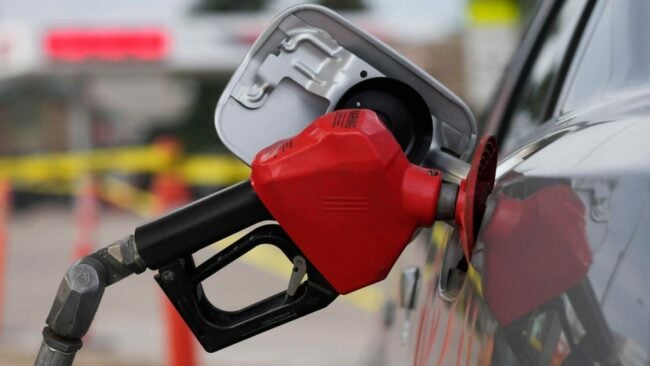
About 63 per cent of Nigerians fell below the poverty line after the removal of petrol subsidy, according to a new study that examined the welfare impact of the country’s recent economic reforms.

The research, presented at a stakeholders’ dialogue organised by Agora Policy in Abuja on Thursday, showed that the national poverty headcount rose sharply from a baseline of about 49.8 per cent to roughly 63 per cent following the subsidy removal before moderating slightly after the introduction of social protection measures.

The dialogue, themed “Sustaining and Deepening Economic Reforms in Nigeria,” brought together policymakers, economists, civil society leaders, and private sector representatives to examine the effects of the Federal Government’s reform agenda.

Among those present were the Deputy Governor for Economic Policy at the Central Bank of Nigeria, Dr Muhammad Abdullahi; the Special Adviser to the President on Finance and Economy, Ms Sanyade Okoli; the World Bank Senior Economist for Nigeria, Dr Samer Matta; the Country Director of CARE International, Dr Hussaini Abdu; and the Executive Director of Agora Policy, Waziri Adio, among others.

The study, presented by a Senior Lecturer at the  Department of Economics, University of Abuja, Dr Mohammed Shuaibu, analysed the economic and social consequences of key reforms introduced by the Federal Government, including the removal of petrol subsidy and adjustments in electricity tariffs.

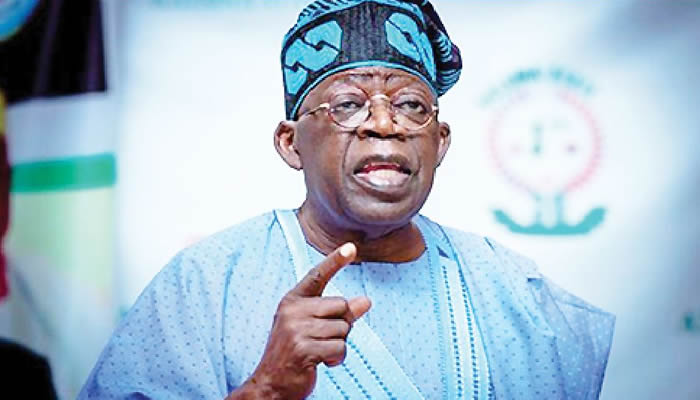
President Bola Tinubu had announced the end of petrol subsidy during his inaugural address on May 29, 2023. According to the study, the policy triggered broad price increases across the economy and significantly affected household welfare. “After the subsidy removal, poverty increased from a baseline of about 50 per cent to 63 per cent,” Shuaibu said.

He added that the introduction of social protection measures helped moderate the impact but did not fully reverse the deterioration in welfare conditions. “However, when social protection measures such as cash transfers were introduced, the poverty rate moderated to around 56.2 per cent,” he said.

The findings indicated that the immediate effects of the reform were unevenly distributed across different income groups. While high-income households remained largely insulated from the shocks, low-income households experienced the most severe erosion of purchasing power.

Data from the study showed that poverty among low-income households rose sharply from about 50 per cent before subsidy removal to roughly 63 per cent afterwards, while the national poverty gap widened significantly.

The poverty gap at the national level increased from 31.6 per cent to more than 45 per cent following the policy change, indicating a deeper level of deprivation among poor households.

See also  FG, NLC end pension fund dispute

Although social transfers slightly reduced the gap, the improvement remained limited due to delays in the rollout of intervention programmes and the relatively small scale of support provided.

The study also assessed how the reforms affected household consumption patterns. According to the findings, consumption levels declined across income groups following the removal of the subsidy and the adjustment of electricity tariffs.

“Across the board, household consumption declined following both the subsidy removal and electricity tariff adjustments. However, social transfers helped cushion the impact, especially for low-income households,” Shuaibu said.

The analysis showed that the effect on consumption was particularly pronounced among rural and low-income households, where rising energy and transport costs significantly reduced spending capacity.

Households in urban low-income groups also experienced declines in consumption, although the impact was somewhat moderated where social transfers were introduced.

Beyond household welfare, the research also examined the broader macroeconomic consequences of electricity tariff reforms.

The study found that electricity tariff adjustments resulted in a modest increase in consumer prices, initially raising prices by about 0.26 per cent, which later rose to roughly 0.52 per cent after the inclusion of social protection measures.

However, the electricity reform produced a small positive impact on economic output. According to the analysis, real Gross Domestic Product increased by about 0.42 per cent under the reform scenario before moderating to around 0.21 per cent when social protection programmes were factored into the model.

Firm-level investment also recorded slight gains following electricity tariff adjustments, although these improvements were partly offset by the cost of implementing social protection measures.

In contrast, the removal of the petrol subsidy had a contractionary effect on economic activity. The study showed that rising fuel prices and transport costs triggered inflationary pressures that weighed on business activity and investment.

Beyond the quantitative modelling, the research incorporated insights from focus group discussions conducted across Nigeria’s six geopolitical zones. These discussions involved households and businesses and provided qualitative evidence on how Nigerians were coping with the economic changes.

Participants generally acknowledged the need for reforms given the country’s fiscal and macroeconomic challenges, but many criticised the speed at which the policies were introduced.

Households reported that the reforms rapidly eroded purchasing power and forced many families to adopt survival strategies. “Households adjusted to the shocks not through recovery but through sacrifice,” Shuaibu said.

According to the study, many households responded by cutting consumption, reducing transport use, rationing electricity, and borrowing money to meet basic needs. Several respondents also said they had received little or no assistance from government support programmes designed to mitigate the effects of the reforms.

Businesses reported similar difficulties, noting that rising fuel and electricity costs significantly increased operating expenses. Some firms said they had been forced to raise prices, reduce staff strength, or shut down operations entirely.

See also  Nigerian businesses to lose billions of naira as 25-day blackout hits Lagos, Ogun

Others reported switching to alternative energy sources to cope with rising electricity tariffs and fuel costs. However, many business owners said that promised government support programmes had either not reached them or were insufficient to offset rising costs.

The study concluded that while the reforms were necessary to correct structural distortions in the Nigerian economy, their implementation created severe short-term shocks.

Providing a monetary policy perspective at the dialogue, the Deputy Governor of the CBN for Economic Policy, Muhammad Abdullahi, said the reforms became unavoidable because the Nigerian economy had been weakened by deep structural distortions.

“Nigeria faced severe macroeconomic imbalances, economic distortions, and collapsing revenues before major reforms began,” he said.

According to Abdullahi, the country had suffered a dramatic decline in oil revenue over the past decade.

He disclosed that earnings from crude oil fell from about $92bn in 2012 to less than $2bn in 2023, representing a decline of nearly 98 per cent in expected revenue during the period.

The situation, he said, contributed to severe fiscal pressure and made policy reforms unavoidable. The CBN official also noted that Nigeria inherited major distortions in the foreign exchange market, including multiple exchange rate windows that encouraged arbitrage.

According to him, the subsidy regime and exchange rate distortions together were estimated to have cost the Nigerian economy about six per cent of its Gross Domestic Product.

Abdullahi also disclosed that the CBN inherited a backlog of about $7bn in foreign exchange obligations owed to businesses and investors. He said the apex bank had already cleared about $4.5bn of the backlog in an effort to restore confidence in the financial system.

He added that restoring confidence in the foreign exchange market and improving oil sector performance were critical to stabilising the economy. Abdullahi also said Nigeria’s foreign reserve position was weaker than it appeared before the reforms.

Although official reserves were reported to be about $32bn, he explained that much of the funds consisted of borrowed resources and swaps, leaving the country with net reserves of only about $800m.

See also  Access Holdings Board approves H1 2026 financials

Despite the difficult transition, he said the reforms were beginning to produce early results. According to him, inflation has been declining steadily for about 19 months, while food inflation is currently at its lowest level in about 13 years.

He added that Nigeria was gradually moving towards single-digit inflation, something the country has not achieved in more than a decade. Abdullahi further stated that net foreign reserves had improved significantly, rising from about $800m to roughly $32bn, a development he said had strengthened international investor confidence.

He also pointed to rising non-oil exports, which reached about $6bn last year, with the government targeting $12bn in the near future.

Also speaking at the dialogue, the Director-General of the Lagos Chamber of Commerce and Industry, Dr Chinyere Almona, said the reforms had corrected several long-standing distortions but had also placed heavy pressure on businesses.

Almona noted that the removal of petrol subsidy alone could save the government about $7.5bn annually, which should be invested in infrastructure and human capital development. “For the private sector, what we want to see is that the savings from the fuel subsidy removal are actually being used to fund infrastructure,” she said.

She explained that rising fuel prices had significantly increased electricity generation costs for businesses. Almona added that while macroeconomic indicators such as reserves and the balance of payments had improved, many Nigerians had yet to experience the benefits.

“The economy is improving at the macro level, but that improvement has not trickled down to the common man and many small businesses,” she said.

She therefore urged the government to introduce complementary policies that would support businesses, including improved access to credit and targeted assistance for small and medium-sized enterprises.

The Chair of Agora Policy, Ojobo Ode Atuluku, said the dialogue was organised to promote evidence-based discussion on Nigeria’s reform agenda. He explained that the initiative was supported by the Nigeria Economic Stability and Transformation programme and the United Kingdom’s Foreign, Commonwealth and Development Office.

World Bank economist Samer Matta urged the government to expand social protection programmes and strengthen the National Social Register to ensure that assistance reaches vulnerable populations quickly.

He added that sustained dialogue and stronger safety nets would be critical to maintaining public support for Nigeria’s economic reforms and ensuring that growth becomes more inclusive.

punch.ng

FOLLOW US ON:

FACEBOOK

TWITTER

PINTEREST

TIKTOK

YOUTUBE

LINKEDIN

Continue Reading
Click to comment

Leave a Reply

Your email address will not be published. Required fields are marked *

Business

Dangote stops petrol sales to fuel importers

Published

on

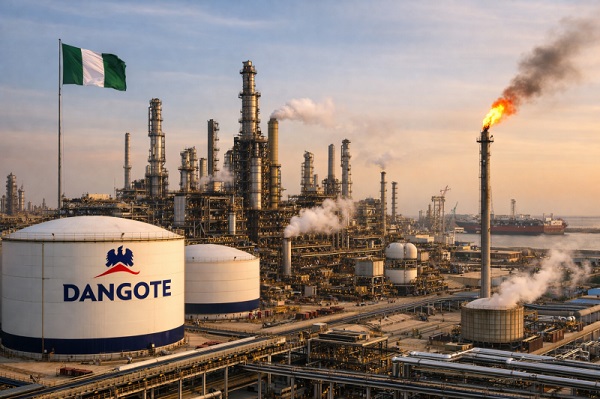
The Dangote Petroleum Refinery has finally stopped the sale of Premium Motor Spirit (petrol) to major marketers importing petroleum products into Nigeria.

An official of the refinery confirmed this to our correspondent, saying the refinery would no longer sell petrol to those blending Dangote fuel with imported grades.

“We are not selling petrol to those who are importing, since they are trying to blend our high-quality products with their ultra-low-quality imported products,” the source said, pleading for anonymity because he was not permitted to speak with the press.

Another source told our correspondent that the refinery now prefers to sell its petrol to members of the Independent Petroleum Marketers Association of Nigeria and others not known for importing. “We are selling to independent marketers and others who are not importing,” he stated.

It was learnt that the development informed why some marketers went to court to get an order that the Nigerian Midstream and Downstream Petroleum Regulatory Authority should continue to grant them import licences.

The marketers feared that they might be left stranded if they could not import fuel at a time when the Dangote refinery had halted petrol sales to them. Dangote had earlier threatened to stop transacting business with fuel importers, whom it accused of blending its Euro-5 petrol grade with imported grades.

It is concerned that such practices could make it difficult to distinguish between products supplied directly by the refinery and products subsequently blended or handled by third parties.

“It is difficult to understand why we would invest heavily in producing high-quality petroleum products for Nigerians, only for those products to be mixed with imported products of uncertain quality and the resulting product to be associated with the refinery,” the refinery said last month.

See also  Tinubu unveils tax calculator to show impact on incomes

Reacting, importers and petroleum marketers kicked against the restriction of petrol sales to marketers who import petrol, describing the move as an attempt to block imports. The marketers also challenged the refinery to provide evidence that imported petrol entering the Nigerian market is below the required quality standard.

The marketers, who preferred not to be mentioned, accused Dangote of trying to prevent the importation of petrol. “We know what Dangote is trying to do. He is just trying to block imports,” one of the marketers said. The marketer argued that a company that sells petrol could not dictate whether a consumer should combine its product with fuel purchased from another supplier.

Using the example of motorists buying petrol from different filling stations, the marketer said Dangote could not prevent consumers from combining products sourced from different suppliers.

“For example, when you buy petrol from a TotalEnergies station, and you go down the road, and your petrol is almost finished, you then buy from MRS. Can TotalEnergies say you should not mix its petrol with MRS petrol? No, it can’t. I don’t understand the game that the Dangote refinery is playing,” he stated.

Another marketer also argued that the Federal Government had a responsibility to ensure an adequate petrol supply and protect consumers, insisting that imports remain necessary when domestic production drops.

Speaking, the National Vice Chairman of the IPMAN, Hamed Fashola, stated that the Dangote refinery is selective about who it sells petrol to because not all major marketers import.

“I don’t know how far that is correct; Dangote now sells to only IPMAN. I think somehow the information I have is that Dangote is selective about it, say those that are involved in importing. I think it’s not everybody that is importing,” he said.

See also  Recapitalisation hurdle: Pension firms hunt for N277bn lifeline

Clarifying IPMAN’s purchasing position amid market competition, Fashola noted that independent marketers operate flexibly to secure the most competitive pricing, sourcing supply indiscriminately from both local refineries and importers.

“We buy our product anywhere we feel it is cheap. Anywhere we see the product, we go for it, both Dangote and the importers. We always go for the best price,” Fashola stated.

Meanwhile, the National Publicity Secretary of the IPMAN, Chinedu Ukadike, expressed the belief that the Dangote refinery is open to doing business with anyone.

Ukadike noted that independent marketers are ready to buy and sell petrol from all suppliers, stressing that they were not currently involved in importing the product.

While saying he would not know if importers truly blend Dangote’s petrol with imported petrol, he concluded that Dangote is in the best position to determine whatever it can do to discourage blending.

“I believe that the Dangote refinery is open for business and that it will continue to sell to marketers. The issue of blending, I cannot say yes or no, because I’m not part of those who are importing. Independent marketers are not importing yet; we are just marketers who buy and sell.

“So, if there is any measure to discourage adulteration of petroleum products by Dangote, I think the refinery and its experts know best. They know the best way to deal with that. But our own is to continue to buy and sell to marketers. If there is a way to discourage adulteration of petroleum products, I won’t stop Dangote from doing so,” Ukadike added.

See also  IMF reveals that rising prices threaten Nigeria’s poverty reduction gains

Source: punchng.com

FOLLOW US ON:

FACEBOOK

TWITTER

PINTEREST

TIKTOK

YOUTUBE

LINKEDIN

INSTAGRAM

Continue Reading

Business

Report reveals petrol, diesel prices rise 86% in eight months

Published

on

The average prices of petrol and diesel have risen by 86 per cent in 2026, with the two products reaching their highest average price levels for the year by September 22, according to the latest fuel price trend report by priceandpromo.

The report stated that the average price of Premium Motor Spirit, popularly known as petrol, rose to N1,378 per litre by September 22, while automotive gas oil, commonly known as diesel, increased to N1,899/litre.

It puts the increase in the price of petrol at 80.8 per cent from the January 13 base, while diesel recorded a 91.8 per cent rise over the same period. The average increase of the two products is 86.3 per cent, which rounds to 86 per cent.

The report stated, “The latest priceandpromo fuel price trend shows renewed upward movement following the relative stability observed between April and July.

“Petrol rose to an average of N1,378 per litre by 22 September, while diesel increased to an average N1,899 per litre, the highest average price levels recorded for both products in the displayed 2026 series.”

According to the report, petrol prices had increased sharply in March before remaining relatively stable at elevated levels between April and July. “After the sharp March increase, fuel prices stabilised at higher levels through July before rising again in August and September,” it added

The renewed increase came amid heightened volatility in the international energy market, according to the report, which noted that the domestic market remained exposed to movements in global energy costs.

See also  IMF reveals that rising prices threaten Nigeria’s poverty reduction gains

“The renewed increase comes amid heightened global energy-market volatility, highlighting the domestic market’s continued exposure to shifts in international energy costs,” the report added.

The report indicated that the latest movement in fuel prices could have wider implications for transportation, logistics and the cost of distributing goods, given the importance of petrol and diesel to economic activities.

The report noted that fuel prices remained an important channel through which changes in energy costs could feed into transportation and other consumer costs.

The report further warned that the renewed increase in both products is a development to monitor because of its potential implications for the movement of people and goods.

It said, “The renewed increase in both petrol and diesel is therefore an important market signal to watch, particularly for its potential implications for mobility, logistics costs and the wider cost of moving goods through the market.”

The report’s figures show that the increase in diesel prices has outpaced that of petrol, with AGO rising by 91.8 per cent compared with PMS’s 80.8 per cent increase.

Source: punchng.com

FOLLOW US ON:

FACEBOOK

TWITTER

PINTEREST

TIKTOK

YOUTUBE

LINKEDIN

INSTAGRAM

Continue Reading

Business

DisCos earn N603bn as power offtake drops

Published

on

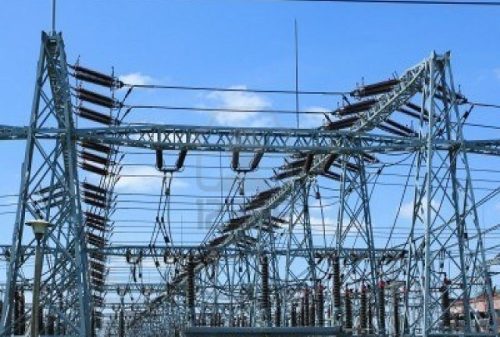
Electricity distribution companies collected N603.64bn from customers in the second quarter of 2026, despite a decline in the volume of electricity they received from the power market.

The figure was contained in the Nigerian Electricity Regulatory Commission’s second-quarter 2026 report, which showed that the average energy offtake by the DisCos at their trading points fell to 3,197.03 megawatt-hours per hour in the quarter.

The Q2 figure represented a 112.45MWh/h, or 3.40 per cent, decline from the 3,309.48MWh/h average recorded in the first quarter. Despite the decline in offtake, the DisCos recorded an overall offtake performance of 94.07 per cent during the quarter, against available partially contracted capacity of 3,398.41MWh/h.

According to the report, the DisCos received a total of 6,982.32 gigawatt-hours of electricity during the quarter but billed customers for only 5,812.31GWh. It stated, “This translates to an overall energy accounting efficiency of 83.24 per cent and represents a 0.24pp decrease compared to 2026/Q1 (83.48 per cent).”

The report further revealed that the naira value of electricity off-taken by the DisCos stood at N946.57bn, while the total value of energy billed to customers was N744.67bn.

This translated to a billing efficiency of 78.67 per cent, representing a decline of 0.57 percentage points from the 79.24 per cent recorded in the first quarter. At the collection stage, the DisCos recovered N603.64bn from the N744.67bn billed to customers, translating to a collection efficiency of 81.06 per cent.

The report said this represented an improvement of 2.11 percentage points from the 78.95 per cent recorded in Q1. However, the difference between the amount billed and the amount collected stood at N141.03bn during the quarter.

See also  Tinubu unveils tax calculator to show impact on incomes

The report also disclosed that the weighted average Aggregate Technical, Commercial and Collection losses across the 11 DisCos stood at 36.23 per cent in Q2.

It stated, “The ATC&C loss of 36.23 per cent is 19.31pp higher than the 2026 MYTO target (16.92 per cent) and translates to a cumulative revenue loss of N129.07 billion across all DisCos.”

The 36.23 per cent loss, however, represented a 1.21 percentage-point improvement from the 37.44 per cent recorded in Q1.

The report noted that all the DisCos failed to meet their ATC&C targets during the quarter, with “Kaduna DisCo recording the worst underperformance relative to the target (Actual – 67.70 per cent vs target – 18.18 per cent),” it stated.

On market obligations, the report said the cumulative upstream invoice payable by the DisCos stood at N410.38bn in Q2.

The amount comprised N326.46bn for generation costs from the Nigerian Bulk Electricity Trading Company and N83.92bn for transmission and administrative services provided by the market operator.

The DisCos collectively remitted N385.44bn, comprising N306.62bn to NBET and N78.82bn to the market operator, leaving an outstanding balance of N24.94bn. This represented a market remittance performance of 93.92 per cent, slightly lower than the 94.08 per cent recorded in Q1.

The report added that the Federal Government had taken responsibility for about 50 per cent, or N321.26bn, of the total generation costs through subsidies arising from the freezing of end-use customer tariffs at the rates applicable in July 2024.

Meanwhile, three international bilateral customers purchasing electricity from grid-connected generating companies paid $8.67m against an $18.84m invoice issued by the market operator during the quarter.

See also  TCN declares force majeure as rainstorm collapses Lagos-Osun power line

This represented a remittance rate of 46.02 per cent. Domestic bilateral customers, on the other hand, paid N6.91bn against an invoice of N7.55bn, representing a remittance rate of 91.54 per cent.

Source: punchng.com

FOLLOW US ON:

FACEBOOK

TWITTER

PINTEREST

TIKTOK

YOUTUBE

LINKEDIN

INSTAGRAM

Continue Reading

Trending