Connect with us

Lifestyle

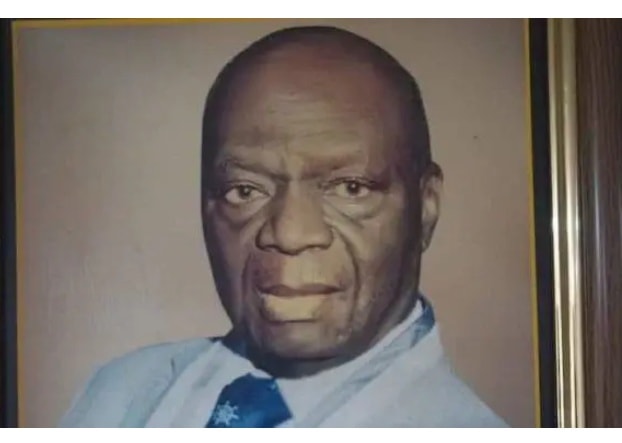
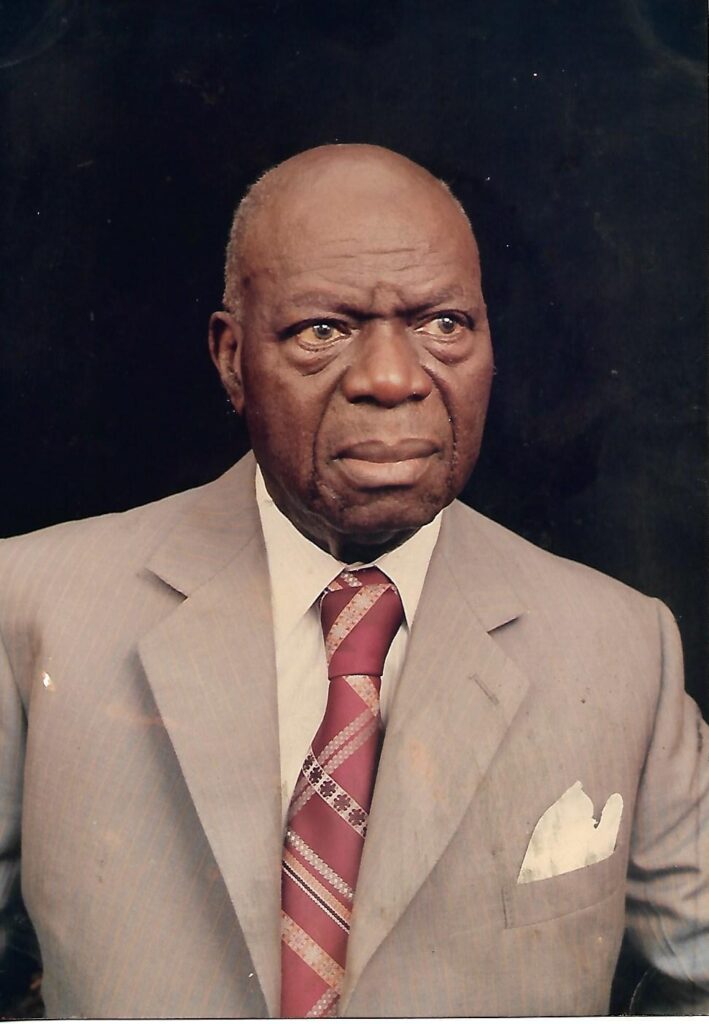
Sir Mobolaji Bank-Anthony: Nigeria’s Pioneer Industrialist and Philanthropist (PHOTOS)

Published

on

The visionary businessman whose generosity and leadership helped shape Lagos and Nigeria’s postcolonial economy

A Visionary Businessman Ahead of His Time

Sir Mobolaji Bank-Anthony was more than just a businessman; he was a nation-builder. Born in 1907 into a distinguished Yoruba family in Lagos, he rose to prominence during Nigeria’s transition from colonial rule to independence. His name became synonymous with integrity, enterprise, and selfless service — qualities that earned him a knighthood from the British Crown.

During the mid-20th century, when few Nigerians occupied leadership positions in major corporations, Bank-Anthony broke barriers. He played a crucial role in shaping Nigeria’s early industrial framework, setting the stage for the country’s economic progress in the decades that followed.

Contributions to Nigeria’s Economic Development

From the 1950s through the 1980s, Sir Mobolaji Bank-Anthony stood at the forefront of Nigeria’s emerging industrial scene. He was instrumental in several sectors, from aviation to finance and commerce.

He served as the Council President of the Lagos Stock Exchange, the institution that would later evolve into the Nigerian Stock Exchange (now the Nigerian Exchange Group). His leadership helped establish the foundation for modern capital markets in Nigeria, encouraging transparency and corporate accountability in a young economy still finding its feet.

Bank-Anthony also held numerous board and executive positions in various companies, reflecting both his business acumen and his trusted reputation. Most notably, he served as Chairman of Aero Contractors, a pioneering aviation company that remains active in Nigeria’s air transport industry today. His business philosophy combined innovation with integrity — a rare blend that earned him respect across both public and private sectors.

See also  ‘I Regret Announcing My Relationship With MC Oluomo’ – Nollywood Actress, Sikiratu Sindodo

A Legacy of Philanthropy

Beyond commerce, Sir Mobolaji Bank-Anthony distinguished himself as a devoted philanthropist. His belief in giving back to society led him to invest heavily in healthcare and community development.

One of his most enduring contributions is the Ayinke House, a maternity hospital located within the Lagos State University Teaching Hospital (LASUTH), Ikeja. The facility, which he financed and built, has provided care to countless mothers and children for decades and remains one of the most respected maternal hospitals in Nigeria.

He also donated a ward to the National Orthopedic Hospital in Igbobi, Lagos, ensuring that Nigerians with physical disabilities and trauma injuries could access quality treatment. His philanthropic gestures were not limited to large projects; he quietly supported education, churches, and welfare organisations, often without seeking recognition.

Honours and Enduring Recognition

Sir Mobolaji Bank-Anthony’s contributions did not go unnoticed. His leadership and generosity earned him both national and international honours, including a British knighthood, making him one of the few Nigerians to be knighted during the colonial and post-independence eras.

In recognition of his lasting impact, a major Lagos thoroughfare — Mobolaji Bank Anthony Way in Ikeja — was named after him. The road serves as a daily reminder of his vision and contributions to the city’s growth and modernisation.

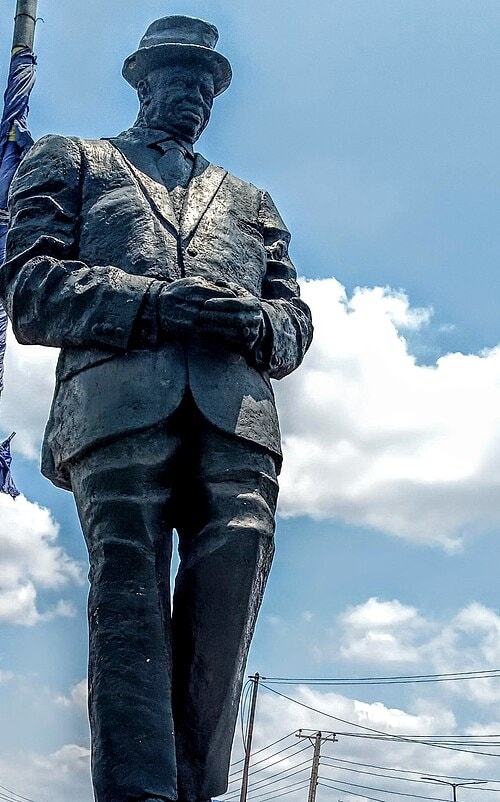
A statue in his likeness now stands in Lagos, honouring his service as one of Nigeria’s first indigenous business magnates who combined wealth with a deep sense of civic responsibility.

A Model of Integrity and Service

Sir Mobolaji Bank-Anthony’s life embodied the values of discipline, honesty, and compassion. At a time when many Nigerians were still fighting for economic inclusion, he blazed a trail that others would follow — showing that it was possible to achieve great success without compromising moral principles.

See also  Ikogosi Warm/Cold spring in Ekiti State

He passed away in 1991, but his legacy lives on through the institutions he supported, the lives he touched, and the infrastructure that continues to bear his name.

References:

Lagos State Government Archives

Nigerian Exchange Group Historical Records

National Orthopedic Hospital, Igbobi – Historical Files
FOLLOW US ON:

FACEBOOK

TWITTER

PINTEREST

TIKTOK

YOUTUBE

LINKEDIN

TUMBLR

INSTAGRAM

Continue Reading
Click to comment

Leave a Reply

Your email address will not be published. Required fields are marked *

Lifestyle

LIFE IS TEMPORARY — SO LEARN TO LIVE MEANINGFULLY BEFORE YOUR TIME RUNS OUT.

Published

on

One day, you will leave everything behind. Your money, house, cars, fame, position, and possessions will remain in this world. The important question is: what will your life have meant to the people you leave behind?**

We spend years chasing wealth, competing with others, fighting over religion, politics, ethnicity, and social status. We sometimes sacrifice our health, peace of mind, family relationships, and happiness just to acquire things we cannot take with us when we die.

Yet, life continues to remind us that nobody stays here forever.

The rich will die. The poor will die. The powerful will die. The unknown will die. No amount of money can make human life permanent.

Does this mean life is meaningless? Not necessarily. **Perhaps the fact that life is temporary is precisely why we should be more careful about how we spend it.**

If we have limited time in this world, how can we live meaningfully?

### 10 PRACTICAL WAYS TO LIVE A MEANINGFUL LIFE

**1. Put your health before unnecessary competition.**

Do not destroy your body trying to impress people. Eat wisely, exercise regularly, get enough sleep, manage stress, and seek medical attention when necessary. Wealth means little if you neglect the body that allows you to enjoy life.

**2. Spend quality time with your family.**

Your children need more than money, clothes, and expensive gifts. They need your attention, guidance, affection, and wisdom. Call your parents if they are alive. Check on your siblings. Make time for the people who genuinely care about you.

See also  Read how Mother and four children died in Rivers inferno

**3. Teach your children their history and values.**

Tell them where they come from, the stories of their ancestors, their language, their culture, and the lessons of previous generations. Teach them critical thinking, honesty, responsibility, and respect for others. Do not leave their entire education about life to social media.

**4. Stop measuring your worth by material possessions.**

You do not have to own the biggest house, drive the most expensive car, or wear designer clothes to have value. Build financial stability, but do not make material wealth the only measure of your success.

**5. Treat people with humanity.**

Be kind to people who cannot reward you. Respect workers, the elderly, children, and those who have less than you. A person’s dignity should not depend on their bank balance, religion, tribe, nationality, or social position.

**6. Keep learning until the end of your life.**

Read books, learn new skills, ask questions, and challenge your assumptions. Do not allow age, tradition, or fear to prevent you from discovering better ways to live. An educated mind is better equipped to make informed decisions.

**7. Use your knowledge and resources to help others.**

Share useful information, mentor a young person, support someone who is struggling, volunteer, or help a neighbour in need. You do not have to be rich to make a positive difference. Sometimes, a little assistance can change someone’s entire day.

**8. Protect your peace and choose your battles wisely.**

Not every insult deserves a response. Not every disagreement requires a fight. Learn to walk away from destructive relationships, unnecessary arguments, and endless competition. Your peace of mind is worth protecting.

See also  “All Men Are the Same” — Why Do Some Women Say This?

**9. Think critically and make your own decisions.**

Do not blindly accept everything you hear from politicians, religious leaders, traditional authorities, celebrities, or social media influencers. Ask questions, examine evidence, and be willing to change your mind when you discover better information.

**10. Live with the awareness that your time is limited.**

Do not postpone every important thing until tomorrow. Apologise when you are wrong. Express love while you can. Pursue worthwhile goals. Repair relationships where possible. Write down the lessons you have learned and pass them on to the next generation.

Remember, living meaningfully does not mean abandoning ambition, money, religion, or personal success. It means putting these things into perspective and refusing to let them consume your entire existence.

You can build wealth without becoming arrogant. You can practise religion without hating people who believe differently. You can be successful without exploiting others. You can enjoy life without forgetting your responsibilities.

**THE REAL QUESTION IS NOT JUST HOW LONG YOU LIVE, BUT HOW YOU CHOOSE TO LIVE WHILE YOU ARE ALIVE.**

### A CHALLENGE FOR EVERYONE READING THIS

Starting today, choose three practical actions:

– Do one thing to improve your health.
– Do one thing to strengthen your family or help another person.
– Do one thing to increase your knowledge or become a better human being.

Repeat these actions consistently, and let your life reflect the values you claim to believe in.

💭 **LET US DEBATE: If life is temporary and everything we own must eventually be left behind, what should be the most important purpose of human existence — wealth, family, happiness, knowledge, service to humanity, or something else?**

See also  Men Have Proposed Marriage To Me Countless Times And I’ve Said No To Them – Bimbo Akintola

Write your honest opinion in the comments. You may help someone see life from a different perspective.

Share this message with someone who needs a reminder about what truly matters.

**NEWSBREAK365 — THINK DEEPLY. LIVE WISELY. VALUE HUMANITY.**

#MeaningOfLife #LifeLessons #PersonalGrowth #FamilyValues #Humanity #HealthyLiving #Newsbreak365

FOLLOW US ON:

FACEBOOK

TWITTER

PINTEREST

TIKTOK

YOUTUBE

LINKEDIN

INSTAGRAM

Continue Reading

Lifestyle

IF YOUR PARENTS FAILED TO TEACH YOU YOUR HISTORY, DON’T MAKE THE SAME MISTAKE WITH YOUR CHILDREN!

Published

on

Dear parents, your responsibility is bigger than paying school fees, buying clothes, providing food, and ensuring your children get a good education. You must also teach them who they are, where they come from, and the history they will one day pass on to their own children.**

You may have grown up knowing very little about your ancestors, your traditional names, your mother tongue, your hometown, or the cultural practices of your people. Perhaps nobody sat you down to explain your family lineage or tell you the stories of those who came before you.

But now that you are a parent, you have an opportunity to change that story.

Don’t allow your children to inherit the same gap in knowledge you grew up with.**

You don’t need to be a historian or know every detail of your ancestry. You simply need to be willing to ask questions, learn, document, and teach.

PARENTS, HERE ARE PRACTICAL STEPS YOU CAN START TAKING TODAY!

**1. Make a list of what you don’t know.**

Write down questions about your family history that you cannot answer. Where did your family originate? Who were your great-grandparents? Why was your family given its surname? What does your traditional name mean? Which traditions did your ancestors practise? Use this list as your family-history research guide.

**2. Visit your parents, grandparents, and older relatives with questions.**

Don’t wait for family gatherings, funerals, or special occasions. Arrange a conversation with older relatives and ask them to share their memories. Ask permission to record their stories on your phone so your children can listen to them in the future.

**3. Create a family tree with your children.**

Take a large sheet of paper and write down the names of family members, starting with your children and working backwards through the generations. Add photographs, birthplaces, occupations, and important family events where known. Mark unknown details as questions to investigate rather than guessing.

**4. Explain the meaning of your children’s names.**

Tell them why you chose their names, who they were named after, and what those names mean in your culture or family. If you don’t know the meaning of your own traditional name, research it and ask knowledgeable relatives.

**5. Make your mother tongue part of everyday life.**

Teach your children five new words each week. Practise greetings, family terms, songs, proverbs, and everyday conversations. Let grandparents help with pronunciation and explanations. Don’t make children feel ashamed if they struggle; encourage them to learn with confidence.

**6. Establish a monthly family-history day.**

Choose one evening every month for family storytelling. Each session can focus on one topic: grandparents’ childhoods, traditional marriage customs, how your hometown developed, family migration, historical events, or the origins of your cultural traditions.

See also  Read how Mother and four children died in Rivers inferno

**7. Start a family-history notebook.**

Keep a dedicated notebook or digital document containing names, dates, locations, family stories, traditional recipes, proverbs, and important events. Write down who shared each story and when. Distinguish personal memories and family traditions from independently verified historical facts.

**8. Preserve your family photographs before they disappear.**

Collect old photographs from relatives. Ask who appears in each picture, where it was taken, and what was happening at the time. Label the pictures and make secure digital copies. A photograph without names or stories can lose much of its meaning over time.

**9. Teach your children the history of their hometown.**

Explain how your town or village got its name, what it was known for, how people lived in the past, and what important events shaped the community. Visit local historical sites, speak to community elders, and consult reliable books or local archives.

**10. Cook traditional meals together.**

Choose one traditional dish each month and prepare it with your children. Explain the local name, ingredients, preparation methods, and occasions when it is served. Invite an older relative to demonstrate the recipe and share memories connected to it.

**11. Teach the stories behind cultural practices.**

Don’t simply tell children, “This is our tradition.” Explain where the practice comes from, what it means, how it has changed, and why people observe it. Encourage respectful questions and help them distinguish meaningful heritage from customs that may need to be reconsidered.

**12. Read about your people’s history together.**

Choose age-appropriate books, documentaries, biographies, and educational resources about your family, community, and country. Discuss what you learn. Compare sources and help your children recognise that history sometimes involves conflicting accounts and unanswered questions.

**13. Teach traditional songs, dances, folktales, and proverbs.**

Ask older relatives to teach your children songs and stories they remember from childhood. Explain the lessons behind the proverbs and the historical or cultural context of the stories. Preserve recordings, with permission, for future generations.

**14. Build a family memory box.**

Find a box where you can safely keep copies of letters, photographs, family documents, traditional objects, recipes, and written memories. Label every item and explain its significance to your children. Store original documents securely and avoid placing fragile or valuable items where they can be damaged.

**15. Introduce your children to extended family members.**

Help them learn the names and relationships of aunts, uncles, cousins, and other relatives. Explain how the family is connected and encourage meaningful relationships across generations. With relatives’ permission, create a contact list or family directory.

See also  Oyo Catholic bishop emeritus, Julius Adelakun, dies at 91

**16. Visit your ancestral hometown when possible.**

Take your children to places connected to your family story. Introduce them to relatives, local landmarks, community institutions, and historical sites. Before the visit, explain what you know; afterwards, ask your children to write or draw what they learned.

**17. Invite elders to speak to your children.**

Organise a small family gathering where an older relative shares stories about childhood, education, work, community life, and historical changes. Encourage children to prepare questions beforehand and thank the speaker afterwards.

**18. Teach the history of your family’s achievements and struggles.**

Tell your children about the people who worked hard, overcame difficulties, cared for relatives, served their communities, or made sacrifices for future generations. Share challenges honestly and sensitively, without inventing stories or glorifying harmful behaviour.

**19. Create a family-history project for school holidays.**

Give your children an age-appropriate assignment. Younger children can draw their family tree or interview a grandparent. Older children can research the history of their surname, compare oral accounts with written records, or create a short documentary about their hometown.

**20. Make heritage a living part of your home.**

Display meaningful family photographs, use traditional greetings, celebrate cultural occasions, prepare familiar dishes, and discuss the stories behind your traditions. Children are more likely to appreciate their heritage when they experience it regularly rather than hearing about it only occasionally.

**21. Keep a record of what you discover.**

Save audio recordings, videos, photographs, written interviews, and scanned documents in an organised digital folder. Label files clearly, keep backups, and obtain permission before sharing other people’s stories or photographs publicly.

**22. Turn family history into a legacy project.**

At the end of each year, work with your children to create a small family-history book or digital presentation. Include newly discovered stories, photographs, recipes, names, and lessons. Add to it annually so your children can eventually pass it on to their own families.

## A SIMPLE 30-DAY CHALLENGE FOR EVERY PARENT

You don’t have to do everything at once. Start with this manageable plan.

**Week 1: ASK**
– Interview one grandparent or older relative.
– Find out the meaning and origins of your family names.
– Write down five questions about your ancestry.

**Week 2: RECORD**
– Start a family tree.
– Label five old family photographs.
– Write down or record one important family story.

**Week 3: TEACH**
– Teach your children ten words in your mother tongue.
– Prepare a traditional meal together.
– Share a folktale, proverb, or traditional song.

See also  “All Men Are the Same” — Why Do Some Women Say This?

**Week 4: PRESERVE**
– Create a family-history notebook or digital folder.
– Research the history of your hometown.
– Hold a family storytelling evening and discuss what everyone has learned.

At the end of the month, ask your children what they have discovered about their family. Their answers may surprise you.

## PARENTS, PLEASE TAKE THIS RESPONSIBILITY SERIOUSLY.

Your children can learn mathematics, science, technology, and many other subjects at school. But some aspects of their family history, language, traditions, and ancestral stories may never appear in their textbooks.

**You have a role to play in ensuring that this knowledge is not lost.**

For African families, preserving our histories is especially meaningful because our heritage includes diverse languages, oral traditions, community histories, cultural achievements, and experiences that deserve to be documented and passed on accurately.

Don’t wait until the elders who remember these stories are no longer here. Don’t wait until your children are adults and begin asking questions you can no longer answer. Don’t wait for someone else to take responsibility for your family’s story.

Start with one question. Record one story. Teach one word. Preserve one photograph. Read one book. Make one meaningful change this week.

And if you don’t know your history, be honest with your children. Tell them, “I wasn’t taught everything I needed to know, but we are going to learn together.”

That simple decision can change what the next generation knows about itself.

**YOUR CHILDREN NEED MORE THAN AN INHERITANCE OF MATERIAL POSSESSIONS. THEY ALSO DESERVE AN INHERITANCE OF KNOWLEDGE, MEMORY, IDENTITY, AND HERITAGE.**

You cannot change what your parents failed to teach you. But you can decide what you will teach your children.

### YOUR PARENTING CHALLENGE STARTS TODAY!

Before the day ends, choose **one practical activity** from this post and do it with your children.

Don’t just like this post. Don’t just share it. Put its message into practice in your home.

👇 **COMMENT: “I WILL TEACH MY CHILDREN THEIR HISTORY”** if you are committed to making family history part of your parenting.

Then tell us: **What is the first family-history activity you will introduce in your home?**

Share this message with parents, guardians, and future parents. Let’s raise a generation that knows its roots, understands its history, respects its heritage, and has the knowledge to pass it on.

**THE CYCLE ENDS WITH US. THE KNOWLEDGE CONTINUES WITH OUR CHILDREN.**

#ParentingResponsibility #FamilyHistory #KnowYourRoots #AfricanHistory #CulturalHeritage #AfricanCulture #PreserveOurHistory #TeachYourChildren #IntergenerationalKnowledge #OurHeritageOurLegacy

FOLLOW US ON:

FACEBOOK

TWITTER

PINTEREST

TIKTOK

YOUTUBE

LINKEDIN

INSTAGRAM

Continue Reading

Lifestyle

ONE DAY, YOUR CHILD MAY ASK, “MUM, DAD, WHERE DO WE REALLY COME FROM?” WILL YOU HAVE AN ANSWER?

Published

on

Imagine your child growing up ashamed of their African name, unable to speak their mother tongue, knowing more about foreign celebrities than their own ancestors, and believing that everything foreign is superior to their own culture.

**What would hurt more than discovering that your child knows so much about the world but so little about their own roots?**

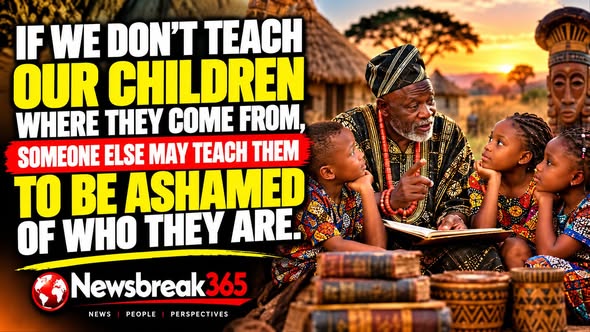
Parents, our responsibility goes beyond feeding our children, sending them to school, buying them expensive clothes, and securing their future. We must also teach them who they are, where they come from, and the history of the people whose blood runs through their veins.

Our children deserve to know the meaning of their names, the beauty of their native languages, the wisdom of their traditions, and the struggles and achievements of previous generations.

If we never tell them our stories, who will? If we never teach them our languages, who will preserve them? If we treat our own heritage as unimportant, what message are we sending to the next generation?

7 PRACTICAL WAYS PARENTS CAN PRESERVE THEIR CHILDREN’S CULTURAL IDENTITY

**1. Speak your native language at home.**

Make time every day to speak Yoruba, Igbo, Hausa, or your own African language with your children. Teach them greetings, common expressions, proverbs, and the meanings of words. If they struggle, be patient and encourage them rather than making them feel embarrassed.

**2. Tell them the stories of their ancestors.**

Explain where your family comes from, the meaning of your family name, and the experiences of previous generations. Let your children know the people and sacrifices that helped shape their family.

See also  Read how Mother and four children died in Rivers inferno

**3. Teach them African history.**

Do not allow their entire understanding of African history to come from social media or outsiders. Introduce them to African kingdoms, inventors, writers, leaders, artists, and historical achievements, while teaching them honestly about the difficult chapters of our history too.

**4. Celebrate cultural traditions at home.**

Let your children experience traditional foods, music, clothing, festivals, dances, and family customs. Explain the meaning behind these traditions so that they understand more than just the outward appearance.

**5. Encourage relationships with grandparents and elders.**

Our older generations carry stories, wisdom, and knowledge that may never appear in textbooks. Encourage your children to speak with their grandparents and other elders, record family stories with permission, and ask questions about the past.

**6. Introduce them to books, films, and role models from Africa.**

Help your children discover African authors, filmmakers, scientists, entrepreneurs, and historical figures. Let them see that African people have contributed—and continue to contribute—to knowledge, creativity, science, and society.

**7. Lead by example.**

Children learn from what parents practise. If you constantly mock your own language, dismiss your traditions, or describe your culture as backward, your children may adopt the same attitude. Show them how to appreciate their heritage while remaining open-minded and respectful of other cultures.

OUR CHILDREN CAN BE MODERN WITHOUT FORGETTING THEIR ROOTS.

They can speak English, French, Dutch, and other languages. They can embrace technology, receive excellent education, travel the world, and build successful careers without feeling inferior because they are African.

Cultural pride does not mean rejecting other cultures. It means understanding your own identity while respecting the identities of others.

See also  Ikogosi Warm/Cold spring in Ekiti State

Parents, do not wait until your children become adults before you begin teaching them their heritage. **Start today—even one native-language conversation, one family story, or one lesson about your history can make a difference.**

One day, when we are no longer here to tell our stories, our children will either carry our heritage forward or struggle to rediscover what we failed to teach them.

**Let us not be the generation that provides everything for our children except a connection to their roots.**

NEWSBREAK365 ASKS:

Which of these seven steps do you practise in your home? And for African parents raising children in Europe or America, how do you keep your children connected to their cultural identity?

Share your experience in the comments. Let’s learn from one another.

NEWSBREAK365 — NEWS | PEOPLE | PERSPECTIVES**

#Newsbreak365 #AfricanCulture #AfricanIdentity #AfricanParenting #CulturalHeritage #AfricanHistory #KnowYourRoots #ParentingMatters

FOLLOW US ON:

FACEBOOK

TWITTER

PINTEREST

TIKTOK

YOUTUBE

LINKEDIN

INSTAGRAM

Continue Reading

Trending