Connect with us

Lifestyle

I was once homeless in US — Nigerian-American politician

Published

on

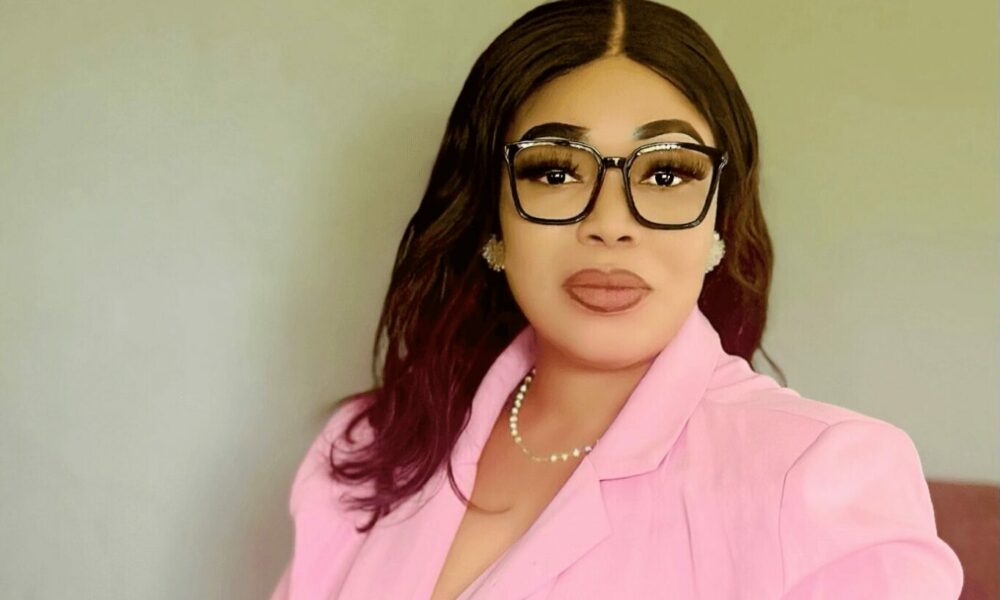
A Nigerian-American tech expert and politician, Dr Juliet Agocha, tells BIODUN BUSARI about her childhood aspirations, challenges growing up, and current political ambition, among others

Why are you planning to run for an elective position?

To be very clear, I’m running to become the next councilwoman for District 4 in Prince George’s County Council in Maryland. My vision is what drives my political ambition, which is to serve my community. I want to be an advocate for families here in Prince George’s County.

What leadership experience do you have?

I have over 18 years of experience in leadership. I am the founder and the Chief Executive Officer of Ultimate Tech. It is a technology company situated here in Prince George’s County, and what we do is provide technology services. I founded that organisation during the pandemic when people battled uncertainties and were not clear on what direction to take. There was a lot of chaos, so in the midst of chaos, I transformed what was supposed to be dramatic into technology to solve problems. Secondly, I am the founder of One Voice Empower Her, a nonprofit organisation for women. I use the charity to serve people, empower women and girls, and lead with clarity, collaboration, resilience, and build a stronger America. I have both corporate and political experience before I came to run for this political position. I’m also the current Vice Chairperson Policy Council for Early Childhood Education for the Lawyers Centre. So, all my life I’ve just been serving and leading people.

What are the focal points of your campaign?

My campaign is focused on three major priorities. One is affordable housing. I want to share with you today that I was once homeless for two weeks in 2009, and that experience built me. That experience shaped who I am today. But it will surprise you to know that not much has changed in the housing programmes here in Prince George’s County from 2009 to 2025. Not much has changed. So, I am focusing on affordable housing, because housing is everything that we here in Prince George’s County is where we start with. Housing means stability. It provides safety and opportunity.

The second thing I’m fighting for is quality education for our children. I’m fighting for this because I’m very passionate about it. Education is how we keep our children out of trouble. When a child’s mind is not well occupied with good resources, they can become a problem in the community. So, I’m fighting for quality education because every child in Prince George’s County deserves access to quality education, no matter their zip code. And the third thing I’m fighting for here is a safe community. I want a safe community because we can’t continue to have the kind of chaos and crime that we have right now.

See also  Ghana: Return Home, We’ve Wandered For Too Long – Yul Edochie to Ndigbo

Are there problems confronting aged people that drive your campaign for a safe community for them?

We owe them accountability, transparency, and action. And that’s what I’m bringing. I’m bringing programmes that support our seniors’ health care and to have a safe neighbourhood. Our seniors’ homes should not be robbed by maintenance people. So, I am here to support programmes that will place our seniors first. This is because our seniors need homes and a place connected with value and dignity. I’m here to fight for our seniors because they have paved the way for us. Their wisdom has paved the way for us. And they have fought for many assets that brought us where we are today. They are a very important piece of my campaign because I feel that we owe them action, not words.

You mentioned you were once homeless. How did that happen?

Well, it’s a long story, but to make it short, what happened was that I could not afford a house at that time. What is home when access is limited? What is the benefit of building new programmes and new housing when they are ridiculously expensive? So, I was homeless because I was not able to pay. The job I had at that time was not able to provide me with a one-bedroom apartment. For that reason, I wasn’t able to provide that and also keep up with my education, a student loan, and everything that I had to deal with. The affordability of houses became a challenge for me. And that is why I am very passionate about affordable housing here in Prince George’s County, because no family should experience what I experienced. No family should be able to choose between food and where to lay their head. No family should be put in that situation where they have to give up something just to have a home to sleep.

Did you face homelessness alone or with your family?

At that time, I was not married and had no children. And I thank God because if I were married with children, I don’t know how I could have handled it. So, I was able to handle it with resilience because I was single at that time. Think about it for families who have children, who have parents living with them, like aged parents. Imagine how they could handle that situation. So, it wasn’t able to break me because at that time, I didn’t have children. I was just worried about myself. But regardless of that, I was handling it by myself.

See also  Kunle Adetokunbo “Dejo Tunfulu”: Life, Career and Untimely Death of a Yoruba Comic Star

How did you overcome that challenge?

It was a combination of both sleeping on the street and squatting with someone for those two weeks. I felt like I was not treated with respect. I was not treated with empathy. And that is what I’m fighting for. I remember I was going from McDonald’s stores, just trying to get something to eat because McDonald’s at that time was one of the most affordable places to eat a burger or chicken nugget. But people wouldn’t know that I was homeless because of how I handled it. Sometimes I went to Walmart to see if I could afford a cookie to buy. Access to phones and social media was very limited at that time. I didn’t have all the resources with me. However, a good Samaritan found me and accommodated me after I shared my situation with her, and she helped me until I was able to find a place for myself.

When did you relocate to the US?

I moved from Nigeria to the United States at a very early age. And I came here to study. I got admission to the University of Maryland. I was very excited. It was just a very sweet story. Being a young girl at that time, I came with big dreams for myself. And I needed an advanced education for the kind of dreams I had for myself. And I think right now all those dreams are playing out. I also want to say thank you to America for providing me with a lot of essential resources to help me succeed. This is a very working country. The law is working. I’m grateful for the opportunities that have been provided to me here to excel and to be where I am today. I am an immigrant, but fighting for these people passionately. I want every family to succeed and flourish.

How has your academic background shaped your dreams?

I’m into information technology. To be quite honest with you, I was like the black sheep of the family back in the day because at that time, technology was not like this. Technology was like one of the things that nobody would talk about, but at that time, I had the vision of where my future was headed. I knew that we would get to where innovation would be prominent in every decision. My family wanted me to become a medical doctor or a nurse. They just told me to be in healthcare because my family is very centred in healthcare. However, I went my own direction into technology, so I got my associate’s degree in information technology. I got my master’s degree in cybersecurity, and then I went ahead and got my PhD in leadership with an emphasis in business management. Right now, academically, I feel very fulfilled and accomplished, but I still have work to do for my community with all this knowledge and education. I have tremendous experience and life lessons to pour into this trip forward.

See also  Anyim Pius Anyim: From Senate Presidency to National Leadership

What is significant about Maryland as one of the popular abodes of African-Americans?

I would say Maryland is my great state. I’m very proud to be a Marylander. Maryland is rooted in a very deep historical black. It is for black and brown communities, and we carry a very strong history of generations from the struggle of slavery to the triumph of civil rights leaders that we have today. Maryland is a place for everyone, a state that accommodates immigrants. It also has a very strong educational foundation. It is very vibrant in cultural heritage and festivals, local businesses, and tradition. Maryland gives residents unique opportunities to engage and influence national decisions. It is a state for anyone who wants to flourish, and I feel very proud to be part of the history that we are making here.

What are your thoughts about Nigeria?

Nigeria is a country full of potential. I’m a proud Nigerian. I was born in Nigeria, so I have a deep love and passion for my country. I love our food, Jollof rice, culture, and I love being in Nigeria. I will clearly say that Nigeria has incredible potential, but leadership often struggles with corruption and short-term thinking. In my opinion, Nigerian leaders have a very short-term perspective. The country needs visionary leaders who empower the youth and hold themselves accountable. I feel like that is lacking within the Nigerian leadership. The country needs leaders who prioritise education. A country that is not educated is heading for doom. There are natural and human resources, so Nigeria needs leaders to blend these resources for the people to flourish. I must state that we need leaders who know transparency, trust, and building trust between leaders and citizens for sustainable progress and national unity. I think we need that in Nigeria.

punch.ng

FOLLOW US ON:

FACEBOOK

TWITTER

PINTEREST

TIKTOK

YOUTUBE

LINKEDIN

TUMBLR

INSTAGRAM

Continue Reading
Click to comment

Leave a Reply

Your email address will not be published. Required fields are marked *

Lifestyle

Celebrities who battled body shaming

Published

on

In the entertainment space, fame often arrives with a darker companion: online bullying. From actresses to musicians and reality-TV stars, social media has become a brutal arena where women’s bodies are mocked, dissected and policed. Yet, many of these targets have refused to stay silent, choosing instead to reclaim their narratives. Faith Ajayi highlights entertainers who have pushed back against body-shaming and the digital cruelty that comes with stardom

Nkechi Blessing

Actress Nkechi Blessing has never shied away from controversy, but in September 2025, she found herself at the centre of a storm she never anticipated. While taking a break during a routine gym session at an iFitness branch in Lagos, an unflattering photo of her midsection was taken without her knowledge and posted online.

The image triggered harsh mockery from social media users and even a colleague, Blessing CEO, who revisited their past feud in a video.

She said, “Nkechi Blessing, I am shocked you are angry that people are body-shaming you.”

She continued, “Even though we reconciled at JP 2025’s wedding, I remember how you body-shamed me… You told the world you had my nude videos… You went live and showed those videos I sent you in confidence.”

Verydarkman also weighed in, playing an old clip of Blessing promoting a weight-loss product while questioning her claims about body transformation.

Blessing initially responded with humour, writing on Instagram, “I went to the gym to stay fit and healthy, not for a fashion show or runway. With my big belle with pride, una go dey alright!”

But in December 2025, during an appearance on The Honest Bunch podcast, she broke down while discussing the emotional strain. “This is who I am. I wear clothes that make me comfortable. You get BBL and troll me with a natural body?” She added that she tracked down the person who took the photo and had her arrested for privacy invasion and defamation.

See also  Ghana: Return Home, We’ve Wandered For Too Long – Yul Edochie to Ndigbo

Turning the experience into advocacy, Blessing launched the “Big Belle Challenge,” encouraging women to post unfiltered photos. “I don’t like stress. Instead of fighting online, I handled it privately,” she said.

Uriel

Former Big Brother Naija star, actress and entrepreneur, Uriel Oputa, has consistently challenged Nigeria’s rigid beauty standards. One of her major encounters with body-shaming occurred in 2017 during the BBNaija show, when viewers mocked her breasts and questioned her age. She fired back with confidence: “Proud of what God gave me. If my boobs offend you, look away.”

The attacks resurfaced in 2024 after a photo of her at a Lagos party circulated online. Trolls revived conversations about her body, while some made derogatory remarks about her being mixed-race. Uriel later described those comments as “ignorance wrapped in insecurity.”

Uriel

She pushed back again, posting a bold lingerie video with the caption:

“My body, my rules. My breasts don’t sag for your approval; that’s your insecurity talking.

Do women body-shame other women? Mehn, we’re our own worst enemies.”

Uriel later turned the backlash into an empowerment movement through her Boob Freedom campaign, partnering with lingerie brands to promote natural bodies of all shapes.

“I once lost weight, and they said my boobs got worse. Now? I’m embracing the sag. It’s premium content,” she joked.

Rapper Ruggedman has been one of her biggest supporters, openly celebrating her physique and shutting down trolls whenever they resurface.

DJ Cuppy

Florence Otedola, popularly known as DJ Cuppy, has often found herself the target of colourist and body-shaming attacks despite her global acclaim. After sharing swimsuit photos from her father’s 60th birthday yacht celebration in 2022, trolls criticised her skin tone and mocked her body, with comments such as “too dark and uneven” and “preggy vibes.”

Cuppy responded firmly on social media: “My skin’s my superpower — dark, bold, unapologetic.” She questioned Nigeria’s selective celebration of beauty, asking, “Black excellence, but only if it’s lightened?”

Her fans amplified her message through #CuppyMelaninMagic, which she supported with donations to anti-colourism and skin-positivity organisations across West Africa.

See also  Kunle Adetokunbo “Dejo Tunfulu”: Life, Career and Untimely Death of a Yoruba Comic Star

By 2025, Cuppy had turned the incident into fuel for her expanding global brand, performing at international DJ sets, collaborating with top artistes and leaning fully into her identity without apology.

Ayra Starr

Since her breakout in 2021, Ayra Starr has faced intense scrutiny over her fashion choices. At just 18, she was criticised for wearing skimpy clothes, but the backlash intensified after her performance at a Meta concert on October 11, 2022.

Trolls accused her of being “immoral,” while some commentators blamed her label boss, Don Jazzy. But the young star refused to bend. The next day, she went live wearing an even shorter skirt, declaring, “My skirt is short because I’m hot, literally and figuratively. If my legs disturb you, close your eyes when you stream my music.”

She doubled down with the release of Rush, whose lyrics underscored her message of self-assurance.

This year, she followed up with another confidence anthem, Hot Body, reaffirming her stance on self-expression. Today, Ayra Starr performs globally on her own terms, and even her critics queue to take photos with her.

Etinosa Idemudia

Actress Etinosa Idemudia has been open about her struggles with Polycystic Ovary Syndrome, but after giving birth in December 2020, she became the focus of harsh comments about her postpartum body.

In an Instagram video, Idemudia confronted the insults directly. Lifting her dress, she rubbed her stomach and said, “This is my Christabel tummy! I carried emotions, stress and love. If you don’t have a belly, sorry for your flat life.”

The body-shaming continued for years.

In a 2025 interview with PUNCH, she admitted the constant attacks wore her down. “I have been constantly bullied and mocked for my stomach. It affected me… My fat is largely caused by PCOS, but many people don’t know,” she said.

See also  Nwoko denies marrying Regina Daniels at 17

After medical consultations, she opted for cosmetic surgery, framing it as an act of self-care rather than defeat. “Science exists to make life easier… As an actor, looks and skill go hand in hand,” she said.

Moyo Lawal

Moyo Lawal has always been vocal about her body confidence, but her most difficult battle came in 2023 when an ex-partner leaked an intimate video of her. The clip spread rapidly across social media and messaging platforms, triggering intense slut-shaming and online harassment.

Lawal initially responded candidly: “Yes, I make love. I’m single, not a nun. Stop acting brand new.” But the situation escalated when strangers attempted to locate her home, turning body-shaming into life-threatening bullying.

In an emotional live session on September 18, 2023, she said, “You watched, you judged, you shared. That was rape by distribution.” She reported the matter to the police and pursued legal action against those circulating the video.

The trauma pushed her into a year-long break from Nollywood. In early 2024, she admitted, “People think bullying is just comments. It’s violence. It almost pushed me into depression.”

Lawal returned in late 2024 with Curvy Queens, a film celebrating body acceptance, which became a streaming hit and marked a triumphant comeback.

Her battles continued into 2025 when trolls mocked her weight. She responded on X: “If I do surgery, I will tell you. If I don’t, I will still tell you. My body is not your national project.” To another critic, she wrote, “Curves don’t expire. Mind your mileage.”

Now an advocate for digital rights and consent awareness, Lawal has turned her experience into a platform for education, proving that resilience can coexist with vulnerability.

punch.ng

FOLLOW US ON:

FACEBOOK

TWITTER

PINTEREST

TIKTOK

YOUTUBE

LINKEDIN

TUMBLR

INSTAGRAM

Continue Reading

Lifestyle

PHOTOS: Emir of Kano’s daughter Aisha set to wed

Published

on

The 14th Emir Of Kano, HRH Khalifa Muhammad Sanusi II, has announced the upcoming wedding of his daughter, Aisha Lamido Sanusi.

Aisha. who bagged First Class from University of Swansea, UK in 2023, will marry Flying Officer Dr. Sayyed Ahmed Usman, on Friday December 12, 2025, at the Emir’s Palace in Kofar Kudu.

Family members, including Fulani Siddika, shared the wedding invite on Thursday.

FOLLOW US ON:

FACEBOOK

TWITTER

PINTEREST

TIKTOK

YOUTUBE

LINKEDIN

TUMBLR

INSTAGRAM

See also  Ghana: Return Home, We’ve Wandered For Too Long – Yul Edochie to Ndigbo
Continue Reading

Lifestyle

NASFAT warns against twisting Qur’an to abuse women

Published

on

The Nasrul-Lahi-li Fathi Society of Nigeria (NASFAT) has warned against what it described as the growing misuse of Qur’anic verses and prophetic traditions to justify the abuse and discrimination of women and girls, describing the trend as dangerous, misleading, and un-Islamic.

The organisation issued the warning on Wednesday as part of its activities marking the global 16 Days of Activism Against Gender-Based Violence.

It stated that many acts of violence carried out in the name of Islam were rooted in harmful cultural beliefs, ignorance, and extremism, not in the teachings of the faith.

According to NASFAT in a statement shared with The PUNCH, Islam promotes justice, dignity, and compassion for all human beings, stressing that no verse of the Qur’an or hadith supported the oppression of women.

The Society listed several widespread misconceptions used to excuse abusive behaviour, such as the claim that Hawwā’ (Eve) was responsible for Adam’s fall, the false notion that killing non-Muslims guarantees “72 virgins,” and the misinterpretation of verses on polygyny and marital conflict.

NASFAT also flagged the misuse of texts on inheritance, the hadith on women’s “deficiency,” and the story of Prophet Yūsuf, pointing out that such narratives were frequently taken out of context to reinforce patriarchal norms.

According to NASFAT, Prophet Muḥammad (Peace Be Upon Him) honoured women, condemned injustice, and embodied compassion, principles that directly contradicted any form of gender-based violence.

“Abuse does not come from Islam. It comes from cultural attitudes, ignorance, and the deliberate twisting of religious texts,” the organisation said.

See also  Nigerian man rages over $140 bill for pounded yam, egusi abroad

To counter harmful interpretations and reduce gender-based violence, NASFAT urged religious institutions, scholars, families, and community leaders to take concrete steps, including the promotion of accurate Islamic teachings on women’s rights.

It also urged stakeholders to avoid unverified narrations and cultural myths in sermons and to provide contextual explanations of sensitive religious texts.

The Society canvassed the integration of GBV education into mosque programmes, the raising of boys and girls with equal respect, and the condemnation and reporting of domestic violence as a criminal offence.

NASFAT also called on Muslims globally to uphold justice and protect women from all forms of harm.

Continue Reading

Trending