Connect with us

Business

Investors lose fresh N1.17tn as bearish trading resumes

Published

on

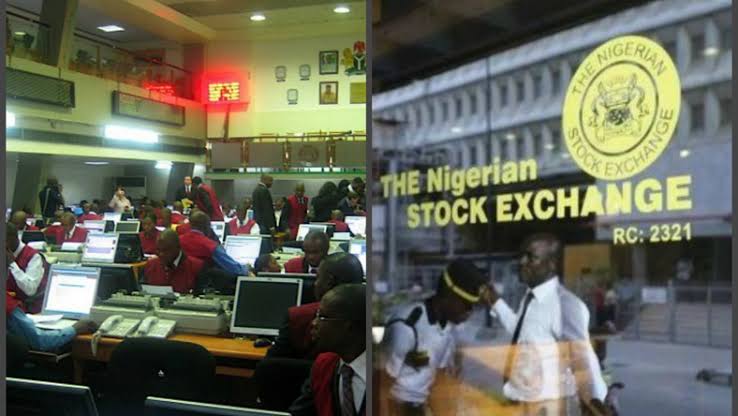
The equities market began the week in the red as the All-Share Index of the Nigerian Exchange fell by 1.26 per cent to close at 145,159.77 points on Monday.

The decline wiped off about N1.17tn from investors’ wealth, dragging market capitalisation down to N92.3tn.

According to market data, the downturn was driven largely by heavy sell pressure on Dangote Cement, which fell by a maximum of 10 per cent, alongside declines in tier-1 banks including Zenith Bank (-1.64 per cent), Access Holdings (-3.26 per cent), and FBN Holdings (-2.76 per cent).

Despite the negative close, market breadth stood positive, with 28 gainers outperforming 24 losers. Sovereign Insurance (+9.97 per cent) led the gainers’ chart, while Dangote Cement and Enamelware, both down 10 per cent, topped the losers’ list.

Market activity normalised after last Friday’s unusually large turnover, driven by off-market crosses in Cornerstone Insurance. Total volume traded declined sharply by 92.1 per cent to 388.2 million units, while total value traded fell by 26.3 per cent to N31.1bn. Tantalizer emerged as the most traded stock by volume with 57.1 million units, while Aradel Holdings dominated the value chart with N21.5bn worth of trades, accounting for 69 per cent of total market value. Recall that Tantalizer on Friday announced the signing of a multi-million-dollar deal with a US-based firm for a period of five years to export premium prawns and shrimps.

Trading remained largely bearish across most sectors. The InHHHdustrial Goods Index led sector declines, down 4.48 per cent, primarily due to weakness in Dangote Cement.

The Oil & Gas Index fell by 1.18 per cent with losses in Oando and Aradel, while the Banking Index dropped 1.01 per cent. The Consumer Goods Index edged down 0.02 per cent. In contrast, the Insurance Index closed positively, rising 0.07 per cent, supported by gains in Sovereign Insurance.

See also  Manufacturers record fragile growth as credit drops N7.72tn

Cowry Asset Management, in its daily market note, attributed Monday’s downturn to profit-taking activities among investors. The firm noted that the drop in market capitalisation occurred despite the listing of 1.96 billion ordinary shares of Chams Holding via private placement, underscoring the depth of the sell pressure.

The investment house added that trading patterns reflected heightened retail activity. Although total trading volume plunged 92.64 per cent to 360.6 million units and value dropped 26.88 per cent to N30.9bn, the number of deals rose 15.83 per cent to 27,975, indicating increased participation through smaller-sized transactions.

Meanwhile, the October inflation data released by the National Bureau of Statistics indicated that Nigeria’s inflation continued its deceleration, moderating to 16.1 per cent year-on-year in October, compared with 18.0 per cent in the prior month.

This moderation was evident in the food and core baskets, which both settled at 13.1 per cent YoY and 18.7 per cent YoY, respectively (vs 16.9 per cent and 19.5 per cent in September). However, on a MoM basis, headline inflation rose by 0.9 per cent vs 0.7 per cent recorded in the prior period.

Continue Reading
Click to comment

Leave a Reply

Your email address will not be published. Required fields are marked *

Business

Bank recapitalisation: Local investors provide 72% of N4.6tn

Published

on

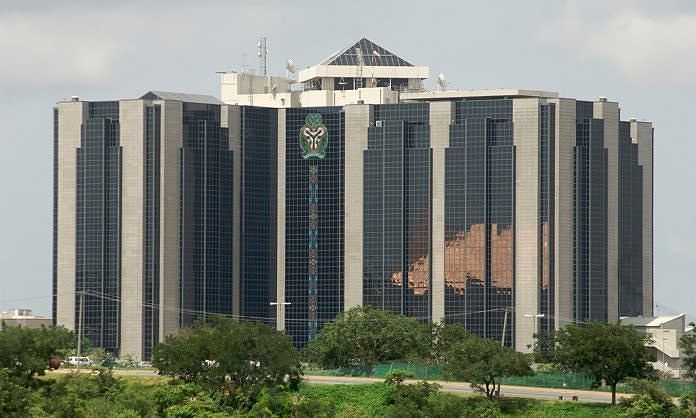
The Central Bank of Nigeria (CBN) on Wednesday said domestic investors accounted for the bulk of funds raised under its banking sector recapitalisation programme, contributing 72.55 per cent of the N4.65tn total capital secured by lenders.

The apex bank disclosed this in a statement marking the conclusion of the exercise, which began in March 2024 and saw 33 banks meet the new minimum capital requirements.

The statement was jointly signed by the Director of Banking Supervision, Olubukola Akinwunmi, and the Acting Director of Corporate Communications, Hakama Sidi-Ali.

According to the CBN, Nigerian investors provided about N3.37tn of the total capital raised, underscoring strong domestic confidence in the banking sector, while foreign investors accounted for the remaining 27.45 per cent.

“Over the 24-month period, Nigerian banks raised a total of N4.65tn in new capital, strengthening the resilience of the financial system and enhancing its capacity to support the economy,” the statement said.

Commenting on the outcome, the CBN Governor, Olayemi Cardoso, said, “The recapitalisation programme has strengthened the capital base of Nigerian banks, reinforcing the resilience of the financial system and ensuring it is well-positioned to support economic growth and withstand domestic and external shocks.”

The bank confirmed that 33 lenders had met the revised capital thresholds, while a few others were still undergoing regulatory and judicial processes.

“The CBN confirms that 33 banks have met the revised minimum capital requirements established under the programme,” it stated.

“A limited number of institutions remain subject to ongoing regulatory and judicial processes, which are being addressed through established supervisory and legal frameworks.

“All banks remain fully operational, ensuring continued access to banking services for customers.”

See also  Cash rush: ATM withdrawals jump 198% to N36tn

The regulator stressed that the recapitalisation exercise was completed without disrupting banking operations nationwide, noting that key prudential indicators, particularly capital adequacy ratios, had improved and remained above global Basel benchmarks.

Minimum capital adequacy ratios were pegged at 10 per cent for regional and national banks and 15 per cent for banks with international licences.

The CBN added that the exercise coincided with a gradual exit from regulatory forbearance, a move it said improved asset quality, strengthened balance sheet transparency, and enhanced overall system stability.

To sustain the gains, the apex bank said it had strengthened its risk-based supervision framework, including periodic stress tests and requirements for adequate capital buffers.

It added that supervisory and prudential guidelines would be reviewed regularly to improve governance, risk management, and resilience across the sector.

“The successful completion of the programme establishes a stronger and more resilient banking system, better positioned to support lending, mobilise savings, and withstand domestic and global shocks,” the statement added.

Meanwhile, data from the National Bureau of Statistics showed that foreign capital inflows into the banking sector rose by 93.25 per cent year-on-year to $13.53bn in 2025 from $7.00bn in 2024, reflecting strong investor interest during the recapitalisation drive.

However, the Centre for the Promotion of Private Enterprise has cautioned that despite the strengthened banking system, credit to small businesses remains weak, warning that the benefits of the reforms are yet to fully impact the real economy.

punch.ng

FOLLOW US ON:

FACEBOOK

TWITTER

PINTEREST

TIKTOK

YOUTUBE

LINKEDIN

Continue Reading

Business

Court freezes N448m assets in Keystone Bank debt recovery suit

Published

on

The Federal High Court in Lagos has ordered the freezing of funds and assets valued at N448,263,172.41 in a debt recovery suit instituted by Keystone Bank Limited against five defendants.

The order was made on March 26, 2026, by Justice Chukwujekwu Aneke following an ex parte application moved by Keystone Bank’s counsel Mofesomo Tayo-Oyetibo (SAN), against Relic Resources, Olufunmilayo Emmanuella Alabi, Uwadiale Donald Agenmonmen, The Magnificent Multi Services Limited, and Raedial Farms Limited.

In his ruling, Justice Aneke granted a Mareva injunction restraining the defendants, whether by themselves, their agents, privies, or assigns, from withdrawing, transferring, dissipating, or otherwise dealing with funds, shares, dividends, and other financial instruments standing to their credit in any bank or financial institution in Nigeria, up to the sum in dispute.

The court further directed all banks and financial institutions within the jurisdiction to forthwith preserve any funds belonging to the defendants upon being served with the order.

The said institutions were also ordered to depose to affidavits within seven days of service, disclosing the balances in all accounts maintained by the defendants, together with the relevant statements of account.

In addition, the court granted a preservative order restraining the defendants from disposing of, alienating, or otherwise encumbering any movable or immovable property, including any future or contingent interests, up to the value of the alleged indebtedness.

The court also granted leave for substituted service of the originating and other court processes on the second and third defendants by courier delivery to their last known addresses.

See also  Miners reject governors’ six-month mining ban plan

The matter was adjourned to April 9, 2026, for mention.

According to the originating processes before the court, the suit arises from a N500 million overdraft facility granted by the claimant to the first defendant on March 28, 2023, for a tenure of 365 days at an interest rate of 32 per cent per annum.

The claimant averred that the facility, initially secured by a $200,000 cash collateral and subsequently by a mortgaged property located at Itunu City, Epe, Lagos, expired on March 27, 2024, leaving an outstanding indebtedness of N448,263,172.41 as at October 31, 2024.

In the affidavit in support of the application, the claimant alleged that the facility was diverted for personal use by the third defendant and channelled through the fourth and fifth defendant companies.

It further contended that the first defendant is no longer a going concern and has failed, refused, and neglected to liquidate the outstanding indebtedness despite several demands made between May and October 2025.

The claimant also expressed apprehension that the defendants may dissipate or conceal their assets, thereby rendering nugatory any judgment that may be obtained in the suit, and consequently urged the court to grant the reliefs sought in the interest of justice.

After considering the application and submissions of learned silk, Justice Aneke granted all the reliefs sought and adjourned the matter to April 9, 2026, for further proceedings.

punch.ng

FOLLOW US ON:

FACEBOOK

TWITTER

PINTEREST

TIKTOK

YOUTUBE

LINKEDIN

Continue Reading

Business

Sanwo-Olu unveils Lagos 2026 economic blueprint, vows inclusive growth

Published

on

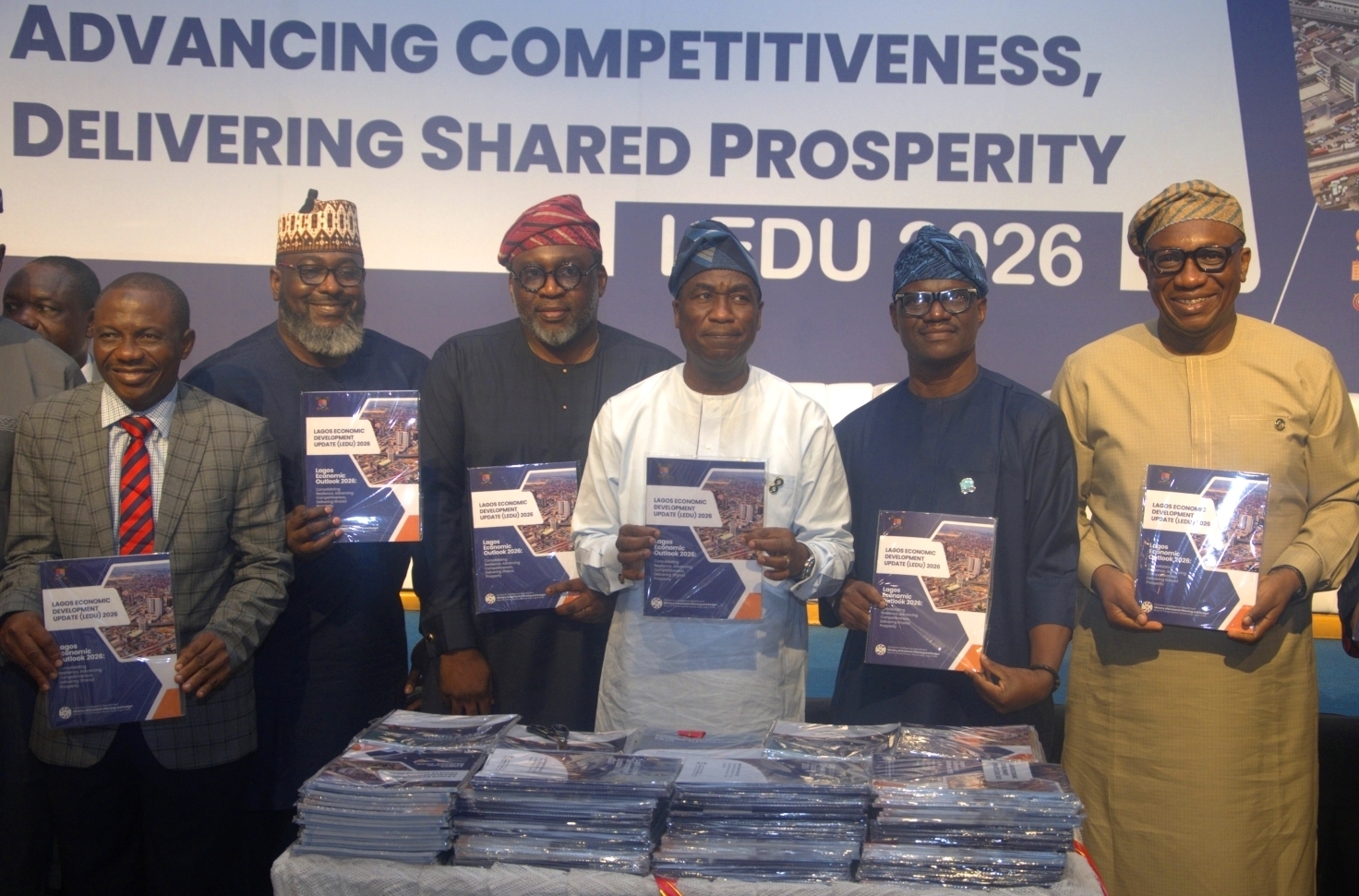
The Lagos State Governor, Babajide Sanwo-Olu, on Tuesday unveiled the 2026 edition of the Lagos Economic Development Update, reaffirming his administration’s commitment to driving inclusive growth and ensuring that economic progress translates into tangible benefits for all residents of the state.

The unveiling of this year’s outlook, held in Ikeja, provides an in-depth analysis of the state’s economic trajectory, capturing global, national, and local developments shaping Lagos’ growth outlook.

Represented by his deputy, Obafemi Hamzat, the governor described the report as more than a policy document, noting that it serves as a strategic compass for guiding economic direction and strengthening decision-making.

He added that despite global economic headwinds — including post-pandemic recovery challenges, inflationary pressures, and exchange rate fluctuations — the state has remained resilient through deliberate policies, fiscal discipline, and sustained investment in critical infrastructure.

“It is with a deep sense of responsibility and optimism that I join you today to officially launch the third edition of the Lagos Economic Development Update — LEDU 2026.

“This platform has evolved beyond a mere policy document; it has become a compass guiding our economic direction, shaping decisions, and reinforcing our commitment to building a resilient, inclusive, and prosperous Lagos,” he said.

He noted that while the global economic environment has remained unpredictable, Lagos has stayed on course through “clarity, discipline, and foresight,” anchored on the T.H.E.M.E.S+ Agenda.

According to him, the state had strengthened its fiscal framework, improved revenue generation, and invested in infrastructure critical to long-term growth.

Sanwo-Olu further highlighted progress recorded since the inception of LEDU, including the expansion of the state’s economic base driven by innovation, entrepreneurship, and digitalisation; improved efficiency in revenue systems; and sustained infrastructure development spanning roads, ports, energy, and urban planning.

See also  Customs seize N4.3bn drugs in Tin Can

He added that continued investment in human capital remains central, as “people are the true engine of growth.”

Speaking on the theme of this year’s report, “Consolidating Resilience, Advancing Competitiveness, Delivering Shared Prosperity,” the governor said it reflects Lagos’ current economic priorities.

He explained that consolidating resilience involves strengthening institutions and fiscal discipline, while advancing competitiveness requires boosting productivity, innovation, and investment.

Delivering shared prosperity, he added, means ensuring growth translates into jobs, expanded opportunities, and improved livelihoods for residents.

Looking ahead, he reaffirmed the administration’s commitment to economic diversification, private sector-led growth, data-driven governance, sustainable urban development, and social inclusion.

He also stressed the importance of partnerships with the private sector, development institutions, civil society, and the international community in achieving the state’s development goals.

“As we launch this edition of LEDU, I urge all stakeholders to engage actively, strengthen collaboration, and align with our shared vision.

“We have built resilience; now we must translate it into sustained competitiveness and ensure that growth delivers tangible prosperity for every Lagosian,” he said.

Also speaking, the state Commissioner for Economic Planning and Budget, Ope George, said Lagos has demonstrated remarkable resilience in navigating both global and domestic economic challenges.

“Lagos is not just responding to economic shocks — we are building systems that make us stronger because of them,” he said, noting that deliberate policies, disciplined fiscal management, and strategic investments have reinforced the state’s position as a leading subnational economy in Africa.

He added that the state would continue to prioritise economic diversification, private sector growth, sustainable urban development, and social inclusion, stressing that growth must be measured not only by numbers but also by its impact on people’s lives.

See also  Cash rush: ATM withdrawals jump 198% to N36tn

In his goodwill message, Chief Consultant at B. Adedipe Associates Limited, Biodun Adedipe, described the LEDU initiative as a credible framework for tracking economic performance and refining development strategies.

He noted that Lagos remains central to Nigeria’s economy, adding that its continued growth signals broader national progress.

“If Lagos works, a significant share of Nigeria’s commerce works,” he said, expressing optimism about the state’s economic future.

Meanwhile, the Chief Executive Officer of the Nigerian Economic Summit Group, Tayo Adeloju, urged the state government to prioritise affordable housing as a critical driver of shared prosperity.

He noted that high housing costs could limit upward mobility for low-income earners, stressing that making housing more accessible would enhance living standards and support inclusive growth.

Adeloju added that sustained fiscal discipline, improved service delivery, and a broader productive base would further strengthen Lagos’ position among Africa’s leading megacity economies.

punch.ng

FOLLOW US ON:

FACEBOOK

TWITTER

PINTEREST

TIKTOK

YOUTUBE

LINKEDIN

Continue Reading

Trending