The Defence Headquarters on Thursday confirmed that terrorists and military personnel were killed when insurgents launched a coordinated attack on the 29 Task Force Brigade Headquarters in Benisheikh, Borno State.
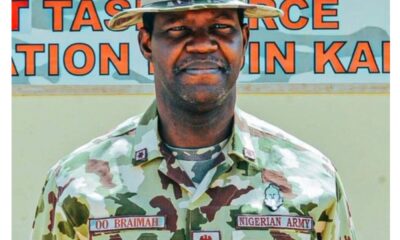
The military, however, did not confirm or debunk reports that the Commander of the 29 Brigade, Brig Gen Oseni Braimah, was among those killed in the incident.
The Chairman of Kaga Local Government Area of Borno State, Zanna Ajimi, however, claimed that the brigade commander was among those killed in the attack.
“Yes, we just left the military base now, and I can confirm to you that the brigade commander is among the casualties,” Ajimi told journalists.
Residents also reported that the insurgents attacked the base with sophisticated weapons, set combat vehicles ablaze, and burned shops near the military formation.
A resident, Musa Aji, said, “They didn’t just burn military vehicles; shops that are by the roadside were also set on fire. As of this time, we have yet to hear about the death of any civilian. But we heard soldiers were killed.”
Efforts to reach the spokesperson for Operation Hadin Kai, Lt Col Sanni Uba, were unsuccessful as calls were not answered.
In a statement by the Director, Defence Media Operations, Maj Gen Michael Onoja, the attack occurred at about 12:30 a.m. on April 9, 2026, when insurgents attempted to breach the defensive perimeter of the military installation.
He said troops of Operation Hadin Kai, led by the Commander 29 Brigade, Brig Gen Oseni Braimah, responded with “exceptional courage, professionalism, and superior firepower,” forcing the attackers to retreat.
“In continuation of the Armed Forces of Nigeria’s counter-terrorism efforts, troops of the 29 Task Force Brigade in Operation Hadin Kai came under a coordinated terrorist attack on their location at the Brigade Headquarters in Benisheikh, Borno State.
“However, the troops, led by the Commander 29 Brigade, Brig Gen Oseni Braimah, responded with exceptional courage, professionalism, and superior firepower.
“In a well-coordinated counteraction, the insurgents were decisively engaged and forced to retreat in disarray, abandoning their mission,” the statement read.
The Defence Headquarters described the attack as a sign of desperation by insurgents who had suffered significant losses in recent operations, adding that the encounter resulted in the loss of some soldiers.
“Regrettably, the encounter resulted in the loss of a few brave and gallant soldiers who paid the supreme price in the line of duty.
“The Chief of Defence Staff honours their heroism, sacrifice, and unwavering commitment to the defence of the nation,” the statement added.
The military also disclosed that clearance operations were ongoing to track fleeing insurgents and prevent them from regrouping.
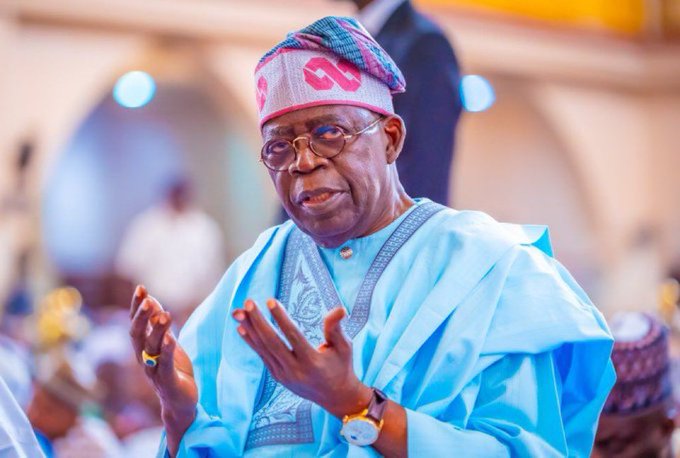
President Bola Tinubu on Thursday expressed deep sadness over the killing of soldiers of the 29 Task Force Brigade, Operation Hadin Kai, in a coordinated terrorist attack on their camp in Benisheikh, Borno State.
He described the fallen troops as “unforgettable and irreplaceable” heroes.
In a statement issued Thursday by his Special Adviser on Information and Strategy, Bayo Onanuga, Tinubu praised the courage of the soldiers who, he said, fought valiantly to prevent Boko Haram from overrunning the communities under their protection.
“I extend my condolences to the families of our gallant soldiers, led by Brigadier-General Oseni Omoh Braimah, who made the ultimate sacrifice in the defence of our country today in Borno State.
“The government will never forget their sacrifices. Their sacrifices will not be in vain,” the President said.
Tinubu framed the attack as an act of desperation by a weakened insurgency, saying the military had been conducting sustained land and air offensives that had neutralised many fighters and commanders.
He said, “From the reports I have received, our armed forces have been conducting sustained, intense land and air offensives against the insurgents, neutralising many of their fighters and commanders.
“The insurgents’ counterattack is a sign of desperation.”
The President urged the military high command and frontline troops not to be discouraged, promising continued government support in equipment and welfare.
“Do not lose heart, do not be weary, do not be discouraged. Our officers and men should continue to serve with honour, courage, and patriotism.
“The government will always stand by the Armed Forces, provide more of the equipment needed and ensure the welfare of all who risk their lives for our safety,” he said.
Tinubu also called on Nigerians and the media to rally behind the military, cautioning against any conduct that celebrated or condoned attacks on troops.
“I urge Nigerians and the media to continue to support our military in their relentless battle against insurgency and banditry.
“We should desist from celebrating or condoning the attacks against our troops. These soldiers are our heroes; unforgettable and irreplaceable,” he said.
The President extended condolences to the government and people of Borno State, reaffirming the Federal Government’s commitment to working with the state to achieve “total victory and lasting peace.”