News
PHOTOS: Iranian state media confirms Ayatollah was k!lled alongside daughter in airstrikes carried out by America and Israel

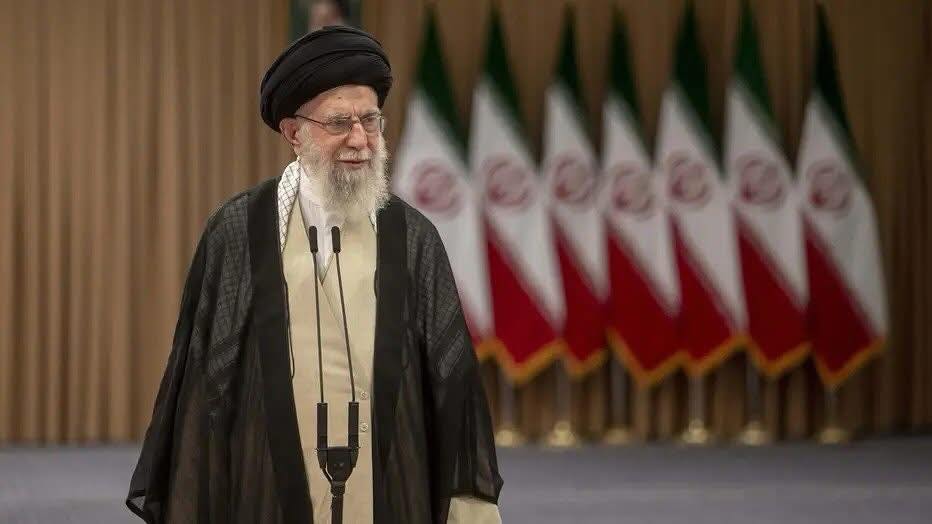
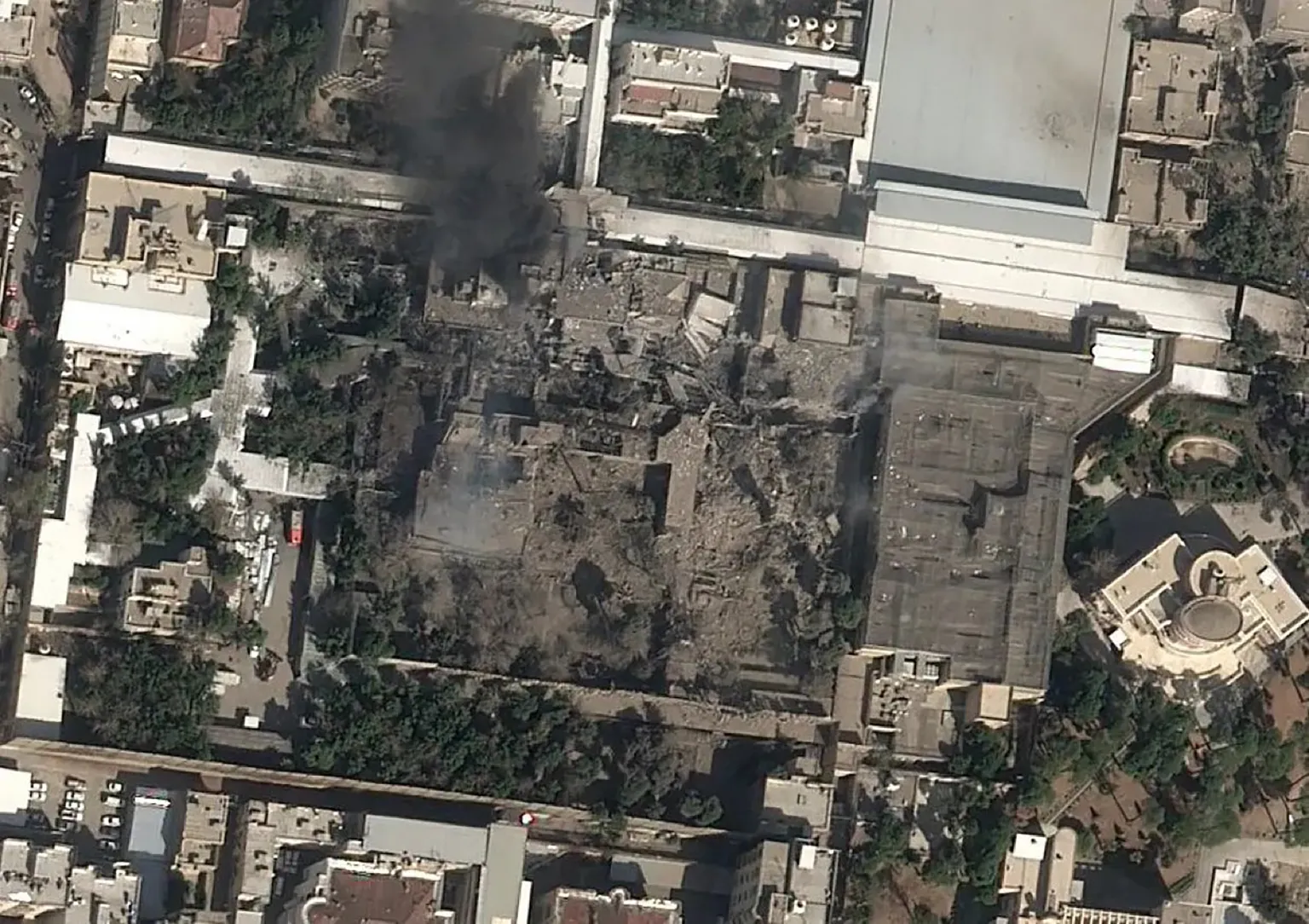
Iran’s Supreme Leader Ali Khamenei has been killed in a wave of joint US-Israeli airstrikes on Tehran, according to Iranian state media, marking a dramatic escalation in the Middle East crisis.
A tearful presenter on Iranian state television confirmed the 85-year-old cleric’s death, announcing that 40 days of national mourning would be observed across the country. Khamenei, who had ruled the Islamic Republic since 1989, was reportedly found in the rubble of his heavily fortified compound after missiles struck what sources described as a top-security bunker in the capital.
US President Donald Trump confirmed the development on Truth Social, writing: “One of the most evil people in history is dead.” In a further statement, he declared: “This is not only justice for the people of Iran, but for all Great Americans.”
Mr Trump added: “He was unable to avoid our intelligence and highly sophisticated tracking systems and, working closely with Israel, there was not a thing he, or the other leaders that have been killed along with him, could do. This is the single greatest chance for the Iranian people to take back their country.” He warned: “The heavy and pinpoint bombing will continue, uninterrupted throughout the week or as long as necessary.”
Iranian state media confirms Ayatollah was k!lled alongside daughter in airstrikes carried out by America and Israel (video)
Israeli officials said the strikes were part of a coordinated operation targeting senior figures within Iran’s military and political leadership. The Israel Defense Forces declared the “elimination” of virtually every senior Iranian defence chief, with reports suggesting up to 40 officials may have been killed.
An Israeli military official said: “The attack was based on an operational plan developed over several months, centered on an intelligence effort to identify an opportunity when senior regime officials would convene. Three sites where gatherings of the Iranian terror regime were taking place were struck simultaneously, and several senior figures essential to the regime’s governance were eliminated.”
Among those reportedly killed were Iran’s defence minister and senior Revolutionary Guard commanders, though Tehran had earlier dismissed claims of Khamenei’s death as “mental warfare”. Iran’s foreign minister had insisted the supreme leader was alive, but he did not appear for a scheduled televised address.
Iranian state media confirms Ayatollah was k!lled alongside daughter in airstrikes carried out by America and Israel (video)
Israeli Prime Minister Benjamin Netanyahu called on Iranians to “take to the streets en masse” and “get the job done” in a direct appeal to topple the regime.
The US confirmed that more than 200 warplanes, supported by Tomahawk cruise missiles, struck 500 targets in what Israeli sources dubbed Operation Roaring Lion. American F-22 Raptors were believed to have led the assault, with aircraft carriers deployed across the region.
Iran retaliated with missile and drone strikes targeting US bases in Bahrain, Kuwait, Qatar and the United Arab Emirates. Explosions were reported near key installations, including the Fifth Fleet headquarters in Bahrain and Al-Udeid airbase in Qatar. One person was reported killed in Abu Dhabi, while Israeli emergency services said 89 people suffered minor injuries following interceptions over Jerusalem and Tel Aviv.
Footage circulating online showed flames rising near the Palm Jumeirah Fairmont hotel in Dubai after an apparent drone strike, sending thousands of British tourists and expatriates scrambling for shelter.
The Islamic Republic, established in 1979, now faces an uncertain future as questions mount over succession and the risk of further regional escalation. Iranian authorities have yet to outline a formal transition plan, while military operations across the region remain ongoing.

FOLLOW US ON:

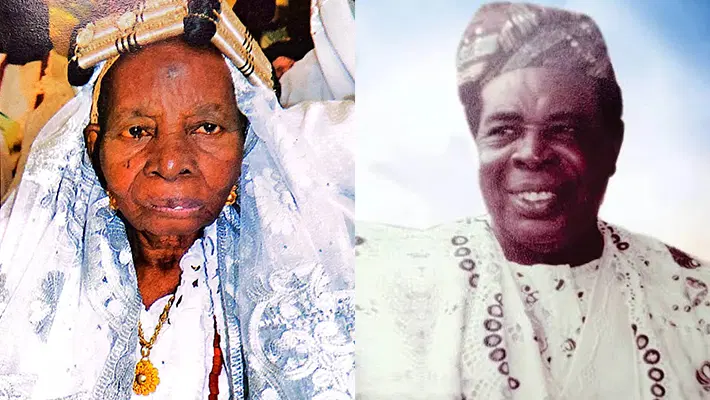
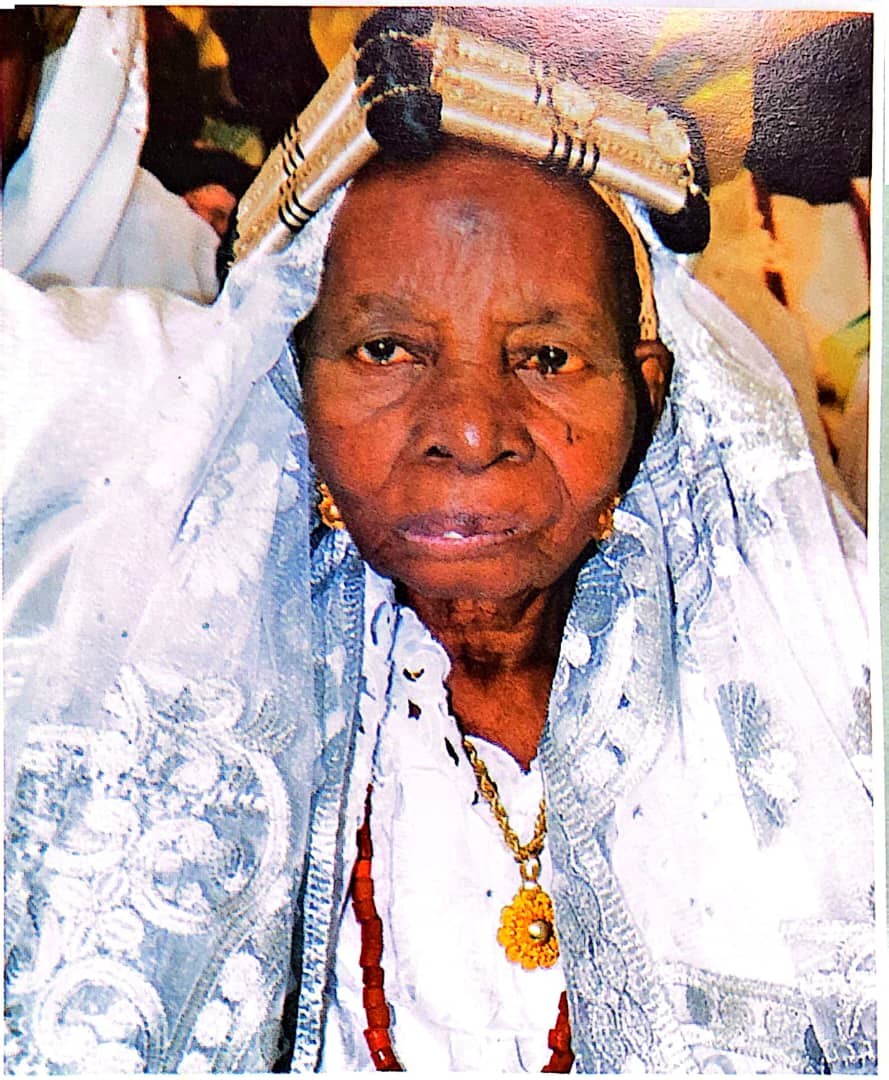
Alhaja (Princess) Rafatu Ademinure Awofisayo, the last surviving child of the 48th Ooni of Ife, Oba Ademiluyi Ajagun Lawarikan I, has passed away at the age of 102.
It was reports that she died peacefully in early April 2026, according to family sources.
Reacting to her death, the Ooni of Ife, Oba Ogunwusi, described her passing as the close of a long chapter in the town’s history. In a statement through his media office, he spoke about her role in preserving her father’s legacy and her efforts in promoting unity among people of different beliefs in the community.
Princess Awofisayo was born into the Otutu Royal Compound of the Lafogido Ruling House in Ile-Ife.
She remained the only surviving direct child of her father, who ruled between 1910 and June 1930.
With her passing, many see it as the end of a living link between present-day Ile-Ife and its early 20th-century royal history.
She started her education at Salvation Army Elementary School in Ile-Ife and later continued at Saint Paul’s Anglican Church Elementary School in Aiyegbaju, Olopo, after her father’s death. She was raised by her mother, Olori Elizabeth Odunlade Ige Ademiluyi, and became involved in small-scale trading from a young age, dealing in items such as mats, kolanuts and palm oil.
In 1942, she got married to the late Alhaji Jimoh Elutide Awofisayo, a farmer and cocoa trader from Ilode in Ile-Ife. Over time, she became well known within the Muslim community in Ifeland and held several titles, including Iya Adinni, which was her most recognised position.
She is survived by six children, along with many grandchildren and great-grandchildren. The family has not yet announced details of her burial.
FOLLOW US ON:



PHOTOS: Daughter Of 48th Ooni of Ife dies at 102

Gunmen set Imo monarch ablaze as police begins manhunt to arrest assailants

Peace talks: Iran has rejected our terms – US VP, JD Vance

‘Sleeping Prince’ of Saudi Arabia dies after 20 years in coma

How A Class Of 24 Students Produced 2 Presidents, 4 Governors, 2 Ministers, 4 Emirs, 3 Justices, 4 Ambassadors and Other Influential Leaders

Why Do You Continue To Lie Against Your Motherland? Presidency Calls Out Kemi Badenoch


-

 Crime9 hours ago
UK Police to arraign suspected k!ller of British-Nigerian teenager
-
 News16 hours ago
FG Updates Terrorism Sponsors’ List
-
Politics9 hours ago
Djibouti’s President Guelleh secures sixth term with 97.8% of vote
-
Crime15 hours ago
Nigerian Military Intercepts Vessels With Illegal Crude Oil Worth $300 Million
-
News16 hours ago
Full List: FG Releases Names Of Individuals, Groups Financing Terrorism
-
Crime15 hours ago
Fresh Trouble For Blessing CEO As EFCC, Police Begin Probe
-
News7 hours ago
War: Why peace talks with US failed – Iran
-
News7 hours ago
Russia, Ukraine Easter ceasefire collapses