Pipeline vandals and crude oil thieves operating in the Niger Delta have escalated their operations, deploying surveillance technology and setting up coordinated command systems to evade security agencies, Tantita Security Services Nigeria Limited has said.
The Executive Director, Operations and Technical Services of the firm, Captain Warrendi Enisuoh, disclosed this on Wednesday at a one-day parliamentary roundtable on pipeline security and crude oil theft held at the National Assembly Complex, Abuja.
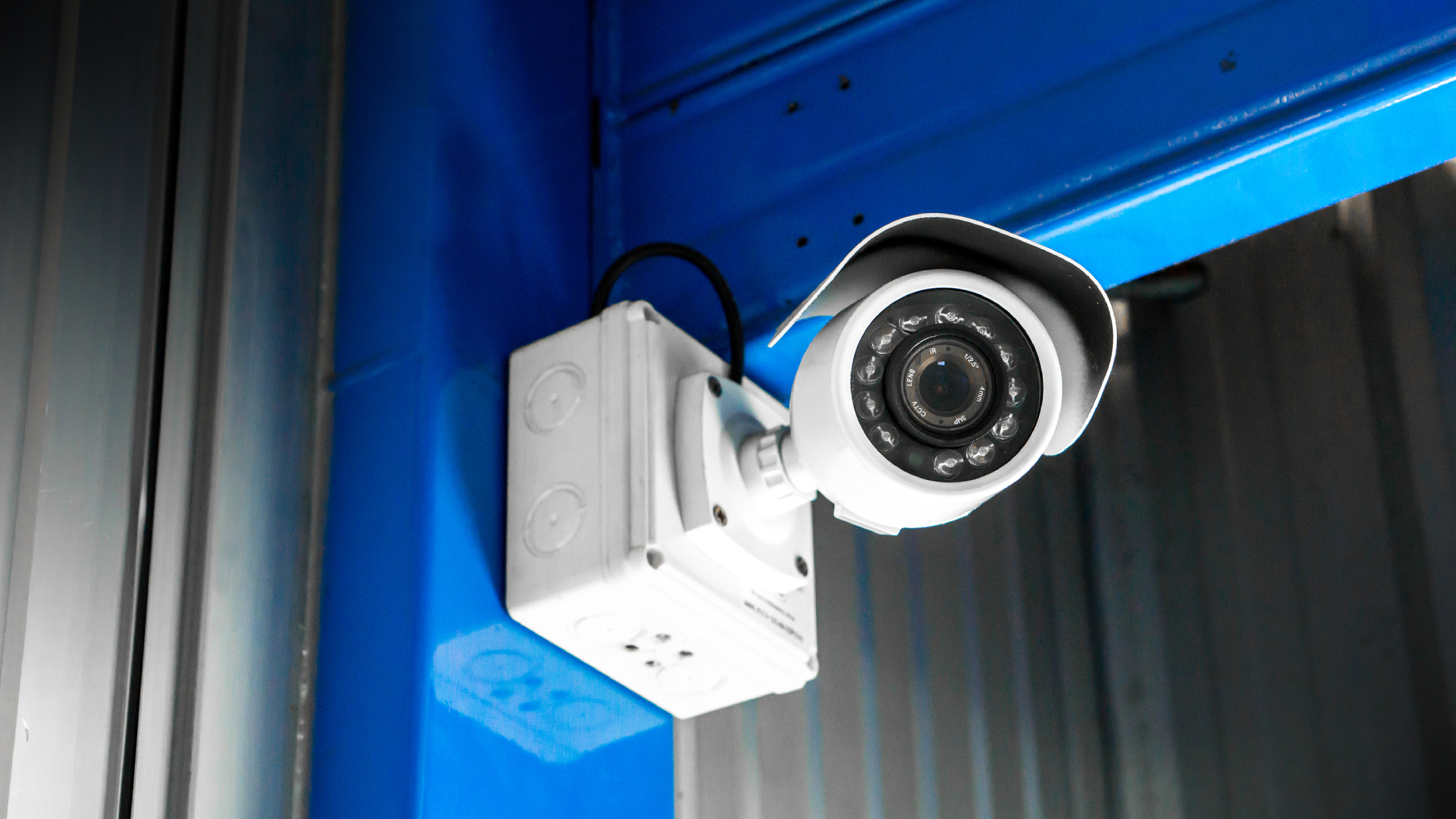
Enisuoh said criminal networks now mount closed-circuit television cameras deep within forests and along pipeline corridors to monitor troop movements and track enforcement activity.
“These criminals now install CCTV to monitor the movement of security agents who are on a mission to catch and take them out of their illegal business. Despite this, we have been making progress in the mandate of securing our pipelines and ensuring seamless production of crude oil in the country,” he said.
He further revealed a troubling evolution in the operational structure of the groups, noting that some now run coordinated field systems.
According to him, the vandals have established command-and-control centres across oil-producing areas and have acquired sophisticated weapons.
He said they are “having acquired missile launchers with which they can shoot down any aircraft flying across the area.”
Despite these developments, Enisuoh maintained that the surveillance framework introduced in 2022 has helped stabilise the sector and avert a deeper production crisis.
He said, “If the government had not done anything about pipeline surveillance in August 2022, the country would have been in trouble.”
Highlighting the scale of operations, he added that “the surveillance contract entered into between the company and the government spans over 2,000km in seven states.”
Enisuoh also described the extent of oil theft prior to the intervention, particularly in parts of Delta State.
He said, “Before the contract, crude oil theft was like a community effort in the Escravous area where the black gold flew freely without the fear of government or security agents.”
Also speaking, the Managing Director of Tantita, Kestin Pondi, said the intervention has yielded measurable gains, including a reduction in pipeline sabotage and a rebound in production levels.
He put current output at about 1.84 million barrels per day.
At the end of the session, lawmakers passed a resolution describing Tantita as a critical national asset, citing its role in curbing vandalism and restoring oil output. The National Assembly also called for a long-term renewal of the surveillance contract and rejected proposals to decentralise the arrangement among multiple operators.
Crude oil theft in the Niger Delta has, over the years, evolved from opportunistic vandalism into a complex and well-organised illicit industry. What began as small-scale tapping of pipelines has grown into a network of actors operating across the value chain—from illegal tapping points to makeshift refineries, transportation routes and export channels.
Security and industry experts say these groups increasingly deploy technology and structured coordination to sustain their activities. The installation of surveillance cameras, as highlighted by Tantita, reflects a shift toward counter-surveillance—mirroring the methods of formal security agencies.
In several documented cases, illegal operators have demonstrated detailed knowledge of pipeline infrastructure, including pressure points and maintenance schedules, allowing them to breach lines with minimal detection. The use of encrypted communications, speedboats for rapid evacuation, and layered security around illegal refining camps further underscores the level of sophistication.
The emergence of command-and-control centres suggests a move toward centralised coordination, where field operatives receive real-time intelligence and directives—an approach more commonly associated with organised criminal enterprises than informal actors.
This evolution has also been driven by the high profitability of the trade. With global crude prices remaining volatile, the incentive to sustain illegal extraction has persisted, drawing in networks that cut across local collaborators, financiers and transnational actors.
Against this backdrop, the Federal Government’s decision in 2022 to engage private surveillance contractors, including Tantita, marked a shift toward integrating community-based intelligence with formal security architecture. By leveraging local knowledge and presence, the model has helped disrupt some of these networks, though the latest disclosures suggest that the contest between enforcement agencies and oil theft syndicates is becoming increasingly technological and adaptive.