Connect with us

Business

FG reopens fuel imports, Dangote reels from FX losses due to US-Iran war

Published

on

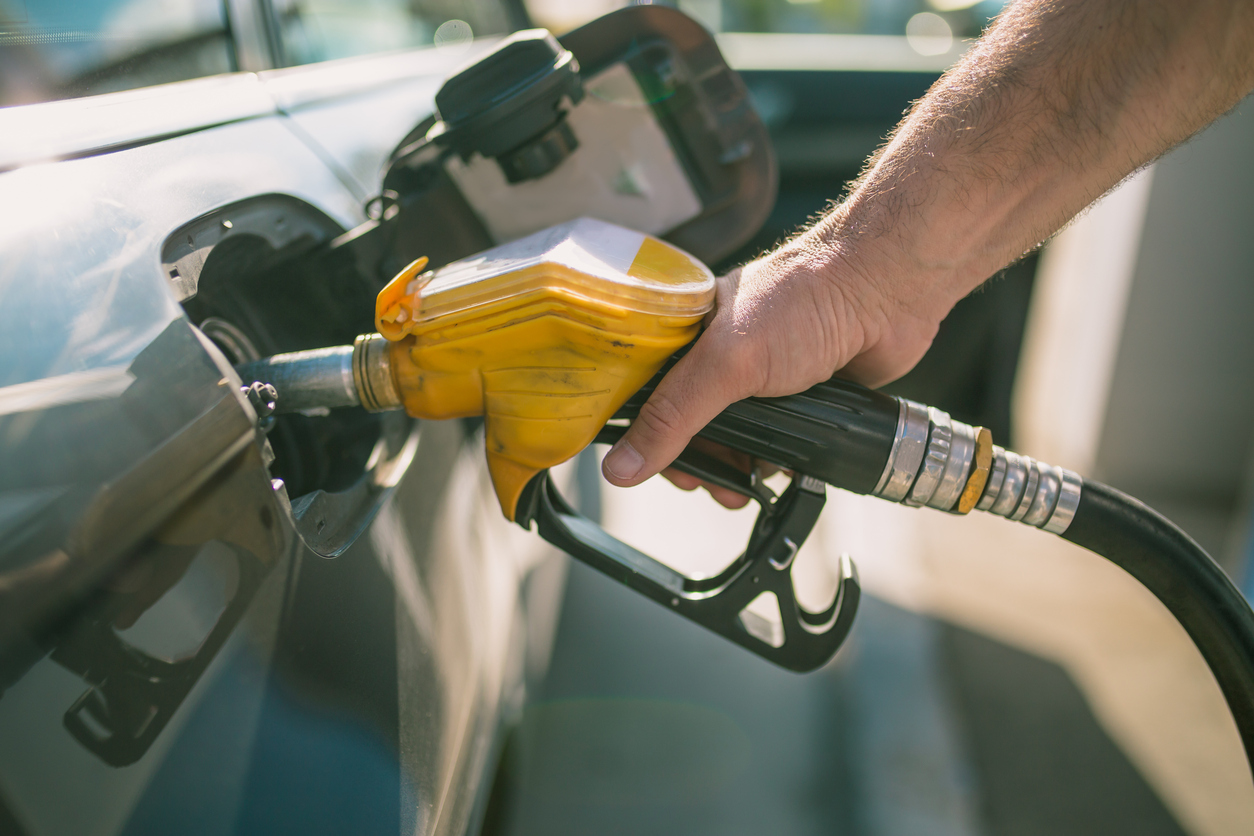
The Federal Government has lifted its ban on fuel imports, granting six new licences for the importation of Premium Motor Spirit (petrol), following concerns over supply amid geopolitical tensions in the Middle East. The move marks a sharp reversal of Nigeria’s recent policy aimed at reducing dependence on imported fuel.

This comes as the Dangote Petroleum Refinery grapples with mounting foreign exchange losses, highlighting the challenges of the naira-for-crude arrangement. A senior management official of the $20bn Lekki-based firm disclosed that the deal’s inefficiency has eroded potential earnings, even as regulators seek to stabilise domestic fuel supply.

Consequently, oil marketers and domestic crude refiners have called on the Federal Government to boost crude supply to Dangote and other local refineries to shield the country from fuel scarcity, as is being reported in other countries due to the Middle East crisis.

A new report by S&P Global obtained on Wednesday revealed that the Nigerian Midstream and Downstream Petroleum Regulatory Authority granted licences for the importation of about 180,000 metric tonnes of petrol. This comes barely weeks after the regulator insisted that domestic refining capacity was sufficient to meet Nigeria’s fuel demand.

A senior official at the regulator confirmed that the decision was taken to address a sudden supply gap triggered by geopolitical tensions in the Middle East.

The report read, “Nigeria has relaxed its gasoline import restrictions for the first time since October by issuing a round of new licenses to local marketers, according to an official at its downstream regulator.

“The NMDPRA did not issue import licenses for gasoline in February on the strength of the improved domestic supply then. But the Middle East crisis came, and we have had a shortfall. So to bridge the gap, import licenses were issued.”

The spokesperson of the NMDPRA, George Ene-Ita, did not respond to enquiries when contacted to confirm the report, up to the time this report was filed.

Further findings by one of our correspondents revealed that the importing marketers include Bono Energy, Pinnacle, AYM Shafa, Matrix, A.A. Rano, and Nipco, each expected to import about 30,000 metric tonnes of Premium Motor Spirit, equivalent to approximately 40.5 million litres and a total of 243 million litres.

The development signals a shift in the government’s downstream strategy, which had recently leaned towards reducing dependence on imported fuel following increased output from local refineries.

On March 11, the NMDPRA announced a pause in the issuance of petrol import licences, citing improved domestic production. Industry data at the time showed that local refineries supplied about 36.5 million litres of petrol per day in February 2026, compared to just three million litres contributed by imports.

Officials had argued that the country no longer needed fuel imports, raising expectations of a gradual transition to self-sufficiency.

“It’s correct that we’ve not issued import licences this year. It is obvious that local production has met national requirements. So, there’s no need for importation,” a source at the NMDPRA had earlier told The PUNCH.

However, the latest approvals suggest that supply stability remains fragile, especially in the face of global disruptions.

The Chief Executive Officer of Petroleumprice.ng, Jeremiah Olatide, confirmed that the midstream and downstream regulatory authority has started issuing import permits. He said the number of permits issued so far is low, showing that local refining is still dominant. However, he noted that imports are needed to stabilise the market.

According to him, energy insecurity could weaken Nigeria’s economy, so a balance between local supply and imports is necessary.

See also  Read facts about ending Nigeria’s endless electricity challenges

He said, “Yes, it’s true. NMDPRA has begun issuing import permits; the number of permits issued lately is relatively low, which shows local refining still dominates, but we need to stabilise the market through imports. Energy insecurity could collapse Nigeria’s economy, so Importation is needed for a balance.”

Dangote FX losses

The senior management official of the Dangote Group, who spoke to The PUNCH in confidence due to the sensitive nature of the matter, stated that the Dangote refinery was supposed to supply the same volume of crude it gets under the naira-for-crude deal back to the Nigerian market as refined petroleum products.

However, the official said the company now supplies more than what it gets from the Nigerian National Petroleum Company Limited instead of exporting the same to earn dollars. While commending President Bola Tinubu for approving the naira-for-crude deal, the source maintained that foreign exchange would have been earned if the refinery had focused on exporting its products.

“The naira-for-crude deal was conceived by His Excellency, the President. He wanted us to supply the petroleum products in naira to the extent crude is supplied to us in naira. But we are ending up supplying much more products than the crude we receive, thus losing forex which we would have gained if we had exported the products,” the official stated.

The source stressed that the refinery was not just asking that crude should be sold in naira, but was requesting that the feedstock be made available to the facility in compliance with the Petroleum Industry Act, which enforces the sale of crude to local refineries before export.

“Under the Petroleum Industry Act, export of crude before meeting the local demand is clearly prohibited. So, we are only asking for the supply of crude to meet the primary purpose of the refinery, which is to add value to the raw materials from the country, instead of exporting the raw material. We are not asking anyone to accept the payment in naira,” he stated.

Meanwhile, during a live television programme on Arise News TV on Wednesday, the Chief Executive Officer of the Dangote refinery, David Bird, said the facility was buying Nigerian crude in foreign markets at a premium after it had earlier requested the product locally before being shipped abroad.

According to Bird, the company receives far below its agreed crude oil supply under the Federal Government’s naira-for-crude deal. Bird stated that the refinery currently gets only five cargoes of crude monthly instead of the expected 13 to 15 cargoes.

He said the shortfall has been affecting the refinery’s ability to optimise local crude as it keeps importing feedstock from other countries.

“What we see under that agreement, we should be getting about 13 to 15 cargoes a month. And that’s what we could process to meet the domestic fuel requirements of Nigeria. Currently, we’re only getting five. So, that’s an underperformance against that pre-agreed volume contract,” he said.

According to him, the gap has forced the refinery to source preferred Nigerian crude grades from the international market at a premium while also paying freight costs and other costs that add to the prices of fuel at the gantry and the pumps.

The CEO explained that the naira-for-crude policy was designed to stabilise Nigeria’s foreign exchange market rather than provide financial advantages to the refinery, noting that the company still purchases crude at international benchmark prices. He clarified to Nigerians that buying crude in naira is not a subsidy, as it is being thought by some people.

See also  Dangote rejects NNPC offer to increase stake in refinery; read why

“The naira-for-crude deal is not there to benefit the Dangote refinery. That is a fundamental misunderstanding. The programme is to provide resilience to foreign exchange. It is the benefit of the country to process domestic crude in the domestic currency,” Bird said.

Despite the supply challenges, Bird said the refinery is currently operating at its full installed capacity of 650,000 barrels per day, supplying both domestic and regional markets.

He, however, noted that global oil market disruptions, particularly tensions in the Middle East, have increased operational costs across the refinery’s value chain, including freight, insurance, and logistics.

Bird added that fuel pricing remains tied to international market forces. He emphasised that the refinery operates without subsidies or discounts on crude inputs. He called for improved crude allocation and long-term strategic planning, including building national reserves, to strengthen supply chain resilience in Nigeria’s oil sector.

Supporting the call for crude supply to domestic refineries, Olatide stressed that adequate crude supply to local refineries is non-negotiable, as it will help reduce fuel prices, stabilise the naira, and support economic growth.

He added that the naira-for-crude policy is not working effectively and should be reviewed. He also suggested considering subsidised crude to protect pump prices from global oil shocks.

“I have advocated severally that adequate crude supply to local refineries is non-negotiable as it will help drive pump prices down, stabilise our naira and grow our economy. The naira-for-crude policy is practically inefficient, and it needs to be reviewed. Also, subsidised crude should be considered as it is the only way oil shocks won’t have a direct effect on our pump prices,” he added.

Domestic crude demand

Oil marketers and refiners on Wednesday called for increased crude supply to domestic refineries as part of urgent measures to address the rising cost of petroleum products, warning that continued price increases were placing pressure on households and businesses.

They said rising fuel prices in Nigeria can be curtailed if the government adopts a holistic value-chain approach and increases crude allocation to domestic refineries.

The spokesperson for the Crude Oil Refinery Owners Association of Nigeria, Eche Idoko, said in a chat with our correspondent that refining alone would not automatically reduce pump prices. Idoko identified three key drivers of petrol prices in the country, namely international crude oil prices, exchange rate pressure, and cost of logistics and distribution.

He added that domestic refining would not sufficiently lower prices if these factors remained unresolved. “So even with local refining, if these factors are not addressed, pump prices will still rise,” he stated.

The CORAN spokesperson, however, stressed that increasing crude supply to local refineries would help reduce costs if properly implemented. “More crude allocation to Dangote and other modular refineries will definitely help, but it must be done properly and strategically,” he said.

He urged the government to strictly enforce the Domestic Crude Supply Obligation. “Strictly enforce the domestic crude supply obligation. Local refineries must get priority access to crude before export. This ensures a steady feedstock supply and reduces dependence on imports,” he said.

Idoko also called for a fair domestic pricing model for crude supplied to local refineries, saying, “Crude sold to Nigerian refineries should not carry full international export costs (like freight and insurance). A fair local pricing template will reduce refining costs and ultimately pump prices,” he said.

He further recommended stabilising the naira-for-crude framework and boosting crude production. “Refineries should be able to buy crude in naira (or with reduced FX exposure). This will limit the impact of exchange rate volatility on fuel prices. More production means more barrels available for both export and local refining without supply tension,” he added.

See also  FG granted N34tn import duty waivers in 2025 – Customs

The CORAN spokesman also urged support for modular refineries alongside the Dangote refinery. “While Dangote is critical due to its size, the government must also support modular refineries (Waltersmith, Aradel, Duport, etc.) to create competition and improve supply stability,” he said.

He also highlighted high logistics costs as a major contributor to pump prices, arguing that high transportation, port charges, road issues, and multiple levies all add to pump prices. Fixing these, he urged, will significantly reduce the final cost to consumers.

On whether more crude allocation would help, Idoko said it would make a major difference, but it must be structured properly. “Yes—very significantly. But it must be predictable, fairly priced, and extended to all operational refineries,” he said.

He concluded that strategic allocation and pricing of crude remained key to long-term stability. “Nigeria must not just refine locally but must also price and allocate crude strategically for domestic energy security. That is the real way to sustainably bring down fuel prices,” CORAN recommended.

Meanwhile, in a statement issued on Wednesday by the spokesperson of the Petroleum Products Retail Outlets Owners Association of Nigeria, Joseph Obele, the association urged the Federal Government to implement temporary interventions to cushion the effect of higher fuel prices across the country.

The retailers said the recent steady increase in the pump price of petrol had placed “significant financial pressure on citizens, businesses, and the broader economy”. According to the National President of PETROAN, Billy Gillis-Harry, the ripple effects were already visible nationwide.

He said, “The ripple effects are evident in rising transportation costs, increased prices of goods and services, and a general strain on the cost of living.”

PETROAN noted that while global crude oil price fluctuations influence domestic pricing, urgent steps were required to mitigate hardship. Gillis-Harry warned that without timely intervention, the economic burden could worsen.

“Without timely intervention, the economic burden on households and small businesses may worsen, leading to reduced productivity and heightened economic instability,” he said.

The marketers specifically called for improved crude supply to strengthen local refining, urging the government to enhance the framework of the naira-for-crude policy. They stated that one of the urgent measures required was a “strategic intervention to boost the supply framework of the Naira-for-Crude policy to enhance local refining and stabilise pricing”.

The association also asked the government to direct the NNPC to fully restart operations at the Port Harcourt refinery to “dismantle monopolistic tendencies and improve domestic supply”.

Other recommendations by the association included transportation relief for Nigerians, temporary food subsidies, and accelerated promotion of alternative fuels such as compressed natural gas and liquefied petroleum gas.

PETROAN further called for sustained engagement with stakeholders to ensure energy security, pricing stability, and a resilient supply chain. The statement added that the association remained committed to working with the government and industry players to ensure the availability and efficient distribution of petroleum products nationwide.

“While we acknowledge the ongoing reforms in the sector, we appeal for urgent and decisive action to alleviate current hardships and protect the welfare of Nigerians,” PETROAN said.


Continue Reading
Click to comment

Leave a Reply

Your email address will not be published. Required fields are marked *

Business

Nigerian, Indonesian firms sign $10m business deals

Published

on

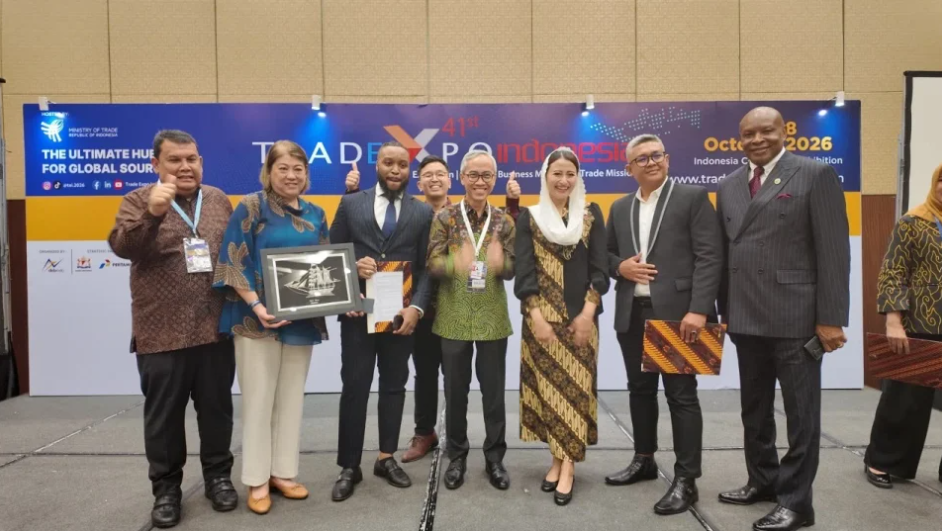
Nigerian and Indonesian companies have signed business agreements worth a combined $10m to strengthen trade and economic cooperation between the two countries.

The Indonesian Ambassador to Nigeria, Bambang Suharto, disclosed this on Thursday during a memorandum of understanding signing ceremony involving Nigerian investors and their Indonesian counterparts at the 2026 Trade Expo Indonesia.

The agreements were among a broader collection of business commitments at the expo, where 55 memoranda of understanding involving Indonesian companies and international business partners were signed.

The participating countries included Nigeria, Australia, Canada, Chile, Germany, Hungary, Malaysia, Mexico, the Netherlands, Romania, South Africa, South Korea, Thailand, the United Arab Emirates and Vietnam.

The event had present ambassadors, diplomatic representatives, international buyers and business partners.

The occasion was highly praised as one of the significant moments of the 2026 Trade Expo Indonesia which kickstarted and was declared opened on Wednesday.

Suharto speaking to Journalists described the agreements involving Nigerian and Indonesian companies as a historic development, expressing optimism that the partnerships would expand bilateral business relations and deliver economic benefits to both countries.

“Today we are witnessing a very historical moment for this year. We have two companies who are having signing ceremony, the MOU, a business contract with their counterpart in Indonesia. So, the amount reached in total 10 million USD or 5 million USD each,” the ambassador said.
He explained that the agreements covered the dental equipment and pharmaceutical sectors, describing them as important areas with significant implications for public welfare.

The ambassador urged Indonesian businesses to look beyond commercial trading and explore investment opportunities in Nigeria, noting that some Indonesian companies already operating in the country had demonstrated the benefits of long-term business engagement.

See also  FG recorded N30tn revenue shortfall in 2025 – Edun

“I mentioned that there are now some Indonesian companies operating in Nigeria. So, they are a good example. For so many years, they have been doing business in Nigeria, creating job opportunities for the locals and also absorb the local resources that can be produced in their factory and bring, of course, for the benefit of Nigeria as well,” he said.

Suharto encouraged Nigerian companies to invest in Indonesia, highlighting the countries’ large populations, available human resources and investment potential.

“We have 280 million people and Nigeria has 230 million people. In both countries, we have a demographic bonus. So, we have also attractive manpower, which is good for investment,” he said.

He added that Indonesia remained open to Nigerian businesses seeking opportunities in its market.

One of the Nigerian investors who signed an agreement, Ralph-Michael Simon-Michael of Irad Investment Limited, said his company had partnered with Indonesian firm PT Winn Appliance to introduce domestic gas appliances into the Nigerian market.

Simon-Michael, whose company is headquartered in Port Harcourt, Rivers State, said the partnership was aimed at making the products accessible to ordinary Nigerians through established distribution channels.

“So, we’re based in Port Harcourt, our headquarters. So, we’re an oil and gas servicing company. We’ve come to Indonesia to partner with a company called Win Appliances. So, we’re going to be bringing gas, domestic appliances into Nigeria,” he said.

He explained that the products would be targeted at everyday consumers and distributed nationwide through established retail outlets and cash-and-carry distributors.

“The appliances that we’re bringing are for domestic use, for the everyday consumer. So, the everyday man can essentially afford these appliances that we’re bringing in,” he said.

See also  N11.3tn petrol bill hits Nigerians in seven months

Simon-Michael named Shoprite, Next cash-and-carry distributors among other outlets, through which he said the products would be distributed across Nigeria.

He said the company’s long-term plan was to establish a factory in Indonesia, and expand its operations into other African countries.

The investment agreements also formed part of broader efforts to deepen trade relations between Nigeria and Indonesia, according to Sheye Oyetade, Executive Director of Invest Nigeria, who said the Nigerian delegation was working to translate existing cooperation agreements into practical business opportunities.

Oyetade said the delegation’s participation was linked to the memorandum of understanding between Invest Nigeria and the Developing Eight (D-8) countries, a grouping of countries that includes Nigeria and Indonesia.

“We actually came to service our Memorandum of Understanding with D8 to make sure that trade is actually seamless between Nigeria and Indonesia,” he said.

He added that economic reforms in Nigeria had created opportunities for cross-border trade and investment, while the country’s growing population offered businesses access to a large consumer market.

“The signing of the MOU is key, simply because, whether you like it or not, Africa is becoming the major darling of the world in terms of the market,” Oyetade said.

He projected that Nigeria’s population would rise to about 400 million by 2050, arguing that the expansion would increase its importance as a destination for investment and consumer goods.

“So, where the people are, there the market is. So, that’s exactly what we are doing here today,” he said.

The agreements are expected to strengthen commercial links between businesses in both countries, with participants expressing hope that the partnerships would encourage further investment, job creation and the exchange of products and expertise.

See also  FX reserves to hit $51bn by 2026 — CBN

Source: punchng.com

FOLLOW US ON:

FACEBOOK

WHATSAPP CHANNEL

TWITTER

PINTEREST

TIKTOK

YOUTUBE

LINKEDIN

INSTAGRAM

Continue Reading

Business

FG, NLC clash over minimum wage talks

Published

on

The Federal Government and the Nigeria Labour Congress have disagreed over when negotiations for a new national minimum wage should begin, with organised labour challenging the government’s interpretation of the law and demanding that preparations commence immediately.

The disagreement followed an exchange of letters between the Minister of Labour and Employment, Dr Muhammad Dingyadi, and NLC President, Joe Ajaero, over the timetable for reviewing the N70,000 minimum wage signed into law in July 2024.

In a letter dated 13 October, 2026, Ajaero rejected the government’s position that a fresh review would be premature, arguing that the statutory timetable under the original National Minimum Wage Act, 2019, remained relevant despite the 2024 amendment.

He said the government should begin the process by calling for nominations and inaugurating the National Minimum Wage Tripartite Committee, which brings together the government, organised labour and employers.

“The time is now. The appropriate time is now,” Ajaero wrote in the letter shared on Thursday, arguing that delaying the process would worsen the hardship facing Nigerian workers.

His response came a day after Dingyadi, in a letter dated October 12, acknowledged receipt of a communique issued after a joint meeting of the NLC’s Central Working Committee and National Executive Council.

The minister said the current minimum wage would become due for review on 1 June, 2027, and argued that commencing another review barely two years after the implementation of the N70,000 wage would be premature and disruptive to industrial relations.

The latest exchange comes amid growing pressure from the labour movement over the rising cost of living and the erosion of workers’ purchasing power.

See also  INEC list rekindles APC’s post-primary crisis ahead of 2027 elections

In an Independence Day statement on 1 October, the country’s biggest labour union demanded an immediate reduction in petrol prices, a nationwide wage award and the commencement of negotiations for a new national minimum wage. The statement, signed by Ajaero and titled “Our Hope Depends on the Choices We Make and the Actions We Take”, linked rising transportation, food, rent and education costs to the declining value of workers’ earnings.

Workers also called for the implementation of tax relief measures agreed upon with the government in October 2023, arguing that the union should not continue to bear the burden of rising living costs without additional support.

The NLC demanded that petrol prices be reduced to the levels prevailing when the current minimum wage was signed into law in 2024, negotiations for a new wage begin before the end of October, and outstanding agreements with health and public sector workers be implemented.

It warned that failure to meet the demands within the stipulated period would compel it to take further action as directed by its relevant organs.

Against this backdrop, the minister’s October 12 letter rejected the call for an immediate review, prompting Ajaero’s response the following day.

The NLC president argued that the 2019 law, signed on 18 April of that year, had envisaged a review by April 2024. He said the 2024 amendment did not erase that original timetable, adding that a new wage should take effect by 17 April, 2027, under the timeline advanced by the union.

He said negotiations should begin at least six months before the relevant deadline to allow time for preparatory steps and avoid the accumulation of arrears. On that basis, the NLC said the process should commence by 17 October, 2026.

See also  Dangote rejects NNPC offer to increase stake in refinery; read why

The union maintained that it was not asking the government to implement a new wage immediately but to begin the administrative and negotiation process required to reach an agreement.

Dingyadi, however, said the National Minimum Wage Act, 2019, as amended by the National Minimum Wage (Amendment) Act, 2024, provided for a review every three years.

Source: punchng.com

FOLLOW US ON:

FACEBOOK

WHATSAPP CHANNEL

TWITTER

PINTEREST

TIKTOK

YOUTUBE

LINKEDIN

INSTAGRAM

Continue Reading

Business

Fani-Kayode defends Obasanjo over Nigeria Airways liquidation, read details

Published

on

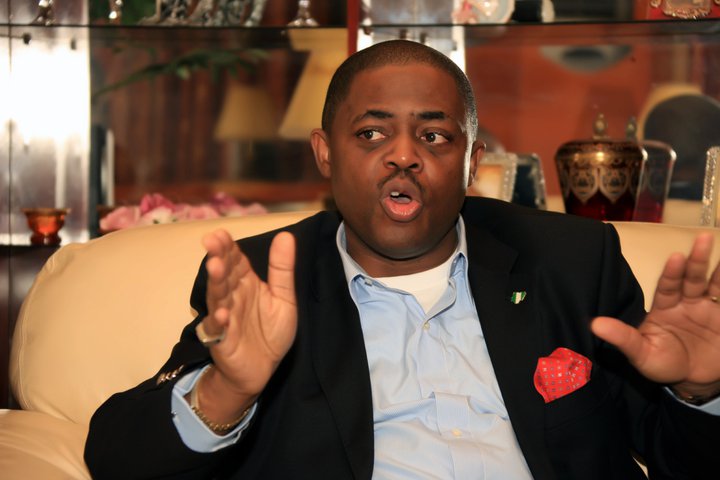
A former Minister of Aviation, Femi Fani-Kayode, has defended former President Olusegun Obasanjo over the liquidation of Nigeria Airways, insisting that the airline’s collapse resulted from years of mismanagement, corruption and mounting debts before Obasanjo returned to power in 1999.

Fani-Kayode, who served as the Minister of Aviation in 2006, said Obasanjo inherited a virtually collapsed airline and had little choice but to liquidate it in 2004.

He stated this in a post on his X account on Thursday while responding to the Minister of Aviation and Aerospace Development, Festus Keyamo, who had earlier accused former Vice-President Atiku Abubakar of hypocrisy over his comments on Nigeria’s economic hardship and insecurity.

In a post published on Wednesday, Keyamo accused the administration in which Atiku served as vice-president of liquidating Nigeria Airways in September 2004, leaving thousands of workers without jobs and their pensions and gratuities unpaid.

The minister said the outstanding entitlements had remained unresolved for years, claiming that some former workers died while waiting for their benefits.

He added that President Bola Tinubu had approved and released N36bn to settle the outstanding obligations, with beneficiaries already receiving payment alerts.

Keyamo also accused Atiku of taking credit for the achievements of the Obasanjo administration when convenient while distancing himself from controversial decisions.

Responding to the debate, Fani-Kayode said it was unfair to blame Obasanjo for the airline’s collapse, arguing that its decline had begun long before his return to office.

“In fairness to President Obasanjo the Nigeria Airways ‘mess’, as you have described it, was established before he came back to power in 1999.

See also  FX reserves to hit $51bn by 2026 — CBN

“And it was indeed a mess but it was not of Obasanjo’s making!

“He met it there after he was sworn in and what he found broke his heart,” Fani-Kayode wrote.

He recalled that when Obasanjo left office as military Head of State in 1979, Nigeria Airways had 32 functional aircraft, experienced pilots and crew members, a first-class management team and an accountable board of directors.

He described the airline at the time as “the pride of the nation”.

However, Fani-Kayode said the situation had deteriorated considerably by 1999, when Obasanjo returned as a civilian president.

“By the time Obasanjo came back to power in 1999, 20 years later, there was only one plane left and it was not functional.

“The rest had vanished together with virtually all of the company’s assets,” he said.

According to him, successive management teams and boards contributed to the airline’s decline through corruption and mismanagement between 1979 and 1999.

He said the company’s liquidation followed chronic insolvency, operational collapse and unsuccessful attempts to revive its operations, including privatisation advice from the International Finance Corporation, which later withdrew.

Fani-Kayode maintained that the Obasanjo administration was justified in refusing to continue providing public funds to the struggling airline.

“This is why Obasanjo liquidated it in 2004 and I believe that he had no choice,” he said.

“There was nothing left to save even though it was a painful decision given the fact that he was one of those that had done so much for that company when he was Military Head of State.”

See also  Nigeria’s rent crisis deepens as two-bedroom flats hit N2.5m

The former minister said the payment of outstanding pensions became a major issue following the liquidation.

He recalled that a committee chaired by the then Head of Service of the Federation, Yayale Ahmed, recommended that funds be released to pay the pensioners.

Fani-Kayode said he subsequently presented a memo to the Federal Executive Council in 2006, advocating the payment of the outstanding entitlements.

However, he said the proposal was rejected because some cabinet members believed former management teams and board members were responsible for the airline’s destruction and did not deserve pensions.

“I did not share that view but sadly I and those that supported me were in a minority and we lost the debate,” he said.

He added that the matter was revisited under the administration of the late President Umaru Yar’Adua, which paid most of the pensioners, while the administration of former President Muhammadu Buhari also made payments.

Fani-Kayode commended Keyamo for ensuring that the remaining pension obligations were settled under the Tinubu administration.

“It is gratifying that under your leadership the remainder of the pensions have been paid. I only wish we had done that when we were in office,” he wrote.

“The pensioners suffered immensely over the years. I have always maintained that paying them was the right thing to do.”

He also referred to Atiku’s position during the Federal Executive Council deliberations on the pension payments but declined to disclose details of the former vice-president’s stance.

“As for His Excellency Waziri @atiku I know what side of the divide he was during that debate in council but I will not share that publicly because whatever decision was finally taken was a collective one,” he said.

See also  143 firms battle for 50 oil blocks today; read details

Fani-Kayode added that members of the administration collectively bore responsibility for the decision and its consequences.

He concluded by commending Keyamo for completing the payment of the outstanding entitlements owed to former Nigeria Airways workers.

Source: punchng.com

FOLLOW US ON:

FACEBOOK

WHATSAPP CHANNEL

TWITTER

PINTEREST

TIKTOK

YOUTUBE

LINKEDIN

INSTAGRAM

Continue Reading

Trending