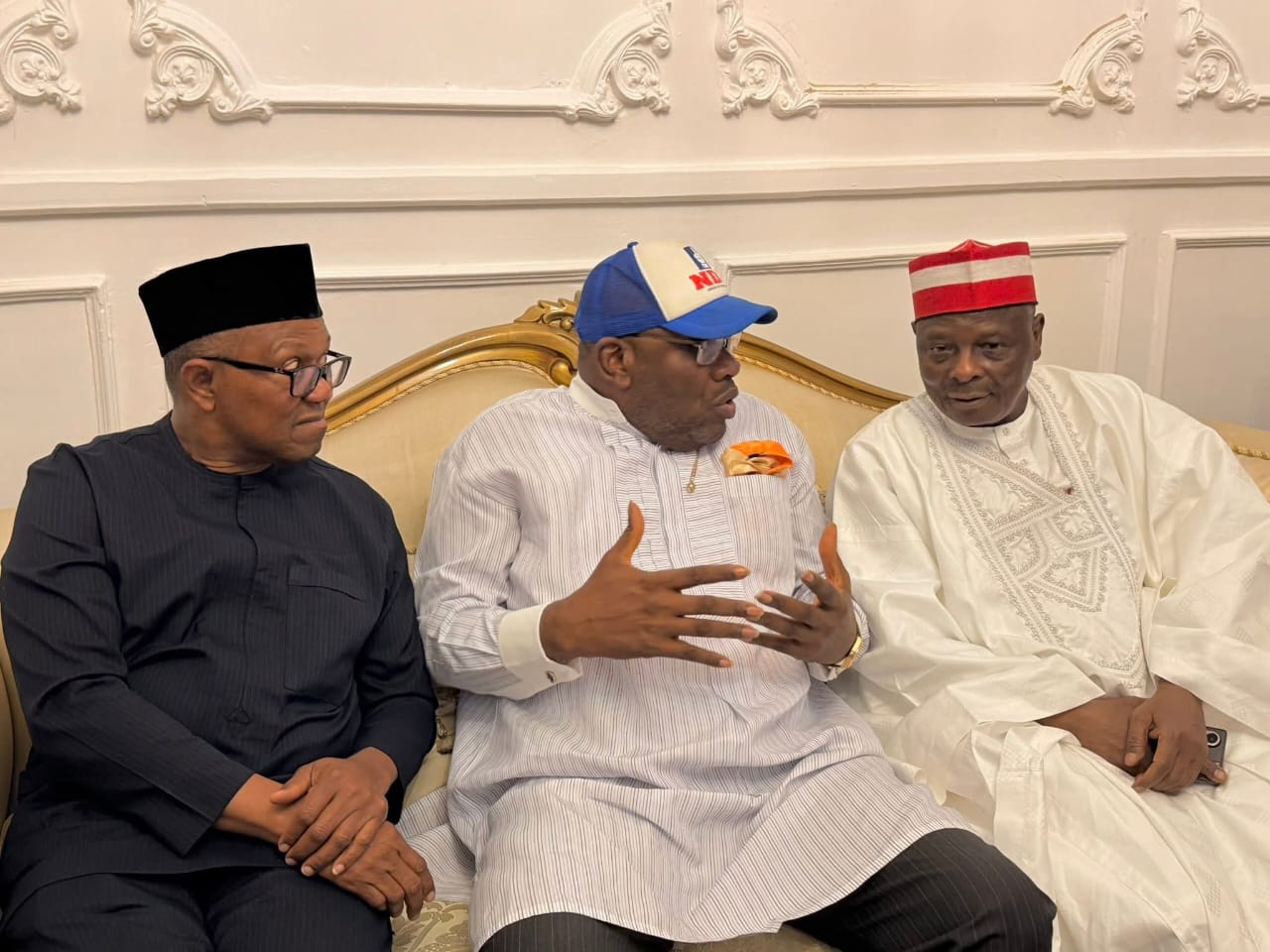
Nigeria’s political landscape is already witnessing a dramatic realignment ahead of the 2027 presidential election, and at the centre of the emerging opposition movement is the newly formed Nigeria Democratic Congress (NDC).
What began as another attempt at coalition politics has rapidly transformed into a potentially formidable opposition platform following the formal entry of former Labour Party presidential candidate Peter Obi and former Kano State governor Rabiu Musa Kwankwaso into the party.
The development is significant not merely because of the personalities involved but because it signals an effort to consolidate fragmented opposition forces into a single political vehicle capable of challenging President Bola Ahmed Tinubu and the ruling All Progressives Congress (APC), whose incumbency remains the strongest political force in the country.
Yet, while the NDC’s rise has generated enthusiasm among opposition supporters, the path to victory in 2027 remains steep, complicated by Nigeria’s entrenched incumbency structure, regional voting dynamics, economic realities, institutional questions, and the uncertain future of other opposition parties, particularly the African Democratic Congress (ADC), which had initially been touted as a possible coalition platform before losing momentum amid internal uncertainty and defections.
Before the emergence of the NDC as the rallying point for opposition actors, much of the speculation around a united opposition centred on the ADC.
Political consultations reportedly involved Peter Obi, Kwankwaso, former Vice President, Atiku Abubakar, former Rivers State Governor, Rotimi Amaechi and several political stakeholders searching for a platform outside the troubled People Democracy Party (PDP) and the fragmented Labour Party (LP).
However, internal tensions and legal uncertainties within the ADC appear to have weakened confidence in its viability. This became more evident after reports emerged that Obi and Kwankwaso were preparing to abandon the ADC project entirely.
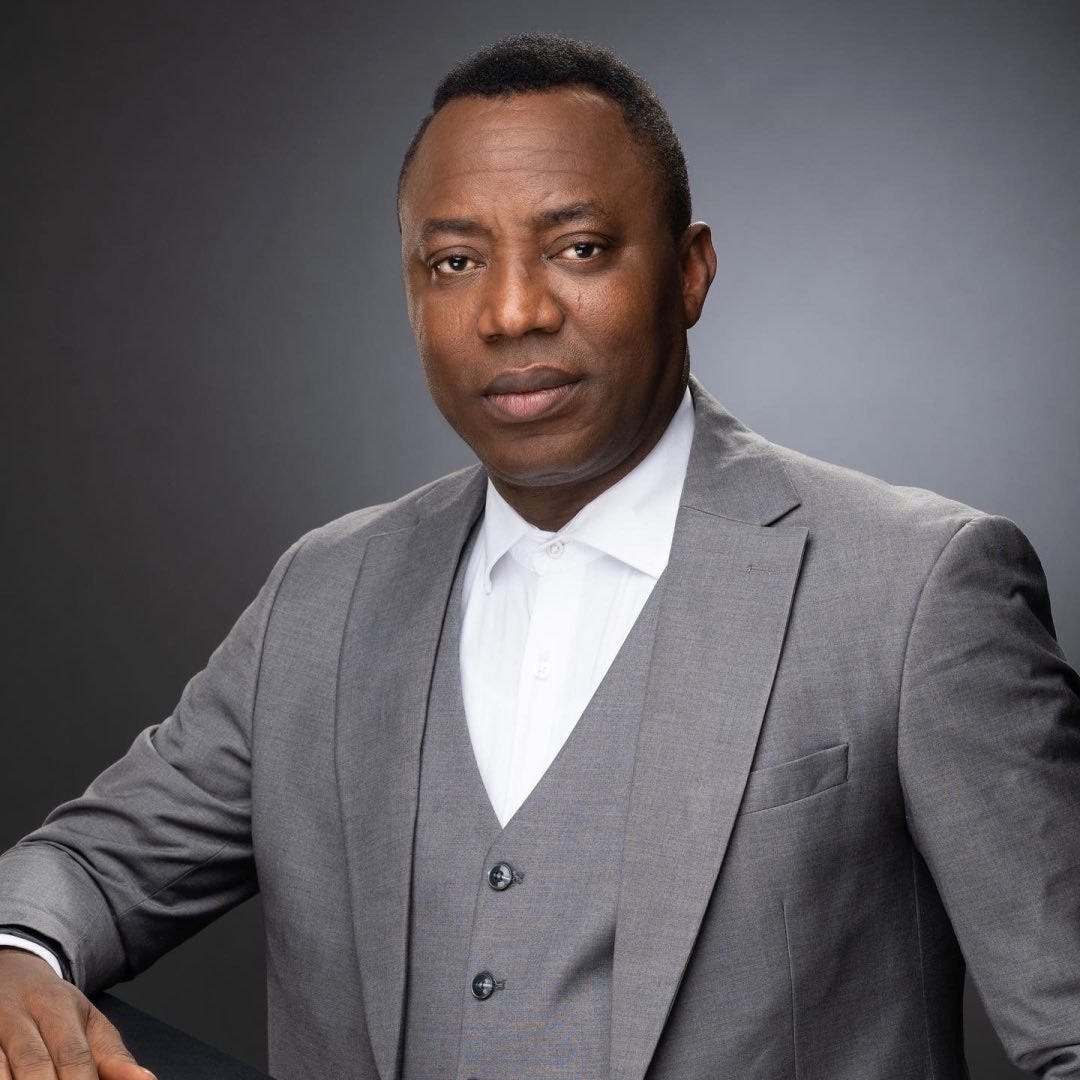
The ADC’s inability to successfully unify opposition interests created the vacuum that the NDC quickly occupied. Senator Seriake Dickson, former Bayelsa governor and National Leader of the NDC, capitalised on that moment by presenting the party as an ideologically driven movement rather than another election-season coalition.
That distinction is politically important. One of the major weaknesses of opposition politics in Nigeria since 2015 has been the absence of ideological clarity.
Most coalitions have been transactional, often collapsing after elections due to competing ambitions. The NDC leadership appears determined to frame the party differently.
Its national leader, Senator Seriake Dickson, repeatedly emphasised this point when he declared: “We do not want a transactional party that changes arrangement every election season. We want the NDC to outlive all of us.”
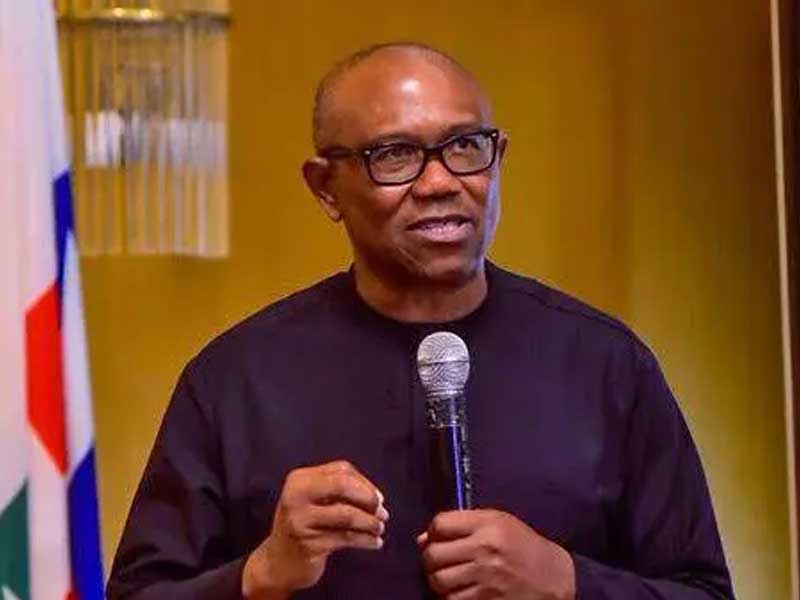
The greatest strength of the NDC lies in the political weight of Peter Obi and Rabiu Kwankwaso. In the 2023 presidential election, Obi demonstrated unprecedented electoral capacity among urban youths, middle-class voters, Christians in the South-East and South-South, and many first-time voters.
Despite lacking traditional political structures, he won major states, including Lagos, the political stronghold of Tinubu himself.
Kwankwaso, on the other hand, remains one of the North’s most influential grassroots politicians, particularly in Kano State, where the Kwankwasiyya movement maintains deep political loyalty.
Separately, both men lacked the nationwide spread required to win the presidency in 2023. Together, however, they potentially create a North-South electoral bridge that could reshape opposition politics.
The NDC’s decision to zone the presidential ticket to the South while reserving the next cycle for the North was clearly designed to accommodate this alliance.
Kwankwaso’s endorsement of the arrangement effectively removed what could have become a major internal crisis.
“It is therefore with great sense of unity and solidarity that as a loyal party member, I support the decision to zone the presidential ticket of the NDC to the South,” Kwankwaso declared at the party convention.
Peter Obi thus enters the 2027 race with advantages he did not possess in 2023. First, he now has stronger national political alliances. One of the major criticisms against Obi in 2023 was that his support base was emotionally powerful but institutionally weak. The Labour Party lacked deep structures across northern Nigeria and many rural areas.
The NDC may help solve that problem. With Kwankwaso’s northern machinery, Dickson’s Niger Delta influence, and growing defections from APC, SDP, NNPP, PDP and ADC figures into the party, the NDC is gradually building broader geographical reach.
Recent defections, including former APC governorship candidate Aishatu Binani, Edo lawmakers, NNPP and PRP leaders, suggest the party is becoming a magnet for displaced opposition politicians searching for a viable national platform.
Second, the economic realities of Tinubu’s administration may strengthen Obi’s appeal.
Nigeria’s inflation crisis, rising fuel prices, worsening exchange rate instability, unemployment, and insecurity have created significant public frustration.
The opposition is already attempting to frame the 2027 election as a referendum on economic hardship. Obi captured this sentiment during the NDC convention when he declared: “Nigeria is not poor. Nigeria was looted into poverty, and we are coming to reverse that situation.” That line resonates strongly among younger Nigerians frustrated by economic conditions.
Despite the growing momentum around the NDC, President Tinubu poses a huge challenge simply because of the enormous power of incumbency in Nigerian politics.
No opposition movement can underestimate the institutional advantages available to a sitting president. Tinubu controls federal power structures, party machinery, state resources, security influence, and political patronage networks that remain deeply entrenched across Nigeria’s political system.
Historically, incumbency in Nigeria is extremely difficult to defeat. Even former President Goodluck Jonathan’s 2015 defeat occurred under unique circumstances involving massive APC unity, elite consensus, regional momentum, and a broad anti-PDP coalition.
Tinubu also possesses one of the most sophisticated political networks in Nigeria’s democratic history. His reputation as a coalition builder and strategic operator remains formidable.
Beyond institutional control, the APC still maintains dominance across many state governments. Governors remain crucial in Nigerian elections because of their control over grassroots mobilisation and local political structures.
Unless the NDC can significantly penetrate the governors’ network or trigger major APC fractures, defeating Tinubu will remain extraordinarily difficult.
Perhaps the single biggest question for the NDC is whether it can substantially weaken APC dominance in the North.
While Kwankwaso provides strength in Kano and parts of the North-West, Tinubu’s alliance with northern political elites remains largely intact for now.
The APC also retains influential northern governors, federal appointments, and longstanding patronage systems.
However, the North’s growing economic hardship could become a destabilising factor. Rising food prices, insecurity, and declining purchasing power are generating frustration even within traditional APC strongholds.
If the NDC successfully frames itself as a credible national rescue movement rather than a sectional coalition, it could become competitive in key northern battlegrounds.
That appears to be the strategy behind Dickson’s repeated emphasis on inclusiveness, fairness, and rotational balance. “We want a balanced and stable Nigeria. We do not want a Nigeria of divisions and grievances,” Dickson stated.
Another recurring theme within the NDC’s rhetoric is about electoral credibility and institutional neutrality.
Both Obi and Dickson have repeatedly called on INEC, the judiciary, and security agencies to protect democratic processes. Obi specifically warned against political interference capable of destabilising opposition parties through litigation. These concerns reflect broader opposition fears that legal disputes and institutional pressure could weaken emerging coalitions before the election cycle fully matures.
Whether those fears are justified or exaggerated, they reveal a growing distrust between opposition actors and state institutions.
The party’s current messaging around youth inclusion, women participation, institutional reform, and economic productivity is designed to distinguish it from conventional power-sharing coalitions.
But sustaining unity between powerful political blocs, Obidients, Kwankwasiyya, former PDP actors, ex-APC figures, and smaller opposition groups, will require extraordinary political wisdom.
At this stage, the NDC has achieved what many thought impossible: creating genuine excitement around a new opposition platform.
The entry of Obi and Kwankwaso has instantly elevated the party into national relevance, while the collapse of ADC coalition efforts has consolidated opposition attention around the NDC.
Still, enthusiasm alone does not win Nigerian presidential elections. To seriously challenge Tinubu, the NDC must accomplish five difficult tasks simultaneously, maintain internal unity, expand grassroots structures nationwide, penetrate northern voting blocs, protect itself from internal litigation, and convince Nigerians it represents a credible governing alternative rather than another protest movement.
President Tinubu remains politically powerful, institutionally entrenched, and highly experienced in coalition warfare. But the emergence of the NDC has undeniably altered the early dynamics of the 2027 race.
For the first time since 2023, Nigeria’s opposition appears to be moving toward consolidation rather than fragmentation. Whether that momentum can survive the brutal realities of Nigerian politics remains the defining question ahead of 2027.














 Party: All Progressives Congress (APC)