The Independent National Electoral Commission has inaugurated a multi-agency electoral logistics committee for the 2027 general elections, warning that no Nigerian should be disenfranchised because of delays in the arrival of election materials.
The commission also charged the National Orientation Agency to intensify grassroots mobilisation against voter apathy, vote buying and electoral violence ahead of the elections scheduled for January 16 and February 6, 2027.
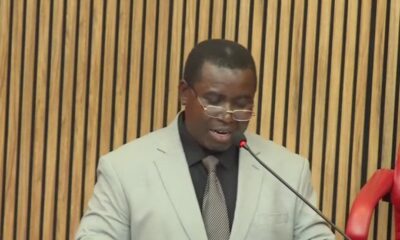
The INEC Chairman, Prof. Joash Amupitan (SAN), gave the charge on Thursday in Abuja during the inauguration of the committee and the flag-off of the NOA’s nationwide grassroots mobilisation campaign.
Amupitan said the logistics committee would strengthen the commission’s operational capacity and ensure the timely deployment of personnel and election materials across the country.
He said the decision to adopt a multi-agency approach was informed by the complexities of transporting election materials across Nigeria’s diverse geographical terrain.
“Today’s inauguration of the Electoral Logistics Committee marks a proactive step in ensuring that the 2027 General Election is defined by seamless execution and operational excellence,” the INEC chairman said.
He named a National Commissioner, Rear Admiral Jamila Malafa (retd.), as chairperson of the committee, which comprises representatives of security agencies, transport unions and relevant government institutions.
Amupitan said the credibility of an election depended significantly on whether voters found their polling units open, equipped and ready at the appointed time.
“Election logistics involve the intricate movement of both sensitive and non-sensitive materials by land, sea and air. It requires precision, security and timeliness. This is why we are starting early,” he said.
The committee is expected to assess the commission’s logistics requirements, develop a comprehensive plan for storing, distributing, deploying and retrieving election materials, and audit the readiness of warehouses, vehicles, airports and seaports.
It will also identify operational gaps, recommend corrective measures, monitor compliance with approved logistics schedules and develop strategies to address transportation bottlenecks, shortages and security threats.
Other responsibilities include coordinating the secure movement of materials through road, air and maritime channels, liaising with government agencies and transport unions, and submitting periodic reports to the commission.
Amupitan said Nigeria’s geographical diversity required a flexible and resilient logistics framework capable of addressing weather conditions, difficult terrain and security challenges.
“We must anticipate the weather, the terrain and the security environment to ensure that no Nigerian is disenfranchised due to late arrival of materials,” he said.
He described preparations for the 2027 elections as “a marathon, not a sprint,” adding that early planning was necessary to deliver a transparent, efficient and credible electoral process.
Speaking on behalf of the committee, Malafa said its mandate included reviewing previous elections, identifying operational weaknesses and developing strategies to ensure the timely deployment of personnel and materials.
She said the committee would focus on airlift operations, cargo handling, land and maritime transportation, storage facilities and security arrangements.
According to her, the committee would also map difficult terrain, security-challenged areas and crisis-prone locations to enable the development of customised transportation and security arrangements.
Malafa said the committee could establish specialised subcommittees to handle airlift, land transportation, maritime transportation, storage and security operations.
She stressed that effective coordination among participating agencies would be essential to achieving the committee’s objectives.
Meanwhile, at the flag-off of the NOA’s nationwide grassroots mobilisation campaign, Amupitan charged the agency’s leadership and field officers to take voter education messages to communities across the country.
He urged the officials to extend the campaign to traditional palaces, markets, places of worship, campuses and village squares in all 774 local government areas.
The INEC chairman identified voter apathy, vote buying and electoral violence as major threats to the credibility of the 2027 elections.
On voter apathy, he said citizens who failed to vote surrendered their democratic power to others, urging Nigerians to verify their registration status, collect their Permanent Voter Cards and participate peacefully in the elections.
“Do not wait until election week to get involved. Check your registration status, collect your PVCs now, stay informed, come out on Election Day, vote peacefully according to your conscience, and protect your community from violence,” he said.
Amupitan assured voters that their ballots would be accurately counted and reflected in the final results, citing the commission’s use of the Bimodal Voter Accreditation System and the INEC Result Viewing portal.
He also condemned vote buying, describing it as an attack on constitutional democracy.
The chairman said INEC had reconfigured polling unit layouts to protect ballot secrecy and prevent voters from displaying their marked ballots to party agents or individuals attempting to influence their choices with money.
He added that the commission was working with the Economic and Financial Crimes Commission, the Independent Corrupt Practices and Other Related Offences Commission and other security agencies through the Inter-Agency Consultative Committee on Election Security to monitor financial activities around polling units and apprehend those involved in vote buying.
On electoral violence, Amupitan warned political actors against resorting to violence, hate speech and other actions capable of undermining peaceful participation.
“No political ambition justifies the shedding of blood or the destruction of property,” he said.
He also raised concerns about the use of artificial intelligence-generated deepfakes to incite ethnic and religious conflict, urging political parties, candidates and youth groups to embrace peace and resolve electoral disputes through lawful channels.
The INEC chairman further called on political parties to campaign on issues rather than resort to hate speech or vote buying, while urging civil society organisations and the media to fact-check viral claims and promote accurate electoral information.
In his remarks, the Director-General of the NOA, Lanre Issa-Onilu, said the campaign would be implemented through the agency’s directorates in the 36 states and the Federal Capital Territory, alongside Community Orientation and Mobilisation Officers in the 774 local government areas.
He said the campaign would be non-partisan and would use community dialogues, local-language communication, radio discussions, drama, audio messages and digital platforms to reach Nigerians.
Issa-Onilu said voter apathy reduced public participation, vote buying undermined freedom of choice, while electoral violence threatened lives and damaged relationships within communities.
“No political ambition should cost a Nigerian life. No disagreement should destroy the bonds between neighbours. No temporary inducement should determine a citizen’s choice about our collective future,” he said.
The NOA director-general called for continued technical collaboration with INEC, including timely access to verified voter education materials and coordination across national, state and local structures.
He said the campaign, themed “Your Vote, Your Voice, Our Future: Say No to Apathy, Vote Buying and Violence. Let’s Build a United Nigeria in 2027”, was designed to encourage greater citizen participation and peaceful elections.
The event was attended by INEC national commissioners, representatives of security agencies, political parties, civil society organisations, traditional and religious leaders, and representatives of youth, women and persons with disabilities.
Source: punchng.com
FOLLOW US ON:
FACEBOOK
WHATSAPP CHANNEL
TWITTER
PINTEREST
TIKTOK
YOUTUBE
LINKEDIN
INSTAGRAM