Connect with us

Business

Top banks raise tech budget by 43% in Q1

Published

on

Nigeria’s largest lenders spent more than N119bn on information technology, software, and related digital infrastructure in the first three months of 2026, indicating the growing importance of technology investments as banks deepen digital transformation efforts.

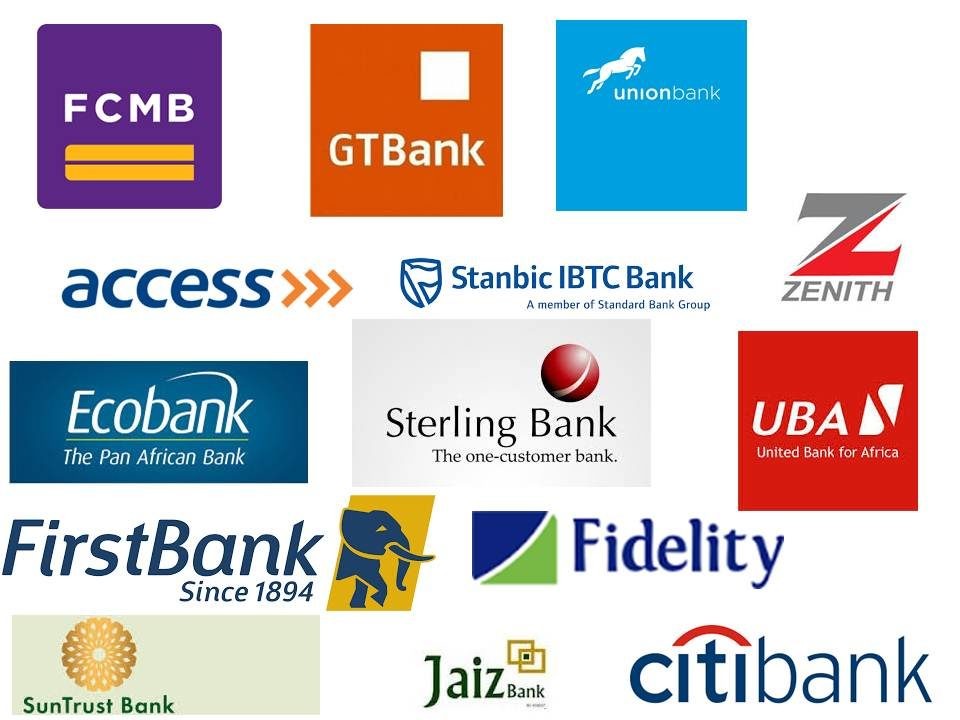
An analysis of the first-quarter financial statements of four tier-one lenders—Guaranty Trust Holding Company Plc, Zenith Bank Plc, United Bank for Africa Plc and Access Bank Plc—by The PUNCH showed that their combined spending on technology rose to about N119.03bn in the period ended March 31, 2026, from N83.15bn in the corresponding period of 2025.

The increase of N35.88bn represents a 43.2 per cent year-on-year rise in technology spending, reflecting growing investments in software, digital banking platforms, cybersecurity, IT support services, and other technology infrastructure.

The spending pattern, however, varied across the lenders, with Zenith Bank emerging as the biggest spender, UBA recording the fastest growth in technology expenditure, while Access Bank was the only lender to report a decline.

GTCO, a prominent multinational financial services group headquartered in Victoria Island, Lagos, recorded total technology-related spending of approximately N16.4bn during the first quarter of 2026.

According to its financial statements for the period ended March 31, 2026, the Group, which includes GTBank Nigeria and other subsidiaries, recorded N8.50bn under “technological and service-related expenses” during the three-month period.

In addition, GTCO invested N7.89bn in purchasing software classified as additions to intangible assets, compared with N4.68bn spent on software acquisitions in the corresponding period of 2025.

Combined, the bank’s operational and capital technology expenditure amounted to N16.40bn, representing an increase of about 24.3 per cent from an estimated N13.19bn spent in the first quarter of 2025. The software investment alone rose by 68.6 per cent year-on-year.

See also  FG to end fish importation

Zenith Bank Plc, a multinational financial services institution and one of Nigeria’s largest banks by tier-one capital, spent N43.83bn on technology in the first quarter, making it the highest spender among the four lenders reviewed.

The bank’s unaudited interim financial statements showed that technology spending rose sharply from N21.93bn recorded in the corresponding period of 2025, representing an increase of almost 100 per cent.

The first-quarter spending accounted for nearly half of the N91.92bn Zenith spent on technology throughout 2025, suggesting an acceleration in digital investments this year.

United Bank for Africa Group, the leading sub-Saharan African bank with more than 45 million customers, over 20,000 employees, and about 1,000 branches across 20 African countries, recorded the fastest increase in technology expenditure among the lenders.

The bank’s interim unaudited consolidated financial statements showed that IT support and related expenses rose to N22.07bn in the first quarter of 2026 from N6.18bn in the same period last year.

The increase of N15.89bn represents a year-on-year growth of approximately 257 per cent, more than tripling the bank’s technology spending over the period.

Access Bank Plc, the largest bank in Nigeria and Africa’s leading financial institution by customer base, with more than 60 million customers across three continents, spent N36.73bn on IT and e-business expenses during the first quarter of 2026.

However, unlike its peers, Access Bank recorded a decline in technology spending. The bank’s unaudited consolidated and separate financial statements showed that IT and e-business expenses fell from N41.85bn in the corresponding period of 2025.

The decline of about N5.11bn translates to a 12.2 per cent reduction year-on-year, making Access Bank the only one among the four lenders to report lower technology spending during the review period.

See also  Dangote Refinery reorganises workforce over sabotage, denies mass sack

Despite the decline recorded by Access Bank, the broader trend among Nigeria’s largest banks points to increased technology investments as lenders strengthen digital capabilities, automate operations, improve cybersecurity systems, and enhance customer experience through digital channels.

The Co-founder of Recital Finance, Bobola Ojo-Ami, told The PUNCH that the scale of these investments should not come as a surprise. “Nigeria’s financial ecosystem is processing far more digital transactions today than it did last year and a few years ago, with electronic payment volumes and digital banking revenues continuing to grow year after year.

“Banks are responding to a structural shift in customer behaviour, where about 90 per cent of retail banking transactions are now completed through digital channels rather than inside banking halls,” the executive stated.

He said that beyond traditional banking, the broader financial ecosystem was expanding, driven by growth in digital payments, the return of international card transactions, the rollout of the Nigeria Inter-Bank Settlement System National Payment Stack, new payment infrastructure, increasing cross-border African trade, the Pan-African Payment and Settlement System, and deeper participation in capital markets, all of which pointed to a more connected and transaction-intensive economy.

According to him, these developments, taken together, explained why sustained investment in technology infrastructure was essential. The executive noted that as transaction volumes, customer expectations, payment complexity, and operational demands such as reconciliation, settlement, and compliance continued to rise, sustained investment in digital infrastructure remained central to growth, resilience, security, and competitiveness.

punch.ng

FOLLOW US ON:

FACEBOOK

TWITTER

PINTEREST

TIKTOK

YOUTUBE

LINKEDIN

Continue Reading
Click to comment

Leave a Reply

Your email address will not be published. Required fields are marked *

Business

Petrol remains pricey as crude crashes to $73

Published

on

The price of petrol has remained high even as crude oil prices crashed to $73 per barrel on Wednesday, their lowest level since the US-Iran conflict began in February.

According to Oilprice.com, crude oil fell from $76.75 per barrel on Tuesday to $73.50 on Wednesday, extending the decline in oil prices since the United States and Iran signed a peace deal.

However, petrol prices have yet to drop in line with the latest crude oil rates. As of Wednesday, many filling stations were still selling petrol at about N1,205 per litre, a price many consumers said does not reflect current global oil prices.

Following the drop in crude oil prices from a high of about $120 per barrel during the United States-Iran conflict to around $73 after a peace deal was reached on June 14, many Nigerians expected petrol prices to fall below N1,000 per litre. That expectation has yet to materialise.

Recently, the Dangote refinery reduced its petrol gantry price by N75 per litre, from N1,250 to N1,175, prompting importers to also adjust their prices downward.

PUNCH recalls that the Dangote refinery increased its gantry price from N774 to N874 per litre when the Middle East crisis started. This came as crude oil prices rose to $84 per barrel from below $70 in the days leading up to the airstrikes involving the United States, Iran, Israel, and other countries. Filling stations had earlier raised petrol prices from about N830 to over N1,300 per litre during the crisis.

See also  Capital projects crumble as states cut spending

With crude now trading at $73.69 per barrel, stakeholders expect petrol prices to fall below the current level of over N1,200 per litre.

The Petroleum Products Retail Outlets Owners Association of Nigeria called on refiners, depot owners, and petroleum product importers to reduce their ex-depot and retail pump prices in line with the decline in international crude oil prices.

The National President of PETROAN, Billy Gillis-Harry, said the drop in global crude oil prices presents an opportunity for operators in the downstream petroleum sector to pass on the benefits of lower crude costs to consumers.

In a statement signed by the National Public Relations Officer of PETROAN, Dr Joseph Obele, on Friday, Gillis-Harry said market realities should be reflected in both ex-depot and retail pump prices.

“The recent decline in global crude oil prices presents an opportunity for stakeholders in the downstream petroleum sector to pass the benefits of lower crude oil costs to Nigerian consumers. Market realities should be reflected in both ex-depot and retail pump prices in the interest of fairness and economic relief for the public,” Gillis-Harry said.

Gillis-Harry also expressed concern over pricing trends in the domestic market, saying, “In some instances, the landing cost of imported petroleum products appears to be lower than the prices offered by domestic refiners. This development is surprising and underscores the need for a more competitive downstream petroleum market that guarantees consumers access to the most affordable products available.”

However, a Dangote refinery official told our correspondent that no importer was selling petrol below the refinery’s current rates. The official, who pleaded anonymity, said the refinery was still processing relatively expensive crude purchased during the crisis.

See also  US now has 44% more home sellers than buyers

It appears importers are waiting for the Dangote refinery to take the lead before lowering their prices further.

Oil prices surged during the conflict as tensions threatened shipping through the Strait of Hormuz. However, prices have declined in recent days as traders grew optimistic that the US-Iran agreement would help keep the strategic waterway open, alongside reports of a slight increase in shipping traffic.

According to CNN, traders are still monitoring whether traffic continues to flow smoothly through the strait and whether tensions remain contained across the Middle East.

On Tuesday, President of the United States, Donald Trump, said a record 19 million barrels of oil flowed out of the Strait of Hormuz on Monday. According to Trump, oil prices are tumbling as a result of the oil flow through Hormuz.

“19 million barrels of oil flowed out of the Hormuz Strait yesterday, an all-time record. Oil prices are tumbling down, and the world is a much safer place,” Trump said in a post on his social media handles.

punch.ng

FOLLOW US ON:

FACEBOOK

TWITTER

PINTEREST

TIKTOK

YOUTUBE

LINKEDIN

Continue Reading

Business

FAAN defends MM2 concession review, seeks stability

Published

on

The Managing Director of the Federal Airports Authority of Nigeria, Olubunmi Kuku, has explained that the Federal Government’s decision to renegotiate the concession agreement for the Murtala Muhammed Airport Terminal II was aimed at restoring investor confidence, ensuring fairness and resolving years of disputes surrounding one of Nigeria’s most controversial public-private partnership projects in the aviation industry.

Speaking on the importance of successful PPP models in infrastructure development at the African Air Transport Convention and Expo 2026 in Togo, Kuku said the sustainability of such arrangements goes beyond access to capital and depends largely on institutional credibility, regulatory certainty and project discipline.

According to Kuku, who spoke on the second day of the event during a panel discussion titled, “Strategic Direction on Aviation Financing and Infrastructure Development,” the current administration undertook extensive efforts to renegotiate the concession agreement, a process that has now been concluded and approved by the Federal Executive Council.

She said, “A lot of the challenges that we have seen are really around project continuity and market risks. If you look at the Nigerian example, one of the most talked-about concession projects has been the Bi-Courtney MM2 project, and it has generated a lot of noise and conflict over the years.

“I’m happy to say that within this administration, we’ve done quite a bit of work in renegotiating the contract for the concession. It’s now been resolved. It’s now been resolved at the Federal Executive Council level.”

She noted that the resolution would strengthen investor confidence in Nigeria’s infrastructure sector and serve as a framework for future concession agreements. “What that means is that it provides better investor confidence for those looking to drive PPP projects. More importantly, it ensures that future concession contracts are fair to both government and the private sector,” she added.

See also  Naira gains, trades 1,365/$ at official FX market

Kuku stressed the need for greater clarity in the management and administration of concession arrangements to prevent future disputes and improve project delivery.

Looking beyond the MM2 concession, the FAAN boss called for stronger regional commitments to infrastructure financing, particularly in aviation connectivity and transport integration.

She advocated the establishment of national aviation delivery teams that would bring together stakeholders across aviation, security, transportation and government agencies to coordinate major infrastructure projects.

“Aviation spans several sectors, from security and interior administration to transportation. Bringing all stakeholders together allows for clear collaboration around infrastructure investments and ensures the right decisions are made by the right people,” she said.

Kuku also cautioned against creating new aviation-focused financing institutions, arguing that existing financial institutions should instead develop specialised aviation desks capable of understanding industry-specific needs and supporting the development of bankable projects.

“I strongly do not support setting up new financing institutions. I’d rather the existing institutions establish specialised desks to understand the aviation environment and provide technical support for project preparation,” she said.

According to her, stronger collaboration between project promoters and financiers would improve access to funding and enhance project execution across the sector. She further emphasised the importance of commitment from both project developers and financiers, urging stakeholders to present viable projects while ensuring transparency around available financing instruments.

Citing an example, Kuku pointed to plans to extend the Lagos Red Rail Line to airport terminals, noting that opportunities exist for co-financing arrangements supported by airport-generated cash flows.

“We do have a rail project, an extension of the Red Line from Lagos into our terminals. There are opportunities for us to potentially co-finance because we have the cash flows to support that,” she said.

See also  IMPORTANT NOTICE REGARDING MONEY TRANSFERS IN NIGERIA (2026)

The FAAN chief maintained that stronger partnerships, better contract management and coordinated infrastructure planning would be critical to unlocking long-term growth in Nigeria’s aviation sector.

FOLLOW US ON:

FACEBOOK

TWITTER

PINTEREST

TIKTOK

YOUTUBE

LINKEDIN

INSTAGRAM

Continue Reading

Business

Crude oil prices drop after US-Iran talks

Published

on

Crude oil prices fell on Monday on optimism over US-Iran talks, with mediators flagging a “roadmap” to a final agreement, while equities were mixed.

After a meeting planned for Friday was cancelled owing to fighting between Israel and Hezbollah, the negotiations finally got underway on Sunday in Switzerland with teams led by US Vice President JD Vance and Iran’s Mohammad Bagher Ghalibaf.

Traders remain in buoyant mood after news that the two foes had paused their conflict, which had sent energy costs soaring and stoked inflation, sending shivers through the global economy.

There were initial jitters following reports that Iran had called off the talks over US President Donald Trump’s threat to carry out more strikes if Hezbollah kept attacking Israel, but mediators Pakistan and Qatar said the talks took place in “a positive and constructive atmosphere”.

The mood improved as Qatar and Pakistan announced progress in the talks, which aim to address Tehran’s nuclear programme and reopen the Strait of Hormuz, through which about a fifth of oil and gas passes.

The two mediators said the United States and Iran agreed to set up a “communication line” to avoid incidents in the crucial waterway, and “the High Level Committee has agreed upon a roadmap towards reaching a final deal within 60 days, laying the foundation for the immediate commencement of further technical talks”.

Iranian Foreign Minister Abbas Araghchi said on X that “mediation has delivered major progress to end the Lebanon War.”

Both main oil contracts fell in afternoon Asian trade, with Brent down more than one per cent.

See also  US now has 44% more home sellers than buyers

Stock markets were mixed after a broadly positive start.

Tokyo, Seoul and Taipei were boosted by tech firms again, while there were also advances in Shanghai, Mumbai and Bangkok.

But Hong Kong, Sydney, Singapore, Wellington, Manila and Jakarta fell.

London, Paris and Frankfurt opened higher.

“Following the positive response last week to reports of a US-Iran ceasefire, markets are likely to open with a cautious tone to start the new week as it remains clear that the situation in the Middle East remains fragile,” said National Australia Bank’s Skye Masters.

“The dollar is likely to remain supported, the oil price could swing either way, but at current levels the risk is for a lift higher.”

Sterling extended after suffering a sell-off following Thursday’s by-election win for UK Labour politician Andy Burnham, which ramped up expectations he will oust beleaguered Prime Minister Keir Starmer.

The embattled premier “is expected to announce on Monday that he will step down as prime minister after overwhelming pressure from Labour MPs to make way for Andy Burnham”, Britain’s Guardian newspaper said.

Investors were nervous that Burnham could introduce fresh spending plans that would add to the country’s already huge debt pile.

West Texas Intermediate: DOWN 0.6 per cent at $75.37 a barrel, Brent North Sea Crude: DOWN 1.7 per cent at $79.19 a barrel, Tokyo – Nikkei 225: UP 1.6 per cent at 72,353.96 (close).

Hong Kong – Hang Seng Index: DOWN 0.4 per cent at 23,822.25, Shanghai – Composite: UP 1.8 per cent at 4,163.10 (close)

Seoul – Kospi: UP 0.7 per cent at 9,114.55 (close), London – FTSE 100: UP 0.1 per cent at 10,368.72, Euro/dollar: DOWN at $1.1457 from $1.1464 on Friday.

See also  Naira gains, trades 1,365/$ at official FX market

Pound/dollar: DOWN at $1.3210 from $1.3218, Dollar/yen: UP at 161.72 yen from 161.27 yen, Euro/pound: DOWN at 86.72 pence from 86.73 pence.

Continue Reading

Trending