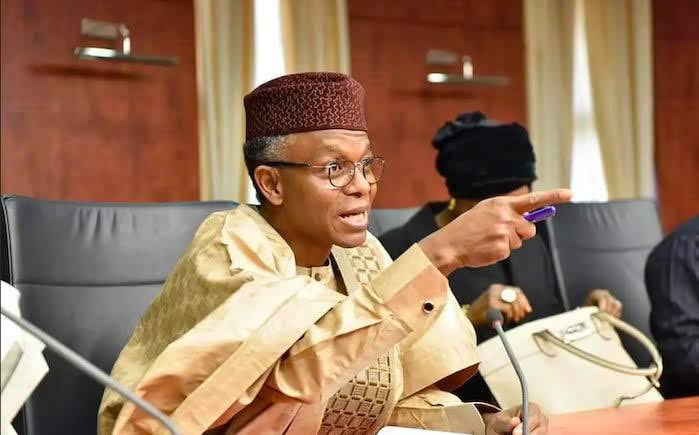
El-Rufai, in a statement titled “My Relationships and the Aftermath,” said he had received concerns over the apparent silence of people he had publicly supported or closely associated with in the past.He said his decision to stand by people and causes throughout his life was guided by his Islamic faith, Arewa upbringing, personal values and conscience.
“Over the years, I have stood by people and for causes I believed in, sometimes in difficult circumstances and at considerable personal cost,” he said.
According to him, such actions were not motivated by expectations of praise, gratitude or reciprocity, but by his conviction that they were the right things to do.
El-Rufai said those he had supported were equally free to make their own choices now that their circumstances had changed.
He noted that some might speak in his support, while others might remain silent or even distance themselves from relationships they previously shared.
“Their reasons are their own, and I do not wish to judge them merely because their response differs from what others or even I might have expected,” he said.
The former governor said difficult circumstances could reveal the nature of relationships, adding that the experience of the past few months might cause him to reconsider some relationships.
“Adversity has a way of illuminating relationships,” he said, adding that what he had learnt during the difficult period could lead him to “quietly and without regret” reassess certain relationships and what people who look up to him expect from them.
He, however, stressed that such reassessment should not be interpreted as condemnation or reproach.
El-Rufai said he had no regrets about supporting people or causes whenever he believed doing so was right.
“I bear no resentment towards anyone who chooses not to do the same for me,” he said.
He added that he would rather remain faithful to the principles that had guided his conduct than allow the actions of others to change those principles.
On any perceived injustice, ingratitude or injury against him, El-Rufai said he was not seeking revenge or retribution.
“Ultimate accountability belongs to Almighty Allah, and I leave that judgment to Him, in this world and in the Hereafter,” he said.
He concluded by saying that everyone would ultimately have to live with the choices they made, while posterity would form its own judgment.
“My only concern is to remain at peace with my conscience and, above all, with Almighty Allah,” he said.
El-Rufai, who accused the Tinubu administration of witchhunt, has spent 220 days in detention.
Source: dailytrust.com
FOLLOW US ON: