Connect with us

Lifestyle

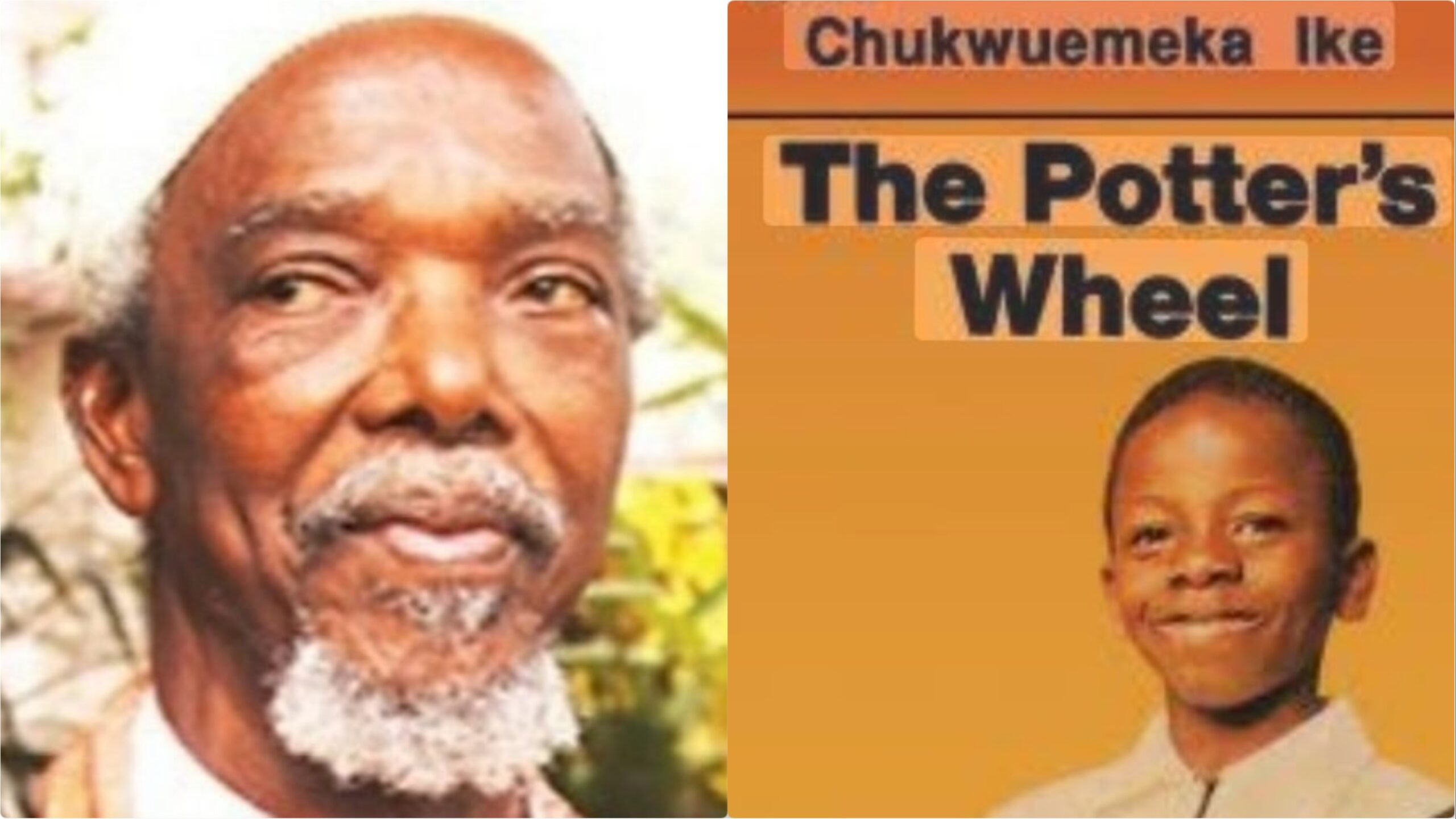
The Potter’s Wheel: Chukwuemeka Ike’s Classic Tale of Discipline and Growth (PHOTOS)

Published

on

A timeless coming-of-age novel that explores character formation, humility, and the transformative power of discipline in postcolonial Nigeria.

Published in 1973, The Potter’s Wheel by Chukwuemeka Ike remains one of the most celebrated Nigerian novels of the 20th century. Set in Eastern Nigeria, the novel captures the cultural values of discipline, humility, and moral upbringing in a society adjusting to modern life after colonialism.

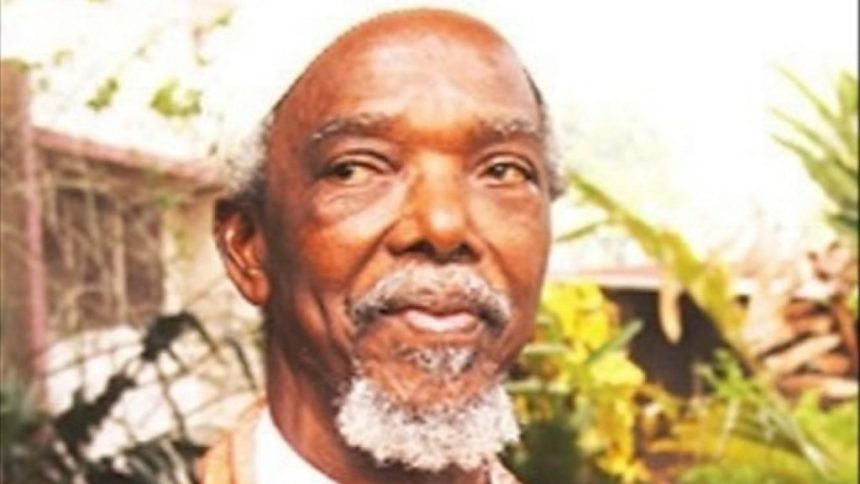
Chukwuemeka Ike, a distinguished Nigerian author and educationist, was known for blending humour and realism to examine the social and moral challenges of postcolonial Nigeria. In The Potter’s Wheel, he uses a simple yet powerful story to reflect on how society shapes individuals — much like a potter moulds clay into form.

Plot Summary

The story revolves around Obuechina Maduabuchi, fondly called Obu, a pampered and mischievous young boy from Umuaro village. As the only son of wealthy parents, Obu grows up indulged and undisciplined. His father, unwilling to watch his son become wayward, decides to send him to live with Mr. and Mrs. Okonkwo, the strict village schoolmaster and his wife, so that he can learn discipline, hard work, and respect.

At the Okonkwos’, Obu’s life takes a dramatic turn. Gone are the days of comfort and pampering; instead, he faces chores, stern correction, and strict routines. The Okonkwos, acting as moral potters, begin to mould the once-spoiled boy into a responsible young man.

Through several trials — from cleaning, running errands, and attending school to facing punishments for his stubbornness — Obu gradually learns humility, patience, and self-control. By the end of the story, the young boy who once resisted correction becomes a model of discipline and maturity, proving that moral transformation is possible with firm guidance.

See also  PHOTOS: A Biafran Armoured Vehicle at the National War Museum, Umuahia: Ingenuity in a Time of Siege

Themes and Symbolism

1. Discipline and Moral Upbringing

At its core, The Potter’s Wheel is a moral tale about discipline. It highlights the African belief that character formation is a communal responsibility — that “it takes a village to raise a child.” The Okonkwos’ home becomes a moral training ground where Obu learns that freedom without restraint leads to self-destruction.

2. The Role of Education

Ike, himself an educationist, presents education not merely as formal schooling but as character development. Mr. Okonkwo’s firm yet purposeful methods reflect the role of teachers in shaping both intellect and morality.

3. Transformation and Growth

The metaphor of the potter’s wheel symbolises the process of transformation. Just as a potter moulds clay through pressure and patience, so too must humans be shaped by experience, discipline, and correction. Obu’s journey represents the broader human struggle to overcome flaws and embrace maturity.

4. Authority and Obedience

The novel also explores authority and the tension between individual will and societal expectations. Obu’s resistance to authority mirrors the youthful rebellion common in changing societies. However, his eventual submission signifies a reconciliation between self and structure — between freedom and responsibility.

Characterisation

Obuechina (Obu): The protagonist whose journey from a spoiled child to a disciplined youth embodies the book’s moral lesson. His transformation is gradual and believable, showing Ike’s deep understanding of human behaviour.

Mr. Okonkwo: The stern yet fair schoolmaster who symbolises moral authority. His character represents the older generation’s commitment to discipline and integrity.

Mrs. Okonkwo: A balance to her husband’s firmness, she shows compassion and maternal care, ensuring Obu’s training does not break his spirit.

See also  Buhari vs Fela: How Buhari Administration illegally Jailed Fela in 1984

Obu’s Parents: Loving but overindulgent, they represent the dangers of unbalanced parenting and the consequences of excessive pampering.

Style and Language

Chukwuemeka Ike’s storytelling combines wit, humour, and realism. His use of simple English, interspersed with proverbs and local expressions, gives the novel an authentic Nigerian flavour. The narrative tone is didactic but engaging, making the story accessible to both young and adult readers.

The novel also reflects the transitional era of 1970s Nigeria — a time when traditional values were being tested by modern influences. Ike’s balanced portrayal of tradition and modernity gives the story enduring relevance.

Cultural and Educational Significance

The Potter’s Wheel has long been a staple in Nigerian secondary schools, not only for its literary value but also for its moral lessons. It reflects core African philosophies about communal upbringing, respect for elders, and the importance of moral discipline.

Through Obu’s transformation, readers are reminded that character is not inherited but nurtured — a lesson deeply rooted in African cultural ethics. The book’s title and metaphor beautifully encapsulate this idea: humans are clay, and life is the potter’s wheel on which they are shaped.

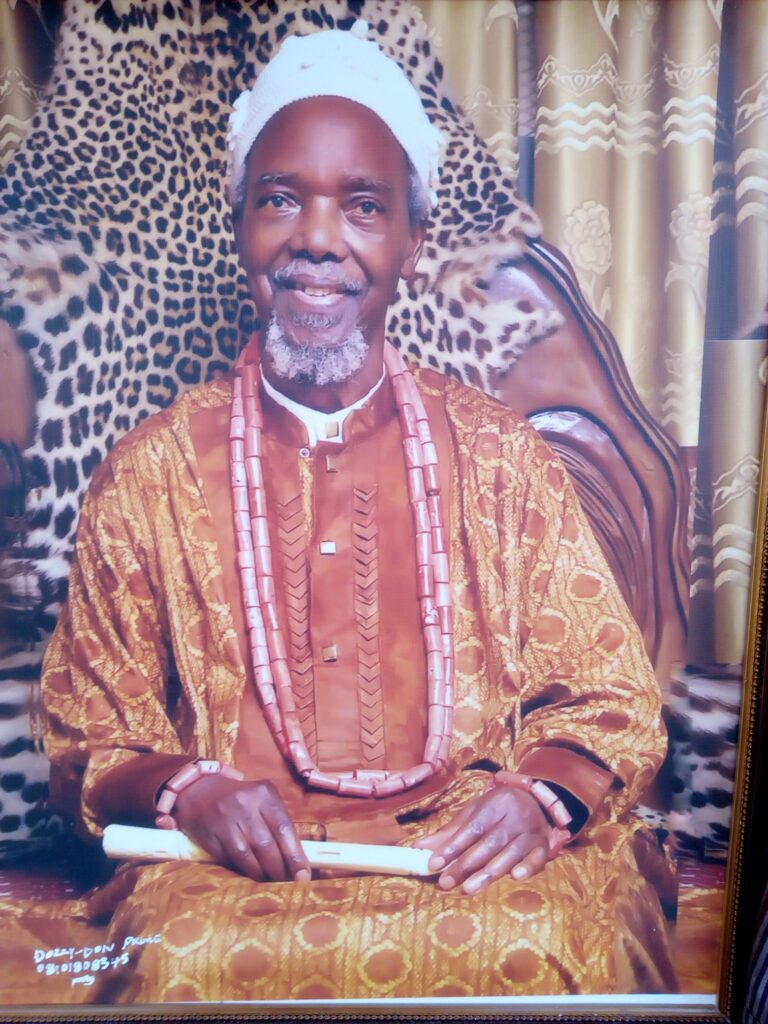
About the Author: Chukwuemeka Ike

Vincent Chukwuemeka Ike (1931–2020) was born in Anambra State, Nigeria. He studied at the University of Ibadan and later served as an educationist, university administrator, and traditional ruler. Ike’s literary works often explore themes of education, morality, and social reform.

Some of his notable novels include Toads for Supper, Sunset at Dawn, Expo ’77, and Our Children Are Coming. His works remain influential in both academic and cultural discussions of Nigerian literature.

See also  Adeola Odutola Lodge: A Symbol of Prestige, History, and Cultural Heritage in Ijebu-Ode

The Potter’s Wheel is more than just a story of a mischievous boy — it is a timeless reflection on human growth, discipline, and the communal values that shape moral character. Through Chukwuemeka Ike’s engaging prose, readers are reminded that true maturity comes from patience, humility, and correction.

Like clay in a potter’s hand, we are all being moulded by life’s experiences — shaped, refined, and made stronger with every turn of the wheel.

References:

Ike, Chukwuemeka. The Potter’s Wheel. London: Heinemann Educational Books, 1973.

Emenyonu, Ernest N. The Rise of the Igbo Novel. Ibadan University Press, 1978.

Guardian Nigeria, “Remembering Chukwuemeka Ike, the Educationist Novelist” (2020).
FOLLOW US ON:

FACEBOOK

TWITTER

PINTEREST

TIKTOK

YOUTUBE

LINKEDIN

TUMBLR

INSTAGRAM

Continue Reading
Click to comment

Leave a Reply

Your email address will not be published. Required fields are marked *

Lifestyle

Ìwòyè-Kétu: The Yoruba Town That Spans Two Nations and Lives by Ancient Taboos

Published

on

Ìwòyè-Kétu is one of the most remarkable Yoruba communities in West Africa, not only for its deep-rooted traditions but also for its unique geopolitical identity. The ancient town straddles two modern nation-states—Nigeria and the Republic of Benin—yet remains culturally, spiritually, and traditionally unified as one Yoruba settlement.

A Town Without Borders in Spirit

Geographically, Ìwòyè-Kétu is primarily located in Imeko/Afon Local Government Area of Ogun State, Nigeria, while its western section lies across the international boundary in the Republic of Benin. This border, imposed during the colonial partition of Africa, cuts through the town but has failed to divide its people.

Families live on both sides of the boundary, speak the same Yoruba dialect, observe the same customs, and recognise one traditional authority. Daily life reflects this dual reality: residents freely transact using both the Nigerian naira and the West African CFA franc, depending on location and convenience.

Unified Kingship Across Nigeria and Benin

Despite existing in two countries, Ìwòyè-Kétu is governed traditionally by one paramount ruler. The recognised monarch is:

His Royal Majesty Oba (Sir) Isaac Adegbenro Oyero,
the Ooye of Ìwòyè-Kétu, also styled Adekilúrójú – Ada Páàkó II.

His authority is acknowledged by the community on both sides of the border, making Ìwòyè-Kétu a rare example of a binational Yoruba town under a single royal institution.

Origins in Ile-Ife

According to Yoruba oral tradition, Ìwòyè-Kétu was founded by Olúmu (or Olómù), a legendary migrant from Ilé-Ifẹ̀, the spiritual homeland of the Yoruba people. Like many Yoruba settlements, its founding narrative emphasises migration from Ife, reinforcing the town’s ancient roots within the broader Yoruba civilisational story.

See also  PHOTOS: Man marries two wives same day in Abia

Ìwòyè-Kétu forms part of the historic Kétu region, once a powerful Yoruba kingdom before European colonial boundaries fragmented it between British-ruled Nigeria and French-ruled Dahomey (now Benin).

Sacred Taboos That Still Govern Daily Life

Ìwòyè-Kétu is widely known for its strict traditional prohibitions, which continue to be enforced by custom and belief:

Use of umbrellas is strictly forbidden anywhere within the town.

Rearing pigs is prohibited, and pork is traditionally avoided.

In some oral accounts, digging wells is either forbidden or tightly regulated.

These taboos are believed to be tied to ancestral covenants, spiritual agreements, and the town’s founding myths. Violations are traditionally thought to invite misfortune, reinforcing collective adherence across generations.

Language, Culture, and Continuity

Despite the Nigeria–Benin divide, Ìwòyè-Kétu remains culturally seamless. Yoruba language, customs, festivals, and lineage systems are shared. The town stands at a linguistic crossroads where English and French meet administratively, but Yoruba remains dominant socially and spiritually.

A Living Example of Pre-Colonial African Unity

Ìwòyè-Kétu exemplifies how pre-colonial African societies continue to transcend modern borders. Long before Nigeria or Benin existed, the town functioned as a single cultural entity—and it still does.
In an era where borders often define identity, Ìwòyè-Kétu reminds us that history, tradition, and shared ancestry can be stronger than lines drawn on maps.

Sources

Yoruba oral traditions and local historical accounts of Ìwòyè-Kétu

Ogun State local government and cultural heritage records (Imeko/Afon LGA)

Nigerian media reports and cultural features on Ìwòyè-Kétu’s taboos and binational status

Community welcome signage and local testimonies

Cross-border Yoruba history of the Kétu Kingdom (Nigeria–Benin)

See also  Go and sin no more, CAC tells Pastor Fatoyinbo after gaffe

FOLLOW US ON:

FACEBOOK

TWITTER

PINTEREST

TIKTOK

YOUTUBE

LINKEDIN

TUMBLR

INSTAGRAM

Continue Reading

Lifestyle

Emotan; The Benin Heroine (PHOTOS)

Published

on

Throughout history, in every culture around the world, extraordinary women have pushed society to think bigger, move forward and create.

Emotan is a glowing example of boundless courage and world-changing ingenuity.

Emotan a market woman, single-handedly raised an army and overthrew the illegal regime of Oba Uwaifiokun who usurped his brother and conspired with his chief to kill King Ewuare.

She protected Oba Ewuare in her hut and showed him kindness when he was trying to reclaim his throne back.

Emotan helped install Oba Ewuare the Great, who was the most outstanding Oba in the ancient Benin Kingdom around 1440AD.

Eventually, when Oba Ewuare regained his throne, Emotan became the King’s favourite citizen.

Moreso, her kindness wasn’t restricted to the Oba alone, history tells us that Emotan converted her hut to a crèche to help nursing mothers who patronized her or came to the market for other things.

At that time, her daycare centre was popular in Benin and it can be said authoritatively that she started the first-day care centre in Benin.

After her death, her body was buried at the Oba market at the exact spot where she sold her goods. A tree was planted on her grave and she is being worshipped as the mother of love and kindness

Source: Benin achive

FOLLOW US ON:

FACEBOOK

TWITTER

PINTEREST

TIKTOK

YOUTUBE

LINKEDIN

TUMBLR

INSTAGRAM

See also  Three nights Nigeria will not forget
Continue Reading

Lifestyle

Michael Adekunle Ajasin (1908–1997): Scholar, Educationist, and Statesman of Principle

Published

on

Michael Adekunle Ajasin remains one of the most respected figures in Nigeria’s political and educational history, remembered for his intellectual depth, personal integrity, and unwavering commitment to democratic ideals and public education.

Born on 28 November 1908 in Owo, present-day Ondo State, Ajasin’s early life was shaped by discipline, learning, and service. He attended St. Andrew’s College, Oyo between 1924 and 1927, one of the foremost teacher-training institutions in colonial Nigeria. After qualifying as a teacher, he worked in the profession for several years, laying the foundation for what would become a lifelong dedication to education.

In 1943, Ajasin gained admission to Fourah Bay College, Sierra Leone, then one of the most prestigious higher institutions for Africans in British West Africa. He graduated in June 1946 with a Bachelor of Arts degree in English, Modern History, and Economics. Determined to deepen his professional competence, he proceeded to the Institute of Education, University of London, where he obtained a Postgraduate Diploma in Education in June 1947.

Family Life

Ajasin married Babafunke Tenabe, also a teacher, on 12 January 1939. Their marriage produced four children—two sons and two daughters. One of his daughters, Mrs Olajumoke Anifowoshe, distinguished herself in public service, becoming Attorney-General and Commissioner for Justice in Ondo State, further reflecting the family’s strong tradition of civic engagement.

Educational Leadership

On 12 September 1947, Michael Adekunle Ajasin was appointed Principal of Imade College, Owo. His tenure was marked by visionary leadership and an aggressive staff development programme. Notably, he facilitated opportunities for teachers to pursue further training at University College, Ibadan, at a time when such advancement was rare.

See also  PHOTOS: Man marries two wives same day in Abia

In December 1962, Ajasin left Imade College to establish Owo High School, where he served as founder, proprietor, and first principal from January 1963 to August 1975. Under his leadership, the school earned a reputation for academic excellence and discipline, reinforcing his belief that education was the most effective instrument for social transformation.

Political Thought and Early Activism

Ajasin was deeply involved in Nigeria’s nationalist and pre-independence politics. In 1951, he authored a policy paper that later became the education blueprint of the Action Group (AG), boldly advocating free education at all levels. This proposal would later be implemented in Western Nigeria under Chief Obafemi Awolowo and remains one of the most impactful social policies in Nigerian history.

He was among the founders of the Action Group, a party whose ideology centred on immediate independence from Britain, universal healthcare, and the eradication of poverty through sound economic planning. During the 1950s, Ajasin served as National Vice President of the Action Group.

Legislative and Local Government Service

Ajasin’s political career expanded steadily. He became an elected ward councillor, then Chairman of Owo District Council, which covered Owo and surrounding communities such as Idashen, Emure-Ile, Ipele, Arimogija, Ute, Elerenla, and Okeluse.

In 1954, he was elected to the Federal House of Representatives in Lagos, serving as a federal legislator until 1966, when military rule interrupted Nigeria’s First Republic. His years in parliament were characterised by advocacy for education, regional development, and constitutional governance.

Return to Politics and Governorship

In 1976, Ajasin became Chairman of Owo Local Government. With the return to civilian rule, he joined the Unity Party of Nigeria (UPN), the ideological successor to the Action Group.

See also  Buhari vs Fela: How Buhari Administration illegally Jailed Fela in 1984

In 1979, he was elected Governor of Ondo State, with Akin Omoboriowo as his deputy. His administration prioritised education, rural development, and fiscal discipline. However, political tensions emerged when Omoboriowo defected to the National Party of Nigeria (NPN) and contested the 1983 gubernatorial election against him. Although Omoboriowo was initially declared winner, the results were later annulled, and Ajasin was sworn in for a second term.

His tenure was abruptly terminated by the military coup of 31 December 1983, which brought General Muhammadu Buhari to power.

Integrity and Personal Example

Michael Adekunle Ajasin was widely admired for his personal honesty. Reflecting on his years in office, he famously stated:

“I came into office in October 1979 with a set of my own rich native dresses and left office in December 1983 with the same set of dresses; no addition and no subtraction.”

He further noted that he owned no personal cars upon leaving office, having exhausted the two he had before assuming governorship. This statement has since become a benchmark for ethical leadership in Nigeria.

Pro-Democracy Struggle

In the 1990s, Ajasin emerged as a leading elder statesman within the National Democratic Coalition (NADECO), which opposed military dictatorship and demanded the validation of Chief M.K.O. Abiola’s annulled June 12, 1993 presidential mandate.

In 1995, he was arrested by the Abacha military regime, alongside 39 other activists, for participating in what the government termed an illegal political meeting—an episode that underscored his lifelong commitment to democracy and civil liberties.

Educational Legacy

As governor, Ajasin signed into law the establishment of Ondo State University in 1982, located in Ado-Ekiti (now in Ekiti State). In 2000, during the administration of Chief Adebayo Adefarati, a new university in Akungba-Akoko was named Adekunle Ajasin University in his honour. He also played a key role in the establishment of The Polytechnic, Owo.

See also  PHOTOS: A Biafran Armoured Vehicle at the National War Museum, Umuahia: Ingenuity in a Time of Siege

Michael Adekunle Ajasin stands as a rare example of a Nigerian leader whose intellectual rigour, moral discipline, and public service aligned seamlessly. His legacy lives on through the institutions he built, the policies he shaped, and the enduring example of integrity he set in public life.

Source:
Ondo State Government Historical Records; Nigerian Political Biographies; Action Group Party Archives; Adekunle Ajasin University Documentation

FOLLOW US ON:

FACEBOOK

TWITTER

PINTEREST

TIKTOK

YOUTUBE

LINKEDIN

TUMBLR

INSTAGRAM

Continue Reading

Trending