
Lifestyle
The Potter’s Wheel: Chukwuemeka Ike’s Classic Tale of Discipline and Growth (PHOTOS)

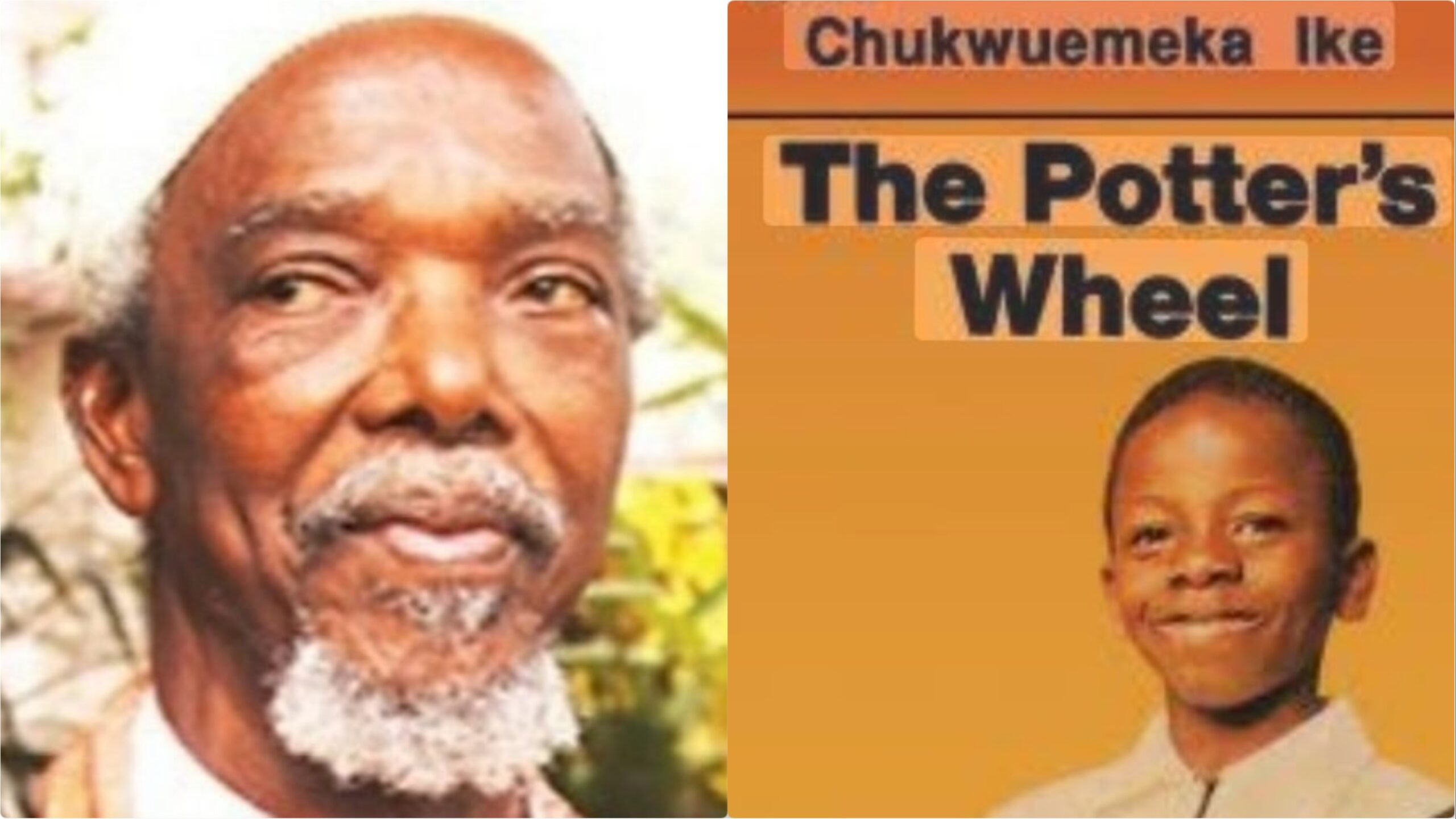
A timeless coming-of-age novel that explores character formation, humility, and the transformative power of discipline in postcolonial Nigeria.
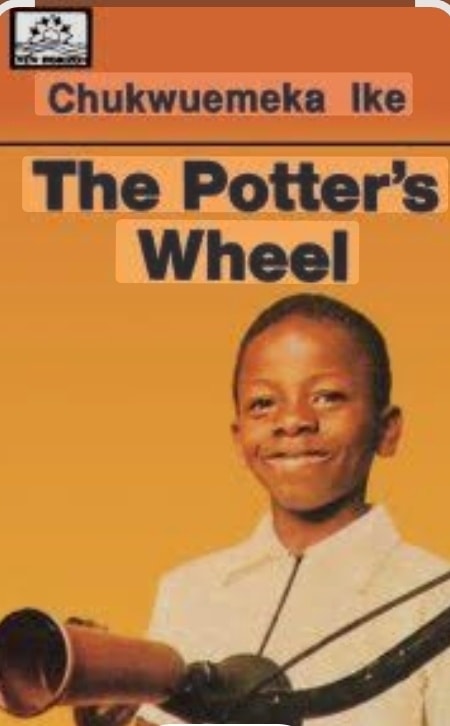
Published in 1973, The Potter’s Wheel by Chukwuemeka Ike remains one of the most celebrated Nigerian novels of the 20th century. Set in Eastern Nigeria, the novel captures the cultural values of discipline, humility, and moral upbringing in a society adjusting to modern life after colonialism.
Chukwuemeka Ike, a distinguished Nigerian author and educationist, was known for blending humour and realism to examine the social and moral challenges of postcolonial Nigeria. In The Potter’s Wheel, he uses a simple yet powerful story to reflect on how society shapes individuals — much like a potter moulds clay into form.
Plot Summary
The story revolves around Obuechina Maduabuchi, fondly called Obu, a pampered and mischievous young boy from Umuaro village. As the only son of wealthy parents, Obu grows up indulged and undisciplined. His father, unwilling to watch his son become wayward, decides to send him to live with Mr. and Mrs. Okonkwo, the strict village schoolmaster and his wife, so that he can learn discipline, hard work, and respect.
At the Okonkwos’, Obu’s life takes a dramatic turn. Gone are the days of comfort and pampering; instead, he faces chores, stern correction, and strict routines. The Okonkwos, acting as moral potters, begin to mould the once-spoiled boy into a responsible young man.
Through several trials — from cleaning, running errands, and attending school to facing punishments for his stubbornness — Obu gradually learns humility, patience, and self-control. By the end of the story, the young boy who once resisted correction becomes a model of discipline and maturity, proving that moral transformation is possible with firm guidance.
Themes and Symbolism
1. Discipline and Moral Upbringing
At its core, The Potter’s Wheel is a moral tale about discipline. It highlights the African belief that character formation is a communal responsibility — that “it takes a village to raise a child.” The Okonkwos’ home becomes a moral training ground where Obu learns that freedom without restraint leads to self-destruction.
2. The Role of Education
Ike, himself an educationist, presents education not merely as formal schooling but as character development. Mr. Okonkwo’s firm yet purposeful methods reflect the role of teachers in shaping both intellect and morality.
3. Transformation and Growth
The metaphor of the potter’s wheel symbolises the process of transformation. Just as a potter moulds clay through pressure and patience, so too must humans be shaped by experience, discipline, and correction. Obu’s journey represents the broader human struggle to overcome flaws and embrace maturity.
4. Authority and Obedience
The novel also explores authority and the tension between individual will and societal expectations. Obu’s resistance to authority mirrors the youthful rebellion common in changing societies. However, his eventual submission signifies a reconciliation between self and structure — between freedom and responsibility.
Characterisation
Obuechina (Obu): The protagonist whose journey from a spoiled child to a disciplined youth embodies the book’s moral lesson. His transformation is gradual and believable, showing Ike’s deep understanding of human behaviour.
Mr. Okonkwo: The stern yet fair schoolmaster who symbolises moral authority. His character represents the older generation’s commitment to discipline and integrity.
Mrs. Okonkwo: A balance to her husband’s firmness, she shows compassion and maternal care, ensuring Obu’s training does not break his spirit.
Obu’s Parents: Loving but overindulgent, they represent the dangers of unbalanced parenting and the consequences of excessive pampering.
Style and Language
Chukwuemeka Ike’s storytelling combines wit, humour, and realism. His use of simple English, interspersed with proverbs and local expressions, gives the novel an authentic Nigerian flavour. The narrative tone is didactic but engaging, making the story accessible to both young and adult readers.
The novel also reflects the transitional era of 1970s Nigeria — a time when traditional values were being tested by modern influences. Ike’s balanced portrayal of tradition and modernity gives the story enduring relevance.
Cultural and Educational Significance
The Potter’s Wheel has long been a staple in Nigerian secondary schools, not only for its literary value but also for its moral lessons. It reflects core African philosophies about communal upbringing, respect for elders, and the importance of moral discipline.
Through Obu’s transformation, readers are reminded that character is not inherited but nurtured — a lesson deeply rooted in African cultural ethics. The book’s title and metaphor beautifully encapsulate this idea: humans are clay, and life is the potter’s wheel on which they are shaped.
About the Author: Chukwuemeka Ike
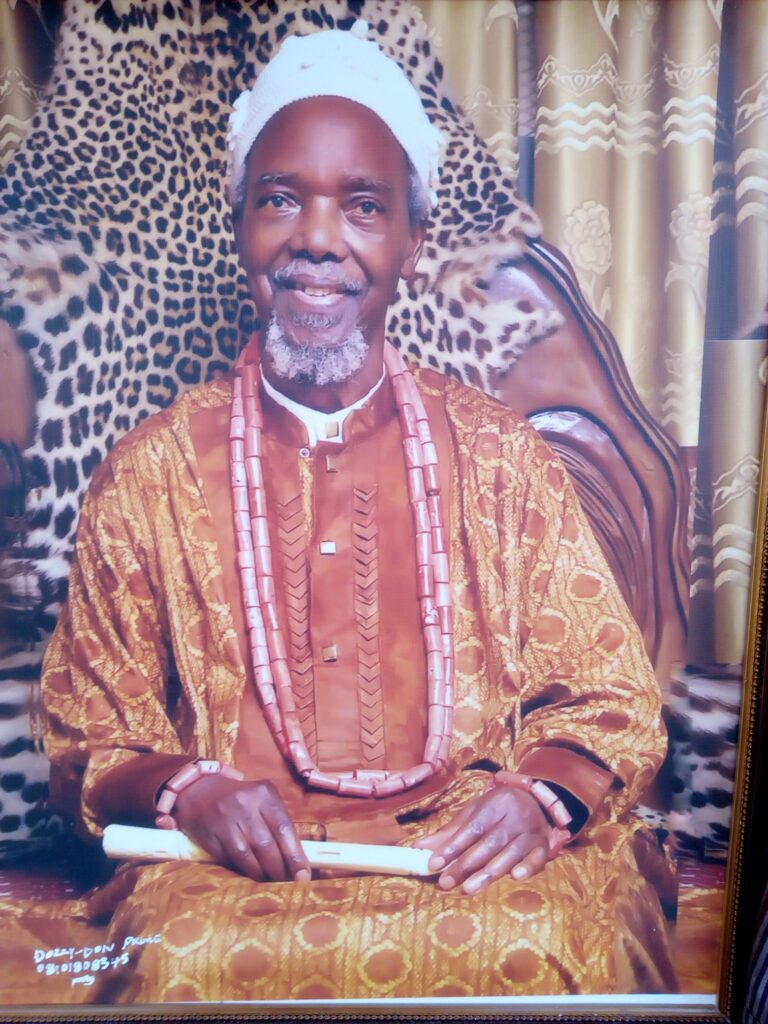
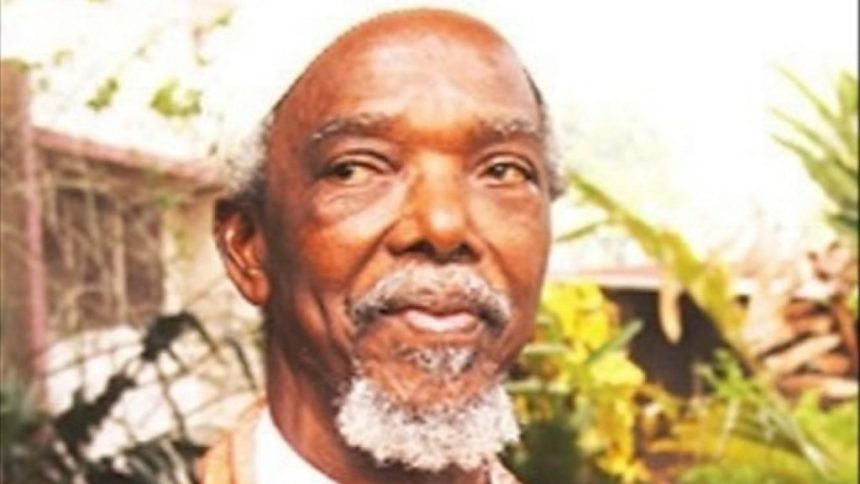
Vincent Chukwuemeka Ike (1931–2020) was born in Anambra State, Nigeria. He studied at the University of Ibadan and later served as an educationist, university administrator, and traditional ruler. Ike’s literary works often explore themes of education, morality, and social reform.
Some of his notable novels include Toads for Supper, Sunset at Dawn, Expo ’77, and Our Children Are Coming. His works remain influential in both academic and cultural discussions of Nigerian literature.
The Potter’s Wheel is more than just a story of a mischievous boy — it is a timeless reflection on human growth, discipline, and the communal values that shape moral character. Through Chukwuemeka Ike’s engaging prose, readers are reminded that true maturity comes from patience, humility, and correction.
Like clay in a potter’s hand, we are all being moulded by life’s experiences — shaped, refined, and made stronger with every turn of the wheel.
References:
Ike, Chukwuemeka. The Potter’s Wheel. London: Heinemann Educational Books, 1973.
Emenyonu, Ernest N. The Rise of the Igbo Novel. Ibadan University Press, 1978.
Guardian Nigeria, “Remembering Chukwuemeka Ike, the Educationist Novelist” (2020).
FOLLOW US ON:






FAKE IT TILL YOU MAKE IT — BUT AT WHAT COST?

“I MADE THIS PERSON WHO THEY ARE TODAY!” — REALLY?

SOME PEOPLE WILL DO ANYTHING — EVEN EVIL — JUST TO MAKE MONEY!

‘Sleeping Prince’ of Saudi Arabia dies after 20 years in coma

2027: Atiku delays ADC membership card collection amid rumoured Jonathan comeback

How A Class Of 24 Students Produced 2 Presidents, 4 Governors, 2 Ministers, 4 Emirs, 3 Justices, 4 Ambassadors and Other Influential Leaders


-

 News19 hours ago
Air chief pleads for patience as investigation begins on Ondo crash
-
News19 hours ago
Dapo Abiodun reveals that Nigeria needs 554,353 personnel for state police, read details
-
News18 hours ago
INEC displays voter register, begins PVC distribution ahead of 2027 elections
-
Business19 hours ago
FG’s 30-day petrol discount sparks opposition backlash
-
Sports18 hours ago
Adeniyi lauds Nigeria’s Veterans World Wrestling Champs medal
-
News17 hours ago
Trump rules out new Iran attack before US midterm elections
-
News18 hours ago
Gates Foundation director reveals that AI tools will help detect pregnancy complications early, read how
-
Business18 hours ago
Report reveals Nigeria leaves N40tn manufacturing opportunities untapped















