Connect with us

Lifestyle

PHOTOS: Dakakari Terracotta Sculptures: Guardians of Memory and Prestige

Published

on

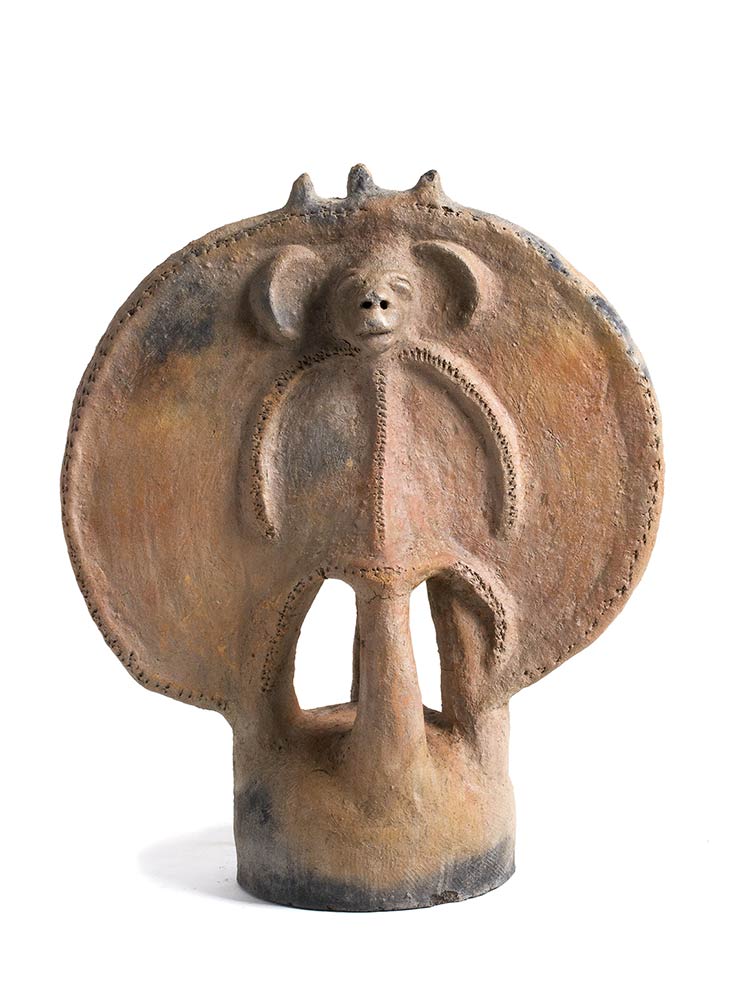
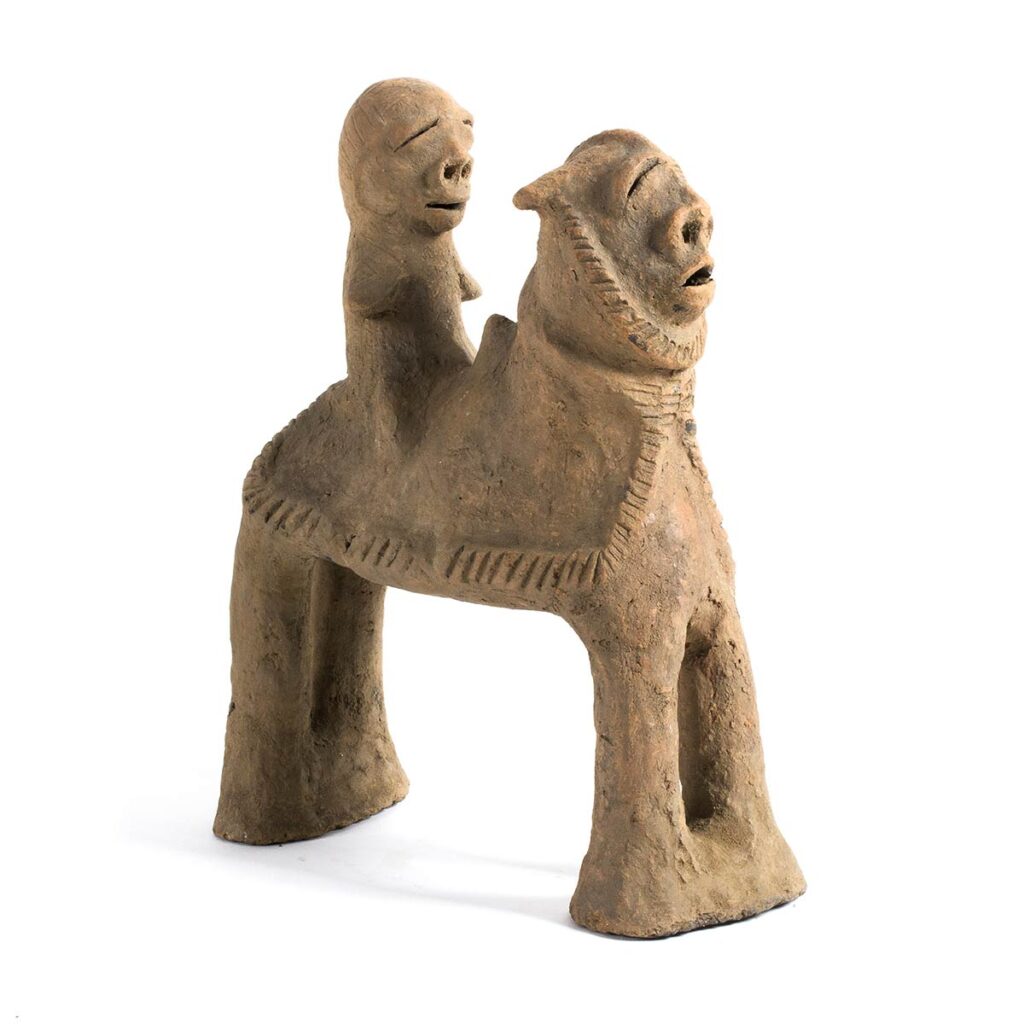
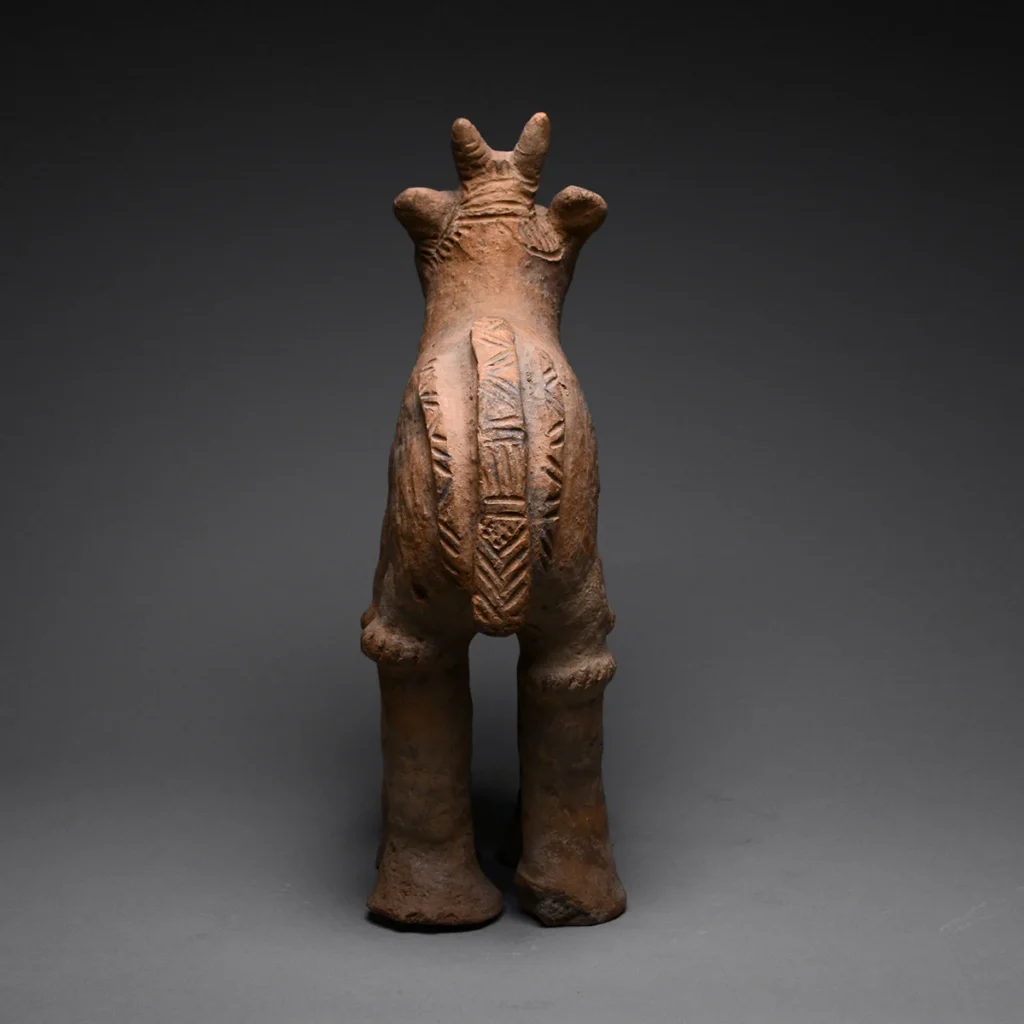
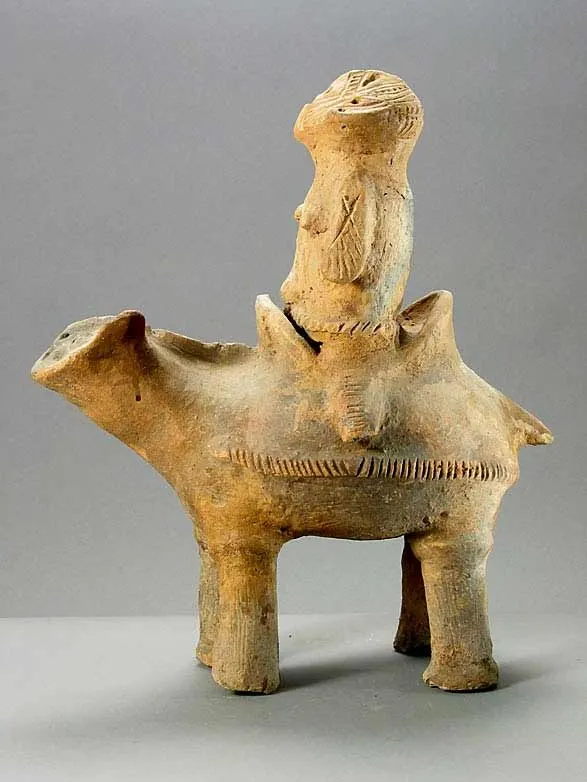
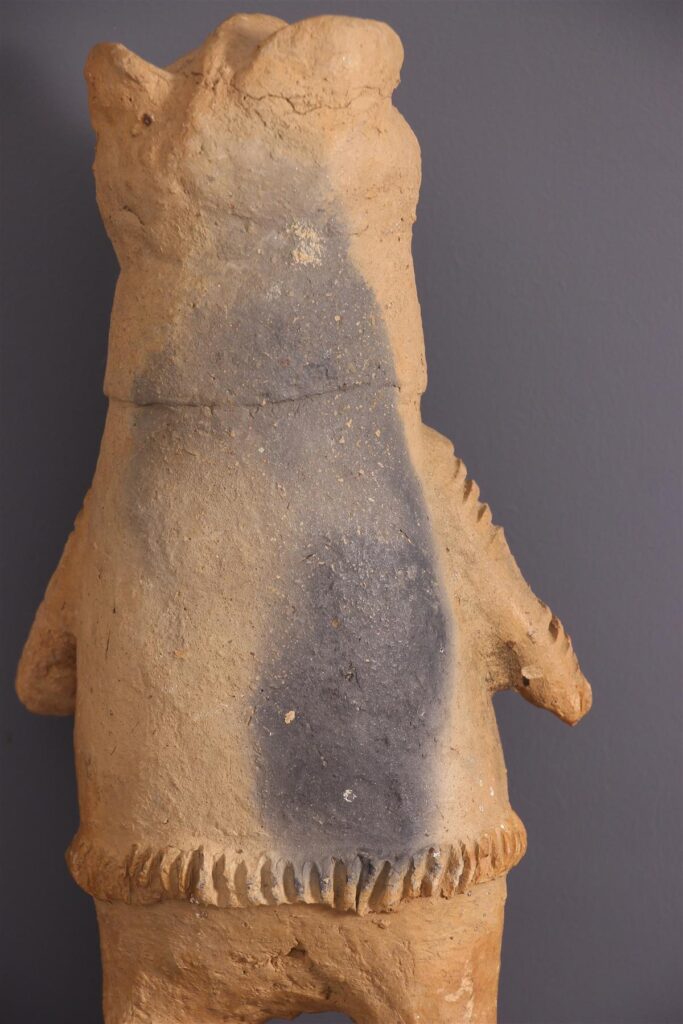
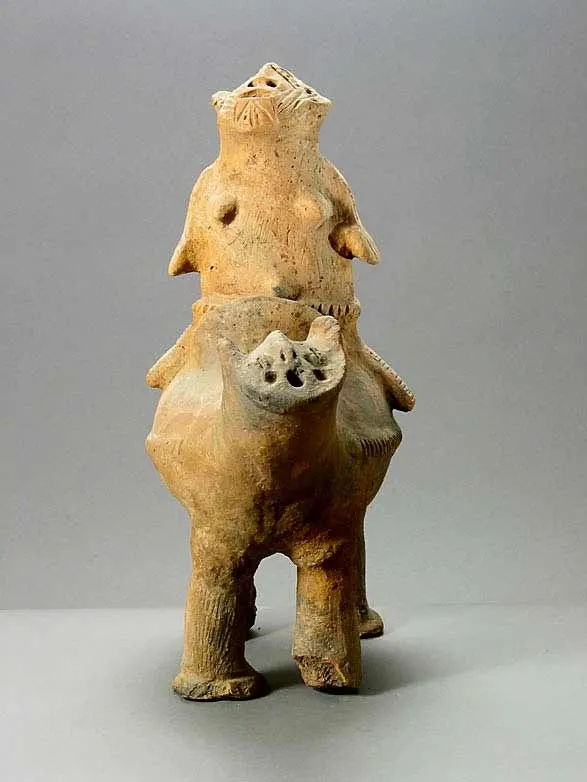
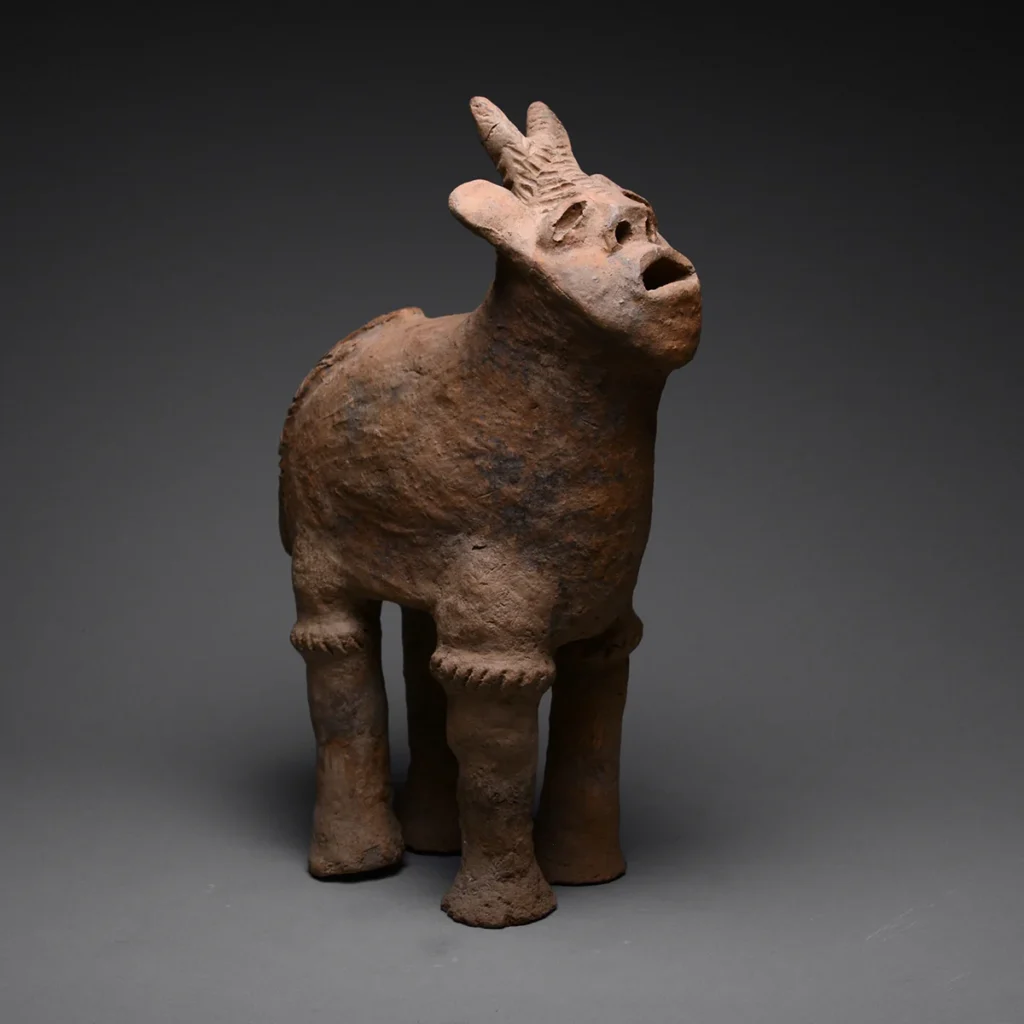
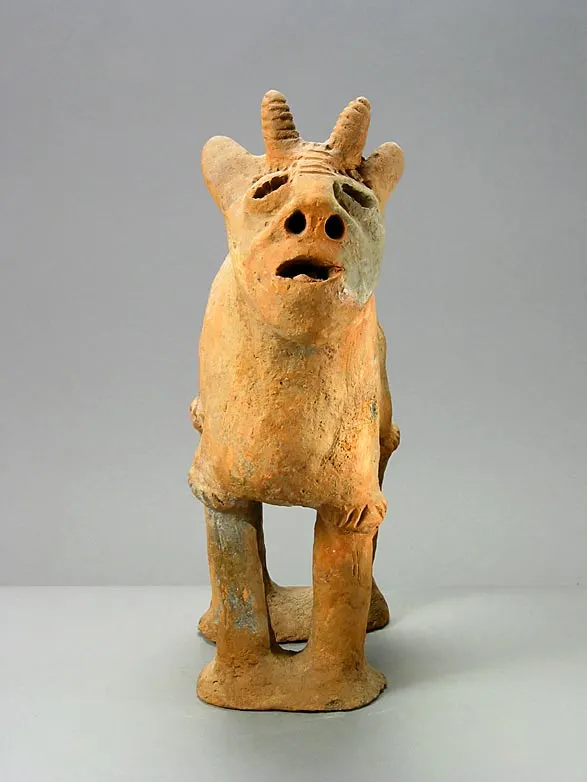
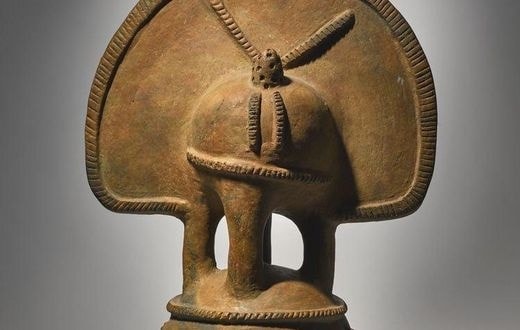
The Dakakari terracotta sculptures of northwestern Nigeria—dating roughly from the 18th to the 20th century CE—are striking testaments to the way art, memory, and social hierarchy intersect in the region’s traditional culture. These hand-modelled clay figures are more than decorative pieces: they are enduring symbols of honor, remembrance, and spiritual continuity.

Funerary Art with Deep Social Roots

Central to Dakakari mortuary practice, these sculptures were traditionally placed atop the sealed stone-lined shaft tombs of the deceased, particularly individuals of high rank such as chiefs or elite hunters. Their presence transformed burial sites into communal shrines, where art served both as a memorial and a bridge to the spirit world.

Commemoration through Annual Rituals

Each year, families would return to the tombs to pour libations of maize flour or beer over the figures. This recurring rite reinforced family lineage and collective memory, ensuring that the achievements of the deceased remained present in the community’s consciousness.

Powerful Symbols in Clay

The forms of these sculptures vary: some are anthropomorphic, representing human figures, while others are zoomorphic, depicting animals. Certain animals—especially elephants, a symbol of strength and prestige—were typically reserved for the graves of influential leaders or accomplished hunters. In this way, the imagery of each sculpture communicated the status and virtues of the person it honored.

Skilled Hands and Generational Legacy

The sculptures were often created by highly skilled potters, typically post-menopausal women, whose artistry and social standing granted them the authority to craft such sacred works. Over generations, multiple figures could be added to a single site, creating an evolving clay record of a family’s history and growth.

See also  Hilda Baci to cook 250 bags of rice for world’s biggest jollof pot feat

Material and Craftsmanship

Made from terracotta—fired clay—the sculptures embody both durability and expressive freedom. Their weather-resistant material allowed them to survive decades of exposure, while their hand-modelled details reflect the unique signature of each artisan.

These Dakakari terracotta sculptures are more than relics of the past; they are living markers of prestige, ancestral reverence, and cultural memory. Through their presence, the Dakakari people honored their dead and affirmed the enduring bonds between the living and the ancestral world.

Sources: Dakakari terracotta, Nigerian funerary art, ancestral rituals, African heritage
FOLLOW US ON:

FACEBOOK

TWITTER

PINTEREST

TIKTOK

YOUTUBE

LINKEDIN

TUMBLR

INSTAGRAM

Continue Reading
Click to comment

Leave a Reply

Your email address will not be published. Required fields are marked *

Lifestyle

STOP BLEACHING AFRICA OUT OF YOUR SKIN.

Published

on

Let’s say the uncomfortable truth:

When an African looks at their natural Black skin and thinks, “I need to become lighter to be beautiful,” something deeper than beauty may be happening.

Who convinced us that the closer we look to Europeans, the more beautiful we become?

Who convinced the African that dark skin is something to escape?

For centuries, Africans have been exposed to systems that associated whiteness with power, privilege, sophistication and beauty. Even after colonialism ended politically, some of those beauty standards remained deeply embedded in society.

And today, some people are spending money putting chemicals on their skin because they desperately want to become lighter.

Imagine being born with millions of years of African ancestry written into your skin—and being taught to hate it.

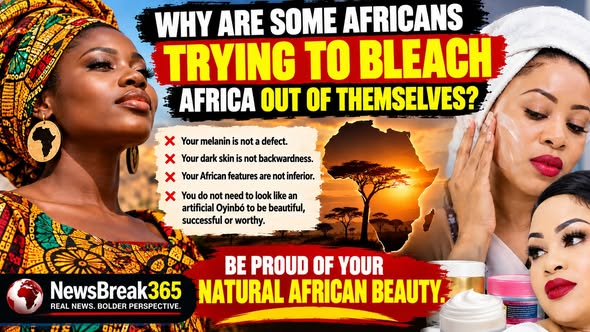
Your melanin is not a defect.

Your dark complexion is not backwardness.

Your African nose is not a mistake.

Your African lips are not something to hide.

Your natural appearance does not need to resemble an Oyìnbó before it becomes beautiful.

There is nothing wrong with wanting to look attractive. But beauty becomes dangerous when improving your appearance turns into rejecting your identity.

Africa does not need a population trying to look less African.

Africa needs people confident enough to look in the mirror and say:

“This is my skin. This is my ancestry. This is Africa. And I am not ashamed of it.”

The real bleaching Africa needs is not skin bleaching.

It is the bleaching of the inferiority complex from our minds.

See also  Saudi Arabia’s Grand Mufti dies at 82

🔥 QUESTION:

If a society repeatedly tells Black people that lighter skin is more beautiful, how much of skin bleaching is really a “personal choice”?

Let the debate begin. 👇🏿

FOLLOW US ON:

FACEBOOK

TWITTER

PINTEREST

TIKTOK

YOUTUBE

LINKEDIN

INSTAGRAM

Continue Reading

Lifestyle

AFRICA, WHY ARE WE SO DESPERATE TO LOOK LIKE SOMEONE ELSE?

Published

on

For generations, African people have been told—directly and indirectly—that certain features are more beautiful because they look closer to European standards.

Now look around:

Wigs and hair extensions.
False eyelashes.
Acrylic nails.
Colored contact lenses.
Heavy makeup.
Skin bleaching.
Filters that completely change our faces.

When did African skin become something to escape from?

Our dark skin is not a defect.
Our natural hair is not a problem to be fixed.
Our African facial features are not inferior.
Our dark eyes do not need to become blue or green to be beautiful.

There is nothing wrong with dressing up, wearing makeup or experimenting with fashion. The problem begins when we start believing that our natural African appearance is somehow less valuable.

Africa has millions of unique cultures, languages, hairstyles, skin tones and facial features. We should not need European approval before we learn to appreciate ourselves.

You don’t have to become an artificial version of somebody else to be beautiful.

Our children are watching us. What are we teaching them about their skin, their hair and their identity?

🔥 Maybe the greatest beauty revolution in Africa is not creating another artificial look—it is learning to love the face, skin and hair we were born with.

Africa, embrace yourself. Stop apologising for your natural beauty.

💬 Is modern beauty culture empowering Africans—or making Africans insecure about their natural appearance?

#NewsBreak365 #Africa #AfricanBeauty #NaturalBeauty #BlackBeauty #SelfConfidence #BeautyStandards #AfricanIdentity

FOLLOW US ON:

FACEBOOK

TWITTER

PINTEREST

TIKTOK

YOUTUBE

LINKEDIN

INSTAGRAM

See also  Felicia Adebola Adeyoyin: The Woman Who Gave Nigeria Its National Pledge
Continue Reading

Lifestyle

STOP JUDGING PEOPLE YOU DON’T KNOW!

Published

on

Some people see a person’s appearance, accent, nationality, religion, job, social class or background and immediately create a story about who that person must be.

They call someone lazy without knowing their struggles.

They call someone arrogant without understanding their personality.

They call someone uneducated without knowing their achievements.

They call someone a criminal simply because of where they come from.

That’s stereotyping—and it can be deeply unfair.

Behind every face is a story you may never have heard.

Before you judge someone, talk to them. Know their story. Understand their journey.

Because sometimes, the person you judged wrongly may be carrying battles, achievements and experiences you know absolutely nothing about.

👉 Don’t judge a book by its cover. Get to know the person first.

💬 Have you ever been stereotyped by someone who didn’t even know you? Tell us your experience in the comments.

#NewsBreak365 #StopStereotyping #DontJudge #KnowTheirStory #LifeLessons #SocialAwareness #RespectOthers #Humanity #ThinkBeforeYouJudge

FOLLOW US ON:

FACEBOOK

TWITTER

PINTEREST

TIKTOK

YOUTUBE

LINKEDIN

INSTAGRAM

See also  Inside Regina Daniels, Ned Nwoko’s troubled home
Continue Reading

Trending