
Connect with us

News

Why Nigeria holds a special place globally

Published

on

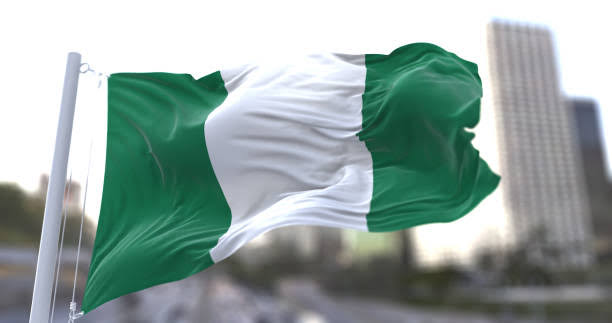
If senior secondary school students of Nigerian origin were asked to write an essay with the title of this article, I can say confidently that it would be interesting and highly competitive. I have done several articles on the subject in the past, and my central theme has always been that we do not have any other country to call our own; so, we must join hands together in the task of nation-building and make Nigeria a better place.

In a random survey last week, I asked some friends and associates of diverse professional backgrounds to tell me why they think Nigeria is a great country to provide additional context for this article. Their responses were similar in tone and perspective, suggesting indeed that we have a lot of positive attributes that can differentiate the Nigerian brand globally, despite those who knowingly damage the brand or deliberately de-market Nigeria.

But when we push the right narrative about Nigeria consistently, the story will change for good. I am not talking about propaganda. How the rest of the world sees us, or what they think of us, is our “public image”, and it is essentially the aggregation of our activities (what we do, whether good or bad) and how we communicate those activities. What of the things we say about the country? A positive public image is critical in influencing public opinion and building trust.

The good news from my survey is that Nigeria is poised for greatness despite our current challenges. The respondents generally agree that the strategic importance and relevance of Nigeria in the world cannot be ignored

From my findings, we can immediately point to the following advantages: Nigeria’s population (during his address at the 80th United Nations General Assembly, Vice President Kashim Shettima told the world that our population was 234 million), the size of our economy, nature’s wonders, tourism, and hospitality; technology and innovation, regional power, food and cuisine, investors and investment opportunities, rich cultural heritage and diversity, music and entertainment, vibrant cities, our resilience and strong sense of community, successful entrepreneurs and outstanding professionals.

It is important to note that how we take advantage of these existing strategic opportunities depends on how we roll our dice. But one thing is clear: Nigeria’s story needs to be redefined by building a strong narrative, showcasing our strengths, opportunities and successes. No one, except Nigerians, can tell the story better.

Nigeria is a land of vibrant energy, boundless potential, and a story waiting to be told. From the pulsating rhythms of Afrobeats to the roaring cheers for the Super Eagles, Nigeria’s cultural nuances and economic vitality offer a compelling platform to reshape our global image.

Make no mistake about it, Nigeria is the giant of Africa and the next economic frontier of the world. By 2050, it is projected that our population will hit 400 million, making Nigeria the third most populous country in the world after India and China.

See also  '𝗜 𝗹𝗲𝗱 600 𝗯𝗮𝗻𝗱𝗶𝘁𝘀 𝘁𝗼 𝘀𝘂𝗿𝗿𝗲𝗻𝗱𝗲𝗿', 𝗚𝘂𝗺𝗶 𝗱𝗲𝗳𝗲𝗻𝗱𝘀 𝗻𝗲𝗴𝗼𝘁𝗶𝗮𝘁𝗶𝗼𝗻 𝗿𝗼𝗹𝗲

Our leaders must begin to worry about how to harness the potential of our huge population. For example, a huge workforce with immense skills, talents, and expertise can drive economic growth and development, while businesses will thrive and grow in the huge domestic market because we have the numbers.

As a founding member of the African Union, Nigeria’s current push for a permanent seat on the UN Security Council is a measure of our regional leadership and influence in Africa, and an opportunity to strengthen our global relationships. This is an audacious move which deserves the support of all Nigerians, except that President Bola Tinubu has yet to appoint ambassadors and high commissioners for our foreign missions after over two years in office.

It is scandalous that Africa, with 54 countries and about 1.5 billion people, has no representation on the UN Security Council, comprising the following five permanent members: the United States, Russia, China, France and the United Kingdom.

These five members have veto power over substantive resolutions, meaning a single negative vote can block adoption of a proposal. Nigeria can leverage its contributions to global peace and security, which VP Shettima alluded to in his address. In addition, Nigeria can continue to advocate for reforms in the UNSC, including increasing the number of permanent seats and improving representation for Africa.

To again underscore our global influence, Nigeria is bidding to host the 2030 Commonwealth Games in Abuja. It will be the first time an African country is hosting the games if we win the bid. The games are held every four years across the world, and India is the other country bidding with us. Call it soft diplomacy if you like, but President Tinubu says our bid to host the games is a dream that must be realised. The 2026 games will be hosted in Glasgow, Scotland, from July 26 to August 2.

We are not just a country with the most arable land for nothing. I emphasised this point in my last article, where I recommended that Nigeria should build global food brands, one category at a time. Our country is blessed with the largest population of black people in the world. Shouldn’t this important characteristic count for something? There’s hardly any part of the world where you will not find a Nigerian.

The dynamic business environment has seen big players investing in the Nigerian economy, creating employment and paying significant taxes. Mind you, these billionaires and philanthropists are not local champions, as they have their tentacles spread far and wide. They include Aliko Dangote, Mike Adenuga, Arthur Eze, Abdul Samad Rabiu, Femi Otedola, Tony Elumelu, Jim Ovia, Folorunso Alakija, Theophilus Danjuma, Cletus Ibeto, and Leo Stan Ekeh.

I am happy to also celebrate Nigerians who are distinguishing themselves in different fields all over the world. It is a long list, but let me recognise the Deputy Secretary-General of the United Nations, Amina Mohammed; the immediate past President of the African Development Bank, Dr Akinwunmi Adesina; the Director-General of the World Trade Organisation, Dr Ngozi Nkonjo-Iweala, and President of Afreximbank, Benedict Oramah.

See also  Tinubu Grants Notorious Kidnapper Who Abducted Mike Ozekhome In 2013 Presidential Pardon

What of our literary giants? These are impressive writers who have made significant contributions to our literary landscape. They include Chinua Achebe, Nobel Laureate Wole Soyinka, Chimamanda Ngozi Adichie, Buchi Emecheta, Ben Okri, Flora Nwapa, Cyprian Ekwesi, Amos Tutola, Ken Saro-Wiwa and Elechi Amadi.

With over 300 ethnic groups, Nigeria is one of the ethnically diverse countries in the world. This diversity is reflected in our music, languages, food, costumes, dance, art and literature.

Nigeria’s music scene is home to global sensations such as Burna Boy, Davido, Asake, Wizkid, Tems, Rema, Ayra Starr, Tuface, Ruger, Flavour, Tiwa Savage, Tekno, Olamide, Kizz Daniel, Yemi Alade, Fireboy and Adekunle Gold. They have turned Afrobeats into a universal language, with some of them recording over one billion streams on Spotify.

Similarly, Nollywood, the world’s second-largest film industry, has been collaborating with streaming giants such as Netflix and Amazon Prime to spotlight Nigerian stories and movie stars, captivating international audiences. I doff my hat for Pete Edochie, Richard Mofe-Damijo, Kunle Afolayan, Ramsey Nouah, Tony Monjaro, Funke Akindele, Kate Henshaw, Genevive Nnaji, Omoni Oboli, Mary Njoku, and Mercy Johnson, just to name a few.

Whether it is medicine and healthcare, technology and IT, academia and education, journalism, law, science, engineering, creative economy, hospitality, banking and finance or sports, Nigerians are excelling around the world.

Nigeria’s tech space is buzzing with innovations, especially in the fintech sector, with companies like Paystack, Flutterwave and Interswitch leading from the front. With over 200 fintech companies operating in the country, the sector is driven by the need for financial inclusion.

In Rotary International, the global humanitarian service organisation founded in 1905, the only African who has been president to date was Jonathan Majiyagbe, a Nigerian. He was the 2003-2004 president of the organisation.

Another Nigerian was announced as president-elect of the organisation on August 28. He is Yinka Babalola, and he will assume office as president of Rotary International on July 1, 2026.

In broadcasting, the Chairman/CEO of Channels Media Group, Dr John Momoh and the Chairman of Arise News, Prince Nduka Obaigbena, are trailblazers. They introduced innovations that have consistently improved the ratings of both TV channels, and their viewers are loving it. I salute their courage and vision for doing things differently. With over 30 years in the business, Channels TV, which has about 1.6 billion views on YouTube, continues to demonstrate a commitment to long-term success.

Did you know that Nigeria is the largest producer of yams, shea butter, cassava, cowpea, sorghum, and taro in the world? The list goes on. Nigeria is also the third largest producer of sweet potato and ginger, and the fourth largest producer of palm oil, cocoa and sesame seed in the world. Please fact-check me, as I would be happy to be corrected.

See also  Christian genocide: Tinubu to meet US President, Trump

Our Bonny Light crude oil is one of the most desirable crude oil grades globally, attracting marketers and commanding high prices due to its exceptional quality. Can’t you see that we are truly blessed? The Dangote Refinery is a game-changer for Nigeria’s oil industry. With an investment of about $20bn, the refinery is capable of processing 650,000 barrels of crude oil per day, making it the largest single-train refinery in the world.

Nigeria ranks ninth globally in terms of proven gas reserves and is the largest holder of gas reserves in Africa, indicating a significant resource base for our energy needs. We are also endowed with an array of over 44 different types of solid minerals, spread across more than 500 locations.

We are also known for our resilience, creativity, hard work and entrepreneurial spirit. Nigerians are generally warm and hospitable people, with a distinctive ability to adapt to situations, however inconvenient or difficult. Our strong sense of community – a form of local area network to support one another – promotes family values, helping us reduce social tension and play a pivotal role in everyday life.

I cannot end this piece without talking about our tourism assets and nature’s wonders. When I wrote that “Nigeria is the Greenest Nation in Africa” in my last article, a key component of that positioning statement is “tourism”.

Nigeria is blessed with several enchanting tourist sites, festivals and carnivals across the country. The Benin Museum in Edo State is a treasure trove of history and culture, showcasing the rich heritage of the ancient Kingdom of Benin. Some of the top attractions at the museum include bronze artefacts, ivory carvings, textiles and fabrics, and ceremonial objects.

The Benn Moats, also known as the Great Benin Wall, is a remarkable historical structure that played a significant role in the kingdom’s defence and social organisation. The moats were part of an extensive network of earthworks that surrounded the ancient Benin, covering over 16,000 kilometres.

Olumo Rock in Ogun State is a massive rock formation which offers stunning views and natural tunnels, while the Agbokim Waterfall in Cross River State is a breathtaking waterfall that features seven cascades surrounded by lush green vegetation.

At the Ikogosi Warm Spring in Ekiti State, the warm spring and cold spring meet at a juncture yet maintain their distinct properties. In Badagry, Lagos State, the historic town showcases relics and artefacts from the slave trade, including the first storey building in Nigeria.

The Kano City Wall offers a glimpse into the ancient city’s rich history and cultural heritage, while the Osun Sacred Grove, a UNESCO World Heritage Site, is the home to the goddess of fertility and features various shrines and effigies.

punch.ng

FOLLOW US ON:

FACEBOOK

TWITTER

PINTEREST

TIKTOK

YOUTUBE

LINKEDIN

TUMBLR

INSTAGRAM

Continue Reading
Click to comment

Leave a Reply

Your email address will not be published. Required fields are marked *

News

Sokoto residents jubilate as military foils attack, kills 13 bandits

Published

on

Residents of Sabon Birni Local Government Area of Sokoto State broke into jubilation on Monday after troops of the Nigerian Army foiled an attempted attack on their communities and killed at least 13 suspected bandits in a coordinated operation.

Troops deployed in Kurawa near Kwanan Kimbo engaged the attackers in a fierce gun duel that lasted several hours, forcing the assailants to retreat.

Soldiers later pursued the fleeing bandits to their hideout across a stream, where additional casualties were recorded.

A community source told our correspondent that nine bodies were recovered within the area, while four others were found in the surrounding bush.

Several weapons, including AK-47 rifles and ammunition, were also recovered and taken to the military base in Kurawa.

Military sources confirmed the operation, conducted under Operation Fansan Yamma , describing it as “intense” but noting that the army recorded no casualties.

“It was a determined effort by the troops. The terrorists suffered heavy losses,” one source said.

The operation came just days after troops and local vigilantes repelled another attack on Gatawa community on Friday, heightening public confidence in the renewed security efforts.

Across Kurawa, Tarah, Karawa and nearby villages, residents were seen celebrating the military’s success. They urged the army to sustain the tempo to curb recurrent attacks that have plagued Sabon Birni LGA.

Confirming the development, the member representing Sabon Birni in the Sokoto State House of Assembly, Alhaji Aminu Boza, said at least nine bodies of the attackers had been sighted, with search efforts continuing.

See also  FG receives Benin bronzes repatriated from US

The Sokoto State Government also praised the troops for their swift action. In a statement issued by the Special Adviser to the Governor on Security Matters, Col. Ahmed Usman (retd.), the government said the military had averted what could have been a tragic assault on traders travelling from Tarah to the Sabon Birni weekly market.

“The professionalism and courage displayed by our military personnel reaffirm their commitment to protecting lives and property,” Usman said.

He added that Governor Ahmed Aliyu’s administration would continue to support security agencies and called on residents to remain vigilant and share timely intelligence.

“Anyone aiding or abetting criminal activity will face the full weight of the law,” he warned.

Sabon Birni LGA has been one of the hardest-hit areas in Sokoto, suffering repeated attacks in recent months, particularly around Gatawa and neighbouring settlements. Residents say they hope the latest military success marks a turning point in efforts to restore peace to the region.

punch.ng

FOLLOW US ON:

FACEBOOK

TWITTER

PINTEREST

TIKTOK

YOUTUBE

LINKEDIN

TUMBLR

INSTAGRAM

Continue Reading

News

Slain Adamawa women killed by militia, not soldiers – Army

Published

on

The Headquarters 23 Brigade of the Nigerian Army has denied shooting any civilians during the recent communal clash in the Lamurde Local Government Area of Adamawa State, insisting that the two women found dead were killed as a result of militia members’ mishandling their weapons.

The clarification followed reports alleging that soldiers escorting the Brigade Commander of 23 Brigade, Nigerian Army, Yola, shot and killed several women during the clash on Monday.

In a statement posted on its X handle on Tuesday, the Acting Assistant Director, Army Public Relations, Sector 4 Operation Hadin Kai/23 Brigade, Captain Olusegun Abidoye, described the claims as “baseless and misleading,” stressing that “neither the Brigade Commander nor his escorts were at the scene of the communal clash.”

“The commander was participating virtually in the Chief of Army Staff’s weekly operational brief at the time of the alleged incident,” the statement added.

The Brigade explained that combined security forces, including troops of 23 Brigade, the Nigerian Police, NSCDC, and DSS, responded to violent clashes between the Bachama and Chobo tribes, resulting from longstanding land disputes and ethnic tensions.

He noted that troops were deployed to affected communities, including Tingno, Rigange, Tito, Waduku, and Lamurde, to restore calm.

Reiterating its position, the Brigade maintained, “It is necessary to inform the general public that neither the Brigade Commander nor his escorts were at the scene of the communal clash, as the Brigade Commander was participating virtually in the Chief of Army Staff’s weekly operational brief at the time of the purported shooting by his escorts.”

See also  Putin defies Trump with second nuclear weapons test in days

The statement added that troops received distress reports at about 1:35am on Monday and moved swiftly to restore order.

During the operation, the statement explained that a militia group suspected of supporting one of the warring sides reportedly attacked the troops.

“In response, soldiers neutralised three gunmen, and additional members of the militia were later found neutralised along their withdrawal route, along with a motorcycle,” the Brigade stated.

The army further explained that troops advanced to secure the Lamurde Local Government Secretariat after receiving reports of a possible attack. While some women were said to have initially blocked their passage, armed men allegedly opened fire indiscriminately.

“The Brigade clarified that no civilians were shot by Army personnel, and the two women later brought to the Local Government Lodge were reportedly killed due to the unprofessional handling of weapons by the militias,” the statement added.

The Brigade expressed condolences to the families of the deceased and urged the communities involved to embrace peace to prevent further bloodshed.

It reaffirmed its commitment to performing its constitutional duties in aid of civil authorities and urged the public to disregard what it described as a “malicious report.”

Earlier, The PUNCH reported that the State Governor, Ahmadu Fintiri, had declared a 24-hour curfew in Lamurde Local Government Area on Monday following the bloody crisis between the communities.

Reacting to the incident, the Bwatiye Youth Wing, the umbrella body of the Bachama ethnic group, condemned what it described as unacceptable actions by some army personnel deployed on a peacekeeping mission in the area.

See also  Akpabio, Yilwatda challenge Nigerians to monitor governors on hardship

In a statement signed by its General Secretary, Abner Kwakano, the group accused the soldiers of using excessive force.

“It is important to remind the public that the Tsobo (Pire) launched their first coordinated attacks on Waduku and Rigange on July 7, 2025, leading to loss of lives, destruction of homes, and the burning of villages,” the statement read.

“Following this, the Adamawa State Government intervened, and negotiations toward a peaceful resolution were ongoing before this most recent and unprovoked strike.

“Despite these efforts toward peace, soldiers deployed to maintain calm opened fire on unarmed women protesting in Lamurde town, an area not directly involved in the communal crisis.

“This tragic action resulted in the death of no fewer than seven innocent women and left many others seriously injured.”

Kwakano described the conduct of the soldiers as unprofessional and unjustifiable.

“While we acknowledge and respect the Nigerian Army as an institution. The actions of those involved raise legitimate concerns about bias, excessive force, and a departure from peacekeeping standards,” the group added.

Continue Reading

News

Kwara varsity begs gov for overhead bridge due to multiple accidents

Published

on

The Kwara State University has appealed to the state governor, AbdulRahman AbdulRazaq, to construct an overhead bridge along the Shao/Malete Road to reduce accident rates on the busy route to the institution.

The university Vice Chancellor, Prof. Jimoh Shaykh-Lukman, made the plea on Tuesday during the institution’s pre-convocation press conference in the Malete area of the state.

While commending AbdulRazaq for heeding the call to promptly repair the Malete road to ease movement, he said the Federal Government’s intervention on the expressway has not mitigated the dangers.

He said, “Some commercial and even articulated vehicles drive against the traffic in a bid to cut down on the distance to drive to make the turn.

“This constitutes a major hazard for all users of that road. We urge our visitor, Gov. AbdulRazaq, to use his good office to facilitate a flyover bridge fAor safe crossing of the express road.”

He also requested extensions to the existing intra-campus road network for ease of access to facilities.

“Road infrastructure is beyond the ability of the university, and this is why we call on our proprietor, Gov. AbdulRazaq, to intervene in this area,” Shaykh-Lukman said.

Speaking on the forthcoming 13th Convocation Ceremony, the vice chancellor said 8,119 degrees will be awarded on Dec. 13.

He said 7,618 earned a first degree while 501 bagged postgraduate degrees.

The VC added, “There are 82 1st Class honours, 1,986 2nd Class Uppers, 4,195 2nd Class Lowers, and 1,355 3rd Class graduands.

“At the postgraduate level, there are 75 PhDs and 426 Master’s graduands.”

See also  PHOTOS & VIDEO: Notorious bandit kingpin Bello Turji releases 100 captives in fresh peace deal

He highlighted the academic progress recorded in the institution over the past year, with the Osi and Ilesha-Baruba campuses now operational.

“Both staff and students of the faculties in the two campuses have been integrated in these communities with lectures and research activities ongoing for the 2025/2026 session.

“This has facilitated the spread of the institution to other parts of the state with the expected socio-economic benefits to the communities hosting them.

“With 81 undergraduate and postgraduate programmes in the three campuses now, we have maintained our success rate in the accreditation status of programmes,” the VC concluded.

punch.ng

FOLLOW US ON:

FACEBOOK

TWITTER

PINTEREST

TIKTOK

YOUTUBE

LINKEDIN

TUMBLR

INSTAGRAM

Continue Reading

Trending