Lifestyle
Oladapo Daniel Oyebanjo (D’banj) – Biography and Career Overview

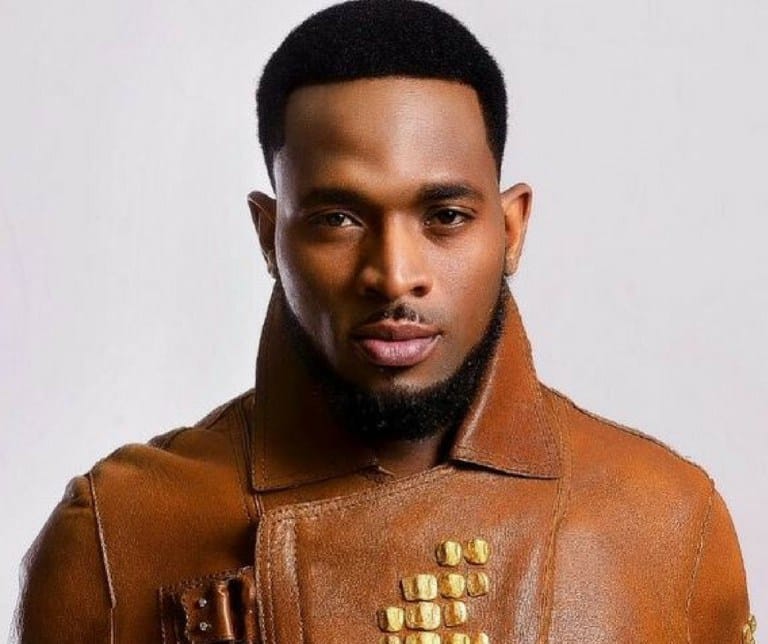
Oladapo Daniel Oyebanjo, popularly known by his stage name D’banj, was born on June 9, 1980, in Zaria, Kaduna State, Nigeria. He is a Nigerian singer, songwriter, rapper, entrepreneur, television personality, and music executive, widely celebrated as one of the most influential African entertainers and a pioneer of modern Afrobeats on the global stage.
Early Life and Background
D’banj was born into a military family. His father was a Nigerian Army officer, while his mother worked as a church official and businesswoman. Because of his father’s military career, D’banj lived in several cities across Nigeria, which exposed him to diverse cultures and music styles. He attended Nigerian Military School, Zaria, for a brief period before transferring to another institution to complete his secondary education.
In his youth, D’banj developed a strong passion for music, learning to play the harmonica, an instrument that would later become one of his musical trademarks. His early influences included Fela Anikulapo Kuti, whose Afrobeat rhythms and activism deeply inspired him.
Music Career
Early Career and Mo’ Hits Records
D’banj’s professional music journey began after he met Don Jazzy (Michael Collins Ajereh), a talented music producer, while living in London. The two shared musical chemistry and in 2004, they returned to Nigeria to establish Mo’ Hits Records.
Under Mo’ Hits, D’banj released his debut album, “No Long Thing” (2005), which featured his breakthrough single “Tongolo.” The song was a massive hit and earned him the nickname “Koko Master”, symbolizing his confident, humorous, and flirtatious style.
His sophomore album, “Rundown Funk U Up” (2006), produced hit songs like “Why Me,” “Mobolowowon,” and “Tongolo (Remix).” These tracks solidified his reputation as a vibrant performer with a unique blend of Yoruba expressions, Pidgin English, and humor.
In 2008, D’banj released “The Entertainer,” which remains one of the most successful Nigerian albums ever produced. The project included chart-topping singles such as “Gbono Feli Feli,” “Fall in Love,” and “Suddenly.”
International Breakthrough
D’banj’s charisma and international appeal led him to global recognition. In 2011, he signed a major deal with Kanye West’s G.O.O.D Music label, becoming one of the first Nigerian artists to achieve that level of international partnership.
Under G.O.O.D Music, he released the global hit “Oliver Twist” (2012) — a fusion of Afrobeats and EDM (Electronic Dance Music). The song topped charts across Africa, the UK, and parts of Europe, peaking at No. 9 on the UK Singles Chart. The accompanying video featured appearances from Kanye West, Big Sean, Pusha T, and Good Music members, further boosting his international profile.
Post–Mo’ Hits Era
After Mo’ Hits Records dissolved in 2012 due to internal disagreements, D’banj founded his own label, DB Records, signing artists such as KaySwitch (his younger brother), Tonto Dikeh, and 2Kriss.
Despite the split, D’banj maintained his star power, releasing singles like “Top of the World,” “Don’t Tell Me Nonsense,” “Emergency,” and “Bother You” (which appeared on the Half of a Yellow Sun movie soundtrack).
Entrepreneurship and Influence
Beyond music, D’banj is a prominent entrepreneur and philanthropist. He launched several business ventures, including:
Koko Holdings – encompassing products like Koko Water, Koko Mobile, and Koko Lounge.
C.R.E.A.M. Platform (Creative, Reality, Entertainment, Arts, and Music) – an initiative supporting young creative talents across Africa.
He has also served as a United Nations Youth Ambassador for Peace and collaborated with international organizations for campaigns on youth empowerment and agriculture, such as ONE Campaign’s “Do Agric” initiative.
Awards and Recognition
D’banj’s career is decorated with numerous awards and nominations, including:
MTV Europe Music Award for Best African Act (2007)
BET Award for Best International Act: Africa (2011)
MTV Africa Music Awards – Artist of the Year (2009)
MOBO Award for Best African Act (2012)
The Headies – Artist of the Year, Song of the Year, and Album of the Year (multiple wins)
His ability to fuse Afrobeats, pop, and dance music helped pave the way for the global success of Nigerian music today.
Personal Life
D’banj married Lineo Didi Kilgrow in June 2016, and they have children together. He has also experienced personal tragedy, notably the loss of his first son in 2018, which he has spoken about as a moment that reshaped his faith and perspective on life.
Legacy
D’banj is often hailed as a trailblazer of Afrobeats’ international expansion, credited for introducing African pop culture to mainstream audiences long before the global Afrobeats boom. His energetic performances, comedic lyrics, and bold personality have made him a cultural icon across Africa.
In summary:
Oladapo Daniel Oyebanjo — D’banj, the Koko Master, remains one of Nigeria’s most influential entertainers. From co-founding Mo’ Hits Records with Don Jazzy to breaking into the global music scene with “Oliver Twist,” his career embodies innovation, charisma, and resilience — marking him as a cornerstone of the Afrobeats movement.

FOLLOW US ON:






FAKE IT TILL YOU MAKE IT — BUT AT WHAT COST?

“I MADE THIS PERSON WHO THEY ARE TODAY!” — REALLY?

SOME PEOPLE WILL DO ANYTHING — EVEN EVIL — JUST TO MAKE MONEY!

‘Sleeping Prince’ of Saudi Arabia dies after 20 years in coma

2027: Atiku delays ADC membership card collection amid rumoured Jonathan comeback

How A Class Of 24 Students Produced 2 Presidents, 4 Governors, 2 Ministers, 4 Emirs, 3 Justices, 4 Ambassadors and Other Influential Leaders


-

 News18 hours ago
Air chief pleads for patience as investigation begins on Ondo crash
-
News18 hours ago
INEC displays voter register, begins PVC distribution ahead of 2027 elections
-
News18 hours ago
Dapo Abiodun reveals that Nigeria needs 554,353 personnel for state police, read details
-
Sports18 hours ago
Adeniyi lauds Nigeria’s Veterans World Wrestling Champs medal
-
Business18 hours ago
FG’s 30-day petrol discount sparks opposition backlash
-
News17 hours ago
Trump rules out new Iran attack before US midterm elections
-
Business17 hours ago
Report reveals Nigeria leaves N40tn manufacturing opportunities untapped
-
News18 hours ago
Gates Foundation director reveals that AI tools will help detect pregnancy complications early, read how