
Connect with us

News

Russia, AU Tell US To Respect Nigeria’s Sovereignty Amid Talk Of Possible Military Action

Published

on

Russia and AU urge respect for Nigeria’s sovereignty as Tinubu seeks global cooperation to defeat terrorism and extremism.

Russia on Friday said it was closely watching reports that the United States may be considering military action in Nigeria.

Likewise, the African Union (AU) Commission stressed that the US must respect the sovereignty of Nigeria and engage in diplomatic dialogue in addressing the problem of insecurity in the West African country.

This comes as President Bola Tinubu intensifies efforts to rally international support in the fight against terrorism and violent extremism.

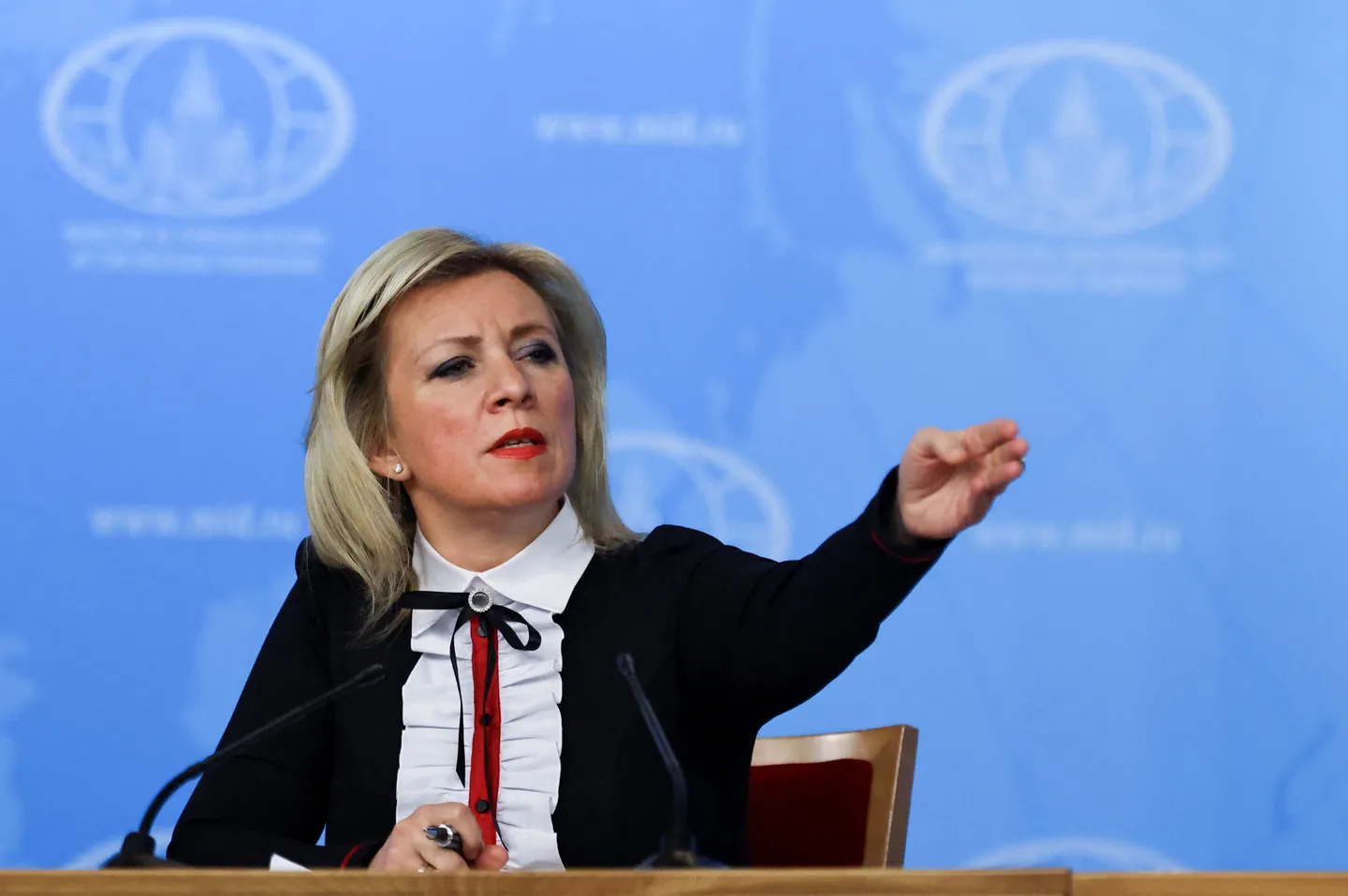
Russia’s Foreign Ministry spokesperson Maria Zakharova, was quoted by TRT World to have said this during a weekly press briefing in Moscow, urging Washington to act in line with international law.

“We are closely monitoring this issue and call on all parties involved to strictly comply with international legal norms,” Zakharova said while responding to a question about the situation in the African country.

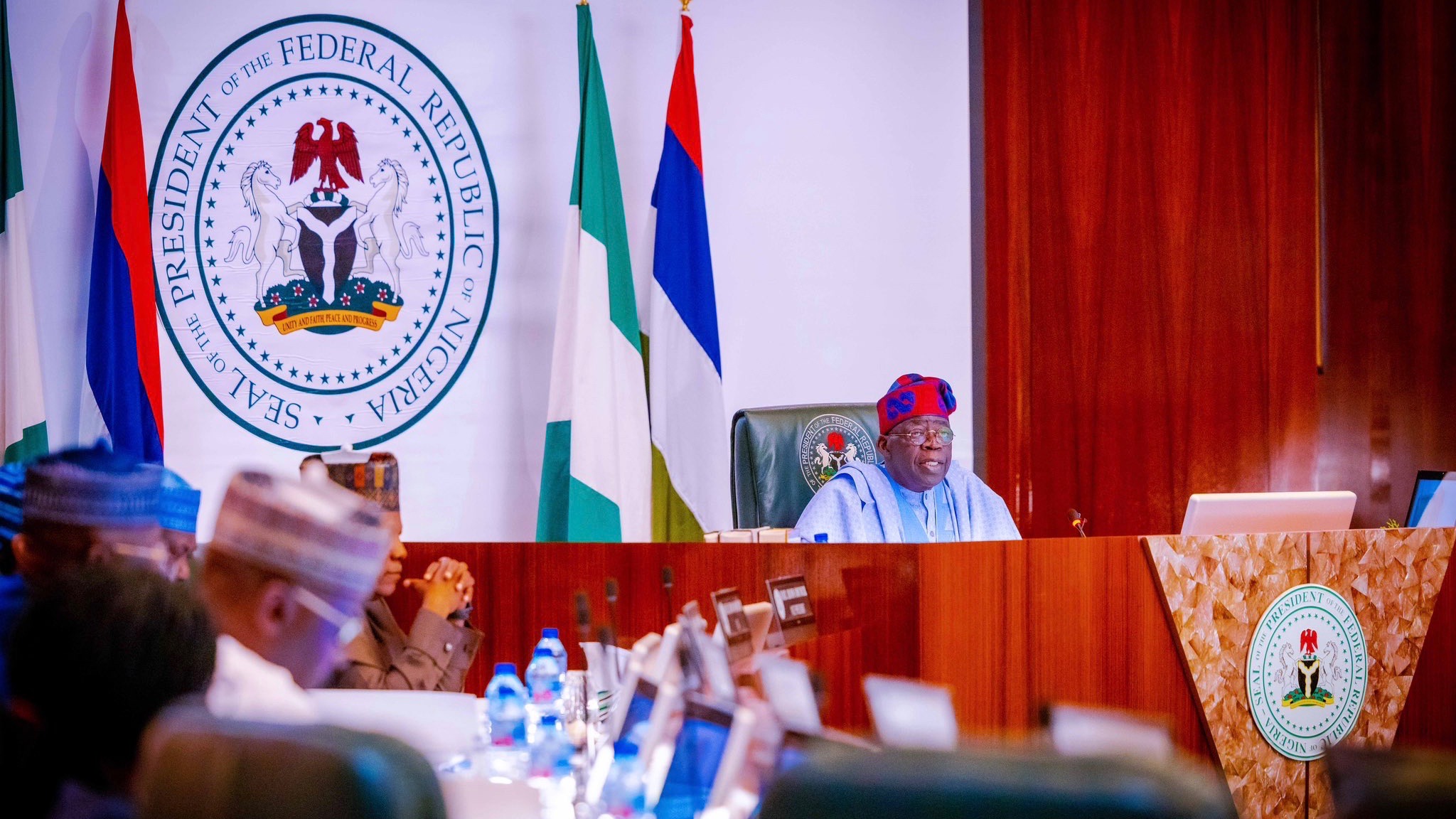
Also, Tinubu called Nigeria’s international allies to strengthen collaboration in the global fight against terrorism and violent extremism. He said renewed support and intelligence sharing are crucial to defeating the networks threatening peace and stability across Africa.

The President, who made the appeal via his verified X handle, @official ABAT, reaffirmed Nigeria as a reliable partner, welcoming international support to strengthen security and economic growth.

Tinubu on Friday, met with the Sultan of Sokoto, His Eminence, Muhammad Sa’adu Abubakar, at the State House, Abuja.

The meeting, which took place on the first-floor office of the President, was said to be part of wide consultations Tinubu was having with religious and traditional leaders in the wake of the United States President, Donald Trump, describing Nigeria as a country of religious persecution and human rights abuses.

Speaker of the House of Representatives, Hon Tajudeen Abbas, accompanied the Sultan to the ‘crucial’ meeting.

President Tinubu had earlier this week met with the Catholic Archbishop of Abuja, Bishop Ignatius Ayau Kaigama.

However, on Friday, the President of the Pentecostal Fellowship of Nigeria (PFN), Bishop Francis Wale Oke, argued that there was no denying the fact that there was Christian genocide going on in Nigeria, calling on Tinubu to partner with Trump in tackling what he described as the scourge of killings and attacks on Christian communities in the country.

Veteran journalist and a chieftain of the African Democratic Congress, Dele Momodu, also urged Tinubu to mobilise Nigerians with international credibility to engage directly with Donald Trump.

But a think tank group, the Independent Media and Policy Initiative (IMPI), held a different opinion, saying claims of Trump about Nigeria as a Country of Particular Concern (CPC), were on the basis of jaundiced, obtrusive data provided by local and international groups with ulterior motives.

AU to US: Respect Nigeria’s Sovereignty

The AU Commission, in a statement on Friday, stated that it had noted with concern recent statements by the United States of America alleging that the Government of Nigeria was complicit in the targeted killing of Christians and threatening military action.

The commission acknowledged the complex security challenges facing Nigeria and called for enhanced regional and international cooperation to support Nigeria and other nations in strengthening their capacity to address insecurity.

But the commission rejected narratives that oversimplify the challenges by attributing violence solely to religious motives, warning that such perspectives could destabilise communities and hinder effective solutions.

It urged external partners, including the US, to prioritise diplomatic engagement, intelligence-sharing, and capacity-building initiatives over unilateral military threats.

“The commission notes with concern recent statements by the United States of America alleging that the Government of Nigeria is complicit in the targeted killing of Christians and threatening military action,” the statement reads.

“The AUC emphasises the Federal Republic of Nigeria is a longstanding and valued Member State of the African Union, playing a key role in regional stability, counterterrorism, peacekeeping initiatives, and continental integration.

“The AUC fully respects Nigeria’s sovereign right to manage its internal affairs, including security, religious freedom, and human rights, in line with its Constitution and international obligations. Any external engagement must respect Nigeria’s sovereignty, territorial integrity, and unity.

“AUC urges external partners, including the United States, to engage Nigeria through diplomatic dialogue, intelligence-sharing, and capacity-building partnerships, while respecting Nigerian sovereignty rather than resorting to unilateral threats of military intervention, which could undermine continental peace, regional stability, and AU norms for peaceful conflict management.”

See also  Gbajabiamila organises free health check for Lagos community

‎Tinubu Seeks International Allies’ Support Against Terrorism

Continuing, Tinubu stressed that security remains non-negotiable and pledged that Nigeria would spare no effort and leave no stone unturned in eliminating criminals and terrorist groups.

According to him, Nigeria has faced the terrorism problem for nearly two decades, but would not back down. He noted that significant progress had been made over the past two years.

He promised to decisively eliminate the threat through courage and a steadfast commitment to the rule of law.

The President also paid tribute to the armed forces and intelligence services for their courage, unity, and sacrifices, describing their commitment as the nation’s strength.

Tinubu added: “We face challenges head-on and remain steadfast in our commitment to engage partners and champion Nigeria’s interests on the diplomatic front. We are confidently asserting our presence on the global stage, guided by unwavering calm, clarity, and a strong sense of purpose.

“We are indeed faced with terrorism – a challenge Nigeria has faced for almost two decades, and we will not back down. We will decisively defeat terrorism and claim victory in this battle. Security is non-negotiable, and we will never compromise on this principle. With unwavering courage and a steadfast commitment to the rule of law, we will prevail.

“Nigeria is one united family. We rise together, move forward together, and reject despair in favour of determination. Our future is far more robust and stronger than any fears we may have.

“The task ahead is immense, yet our resolve is even greater. We will continue to sustain and build on our reform gains and deliver a prosperous and inclusive Nigeria.

“We will spare no effort and leave no stone unturned in our mission to eliminate criminals from our society. We urge our allies to stand firmly with us as we amplify our fight against terrorism. We have made significant progress in the past two years and we will decisively eliminate this threat. With courage and the rule of law, we will triumph.”

Army Chief Vows to Crush Insurgents

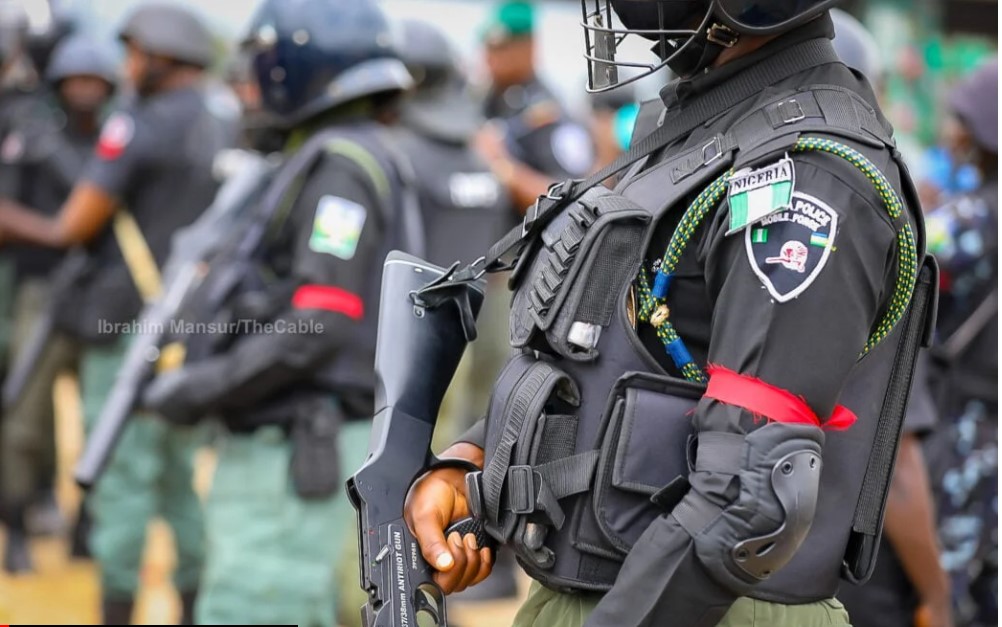
The Chief of Army Staff (COAS), Lieutenant General Waidi Shaibu, on Friday, charged troops of the North-East Joint Task Force, Operation Hadin Kai (OPHK), to prepare for a major and decisive offensive against Boko Haram and Islamic State West Africa Province (ISWAP) terrorists.

Stressing that the forthcoming operations would mark a critical phase in Nigeria’s long-running counter-insurgency campaign, the Army Chief said the outcome would determine the nation’s success in finally ending terrorism in the region.

Addressing troops at the Maimalari Cantonment in Maiduguri, Borno State, on Friday, General Shaibu declared that the Nigerian Army was entering a new and decisive stage in the war.

“You have been training to defeat the terrorists disturbing the North-East. This time, you are going to do it differently. All combat enablers have been provided and new platforms introduced all to ensure that you succeed,” he said.

He explained that this phase of the mission belongs to the new generation of troops, who must build upon and surpass the achievements of earlier soldiers who served in national and international operations.

The Army Chief reminded the troops that the responsibility of delivering a decisive blow to Boko Haram and ISWAP now rests on their shoulders.

His remarks came amid reports that the terrorist groups, though weakened, were exploiting border vulnerabilities and regrouping around the Lake Chad axis.

Reassuring the troops of the Army’s full support, General Shaibu disclosed that experienced officers had been deployed to the theatre, alongside upgraded operational platforms, surveillance assets, and precision strike capabilities. “Those before you have done it. This is your own time,” he declared.

The Army Chief also placed strong emphasis on troop welfare, describing it as vital to morale and performance in combat. “Your welfare has been taken care of from improved ration and cost allowances to prompt payment of entitlements and enhanced medical care. We will continue to improve your well-being,” he said.

See also  FG, states, LGs shared N1.969trn in December 2025 revenue

He further pledged greater investment in accommodation and education, assuring that soldiers’ children would have access to quality schooling through Army command and children’s schools.

Transitioning from the frontlines to remembrance, General Shaibu also led officers and soldiers in honouring the memory of the late Chief of Army Staff, Lieutenant General Taoreed Abiodun Lagbaja, who passed away a year ago.

Speaking during a Juma’at service held to mark the first anniversary of his death, the COAS described the late Army Chief as a gallant leader whose contributions to strengthening Nigeria’s security architecture remain deeply appreciated.

He reaffirmed that General Lagbaja’s leadership and devotion to duty continue to inspire the entire Nigerian Army.

Cooperate with Trump to Root Out Killers, PFN President, Momodu Tell Tinubu

Meanwhile, PFN President, Oke, on Friday, argued that there was no denying the fact that there was Christian genocide going on in Nigeria.

Oke, while addressing journalists in Ibadan, said it was not debatable that there was genocide against Christians in the country,

Listing killings that include that of Deborah Samuel, as well as the abduction of Leah Sharibu, the Chibok girls, and attacks in Benue, Taraba, Southern Kaduna, Owo, Ondo State, Niger, and Plateau States, as nothing but acts of Christian genocide.

The Presiding Bishop of Sword of the Spirit Ministries maintained that hundreds of Christians and clerics had been sent to their untimely death, with communities destroyed, stating that the remark by President Trump was a wake-up call for the government to do the needful and ensure the security of lives and property for Nigerians, irrespective of religion.

He added, “There is Christian genocide in Nigeria, as there is no other name to call what is happening in the country. Unfortunately, there is no Christian group attacking Muslims; the time has come for the government to ensure that Nigerians sleep with their two eyes closed wherever they may be in the country as the patience of the church is being stretched.”

He maintained that the violence was being perpetrated by radical groups such as Boko Haram, ISWAP, and their splinter factions, who profess Islam during the onslaught and not by the Muslim community at large.

Oke, expressed appreciation to Trump for raising concerns over the plight of Christians, but urged against any invasion, stressing that cooperation with the Nigerian government was the preferred solution.

“President Tinubu should ask for the cooperation of President Trump instead of opposing him. He has a responsibility to root out radical groups like Boko Haram and ISWAP and work together with President Trump and other international stakeholders so that Nigerians can live in peace,” he said.

The PFN leader also stressed the constitutional duty of the federal government to protect all citizens, noting that while the current administration inherited the security challenges, decisive action is urgently needed.

“Government should stand up and not play politics with what is going on in the country. President Tinubu and the security agencies need to cooperate with President Trump to deal with the menace of Christian genocide”, he added.

IMPI Faults Trump

The IMPI has faulted claims by Trump about Nigeria as a CPC. In a policy statement signed by its Chairman, Dr. Omoniyi Akinsiju, the group expressed concern at the manner groups with vested interests were manipulating terrorism-related data to paint Nigeria negatively.

‎IMPI argued that its findings indicate that the total number of terrorism-related fatalities in Nigeria were not as high as the figures provided by InterSociety and Open Doors as data of Christian deaths alone.

‎‎”We are concerned about the inauspicious propagation of terrorism-related deaths in a singular religious conflict situation. However, for starters, we must acknowledge the sensitivity of this subject matter as it affects lives. For us, no single life is deserving of being extinguished for any reason. In the same vein, it is immoral to concoct all manner of death-related data to justify a point of view.

‎‎”The circulation of falsehoods in the campaign to designate Nigeria a CPC jurisdiction has become a worrisome trend. Our findings showed that it became a tool exploited by both Nigerian and foreign-based NGOs, as well as other vested interests, to drive their demands.

‎‎“Long before this official response, merchants of tainted data had populated the social media space with obtrusive figures,” it stated.

See also  It is an honor to serve in the Nigerian Military - Defence Headquarters shares post hours after Wike’s altercation with soldiers

‎The think tank added: “In contrast to the figures being bandied by these NGOs, the Global Terrorism Index (GTI) for 2022 noted that there were 6,701 deaths from terrorism globally, a nine percent decrease from the previous year and 38 percent lower than the 2015 peak.

“The number of terrorism incidents globally also fell by nearly 28 percent, from 5,463 in 2021 to 3,955 in 2022, while deaths in Nigeria dropped to 392 in 2022, the lowest level since 2011.

”However, fatalities increased by 34 per cent in 2023 to 533, and further to 565 in 2024, but not anywhere near the inflated figures generated by Intersociety, which reported that 8,222 Christians were killed in Nigeria in the 12 months between January 1, 2023, and January 1, 2024, describing it as the “deadliest in recent years.” Open Doors also reported that 82% of the 4,998 Christians killed globally for faith-related reasons in 2023 occurred in Nigeria, while the Observatory of Religious Freedom in Africa (ORFA) recorded 1,637 deaths of Christians between April and June 2023 alone.

“The trend continued in 2024 with this same set of advocacy groups providing higher figures for faith-related killings. A report from Open Doors claimed that 3,100 Christians were killed in Nigeria in 2024.

“According to the group, this made it the country with the most Christians killed globally for faith-based reasons that year. Another source published in August 2024 documented at least 7,087 Christians massacred in the first 220 days of the year (Humanangle.com, 2025).

“However, the Global Terrorism Index reported a fatality figure of 565 for 2024. This speaks to the industry of falsehood underpinning the advocacy to get Nigeria redesignated as a CPC.

“Yet, while we condemn any loss of life, the practical reality is that the data provided by GTI and Statista cannot, by any stretch of imagination, be described as genocide.

“Based on this background, we find it challenging to accept US President Trump’s decision to designate Nigeria as a CPC based on fictitious data circulated by a collection of NGOs.

“We expect the US to verify and validate any data presented to President Trump before using it to make a decision.”

‎‎IMPI added that a better understanding of the situation in Nigeria through government-to-government engagement would lead to the US withdrawing Nigeria from its CPC list.

Dele Momodu also urged Tinubu to mobilise Nigerians with international credibility to engage directly with US President Donald Trump.

Speaking during a programme monitored on a national television, Momodu advised the president to set aside partisan politics and reach out to Nigerians who can diplomatically liaise with the United States.

“Nigeria is blessed with some of the most brilliant minds on the planet. Many Nigerians are globally exposed, enjoying privileges, contacts, and networks worldwide.

“My advice to the president is not to treat this as politics as usual. Reach out to these people, whether they are at your party or not,” Momodu said.

He warned that relying solely on presidential advisers may not yield meaningful results, stressing that successful international engagement depends on having the right messenger.

Momodu also reacted to the video in which Trump reiterated his designation of Nigeria, noting that the U.S. president appeared serious.

“I believe Trump is convinced by the documents presented to him.

“He thinks the Nigerian government is not serious, believes we are unprepared, and fears we might try to buy time and return to business as usual,” he said.

He urged Tinubu to seek counsel from eminent Nigerians, including former President Olusegun Obasanjo, Emeka Anyaoku, former Commonwealth Secretary-General, Theophilus Danjuma, and others, on how to address the matter.

Momodu dismissed claims that the opposition influenced Trump’s remarks, saying high-profile Christian lobbyists were responsible for drawing U.S. attention to the killings.

“How can an opposition, still trying to organise itself, have the time to go to Washington? I read it was a bishop from Benue State,” he said.

Source: Arise TV

FOLLOW US ON:

FACEBOOK

TWITTER

PINTEREST

TIKTOK

YOUTUBE

LINKEDIN

TUMBLR

INSTAGRAM

Continue Reading
Click to comment

Leave a Reply

Your email address will not be published. Required fields are marked *

News

Pentagon restores name of US Pacific Command

Published

on

The Pentagon is set to restore the name of the US Indo-Pacific Command to the US Pacific Command, it said on Tuesday, reversing a 2018 decision.

The renaming will not change the command’s area of responsibility, which stretches from the western part of India to America’s Pacific coastline, the Department of War said in a statement.

Its “fundamental mission and its unwavering commitment to maintaining a free and open theatre alongside regional allies and partners” also remain unchanged, it added.

The name change “honours the command’s deep historical roots, fostering a sense of pride and collective spirit among all who serve in the Pacific,” the department said, without giving additional details.

The US Pacific Command was established by former President Harry Truman after World War II.

It operated under that name for over 70 years before being renamed as the US Indo-Pacific Command in 2018, in a nod to the growing importance of the Indian Ocean in US strategic thinking.

The 2018 name change also came as part of broader efforts by Washington to counter China’s growing influence across the Asia-Pacific domain.

AFP

See also  Christmas: Travellers decry highway extortion by fake council officials
Continue Reading

News

Labour to engage FG on minimum wage review

Published

on

The Nigeria Labour Congress and the Trade Union Congress said they will restart negotiations with the Federal Government over a new national minimum wage, warning that workers can no longer cope with rising living costs as inflation continues to erode real incomes.

The unions are pushing for what they described as a “genuine living wage” to replace the current framework, which they said no longer reflects Nigeria’s economic realities, particularly sharp increases in food, transport, housing, and healthcare costs.

The position was contained in a joint address delivered at the 114th International Labour Conference in Geneva on Monday, where the unions also rejected any proposal to tax the minimum wage or impose additional fiscal burdens on low-income earners.

Nigeria’s current minimum wage of N70,000 was signed into law on 18 July 2024, in an agreement between organised labour and the federal government. President Bola Tinubu formally announced the wage on 19 July 2024, and it took effect on 29 July 2024.

The agreement originally set a three-year review cycle, shifting from the previous five-year arrangement. However, in January 2025, the Federal Government adjusted the framework, announcing that the minimum wage would now be reviewed every two years, effectively setting 2026 as the next review point.

In light of this, labour leaders said they intend to formally open discussions with the federal government ahead of the July 2026 wage renegotiation deadline, in a bid to prevent the delays that have often hindered previous minimum wage reviews.

“The current Act expires early next year, and we have announced that renegotiation will commence by July 2026 to avoid the painful delays of the past. As soon as we leave here, we shall write again to the government demanding the commencement of the process for renegotiating the national minimum wage,” the unions said.

See also  FG, states, LGs shared N1.969trn in December 2025 revenue

The labour leaders said workers are already under severe pressure from inflation, currency depreciation, and rising costs across essential services, arguing that official economic indicators do not reflect the daily realities of most households.

They warned that taxing the minimum wage would worsen poverty and deepen economic hardship at a time when many citizens are struggling to meet basic needs.

“We demand nothing less than a genuine living wage that reflects today’s harsh economic realities. We also demand immediate relief measures by governments at all levels until a new minimum wage is signed into law. We reject outright any attempt to tax the minimum wage or impose further burdens on the poor,” the unions said in their communiqué.

The unions stressed that the upcoming negotiations must go beyond nominal wage adjustments and instead focus on protecting real incomes, which they said have been steadily eroded by inflation.

They also urged federal and state governments to introduce short-term relief measures pending the conclusion of negotiations, warning that delays could heighten industrial tensions across the country.

Beyond wage concerns, the labour movement used the Geneva platform to highlight broader economic and social challenges, including insecurity, unemployment, and rising poverty levels.

They said insecurity in several parts of the country has made commuting increasingly dangerous for workers, with killings, abductions, and displacement affecting productivity and livelihoods.

According to the unions, nearly 2,000 people were killed in the first quarter of the year, while millions have been displaced, with entire communities and economic activities disrupted by violence.

See also  Court threatens to revoke Sowore’s bail over absenteeism

They warned that worsening insecurity could force workers to remain at home as a survival response, escalating tensions beyond traditional labour action if not urgently addressed.

The labour leaders also said about 65 per cent of Nigerians, estimated at roughly 150 million people, are currently living in multidimensional poverty, driven by inflation, job losses, and declining purchasing power.

They argued that while macroeconomic reforms are aimed at stabilisation, they have yet to translate into improved living standards for ordinary citizens.

As the 2027 general elections approach, the unions said they are developing a charter of demands to shape their engagement with political actors and inform their support for candidates, noting that  only political actors who commit to improved security, functional public services, wage reforms, and protection of labour rights would receive their backing.

The labour movement also raised concerns over alleged interference in union affairs in some states, accusing certain governments of undermining democratically elected labour leadership structures.

They emphasised that organised labour would resist any attempt to weaken union independence or impose external control on labour organisations.

As the current wage regime approaches its 2026 review window, the unions said their priority remains securing a wage structure that reflects economic realities and protects workers from further erosion of income.

They maintained that the outcome of the upcoming negotiations would determine whether Nigerian workers receive what they termed a “living wage” or continue to endure worsening economic hardship.

punch.ng

FOLLOW US ON:

FACEBOOK

TWITTER

PINTEREST

TIKTOK

YOUTUBE

LINKEDIN

INSTAGRAM

Continue Reading

News

Ribadu, Akpabio advocate tech-driven border control over Insecurity

Published

on

The National Security Adviser, Nuhu Ribadu, and President of the Senate, Godswill Akpabio, on Tuesday called for the deployment of modern technology and stronger regional cooperation to strengthen Nigeria’s border security architecture and address growing security threats across the country.

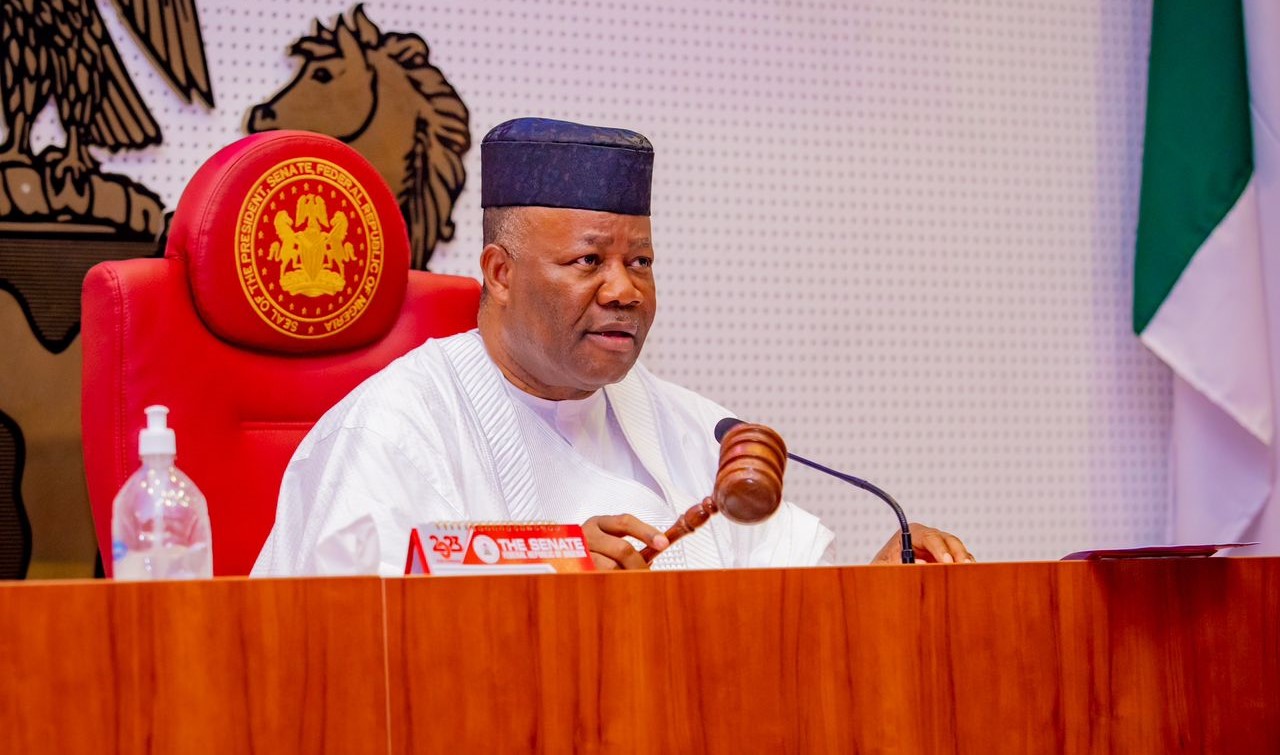
FILE: Akpabio

They made the call at the opening of the 15th National Security Seminar organised by the Alumni Association of the National Defence College in Abuja.

Represented by the Director of Policy and Strategy at the Office of the National Security Adviser, Yazid Gbemudu, the NSA said Nigeria’s territorial integrity and national stability were closely tied to the effectiveness of its border security framework.

He noted that while Nigeria’s extensive land and maritime borders facilitated trade, regional integration and socio-economic development, they also exposed the country to threats including terrorism, arms trafficking, smuggling, human trafficking, irregular migration and other forms of transnational organised crime.

According to him, weak border governance creates vulnerabilities that can be exploited by criminal and terrorist networks, thereby undermining national security and development efforts.

“A major pillar of Nigeria’s contemporary border security framework is the National Border Management Strategy, which promotes an integrated border management approach.

“The strategy seeks to enhance intelligence collaboration, strengthen border infrastructure, improve surveillance capabilities and modernise border management processes,” he said.

Ribadu said the deployment of Border Management Information Systems and other technological solutions at key entry and exit points had improved data collection, traveller screening and migration monitoring.

“These initiatives demonstrate Nigeria’s commitment to aligning its border management practices with international standards,” he added.

See also  NiMet predicts three-day sunshine, cloudiness from Monday

The NSA stressed the need for the full implementation of an integrated border management system to improve coordination among security, intelligence and law enforcement agencies.

“Effective intelligence sharing, joint operations and harmonised border procedures are essential for addressing contemporary security threats,” he said.

He also advocated increased investment in technology-driven border security solutions.

“Expanding surveillance systems across land, maritime and coastal borders will significantly improve monitoring capabilities and reduce illegal cross-border activities.

“Modern challenges require modern solutions, including biometric identification systems, advanced border monitoring technologies and data-driven security frameworks,” Ribadu stated.

The NSA further emphasised the importance of regional and bilateral cooperation, noting that many of the security challenges confronting Nigeria’s borders were transnational in nature and required coordinated responses among neighbouring countries.

He also called for greater investment in border communities through sustainable development, improved infrastructure and economic opportunities to reduce their vulnerability to criminal exploitation.

“Strengthening Nigeria’s border security architecture is fundamental to ensuring national stability, protecting territorial integrity and promoting socio-economic development,” he said.

Ribadu, however, acknowledged challenges such as porous borders, inadequate infrastructure, limited technological capabilities and gaps in inter-agency coordination, saying they required urgent attention.

“Border security is a shared responsibility that requires the collective efforts of security agencies, government institutions, border communities and international partners,” he added.

Speaking at the event, Akpabio, who was represented by the Chairman of the Senate Committee on Defence, Ahmad Lawan, said Nigeria’s extensive land and maritime boundaries posed significant security challenges.

“As a country with extensive land and maritime boundaries, Nigeria faces significant challenges relating to border control, illegal migration, arms trafficking, smuggling and the infiltration of criminal and extremist elements.

See also  GRAPHIC PHOTOS: One de@d as four storey building collapses in Lagos

“It is, therefore, imperative that Nigeria prioritises the strengthening of its border security architecture through improved surveillance, enhanced infrastructure, better inter-agency coordination, technological innovation and stronger regional cooperation,” he said.

Akpabio noted that many of the security threats confronting Nigeria had transnational dimensions, making coordinated responses essential.

He stressed that peace and security remained prerequisites for meaningful national development.

“There can be no meaningful development without peace and security. Porous and poorly managed borders can become vulnerabilities that undermine national security efforts and national stability,” he said.

The Senate President also advocated a whole-of-government and whole-of-society approach to addressing insecurity.

According to him, government institutions, security agencies, civil society organisations, the private sector, traditional institutions, the media and academia all have critical roles to play in safeguarding the country.

Earlier, the Acting President of AANDEC, Commodore Amatare Kpou (retd.), described the seminar as a key platform for promoting informed discourse on national security challenges and opportunities.

Kpou said the theme of the seminar, “Strengthening Nigeria’s Border Security Architecture for National Stability,” was timely, given the growing threats of irregular migration, smuggling, trafficking and other cross-border crimes.

He expressed confidence that the deliberations would generate useful recommendations for policymakers and contribute to efforts aimed at building a safer and more secure Nigeria.

Nigeria shares over 4,000 kilometres of land borders with neighbouring countries and an extensive coastline, making border security a critical component of national security.

Authorities have repeatedly identified porous borders as channels for terrorism, arms smuggling, human trafficking and other transnational crimes.

The Federal Government has in recent years intensified efforts to strengthen border management through technology, intelligence sharing and regional cooperation.

See also  Court threatens to revoke Sowore’s bail over absenteeism

punch.ng

FOLLOW US ON:

FACEBOOK

TWITTER

PINTEREST

TIKTOK

YOUTUBE

LINKEDIN

INSTAGRAM

Continue Reading

Trending