Connect with us

Business

The president and his power sector burdens explicitly explained

Published

on

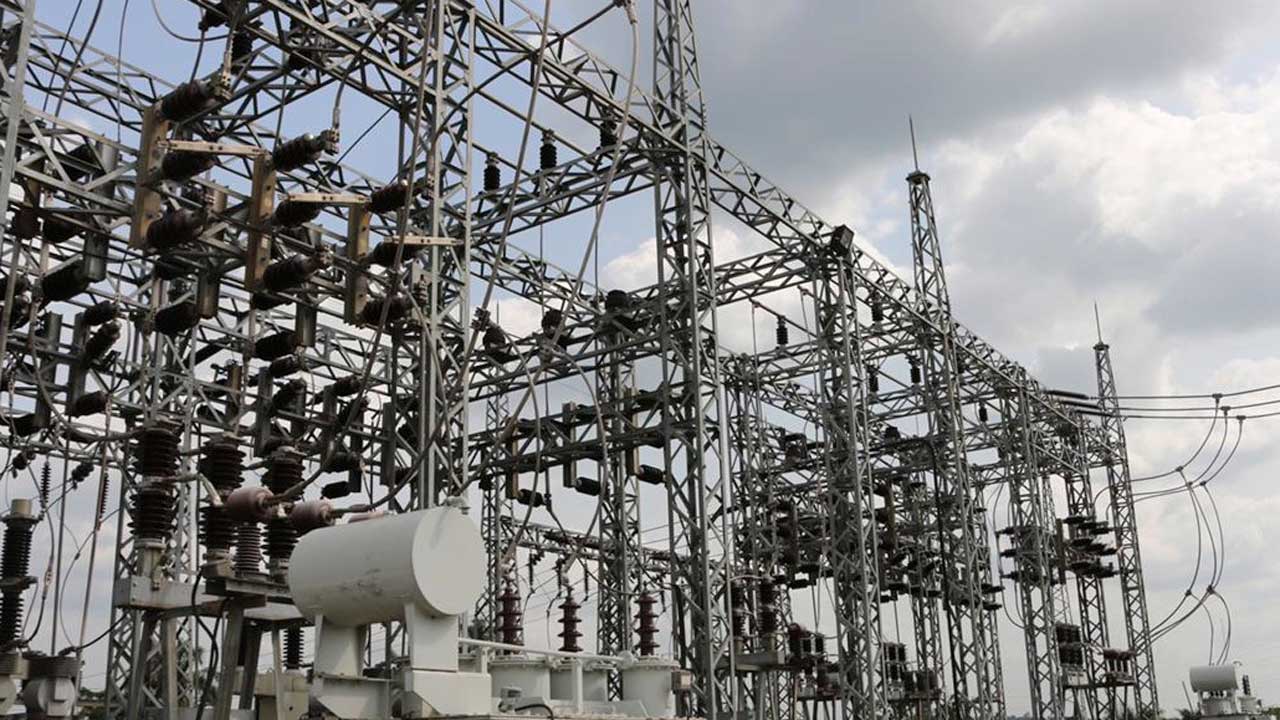
Nigeria’s electricity sector remains one of the most critical yet troubled components of its economy. Despite decades of reforms, including the landmark Electricity Act 2023, the country continues to experience erratic power supply, infrastructural decay, and financial instability. This article examines the core problems in Nigeria’s power sector and proposes practical solutions, supported by relevant legal frameworks, vis-à-vis the solemn promise made to the people of Nigeria by President Bola Ahmed Tinubu in the course of his political campaigns. Power generation is the main issue in regard to the socio-economic development of any nation. In Nigeria, however, successive governments have deployed it for political gains, knowing the importance that Nigerians attach to it. Thus, in 2015 when it was canvassing for votes from the electorate, the All Progressive Congress stated as follows:

“INFRASTRUCTURE: APC WILL:

Generate, transmit and distribute from current 5,000 – 6,000 MW to at least 20,000 MV of electricity within four years and increasing to 50,000 MW with a view of achieving 24/7 uninterrupted power supply within ten years, whilst simultaneously ensuring development of sustainable/renewable energy.”

Manifesto of the All Progressive Congress (APC), submitted to the people of Nigeria in the wake of the 2015 general elections.

While seeking the mandate of the people to be voted into office, President Tinubu declared that he will surely and certainly fix the power sector issues which will guaranty stable, functional and efficient electricity supply. During the 2023 presidential campaign in particular, the President made a notable promise regarding the Nigerian power sector, stating that if he fails to provide stable electricity within his first four years, Nigerians should not vote for him for a second term. The statement as monitored from his campaign video, states thus: “If I don’t keep the promise (of providing electricity) and I come for a second time, don’t vote for me,” adding that he would provide “24-hour electricity” and end estimated billing. Eleven years after the APC manifesto and three years after his swearing in, the electricity situation has not fared any better, if not worse. For instance, I have never experienced electricity supply in my hometown since I was born, as we are not connected to the national grid at all. Several towns and villages are like my hometown, locked out of any form of development at all, yet we are classified as oil producing. The impression that our leaders in power have conveyed to us is that it is practically impossible to have stable and permanent power supply; that we don’t have the resources to build the needed energy plants that will meet the needs of all Nigerians; and that we must accept generators as second nature if we must function and survive as a people. Churches, banks, schools, small businesses, factories, government ministries and departments, police stations, the courts and even PHCN itself, all depend on generators. Instead of fulfilling his promise, the President has exited the epileptic national grid to the suffering masses of Nigerians and this has trickled down as the Nigerian Revenue Service has recently announced its exit too. In reality, the President may have forgotten that he made any promise to Nigerians, since Aso Villa is now powered with modern solar technology.

See also  CBN Projects 12.94% Inflation Rate In 2026 On Lower Fuel, Food Prices

Overview of Nigeria’s Power Sector Crisis

Nigeria’s power sector has long been characterised by inadequate generation, weak transmission networks, and inefficient distribution systems. Although installed capacity exceeds 13,000 MW, actual generation is often far lower due to systemic inefficiencies and constraints. Frequent national grid collapses, blackouts, and dependence on private generators highlight the depth of the crisis. It is very difficult to know what to believe between bogus figures being bandied by the government and the institutions established to manage the power sector.

The Major Problems in the Power Sector

a. Inadequate Generation Capacity

Nigeria generates far less electricity than required for its population of over 200 million people. Structural issues such as gas supply shortages and overreliance on fossil fuels limit output. The system equipment is obsolete and no major investment is imminent to end the rot.

b. Poor Transmission Infrastructure

The transmission network, largely controlled by the government, is outdated and unable to efficiently evacuate generated power. Aging infrastructure contributes to frequent grid failures. What is required is a total overhaul, not selective attention meant to garner acceptability.

c. Inefficient Distribution System

Distribution companies (DisCos) struggle with:

High technical and commercial losses, mostly from government agencies.

Poor metering systems, fueled by corruption and bureaucracy.

Inability to recover costs, as the route for such endeavour are very cumbersome and costly.

This results in unreliable service delivery and revenue shortfalls. While the consumers are shouting blue murder against the DISCOs, the latter is always complaining of frustration by the system.

d. Financial and Liquidity Crisis

See also  NNPC links cooking-gas price hike to PENGASSAN strike

It has been alleged that the sector is heavily indebted, with trillions of naira owed to generation companies. This discourages investment and limits expansion. We were, however, informed lately that the President has ordered the payment of all legacy debts connected with the power sector. It is therefore surprising that Nigeria is currently experiencing the worst in electricity supply after the financial liquidity issue has been addressed.

e. Regulatory and Policy Challenges

Prior to recent reforms, the legal framework—primarily the Electric Power Sector Reform Act 2005—was insufficient to address evolving sector challenges, including decentralisation and renewable integration. This led to several suggestions for an amendment of the said Act which was indeed accomplished in 2023. But that has not changed anything.

f. Vandalism and Energy Theft

Pipeline vandalism, electricity theft, and sabotage of infrastructure further weaken the system and increase operational costs.

3. Legal Framework Governing the Power Sector

a. Electricity Act 2023

The Electricity Act 2023 is the most comprehensive reform in Nigeria’s electricity sector. It repealed the 2005 Act, decentralised the sector by empowering states to regulate electricity markets, encouraged private sector participation and promoted renewable energy development. These reforms have however remained opaque and elusive as Nigerians still grapple with generators all over the country.

b. Nigerian Electricity Regulatory Commission (NERC)

Established under earlier reforms and strengthened by the new Act, Nigerian Electricity Regulatory Commission oversees licensing, tariff regulation, and consumer protection. It is considered to be a weak institution, displaying inability to muster the needed willpower to enforce the law.

c. National Integrated Electricity Policy (NIEP)

This policy provides strategic direction for long-term sector planning and energy mix diversification.

4. Solutions to Nigeria’s Power Sector Crisis

a. Decentralization and State-Level Electricity Markets

The Electricity Act 2023 allows states to generate and distribute electricity independently. This can reduce pressure on the national grid, encourage localised solutions and improve efficiency through competition. The President should develop a road map for the power sector as a matter of priority and this should be done in active collaboration with the states. The convergency of interests should not be visible only on political matters but should be extended to and include developmental projects.

See also  Dangote refinery expansion to create 95,000 jobs

b. Investment in Infrastructure

Significant investment is required in transmission networks, smart grid technologies and renewable energy systems. Public-private partnerships (PPPs) should be strengthened under the legal framework. Like the reforms implemented in the telecommunications sector, government should be concerned with effective regulation.

c. Cost-Reflective Tariffs

Implementing tariffs that reflect actual costs—while protecting vulnerable consumers—can improve liquidity and attract investors.

d. Promotion of Renewable Energy

The law supports renewable energy integration, including solar mini-grids for rural electrification. This reduces dependence on fossil fuels and improves energy access.

e. Strengthening Regulation and Governance

Enhancing the capacity of Nigerian Electricity Regulatory Commission ensures transparent licensing regime, holistic enforcement of market rules and protection of consumer rights.

f. Addressing Sector Debt

Government intervention—such as debt refinancing and subsidy reforms—can stabilise the sector financially and restore investor confidence.

g. Tackling Vandalism and Energy Theft

Stronger enforcement of electricity offences under the Electricity Act 2023 is essential to reduce losses and protect infrastructure.

5. Conclusion

Nigeria’s power sector crisis is deeply rooted in structural, financial, and regulatory challenges. However, the introduction of the Electricity Act 2023 marks a turning point by providing a modern legal framework for reform. If effectively implemented—alongside investment, decentralisation, and improved governance—the Act offers a realistic pathway to achieving stable and sustainable electricity supply in Nigeria. For now, we hold the President to the solemn promise he voluntarily made to the people of Nigeria that he is willing and able to fulfil that undertaking, failing which he should expect the enforcement of the consequence, which is that Nigerians should not vote for him for a second term in office if the darkness persists. With the resources said to have accrued from the trumpeted economic reforms, there is no reason that Nigerians should keep enduring high tariffs for darkness and estimated billings drain their resources painfully. Abia State has recorded stable power supply through effective partnership with the private sector, so electricity supply is not rocket science and unless the issue is resolved by the President in line with his solemn promise, it may be a burden he will carry for a long time and into the coming election.

Ebun-Olu Adegboruwa, SAN

tribuneonline.ng

FOLLOW US ON:

FACEBOOK

TWITTER

PINTEREST

TIKTOK

YOUTUBE

LINKEDIN

INSTAGRAM

Continue Reading
Click to comment

Leave a Reply

Your email address will not be published. Required fields are marked *

Business

FG tells marketers to reflect global oil price drop in petrol prices

Published

on

Minister of State for Petroleum Resources, Sen. Heineken Lokpobiri, has directed petroleum marketers to immediately reflect the recent decline in global oil prices by reducing the pump prices of Premium Motor Spirit (PMS) and other petroleum products.

Lokpobiri gave the directive at the 2026 Nigerian Midstream and Downstream Petroleum Regulatory Authority (NMDPRA) General Counsel and Legal Advisers Forum on Monday in Abuja.

The forum is themed “Beyond Compliance Certainty and Investment Confidence in Nigeria’s Petroleum Sector.”

Lokpobiri said that with the de-escalation of tensions between Iran and the United States, there was an expectation that the prices of PMS and other petroleum products would be adjusted downward accordingly.

He expressed concern that the anticipated reduction had yet to be reflected at the pumps, stressing that while market forces under the deregulated regime would ultimately restore price equilibrium, marketers should not exploit the situation to make excessive profits.

The minister said the regulator had a statutory responsibility to ensure that deregulation did not become an avenue for profiteering, adding that this must be carried out in line with the provisions of the Petroleum Industry Act (PIA 2021).

“For too long, the dominant question in our regulatory conversations has been: are operators complying? That question matters. It will always matter. But it is no longer sufficient.

“The more consequential question today is this: are our regulatory authorities doing their job? Is it clear, consistent and predictable enough to give investors the confidence they need to commit capital, not just for one cycle, but for the long term?

See also  Nigerians battle shortage of cooking gas as price of 12.5kg cylinder of gas rises to N25,000

“Compliance is the foundation. Regulatory certainty is the ceiling we must now be building toward,” he said.

Lokpobiri, while urging marketers to comply with the principles of fair pricing to ensure that consumers benefit from the prevailing market realities, urged regulators to move beyond compliance by promoting regulatory certainty to attracting long-term investments.

“The sector is now fully deregulated, a bold reform that President Bola Tinubu had the courage to implement. That decision paved way for the operationalisation of the Dangote Refinery and other refinery projects currently underway.

“It also ensured that artificial scarcity has become a thing of the past.

“You can attest to the fact that since 2023 there has been availability of products in country even with the recent challenges posed by the US-Israeli /Iranian conflict.

“Beyond allowing prices to be determined by market forces, the question is: what is the regulator doing to ensure that consumers receive the correct quantity of product?

“When someone pays for 10 litres of PMS, they should receive exactly 10 litres, not less,” he warned.

Lokpobiri said while compliance with regulations remained fundamental, investors were increasingly interested in jurisdictions with clear, consistent and predictable regulatory frameworks.

He described general counsel as strategic partners whose responsibilities extend beyond interpreting laws to shaping investment decisions, improving regulatory design and supporting national development.

According to him, legal advisers should provide constructive feedback whenever regulations or guidelines create uncertainty that could discourage investment.

He said Nigeria’s petroleum sector was entering a new phase characterised by expanding domestic refining capacity, increased private sector participation and emerging opportunities across the midstream and downstream segments.

See also  FG unveils ‘fly now, pay later’ credit scheme for domestic flights

According to him, attracting investments will require policy consistency, transparent regulation, efficient dispute resolution and strong collaboration among government, regulators, industry operators and legal practitioners.

He expressed confidence that the recommendations from the forum would contribute to improving governance, regulatory certainty and investment confidence in Nigeria’s petroleum sector. (NAN)

punch.ng

FOLLOW US ON:

FACEBOOK

TWITTER

PINTEREST

TIKTOK

YOUTUBE

LINKEDIN

Continue Reading

Business

Olodo uprising: Tinubu aide faults critics of First Lady’s Akara, Kuli kuli comment

Published

on

The Special Assistant to President Bola Tinubu on Social Media, Dada Olusegun, has defended First Lady Oluremi Tinubu’s recent empowerment of micro-traders, saying criticisms of the initiative are driven by ignorance of her record and the role of Nigeria’s informal economy.

In a statement shared on Monday, Olusegun described the backlash over the First Lady’s focus on traders such as akara and kulikuli sellers as a “performative circus of selective amnesia.”

He argued that critics had ignored the numerous interventions carried out by the Renewed Hope Initiative across healthcare, women’s empowerment, support for military widows and persons living with disabilities.

The First Lady, Senator Oluremi Tinubu
The First Lady of Nigeria, Senator Oluremi Tinubu

According to him, the First Lady’s interventions extend beyond petty traders, citing her donation of ₦1bn to the National Cancer Fund for cervical cancer screening and another ₦1bn for tuberculosis diagnostic equipment in Abuja in 2025.

He also referenced the disbursement of ₦250,000 each to 1,709 widows and orphans of fallen military personnel in 2023, as well as ₦200,000 business grants to persons living with disabilities across the 36 states and the Federal Capital Territory.

Olusegun further highlighted the Renewed Hope Initiative’s partnership with the Tony Elumelu Foundation, which targeted 18,500 women nationwide with ₦50,000 grants and the distribution of equipment, including industrial grinding machines, freezers and generators.

He further criticised what he described as an “Olodo uprising” on social media, accusing critics of reacting to trends without researching the facts.

“This entire controversy perfectly mirrors what is now happening with the broader ‘Olodo uprising” across our social platforms. We live in an era where people jump on trending hashtags and soundbites without dedicating a single minute to researching context. Memes are manufactured in seconds; accurate history takes time to read.

See also  Tinubu approves 15% import duty on petrol, diesel

“When the critics are done making their superficial memes, writing cynical captions, and circulating ignorant narratives, the reality on the ground will remain unchanged. They would be better off advising their constituents to find credible means to key into these ongoing government initiatives,” he stated.

He maintained that empowering small-scale traders should not be viewed as “weaponising poverty.”

“According to various economic metrics, the informal sector contributes over 50 per cent of Nigeria’s GDP and accounts for over 80 per cent of employment. The akara fryer, the kulikuli processor, and the petty trader are not just marginal actors; they are the literal shock absorbers of our micro-economy.

“When you give a micro-grant or operational tools to an akara seller, you are not validating poverty; you are reducing immediate operational capital friction, securing food chains at the grassroots, and expanding household income. Mocking these initiatives as ‘petty’ shows a deep-seated contempt for the actual working class of Nigeria,” he said.

Olusegun also defended the political value of grassroots empowerment, saying such interventions create trust among beneficiaries.

He cited the TraderMoni and MarketMoni programmes introduced during former President Muhammadu Buhari’s administration under then Vice President Yemi Osinbajo as examples of initiatives that directly impacted market traders.

“The opposition often wonders why the poorest segments of the population continually familiarise themselves with the All Progressives Congress during elections. The answer is simple: the party meets them at their point of immediate need,” he said.

Olusegun added that Tinubu’s record as former First Lady of Lagos State, a three-term senator and now First Lady of the Federation showed a consistent commitment to structured empowerment programmes.

See also  FG unveils ‘fly now, pay later’ credit scheme for domestic flights

“She will not be distracted by digital static from doing what she has mastered over decades: empowering the poorest among us, one structured intervention at a time,” he said.

punch.ng

FOLLOW US ON:

FACEBOOK

TWITTER

PINTEREST

TIKTOK

YOUTUBE

LINKEDIN

Continue Reading

Business

Dangote refinery imports first UAE crude cargoes

Published

on

The Dangote Refinery has purchased two cargoes of crude oil from the United Arab Emirates, marking its first-ever procurement of Middle Eastern crude as it expands its feedstock sources amid persistent domestic supply constraints.

According to a report by S&P Global Commodity Insights, the two cargoes will be the first sourced by the 700,000-barrels-per-day refinery from any Middle Eastern supplier, signalling a shift from its traditional reliance on Nigerian, African, and United States crude grades.

The report said the purchases followed the resumption of oil exports from the Middle East after the United States and Iran reached an interim peace agreement that restored confidence in shipping through the Strait of Hormuz.

The refinery, designed primarily to process Nigeria’s light sweet crude, has increasingly diversified its crude slate as operations ramp up. S&P Global reported that an agreement between the refinery and the Nigerian National Petroleum Company had guaranteed the supply of between 13 and 15 cargoes of Nigerian crude monthly in naira, helping the refinery reduce its foreign exchange exposure.

However, the arrangement has faced challenges due to inadequate crude availability and operational issues at export terminals. According to the report, Dangote Refinery Chief Executive Officer David Bird had previously disclosed that these constraints had compelled the company to seek additional crude sources outside Nigeria.

The report added that the refinery’s expansion plans would further increase its crude requirements. Dangote plans to double the refinery’s processing capacity to 1.4 million barrels per day by the end of 2028, a level that would enable it to process about 80 per cent of Nigeria’s recent crude oil production in a single day.

See also  NNPC links cooking-gas price hike to PENGASSAN strike

Speaking earlier this year, Bird said the refinery intended to increase the share of heavier crude grades in its feedstock mix. “We definitely want to heavy up the barrel,” Bird said in April.

He added, “We will be in the crude blending game. So you can easily imagine at 1.4 million b/d we could process 30 per cent Middle Eastern grades on each train.”

According to S&P Global, the refinery has been broadening the range of crude grades it processes as part of its ambition to operate as a fully merchant refinery. The report noted that in 2025, about 70 per cent of the refinery’s crude imports came from Nigeria, while 24 per cent originated from the United States.

punch.ng

FOLLOW US ON:

FACEBOOK

TWITTER

PINTEREST

TIKTOK

YOUTUBE

LINKEDIN

Continue Reading

Trending